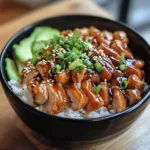
Ingredients
- Chicken Thighs (boneless, skinless): 1.5 pounds of boneless, skinless chicken thighs are the protein base of this dish. Chicken thighs are preferred over breasts for their richer flavor and ability to stay moist and tender even when cooked at higher temperatures. They also hold up well to marinating and grilling or pan-frying. You can substitute with chicken breasts if you prefer, but be mindful not to overcook them as they can dry out more easily. Cut the chicken thighs into bite-sized pieces, about 1-inch cubes, for quicker cooking and even flavor distribution.
- Soy Sauce (low sodium): ½ cup of low sodium soy sauce is a crucial component of the teriyaki marinade and sauce base. Low sodium soy sauce allows you to control the saltiness of the dish, preventing it from becoming overly salty, especially when combined with other salty ingredients. Soy sauce provides the umami depth and savory backbone of the teriyaki flavor. You can use regular soy sauce if you prefer, but adjust the amount of added salt later in the recipe if needed.
- Mirin (sweet rice wine): ¼ cup of mirin, a sweet Japanese rice wine, adds a subtle sweetness and complexity to the teriyaki sauce. Mirin has a lower alcohol content than sake and contributes a unique flavor profile that is essential for authentic teriyaki. If you cannot find mirin, you can substitute with dry sherry or rice vinegar with a teaspoon of sugar or honey added to mimic the sweetness.
- Sake (or dry sherry): ¼ cup of sake, or dry sherry as a readily available substitute, adds depth and a slightly alcoholic note to the teriyaki sauce, which cooks off during simmering. Sake enhances the overall flavor complexity and contributes to the authentic Japanese taste. Dry sherry is a good alternative if sake is not easily accessible. You can also omit it if necessary and slightly increase the mirin or soy sauce, but it does contribute to the overall flavor profile.
- Brown Sugar (packed): ¼ cup of packed light or dark brown sugar provides the signature sweetness of teriyaki sauce. Brown sugar adds a deeper, molasses-like sweetness compared to granulated sugar and also helps to thicken the sauce slightly as it simmers. You can adjust the amount of brown sugar to your preference – use less for a less sweet sauce, or more for a sweeter, more caramelized sauce.
- Garlic (minced): 2 cloves of garlic, minced, infuse the teriyaki sauce with a pungent and aromatic savory element. Freshly minced garlic is preferred for its vibrant flavor. If you don’t have fresh garlic, you can use ½ teaspoon of garlic powder, but fresh garlic will provide a more robust and authentic taste.
- Ginger (freshly grated): 1 tablespoon of freshly grated ginger adds a warm, spicy, and slightly citrusy note to the teriyaki sauce. Fresh ginger is essential for its bright and aromatic flavor. Use a microplane or fine grater to grate the ginger for a smooth texture in the sauce. If you don’t have fresh ginger, you can use ½ teaspoon of ground ginger, but fresh ginger is highly recommended for the best flavor.
- Sesame Oil (toasted): 1 teaspoon of toasted sesame oil adds a nutty, fragrant aroma and flavor to the teriyaki sauce and chicken. Toasted sesame oil has a much more intense flavor than regular sesame oil, so a little goes a long way. Add it towards the end of cooking to preserve its fragrance.
- Cornstarch: 1 tablespoon of cornstarch, mixed with 2 tablespoons of cold water (cornstarch slurry), is used to thicken the teriyaki sauce to a glossy and coating consistency. Cornstarch is an effective thickener that creates a smooth and slightly glossy sauce. Make sure to mix the cornstarch with cold water to create a slurry before adding it to the hot sauce to prevent lumps from forming.
- Sesame Seeds (for garnish): 1 tablespoon of sesame seeds, toasted or untoasted, are used for garnish, adding a nutty flavor and visual appeal to the finished rice bowls. Toasted sesame seeds offer a richer, more pronounced flavor. You can toast sesame seeds in a dry skillet over medium heat for a few minutes until fragrant and lightly golden, being careful not to burn them.
- Cooked Rice (white or brown): 4 cups of cooked rice, either white rice (like jasmine or basmati) or brown rice for a healthier option, serve as the base of the bowls. Prepare the rice according to package instructions. White rice provides a classic, fluffy base, while brown rice offers a nuttier flavor and more fiber. You can also use quinoa or other grains as alternatives if desired.
- Vegetables (optional, for serving): Assorted vegetables for serving alongside the teriyaki chicken and rice, adding color, nutrients, and texture to the bowls. Great options include:
- Broccoli florets: Steamed or roasted broccoli florets add a healthy and vibrant green element.
- Carrots (sliced or shredded): Steamed, roasted, or raw shredded carrots provide sweetness and crunch.
- Edamame (shelled): Steamed or microwaved edamame pods or shelled edamame add protein and a slightly nutty flavor.
- Bell peppers (sliced): Sautéed or raw bell peppers in various colors add sweetness and crispness.
- Green onions (sliced): Sliced green onions (scallions) are used for garnish and add a mild oniony flavor.
Instructions
Step 1: Marinate the Chicken
- Prepare Marinade: In a medium bowl, whisk together the soy sauce, mirin, sake (or dry sherry), brown sugar, minced garlic, and grated ginger. Ensure the brown sugar is fully dissolved in the liquid. This mixture forms the flavorful teriyaki marinade.
- Add Chicken: Add the bite-sized pieces of chicken thighs to the marinade. Toss to ensure all the chicken pieces are evenly coated with the marinade.
- Marinate: Cover the bowl with plastic wrap or a lid and marinate the chicken in the refrigerator for at least 30 minutes, or up to 2 hours for more intense flavor. Marinating longer than 2 hours is generally not recommended as the soy sauce can start to break down the chicken texture if marinated excessively. Thirty minutes is sufficient for good flavor penetration, but a longer marinade enhances the depth of taste.
Step 2: Cook the Chicken
- Heat Skillet or Grill Pan: Heat a large skillet or grill pan over medium-high heat. If using a skillet, add about 1 tablespoon of cooking oil (vegetable or canola oil). If using a grill pan, lightly spray it with cooking spray.
- Cook Chicken (in batches if needed): Remove the chicken pieces from the marinade, letting any excess marinade drip off (reserve the marinade – do not discard it!). Place the chicken in the hot skillet or grill pan in a single layer, being careful not to overcrowd the pan. Cook in batches if necessary to ensure even browning and searing. Overcrowding can steam the chicken instead of searing it.
- Sear and Cook Through: Sear the chicken pieces for 3-4 minutes per side, until they are nicely browned and cooked through. The internal temperature of the chicken should reach 165°F (74°C). Use a meat thermometer to ensure doneness if you are unsure. Searing creates a flavorful crust on the chicken and locks in the juices.
- Remove Chicken and Set Aside: Once the chicken is cooked through, remove it from the skillet or grill pan and set aside on a plate.
Step 3: Make the Teriyaki Sauce
- Pour in Reserved Marinade: Pour the reserved marinade into the same skillet or grill pan you used to cook the chicken (no need to clean it). The browned bits at the bottom of the pan will add extra flavor to the sauce.
- Simmer Marinade: Bring the marinade to a simmer over medium heat. Let it simmer for 5-7 minutes, allowing it to reduce slightly and concentrate the flavors. Simmering reduces the liquid and intensifies the teriyaki taste.
- Add Cornstarch Slurry: In a small bowl, whisk together the cornstarch and cold water to create a smooth slurry. Pour the cornstarch slurry into the simmering marinade.
- Thicken Sauce: Stir continuously and cook for another 1-2 minutes, or until the sauce thickens to your desired consistency. The cornstarch slurry will quickly thicken the sauce, creating a glossy teriyaki glaze. If you prefer a thicker sauce, you can add a bit more cornstarch slurry (a teaspoon at a time).
- Stir in Sesame Oil: Remove the skillet from the heat and stir in the toasted sesame oil. The sesame oil adds a final touch of nutty aroma and flavor to the sauce.
Step 4: Combine Chicken and Sauce
- Add Chicken to Sauce: Add the cooked chicken pieces back into the skillet with the teriyaki sauce.
- Toss to Coat: Toss the chicken to coat it evenly with the teriyaki sauce, ensuring every piece is glazed in the flavorful sauce.
Step 5: Assemble the Rice Bowls
- Prepare Rice Bowls: Divide the cooked rice evenly among bowls.
- Top with Teriyaki Chicken: Spoon the teriyaki chicken and sauce over the rice in each bowl.
- Add Vegetables (optional): Arrange your choice of vegetables (steamed broccoli, carrots, edamame, bell peppers, etc.) around the teriyaki chicken in each bowl.
- Garnish: Garnish each bowl with sesame seeds and sliced green onions.
Step 6: Serve and Enjoy!
- Serve Immediately: Serve the Teriyaki Chicken Rice Bowls immediately while they are warm and flavorful.
Nutrition
- Serving Size: one normal portion
- Calories: 500 - 600
- Sugar: 20 - 25g
- Sodium: 800 - 1000mg
- Fat: 15 - 20g
- Saturated Fat: 4 - 6g
- Carbohydrates: 60 - 70g
- Fiber: 2 - 4g
- Protein: 30 - 35g
- Cholesterol: 150 - 180mg