Ingredients
Scale
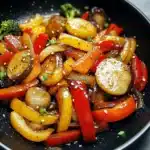
- 2 large bell peppers (various colors for visual appeal), sliced: Bell peppers are the stars of this stir fry, providing a sweet, slightly tangy, and refreshing flavor. Using a mix of colors – red, yellow, and orange – not only makes the dish visually appealing but also offers a broader spectrum of nutrients. Red bell peppers, for example, are rich in Vitamin C and antioxidants, while yellow and orange peppers also contribute vitamins A and C. When selecting bell peppers, choose ones that are firm, heavy for their size, and have smooth, shiny skins. Avoid peppers that are soft, wrinkled, or have blemishes. Slice the bell peppers into strips about ¼-inch thick and 2 inches long. This size is ideal for stir-frying as it cooks quickly and evenly, maintaining a pleasant crisp-tender texture. You can also adjust the size and shape depending on your preference, but consistency will ensure even cooking. For a spicier kick, you can incorporate a small amount of green bell pepper, which has a slightly more bitter and peppery flavor compared to the sweeter colored varieties.
- 1 (8-ounce) can water chestnuts, drained and sliced: Water chestnuts are the secret weapon for adding an incredible crunch to this stir fry. These aquatic vegetables, despite their name, are not nuts but rather corms that grow underwater. They have a uniquely crisp and refreshing texture that remains even after cooking, making them perfect for stir-fries. Canned water chestnuts are readily available and convenient. Ensure you drain them well to remove excess liquid from the can. Slice the water chestnuts into thin rounds or halves, depending on their size. Slicing them helps them to distribute evenly throughout the stir fry and allows their crunch to be enjoyed in every bite. Fresh water chestnuts can also be used, though they are less common in Western grocery stores. If you can find fresh water chestnuts, they will have a slightly sweeter and nuttier flavor compared to canned ones. Peel and slice fresh water chestnuts similarly to canned ones. If you can’t find water chestnuts, jicama can be used as a substitute for a similar crunchy texture, though the flavor profile will be slightly different.
- 2 tablespoons vegetable oil (peanut oil or canola oil recommended): Oil is essential for stir-frying, acting as a medium to conduct heat quickly and evenly, ensuring the vegetables cook rapidly while retaining their crispness. Vegetable oils with a high smoke point are ideal for stir-frying, as they can withstand high temperatures without breaking down or smoking excessively. Peanut oil and canola oil are excellent choices due to their high smoke points and neutral flavor, which allows the flavors of the vegetables and sauce to shine through. Other suitable high-heat oils include grapeseed oil, avocado oil, or sunflower oil. Avoid using olive oil or butter for stir-frying as they have lower smoke points and can burn at high temperatures. The amount of oil is also important; too little oil can cause the vegetables to stick and burn, while too much oil can make the dish greasy. Two tablespoons are generally sufficient for stir-frying this quantity of vegetables.
- 2 cloves garlic, minced: Garlic is a fundamental aromatic ingredient in stir-fries, adding a pungent, savory, and slightly spicy flavor that forms the base of the dish’s flavor profile. Fresh garlic is always preferred for its vibrant and complex flavor. Choose firm, plump garlic cloves and mince them finely to release their flavor quickly during stir-frying. Mincing ensures the garlic flavor is evenly distributed throughout the dish. You can adjust the amount of garlic to your preference; some may prefer a more pronounced garlic flavor, while others may prefer a milder touch. For a milder garlic flavor, you can add the garlic later in the stir-frying process or use roasted garlic. If you don’t have fresh garlic, you can substitute with garlic powder, using about ½ to 1 teaspoon, but fresh garlic will always provide a superior flavor.
- 1 tablespoon ginger, minced or grated: Ginger adds a warm, zesty, and slightly spicy dimension to the stir fry, complementing the garlic and bell peppers beautifully. Fresh ginger is essential for authentic stir-fry flavor. Look for firm, plump ginger roots with smooth skin. Peel the ginger and mince or grate it finely. Grating ginger releases more of its juice and flavor compared to mincing. Like garlic, you can adjust the amount of ginger to your taste. Ginger paste, available in tubes or jars, can be a convenient substitute for fresh ginger, but fresh ginger will offer a brighter and more vibrant flavor. Ginger adds not only flavor but also potential health benefits, known for its anti-inflammatory and digestive properties.
- Stir-fry sauce (see recipe below): The stir-fry sauce is the unifying element that brings all the ingredients together, coating the vegetables in a flavorful and savory glaze. A well-balanced stir-fry sauce is crucial for the success of the dish. You can use a pre-made stir-fry sauce for convenience, but making your own sauce allows you to control the ingredients and customize the flavor to your liking. A basic stir-fry sauce typically includes soy sauce (for saltiness and umami), oyster sauce (for richness and depth – optional for vegan), sesame oil (for nutty aroma and flavor), rice vinegar (for acidity and balance), and a sweetener like honey or brown sugar (for sweetness). Cornstarch is often added as a thickening agent to create a glossy and clinging sauce. We will provide a detailed recipe for a delicious homemade stir-fry sauce below.
For the Stir-fry Sauce:
- 3 tablespoons soy sauce (low sodium recommended): Soy sauce is the foundation of most Asian stir-fry sauces, providing saltiness, umami, and a rich, savory flavor. Low sodium soy sauce is recommended to control the overall sodium content of the dish, allowing you to adjust the saltiness to your preference. You can always add more salt later if needed. Soy sauce is made from fermented soybeans, wheat, water, and salt, and its fermentation process contributes to its complex flavor profile. For a gluten-free option, use tamari or coconut aminos, which offer similar savory notes.
- 2 tablespoons oyster sauce (or vegetarian oyster sauce for vegan option): Oyster sauce adds a unique depth of flavor, richness, and umami to the stir-fry sauce. It has a slightly sweet and savory taste with a hint of brininess. Oyster sauce is traditionally made from oyster extracts, soy sauce, and other seasonings. For a vegetarian or vegan version, use vegetarian oyster sauce, which is typically made from mushrooms and soy sauce to mimic the flavor of oyster sauce. If you don’t have oyster sauce or vegetarian oyster sauce, you can substitute with hoisin sauce (though it’s sweeter and thicker) or simply increase the amount of soy sauce and add a touch of brown sugar for sweetness and depth.
- 1 tablespoon rice vinegar: Rice vinegar adds a crucial element of acidity to the stir-fry sauce, balancing the saltiness of the soy sauce and the richness of the oyster sauce. It provides a subtle tanginess that brightens the flavors and prevents the sauce from being too heavy or one-dimensional. Rice vinegar is made from fermented rice and has a milder and slightly sweeter flavor compared to distilled white vinegar. You can use seasoned or unseasoned rice vinegar; unseasoned is generally preferred for stir-fry sauces as it allows you to control the sweetness level. If you don’t have rice vinegar, you can substitute with apple cider vinegar or white wine vinegar, but use slightly less as they are more acidic.
- 1 tablespoon sesame oil: Sesame oil is essential for adding a distinctive nutty aroma and flavor to stir-fries. A little goes a long way, so use it sparingly. Sesame oil is typically used as a finishing oil in stir-fries, added towards the end of cooking to preserve its delicate flavor and aroma. Toasted sesame oil is preferred for its richer and more intense nutty flavor compared to light sesame oil. Store sesame oil in a cool, dark place as it can become rancid over time. Do not substitute with other cooking oils, as sesame oil’s flavor is unique and crucial to authentic stir-fry taste.
- 1 teaspoon cornstarch: Cornstarch acts as a thickening agent in the stir-fry sauce, creating a glossy and clinging texture that coats the vegetables beautifully. When cornstarch is mixed with cold liquid (like soy sauce in this recipe) and then heated, it gelatinizes and thickens the sauce. This ensures the sauce isn’t watery and clings to the bell peppers and water chestnuts, enhancing their flavor and texture. Make sure to mix the cornstarch thoroughly with the other sauce ingredients before adding it to the stir-fry to prevent clumps from forming. If you don’t have cornstarch, you can substitute with arrowroot powder or tapioca starch, which have similar thickening properties.
- 1 teaspoon brown sugar (or honey for non-vegan option): A touch of sweetness is important in stir-fry sauce to balance the saltiness, acidity, and savory notes. Brown sugar adds a subtle molasses-like sweetness and depth of flavor. Honey can be used as a non-vegan alternative, providing a floral sweetness. You can adjust the amount of sweetener to your preference, depending on how sweet you like your stir-fry. Other sweeteners that can be used include maple syrup (for vegan option) or granulated sugar, but brown sugar and honey add more complex flavors.
- Optional: Red pepper flakes (for heat): If you enjoy a spicy kick, adding a pinch of red pepper flakes to the stir-fry sauce will introduce a pleasant heat. Start with a small pinch (about ¼ teaspoon) and adjust to your spice preference. Red pepper flakes add not only heat but also a subtle fruity and slightly smoky flavor. You can also use fresh chili peppers, finely chopped, for a more intense heat and fresh flavor. For a milder spice, you can use chili garlic sauce or sriracha instead of red pepper flakes, adding it to the sauce or directly to the stir-fry during cooking.
Instructions
- Prepare the Stir-fry Sauce: In a small bowl, whisk together all the sauce ingredients: soy sauce, oyster sauce (or vegetarian oyster sauce), rice vinegar, sesame oil, cornstarch, and brown sugar (or honey). Whisk thoroughly until the cornstarch is completely dissolved and the sauce is smooth and well combined. This step is crucial as it ensures that the sauce is ready to be added to the stir-fry at the right moment. Having the sauce pre-mixed allows for a smooth and efficient cooking process when you are stir-frying over high heat. Taste the sauce and adjust seasonings as needed. You can add a little more soy sauce for saltiness, rice vinegar for acidity, or brown sugar for sweetness to balance the flavors according to your preference. Set the sauce aside until you are ready to stir-fry.
- Heat the Wok or Skillet: Place a wok or a large skillet over high heat. Woks are ideal for stir-frying due to their shape, which allows for even heat distribution and quick cooking. If you don’t have a wok, a large, heavy-bottomed skillet will also work well. Heat the wok or skillet until it is very hot. You will know it’s hot enough when a drop of water flicked into the pan evaporates almost instantly. High heat is essential for stir-frying as it allows the vegetables to cook quickly and develop a slightly charred and smoky flavor while maintaining their crispness. Properly heating the pan before adding oil and ingredients is a key step in achieving authentic stir-fry results.
- Add Oil and Aromatics: Once the wok or skillet is hot, add the vegetable oil (peanut oil or canola oil) and swirl it around to coat the bottom of the pan. Immediately add the minced garlic and ginger to the hot oil. Stir-fry for about 30 seconds to 1 minute, or until fragrant. Be careful not to burn the garlic and ginger, as burnt aromatics can impart a bitter taste to the stir fry. Stir-frying the garlic and ginger in hot oil releases their aromatic compounds, infusing the oil and setting the flavor base for the entire dish. Keep the aromatics moving constantly to prevent burning and ensure even cooking. The aroma of garlic and ginger becoming fragrant is a good indicator that they are ready.
- Add Bell Peppers: Add the sliced bell peppers to the wok or skillet. Stir-fry for 3-4 minutes, or until the bell peppers are crisp-tender. Stir-frying involves tossing and turning the vegetables quickly and continuously over high heat. This method cooks the bell peppers quickly while retaining their vibrant color and crisp texture. You want the bell peppers to be cooked through but still have a slight bite to them, not mushy or overcooked. If you are using different colored bell peppers, they may cook at slightly different rates. Keep stir-frying until the most dense bell pepper (usually green) reaches the desired crisp-tender stage.
- Add Water Chestnuts: Add the sliced water chestnuts to the wok or skillet with the bell peppers. Stir-fry for another 1-2 minutes to heat them through and combine them with the bell peppers. Water chestnuts are already cooked (even canned ones are processed), so you are just heating them up and incorporating them into the stir fry. Stir-frying them briefly will maintain their signature crunch and allow them to absorb some of the flavors from the aromatics and bell peppers.
- Pour in the Stir-fry Sauce: Pour the prepared stir-fry sauce over the vegetables in the wok or skillet. Stir-fry for 1-2 minutes, or until the sauce thickens and coats the bell peppers and water chestnuts evenly. As the sauce heats up, the cornstarch will activate and thicken it, creating a glossy and flavorful glaze. Continue to stir-fry and toss the vegetables to ensure they are all coated in the sauce. The sauce should become slightly sticky and cling to the vegetables, creating a delicious and cohesive dish. Avoid overcooking at this stage, as the sauce can become too thick or sticky if cooked for too long.
- Serve Immediately: Remove the stir fry from the heat and serve immediately. Stir-fries are best enjoyed hot and fresh, right after cooking, when the vegetables are at their crispest and the sauce is at its peak flavor. Serving immediately also prevents the vegetables from becoming soggy from sitting in the sauce. Garnish as desired (see serving suggestions below) and enjoy your flavorful and healthy Stir Fry Bell Peppers & Water Chestnuts. Serve it as a main course over rice, noodles, or quinoa, or as a side dish to complement other Asian-inspired dishes.
Nutrition
- Serving Size: one normal portion
- Calories: 200-250
- Sugar: 10-12g
- Sodium: 600-800mg
- Fat: 10-15g
- Saturated Fat: 1-2g
- Carbohydrates: 25-30g
- Fiber: 5-7g
- Protein: 3-5g