
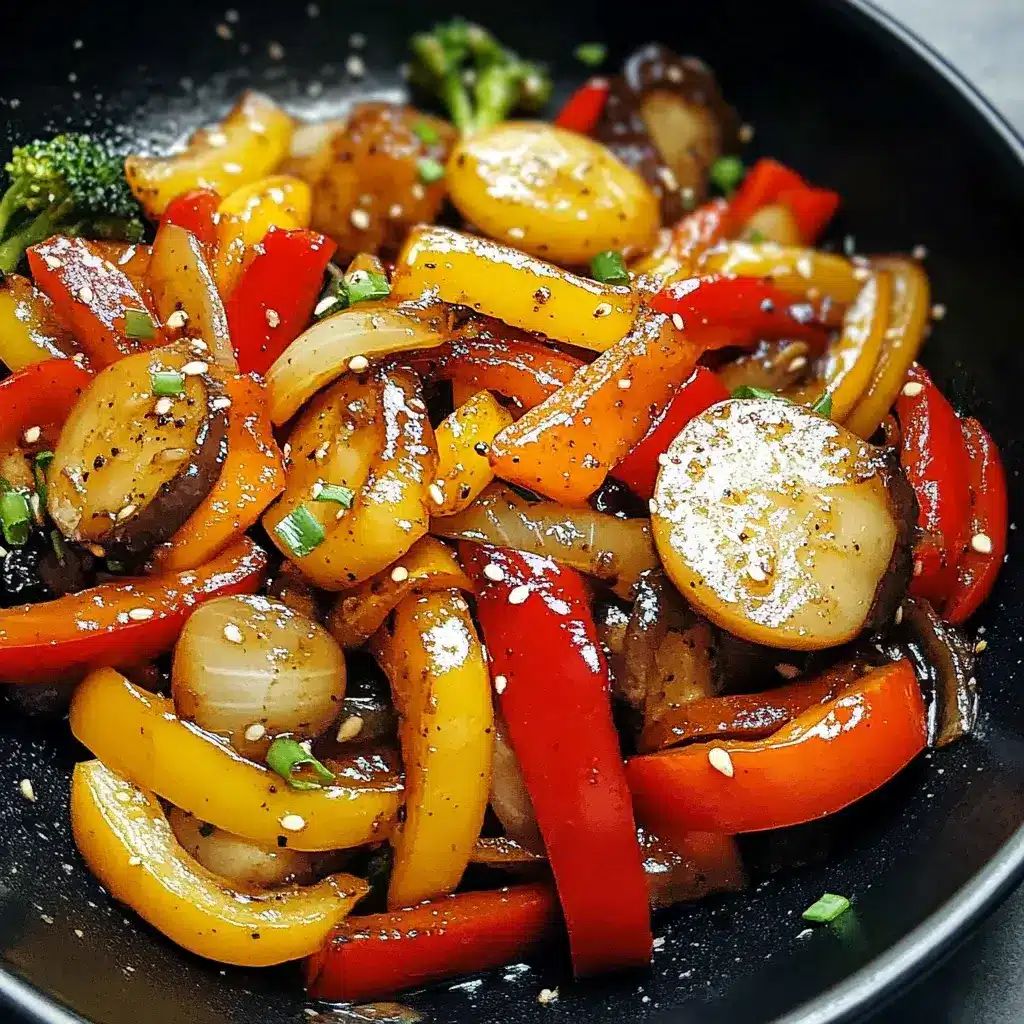

After a busy day, when takeout menus start to look tempting, I always remind myself of this incredibly satisfying and surprisingly quick dish: Stir Fry Bell Peppers & Water Chestnuts. It’s become a staple in our home because it’s not only packed with vibrant flavors and textures but also a fantastic way to get a healthy dose of vegetables into our meals. The crisp-tender bell peppers, the uniquely crunchy water chestnuts, and the savory stir-fry sauce create a symphony in your mouth. Even better, it’s so easy to customize with your favorite proteins or served as a delightful vegetarian or vegan main course. This recipe has saved countless weeknights and always leaves us feeling nourished and content. If you are looking for a fast, flavorful, and healthy meal, this stir fry is definitely a winner!
Ingredients
The key to a truly exceptional Stir Fry Bell Peppers & Water Chestnuts lies in the quality and freshness of the ingredients. Each component plays a vital role in building the overall flavor profile and texture of this vibrant dish. Let’s delve into each ingredient you’ll need to gather:
- 2 large bell peppers (various colors for visual appeal), sliced: Bell peppers are the stars of this stir fry, providing a sweet, slightly tangy, and refreshing flavor. Using a mix of colors – red, yellow, and orange – not only makes the dish visually appealing but also offers a broader spectrum of nutrients. Red bell peppers, for example, are rich in Vitamin C and antioxidants, while yellow and orange peppers also contribute vitamins A and C. When selecting bell peppers, choose ones that are firm, heavy for their size, and have smooth, shiny skins. Avoid peppers that are soft, wrinkled, or have blemishes. Slice the bell peppers into strips about ¼-inch thick and 2 inches long. This size is ideal for stir-frying as it cooks quickly and evenly, maintaining a pleasant crisp-tender texture. You can also adjust the size and shape depending on your preference, but consistency will ensure even cooking. For a spicier kick, you can incorporate a small amount of green bell pepper, which has a slightly more bitter and peppery flavor compared to the sweeter colored varieties.
- 1 (8-ounce) can water chestnuts, drained and sliced: Water chestnuts are the secret weapon for adding an incredible crunch to this stir fry. These aquatic vegetables, despite their name, are not nuts but rather corms that grow underwater. They have a uniquely crisp and refreshing texture that remains even after cooking, making them perfect for stir-fries. Canned water chestnuts are readily available and convenient. Ensure you drain them well to remove excess liquid from the can. Slice the water chestnuts into thin rounds or halves, depending on their size. Slicing them helps them to distribute evenly throughout the stir fry and allows their crunch to be enjoyed in every bite. Fresh water chestnuts can also be used, though they are less common in Western grocery stores. If you can find fresh water chestnuts, they will have a slightly sweeter and nuttier flavor compared to canned ones. Peel and slice fresh water chestnuts similarly to canned ones. If you can’t find water chestnuts, jicama can be used as a substitute for a similar crunchy texture, though the flavor profile will be slightly different.
- 2 tablespoons vegetable oil (peanut oil or canola oil recommended): Oil is essential for stir-frying, acting as a medium to conduct heat quickly and evenly, ensuring the vegetables cook rapidly while retaining their crispness. Vegetable oils with a high smoke point are ideal for stir-frying, as they can withstand high temperatures without breaking down or smoking excessively. Peanut oil and canola oil are excellent choices due to their high smoke points and neutral flavor, which allows the flavors of the vegetables and sauce to shine through. Other suitable high-heat oils include grapeseed oil, avocado oil, or sunflower oil. Avoid using olive oil or butter for stir-frying as they have lower smoke points and can burn at high temperatures. The amount of oil is also important; too little oil can cause the vegetables to stick and burn, while too much oil can make the dish greasy. Two tablespoons are generally sufficient for stir-frying this quantity of vegetables.
- 2 cloves garlic, minced: Garlic is a fundamental aromatic ingredient in stir-fries, adding a pungent, savory, and slightly spicy flavor that forms the base of the dish’s flavor profile. Fresh garlic is always preferred for its vibrant and complex flavor. Choose firm, plump garlic cloves and mince them finely to release their flavor quickly during stir-frying. Mincing ensures the garlic flavor is evenly distributed throughout the dish. You can adjust the amount of garlic to your preference; some may prefer a more pronounced garlic flavor, while others may prefer a milder touch. For a milder garlic flavor, you can add the garlic later in the stir-frying process or use roasted garlic. If you don’t have fresh garlic, you can substitute with garlic powder, using about ½ to 1 teaspoon, but fresh garlic will always provide a superior flavor.
- 1 tablespoon ginger, minced or grated: Ginger adds a warm, zesty, and slightly spicy dimension to the stir fry, complementing the garlic and bell peppers beautifully. Fresh ginger is essential for authentic stir-fry flavor. Look for firm, plump ginger roots with smooth skin. Peel the ginger and mince or grate it finely. Grating ginger releases more of its juice and flavor compared to mincing. Like garlic, you can adjust the amount of ginger to your taste. Ginger paste, available in tubes or jars, can be a convenient substitute for fresh ginger, but fresh ginger will offer a brighter and more vibrant flavor. Ginger adds not only flavor but also potential health benefits, known for its anti-inflammatory and digestive properties.
- Stir-fry sauce (see recipe below): The stir-fry sauce is the unifying element that brings all the ingredients together, coating the vegetables in a flavorful and savory glaze. A well-balanced stir-fry sauce is crucial for the success of the dish. You can use a pre-made stir-fry sauce for convenience, but making your own sauce allows you to control the ingredients and customize the flavor to your liking. A basic stir-fry sauce typically includes soy sauce (for saltiness and umami), oyster sauce (for richness and depth – optional for vegan), sesame oil (for nutty aroma and flavor), rice vinegar (for acidity and balance), and a sweetener like honey or brown sugar (for sweetness). Cornstarch is often added as a thickening agent to create a glossy and clinging sauce. We will provide a detailed recipe for a delicious homemade stir-fry sauce below.
For the Stir-fry Sauce:
- 3 tablespoons soy sauce (low sodium recommended): Soy sauce is the foundation of most Asian stir-fry sauces, providing saltiness, umami, and a rich, savory flavor. Low sodium soy sauce is recommended to control the overall sodium content of the dish, allowing you to adjust the saltiness to your preference. You can always add more salt later if needed. Soy sauce is made from fermented soybeans, wheat, water, and salt, and its fermentation process contributes to its complex flavor profile. For a gluten-free option, use tamari or coconut aminos, which offer similar savory notes.
- 2 tablespoons oyster sauce (or vegetarian oyster sauce for vegan option): Oyster sauce adds a unique depth of flavor, richness, and umami to the stir-fry sauce. It has a slightly sweet and savory taste with a hint of brininess. Oyster sauce is traditionally made from oyster extracts, soy sauce, and other seasonings. For a vegetarian or vegan version, use vegetarian oyster sauce, which is typically made from mushrooms and soy sauce to mimic the flavor of oyster sauce. If you don’t have oyster sauce or vegetarian oyster sauce, you can substitute with hoisin sauce (though it’s sweeter and thicker) or simply increase the amount of soy sauce and add a touch of brown sugar for sweetness and depth.
- 1 tablespoon rice vinegar: Rice vinegar adds a crucial element of acidity to the stir-fry sauce, balancing the saltiness of the soy sauce and the richness of the oyster sauce. It provides a subtle tanginess that brightens the flavors and prevents the sauce from being too heavy or one-dimensional. Rice vinegar is made from fermented rice and has a milder and slightly sweeter flavor compared to distilled white vinegar. You can use seasoned or unseasoned rice vinegar; unseasoned is generally preferred for stir-fry sauces as it allows you to control the sweetness level. If you don’t have rice vinegar, you can substitute with apple cider vinegar or white wine vinegar, but use slightly less as they are more acidic.
- 1 tablespoon sesame oil: Sesame oil is essential for adding a distinctive nutty aroma and flavor to stir-fries. A little goes a long way, so use it sparingly. Sesame oil is typically used as a finishing oil in stir-fries, added towards the end of cooking to preserve its delicate flavor and aroma. Toasted sesame oil is preferred for its richer and more intense nutty flavor compared to light sesame oil. Store sesame oil in a cool, dark place as it can become rancid over time. Do not substitute with other cooking oils, as sesame oil’s flavor is unique and crucial to authentic stir-fry taste.
- 1 teaspoon cornstarch: Cornstarch acts as a thickening agent in the stir-fry sauce, creating a glossy and clinging texture that coats the vegetables beautifully. When cornstarch is mixed with cold liquid (like soy sauce in this recipe) and then heated, it gelatinizes and thickens the sauce. This ensures the sauce isn’t watery and clings to the bell peppers and water chestnuts, enhancing their flavor and texture. Make sure to mix the cornstarch thoroughly with the other sauce ingredients before adding it to the stir-fry to prevent clumps from forming. If you don’t have cornstarch, you can substitute with arrowroot powder or tapioca starch, which have similar thickening properties.
- 1 teaspoon brown sugar (or honey for non-vegan option): A touch of sweetness is important in stir-fry sauce to balance the saltiness, acidity, and savory notes. Brown sugar adds a subtle molasses-like sweetness and depth of flavor. Honey can be used as a non-vegan alternative, providing a floral sweetness. You can adjust the amount of sweetener to your preference, depending on how sweet you like your stir-fry. Other sweeteners that can be used include maple syrup (for vegan option) or granulated sugar, but brown sugar and honey add more complex flavors.
- Optional: Red pepper flakes (for heat): If you enjoy a spicy kick, adding a pinch of red pepper flakes to the stir-fry sauce will introduce a pleasant heat. Start with a small pinch (about ¼ teaspoon) and adjust to your spice preference. Red pepper flakes add not only heat but also a subtle fruity and slightly smoky flavor. You can also use fresh chili peppers, finely chopped, for a more intense heat and fresh flavor. For a milder spice, you can use chili garlic sauce or sriracha instead of red pepper flakes, adding it to the sauce or directly to the stir-fry during cooking.
Instructions
Creating this flavorful Stir Fry Bell Peppers & Water Chestnuts is a quick and efficient process, perfect for weeknight meals. Follow these step-by-step instructions to achieve a restaurant-quality stir fry in your own kitchen:
- Prepare the Stir-fry Sauce: In a small bowl, whisk together all the sauce ingredients: soy sauce, oyster sauce (or vegetarian oyster sauce), rice vinegar, sesame oil, cornstarch, and brown sugar (or honey). Whisk thoroughly until the cornstarch is completely dissolved and the sauce is smooth and well combined. This step is crucial as it ensures that the sauce is ready to be added to the stir-fry at the right moment. Having the sauce pre-mixed allows for a smooth and efficient cooking process when you are stir-frying over high heat. Taste the sauce and adjust seasonings as needed. You can add a little more soy sauce for saltiness, rice vinegar for acidity, or brown sugar for sweetness to balance the flavors according to your preference. Set the sauce aside until you are ready to stir-fry.
- Heat the Wok or Skillet: Place a wok or a large skillet over high heat. Woks are ideal for stir-frying due to their shape, which allows for even heat distribution and quick cooking. If you don’t have a wok, a large, heavy-bottomed skillet will also work well. Heat the wok or skillet until it is very hot. You will know it’s hot enough when a drop of water flicked into the pan evaporates almost instantly. High heat is essential for stir-frying as it allows the vegetables to cook quickly and develop a slightly charred and smoky flavor while maintaining their crispness. Properly heating the pan before adding oil and ingredients is a key step in achieving authentic stir-fry results.
- Add Oil and Aromatics: Once the wok or skillet is hot, add the vegetable oil (peanut oil or canola oil) and swirl it around to coat the bottom of the pan. Immediately add the minced garlic and ginger to the hot oil. Stir-fry for about 30 seconds to 1 minute, or until fragrant. Be careful not to burn the garlic and ginger, as burnt aromatics can impart a bitter taste to the stir fry. Stir-frying the garlic and ginger in hot oil releases their aromatic compounds, infusing the oil and setting the flavor base for the entire dish. Keep the aromatics moving constantly to prevent burning and ensure even cooking. The aroma of garlic and ginger becoming fragrant is a good indicator that they are ready.
- Add Bell Peppers: Add the sliced bell peppers to the wok or skillet. Stir-fry for 3-4 minutes, or until the bell peppers are crisp-tender. Stir-frying involves tossing and turning the vegetables quickly and continuously over high heat. This method cooks the bell peppers quickly while retaining their vibrant color and crisp texture. You want the bell peppers to be cooked through but still have a slight bite to them, not mushy or overcooked. If you are using different colored bell peppers, they may cook at slightly different rates. Keep stir-frying until the most dense bell pepper (usually green) reaches the desired crisp-tender stage.
- Add Water Chestnuts: Add the sliced water chestnuts to the wok or skillet with the bell peppers. Stir-fry for another 1-2 minutes to heat them through and combine them with the bell peppers. Water chestnuts are already cooked (even canned ones are processed), so you are just heating them up and incorporating them into the stir fry. Stir-frying them briefly will maintain their signature crunch and allow them to absorb some of the flavors from the aromatics and bell peppers.
- Pour in the Stir-fry Sauce: Pour the prepared stir-fry sauce over the vegetables in the wok or skillet. Stir-fry for 1-2 minutes, or until the sauce thickens and coats the bell peppers and water chestnuts evenly. As the sauce heats up, the cornstarch will activate and thicken it, creating a glossy and flavorful glaze. Continue to stir-fry and toss the vegetables to ensure they are all coated in the sauce. The sauce should become slightly sticky and cling to the vegetables, creating a delicious and cohesive dish. Avoid overcooking at this stage, as the sauce can become too thick or sticky if cooked for too long.
- Serve Immediately: Remove the stir fry from the heat and serve immediately. Stir-fries are best enjoyed hot and fresh, right after cooking, when the vegetables are at their crispest and the sauce is at its peak flavor. Serving immediately also prevents the vegetables from becoming soggy from sitting in the sauce. Garnish as desired (see serving suggestions below) and enjoy your flavorful and healthy Stir Fry Bell Peppers & Water Chestnuts. Serve it as a main course over rice, noodles, or quinoa, or as a side dish to complement other Asian-inspired dishes.
Nutrition Facts
Understanding the nutritional profile of your meals is essential for maintaining a balanced and healthy diet. Here’s an estimated breakdown of the nutrition facts for one serving of Stir Fry Bell Peppers & Water Chestnuts. Please note that these values are approximate and can vary based on specific ingredient brands, portion sizes, and cooking methods.
Servings: Approximately 4 servings
Serving Size: About 1.5 cups (300g)
Calories per Serving (Estimated): Around 200-250 calories per serving.
Detailed Nutritional Breakdown (Approximate per serving):
- Total Fat: 10-15g
- Saturated Fat: 1-2g
- Monounsaturated Fat: 6-8g
- Polyunsaturated Fat: 2-3g
- Cholesterol: 0mg
- Sodium: 600-800mg (depending on soy sauce and oyster sauce used)
- Total Carbohydrates: 25-30g
- Dietary Fiber: 5-7g
- Sugars: 10-12g (naturally occurring and added sugars)
- Protein: 3-5g
- Vitamin C: Very high (from bell peppers)
- Vitamin A: Good source (from bell peppers)
- Potassium: Moderate amount (from bell peppers and water chestnuts)
Key Nutritional Highlights:
- Excellent Source of Vitamins: Bell peppers are nutritional powerhouses, especially rich in Vitamin C and Vitamin A. Vitamin C is a potent antioxidant that supports immune function, skin health, and iron absorption. Vitamin A is crucial for vision, immune function, and cell growth. This stir fry provides a significant boost of these essential vitamins. The variety of colored bell peppers further enhances the vitamin content, as each color offers a slightly different profile of nutrients.
- Good Source of Dietary Fiber: Bell peppers and water chestnuts contribute to the dietary fiber content of this dish. Fiber is essential for digestive health, promoting regularity, and helping to manage blood sugar and cholesterol levels. Fiber also contributes to satiety, helping you feel fuller for longer, which can be beneficial for weight management. Including fiber-rich foods like this stir fry in your diet supports overall digestive wellness.
- Low in Fat and Calories: This stir fry is relatively low in fat and calories, especially considering its flavorful and satisfying nature. The use of a moderate amount of vegetable oil and the naturally low-fat content of bell peppers and water chestnuts contribute to its lighter nutritional profile. This makes it a great option for those watching their calorie intake or looking for healthier meal choices.
- Vegetarian and Vegan Friendly: This recipe is naturally vegetarian and can easily be made vegan by using vegetarian oyster sauce or omitting oyster sauce altogether and adjusting other sauce components. It’s a plant-based meal that is packed with flavor and nutrients, making it a suitable option for various dietary preferences and needs. Vegetarian and vegan diets are often associated with numerous health benefits, including reduced risk of heart disease, type 2 diabetes, and certain cancers.
- Source of Antioxidants: Bell peppers are rich in antioxidants, including carotenoids and flavonoids, which help protect the body against damage from free radicals. Antioxidants play a crucial role in reducing oxidative stress and inflammation, contributing to long-term health and disease prevention. The vibrant colors of bell peppers are indicators of their high antioxidant content.
Important Considerations:
- Sodium Content: The sodium content can be moderate to high depending on the type and amount of soy sauce and oyster sauce used. Using low-sodium soy sauce can significantly reduce the sodium levels. If you are sodium-sensitive, be mindful of the sauce ingredients and consider making adjustments to reduce sodium intake. You can also use tamari or coconut aminos as lower-sodium alternatives to soy sauce.
- Sugar Content: While the sugar content is moderate, it comes from both naturally occurring sugars in vegetables and added sugars in the stir-fry sauce. If you are watching your sugar intake, you can reduce the amount of brown sugar or honey in the sauce, or use a sugar substitute.
- Portion Control: While this stir fry is healthy, portion control is still important for managing calorie intake. A serving size of about 1.5 cups is generally a balanced portion. Pairing it with brown rice or quinoa instead of white rice can further enhance the nutritional value by adding more fiber and complex carbohydrates.
- Individual Needs: Nutritional needs vary based on age, activity level, and health conditions. This nutritional information is a general guideline. If you have specific dietary concerns or health conditions, it’s always best to consult with a registered dietitian or healthcare professional for personalized advice.
This Stir Fry Bell Peppers & Water Chestnuts is a nutritious and delicious meal choice that can be part of a healthy and balanced diet. Its high vitamin content, fiber, and low fat and calorie profile make it a great option for those seeking flavorful and health-conscious meals.
Preparation Time
One of the many advantages of Stir Fry Bell Peppers & Water Chestnuts is its quick preparation time, making it an ideal choice for busy weeknights when you need a fast and healthy meal on the table.
Total Preparation Time: Approximately 20-25 minutes
Here’s a breakdown of the time allocation for each stage of the recipe:
- Prep Time (Chopping Vegetables, Making Sauce): 10-15 minutes
- This includes washing and slicing the bell peppers, slicing the water chestnuts (if not pre-sliced), mincing the garlic and ginger, and whisking together the stir-fry sauce ingredients. Efficient knife skills can significantly reduce prep time. Having all your ingredients prepped and ready to go before you start cooking is crucial for stir-frying, as the cooking process itself is very fast. This mise en place approach ensures a smooth and efficient cooking experience.
- Cook Time (Stir-frying Vegetables and Sauce): 10-15 minutes
- Heating the wok and stir-frying the aromatics takes just a few minutes. Stir-frying the bell peppers takes about 3-4 minutes, followed by water chestnuts for another 1-2 minutes. Adding the sauce and thickening it also takes just a couple of minutes. The entire cooking process is rapid due to the high heat and quick cooking times of the vegetables. Stir-frying is inherently a fast cooking method, designed to cook food quickly while retaining its texture and freshness. Constant stirring and tossing ensures even cooking and prevents burning.
Tips to Speed Up Preparation:
- Pre-Sliced Water Chestnuts: If you are using canned water chestnuts, you can often find them pre-sliced, which saves a few minutes of prep time.
- Garlic and Ginger Paste: Using pre-minced garlic and ginger paste from jars or tubes can save time compared to mincing fresh ingredients. While fresh is generally preferred for optimal flavor, pastes are convenient time-savers, especially on busy weeknights.
- Pre-made Stir-fry Sauce: While homemade stir-fry sauce offers the best control over ingredients and flavor, using a good quality pre-made stir-fry sauce can significantly reduce prep time. Look for sauces with lower sodium and sugar content for a healthier option.
- Efficient Knife Skills: Improving your knife skills can dramatically reduce your vegetable chopping time. Practicing techniques for slicing bell peppers and mincing garlic and ginger will make the prep process much faster and more efficient. Online tutorials and cooking classes can help improve knife skills.
- Read Recipe in Advance: Before you start cooking, read through the entire recipe to familiarize yourself with the steps and ensure you have all the ingredients and equipment ready. This proactive approach prevents delays and makes the cooking process smoother and faster.
This Stir Fry Bell Peppers & Water Chestnuts is a testament to the fact that healthy and delicious meals don’t have to be time-consuming to prepare. Its quick prep and cook time make it a perfect solution for those seeking fast, flavorful, and nutritious weeknight dinners.
How to Serve
Stir Fry Bell Peppers & Water Chestnuts is a versatile dish that can be served in various ways, making it suitable for different meal occasions and preferences. Here are some delightful serving suggestions to enhance your stir fry experience:
Serving Styles:
- Main Course over Rice or Noodles: The most classic way to serve Stir Fry Bell Peppers & Water Chestnuts is as a main course, spooned generously over a bed of cooked rice or noodles.
- Rice: White rice, brown rice, jasmine rice, or basmati rice all pair well. Brown rice offers a nuttier flavor and higher fiber content for a healthier option.
- Noodles: Egg noodles, ramen noodles, udon noodles, or even spaghetti noodles can be used. For a healthier option, choose whole wheat noodles or shirataki noodles (low-carb).
- Vegetarian/Vegan Main Dish: This stir fry is naturally vegetarian and easily vegan (with vegan oyster sauce). Serve it as a satisfying and flavorful plant-based main dish.
- Protein Boost: For a more substantial vegetarian or vegan meal, add protein sources like tofu (crispy or pan-fried), tempeh, edamame, or chickpeas to the stir fry during the last few minutes of cooking.
- Side Dish: Serve Stir Fry Bell Peppers & Water Chestnuts as a vibrant and flavorful side dish to complement other Asian-inspired main courses.
- Pairings: It pairs well with grilled or roasted chicken, fish, shrimp, or beef. It also complements other stir-fried dishes, spring rolls, or dumplings.
- In Lettuce Wraps: For a lighter and low-carb option, serve the stir fry in crisp lettuce cups or wraps.
- Lettuce Types: Use large, sturdy lettuce leaves like iceberg lettuce, butter lettuce, or romaine lettuce to create wraps.
Garnish Ideas (Enhance Flavor and Presentation):
- Sesame Seeds: Toasted sesame seeds (white or black) are a classic garnish for stir-fries, adding a nutty flavor and visual appeal. Sprinkle them over the stir fry just before serving.
- Chopped Green Onions (Scallions): Freshly chopped green onions add a pop of color, freshness, and a mild oniony flavor. Sprinkle them generously over the stir fry.
- Cilantro: Fresh cilantro leaves provide a bright, herbaceous note that complements the savory flavors of the stir fry.
- Crushed Peanuts or Cashews: For added crunch and nutty flavor, sprinkle crushed peanuts or cashews over the stir fry. Ensure they are unsalted or lightly salted.
- Drizzle of Sesame Oil: A final drizzle of sesame oil just before serving enhances the nutty aroma and flavor of the dish.
- Red Pepper Flakes (for extra heat): If you like extra spice, sprinkle additional red pepper flakes over individual servings.
Accompaniments (Pairings for a Complete Meal):
- Spring Rolls or Egg Rolls: Serve with vegetarian or meat-filled spring rolls or egg rolls for a classic Asian appetizer pairing.
- Dumplings or Potstickers: Steamed or pan-fried dumplings or potstickers make a great appetizer or side dish to accompany the stir fry.
- Miso Soup or Wonton Soup: A light and flavorful soup like miso soup or wonton soup can be served as a starter before the stir fry.
- Asian Salad: A refreshing Asian-style salad with a ginger-sesame dressing can complement the warm stir fry.
- Steamed or Roasted Protein: For a more substantial meal, serve the stir fry alongside steamed or roasted chicken, fish, shrimp, or tofu.
Serving Temperature:
- Hot: Stir Fry Bell Peppers & Water Chestnuts is best served hot, immediately after cooking, to enjoy the crisp-tender texture of the vegetables and the vibrant flavors of the sauce.
- Warm (Less Ideal): While it can be eaten warm, the texture is best when served hot. Reheating may slightly soften the vegetables, but the flavor will still be enjoyable.
Presentation Tips:
- Colorful Garnishes: Use colorful garnishes like green onions, cilantro, and sesame seeds to make the dish visually appealing.
- Arrange Nicely: Arrange the stir fry attractively on a serving platter or in individual bowls.
- Serve in Wok (Optional): For a more authentic presentation, you can serve the stir fry directly from the wok (if it’s serving-ware appropriate) or in a wok-shaped serving dish.
By considering these serving suggestions, you can customize your Stir Fry Bell Peppers & Water Chestnuts experience to suit your taste and create a satisfying and enjoyable meal for any occasion.
Additional Tips for Perfect Stir Fry Bell Peppers & Water Chestnuts
To elevate your Stir Fry Bell Peppers & Water Chestnuts to restaurant-quality perfection, here are five additional tips that will enhance both the flavor and cooking process:
- High Heat is Key: Stir-frying is all about cooking quickly over high heat to achieve that signature crisp-tender texture and slightly smoky flavor. Ensure your wok or skillet is thoroughly heated before adding oil and ingredients. Maintain high heat throughout the cooking process. This rapid cooking sears the vegetables on the outside while keeping them crisp and vibrant on the inside. If your pan is not hot enough, the vegetables will steam instead of stir-fry, resulting in a softer, less flavorful dish. Avoid overcrowding the pan, as this can lower the temperature and cause steaming rather than stir-frying. Cook in batches if necessary to maintain high heat.
- Prepare Ingredients in Advance (Mise en Place): Stir-frying is a fast-paced cooking method, so having all your ingredients prepped and ready to go is essential for a smooth and efficient process. This culinary principle, known as “mise en place,” means “everything in its place.” Chop all your vegetables, mince your aromatics, and mix your sauce in advance before you even turn on the heat. This ensures that you can quickly add ingredients to the hot wok in the correct sequence without pausing to chop or measure. Having everything ready allows you to focus entirely on the cooking process and achieve optimal results.
- Don’t Overcook the Vegetables: The goal of stir-frying is to cook the vegetables until they are crisp-tender, meaning they are cooked through but still retain a slight bite and vibrant color. Overcooked vegetables become mushy and lose their nutritional value and appealing texture. Pay close attention to the cooking times for each vegetable and avoid stir-frying them for too long. Bell peppers should be cooked until crisp-tender, not completely soft. Water chestnuts just need to be heated through and retain their crunch. Quick cooking over high heat is the key to maintaining the perfect texture.
- Use a Good Quality Stir-fry Sauce (or Make Your Own): The stir-fry sauce is what brings all the flavors together and transforms simple vegetables into a delicious and cohesive dish. Using a good quality stir-fry sauce is crucial. You can use a pre-made sauce for convenience, but be sure to choose one that is balanced in flavor and not overly sweet or salty. Reading ingredient labels and opting for lower sodium and sugar options is advisable. Alternatively, making your own stir-fry sauce from scratch allows you to control the ingredients and customize the flavor profile to your exact liking. Homemade sauces often taste fresher and more vibrant than store-bought ones. The recipe provided includes a balanced and flavorful homemade stir-fry sauce.
- Taste and Adjust Seasoning at the End: Just like any good cooking, tasting and adjusting seasoning at the end is crucial for achieving a perfectly balanced and flavorful dish. After you have added the stir-fry sauce and it has thickened, taste the stir fry. Adjust the seasoning as needed. If it needs more saltiness, add a splash of soy sauce. If it needs more acidity, add a touch of rice vinegar. If it needs more sweetness, add a little more brown sugar or honey. Taste and adjust incrementally until the flavors are perfectly balanced to your preference. This final step of seasoning is what elevates a good stir fry to a great one.
Frequently Asked Questions (FAQ)
Here are some frequently asked questions about Stir Fry Bell Peppers & Water Chestnuts to address common queries and ensure you have all the information you need for successful stir-frying:
Q1: Can I add protein to this stir fry?
A1: Absolutely! Stir Fry Bell Peppers & Water Chestnuts is a fantastic base recipe that can easily be customized with protein. Popular protein additions include:
* Chicken: Diced chicken breast or thigh is a classic choice. Marinate the chicken briefly before stir-frying until cooked through, then add the bell peppers and water chestnuts.
* Beef: Thinly sliced beef steak, like flank steak or sirloin, works well. Stir-fry the beef quickly until browned, then add the vegetables.
* Shrimp: Shrimp cooks very quickly. Add shrimp towards the end of the stir-frying process, just before adding the sauce, and cook until pink and opaque.
* Tofu: For a vegetarian or vegan protein boost, add firm or extra-firm tofu, pressed and cubed. You can pan-fry or bake the tofu until crispy before adding it to the stir fry, or stir-fry it alongside the vegetables.
* Tempeh: Cubed tempeh can also be added and stir-fried with the vegetables for a hearty vegan protein option.
* Edamame: Shelled edamame can be added for a simple and healthy protein boost. Add it towards the end of cooking as it is already cooked.
Q2: Can I use other vegetables in this stir fry?
A2: Yes, feel free to customize this stir fry with other vegetables you enjoy or have on hand. Many vegetables work well in stir-fries. Some excellent additions include:
* Broccoli: Broccoli florets add a hearty and nutritious element. Add them with the bell peppers as they take a similar amount of time to cook.
* Snap Peas or Snow Peas: Snap peas or snow peas add a sweet crunch and vibrant green color. Add them towards the end of cooking as they cook quickly.
* Carrots: Sliced or julienned carrots add sweetness and color. Add them with the bell peppers as they take slightly longer to cook.
* Mushrooms: Sliced mushrooms, like shiitake, cremini, or button mushrooms, add an earthy and umami flavor. Add them with the bell peppers or slightly earlier as they release moisture during cooking.
* Baby Corn: Baby corn adds a delicate sweetness and crunch. Add it with the water chestnuts as it is already cooked and just needs to be heated through.
* Zucchini or Yellow Squash: Diced zucchini or yellow squash adds a mild flavor and soft texture. Add them towards the end of cooking as they cook quickly.
Q3: Can I make the stir-fry sauce ahead of time?
A3: Yes, you can definitely make the stir-fry sauce ahead of time. In fact, it’s a great time-saving tip for busy weeknights. You can prepare the stir-fry sauce and store it in an airtight container in the refrigerator for up to 3-4 days. When you are ready to stir-fry, simply whisk the sauce again before using to ensure the cornstarch is evenly distributed. Having the sauce pre-made makes the cooking process even faster and more efficient, as you just need to focus on stir-frying the vegetables and then adding the ready-made sauce.
Q4: Can I make this stir fry spicier?
A4: Absolutely! If you like a spicier stir fry, there are several ways to add heat:
* Red Pepper Flakes: Add more red pepper flakes to the stir-fry sauce or sprinkle extra flakes directly into the wok while stir-frying the vegetables.
* Fresh Chili Peppers: Finely chop fresh chili peppers, like Thai bird chilies or serrano peppers, and add them to the wok with the garlic and ginger. Be cautious as fresh chilies can be quite spicy.
* Chili Garlic Sauce or Sriracha: Add a spoonful of chili garlic sauce or sriracha to the stir-fry sauce for both heat and flavor. You can also add it directly to the wok while stir-frying the vegetables.
* Dried Chili Pods: Stir-fry a few dried chili pods in the oil along with the garlic and ginger to infuse the oil with heat. Remove the pods before adding the vegetables if you don’t want to eat them directly.
Q5: How do I store leftover stir fry?
A5: Leftover Stir Fry Bell Peppers & Water Chestnuts can be stored in an airtight container in the refrigerator for up to 3-4 days. While stir-fries are best enjoyed fresh, leftovers can still be tasty. However, the vegetables may lose some of their crispness upon refrigeration and reheating. To reheat, you can:
* Microwave: Reheat individual portions in the microwave until heated through. This is the quickest method but may soften the vegetables further.
* Skillet or Wok: Reheat the stir fry in a skillet or wok over medium heat. Add a tablespoon of water or broth to the pan to prevent sticking and steaming, and stir-fry until heated through. This method helps retain texture better than microwaving.
* Air Fryer: For a slightly crispier reheat, you can try air frying small portions at a moderate temperature (around 350°F or 175°C) for a few minutes, checking frequently to avoid drying out.
It’s generally recommended to consume leftovers within a few days for best quality and food safety.
Print
Stir Fry Bell Peppers & Water Chestnuts recipe
Ingredients
- 2 large bell peppers (various colors for visual appeal), sliced: Bell peppers are the stars of this stir fry, providing a sweet, slightly tangy, and refreshing flavor. Using a mix of colors – red, yellow, and orange – not only makes the dish visually appealing but also offers a broader spectrum of nutrients. Red bell peppers, for example, are rich in Vitamin C and antioxidants, while yellow and orange peppers also contribute vitamins A and C. When selecting bell peppers, choose ones that are firm, heavy for their size, and have smooth, shiny skins. Avoid peppers that are soft, wrinkled, or have blemishes. Slice the bell peppers into strips about ¼-inch thick and 2 inches long. This size is ideal for stir-frying as it cooks quickly and evenly, maintaining a pleasant crisp-tender texture. You can also adjust the size and shape depending on your preference, but consistency will ensure even cooking. For a spicier kick, you can incorporate a small amount of green bell pepper, which has a slightly more bitter and peppery flavor compared to the sweeter colored varieties.
- 1 (8-ounce) can water chestnuts, drained and sliced: Water chestnuts are the secret weapon for adding an incredible crunch to this stir fry. These aquatic vegetables, despite their name, are not nuts but rather corms that grow underwater. They have a uniquely crisp and refreshing texture that remains even after cooking, making them perfect for stir-fries. Canned water chestnuts are readily available and convenient. Ensure you drain them well to remove excess liquid from the can. Slice the water chestnuts into thin rounds or halves, depending on their size. Slicing them helps them to distribute evenly throughout the stir fry and allows their crunch to be enjoyed in every bite. Fresh water chestnuts can also be used, though they are less common in Western grocery stores. If you can find fresh water chestnuts, they will have a slightly sweeter and nuttier flavor compared to canned ones. Peel and slice fresh water chestnuts similarly to canned ones. If you can’t find water chestnuts, jicama can be used as a substitute for a similar crunchy texture, though the flavor profile will be slightly different.
- 2 tablespoons vegetable oil (peanut oil or canola oil recommended): Oil is essential for stir-frying, acting as a medium to conduct heat quickly and evenly, ensuring the vegetables cook rapidly while retaining their crispness. Vegetable oils with a high smoke point are ideal for stir-frying, as they can withstand high temperatures without breaking down or smoking excessively. Peanut oil and canola oil are excellent choices due to their high smoke points and neutral flavor, which allows the flavors of the vegetables and sauce to shine through. Other suitable high-heat oils include grapeseed oil, avocado oil, or sunflower oil. Avoid using olive oil or butter for stir-frying as they have lower smoke points and can burn at high temperatures. The amount of oil is also important; too little oil can cause the vegetables to stick and burn, while too much oil can make the dish greasy. Two tablespoons are generally sufficient for stir-frying this quantity of vegetables.
- 2 cloves garlic, minced: Garlic is a fundamental aromatic ingredient in stir-fries, adding a pungent, savory, and slightly spicy flavor that forms the base of the dish’s flavor profile. Fresh garlic is always preferred for its vibrant and complex flavor. Choose firm, plump garlic cloves and mince them finely to release their flavor quickly during stir-frying. Mincing ensures the garlic flavor is evenly distributed throughout the dish. You can adjust the amount of garlic to your preference; some may prefer a more pronounced garlic flavor, while others may prefer a milder touch. For a milder garlic flavor, you can add the garlic later in the stir-frying process or use roasted garlic. If you don’t have fresh garlic, you can substitute with garlic powder, using about ½ to 1 teaspoon, but fresh garlic will always provide a superior flavor.
- 1 tablespoon ginger, minced or grated: Ginger adds a warm, zesty, and slightly spicy dimension to the stir fry, complementing the garlic and bell peppers beautifully. Fresh ginger is essential for authentic stir-fry flavor. Look for firm, plump ginger roots with smooth skin. Peel the ginger and mince or grate it finely. Grating ginger releases more of its juice and flavor compared to mincing. Like garlic, you can adjust the amount of ginger to your taste. Ginger paste, available in tubes or jars, can be a convenient substitute for fresh ginger, but fresh ginger will offer a brighter and more vibrant flavor. Ginger adds not only flavor but also potential health benefits, known for its anti-inflammatory and digestive properties.
- Stir-fry sauce (see recipe below): The stir-fry sauce is the unifying element that brings all the ingredients together, coating the vegetables in a flavorful and savory glaze. A well-balanced stir-fry sauce is crucial for the success of the dish. You can use a pre-made stir-fry sauce for convenience, but making your own sauce allows you to control the ingredients and customize the flavor to your liking. A basic stir-fry sauce typically includes soy sauce (for saltiness and umami), oyster sauce (for richness and depth – optional for vegan), sesame oil (for nutty aroma and flavor), rice vinegar (for acidity and balance), and a sweetener like honey or brown sugar (for sweetness). Cornstarch is often added as a thickening agent to create a glossy and clinging sauce. We will provide a detailed recipe for a delicious homemade stir-fry sauce below.
For the Stir-fry Sauce:
- 3 tablespoons soy sauce (low sodium recommended): Soy sauce is the foundation of most Asian stir-fry sauces, providing saltiness, umami, and a rich, savory flavor. Low sodium soy sauce is recommended to control the overall sodium content of the dish, allowing you to adjust the saltiness to your preference. You can always add more salt later if needed. Soy sauce is made from fermented soybeans, wheat, water, and salt, and its fermentation process contributes to its complex flavor profile. For a gluten-free option, use tamari or coconut aminos, which offer similar savory notes.
- 2 tablespoons oyster sauce (or vegetarian oyster sauce for vegan option): Oyster sauce adds a unique depth of flavor, richness, and umami to the stir-fry sauce. It has a slightly sweet and savory taste with a hint of brininess. Oyster sauce is traditionally made from oyster extracts, soy sauce, and other seasonings. For a vegetarian or vegan version, use vegetarian oyster sauce, which is typically made from mushrooms and soy sauce to mimic the flavor of oyster sauce. If you don’t have oyster sauce or vegetarian oyster sauce, you can substitute with hoisin sauce (though it’s sweeter and thicker) or simply increase the amount of soy sauce and add a touch of brown sugar for sweetness and depth.
- 1 tablespoon rice vinegar: Rice vinegar adds a crucial element of acidity to the stir-fry sauce, balancing the saltiness of the soy sauce and the richness of the oyster sauce. It provides a subtle tanginess that brightens the flavors and prevents the sauce from being too heavy or one-dimensional. Rice vinegar is made from fermented rice and has a milder and slightly sweeter flavor compared to distilled white vinegar. You can use seasoned or unseasoned rice vinegar; unseasoned is generally preferred for stir-fry sauces as it allows you to control the sweetness level. If you don’t have rice vinegar, you can substitute with apple cider vinegar or white wine vinegar, but use slightly less as they are more acidic.
- 1 tablespoon sesame oil: Sesame oil is essential for adding a distinctive nutty aroma and flavor to stir-fries. A little goes a long way, so use it sparingly. Sesame oil is typically used as a finishing oil in stir-fries, added towards the end of cooking to preserve its delicate flavor and aroma. Toasted sesame oil is preferred for its richer and more intense nutty flavor compared to light sesame oil. Store sesame oil in a cool, dark place as it can become rancid over time. Do not substitute with other cooking oils, as sesame oil’s flavor is unique and crucial to authentic stir-fry taste.
- 1 teaspoon cornstarch: Cornstarch acts as a thickening agent in the stir-fry sauce, creating a glossy and clinging texture that coats the vegetables beautifully. When cornstarch is mixed with cold liquid (like soy sauce in this recipe) and then heated, it gelatinizes and thickens the sauce. This ensures the sauce isn’t watery and clings to the bell peppers and water chestnuts, enhancing their flavor and texture. Make sure to mix the cornstarch thoroughly with the other sauce ingredients before adding it to the stir-fry to prevent clumps from forming. If you don’t have cornstarch, you can substitute with arrowroot powder or tapioca starch, which have similar thickening properties.
- 1 teaspoon brown sugar (or honey for non-vegan option): A touch of sweetness is important in stir-fry sauce to balance the saltiness, acidity, and savory notes. Brown sugar adds a subtle molasses-like sweetness and depth of flavor. Honey can be used as a non-vegan alternative, providing a floral sweetness. You can adjust the amount of sweetener to your preference, depending on how sweet you like your stir-fry. Other sweeteners that can be used include maple syrup (for vegan option) or granulated sugar, but brown sugar and honey add more complex flavors.
- Optional: Red pepper flakes (for heat): If you enjoy a spicy kick, adding a pinch of red pepper flakes to the stir-fry sauce will introduce a pleasant heat. Start with a small pinch (about ¼ teaspoon) and adjust to your spice preference. Red pepper flakes add not only heat but also a subtle fruity and slightly smoky flavor. You can also use fresh chili peppers, finely chopped, for a more intense heat and fresh flavor. For a milder spice, you can use chili garlic sauce or sriracha instead of red pepper flakes, adding it to the sauce or directly to the stir-fry during cooking.
Instructions
- Prepare the Stir-fry Sauce: In a small bowl, whisk together all the sauce ingredients: soy sauce, oyster sauce (or vegetarian oyster sauce), rice vinegar, sesame oil, cornstarch, and brown sugar (or honey). Whisk thoroughly until the cornstarch is completely dissolved and the sauce is smooth and well combined. This step is crucial as it ensures that the sauce is ready to be added to the stir-fry at the right moment. Having the sauce pre-mixed allows for a smooth and efficient cooking process when you are stir-frying over high heat. Taste the sauce and adjust seasonings as needed. You can add a little more soy sauce for saltiness, rice vinegar for acidity, or brown sugar for sweetness to balance the flavors according to your preference. Set the sauce aside until you are ready to stir-fry.
- Heat the Wok or Skillet: Place a wok or a large skillet over high heat. Woks are ideal for stir-frying due to their shape, which allows for even heat distribution and quick cooking. If you don’t have a wok, a large, heavy-bottomed skillet will also work well. Heat the wok or skillet until it is very hot. You will know it’s hot enough when a drop of water flicked into the pan evaporates almost instantly. High heat is essential for stir-frying as it allows the vegetables to cook quickly and develop a slightly charred and smoky flavor while maintaining their crispness. Properly heating the pan before adding oil and ingredients is a key step in achieving authentic stir-fry results.
- Add Oil and Aromatics: Once the wok or skillet is hot, add the vegetable oil (peanut oil or canola oil) and swirl it around to coat the bottom of the pan. Immediately add the minced garlic and ginger to the hot oil. Stir-fry for about 30 seconds to 1 minute, or until fragrant. Be careful not to burn the garlic and ginger, as burnt aromatics can impart a bitter taste to the stir fry. Stir-frying the garlic and ginger in hot oil releases their aromatic compounds, infusing the oil and setting the flavor base for the entire dish. Keep the aromatics moving constantly to prevent burning and ensure even cooking. The aroma of garlic and ginger becoming fragrant is a good indicator that they are ready.
- Add Bell Peppers: Add the sliced bell peppers to the wok or skillet. Stir-fry for 3-4 minutes, or until the bell peppers are crisp-tender. Stir-frying involves tossing and turning the vegetables quickly and continuously over high heat. This method cooks the bell peppers quickly while retaining their vibrant color and crisp texture. You want the bell peppers to be cooked through but still have a slight bite to them, not mushy or overcooked. If you are using different colored bell peppers, they may cook at slightly different rates. Keep stir-frying until the most dense bell pepper (usually green) reaches the desired crisp-tender stage.
- Add Water Chestnuts: Add the sliced water chestnuts to the wok or skillet with the bell peppers. Stir-fry for another 1-2 minutes to heat them through and combine them with the bell peppers. Water chestnuts are already cooked (even canned ones are processed), so you are just heating them up and incorporating them into the stir fry. Stir-frying them briefly will maintain their signature crunch and allow them to absorb some of the flavors from the aromatics and bell peppers.
- Pour in the Stir-fry Sauce: Pour the prepared stir-fry sauce over the vegetables in the wok or skillet. Stir-fry for 1-2 minutes, or until the sauce thickens and coats the bell peppers and water chestnuts evenly. As the sauce heats up, the cornstarch will activate and thicken it, creating a glossy and flavorful glaze. Continue to stir-fry and toss the vegetables to ensure they are all coated in the sauce. The sauce should become slightly sticky and cling to the vegetables, creating a delicious and cohesive dish. Avoid overcooking at this stage, as the sauce can become too thick or sticky if cooked for too long.
- Serve Immediately: Remove the stir fry from the heat and serve immediately. Stir-fries are best enjoyed hot and fresh, right after cooking, when the vegetables are at their crispest and the sauce is at its peak flavor. Serving immediately also prevents the vegetables from becoming soggy from sitting in the sauce. Garnish as desired (see serving suggestions below) and enjoy your flavorful and healthy Stir Fry Bell Peppers & Water Chestnuts. Serve it as a main course over rice, noodles, or quinoa, or as a side dish to complement other Asian-inspired dishes.
Nutrition
- Serving Size: one normal portion
- Calories: 200-250
- Sugar: 10-12g
- Sodium: 600-800mg
- Fat: 10-15g
- Saturated Fat: 1-2g
- Carbohydrates: 25-30g
- Fiber: 5-7g
- Protein: 3-5g