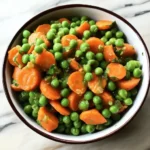
Ingredients
-
- Carrots (1 pound, about 4-5 medium carrots): Carrots are the heart of this dish, providing sweetness, color, and a satisfyingly firm-tender texture. When choosing carrots, consider these factors:
-
- Type of Carrots: You have several options when it comes to carrots, each offering slightly different characteristics:
-
- Whole Carrots: These are the most common type and offer the best flavor and texture. Look for firm, smooth, brightly orange carrots. Avoid carrots that are cracked, soft, or have green tops, which can indicate bitterness. You will need to peel and chop these yourself.
-
- Baby Carrots: Convenient and pre-peeled, baby carrots are a great time-saver. However, they can sometimes be less flavorful than whole carrots and may have a slightly drier texture. Choose baby carrots that are plump and vibrant orange, avoiding any that look pale or dry.
-
- Rainbow Carrots: For a more visually appealing dish, consider using rainbow carrots. These come in various colors like purple, yellow, and white, and offer a slightly sweeter and milder flavor compared to traditional orange carrots. They add a beautiful color variation to your peas and carrots.
-
- Type of Carrots: You have several options when it comes to carrots, each offering slightly different characteristics:
-
- Preparation of Carrots: How you prepare your carrots will impact the final texture and cooking time.
-
- Sliced: Slicing carrots into rounds is the most common preparation for peas and carrots. Aim for slices that are about ¼-inch thick to ensure they cook evenly and become tender-crisp alongside the peas.
-
- Diced: Dicing carrots into small cubes will result in a quicker cooking time and a slightly softer texture. This can be a good option if you prefer a more delicate side dish.
-
- Julienned/Matchsticks: Cutting carrots into thin matchsticks creates a more elegant presentation and also cooks relatively quickly. This method is less traditional for peas and carrots but offers a nice textural variation.
-
- Preparation of Carrots: How you prepare your carrots will impact the final texture and cooking time.
-
- Freshness is Key: Whether you choose whole, baby, or rainbow carrots, freshness is paramount. Fresh carrots will have a sweeter flavor and a crisper texture compared to older, less fresh carrots.
-
- Carrots (1 pound, about 4-5 medium carrots): Carrots are the heart of this dish, providing sweetness, color, and a satisfyingly firm-tender texture. When choosing carrots, consider these factors:
-
- Peas (1 cup): Peas bring sweetness, vibrant green color, and a burst of freshness to this dish. Similar to carrots, you have choices when selecting peas:
-
- Fresh Peas (in pods): If you have access to fresh peas in pods, they are a delightful treat. Shelling fresh peas can be a bit time-consuming, but the flavor is undeniably superior – sweet, tender, and intensely “pea-like.” Look for firm, plump pods that are bright green.
-
- Frozen Peas: Frozen peas are an excellent and convenient alternative to fresh peas. They are typically frozen at their peak ripeness, preserving their sweetness and nutrients. Choose “petite peas” or “baby peas” for a more delicate texture. Avoid frozen peas that show signs of freezer burn (dry, white patches). No need to thaw frozen peas before cooking – they can be added directly to the pan.
-
- Canned Peas: Canned peas are the least desirable option for this recipe. They tend to be mushy, less flavorful, and often higher in sodium. If using canned peas, rinse them thoroughly before using to remove excess sodium and canning liquid. They will require minimal cooking time as they are already cooked.
-
- Timing of Pea Addition: Because peas cook so quickly, it’s crucial to add them towards the end of the cooking process to prevent them from becoming mushy and losing their vibrant green color.
-
- Peas (1 cup): Peas bring sweetness, vibrant green color, and a burst of freshness to this dish. Similar to carrots, you have choices when selecting peas:
-
- Butter or Olive Oil (2 tablespoons): Fat adds flavor, richness, and helps to cook the vegetables evenly. You have a choice between butter and olive oil:
-
- Butter: Butter imparts a classic, rich, and slightly nutty flavor that complements both peas and carrots beautifully. Use unsalted butter to control the salt content of your dish. Butter will also contribute to a slightly glossy finish on the vegetables.
-
- Olive Oil: Olive oil provides a healthier fat option and a lighter flavor profile. Extra virgin olive oil will offer the most flavor, while light olive oil or regular olive oil will have a more neutral taste. Olive oil is a great choice for a vegan or dairy-free version of peas and carrots.
-
- Vegan Butter Alternatives: For a vegan option that mimics the richness of butter, consider using a high-quality vegan butter alternative. These are readily available and can provide a similar flavor and texture to dairy butter.
-
- Butter or Olive Oil (2 tablespoons): Fat adds flavor, richness, and helps to cook the vegetables evenly. You have a choice between butter and olive oil:
-
- Salt and Black Pepper (to taste): Simple seasoning is all you need to enhance the natural flavors of peas and carrots.
-
- Salt: Salt is essential for bringing out the sweetness of the carrots and peas and balancing the flavors. Use kosher salt or sea salt for the best flavor.
-
- Black Pepper: Freshly ground black pepper adds a subtle warmth and complexity. White pepper can also be used for a milder peppery flavor and to avoid black specks in the dish.
-
- Salt and Black Pepper (to taste): Simple seasoning is all you need to enhance the natural flavors of peas and carrots.
-
- Optional Enhancements (for variations): While the basic recipe is delicious on its own, you can easily elevate peas and carrots with a few simple additions:
-
- Fresh Herbs (1-2 tablespoons, chopped): Fresh herbs add a burst of freshness and aromatic complexity. Popular choices include:
-
- Parsley: Adds a clean, fresh, slightly peppery flavor.
-
- Dill: Provides a bright, slightly tangy, and herbaceous flavor that pairs particularly well with peas.
-
- Chives: Offer a mild oniony flavor.
-
- Mint: Adds a refreshing and slightly sweet note (use sparingly as mint can be overpowering).
-
- Fresh Herbs (1-2 tablespoons, chopped): Fresh herbs add a burst of freshness and aromatic complexity. Popular choices include:
-
- Onion or Shallot (¼ cup, finely chopped): Adding finely chopped onion or shallot sautéed with the carrots adds a savory depth of flavor to the dish.
-
- Garlic (1-2 cloves, minced): Minced garlic sautéed with the carrots can add a pungent and aromatic element.
-
- Lemon Juice (1 teaspoon): A squeeze of fresh lemon juice at the end brightens the flavors and adds a touch of acidity.
-
- Vegetable Broth or Water (2-4 tablespoons): A little liquid can help to steam the vegetables gently and create a slightly saucier dish.
-
- Cream or Milk (2-4 tablespoons): For a richer, creamier version, a touch of cream or milk (dairy or plant-based) can be added at the end.
-
- Spices (pinch): A pinch of nutmeg, ginger, or a dash of curry powder can add warmth and complexity (use sparingly).
-
- Optional Enhancements (for variations): While the basic recipe is delicious on its own, you can easily elevate peas and carrots with a few simple additions:
Instructions
-
- Prepare the Carrots: Wash, peel (if using whole carrots), and chop the carrots according to your preference (slices, diced, or julienned). Ensure the pieces are relatively uniform in size for even cooking. Set aside.
-
- Melt Butter or Heat Olive Oil: In a medium-sized skillet or saucepan, melt the butter over medium heat. If using olive oil, heat the olive oil over medium heat until it shimmers. If adding onion or shallot, add it to the pan now and sauté for 2-3 minutes until softened and translucent. If adding garlic, add it in the last minute of sautéing the onion/shallot to prevent burning.
-
- Add Carrots and Cook: Add the chopped carrots to the pan and stir to coat them evenly with the butter or olive oil. Season with salt and black pepper to taste. If using vegetable broth or water, add 2-4 tablespoons to the pan.
-
- Cook Carrots Until Tender-Crisp: Reduce the heat to medium-low, cover the pan, and cook the carrots for 5-10 minutes, or until they are tender-crisp. The cooking time will vary depending on the size and thickness of your carrot pieces. Stir occasionally to ensure even cooking. The carrots should be easily pierced with a fork but still have a slight bite. If the pan becomes too dry, add a tablespoon or two more of water or broth to prevent sticking.
-
- Add Peas and Cook Briefly: Once the carrots are tender-crisp, add the peas (frozen peas can be added directly from frozen; if using fresh or canned peas, they will require even less cooking time). Increase the heat slightly to medium. Cook for another 2-3 minutes, or until the peas are heated through and bright green. Avoid overcooking the peas, as they can become mushy and lose their vibrant color. Fresh peas will need only a minute or two, frozen peas a bit longer, and canned peas are already cooked and just need to be heated through.
-
- Season and Finish: Taste the peas and carrots and adjust seasoning with salt and black pepper as needed. If desired, stir in fresh herbs (parsley, dill, chives, mint) and/or a squeeze of lemon juice. If adding cream or milk, stir it in at this stage and heat through gently for a minute.
-
- Serve Warm: Remove from heat and serve immediately as a side dish. Peas and carrots are best enjoyed warm.
Nutrition
- Serving Size: one normal portion
- Calories: 80-120
- Sugar: 5-7g
- Sodium: 50-150mg
- Fat: 4-8g
- Saturated Fat: 2-5g
- Carbohydrates: 10-15g
- Fiber: 3-4g
- Protein: 2-3g
- Cholesterol: 10-20mg