
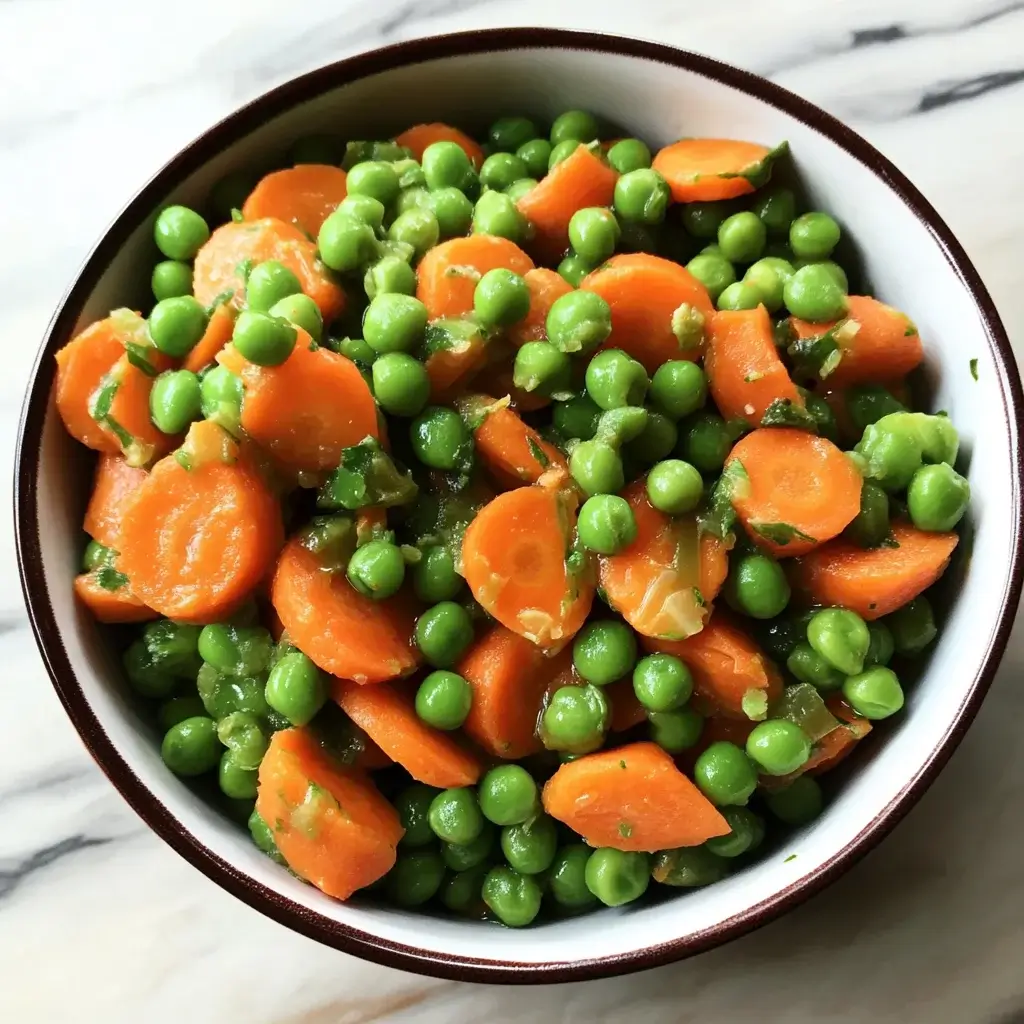
Peas and carrots. It’s a combination as classic as peanut butter and jelly, as reliable as sunshine after rain. Growing up, peas and carrots were a constant on our dinner table. Sometimes they were simply steamed, other times tossed with butter, and occasionally, if we were lucky, my grandmother would make her “fancy” version with a touch of cream and fresh herbs. While it might seem like the most basic of vegetable sides, there’s a comforting familiarity and quiet deliciousness to perfectly cooked peas and carrots that I’ve always cherished. Now, as a parent myself, I find myself reaching for this simple recipe more often than I ever expected. It’s the ultimate weeknight side dish: quick, nutritious, universally appealing (even to picky eaters!), and incredibly versatile. My kids, surprisingly, adore them – especially when they’re just slightly sweet and tender. This humble duo has become a staple in our home, proving that sometimes the simplest recipes are truly the best. If you’re looking for an easy, healthy, and crowd-pleasing side dish that requires minimal effort but delivers maximum flavor and satisfaction, look no further than this timeless peas and carrots recipe. It’s a foundational recipe every home cook should have in their repertoire, ready to elevate any meal with its vibrant color and gentle sweetness.
Ingredients: The Simple Harmony of Peas and Carrots
The beauty of peas and carrots lies in its minimalist ingredient list. You need just a handful of components to create this classic side dish, but understanding each ingredient and its role is key to achieving perfection. Let’s explore the building blocks of this recipe, focusing on quality and variations.
- Carrots (1 pound, about 4-5 medium carrots): Carrots are the heart of this dish, providing sweetness, color, and a satisfyingly firm-tender texture. When choosing carrots, consider these factors:
- Type of Carrots: You have several options when it comes to carrots, each offering slightly different characteristics:
- Whole Carrots: These are the most common type and offer the best flavor and texture. Look for firm, smooth, brightly orange carrots. Avoid carrots that are cracked, soft, or have green tops, which can indicate bitterness. You will need to peel and chop these yourself.
- Baby Carrots: Convenient and pre-peeled, baby carrots are a great time-saver. However, they can sometimes be less flavorful than whole carrots and may have a slightly drier texture. Choose baby carrots that are plump and vibrant orange, avoiding any that look pale or dry.
- Rainbow Carrots: For a more visually appealing dish, consider using rainbow carrots. These come in various colors like purple, yellow, and white, and offer a slightly sweeter and milder flavor compared to traditional orange carrots. They add a beautiful color variation to your peas and carrots.
- Preparation of Carrots: How you prepare your carrots will impact the final texture and cooking time.
- Sliced: Slicing carrots into rounds is the most common preparation for peas and carrots. Aim for slices that are about ¼-inch thick to ensure they cook evenly and become tender-crisp alongside the peas.
- Diced: Dicing carrots into small cubes will result in a quicker cooking time and a slightly softer texture. This can be a good option if you prefer a more delicate side dish.
- Julienned/Matchsticks: Cutting carrots into thin matchsticks creates a more elegant presentation and also cooks relatively quickly. This method is less traditional for peas and carrots but offers a nice textural variation.
- Freshness is Key: Whether you choose whole, baby, or rainbow carrots, freshness is paramount. Fresh carrots will have a sweeter flavor and a crisper texture compared to older, less fresh carrots.
- Type of Carrots: You have several options when it comes to carrots, each offering slightly different characteristics:
- Peas (1 cup): Peas bring sweetness, vibrant green color, and a burst of freshness to this dish. Similar to carrots, you have choices when selecting peas:
- Fresh Peas (in pods): If you have access to fresh peas in pods, they are a delightful treat. Shelling fresh peas can be a bit time-consuming, but the flavor is undeniably superior – sweet, tender, and intensely “pea-like.” Look for firm, plump pods that are bright green.
- Frozen Peas: Frozen peas are an excellent and convenient alternative to fresh peas. They are typically frozen at their peak ripeness, preserving their sweetness and nutrients. Choose “petite peas” or “baby peas” for a more delicate texture. Avoid frozen peas that show signs of freezer burn (dry, white patches). No need to thaw frozen peas before cooking – they can be added directly to the pan.
- Canned Peas: Canned peas are the least desirable option for this recipe. They tend to be mushy, less flavorful, and often higher in sodium. If using canned peas, rinse them thoroughly before using to remove excess sodium and canning liquid. They will require minimal cooking time as they are already cooked.
- Timing of Pea Addition: Because peas cook so quickly, it’s crucial to add them towards the end of the cooking process to prevent them from becoming mushy and losing their vibrant green color.
- Butter or Olive Oil (2 tablespoons): Fat adds flavor, richness, and helps to cook the vegetables evenly. You have a choice between butter and olive oil:
- Butter: Butter imparts a classic, rich, and slightly nutty flavor that complements both peas and carrots beautifully. Use unsalted butter to control the salt content of your dish. Butter will also contribute to a slightly glossy finish on the vegetables.
- Olive Oil: Olive oil provides a healthier fat option and a lighter flavor profile. Extra virgin olive oil will offer the most flavor, while light olive oil or regular olive oil will have a more neutral taste. Olive oil is a great choice for a vegan or dairy-free version of peas and carrots.
- Vegan Butter Alternatives: For a vegan option that mimics the richness of butter, consider using a high-quality vegan butter alternative. These are readily available and can provide a similar flavor and texture to dairy butter.
- Salt and Black Pepper (to taste): Simple seasoning is all you need to enhance the natural flavors of peas and carrots.
- Salt: Salt is essential for bringing out the sweetness of the carrots and peas and balancing the flavors. Use kosher salt or sea salt for the best flavor.
- Black Pepper: Freshly ground black pepper adds a subtle warmth and complexity. White pepper can also be used for a milder peppery flavor and to avoid black specks in the dish.
- Optional Enhancements (for variations): While the basic recipe is delicious on its own, you can easily elevate peas and carrots with a few simple additions:
- Fresh Herbs (1-2 tablespoons, chopped): Fresh herbs add a burst of freshness and aromatic complexity. Popular choices include:
- Parsley: Adds a clean, fresh, slightly peppery flavor.
- Dill: Provides a bright, slightly tangy, and herbaceous flavor that pairs particularly well with peas.
- Chives: Offer a mild oniony flavor.
- Mint: Adds a refreshing and slightly sweet note (use sparingly as mint can be overpowering).
- Onion or Shallot (¼ cup, finely chopped): Adding finely chopped onion or shallot sautéed with the carrots adds a savory depth of flavor to the dish.
- Garlic (1-2 cloves, minced): Minced garlic sautéed with the carrots can add a pungent and aromatic element.
- Lemon Juice (1 teaspoon): A squeeze of fresh lemon juice at the end brightens the flavors and adds a touch of acidity.
- Vegetable Broth or Water (2-4 tablespoons): A little liquid can help to steam the vegetables gently and create a slightly saucier dish.
- Cream or Milk (2-4 tablespoons): For a richer, creamier version, a touch of cream or milk (dairy or plant-based) can be added at the end.
- Spices (pinch): A pinch of nutmeg, ginger, or a dash of curry powder can add warmth and complexity (use sparingly).
- Fresh Herbs (1-2 tablespoons, chopped): Fresh herbs add a burst of freshness and aromatic complexity. Popular choices include:
By understanding the role of each ingredient and exploring the variations, you can customize this simple peas and carrots recipe to perfectly suit your taste preferences and create a truly delicious and satisfying side dish.
Instructions: Simple Steps to Perfectly Cooked Peas and Carrots
Cooking peas and carrots is remarkably straightforward, making it an ideal recipe for beginners and busy cooks alike. Follow these simple steps to achieve tender-crisp vegetables bursting with flavor.
- Prepare the Carrots: Wash, peel (if using whole carrots), and chop the carrots according to your preference (slices, diced, or julienned). Ensure the pieces are relatively uniform in size for even cooking. Set aside.
- Melt Butter or Heat Olive Oil: In a medium-sized skillet or saucepan, melt the butter over medium heat. If using olive oil, heat the olive oil over medium heat until it shimmers. If adding onion or shallot, add it to the pan now and sauté for 2-3 minutes until softened and translucent. If adding garlic, add it in the last minute of sautéing the onion/shallot to prevent burning.
- Add Carrots and Cook: Add the chopped carrots to the pan and stir to coat them evenly with the butter or olive oil. Season with salt and black pepper to taste. If using vegetable broth or water, add 2-4 tablespoons to the pan.
- Cook Carrots Until Tender-Crisp: Reduce the heat to medium-low, cover the pan, and cook the carrots for 5-10 minutes, or until they are tender-crisp. The cooking time will vary depending on the size and thickness of your carrot pieces. Stir occasionally to ensure even cooking. The carrots should be easily pierced with a fork but still have a slight bite. If the pan becomes too dry, add a tablespoon or two more of water or broth to prevent sticking.
- Add Peas and Cook Briefly: Once the carrots are tender-crisp, add the peas (frozen peas can be added directly from frozen; if using fresh or canned peas, they will require even less cooking time). Increase the heat slightly to medium. Cook for another 2-3 minutes, or until the peas are heated through and bright green. Avoid overcooking the peas, as they can become mushy and lose their vibrant color. Fresh peas will need only a minute or two, frozen peas a bit longer, and canned peas are already cooked and just need to be heated through.
- Season and Finish: Taste the peas and carrots and adjust seasoning with salt and black pepper as needed. If desired, stir in fresh herbs (parsley, dill, chives, mint) and/or a squeeze of lemon juice. If adding cream or milk, stir it in at this stage and heat through gently for a minute.
- Serve Warm: Remove from heat and serve immediately as a side dish. Peas and carrots are best enjoyed warm.
Following these simple instructions will ensure you achieve perfectly cooked peas and carrots every time – tender-crisp, flavorful, and ready to complement any meal. The key is to not overcook the vegetables, especially the peas, to maintain their texture and vibrant color.
Nutrition Facts: A Healthy and Nutritious Side Dish
Peas and carrots are not only delicious and easy to prepare, but they are also a healthy and nutritious addition to your meals. This simple side dish is packed with vitamins, minerals, and fiber, making it a smart choice for both kids and adults. Let’s take a look at the estimated nutritional profile.
Servings: This recipe yields approximately 4 servings. Serving size is roughly ½ cup of peas and carrots.
Calories Per Serving (estimated): Approximately 80-120 calories per serving. This is an estimate and can vary depending on the amount of butter or oil used, and the specific types of peas and carrots.
Detailed Nutritional Breakdown (per serving, approximate):
- Calories: 80-120
- Total Fat: 4-8g (depending on butter/oil amount)
- Saturated Fat: 2-5g (if using butter) / Lower if using olive oil
- Monounsaturated Fat: Higher if using olive oil
- Polyunsaturated Fat: Moderate if using olive oil
- Cholesterol: 10-20mg (if using butter) / 0mg if using olive oil
- Sodium: 50-150mg (depending on salt added and if using canned peas)
- Total Carbohydrates: 10-15g
- Dietary Fiber: 3-4g
- Sugars: 5-7g (naturally occurring from peas and carrots)
- Protein: 2-3g
- Vitamin A: Excellent source (from carrots) – Carrots are incredibly rich in beta-carotene, which the body converts to Vitamin A. Vitamin A is essential for vision, immune function, and skin health.
- Vitamin K: Good source (from peas and carrots) – Vitamin K is important for blood clotting and bone health.
- Vitamin C: Moderate source (from peas) – Vitamin C is an antioxidant and important for immune function and skin health.
- Manganese: Good source (from peas) – Manganese is important for bone formation, metabolism, and antioxidant function.
- Fiber: Good source – Dietary fiber is crucial for digestive health, helps regulate blood sugar levels, and promotes feelings of fullness.
- Antioxidants: Both peas and carrots are rich in antioxidants, which help protect cells from damage caused by free radicals.
Health Benefits of Peas and Carrots:
- Nutrient-Rich: Provides essential vitamins and minerals, particularly Vitamin A, Vitamin K, and fiber.
- Low in Calories: A relatively low-calorie side dish, making it suitable for weight management.
- High in Fiber: Promotes satiety and digestive health.
- Good Source of Antioxidants: Helps protect against cell damage and supports overall health.
- Naturally Sweet: Satisfies sweet cravings in a healthy way due to the natural sugars in carrots and peas.
- Vegetarian and Vegan-Friendly (when using olive oil): Easily adaptable for vegetarian and vegan diets.
- Gluten-Free: Naturally gluten-free, making it suitable for those with gluten sensitivities or celiac disease.
Compared to many processed side dishes that are high in unhealthy fats and sodium, peas and carrots are a wholesome and nutritious choice. They are a great way to increase your vegetable intake and enjoy a simple yet beneficial side dish that is both delicious and good for you. Remember that these are estimated nutritional values and can vary. For more precise nutritional information, you can use online nutrition calculators and input the specific ingredients and amounts you use.
Preparation Time: Quick and Easy Side Dish in Under 20 Minutes
One of the most appealing aspects of peas and carrots is how quickly and easily they come together. This side dish is perfect for busy weeknights when you need a healthy and flavorful accompaniment to your main course in minimal time.
Total Preparation Time: Approximately 15-20 minutes
Breakdown of Time:
- Prep Time (Washing, Peeling, Chopping Carrots): 5-7 minutes (Can be even faster if using baby carrots or pre-chopped carrots). If using baby carrots, you can largely skip the peeling and chopping. If you are proficient with knife skills, chopping carrots can be very quick.
- Cooking Time: 10-12 minutes (Sautéing carrots and cooking peas). The cooking time is relatively short as you are aiming for tender-crisp vegetables.
Efficiency Tips to Speed Up Preparation:
- Use Baby Carrots: As mentioned earlier, baby carrots eliminate peeling and can significantly reduce chopping time.
- Frozen Peas: Frozen peas require no thawing and cook very quickly, saving time compared to fresh peas (shelling) or canned peas (draining and rinsing).
- Pre-chop Vegetables (if possible): If you have a few extra minutes earlier in the day or the night before, you can wash, peel, and chop the carrots and store them in an airtight container in the refrigerator.
- Minimalist Approach: Keep the recipe simple with just butter or oil, salt, and pepper for the fastest preparation. While herbs and other additions are delicious, sticking to the basics will maximize speed.
- One-Pan Cooking: This recipe is designed for one-pan cooking, minimizing cleanup and streamlining the process.
The short preparation time makes peas and carrots an incredibly convenient side dish option. You can easily whip up a batch of these nutritious and tasty vegetables even on the busiest of evenings, adding a healthy and flavorful element to your family meals without spending a lot of time in the kitchen.
How to Serve: Versatile Ways to Enjoy Peas and Carrots
Peas and carrots are incredibly versatile and can be served in numerous ways, making them a wonderful addition to a wide range of meals. Here are some delicious serving suggestions to spark your culinary creativity:
Simple and Classic Serving Ideas:
- Plain and Simple: Served just as they are, warm and tender-crisp, seasoned with just butter, salt, and pepper. This highlights the natural flavors of the peas and carrots.
- With Butter: A classic touch – add a pat of butter on top just before serving for extra richness and flavor.
- With Fresh Herbs: Sprinkle with chopped fresh parsley, dill, or chives for a burst of freshness and aroma.
- With Lemon Juice: A squeeze of fresh lemon juice brightens the flavors and adds a touch of acidity.
- Creamy Peas and Carrots: Stir in a tablespoon or two of cream, milk, or plant-based cream alternative for a richer, creamier texture.
Pairing with Main Dishes:
- Roast Chicken or Turkey: Peas and carrots are a quintessential side dish for roast chicken, turkey, or other poultry dishes. Their sweetness and gentle flavor complement the savory richness of roasted meats beautifully.
- Baked or Grilled Fish: Serve alongside baked salmon, cod, or grilled white fish for a light and healthy meal.
- Steak or Beef: Peas and carrots provide a vibrant and colorful contrast to hearty steak or beef dishes.
- Pork Chops or Roast Pork: A classic pairing with pork, peas and carrots add a touch of sweetness and freshness.
- Vegetarian Main Courses: Serve with lentil loaf, vegetarian pot pie, or other vegetarian main courses to add a nutritious and colorful vegetable component.
- Pasta Dishes: Toss peas and carrots into buttered noodles or serve as a side to creamy pasta dishes.
Creative Serving Presentations:
- Side Dish Bowl: Serve in a small bowl as a dedicated side dish on the plate.
- Plated Alongside Main Course: Arrange peas and carrots attractively alongside the main course on a plate, adding visual appeal and color.
- Mixed into Rice or Grains: Stir peas and carrots into cooked rice, quinoa, or couscous to create a vegetable-studded side dish.
- Part of a Vegetable Medley: Include peas and carrots as part of a larger roasted or steamed vegetable medley with other vegetables like broccoli, green beans, or potatoes.
- In a Casserole: Incorporate peas and carrots into casseroles, such as chicken pot pie casserole or tuna noodle casserole, for added vegetables and flavor.
- For Kids: Arrange peas and carrots in fun shapes on a plate or serve them with a mild dipping sauce like yogurt ranch to encourage picky eaters.
Serving Temperature:
- Best Served Warm: Peas and carrots are most delicious when served warm, shortly after cooking.
- Enjoyable at Room Temperature: They can also be enjoyed at room temperature, making them suitable for picnics or potlucks.
- Reheated Gently: Leftovers can be reheated gently in a microwave or skillet, but they are best when freshly cooked.
With these versatile serving suggestions, you can see how easily peas and carrots can be incorporated into countless meals. Their simple yet delicious flavor and vibrant color make them a welcome addition to any table, from everyday family dinners to special occasions.
Additional Tips for Perfect Peas and Carrots Every Time
To ensure you achieve peas and carrots perfection every single time you make this recipe, here are five helpful additional tips:
- Don’t Overcook the Vegetables: The key to delicious peas and carrots is to cook them until they are tender-crisp, not mushy. Overcooking will result in vegetables that are bland in flavor and have a less appealing texture. Pay close attention to the cooking time, especially for the peas, which cook very quickly. Aim for carrots that are easily pierced with a fork but still have a slight bite, and peas that are heated through and bright green, not dull or wrinkled.
- Season Generously (But Taste as You Go): Salt and pepper are crucial for bringing out the natural sweetness and flavors of peas and carrots. Don’t be shy with seasoning, but always taste as you go and adjust accordingly. Start with a reasonable amount of salt and pepper, and then taste after the carrots are cooked and again after adding the peas. You can always add more seasoning, but you can’t take it away. Proper seasoning is key to preventing bland vegetables.
- Use Quality Butter or Olive Oil: The fat you use contributes significantly to the flavor of this simple dish. Use good quality unsalted butter for a richer, classic flavor, or extra virgin olive oil for a healthier and lighter option with a fruity note. The flavor of the fat will permeate the vegetables, so choosing a good quality option is worthwhile.
- Consider Adding Aromatics (But Keep it Simple for Speed): While the basic recipe is delicious on its own, sautéing finely chopped onion, shallot, or garlic with the carrots at the beginning can add an extra layer of savory depth. However, for a truly quick and easy side dish, you can skip this step and still achieve excellent results. If you have a few extra minutes and want to enhance the flavor, aromatics are a great addition.
- Fresh Herbs Elevate the Dish: Fresh herbs are a fantastic way to brighten and elevate the flavor of peas and carrots. A sprinkle of chopped fresh parsley, dill, chives, or mint at the end adds a burst of freshness and aroma that complements the sweetness of the vegetables beautifully. Fresh herbs are a simple yet effective way to take your peas and carrots to the next level.
By keeping these additional tips in mind, you’ll be well-equipped to consistently make perfect peas and carrots that are flavorful, tender-crisp, and a welcome addition to any meal. Enjoy the simplicity and deliciousness of this classic side dish!
FAQ: Your Questions About Peas and Carrots Answered
Here are some frequently asked questions about making peas and carrots, to help you troubleshoot and get the most out of this recipe:
Q1: Can I use canned carrots and peas?
A: While fresh or frozen vegetables are highly recommended for the best flavor and texture, you can use canned carrots and peas in a pinch. However, be aware that canned vegetables are often softer and less flavorful than fresh or frozen. If using canned carrots and peas, drain and rinse them thoroughly before using to remove excess sodium and canning liquid. They will require minimal cooking time – just heating through – so add them at the very end of the cooking process. Fresh or frozen are always preferred for quality.
Q2: How do I prevent peas and carrots from being bland?
A: Bland peas and carrots are usually a result of under-seasoning or overcooking. Ensure you are seasoning generously with salt and pepper, tasting as you go and adjusting as needed. Don’t be afraid to use enough salt to bring out the natural sweetness of the vegetables. Avoid overcooking – tender-crisp vegetables have more flavor than mushy ones. Also, consider adding flavor enhancers like fresh herbs, a squeeze of lemon juice, or a touch of garlic or onion to boost the overall taste.
Q3: Can I make peas and carrots ahead of time?
A: Peas and carrots are best enjoyed fresh and warm right after cooking. However, you can prepare them up to a few hours ahead of time and keep them warm in a low oven or warming drawer. If making them further in advance, it’s best to slightly undercook them and then reheat them gently in a skillet with a little butter or olive oil just before serving. Reheating in a microwave can make them softer.
Q4: How do I make peas and carrots more appealing to picky eaters (especially kids)?
A: To make peas and carrots more appealing to picky eaters, try these strategies:
- Presentation: Cut carrots into fun shapes (stars, hearts, etc.) using cookie cutters. Arrange them attractively on the plate.
- Sweetness: Enhance the natural sweetness by adding a tiny pinch of sugar or a drizzle of maple syrup (use sparingly).
- Butter is Your Friend: Don’t skimp on the butter – it makes vegetables more palatable to many kids.
- Dipping Sauce: Serve with a mild dipping sauce like yogurt ranch or a simple honey mustard.
- Texture: Ensure the vegetables are tender-crisp, not mushy. Overcooked vegetables are often less appealing to kids.
- Involve Kids in Preparation: Let kids help wash carrots, shell peas (if using fresh), or stir the vegetables in the pan – they are often more likely to try foods they helped prepare.
Q5: Can I roast peas and carrots instead of sautéing/steaming them?
A: Yes, roasting peas and carrots is a delicious variation. Toss carrots (and peas, added later) with olive oil, salt, pepper, and any desired herbs or spices (like thyme or rosemary). Roast at 400°F (200°C) for 20-30 minutes, or until carrots are tender and slightly caramelized. Add peas in the last 5-10 minutes of roasting as they cook much faster. Roasting brings out a different flavor profile – slightly sweeter and more caramelized – compared to sautéing or steaming.
We hope these FAQs have answered your questions about making perfect peas and carrots! Enjoy this simple, classic, and always reliable side dish. Happy cooking!
Print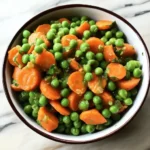
Peas and Carrots Recipe
Ingredients
-
- Carrots (1 pound, about 4-5 medium carrots): Carrots are the heart of this dish, providing sweetness, color, and a satisfyingly firm-tender texture. When choosing carrots, consider these factors:
-
- Type of Carrots: You have several options when it comes to carrots, each offering slightly different characteristics:
-
- Whole Carrots: These are the most common type and offer the best flavor and texture. Look for firm, smooth, brightly orange carrots. Avoid carrots that are cracked, soft, or have green tops, which can indicate bitterness. You will need to peel and chop these yourself.
-
- Baby Carrots: Convenient and pre-peeled, baby carrots are a great time-saver. However, they can sometimes be less flavorful than whole carrots and may have a slightly drier texture. Choose baby carrots that are plump and vibrant orange, avoiding any that look pale or dry.
-
- Rainbow Carrots: For a more visually appealing dish, consider using rainbow carrots. These come in various colors like purple, yellow, and white, and offer a slightly sweeter and milder flavor compared to traditional orange carrots. They add a beautiful color variation to your peas and carrots.
-
- Type of Carrots: You have several options when it comes to carrots, each offering slightly different characteristics:
-
- Preparation of Carrots: How you prepare your carrots will impact the final texture and cooking time.
-
- Sliced: Slicing carrots into rounds is the most common preparation for peas and carrots. Aim for slices that are about ¼-inch thick to ensure they cook evenly and become tender-crisp alongside the peas.
-
- Diced: Dicing carrots into small cubes will result in a quicker cooking time and a slightly softer texture. This can be a good option if you prefer a more delicate side dish.
-
- Julienned/Matchsticks: Cutting carrots into thin matchsticks creates a more elegant presentation and also cooks relatively quickly. This method is less traditional for peas and carrots but offers a nice textural variation.
-
- Preparation of Carrots: How you prepare your carrots will impact the final texture and cooking time.
-
- Freshness is Key: Whether you choose whole, baby, or rainbow carrots, freshness is paramount. Fresh carrots will have a sweeter flavor and a crisper texture compared to older, less fresh carrots.
-
- Carrots (1 pound, about 4-5 medium carrots): Carrots are the heart of this dish, providing sweetness, color, and a satisfyingly firm-tender texture. When choosing carrots, consider these factors:
-
- Peas (1 cup): Peas bring sweetness, vibrant green color, and a burst of freshness to this dish. Similar to carrots, you have choices when selecting peas:
-
- Fresh Peas (in pods): If you have access to fresh peas in pods, they are a delightful treat. Shelling fresh peas can be a bit time-consuming, but the flavor is undeniably superior – sweet, tender, and intensely “pea-like.” Look for firm, plump pods that are bright green.
-
- Frozen Peas: Frozen peas are an excellent and convenient alternative to fresh peas. They are typically frozen at their peak ripeness, preserving their sweetness and nutrients. Choose “petite peas” or “baby peas” for a more delicate texture. Avoid frozen peas that show signs of freezer burn (dry, white patches). No need to thaw frozen peas before cooking – they can be added directly to the pan.
-
- Canned Peas: Canned peas are the least desirable option for this recipe. They tend to be mushy, less flavorful, and often higher in sodium. If using canned peas, rinse them thoroughly before using to remove excess sodium and canning liquid. They will require minimal cooking time as they are already cooked.
-
- Timing of Pea Addition: Because peas cook so quickly, it’s crucial to add them towards the end of the cooking process to prevent them from becoming mushy and losing their vibrant green color.
-
- Peas (1 cup): Peas bring sweetness, vibrant green color, and a burst of freshness to this dish. Similar to carrots, you have choices when selecting peas:
-
- Butter or Olive Oil (2 tablespoons): Fat adds flavor, richness, and helps to cook the vegetables evenly. You have a choice between butter and olive oil:
-
- Butter: Butter imparts a classic, rich, and slightly nutty flavor that complements both peas and carrots beautifully. Use unsalted butter to control the salt content of your dish. Butter will also contribute to a slightly glossy finish on the vegetables.
-
- Olive Oil: Olive oil provides a healthier fat option and a lighter flavor profile. Extra virgin olive oil will offer the most flavor, while light olive oil or regular olive oil will have a more neutral taste. Olive oil is a great choice for a vegan or dairy-free version of peas and carrots.
-
- Vegan Butter Alternatives: For a vegan option that mimics the richness of butter, consider using a high-quality vegan butter alternative. These are readily available and can provide a similar flavor and texture to dairy butter.
-
- Butter or Olive Oil (2 tablespoons): Fat adds flavor, richness, and helps to cook the vegetables evenly. You have a choice between butter and olive oil:
-
- Salt and Black Pepper (to taste): Simple seasoning is all you need to enhance the natural flavors of peas and carrots.
-
- Salt: Salt is essential for bringing out the sweetness of the carrots and peas and balancing the flavors. Use kosher salt or sea salt for the best flavor.
-
- Black Pepper: Freshly ground black pepper adds a subtle warmth and complexity. White pepper can also be used for a milder peppery flavor and to avoid black specks in the dish.
-
- Salt and Black Pepper (to taste): Simple seasoning is all you need to enhance the natural flavors of peas and carrots.
-
- Optional Enhancements (for variations): While the basic recipe is delicious on its own, you can easily elevate peas and carrots with a few simple additions:
-
- Fresh Herbs (1-2 tablespoons, chopped): Fresh herbs add a burst of freshness and aromatic complexity. Popular choices include:
-
- Parsley: Adds a clean, fresh, slightly peppery flavor.
-
- Dill: Provides a bright, slightly tangy, and herbaceous flavor that pairs particularly well with peas.
-
- Chives: Offer a mild oniony flavor.
-
- Mint: Adds a refreshing and slightly sweet note (use sparingly as mint can be overpowering).
-
- Fresh Herbs (1-2 tablespoons, chopped): Fresh herbs add a burst of freshness and aromatic complexity. Popular choices include:
-
- Onion or Shallot (¼ cup, finely chopped): Adding finely chopped onion or shallot sautéed with the carrots adds a savory depth of flavor to the dish.
-
- Garlic (1-2 cloves, minced): Minced garlic sautéed with the carrots can add a pungent and aromatic element.
-
- Lemon Juice (1 teaspoon): A squeeze of fresh lemon juice at the end brightens the flavors and adds a touch of acidity.
-
- Vegetable Broth or Water (2-4 tablespoons): A little liquid can help to steam the vegetables gently and create a slightly saucier dish.
-
- Cream or Milk (2-4 tablespoons): For a richer, creamier version, a touch of cream or milk (dairy or plant-based) can be added at the end.
-
- Spices (pinch): A pinch of nutmeg, ginger, or a dash of curry powder can add warmth and complexity (use sparingly).
-
- Optional Enhancements (for variations): While the basic recipe is delicious on its own, you can easily elevate peas and carrots with a few simple additions:
Instructions
-
- Prepare the Carrots: Wash, peel (if using whole carrots), and chop the carrots according to your preference (slices, diced, or julienned). Ensure the pieces are relatively uniform in size for even cooking. Set aside.
-
- Melt Butter or Heat Olive Oil: In a medium-sized skillet or saucepan, melt the butter over medium heat. If using olive oil, heat the olive oil over medium heat until it shimmers. If adding onion or shallot, add it to the pan now and sauté for 2-3 minutes until softened and translucent. If adding garlic, add it in the last minute of sautéing the onion/shallot to prevent burning.
-
- Add Carrots and Cook: Add the chopped carrots to the pan and stir to coat them evenly with the butter or olive oil. Season with salt and black pepper to taste. If using vegetable broth or water, add 2-4 tablespoons to the pan.
-
- Cook Carrots Until Tender-Crisp: Reduce the heat to medium-low, cover the pan, and cook the carrots for 5-10 minutes, or until they are tender-crisp. The cooking time will vary depending on the size and thickness of your carrot pieces. Stir occasionally to ensure even cooking. The carrots should be easily pierced with a fork but still have a slight bite. If the pan becomes too dry, add a tablespoon or two more of water or broth to prevent sticking.
-
- Add Peas and Cook Briefly: Once the carrots are tender-crisp, add the peas (frozen peas can be added directly from frozen; if using fresh or canned peas, they will require even less cooking time). Increase the heat slightly to medium. Cook for another 2-3 minutes, or until the peas are heated through and bright green. Avoid overcooking the peas, as they can become mushy and lose their vibrant color. Fresh peas will need only a minute or two, frozen peas a bit longer, and canned peas are already cooked and just need to be heated through.
-
- Season and Finish: Taste the peas and carrots and adjust seasoning with salt and black pepper as needed. If desired, stir in fresh herbs (parsley, dill, chives, mint) and/or a squeeze of lemon juice. If adding cream or milk, stir it in at this stage and heat through gently for a minute.
-
- Serve Warm: Remove from heat and serve immediately as a side dish. Peas and carrots are best enjoyed warm.
Nutrition
- Serving Size: one normal portion
- Calories: 80-120
- Sugar: 5-7g
- Sodium: 50-150mg
- Fat: 4-8g
- Saturated Fat: 2-5g
- Carbohydrates: 10-15g
- Fiber: 3-4g
- Protein: 2-3g
- Cholesterol: 10-20mg