Ingredients
For the Pan-Seared Mahi-Mahi:
- Mahi-Mahi Fillets: 4 (6-8 ounce) Mahi-Mahi fillets, skin on or off, about 1-inch thick. When selecting Mahi-Mahi, look for fillets that are firm, moist, and have a fresh, mild ocean scent. Avoid fillets that look dry, discolored, or have a strong fishy odor. Fresh Mahi-Mahi is ideal, but frozen Mahi-Mahi, thawed completely, will also work well. If using frozen, ensure it is properly thawed according to package instructions and pat it dry before searing. The thickness of the fillets is important for even cooking; aim for fillets around 1-inch thick for optimal searing and juicy results.
- Olive Oil: 2 tablespoons of extra virgin olive oil. Olive oil is used for searing the Mahi-Mahi, adding flavor and preventing sticking. Extra virgin olive oil is recommended for its superior flavor and health benefits. You can also use avocado oil or coconut oil as alternatives, both of which have high smoke points and subtle flavors that complement fish.
- Salt: 1 teaspoon of sea salt or kosher salt. Salt is essential for seasoning the Mahi-Mahi and enhancing its natural flavors. Sea salt or kosher salt are preferred for their clean taste and coarser texture, which helps to season the fish evenly.
- Black Pepper: ½ teaspoon of freshly ground black pepper. Freshly ground black pepper adds a touch of spice and depth of flavor to the Mahi-Mahi. Grind it just before using for the most aromatic and flavorful results.
- Paprika (Optional): ½ teaspoon of smoked paprika or sweet paprika. Paprika adds a subtle smoky or sweet note and a beautiful color to the seared Mahi-Mahi. Smoked paprika will impart a deeper, smoky flavor, while sweet paprika offers a milder, sweeter taste. This is optional but highly recommended for an extra layer of flavor.
- Garlic Powder (Optional): ½ teaspoon of garlic powder. Garlic powder provides a subtle garlic flavor that enhances the savory notes of the Mahi-Mahi. Use it sparingly, as too much can overpower the delicate fish flavor. This is also optional but adds a nice aromatic touch.
For the Vibrant Pineapple Salsa:
- Fresh Pineapple: 2 cups of diced fresh pineapple, about ½ medium pineapple. Fresh, ripe pineapple is the star of this salsa, providing sweetness, tanginess, and a tropical flavor. Choose a pineapple that is fragrant, slightly soft to the touch, and has a golden-yellow color. Avoid pineapples that are overly green or have a fermented smell. Dice the pineapple into small, even pieces for the best texture and flavor distribution in the salsa.
- Red Onion: ½ cup of finely diced red onion. Red onion adds a sharp, pungent bite and a beautiful color contrast to the salsa. Dice it finely so it blends well with the other ingredients and doesn’t overpower the delicate flavors. If you find red onion too strong, you can soak the diced onion in cold water for 10 minutes to mellow its sharpness, then drain well before adding to the salsa.
- Red Bell Pepper: ½ cup of finely diced red bell pepper. Red bell pepper contributes sweetness, crunch, and vibrant color to the salsa. Remove the seeds and membranes before dicing. You can also use yellow or orange bell pepper for a slightly different flavor profile and color variation.
- Jalapeño Pepper: 1-2 tablespoons of finely minced jalapeño pepper, seeds and membranes removed for less heat, or left in for more heat. Jalapeño adds a welcome kick of spice to balance the sweetness of the pineapple. Adjust the amount of jalapeño to your spice preference. Remember that the seeds and membranes are where most of the heat is concentrated, so removing them will result in a milder salsa. Always handle jalapeños with care and wash your hands thoroughly after handling them.
- Fresh Cilantro: ¼ cup of chopped fresh cilantro. Fresh cilantro provides a bright, herbaceous, and slightly citrusy flavor that is essential to the salsa. Chop it finely just before adding to the salsa to preserve its fresh aroma and flavor. If you are not a fan of cilantro, you can substitute it with fresh parsley, although it will slightly alter the flavor profile.
- Lime Juice: 2 tablespoons of fresh lime juice. Fresh lime juice adds acidity, brightness, and a zesty flavor that ties all the salsa ingredients together. Freshly squeezed lime juice is always preferred over bottled lime juice for its superior flavor. You can also add a teaspoon of lime zest for an even more intense lime flavor.
- Olive Oil: 1 tablespoon of extra virgin olive oil. A touch of olive oil in the salsa adds richness, helps to bind the ingredients together, and enhances the overall flavor. As with searing the Mahi-Mahi, extra virgin olive oil is recommended for its quality and flavor.
- Salt: ¼ teaspoon of sea salt or kosher salt. Salt balances the sweetness and acidity of the salsa and enhances all the flavors. Season to taste, starting with a smaller amount and adding more as needed.
- Black Pepper: ⅛ teaspoon of freshly ground black pepper. A pinch of black pepper adds a subtle depth of flavor to the salsa. Freshly ground black pepper is always preferred for its aroma and taste.
Instructions
Preparing the Pineapple Salsa:
- Combine Salsa Ingredients: In a medium-sized bowl, gently combine the diced fresh pineapple, finely diced red onion, finely diced red bell pepper, minced jalapeño pepper (if using), chopped fresh cilantro, olive oil, lime juice, salt, and black pepper.
- Mix and Macerate: Toss all the ingredients together gently to ensure they are evenly distributed and coated with the lime juice and olive oil.
- Refrigerate (Optional but Recommended): For the best flavor, cover the bowl and refrigerate the pineapple salsa for at least 15 minutes, or up to 2 hours. This allows the flavors to meld and deepen. Macerating the salsa also helps to soften the red onion slightly and enhance the overall taste. If you are short on time, you can skip the chilling step, but the flavors will be even better if you allow it to rest.
Pan-Searing the Mahi-Mahi:
- Prepare the Mahi-Mahi: Pat the Mahi-Mahi fillets dry with paper towels. This is crucial for achieving a good sear. Excess moisture will steam the fish instead of searing it. Season both sides of the Mahi-Mahi fillets generously with salt, black pepper, and optional paprika and garlic powder. Ensure the seasoning is evenly distributed over the surface of the fish.
- Heat the Oil: Heat the olive oil in a large, heavy-bottomed skillet (cast iron or stainless steel works best) over medium-high heat. The pan should be hot enough so that when you add a drop of water, it sizzles and evaporates quickly. Heating the pan properly before adding the oil and fish is essential for preventing sticking and achieving a beautiful sear.
- Sear the Mahi-Mahi: Once the oil is hot and shimmering, carefully place the Mahi-Mahi fillets in the hot skillet, skin-side down if using skin-on fillets. Do not overcrowd the pan; sear in batches if necessary to ensure even browning. Sear for 3-4 minutes per side for 1-inch thick fillets, or until golden brown and cooked through. The cooking time will vary slightly depending on the thickness of the fillets. The fish is cooked through when it is opaque and flakes easily with a fork. Avoid overcooking, as Mahi-Mahi can become dry if cooked for too long.
- Check for Doneness: To check for doneness, gently flake the fish with a fork. It should be opaque and flake easily. Alternatively, you can use a meat thermometer to check the internal temperature, which should reach 145°F (63°C).
Plating and Serving:
- Rest (Optional): While not strictly necessary for fish, you can let the seared Mahi-Mahi rest for a minute or two after removing it from the skillet. This allows the juices to redistribute, resulting in more tender and moist fish.
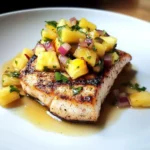
- Serve Immediately: Place the pan-seared Mahi-Mahi fillets on plates. Spoon a generous amount of the prepared pineapple salsa over each fillet.
- Garnish (Optional): Garnish with extra fresh cilantro sprigs, lime wedges, or a drizzle of olive oil for added visual appeal and flavor.
- Enjoy! Serve immediately and savor the delicious combination of the perfectly seared Mahi-Mahi and the vibrant, tropical pineapple salsa.
Nutrition
- Serving Size: one normal portion
- Calories: 350-400
- Sugar: 10-15 grams
- Sodium: 300-400 mg
- Fat: 15-20 grams
- Saturated Fat: 2-3 grams
- Carbohydrates: 15-20 grams
- Fiber: 2-3 grams
- Protein: 35-40 grams
- Cholesterol: 100-120 mg