
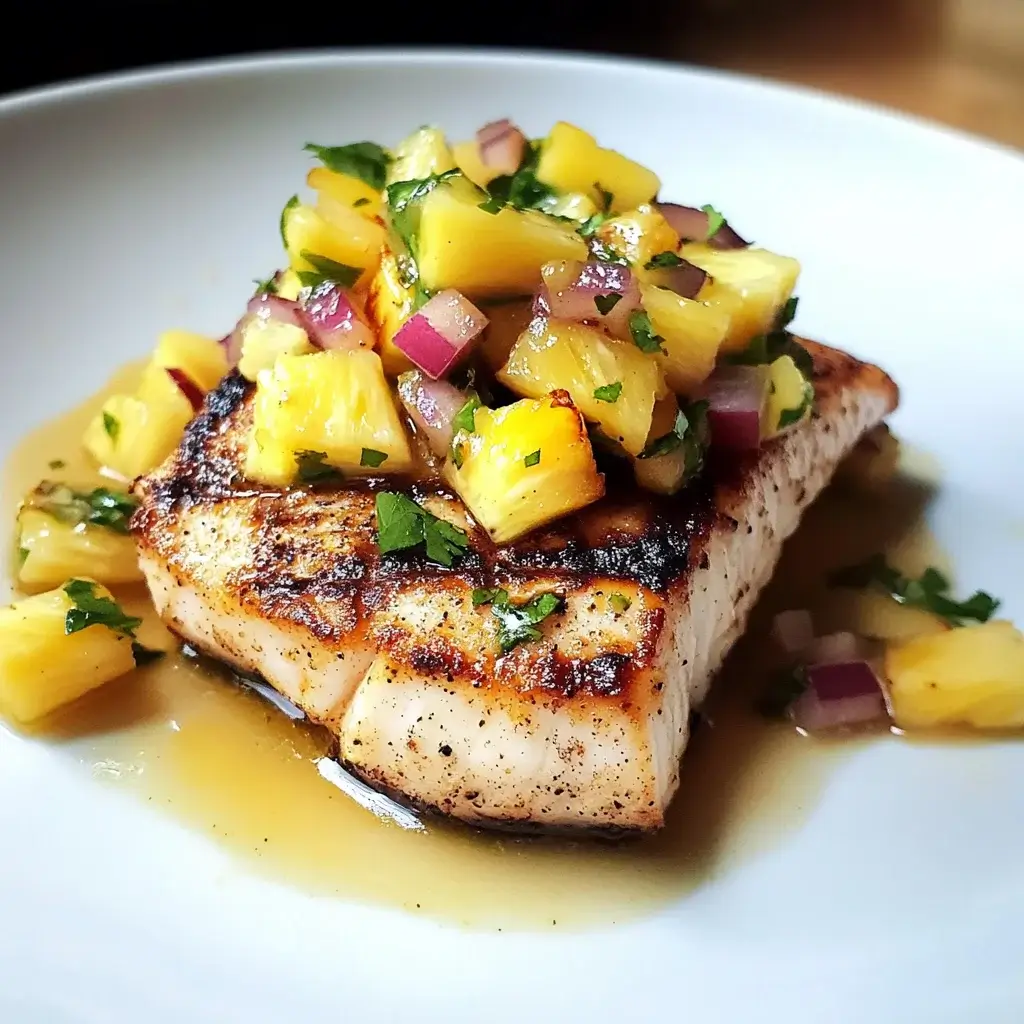

Let me paint you a picture: it’s a warm summer evening, the sun is setting, casting a golden glow across my kitchen, and the air is filled with the tantalizing aroma of sizzling fish and sweet, tangy fruit. This isn’t a scene from a fancy restaurant, but a typical weeknight at my house, all thanks to this incredible pan-seared Mahi-Mahi with pineapple salsa recipe. Honestly, this dish has become a game-changer in our family’s meal rotation. Before discovering this recipe, fish nights were often met with less-than-enthusiastic responses. But Mahi-Mahi, with its firm, mild flavor, and this vibrant, zesty pineapple salsa? It’s a completely different story. Even my pickiest eater asks for seconds! What I adore most about this recipe, besides the explosion of tropical flavors, is how surprisingly easy and quick it is to prepare. From prepping the ingredients to plating the final dish, it all comes together in under 30 minutes. It’s the perfect solution for those busy evenings when you crave a healthy, delicious, and impressive meal without spending hours in the kitchen. The combination of the perfectly seared Mahi-Mahi with the sweet, spicy, and refreshing pineapple salsa is simply divine. It’s a symphony of textures and tastes – the flaky fish, the juicy pineapple, the crisp red onion, the fiery jalapeño, all brought together with a hint of lime and cilantro. Whether you’re looking to impress dinner guests, brighten up a weeknight meal, or simply want to enjoy a taste of the tropics, this pan-seared Mahi-Mahi with pineapple salsa recipe is guaranteed to become a new favorite. Prepare to be transported to a sunny island with every bite!
Ingredients: Freshness is Key to This Mahi-Mahi Masterpiece
The secret to truly exceptional pan-seared Mahi-Mahi with pineapple salsa lies in the quality and freshness of the ingredients. This recipe is all about highlighting vibrant, natural flavors, so opting for the best possible produce and fish will make a world of difference. Let’s break down the ingredients you’ll need for both the Mahi-Mahi and the star of the show – the pineapple salsa.
For the Pan-Seared Mahi-Mahi:
- Mahi-Mahi Fillets: 4 (6-8 ounce) Mahi-Mahi fillets, skin on or off, about 1-inch thick. When selecting Mahi-Mahi, look for fillets that are firm, moist, and have a fresh, mild ocean scent. Avoid fillets that look dry, discolored, or have a strong fishy odor. Fresh Mahi-Mahi is ideal, but frozen Mahi-Mahi, thawed completely, will also work well. If using frozen, ensure it is properly thawed according to package instructions and pat it dry before searing. The thickness of the fillets is important for even cooking; aim for fillets around 1-inch thick for optimal searing and juicy results.
- Olive Oil: 2 tablespoons of extra virgin olive oil. Olive oil is used for searing the Mahi-Mahi, adding flavor and preventing sticking. Extra virgin olive oil is recommended for its superior flavor and health benefits. You can also use avocado oil or coconut oil as alternatives, both of which have high smoke points and subtle flavors that complement fish.
- Salt: 1 teaspoon of sea salt or kosher salt. Salt is essential for seasoning the Mahi-Mahi and enhancing its natural flavors. Sea salt or kosher salt are preferred for their clean taste and coarser texture, which helps to season the fish evenly.
- Black Pepper: ½ teaspoon of freshly ground black pepper. Freshly ground black pepper adds a touch of spice and depth of flavor to the Mahi-Mahi. Grind it just before using for the most aromatic and flavorful results.
- Paprika (Optional): ½ teaspoon of smoked paprika or sweet paprika. Paprika adds a subtle smoky or sweet note and a beautiful color to the seared Mahi-Mahi. Smoked paprika will impart a deeper, smoky flavor, while sweet paprika offers a milder, sweeter taste. This is optional but highly recommended for an extra layer of flavor.
- Garlic Powder (Optional): ½ teaspoon of garlic powder. Garlic powder provides a subtle garlic flavor that enhances the savory notes of the Mahi-Mahi. Use it sparingly, as too much can overpower the delicate fish flavor. This is also optional but adds a nice aromatic touch.
For the Vibrant Pineapple Salsa:
- Fresh Pineapple: 2 cups of diced fresh pineapple, about ½ medium pineapple. Fresh, ripe pineapple is the star of this salsa, providing sweetness, tanginess, and a tropical flavor. Choose a pineapple that is fragrant, slightly soft to the touch, and has a golden-yellow color. Avoid pineapples that are overly green or have a fermented smell. Dice the pineapple into small, even pieces for the best texture and flavor distribution in the salsa.
- Red Onion: ½ cup of finely diced red onion. Red onion adds a sharp, pungent bite and a beautiful color contrast to the salsa. Dice it finely so it blends well with the other ingredients and doesn’t overpower the delicate flavors. If you find red onion too strong, you can soak the diced onion in cold water for 10 minutes to mellow its sharpness, then drain well before adding to the salsa.
- Red Bell Pepper: ½ cup of finely diced red bell pepper. Red bell pepper contributes sweetness, crunch, and vibrant color to the salsa. Remove the seeds and membranes before dicing. You can also use yellow or orange bell pepper for a slightly different flavor profile and color variation.
- Jalapeño Pepper: 1-2 tablespoons of finely minced jalapeño pepper, seeds and membranes removed for less heat, or left in for more heat. Jalapeño adds a welcome kick of spice to balance the sweetness of the pineapple. Adjust the amount of jalapeño to your spice preference. Remember that the seeds and membranes are where most of the heat is concentrated, so removing them will result in a milder salsa. Always handle jalapeños with care and wash your hands thoroughly after handling them.
- Fresh Cilantro: ¼ cup of chopped fresh cilantro. Fresh cilantro provides a bright, herbaceous, and slightly citrusy flavor that is essential to the salsa. Chop it finely just before adding to the salsa to preserve its fresh aroma and flavor. If you are not a fan of cilantro, you can substitute it with fresh parsley, although it will slightly alter the flavor profile.
- Lime Juice: 2 tablespoons of fresh lime juice. Fresh lime juice adds acidity, brightness, and a zesty flavor that ties all the salsa ingredients together. Freshly squeezed lime juice is always preferred over bottled lime juice for its superior flavor. You can also add a teaspoon of lime zest for an even more intense lime flavor.
- Olive Oil: 1 tablespoon of extra virgin olive oil. A touch of olive oil in the salsa adds richness, helps to bind the ingredients together, and enhances the overall flavor. As with searing the Mahi-Mahi, extra virgin olive oil is recommended for its quality and flavor.
- Salt: ¼ teaspoon of sea salt or kosher salt. Salt balances the sweetness and acidity of the salsa and enhances all the flavors. Season to taste, starting with a smaller amount and adding more as needed.
- Black Pepper: ⅛ teaspoon of freshly ground black pepper. A pinch of black pepper adds a subtle depth of flavor to the salsa. Freshly ground black pepper is always preferred for its aroma and taste.
Ingredient Variations and Substitutions:
- Mahi-Mahi Alternatives: If you can’t find Mahi-Mahi, other firm, white fish fillets like swordfish, cod, halibut, or snapper can be used as substitutes. Cooking times may need to be adjusted slightly depending on the thickness of the fish.
- Pineapple Salsa Variations:
- Mango Salsa: Replace pineapple with diced mango for a different tropical fruit salsa.
- Peach Salsa: Diced peaches create a sweeter and more summery salsa.
- Avocado: Add diced avocado for creaminess and healthy fats.
- Corn: Grilled or roasted corn kernels add sweetness and texture.
- Black Beans: Black beans contribute protein and a hearty element.
- Mint: Add a few sprigs of chopped fresh mint for a refreshing twist.
- Honey or Maple Syrup: If your pineapple is not very sweet, you can add a drizzle of honey or maple syrup to enhance the sweetness of the salsa.
- Spice Level Adjustment: Adjust the amount of jalapeño or add a pinch of cayenne pepper for extra heat. For a milder salsa, omit the jalapeño entirely or use a milder pepper like poblano (roasted and diced).
- Herb Substitutions: If you don’t like cilantro, try parsley, chives, or a combination of both.
Instructions: Step-by-Step Guide to Pan-Seared Perfection
Pan-searing Mahi-Mahi to golden-brown perfection while keeping it moist and flaky is easier than you might think. Combined with the vibrant and refreshing pineapple salsa, this recipe comes together quickly and delivers maximum flavor. Follow these step-by-step instructions for a restaurant-quality meal at home:
Preparing the Pineapple Salsa:
- Combine Salsa Ingredients: In a medium-sized bowl, gently combine the diced fresh pineapple, finely diced red onion, finely diced red bell pepper, minced jalapeño pepper (if using), chopped fresh cilantro, olive oil, lime juice, salt, and black pepper.
- Mix and Macerate: Toss all the ingredients together gently to ensure they are evenly distributed and coated with the lime juice and olive oil.
- Refrigerate (Optional but Recommended): For the best flavor, cover the bowl and refrigerate the pineapple salsa for at least 15 minutes, or up to 2 hours. This allows the flavors to meld and deepen. Macerating the salsa also helps to soften the red onion slightly and enhance the overall taste. If you are short on time, you can skip the chilling step, but the flavors will be even better if you allow it to rest.
Pan-Searing the Mahi-Mahi:
- Prepare the Mahi-Mahi: Pat the Mahi-Mahi fillets dry with paper towels. This is crucial for achieving a good sear. Excess moisture will steam the fish instead of searing it. Season both sides of the Mahi-Mahi fillets generously with salt, black pepper, and optional paprika and garlic powder. Ensure the seasoning is evenly distributed over the surface of the fish.
- Heat the Oil: Heat the olive oil in a large, heavy-bottomed skillet (cast iron or stainless steel works best) over medium-high heat. The pan should be hot enough so that when you add a drop of water, it sizzles and evaporates quickly. Heating the pan properly before adding the oil and fish is essential for preventing sticking and achieving a beautiful sear.
- Sear the Mahi-Mahi: Once the oil is hot and shimmering, carefully place the Mahi-Mahi fillets in the hot skillet, skin-side down if using skin-on fillets. Do not overcrowd the pan; sear in batches if necessary to ensure even browning. Sear for 3-4 minutes per side for 1-inch thick fillets, or until golden brown and cooked through. The cooking time will vary slightly depending on the thickness of the fillets. The fish is cooked through when it is opaque and flakes easily with a fork. Avoid overcooking, as Mahi-Mahi can become dry if cooked for too long.
- Check for Doneness: To check for doneness, gently flake the fish with a fork. It should be opaque and flake easily. Alternatively, you can use a meat thermometer to check the internal temperature, which should reach 145°F (63°C).
Plating and Serving:
- Rest (Optional): While not strictly necessary for fish, you can let the seared Mahi-Mahi rest for a minute or two after removing it from the skillet. This allows the juices to redistribute, resulting in more tender and moist fish.
- Serve Immediately: Place the pan-seared Mahi-Mahi fillets on plates. Spoon a generous amount of the prepared pineapple salsa over each fillet.
- Garnish (Optional): Garnish with extra fresh cilantro sprigs, lime wedges, or a drizzle of olive oil for added visual appeal and flavor.
- Enjoy! Serve immediately and savor the delicious combination of the perfectly seared Mahi-Mahi and the vibrant, tropical pineapple salsa.
Tips for Perfect Pan-Searing:
- Dry Fish is Key: Always pat the fish fillets dry with paper towels before searing. This removes excess moisture and helps the fish to brown beautifully.
- Hot Pan, Hot Oil: Ensure the skillet and oil are properly heated before adding the fish. This will prevent sticking and promote searing rather than steaming.
- Don’t Overcrowd the Pan: Overcrowding the pan will lower the temperature and cause the fish to steam instead of sear. Work in batches if necessary to ensure each fillet has enough space to brown properly.
- Resist the Urge to Move: Once you place the fish in the hot skillet, resist the urge to move it around for the first few minutes. Allow it to sear undisturbed to develop a golden-brown crust.
- Use a Fish Spatula: A thin, flexible fish spatula is ideal for flipping delicate fish fillets without breaking them.
- Don’t Overcook: Fish cooks quickly. Overcooked Mahi-Mahi can become dry and tough. Cook just until it is opaque and flakes easily with a fork.
Nutrition Facts: Healthy and Delicious – A Guilt-Free Indulgence
Pan-seared Mahi-Mahi with pineapple salsa is not only incredibly flavorful but also a wonderfully healthy meal option. Mahi-Mahi is a lean protein source packed with essential nutrients, and the pineapple salsa adds vitamins, antioxidants, and fiber. Here’s a breakdown of the approximate nutritional information per serving (assuming 4 servings from the recipe):
Servings and Serving Size:
Servings: 4
Serving Size: 1 Mahi-Mahi fillet with approximately ½ cup of pineapple salsa
Calories and Macronutrients Breakdown (Approximate Per Serving):
- Calories: 350-400 calories (This can vary slightly based on portion sizes and specific ingredients used)
- Protein: 35-40 grams
- Fat: 15-20 grams
- Saturated Fat: 2-3 grams
- Unsaturated Fat: 12-17 grams (Primarily healthy monounsaturated and polyunsaturated fats from olive oil and Mahi-Mahi)
- Cholesterol: 100-120 mg
- Sodium: 300-400 mg (Varies depending on added salt)
- Carbohydrates: 15-20 grams
- Fiber: 2-3 grams
- Sugar: 10-15 grams (Naturally occurring sugars from pineapple and bell pepper)
Vitamins and Minerals (Significant amounts per serving):
- Vitamin C: High (from pineapple, bell pepper, and lime juice) – Excellent source of antioxidants and immune support.
- Vitamin B6: Good source (from Mahi-Mahi) – Important for metabolism and nervous system function.
- Niacin (Vitamin B3): Good source (from Mahi-Mahi) – Plays a role in energy production and cholesterol metabolism.
- Selenium: Excellent source (from Mahi-Mahi) – Powerful antioxidant and supports thyroid function.
- Potassium: Moderate source (from Mahi-Mahi and pineapple) – Important for blood pressure regulation and muscle function.
- Manganese: Moderate source (from pineapple) – Antioxidant and involved in bone formation and metabolism.
- Omega-3 Fatty Acids: Present (from Mahi-Mahi) – Beneficial for heart health, brain function, and reducing inflammation.
Health Benefits:
- Lean Protein Source: Mahi-Mahi is an excellent source of lean protein, which is essential for building and repairing tissues, supporting muscle mass, and promoting satiety.
- Heart-Healthy Fats: The unsaturated fats in Mahi-Mahi and olive oil are beneficial for heart health. Omega-3 fatty acids in fish are particularly known for their cardiovascular benefits.
- Rich in Vitamins and Minerals: This dish is packed with essential vitamins and minerals, contributing to overall health and well-being. Vitamin C, selenium, and B vitamins are particularly abundant.
- Antioxidant Powerhouse: The pineapple salsa is rich in antioxidants from pineapple, bell pepper, cilantro, and lime juice. Antioxidants help protect cells from damage caused by free radicals.
- Low in Calories and Moderate in Carbohydrates: This recipe is relatively low in calories and moderate in carbohydrates, making it a suitable option for those watching their calorie intake or managing blood sugar levels.
- Fiber-Rich: The pineapple and vegetables in the salsa contribute fiber, which aids in digestion, promotes fullness, and helps regulate blood sugar.
Disclaimer: This nutritional information is an estimate and may vary based on specific ingredients used and portion sizes. For precise nutritional information, consult with a registered dietitian or use a nutrition calculator with specific ingredient details. This information is for general knowledge and should not be considered medical advice.
Preparation Time: From Prep to Plate in Under 30 Minutes
One of the many reasons to love this pan-seared Mahi-Mahi with pineapple salsa recipe is its efficiency. It’s perfect for busy weeknights when you want a healthy, delicious meal without spending hours in the kitchen. The total preparation time is impressively short:
- Prep Time: 15 minutes (This includes dicing the pineapple, onion, bell pepper, jalapeño, chopping cilantro, juicing lime, and seasoning the Mahi-Mahi).
- Cook Time: 8-10 minutes (Pan-searing the Mahi-Mahi takes just a few minutes per side).
- Total Time: 23-25 minutes (From start to finish, ready to serve).
Time-Saving Tips:
- Pre-Diced Pineapple: Purchase pre-diced fresh pineapple from the grocery store to save time on chopping.
- Meal Prep Ahead: You can prepare the pineapple salsa up to a day in advance and store it in the refrigerator. This allows the flavors to meld and significantly reduces prep time on the day of cooking.
- Efficient Chopping: Practice your knife skills to chop vegetables quickly and efficiently. A sharp knife makes a big difference.
- Organize Ingredients: Have all your ingredients prepped and measured out before you start cooking. This “mise en place” approach streamlines the cooking process and makes it faster.
- Quick Marinade (Optional): While not essential, a quick 10-15 minute marinade for the Mahi-Mahi in lime juice, olive oil, and seasonings can add extra flavor without significantly increasing prep time.
How to Serve: Elevate Your Mahi-Mahi Experience
Pan-seared Mahi-Mahi with pineapple salsa is a versatile dish that can be served in numerous ways, making it suitable for casual weeknight dinners, elegant dinner parties, or even a light and refreshing lunch. Here are some ideas to elevate your Mahi-Mahi experience:
Side Dish Pairings:
- Rice:
- Coconut Rice: The subtle sweetness of coconut rice perfectly complements the tropical flavors of the Mahi-Mahi and salsa.
- Jasmine Rice: Fragrant jasmine rice provides a light and fluffy base.
- Quinoa: For a healthier, high-protein option, serve with quinoa.
- Cilantro Lime Rice: Enhance the cilantro lime theme by serving with cilantro lime rice.
- Vegetables:
- Grilled Asparagus: Simple grilled asparagus adds a touch of elegance and a healthy side.
- Roasted Broccoli: Roasted broccoli with a sprinkle of parmesan cheese is a classic and nutritious pairing.
- Steamed Green Beans: Lightly steamed green beans with a squeeze of lemon juice offer a fresh and simple side.
- Sweet Potato Fries or Wedges: For a more substantial and family-friendly side, serve with sweet potato fries or wedges.
- Black Beans and Rice: For a heartier meal, serve alongside black beans and rice.
- Salads:
- Green Salad with Vinaigrette: A simple green salad with a light vinaigrette dressing provides a refreshing contrast to the richness of the Mahi-Mahi.
- Avocado Salad: Creamy avocado salad with tomatoes, red onion, and lime dressing complements the tropical flavors.
- Mango Salad: Enhance the tropical theme with a mango salad.
- Corn and Black Bean Salad: A vibrant corn and black bean salad adds color, texture, and flavor.
Presentation Ideas:
- Elegant Plating: Arrange the Mahi-Mahi fillet on a plate, spoon a generous amount of pineapple salsa over it, and garnish with fresh cilantro sprigs and a lime wedge.
- Bed of Rice: Serve the Mahi-Mahi on a bed of coconut rice or jasmine rice, with the pineapple salsa spooned over the fish and rice.
- Lettuce Wraps: For a lighter and gluten-free option, serve the pan-seared Mahi-Mahi and pineapple salsa in crisp lettuce cups (like butter lettuce or romaine lettuce).
- Tacos or Bowls: Flake the pan-seared Mahi-Mahi and use it as a filling for tacos or bowls, topped with pineapple salsa and other desired toppings like avocado, shredded cabbage, or a creamy sauce.
- Skewers: Cut the Mahi-Mahi into chunks, sear them, and serve them on skewers with pineapple salsa on the side for dipping.
Occasion-Based Serving Suggestions:
- Weeknight Dinner: Serve with a simple side like quinoa or roasted broccoli for a quick and healthy weeknight meal.
- Dinner Party: Elevate the presentation with elegant plating, serve with coconut rice and grilled asparagus, and pair with a crisp white wine like Sauvignon Blanc or Pinot Grigio.
- Summer BBQ: Grill the Mahi-Mahi instead of pan-searing, serve with corn on the cob, potato salad, and the pineapple salsa for a summery BBQ feast.
- Light Lunch: Serve the pan-seared Mahi-Mahi and pineapple salsa over a bed of mixed greens or in lettuce wraps for a refreshing and light lunch.
- Appetizer: Make mini Mahi-Mahi skewers with pineapple salsa for dipping as a flavorful and impressive appetizer.
Additional Tips for Pan-Seared Mahi-Mahi Success
To consistently achieve perfectly pan-seared Mahi-Mahi with vibrant pineapple salsa, consider these five additional tips:
- Use a Hot Pan and Don’t Overcrowd: As mentioned earlier, a hot pan is crucial for searing. Ensure your skillet is properly heated before adding the oil and fish. Overcrowding the pan will lower the temperature and prevent proper searing. Work in batches if necessary to maintain a hot pan and achieve a beautiful golden-brown crust on the Mahi-Mahi.
- Pat the Fish Dry Thoroughly: Moisture is the enemy of searing. Always pat the Mahi-Mahi fillets completely dry with paper towels before seasoning and searing. This will ensure that the fish browns properly instead of steaming in its own moisture.
- Don’t Overcook the Mahi-Mahi: Mahi-Mahi is a lean fish that cooks quickly. Overcooking will result in dry, tough fish. Cook just until it is opaque throughout and flakes easily with a fork. Err on the side of slightly undercooked rather than overcooked for the most tender and moist results.
- Season Generously: Don’t be shy with the seasoning. Season both sides of the Mahi-Mahi fillets generously with salt, pepper, and any other desired spices (like paprika and garlic powder). Proper seasoning is key to enhancing the natural flavor of the fish and making it delicious. Taste and adjust seasoning as needed throughout the cooking process.
- Taste and Adjust the Salsa: Pineapple salsa is all about balance. Taste the salsa after preparing it and adjust the flavors to your liking. If it’s too sweet, add more lime juice for acidity. If it needs more spice, add more jalapeño. If it’s lacking salt, add a pinch more. Balancing the sweet, spicy, acidic, and salty elements is crucial for a perfectly flavorful salsa.
FAQ: Your Burning Questions About Mahi-Mahi and Pineapple Salsa Answered
Got questions about making pan-seared Mahi-Mahi with pineapple salsa? Here are answers to some frequently asked questions to help you master this recipe:
Q1: Can I grill the Mahi-Mahi instead of pan-searing?
A: Yes, grilling Mahi-Mahi is an excellent alternative to pan-searing, especially during warmer months. Preheat your grill to medium-high heat. Lightly oil the grill grates to prevent sticking. Grill the Mahi-Mahi fillets for about 3-4 minutes per side, or until cooked through and grill marks appear. Grilling imparts a smoky flavor that complements the fish beautifully. You can still serve it with the pineapple salsa for a delicious grilled meal.
Q2: Can I use canned pineapple for the salsa?
A: While fresh pineapple is highly recommended for the best flavor and texture in the salsa, you can use canned pineapple in a pinch. Choose canned pineapple chunks in juice, not syrup. Drain the pineapple well and dice it before adding it to the salsa. Keep in mind that canned pineapple will be sweeter and softer than fresh pineapple, so you may need to adjust the sweetness and texture of the salsa accordingly. Fresh pineapple will always provide a brighter and more vibrant flavor.
Q3: How long can I store leftover pan-seared Mahi-Mahi and pineapple salsa?
A: Store leftover pan-seared Mahi-Mahi and pineapple salsa separately in airtight containers in the refrigerator. The Mahi-Mahi is best consumed within 1-2 days, as fish tends to dry out upon reheating. The pineapple salsa can be stored for up to 3 days in the refrigerator, and the flavors may even improve overnight. Reheat the Mahi-Mahi gently in a skillet or microwave until just warmed through, being careful not to overcook it. Serve with fresh pineapple salsa.
Q4: I don’t like cilantro. What can I substitute in the salsa?
A: If you are not a fan of cilantro, you can substitute it with fresh parsley, which has a milder, more herbaceous flavor. Another option is to use a combination of parsley and a small amount of fresh mint for a refreshing twist. Chives or even finely chopped scallions can also be used as alternatives, although they will slightly alter the flavor profile of the salsa. Choose the herb that best suits your taste preferences.
Q5: Can I make the pineapple salsa spicier?
A: Absolutely! If you enjoy spicy food, you can easily increase the heat level of the pineapple salsa. Add more minced jalapeño pepper or include the seeds and membranes of the jalapeño for extra heat. You can also add a pinch of cayenne pepper or a dash of your favorite hot sauce to the salsa. Another option is to use a spicier pepper like serrano or habanero (use habanero sparingly as it is very hot). Start with a small amount of spice and taste as you go, adding more until you reach your desired level of heat.
Enjoy creating and indulging in this delightful pan-seared Mahi-Mahi with pineapple salsa! It’s a healthy, flavorful, and surprisingly easy dish that’s perfect for any occasion.
Print
Pan-Seared Mahi-Mahi with Pineapple Salsa recipe
Ingredients
For the Pan-Seared Mahi-Mahi:
- Mahi-Mahi Fillets: 4 (6-8 ounce) Mahi-Mahi fillets, skin on or off, about 1-inch thick. When selecting Mahi-Mahi, look for fillets that are firm, moist, and have a fresh, mild ocean scent. Avoid fillets that look dry, discolored, or have a strong fishy odor. Fresh Mahi-Mahi is ideal, but frozen Mahi-Mahi, thawed completely, will also work well. If using frozen, ensure it is properly thawed according to package instructions and pat it dry before searing. The thickness of the fillets is important for even cooking; aim for fillets around 1-inch thick for optimal searing and juicy results.
- Olive Oil: 2 tablespoons of extra virgin olive oil. Olive oil is used for searing the Mahi-Mahi, adding flavor and preventing sticking. Extra virgin olive oil is recommended for its superior flavor and health benefits. You can also use avocado oil or coconut oil as alternatives, both of which have high smoke points and subtle flavors that complement fish.
- Salt: 1 teaspoon of sea salt or kosher salt. Salt is essential for seasoning the Mahi-Mahi and enhancing its natural flavors. Sea salt or kosher salt are preferred for their clean taste and coarser texture, which helps to season the fish evenly.
- Black Pepper: ½ teaspoon of freshly ground black pepper. Freshly ground black pepper adds a touch of spice and depth of flavor to the Mahi-Mahi. Grind it just before using for the most aromatic and flavorful results.
- Paprika (Optional): ½ teaspoon of smoked paprika or sweet paprika. Paprika adds a subtle smoky or sweet note and a beautiful color to the seared Mahi-Mahi. Smoked paprika will impart a deeper, smoky flavor, while sweet paprika offers a milder, sweeter taste. This is optional but highly recommended for an extra layer of flavor.
- Garlic Powder (Optional): ½ teaspoon of garlic powder. Garlic powder provides a subtle garlic flavor that enhances the savory notes of the Mahi-Mahi. Use it sparingly, as too much can overpower the delicate fish flavor. This is also optional but adds a nice aromatic touch.
For the Vibrant Pineapple Salsa:
- Fresh Pineapple: 2 cups of diced fresh pineapple, about ½ medium pineapple. Fresh, ripe pineapple is the star of this salsa, providing sweetness, tanginess, and a tropical flavor. Choose a pineapple that is fragrant, slightly soft to the touch, and has a golden-yellow color. Avoid pineapples that are overly green or have a fermented smell. Dice the pineapple into small, even pieces for the best texture and flavor distribution in the salsa.
- Red Onion: ½ cup of finely diced red onion. Red onion adds a sharp, pungent bite and a beautiful color contrast to the salsa. Dice it finely so it blends well with the other ingredients and doesn’t overpower the delicate flavors. If you find red onion too strong, you can soak the diced onion in cold water for 10 minutes to mellow its sharpness, then drain well before adding to the salsa.
- Red Bell Pepper: ½ cup of finely diced red bell pepper. Red bell pepper contributes sweetness, crunch, and vibrant color to the salsa. Remove the seeds and membranes before dicing. You can also use yellow or orange bell pepper for a slightly different flavor profile and color variation.
- Jalapeño Pepper: 1-2 tablespoons of finely minced jalapeño pepper, seeds and membranes removed for less heat, or left in for more heat. Jalapeño adds a welcome kick of spice to balance the sweetness of the pineapple. Adjust the amount of jalapeño to your spice preference. Remember that the seeds and membranes are where most of the heat is concentrated, so removing them will result in a milder salsa. Always handle jalapeños with care and wash your hands thoroughly after handling them.
- Fresh Cilantro: ¼ cup of chopped fresh cilantro. Fresh cilantro provides a bright, herbaceous, and slightly citrusy flavor that is essential to the salsa. Chop it finely just before adding to the salsa to preserve its fresh aroma and flavor. If you are not a fan of cilantro, you can substitute it with fresh parsley, although it will slightly alter the flavor profile.
- Lime Juice: 2 tablespoons of fresh lime juice. Fresh lime juice adds acidity, brightness, and a zesty flavor that ties all the salsa ingredients together. Freshly squeezed lime juice is always preferred over bottled lime juice for its superior flavor. You can also add a teaspoon of lime zest for an even more intense lime flavor.
- Olive Oil: 1 tablespoon of extra virgin olive oil. A touch of olive oil in the salsa adds richness, helps to bind the ingredients together, and enhances the overall flavor. As with searing the Mahi-Mahi, extra virgin olive oil is recommended for its quality and flavor.
- Salt: ¼ teaspoon of sea salt or kosher salt. Salt balances the sweetness and acidity of the salsa and enhances all the flavors. Season to taste, starting with a smaller amount and adding more as needed.
- Black Pepper: ⅛ teaspoon of freshly ground black pepper. A pinch of black pepper adds a subtle depth of flavor to the salsa. Freshly ground black pepper is always preferred for its aroma and taste.
Instructions
Preparing the Pineapple Salsa:
- Combine Salsa Ingredients: In a medium-sized bowl, gently combine the diced fresh pineapple, finely diced red onion, finely diced red bell pepper, minced jalapeño pepper (if using), chopped fresh cilantro, olive oil, lime juice, salt, and black pepper.
- Mix and Macerate: Toss all the ingredients together gently to ensure they are evenly distributed and coated with the lime juice and olive oil.
- Refrigerate (Optional but Recommended): For the best flavor, cover the bowl and refrigerate the pineapple salsa for at least 15 minutes, or up to 2 hours. This allows the flavors to meld and deepen. Macerating the salsa also helps to soften the red onion slightly and enhance the overall taste. If you are short on time, you can skip the chilling step, but the flavors will be even better if you allow it to rest.
Pan-Searing the Mahi-Mahi:
- Prepare the Mahi-Mahi: Pat the Mahi-Mahi fillets dry with paper towels. This is crucial for achieving a good sear. Excess moisture will steam the fish instead of searing it. Season both sides of the Mahi-Mahi fillets generously with salt, black pepper, and optional paprika and garlic powder. Ensure the seasoning is evenly distributed over the surface of the fish.
- Heat the Oil: Heat the olive oil in a large, heavy-bottomed skillet (cast iron or stainless steel works best) over medium-high heat. The pan should be hot enough so that when you add a drop of water, it sizzles and evaporates quickly. Heating the pan properly before adding the oil and fish is essential for preventing sticking and achieving a beautiful sear.
- Sear the Mahi-Mahi: Once the oil is hot and shimmering, carefully place the Mahi-Mahi fillets in the hot skillet, skin-side down if using skin-on fillets. Do not overcrowd the pan; sear in batches if necessary to ensure even browning. Sear for 3-4 minutes per side for 1-inch thick fillets, or until golden brown and cooked through. The cooking time will vary slightly depending on the thickness of the fillets. The fish is cooked through when it is opaque and flakes easily with a fork. Avoid overcooking, as Mahi-Mahi can become dry if cooked for too long.
- Check for Doneness: To check for doneness, gently flake the fish with a fork. It should be opaque and flake easily. Alternatively, you can use a meat thermometer to check the internal temperature, which should reach 145°F (63°C).
Plating and Serving:
- Rest (Optional): While not strictly necessary for fish, you can let the seared Mahi-Mahi rest for a minute or two after removing it from the skillet. This allows the juices to redistribute, resulting in more tender and moist fish.
- Serve Immediately: Place the pan-seared Mahi-Mahi fillets on plates. Spoon a generous amount of the prepared pineapple salsa over each fillet.
- Garnish (Optional): Garnish with extra fresh cilantro sprigs, lime wedges, or a drizzle of olive oil for added visual appeal and flavor.
- Enjoy! Serve immediately and savor the delicious combination of the perfectly seared Mahi-Mahi and the vibrant, tropical pineapple salsa.
Nutrition
- Serving Size: one normal portion
- Calories: 350-400
- Sugar: 10-15 grams
- Sodium: 300-400 mg
- Fat: 15-20 grams
- Saturated Fat: 2-3 grams
- Carbohydrates: 15-20 grams
- Fiber: 2-3 grams
- Protein: 35-40 grams
- Cholesterol: 100-120 mg