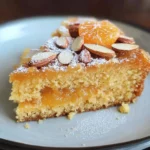
Ingredients
- Oranges: The Heart and Soul of Citrus Flavor
- Navel Oranges vs. Valencia Oranges: While both types work well, Navel oranges are often preferred for their thicker skin, which is easier to zest, and their balanced sweetness and acidity. Valencia oranges, known for their juiciness, are also excellent, especially if you want a slightly tangier cake. Ultimately, the key is to use ripe, fragrant oranges.
- Zest is Essential: Orange zest is crucial for infusing the cake with its bright, aromatic citrus essence. The zest contains the orange’s flavorful oils, which are far more potent than the juice alone. Use a microplane or fine grater to zest the oranges, ensuring you only grate the colorful outer layer and avoid the bitter white pith beneath.
- Freshly Squeezed Orange Juice: Freshly squeezed orange juice adds moisture, sweetness, and a complementary citrus tang to the cake batter. Avoid using store-bought orange juice with added sugars or preservatives, as fresh juice will provide a superior flavor.
- Whole Orange Pulp (Optional, for Extra Moisture): Some recipes incorporate blended whole oranges (pulp and all, after removing seeds) for an intensely moist and flavorful cake. This method requires boiling the oranges first to soften the peel and remove bitterness. If using whole orange pulp, adjust the liquid content accordingly.
- Quantity: The recipe will specify the number of oranges needed for both zest and juice. Typically, 2-3 medium oranges are sufficient for a standard cake.
- Almond Meal (or Almond Flour): The Nutty Foundation
- Almond Meal vs. Almond Flour: While often used interchangeably, there’s a subtle difference. Almond meal is made from grinding whole almonds (skin on), resulting in a slightly coarser texture and more rustic appearance. Almond flour is made from blanched almonds (skins removed) and is ground more finely, resulting in a smoother texture and lighter color. Both work beautifully in Orange and Almond Cake, but almond flour will yield a slightly finer crumb.
- Blanched Almond Meal (Preferred for Finer Texture): For a more refined cake texture, blanched almond meal (or almond flour) is often preferred. It provides a delicate crumb and allows the citrus flavors to shine through without being overwhelmed by almond skin bitterness.
- Homemade Almond Meal (Freshness and Flavor): For the freshest and most flavorful almond meal, you can make it yourself by grinding blanched almonds in a food processor. Be careful not to over-process, as this can release oils and turn it into almond butter. Grind in short pulses until you achieve a meal-like consistency.
- Quantity: The recipe will specify the amount of almond meal needed, usually ranging from 1 to 2 cups, depending on the cake size and desired density.
- Eggs: Binding, Richness, and Structure
- Large Eggs (Standard Baking Size): Use large eggs, which are the standard size for most baking recipes. Eggs provide structure, binding, moisture, and richness to the cake. They contribute to the cake’s rise, tenderness, and overall texture.
- Room Temperature Eggs (Better Emulsification): Using room temperature eggs is generally recommended for baking, as they emulsify more easily into the batter, creating a smoother and more homogenous mixture. This leads to a more tender and evenly textured cake.
- Separated Eggs (Optional, for Lighter Texture): Some recipes call for separating the eggs, whipping the egg whites to soft peaks, and folding them into the batter at the end. This technique can create a lighter and airier cake texture, although it adds an extra step.
- Quantity: The number of eggs will vary depending on the recipe, typically ranging from 3 to 6 large eggs.
- Sugar: Sweetness and Moisture
- Granulated Sugar (Standard Sweetness): Granulated sugar is the most common type of sugar used in Orange and Almond Cake. It provides sweetness, moisture, and helps create a tender crumb.
- Caster Sugar (Finer Granulation, for Smoother Batter): Caster sugar, with its finer granulation, dissolves more easily into the batter, resulting in a smoother texture. If you prefer a very fine crumb, caster sugar is a good choice.
- Brown Sugar (Molasses Notes, for Depth of Flavor): For a slightly richer and more complex flavor with molasses notes, you can substitute part of the granulated sugar with light or dark brown sugar. This will also add slightly more moisture and a chewier texture.
- Honey or Maple Syrup (Natural Sweeteners, Adjust Liquid): For a refined sugar-free option, you can experiment with honey or maple syrup. However, these liquid sweeteners may alter the cake’s texture and moisture level, so you may need to adjust the liquid ingredients accordingly.
- Quantity: The amount of sugar will depend on the recipe and desired sweetness level, typically ranging from 3/4 cup to 1 1/2 cups.
- Butter or Oil: Fat for Moisture and Tenderness
- Unsalted Butter (Rich Flavor, Traditional Choice): Unsalted butter, melted and cooled, is a classic choice for Orange and Almond Cake. Butter provides rich flavor, tenderness, and a slightly denser texture. Using unsalted butter allows you to control the salt content of the cake.
- Neutral Oil (Moistness, Lighter Texture): Neutral oils like vegetable oil, canola oil, or sunflower oil can be used instead of butter. Oil tends to create a moister cake with a slightly lighter texture compared to butter. Oil-based cakes often stay moist for longer.
- Olive Oil (Fruity Notes, Mediterranean Twist): For a Mediterranean twist and a subtle fruity flavor, you can use extra virgin olive oil. Choose a mild, fruity olive oil rather than a robust, peppery one. Olive oil will also contribute to a very moist cake.
- Coconut Oil (Tropical Flavor, Vegan Option): Melted coconut oil can be used for a vegan version or to add a subtle coconut flavor. Refined coconut oil will have a more neutral flavor than virgin coconut oil.
- Quantity: The amount of fat (butter or oil) will depend on the recipe and desired texture, typically ranging from 1/2 cup to 1 cup.
- Baking Powder: Leavening Agent for Rise
- Double-Acting Baking Powder (Reliable Rise): Double-acting baking powder is the standard leavening agent for most cakes. It provides a reliable rise in two stages – once when mixed with liquid and again when heated in the oven. Ensure your baking powder is fresh (check expiration date) for optimal leavening power.
- Gluten-Free Baking Powder (If Making Gluten-Free): If you are making a gluten-free version of Orange and Almond Cake, ensure your baking powder is certified gluten-free to avoid any hidden gluten sources.
- Quantity: The amount of baking powder will depend on the recipe, usually ranging from 1 to 2 teaspoons.
- Vanilla Extract (Optional, Flavor Enhancer):
- Pure Vanilla Extract (Enhances Sweetness and Complexity): Pure vanilla extract is an optional but recommended addition to Orange and Almond Cake. Vanilla extract enhances the sweetness, rounds out the flavors, and adds a subtle layer of complexity.
- Vanilla Bean Paste (More Intense Vanilla Flavor): For a more intense vanilla flavor and visual appeal (specks of vanilla bean), you can use vanilla bean paste instead of extract. Use an equal amount or slightly less paste than extract.
- Quantity: If using, typically 1 teaspoon of vanilla extract is sufficient.
- Salt: Balances Sweetness and Enhances Flavor
- Fine Sea Salt or Kosher Salt (Enhances Flavors): A pinch of salt is essential in baking to balance the sweetness and enhance the overall flavors of the cake. Fine sea salt or kosher salt are good choices as they dissolve easily into the batter.
- Quantity: A small amount of salt, usually 1/4 to 1/2 teaspoon, is sufficient to enhance the flavors without making the cake salty.
- Sliced Almonds (Optional Garnish, Texture and Visual Appeal):
- Blanched Sliced Almonds (Elegant Garnish): Blanched sliced almonds are often used as a garnish for Orange and Almond Cake, adding visual appeal, a delicate crunch, and reinforcing the almond flavor.
- Toasted Sliced Almonds (Enhanced Flavor and Crunch): Toasting the sliced almonds before using them as a garnish will intensify their nutty flavor and make them even crunchier.
- Quantity: The amount of sliced almonds for garnish is optional, typically around 1/4 to 1/2 cup.
Instructions
Step 1: Prepare the Oranges – Zest and Juice
- Wash Oranges Thoroughly: Wash the oranges thoroughly under warm water and dry them completely. This is important as you will be using the zest.
- Zest the Oranges: Using a microplane or fine grater, zest the oranges, grating only the colorful outer layer of the peel and avoiding the bitter white pith. Zest the amount specified in the recipe. Set the zest aside.
- Juice the Oranges: Cut the zested oranges in half and squeeze out the juice. Strain the juice to remove any seeds or pulp (unless the recipe specifically calls for pulp). Measure out the required amount of orange juice and set aside.
Step 2: Toast Sliced Almonds (Optional, for Garnish)
- Preheat Oven (Optional): If toasting almonds in the oven, preheat your oven to 350°F (175°C).
- Spread Almonds Evenly: Spread the sliced almonds in a single layer on a baking sheet.
- Toast Until Fragrant and Lightly Golden:
- Oven Toasting: Bake in the preheated oven for 5-8 minutes, stirring once halfway through, until fragrant and lightly golden brown. Watch carefully as they can burn quickly.
- Skillet Toasting (Faster): Alternatively, toast the almonds in a dry skillet over medium heat, stirring constantly, for 3-5 minutes until fragrant and lightly golden.
- Let Cool Completely: Remove toasted almonds from the heat and let them cool completely before using as garnish.
Step 3: Preheat Oven and Prepare Cake Pan
- Preheat Oven to Specified Temperature: Preheat your oven to the temperature indicated in the recipe, typically around 325°F-350°F (160°C-175°C). Accurate oven temperature is crucial for even baking.
- Grease and Flour (or Line) Cake Pan: Grease your cake pan thoroughly with butter or cooking spray. For extra insurance against sticking, you can dust the greased pan with flour (or almond flour for gluten-free). Alternatively, line the bottom of the pan with parchment paper, leaving an overhang for easy removal after baking. The pan size and shape will be specified in the recipe (e.g., 9-inch round, loaf pan, bundt pan).
Step 4: Combine Dry Ingredients
- Whisk Together Dry Ingredients: In a medium bowl, whisk together the almond meal (or almond flour), sugar, baking powder, salt, and optional vanilla extract (if using dry vanilla powder). Whisk until well combined to ensure even distribution of baking powder and salt.
Step 5: Combine Wet Ingredients
- Melt Butter (If Using Butter): If using butter, melt it in a saucepan or microwave until completely melted. Let it cool slightly before adding to the wet ingredients. If using oil, no melting is needed.
- Whisk Together Wet Ingredients: In a separate large bowl, whisk together the eggs and orange zest until lightly combined. Gradually whisk in the melted and cooled butter (or oil) and orange juice until the mixture is smooth and well combined. Ensure the butter is not too hot when added to the eggs to prevent cooking them.
Step 6: Combine Wet and Dry Ingredients – Create Batter
- Add Dry Ingredients to Wet Ingredients: Gradually add the dry ingredients to the wet ingredients, mixing gently with a spatula or wooden spoon. Mix until just combined. Be careful not to overmix the batter, as overmixing can develop gluten (even in gluten-free cakes due to other proteins) and result in a tough cake. Stop mixing as soon as the dry ingredients are incorporated and no streaks of flour remain. The batter will be relatively thick.
Step 7: Pour Batter into Prepared Pan
- Pour Batter Evenly into Pan: Pour the cake batter into the prepared cake pan and spread it evenly with a spatula or spoon.
- Optional: Sprinkle with Sliced Almonds (Before Baking): If desired, sprinkle the top of the batter with toasted or raw sliced almonds before baking. This adds visual appeal and a nutty crunch to the top of the cake.
Step 8: Bake the Cake
- Bake in Preheated Oven: Place the cake pan in the preheated oven and bake for the time specified in the recipe, typically 30-50 minutes, depending on the pan size and oven.
- Check for Doneness: To check for doneness, insert a wooden skewer or toothpick into the center of the cake. If it comes out clean or with only a few moist crumbs attached, the cake is done. If it comes out with wet batter, bake for a few more minutes and check again. The cake should also be golden brown on top and spring back lightly when gently pressed.
Step 9: Cool in Pan, Then Invert (If Applicable)
- Cool in Pan Slightly: Once baked, remove the cake from the oven and let it cool in the pan for 10-15 minutes. This allows the cake to set slightly and makes it easier to remove from the pan.
- Invert onto Wire Rack (If Applicable): If using a round or loaf pan, invert the cake onto a wire rack to cool completely. If using a bundt pan, carefully invert it onto a serving plate or wire rack. Inverting helps prevent the cake from sinking and allows it to cool evenly.
- Cool Completely on Wire Rack: Let the cake cool completely on the wire rack before frosting, glazing, or serving. Cooling completely is essential before frosting, as warm cake can melt frosting.
Step 10: Garnish and Serve
- Optional Garnish: Once cooled, garnish the cake as desired. Common garnishes include a dusting of powdered sugar, a simple glaze (orange juice and powdered sugar), fresh orange slices, extra toasted sliced almonds, or a dollop of whipped cream or yogurt.
- Slice and Serve: Slice the Orange and Almond Cake and serve. It is delicious on its own or paired with tea, coffee, or a dessert wine.
Nutrition
- Serving Size: one normal portion
- Calories: 300-400
- Sugar: 20-30 grams
- Fat: 15-25 grams
- Saturated Fat: 5-8 grams
- Carbohydrates: 30-40 grams
- Fiber: 2-3 grams
- Protein: 5-7 grams