
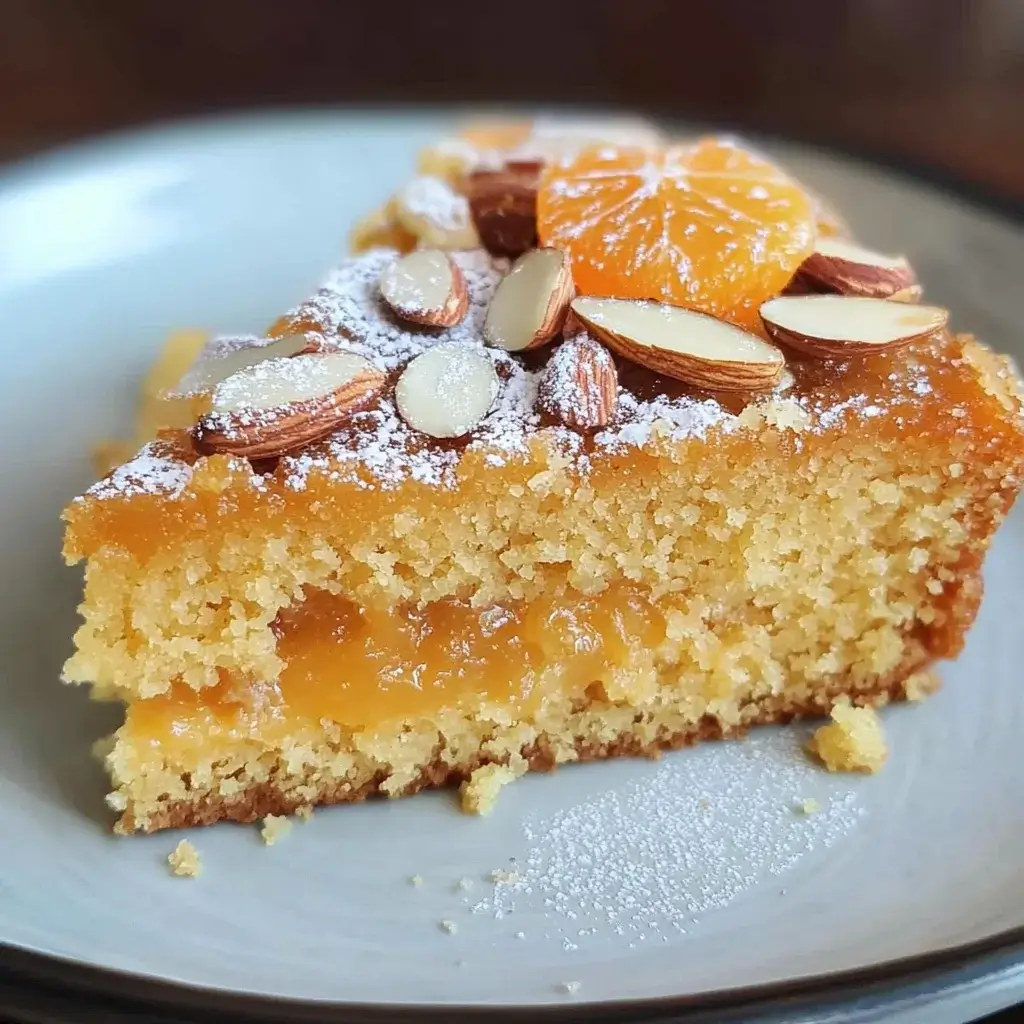
It’s funny how certain scents can instantly transport you back to a specific time and place. For me, the aroma of oranges baking is pure nostalgia. It evokes memories of cozy Sunday afternoons in my grandmother’s kitchen, the warmth of the oven mingling with the bright, citrusy fragrance. Her Orange and Almond Cake was legendary – a moist, fragrant, and utterly irresistible treat that was always the centerpiece of our family gatherings. Even now, years later, just the thought of that cake brings a smile to my face. There was something so comforting and elegant about it, a perfect balance of sweet and tangy, with a delightful nutty crunch. It wasn’t overly fussy, yet it always felt special. My own attempts to recreate it have become a beloved tradition in my home, and it’s a recipe I turn to whenever I want to bake something that’s both impressive and deeply satisfying. This isn’t just a cake; it’s a slice of sunshine, a taste of warmth, and a reminder of cherished moments. I’m thrilled to share this recipe with you, hoping it brings as much joy to your kitchen and table as it has to mine.
Ingredients: The Symphony of Citrus and Nutty Goodness in Orange and Almond Cake
The beauty of Orange and Almond Cake lies in the harmonious blend of simple, high-quality ingredients. Each component plays a vital role in creating the cake’s signature moist texture, vibrant citrus flavor, and delightful nutty notes. Let’s delve into each ingredient and understand its contribution to this classic bake:
- Oranges: The Heart and Soul of Citrus Flavor
- Navel Oranges vs. Valencia Oranges: While both types work well, Navel oranges are often preferred for their thicker skin, which is easier to zest, and their balanced sweetness and acidity. Valencia oranges, known for their juiciness, are also excellent, especially if you want a slightly tangier cake. Ultimately, the key is to use ripe, fragrant oranges.
- Zest is Essential: Orange zest is crucial for infusing the cake with its bright, aromatic citrus essence. The zest contains the orange’s flavorful oils, which are far more potent than the juice alone. Use a microplane or fine grater to zest the oranges, ensuring you only grate the colorful outer layer and avoid the bitter white pith beneath.
- Freshly Squeezed Orange Juice: Freshly squeezed orange juice adds moisture, sweetness, and a complementary citrus tang to the cake batter. Avoid using store-bought orange juice with added sugars or preservatives, as fresh juice will provide a superior flavor.
- Whole Orange Pulp (Optional, for Extra Moisture): Some recipes incorporate blended whole oranges (pulp and all, after removing seeds) for an intensely moist and flavorful cake. This method requires boiling the oranges first to soften the peel and remove bitterness. If using whole orange pulp, adjust the liquid content accordingly.
- Quantity: The recipe will specify the number of oranges needed for both zest and juice. Typically, 2-3 medium oranges are sufficient for a standard cake.
- Almond Meal (or Almond Flour): The Nutty Foundation
- Almond Meal vs. Almond Flour: While often used interchangeably, there’s a subtle difference. Almond meal is made from grinding whole almonds (skin on), resulting in a slightly coarser texture and more rustic appearance. Almond flour is made from blanched almonds (skins removed) and is ground more finely, resulting in a smoother texture and lighter color. Both work beautifully in Orange and Almond Cake, but almond flour will yield a slightly finer crumb.
- Blanched Almond Meal (Preferred for Finer Texture): For a more refined cake texture, blanched almond meal (or almond flour) is often preferred. It provides a delicate crumb and allows the citrus flavors to shine through without being overwhelmed by almond skin bitterness.
- Homemade Almond Meal (Freshness and Flavor): For the freshest and most flavorful almond meal, you can make it yourself by grinding blanched almonds in a food processor. Be careful not to over-process, as this can release oils and turn it into almond butter. Grind in short pulses until you achieve a meal-like consistency.
- Quantity: The recipe will specify the amount of almond meal needed, usually ranging from 1 to 2 cups, depending on the cake size and desired density.
- Eggs: Binding, Richness, and Structure
- Large Eggs (Standard Baking Size): Use large eggs, which are the standard size for most baking recipes. Eggs provide structure, binding, moisture, and richness to the cake. They contribute to the cake’s rise, tenderness, and overall texture.
- Room Temperature Eggs (Better Emulsification): Using room temperature eggs is generally recommended for baking, as they emulsify more easily into the batter, creating a smoother and more homogenous mixture. This leads to a more tender and evenly textured cake.
- Separated Eggs (Optional, for Lighter Texture): Some recipes call for separating the eggs, whipping the egg whites to soft peaks, and folding them into the batter at the end. This technique can create a lighter and airier cake texture, although it adds an extra step.
- Quantity: The number of eggs will vary depending on the recipe, typically ranging from 3 to 6 large eggs.
- Sugar: Sweetness and Moisture
- Granulated Sugar (Standard Sweetness): Granulated sugar is the most common type of sugar used in Orange and Almond Cake. It provides sweetness, moisture, and helps create a tender crumb.
- Caster Sugar (Finer Granulation, for Smoother Batter): Caster sugar, with its finer granulation, dissolves more easily into the batter, resulting in a smoother texture. If you prefer a very fine crumb, caster sugar is a good choice.
- Brown Sugar (Molasses Notes, for Depth of Flavor): For a slightly richer and more complex flavor with molasses notes, you can substitute part of the granulated sugar with light or dark brown sugar. This will also add slightly more moisture and a chewier texture.
- Honey or Maple Syrup (Natural Sweeteners, Adjust Liquid): For a refined sugar-free option, you can experiment with honey or maple syrup. However, these liquid sweeteners may alter the cake’s texture and moisture level, so you may need to adjust the liquid ingredients accordingly.
- Quantity: The amount of sugar will depend on the recipe and desired sweetness level, typically ranging from 3/4 cup to 1 1/2 cups.
- Butter or Oil: Fat for Moisture and Tenderness
- Unsalted Butter (Rich Flavor, Traditional Choice): Unsalted butter, melted and cooled, is a classic choice for Orange and Almond Cake. Butter provides rich flavor, tenderness, and a slightly denser texture. Using unsalted butter allows you to control the salt content of the cake.
- Neutral Oil (Moistness, Lighter Texture): Neutral oils like vegetable oil, canola oil, or sunflower oil can be used instead of butter. Oil tends to create a moister cake with a slightly lighter texture compared to butter. Oil-based cakes often stay moist for longer.
- Olive Oil (Fruity Notes, Mediterranean Twist): For a Mediterranean twist and a subtle fruity flavor, you can use extra virgin olive oil. Choose a mild, fruity olive oil rather than a robust, peppery one. Olive oil will also contribute to a very moist cake.
- Coconut Oil (Tropical Flavor, Vegan Option): Melted coconut oil can be used for a vegan version or to add a subtle coconut flavor. Refined coconut oil will have a more neutral flavor than virgin coconut oil.
- Quantity: The amount of fat (butter or oil) will depend on the recipe and desired texture, typically ranging from 1/2 cup to 1 cup.
- Baking Powder: Leavening Agent for Rise
- Double-Acting Baking Powder (Reliable Rise): Double-acting baking powder is the standard leavening agent for most cakes. It provides a reliable rise in two stages – once when mixed with liquid and again when heated in the oven. Ensure your baking powder is fresh (check expiration date) for optimal leavening power.
- Gluten-Free Baking Powder (If Making Gluten-Free): If you are making a gluten-free version of Orange and Almond Cake, ensure your baking powder is certified gluten-free to avoid any hidden gluten sources.
- Quantity: The amount of baking powder will depend on the recipe, usually ranging from 1 to 2 teaspoons.
- Vanilla Extract (Optional, Flavor Enhancer):
- Pure Vanilla Extract (Enhances Sweetness and Complexity): Pure vanilla extract is an optional but recommended addition to Orange and Almond Cake. Vanilla extract enhances the sweetness, rounds out the flavors, and adds a subtle layer of complexity.
- Vanilla Bean Paste (More Intense Vanilla Flavor): For a more intense vanilla flavor and visual appeal (specks of vanilla bean), you can use vanilla bean paste instead of extract. Use an equal amount or slightly less paste than extract.
- Quantity: If using, typically 1 teaspoon of vanilla extract is sufficient.
- Salt: Balances Sweetness and Enhances Flavor
- Fine Sea Salt or Kosher Salt (Enhances Flavors): A pinch of salt is essential in baking to balance the sweetness and enhance the overall flavors of the cake. Fine sea salt or kosher salt are good choices as they dissolve easily into the batter.
- Quantity: A small amount of salt, usually 1/4 to 1/2 teaspoon, is sufficient to enhance the flavors without making the cake salty.
- Sliced Almonds (Optional Garnish, Texture and Visual Appeal):
- Blanched Sliced Almonds (Elegant Garnish): Blanched sliced almonds are often used as a garnish for Orange and Almond Cake, adding visual appeal, a delicate crunch, and reinforcing the almond flavor.
- Toasted Sliced Almonds (Enhanced Flavor and Crunch): Toasting the sliced almonds before using them as a garnish will intensify their nutty flavor and make them even crunchier.
- Quantity: The amount of sliced almonds for garnish is optional, typically around 1/4 to 1/2 cup.
By carefully selecting and understanding the role of each ingredient, you can ensure you are using the best components and creating an Orange and Almond Cake that is bursting with citrusy brightness, nutty warmth, and a perfectly moist and tender crumb.
Instructions: Baking Your Sunshine – Step-by-Step Guide to Orange and Almond Cake
Baking Orange and Almond Cake is a rewarding process, and following these step-by-step instructions will guide you to creating a delightful and fragrant cake. Precision and attention to detail at each stage will ensure a perfect bake.
Step 1: Prepare the Oranges – Zest and Juice
- Wash Oranges Thoroughly: Wash the oranges thoroughly under warm water and dry them completely. This is important as you will be using the zest.
- Zest the Oranges: Using a microplane or fine grater, zest the oranges, grating only the colorful outer layer of the peel and avoiding the bitter white pith. Zest the amount specified in the recipe. Set the zest aside.
- Juice the Oranges: Cut the zested oranges in half and squeeze out the juice. Strain the juice to remove any seeds or pulp (unless the recipe specifically calls for pulp). Measure out the required amount of orange juice and set aside.
Step 2: Toast Sliced Almonds (Optional, for Garnish)
- Preheat Oven (Optional): If toasting almonds in the oven, preheat your oven to 350°F (175°C).
- Spread Almonds Evenly: Spread the sliced almonds in a single layer on a baking sheet.
- Toast Until Fragrant and Lightly Golden:
- Oven Toasting: Bake in the preheated oven for 5-8 minutes, stirring once halfway through, until fragrant and lightly golden brown. Watch carefully as they can burn quickly.
- Skillet Toasting (Faster): Alternatively, toast the almonds in a dry skillet over medium heat, stirring constantly, for 3-5 minutes until fragrant and lightly golden.
- Let Cool Completely: Remove toasted almonds from the heat and let them cool completely before using as garnish.
Step 3: Preheat Oven and Prepare Cake Pan
- Preheat Oven to Specified Temperature: Preheat your oven to the temperature indicated in the recipe, typically around 325°F-350°F (160°C-175°C). Accurate oven temperature is crucial for even baking.
- Grease and Flour (or Line) Cake Pan: Grease your cake pan thoroughly with butter or cooking spray. For extra insurance against sticking, you can dust the greased pan with flour (or almond flour for gluten-free). Alternatively, line the bottom of the pan with parchment paper, leaving an overhang for easy removal after baking. The pan size and shape will be specified in the recipe (e.g., 9-inch round, loaf pan, bundt pan).
Step 4: Combine Dry Ingredients
- Whisk Together Dry Ingredients: In a medium bowl, whisk together the almond meal (or almond flour), sugar, baking powder, salt, and optional vanilla extract (if using dry vanilla powder). Whisk until well combined to ensure even distribution of baking powder and salt.
Step 5: Combine Wet Ingredients
- Melt Butter (If Using Butter): If using butter, melt it in a saucepan or microwave until completely melted. Let it cool slightly before adding to the wet ingredients. If using oil, no melting is needed.
- Whisk Together Wet Ingredients: In a separate large bowl, whisk together the eggs and orange zest until lightly combined. Gradually whisk in the melted and cooled butter (or oil) and orange juice until the mixture is smooth and well combined. Ensure the butter is not too hot when added to the eggs to prevent cooking them.
Step 6: Combine Wet and Dry Ingredients – Create Batter
- Add Dry Ingredients to Wet Ingredients: Gradually add the dry ingredients to the wet ingredients, mixing gently with a spatula or wooden spoon. Mix until just combined. Be careful not to overmix the batter, as overmixing can develop gluten (even in gluten-free cakes due to other proteins) and result in a tough cake. Stop mixing as soon as the dry ingredients are incorporated and no streaks of flour remain. The batter will be relatively thick.
Step 7: Pour Batter into Prepared Pan
- Pour Batter Evenly into Pan: Pour the cake batter into the prepared cake pan and spread it evenly with a spatula or spoon.
- Optional: Sprinkle with Sliced Almonds (Before Baking): If desired, sprinkle the top of the batter with toasted or raw sliced almonds before baking. This adds visual appeal and a nutty crunch to the top of the cake.
Step 8: Bake the Cake
- Bake in Preheated Oven: Place the cake pan in the preheated oven and bake for the time specified in the recipe, typically 30-50 minutes, depending on the pan size and oven.
- Check for Doneness: To check for doneness, insert a wooden skewer or toothpick into the center of the cake. If it comes out clean or with only a few moist crumbs attached, the cake is done. If it comes out with wet batter, bake for a few more minutes and check again. The cake should also be golden brown on top and spring back lightly when gently pressed.
Step 9: Cool in Pan, Then Invert (If Applicable)
- Cool in Pan Slightly: Once baked, remove the cake from the oven and let it cool in the pan for 10-15 minutes. This allows the cake to set slightly and makes it easier to remove from the pan.
- Invert onto Wire Rack (If Applicable): If using a round or loaf pan, invert the cake onto a wire rack to cool completely. If using a bundt pan, carefully invert it onto a serving plate or wire rack. Inverting helps prevent the cake from sinking and allows it to cool evenly.
- Cool Completely on Wire Rack: Let the cake cool completely on the wire rack before frosting, glazing, or serving. Cooling completely is essential before frosting, as warm cake can melt frosting.
Step 10: Garnish and Serve
- Optional Garnish: Once cooled, garnish the cake as desired. Common garnishes include a dusting of powdered sugar, a simple glaze (orange juice and powdered sugar), fresh orange slices, extra toasted sliced almonds, or a dollop of whipped cream or yogurt.
- Slice and Serve: Slice the Orange and Almond Cake and serve. It is delicious on its own or paired with tea, coffee, or a dessert wine.
Tips for Success:
- Measure Ingredients Accurately: Baking is a science, so accurate measurements are important, especially for leavening agents and ratios of wet to dry ingredients. Use measuring cups and spoons and level off dry ingredients.
- Don’t Overmix Batter: Overmixing can lead to a tough cake. Mix just until the ingredients are combined.
- Check Oven Temperature: Use an oven thermometer to ensure your oven temperature is accurate.
- Let Cake Cool Completely Before Frosting: Frost or glaze only when the cake is completely cooled to prevent melting.
- Store Properly: Store leftover cake in an airtight container at room temperature for a few days or in the refrigerator for longer storage.
By following these detailed instructions and tips, you’ll be well on your way to baking a perfectly moist, fragrant, and utterly delicious Orange and Almond Cake that will impress everyone who tastes it. Enjoy the baking process and the delightful results!
Nutrition Facts: A Treat with a Touch of Wholesome Goodness
Orange and Almond Cake, while a delightful dessert, also offers some nutritional benefits, particularly when made with almond meal and fresh oranges. Here’s a breakdown of the estimated nutrition facts per serving:
(Note: Nutritional information is an estimate and can vary depending on specific ingredients, portion sizes, and recipe variations. This is based on a standard slice of a 9-inch round cake, approximately 1/8th of the cake.)
- Servings: Approximately 8 servings (per 9-inch round cake)
- Calories per Serving: Approximately 300-400 calories (This range depends on the amount of sugar, butter/oil, and almonds used.)
Approximate Nutritional Breakdown per Serving:
- Carbohydrates: 30-40 grams
- Sugars: 20-30 grams (primarily from added sugar and naturally occurring sugars in oranges)
- Fiber: 2-3 grams (primarily from almond meal and oranges)
- Fat: 15-25 grams
- Saturated Fat: 5-8 grams (primarily from butter, if used)
- Monounsaturated Fat: 7-10 grams (primarily from almonds and olive oil, if used)
- Polyunsaturated Fat: 2-3 grams (primarily from almonds)
- Protein: 5-7 grams
- Sodium: Varies depending on salt added, approximately 100-200mg (adjustable based on recipe)
Key Nutritional Benefits:
- Vitamins and Antioxidants from Oranges: Oranges are a good source of Vitamin C, a powerful antioxidant that supports immune function, and also contain other vitamins and antioxidants.
- Healthy Fats and Vitamin E from Almonds: Almonds are rich in heart-healthy monounsaturated fats, Vitamin E (another antioxidant), magnesium, and calcium. Almond meal contributes these nutrients to the cake.
- Fiber Content: Almond meal and oranges contribute dietary fiber to the cake, which aids in digestion and promotes satiety.
- Protein Source: Almonds and eggs provide a moderate amount of protein per serving.
Healthier Modifications:
- Reduce Sugar: Reduce the amount of sugar in the recipe by 1/4 to 1/3 cup to lower the sugar content without significantly affecting the cake’s texture.
- Use Olive Oil Instead of Butter: Substituting melted butter with olive oil will reduce saturated fat and increase monounsaturated fats, considered healthier fats.
- Whole Wheat Pastry Flour (Partial Substitution, for Gluten-Containing Versions): If you are not making a gluten-free version, you can substitute up to 1/4 of the almond meal with whole wheat pastry flour to increase fiber content.
- Natural Sweeteners (Experiment with Caution): You can experiment with natural sweeteners like honey or maple syrup, but be mindful of adjusting liquid ratios and flavor profiles.
- Portion Control: Enjoy Orange and Almond Cake in moderation as part of a balanced diet. Be mindful of serving sizes to manage calorie and sugar intake.
- Add More Orange Zest: Increase the amount of orange zest to enhance citrus flavor naturally, potentially allowing for a slight reduction in sugar.
Overall:
Orange and Almond Cake is a dessert, and it’s important to enjoy it as a treat. However, when compared to many other desserts, it offers some nutritional advantages due to the inclusion of almonds and oranges. By making informed choices about ingredients and portion sizes, you can enjoy this delicious cake as part of a balanced lifestyle. It’s a flavorful way to incorporate some fruits and nuts into your diet, while still indulging in a satisfying sweet treat.
Preparation Time: Balancing Efficiency and Deliciousness
Orange and Almond Cake is a moderately quick and efficient cake to prepare, especially considering the delightful results. Here’s a breakdown of the preparation time:
- Prep Time: Approximately 20-30 minutes (This includes zesting and juicing oranges, toasting almonds (optional), measuring ingredients, and preparing the cake pan.)
- Orange Prep: Zesting and juicing oranges takes about 10-15 minutes.
- Almond Toasting (Optional): Toasting almonds takes about 5-8 minutes (oven) or 3-5 minutes (skillet).
- Ingredient Measuring and Pan Prep: Measuring ingredients and preparing the cake pan takes about 5-7 minutes.
- Bake Time: Approximately 30-50 minutes (Baking time varies depending on pan size, oven temperature, and specific recipe.)
- Baking: Baking time is typically 30-50 minutes, but always check for doneness using a toothpick test.
- Cooling Time: Approximately 1-2 hours (Cooling in the pan and then completely on a wire rack before serving or frosting.)
- Partial Cooling in Pan: 10-15 minutes.
- Complete Cooling on Rack: 1-2 hours (or longer for completely cooled cake).
- Total Time (Active + Passive): Approximately 2-3 hours (including baking and cooling).
- Active Time (Hands-On): Approximately 30-45 minutes (This is the time you are actively involved in preparing and baking the cake.)
Time-Saving Tips:
- Zest and Juice Oranges Ahead: Zest and juice the oranges a day ahead and store them in airtight containers in the refrigerator.
- Toast Almonds Ahead: Toast the sliced almonds a day or two in advance and store them in an airtight container at room temperature.
- Measure Dry Ingredients Ahead: Measure out the dry ingredients (almond meal, sugar, baking powder, salt) and combine them in a bowl ahead of time.
- Use a Food Processor (Optional, for Almond Meal): If making homemade almond meal, a food processor makes the process quick and efficient.
- Efficient Workflow: Organize your ingredients and equipment before starting. Follow the steps in order and multitask when possible (e.g., preheat oven while preparing oranges).
Make-Ahead Options (Partial and Full):
- Cake Baked Ahead (Full Make-Ahead): Orange and Almond Cake can be baked a day ahead of time. Let it cool completely, then wrap it tightly in plastic wrap and store it at room temperature or in the refrigerator. The flavor often improves slightly the next day as the flavors meld.
- Frost or Glaze Just Before Serving (Best for Freshness): If you plan to frost or glaze the cake, it’s best to do so just before serving to maintain the freshness and appearance of the frosting or glaze. However, a simple dusting of powdered sugar can be done ahead.
- Cake Components Ahead (Partial Make-Ahead): As mentioned in time-saving tips, you can prepare oranges, toast almonds, and measure dry ingredients ahead of time to streamline the baking process on the day you want to serve the cake.
While there is some cooling time involved, the active preparation and baking time for Orange and Almond Cake is relatively manageable. With a bit of planning and organization, you can efficiently create this delightful cake for any occasion.
How to Serve Orange and Almond Cake: Presentation and Perfect Pairings
Serving Orange and Almond Cake is an opportunity to enhance its already delightful flavors and showcase its beautiful simplicity. Here are some ideas for presentation and perfect pairings to elevate your cake experience:
Serving Style and Presentation:
- Cake Stand: Present your Orange and Almond Cake on a beautiful cake stand. This instantly elevates the presentation and makes it a centerpiece. Choose a cake stand that complements the cake’s style, whether it’s classic, rustic, or modern.
- Simple Platter or Plate: If a cake stand is not available, a simple platter or plate works just as well. Choose a clean, elegant design that allows the cake to be the star.
- Dusting of Powdered Sugar (Classic and Elegant): A light dusting of powdered sugar is a classic and effortless garnish for Orange and Almond Cake. It adds a touch of sweetness and visual appeal without overpowering the cake’s natural flavors. Use a fine-mesh sieve to dust evenly.
- Orange Glaze Drizzle (Citrusy and Glossy): A simple orange glaze, made with powdered sugar and orange juice, adds a glossy finish and intensifies the citrus flavor. Drizzle it decoratively over the cooled cake.
- Fresh Orange Slices or Segments (Freshness and Color): Garnish with fresh orange slices, segments, or candied orange peel for a pop of color and a burst of fresh citrus aroma. Arrange them artfully on top of or around the cake.
- Toasted Sliced Almonds (Nutty Crunch and Visual Appeal): Sprinkle extra toasted sliced almonds over the top of the cake for added nutty crunch and visual texture.
- Fresh Herbs (Mint or Rosemary, Subtle Aromatic Touch): For a subtle and sophisticated garnish, add a few sprigs of fresh mint or rosemary. These herbs provide a delicate aromatic touch that complements the citrus and almond flavors.
Serving Temperature:
- Room Temperature (Ideal for Flavor and Texture): Orange and Almond Cake is best served at room temperature. This allows the flavors to fully develop and the texture to be at its most moist and tender.
- Slightly Warm (Comforting and Cozy): You can also serve it slightly warm, especially during colder months. Warm cake is comforting and enhances the aromas. If warming, do so gently in a low oven or microwave to avoid drying it out.
- Avoid Serving Cold from Refrigerator (Dulls Flavor): Avoid serving the cake directly from the refrigerator, as cold temperatures can dull the flavors and make the texture firmer. Let it come to room temperature before serving for the best experience.
Perfect Pairings:
- Hot Beverages (Classic Companions):
- Coffee: A classic pairing. The richness of coffee complements the sweetness and citrus notes of the cake.
- Tea: Black tea, Earl Grey tea, or herbal citrus teas like orange or lemon tea are excellent pairings.
- Dessert Wines (Elegant Indulgence):
- Vin Santo: A traditional Italian dessert wine, Vin Santo, with its nutty and honeyed notes, pairs beautifully with almond cake.
- Moscato d’Asti: A light, sweet, and slightly fizzy Moscato d’Asti from Italy provides a refreshing and complementary sweetness.
- Orange Muscat: An Orange Muscat dessert wine will enhance the orange notes of the cake.
- Liqueurs (After-Dinner Treat):
- Amaretto: Amaretto liqueur, with its almond flavor, complements the almond cake perfectly.
- Grand Marnier or Cointreau: Orange-flavored liqueurs like Grand Marnier or Cointreau enhance the citrus notes and create a harmonious pairing.
- Dairy Accompaniments (Creamy Contrast):
- Whipped Cream: Lightly sweetened whipped cream adds a creamy and airy contrast to the cake’s texture.
- Greek Yogurt or Crème Fraîche: A dollop of plain Greek yogurt or crème fraîche provides a tangy and slightly tart counterpoint to the sweetness of the cake.
- Vanilla Ice Cream or Gelato: Vanilla ice cream or gelato is a classic pairing for cake, offering a cool and creamy contrast.
- Fresh Fruit (Enhance Freshness):
- Fresh Berries: Serve with a side of fresh berries like strawberries, raspberries, or blueberries. Their tartness and freshness balance the cake’s sweetness.
- Orange Segments: Offer extra orange segments alongside the cake to reinforce the citrus theme.
Serving Occasions:
- Afternoon Tea or Coffee: Orange and Almond Cake is an ideal cake for afternoon tea or coffee breaks.
- Dessert for Dinner Parties: Elegant and impressive enough for dinner parties and special occasions.
- Holidays and Celebrations: Perfect for holidays like Easter, Christmas, or birthdays.
- Brunch or Weekend Baking: A delightful treat for weekend brunches or leisurely weekend baking projects.
- Gifts: Orange and Almond Cake makes a thoughtful and delicious homemade gift.
By considering presentation, serving temperature, and perfect pairings, you can transform your Orange and Almond Cake from a simple dessert into a truly memorable and delightful culinary experience for yourself and your guests.
Additional Tips for Baking the Best Orange and Almond Cake: Secrets to Success
Want to elevate your Orange and Almond Cake from delicious to absolutely extraordinary? Here are five additional tips and tricks to ensure your cake is a masterpiece every time:
- Room Temperature Ingredients for Emulsification: Using room temperature ingredients, especially eggs and butter (if using butter), is crucial for proper emulsification and a smooth batter. Room temperature ingredients combine more easily and create a homogenous mixture.
- Room Temperature Eggs: Take eggs out of the refrigerator at least 30 minutes to an hour before baking. Room temperature eggs whip up better and incorporate more air, contributing to a lighter texture.
- Room Temperature Butter (if using): If using butter, allow it to soften to room temperature before melting. This ensures it emulsifies smoothly with the other wet ingredients. However, for this recipe, melted and cooled butter is often used, so ensure it’s cooled but not solidified.
- Don’t Overmix the Batter: Gentle Handling is Key: Overmixing cake batter, even gluten-free batter, can develop the proteins and result in a tougher, denser cake. Mix just until the wet and dry ingredients are combined and no streaks of flour remain.
- Gentle Mixing: Use a spatula or wooden spoon for the final mixing stages and fold the dry ingredients into the wet ingredients gently. Avoid using an electric mixer for the final mixing step, as it’s easy to overmix.
- Stop Mixing When Just Combined: Resist the urge to keep mixing until perfectly smooth. A few lumps are okay. Overmixing is more detrimental than a slightly lumpy batter.
- Cool Cake Completely Before Inverting and Frosting/Glazing: Patience is key when cooling cakes. Allow the cake to cool in the pan for 10-15 minutes after baking to set slightly. Then, invert it onto a wire rack and let it cool completely before frosting or glazing.
- Prevent Cracking (Partial Cooling in Pan): Cooling partially in the pan prevents the cake from cracking as it cools and contracts.
- Avoid Melting Frosting (Complete Cooling Before Frosting): Frosting or glazing a warm cake will cause it to melt and slide off. Ensure the cake is completely cooled to room temperature before applying any frosting or glaze.
- Test for Doneness Accurately: Toothpick or Skewer Method: Rely on visual cues and the toothpick or skewer test to determine when the cake is perfectly baked. Baking times are estimates and ovens vary.
- Toothpick Test: Insert a wooden skewer or toothpick into the center of the cake. If it comes out clean or with only a few moist crumbs attached, the cake is done.
- Visual Cues: The cake should be golden brown on top, slightly pulling away from the sides of the pan, and spring back lightly when gently pressed in the center.
- Avoid Overbaking: Overbaking will result in a dry cake. It’s better to slightly underbake than overbake. If unsure, err on the side of slightly moist crumbs on the toothpick.
- Proper Storage for Moistness and Freshness: Store leftover Orange and Almond Cake properly to maintain its moistness and freshness for as long as possible.
- Airtight Container: Store the cake in an airtight container at room temperature for up to 3-4 days or in the refrigerator for up to a week.
- Room Temperature Storage (Short-Term): For short-term storage (1-2 days), room temperature is fine, especially if the cake is well-wrapped and the weather is not too hot and humid.
- Refrigerator Storage (Longer Storage): For longer storage or in warm climates, refrigerate the cake. Refrigeration will keep it fresh for longer but may slightly dry it out over time.
- Bring to Room Temperature Before Serving (After Refrigeration): If refrigerating, bring the cake back to room temperature before serving for the best flavor and texture. Let it sit at room temperature for at least 30 minutes to an hour.
By implementing these additional tips and paying attention to these finer details, you can consistently bake an Orange and Almond Cake that is not just delicious but truly exceptional – moist, fragrant, perfectly textured, and a delight to every sense. Enjoy the art of baking and the wonderful results!
FAQ: Your Burning Questions About Orange and Almond Cake Answered!
Got questions about baking the perfect Orange and Almond Cake? We’ve got answers! Here are five frequently asked questions to help you troubleshoot and become an Orange and Almond Cake expert:
Q1: Can I make Orange and Almond Cake gluten-free?
A: Yes, Orange and Almond Cake is naturally gluten-free in many recipes because it primarily uses almond meal (or almond flour) instead of wheat flour.
- Use Almond Meal or Almond Flour: Ensure you are using almond meal or almond flour, which are gluten-free alternatives to wheat flour.
- Check Baking Powder: If you are strictly gluten-free, double-check that your baking powder is certified gluten-free, as some baking powders may contain trace amounts of gluten.
- Naturally Gluten-Free Recipe: Most Orange and Almond Cake recipes that rely on almond meal are inherently gluten-free. However, always double-check the ingredient list of any specific recipe you are using to confirm it is entirely gluten-free if needed.
- No Gluten-Free Flour Substitutions Needed: Unlike some other cakes where you need to substitute gluten-free flour blends, for Orange and Almond Cake, you typically don’t need to make any flour substitutions if the recipe already calls for almond meal.
Q2: Can I substitute almond meal with something else?
A: While almond meal is a key ingredient for the signature texture and flavor of Orange and Almond Cake, you can explore some substitutions, but they will alter the cake’s characteristics.
- Hazelnut Meal: Hazelnut meal can be a delicious substitute, providing a different nutty flavor profile that pairs well with orange. The texture will be similar to almond meal.
- Pecan Meal: Pecan meal is another nut flour option, offering a richer, buttery, and slightly sweeter flavor.
- Walnut Meal: Walnut meal can be used, but it has a more robust and slightly bitter flavor compared to almond meal. You may need to adjust sweetness or other flavorings if using walnut meal.
- Sunflower Seed Meal (Nut-Free Option): For a nut-free alternative, sunflower seed meal can be used. It has a slightly earthy flavor. Ensure it’s finely ground for a cake-like texture.
- Coconut Flour (Significant Texture Change): Coconut flour is a gluten-free and nut-free option, but it absorbs a lot of liquid and will result in a drier and denser cake compared to almond meal. You would need to significantly adjust liquid ratios if using coconut flour.
- Wheat Flour (Changes to a Different Cake): Substituting with wheat flour (all-purpose or cake flour) will fundamentally change the cake from Orange and Almond Cake to a different type of orange-flavored cake. It will no longer be gluten-free or have the characteristic almond meal texture.
Q3: Can I make this cake dairy-free or vegan?
A: Yes, you can adapt Orange and Almond Cake to be dairy-free or vegan with some substitutions.
- Dairy-Free (Replace Butter):
- Neutral Oil: Substitute melted butter with an equal amount of neutral oil like vegetable oil, canola oil, or sunflower oil.
- Olive Oil: Use olive oil for a dairy-free option with a slight fruity flavor.
- Coconut Oil: Melted coconut oil is another dairy-free option (refined coconut oil for neutral flavor, virgin for coconut flavor).
- Vegan (Replace Eggs and Butter):
- Vegan Butter: Use a vegan butter substitute instead of dairy butter.
- Egg Replacers: Use commercial egg replacers like flax eggs (1 tablespoon flaxseed meal + 3 tablespoons water per egg, let sit for 5 minutes to thicken), chia eggs, or applesauce as egg substitutes. The choice of egg replacer may slightly affect texture, so experiment to find your preference.
- Check for Dairy in Other Ingredients: Ensure other ingredients like vanilla extract are also dairy-free if needed.
Q4: My cake is dry. What went wrong?
A: A dry Orange and Almond Cake can be caused by several factors.
- Overbaking: Overbaking is the most common cause of dry cake. Bake just until a toothpick inserted into the center comes out clean or with only a few moist crumbs.
- Oven Temperature Too High: If your oven temperature is too high, the cake may bake too quickly on the outside and become dry inside. Use an oven thermometer to ensure accurate temperature.
- Too Much Almond Meal (or Dry Ingredients): Too much almond meal or dry ingredients can absorb excess moisture and lead to a dry cake. Measure ingredients accurately.
- Not Enough Fat or Liquid: Insufficient fat (butter or oil) or liquid (orange juice, eggs) can also result in a dry cake. Follow recipe ratios closely.
- Storing Incorrectly: Storing the cake uncovered or improperly can cause it to dry out. Store leftover cake in an airtight container.
Q5: Can I add frosting or glaze to Orange and Almond Cake?
A: Yes, Orange and Almond Cake pairs beautifully with various frostings and glazes.
- Powdered Sugar Dusting (Simple and Classic): A dusting of powdered sugar is the simplest and most classic garnish.
- Orange Glaze (Citrusy and Glossy): A simple orange glaze made with powdered sugar and orange juice is a popular and delicious choice. Whisk together powdered sugar with enough orange juice to reach a drizzling consistency.
- Lemon Glaze (Bright and Tangy): A lemon glaze, similar to orange glaze but using lemon juice, adds a bright and tangy counterpoint to the cake’s sweetness.
- Cream Cheese Frosting (Richer and Tangy): A cream cheese frosting, with or without orange zest, adds richness and a tangy creaminess.
- Almond Buttercream Frosting (Nutty and Decadent): An almond buttercream frosting will enhance the almond flavor and create a more decadent dessert.
- Chocolate Ganache (Rich and Indulgent): For a richer and more indulgent option, a dark chocolate ganache can be surprisingly delicious with orange and almond.
We hope these FAQs have answered your questions and equipped you with the knowledge to bake a truly wonderful Orange and Almond Cake! Enjoy the process and the delightful results of your baking endeavors!
Print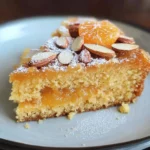
Orange and Almond Cake recipe
Ingredients
- Oranges: The Heart and Soul of Citrus Flavor
- Navel Oranges vs. Valencia Oranges: While both types work well, Navel oranges are often preferred for their thicker skin, which is easier to zest, and their balanced sweetness and acidity. Valencia oranges, known for their juiciness, are also excellent, especially if you want a slightly tangier cake. Ultimately, the key is to use ripe, fragrant oranges.
- Zest is Essential: Orange zest is crucial for infusing the cake with its bright, aromatic citrus essence. The zest contains the orange’s flavorful oils, which are far more potent than the juice alone. Use a microplane or fine grater to zest the oranges, ensuring you only grate the colorful outer layer and avoid the bitter white pith beneath.
- Freshly Squeezed Orange Juice: Freshly squeezed orange juice adds moisture, sweetness, and a complementary citrus tang to the cake batter. Avoid using store-bought orange juice with added sugars or preservatives, as fresh juice will provide a superior flavor.
- Whole Orange Pulp (Optional, for Extra Moisture): Some recipes incorporate blended whole oranges (pulp and all, after removing seeds) for an intensely moist and flavorful cake. This method requires boiling the oranges first to soften the peel and remove bitterness. If using whole orange pulp, adjust the liquid content accordingly.
- Quantity: The recipe will specify the number of oranges needed for both zest and juice. Typically, 2-3 medium oranges are sufficient for a standard cake.
- Almond Meal (or Almond Flour): The Nutty Foundation
- Almond Meal vs. Almond Flour: While often used interchangeably, there’s a subtle difference. Almond meal is made from grinding whole almonds (skin on), resulting in a slightly coarser texture and more rustic appearance. Almond flour is made from blanched almonds (skins removed) and is ground more finely, resulting in a smoother texture and lighter color. Both work beautifully in Orange and Almond Cake, but almond flour will yield a slightly finer crumb.
- Blanched Almond Meal (Preferred for Finer Texture): For a more refined cake texture, blanched almond meal (or almond flour) is often preferred. It provides a delicate crumb and allows the citrus flavors to shine through without being overwhelmed by almond skin bitterness.
- Homemade Almond Meal (Freshness and Flavor): For the freshest and most flavorful almond meal, you can make it yourself by grinding blanched almonds in a food processor. Be careful not to over-process, as this can release oils and turn it into almond butter. Grind in short pulses until you achieve a meal-like consistency.
- Quantity: The recipe will specify the amount of almond meal needed, usually ranging from 1 to 2 cups, depending on the cake size and desired density.
- Eggs: Binding, Richness, and Structure
- Large Eggs (Standard Baking Size): Use large eggs, which are the standard size for most baking recipes. Eggs provide structure, binding, moisture, and richness to the cake. They contribute to the cake’s rise, tenderness, and overall texture.
- Room Temperature Eggs (Better Emulsification): Using room temperature eggs is generally recommended for baking, as they emulsify more easily into the batter, creating a smoother and more homogenous mixture. This leads to a more tender and evenly textured cake.
- Separated Eggs (Optional, for Lighter Texture): Some recipes call for separating the eggs, whipping the egg whites to soft peaks, and folding them into the batter at the end. This technique can create a lighter and airier cake texture, although it adds an extra step.
- Quantity: The number of eggs will vary depending on the recipe, typically ranging from 3 to 6 large eggs.
- Sugar: Sweetness and Moisture
- Granulated Sugar (Standard Sweetness): Granulated sugar is the most common type of sugar used in Orange and Almond Cake. It provides sweetness, moisture, and helps create a tender crumb.
- Caster Sugar (Finer Granulation, for Smoother Batter): Caster sugar, with its finer granulation, dissolves more easily into the batter, resulting in a smoother texture. If you prefer a very fine crumb, caster sugar is a good choice.
- Brown Sugar (Molasses Notes, for Depth of Flavor): For a slightly richer and more complex flavor with molasses notes, you can substitute part of the granulated sugar with light or dark brown sugar. This will also add slightly more moisture and a chewier texture.
- Honey or Maple Syrup (Natural Sweeteners, Adjust Liquid): For a refined sugar-free option, you can experiment with honey or maple syrup. However, these liquid sweeteners may alter the cake’s texture and moisture level, so you may need to adjust the liquid ingredients accordingly.
- Quantity: The amount of sugar will depend on the recipe and desired sweetness level, typically ranging from 3/4 cup to 1 1/2 cups.
- Butter or Oil: Fat for Moisture and Tenderness
- Unsalted Butter (Rich Flavor, Traditional Choice): Unsalted butter, melted and cooled, is a classic choice for Orange and Almond Cake. Butter provides rich flavor, tenderness, and a slightly denser texture. Using unsalted butter allows you to control the salt content of the cake.
- Neutral Oil (Moistness, Lighter Texture): Neutral oils like vegetable oil, canola oil, or sunflower oil can be used instead of butter. Oil tends to create a moister cake with a slightly lighter texture compared to butter. Oil-based cakes often stay moist for longer.
- Olive Oil (Fruity Notes, Mediterranean Twist): For a Mediterranean twist and a subtle fruity flavor, you can use extra virgin olive oil. Choose a mild, fruity olive oil rather than a robust, peppery one. Olive oil will also contribute to a very moist cake.
- Coconut Oil (Tropical Flavor, Vegan Option): Melted coconut oil can be used for a vegan version or to add a subtle coconut flavor. Refined coconut oil will have a more neutral flavor than virgin coconut oil.
- Quantity: The amount of fat (butter or oil) will depend on the recipe and desired texture, typically ranging from 1/2 cup to 1 cup.
- Baking Powder: Leavening Agent for Rise
- Double-Acting Baking Powder (Reliable Rise): Double-acting baking powder is the standard leavening agent for most cakes. It provides a reliable rise in two stages – once when mixed with liquid and again when heated in the oven. Ensure your baking powder is fresh (check expiration date) for optimal leavening power.
- Gluten-Free Baking Powder (If Making Gluten-Free): If you are making a gluten-free version of Orange and Almond Cake, ensure your baking powder is certified gluten-free to avoid any hidden gluten sources.
- Quantity: The amount of baking powder will depend on the recipe, usually ranging from 1 to 2 teaspoons.
- Vanilla Extract (Optional, Flavor Enhancer):
- Pure Vanilla Extract (Enhances Sweetness and Complexity): Pure vanilla extract is an optional but recommended addition to Orange and Almond Cake. Vanilla extract enhances the sweetness, rounds out the flavors, and adds a subtle layer of complexity.
- Vanilla Bean Paste (More Intense Vanilla Flavor): For a more intense vanilla flavor and visual appeal (specks of vanilla bean), you can use vanilla bean paste instead of extract. Use an equal amount or slightly less paste than extract.
- Quantity: If using, typically 1 teaspoon of vanilla extract is sufficient.
- Salt: Balances Sweetness and Enhances Flavor
- Fine Sea Salt or Kosher Salt (Enhances Flavors): A pinch of salt is essential in baking to balance the sweetness and enhance the overall flavors of the cake. Fine sea salt or kosher salt are good choices as they dissolve easily into the batter.
- Quantity: A small amount of salt, usually 1/4 to 1/2 teaspoon, is sufficient to enhance the flavors without making the cake salty.
- Sliced Almonds (Optional Garnish, Texture and Visual Appeal):
- Blanched Sliced Almonds (Elegant Garnish): Blanched sliced almonds are often used as a garnish for Orange and Almond Cake, adding visual appeal, a delicate crunch, and reinforcing the almond flavor.
- Toasted Sliced Almonds (Enhanced Flavor and Crunch): Toasting the sliced almonds before using them as a garnish will intensify their nutty flavor and make them even crunchier.
- Quantity: The amount of sliced almonds for garnish is optional, typically around 1/4 to 1/2 cup.
Instructions
Step 1: Prepare the Oranges – Zest and Juice
- Wash Oranges Thoroughly: Wash the oranges thoroughly under warm water and dry them completely. This is important as you will be using the zest.
- Zest the Oranges: Using a microplane or fine grater, zest the oranges, grating only the colorful outer layer of the peel and avoiding the bitter white pith. Zest the amount specified in the recipe. Set the zest aside.
- Juice the Oranges: Cut the zested oranges in half and squeeze out the juice. Strain the juice to remove any seeds or pulp (unless the recipe specifically calls for pulp). Measure out the required amount of orange juice and set aside.
Step 2: Toast Sliced Almonds (Optional, for Garnish)
- Preheat Oven (Optional): If toasting almonds in the oven, preheat your oven to 350°F (175°C).
- Spread Almonds Evenly: Spread the sliced almonds in a single layer on a baking sheet.
- Toast Until Fragrant and Lightly Golden:
- Oven Toasting: Bake in the preheated oven for 5-8 minutes, stirring once halfway through, until fragrant and lightly golden brown. Watch carefully as they can burn quickly.
- Skillet Toasting (Faster): Alternatively, toast the almonds in a dry skillet over medium heat, stirring constantly, for 3-5 minutes until fragrant and lightly golden.
- Let Cool Completely: Remove toasted almonds from the heat and let them cool completely before using as garnish.
Step 3: Preheat Oven and Prepare Cake Pan
- Preheat Oven to Specified Temperature: Preheat your oven to the temperature indicated in the recipe, typically around 325°F-350°F (160°C-175°C). Accurate oven temperature is crucial for even baking.
- Grease and Flour (or Line) Cake Pan: Grease your cake pan thoroughly with butter or cooking spray. For extra insurance against sticking, you can dust the greased pan with flour (or almond flour for gluten-free). Alternatively, line the bottom of the pan with parchment paper, leaving an overhang for easy removal after baking. The pan size and shape will be specified in the recipe (e.g., 9-inch round, loaf pan, bundt pan).
Step 4: Combine Dry Ingredients
- Whisk Together Dry Ingredients: In a medium bowl, whisk together the almond meal (or almond flour), sugar, baking powder, salt, and optional vanilla extract (if using dry vanilla powder). Whisk until well combined to ensure even distribution of baking powder and salt.
Step 5: Combine Wet Ingredients
- Melt Butter (If Using Butter): If using butter, melt it in a saucepan or microwave until completely melted. Let it cool slightly before adding to the wet ingredients. If using oil, no melting is needed.
- Whisk Together Wet Ingredients: In a separate large bowl, whisk together the eggs and orange zest until lightly combined. Gradually whisk in the melted and cooled butter (or oil) and orange juice until the mixture is smooth and well combined. Ensure the butter is not too hot when added to the eggs to prevent cooking them.
Step 6: Combine Wet and Dry Ingredients – Create Batter
- Add Dry Ingredients to Wet Ingredients: Gradually add the dry ingredients to the wet ingredients, mixing gently with a spatula or wooden spoon. Mix until just combined. Be careful not to overmix the batter, as overmixing can develop gluten (even in gluten-free cakes due to other proteins) and result in a tough cake. Stop mixing as soon as the dry ingredients are incorporated and no streaks of flour remain. The batter will be relatively thick.
Step 7: Pour Batter into Prepared Pan
- Pour Batter Evenly into Pan: Pour the cake batter into the prepared cake pan and spread it evenly with a spatula or spoon.
- Optional: Sprinkle with Sliced Almonds (Before Baking): If desired, sprinkle the top of the batter with toasted or raw sliced almonds before baking. This adds visual appeal and a nutty crunch to the top of the cake.
Step 8: Bake the Cake
- Bake in Preheated Oven: Place the cake pan in the preheated oven and bake for the time specified in the recipe, typically 30-50 minutes, depending on the pan size and oven.
- Check for Doneness: To check for doneness, insert a wooden skewer or toothpick into the center of the cake. If it comes out clean or with only a few moist crumbs attached, the cake is done. If it comes out with wet batter, bake for a few more minutes and check again. The cake should also be golden brown on top and spring back lightly when gently pressed.
Step 9: Cool in Pan, Then Invert (If Applicable)
- Cool in Pan Slightly: Once baked, remove the cake from the oven and let it cool in the pan for 10-15 minutes. This allows the cake to set slightly and makes it easier to remove from the pan.
- Invert onto Wire Rack (If Applicable): If using a round or loaf pan, invert the cake onto a wire rack to cool completely. If using a bundt pan, carefully invert it onto a serving plate or wire rack. Inverting helps prevent the cake from sinking and allows it to cool evenly.
- Cool Completely on Wire Rack: Let the cake cool completely on the wire rack before frosting, glazing, or serving. Cooling completely is essential before frosting, as warm cake can melt frosting.
Step 10: Garnish and Serve
- Optional Garnish: Once cooled, garnish the cake as desired. Common garnishes include a dusting of powdered sugar, a simple glaze (orange juice and powdered sugar), fresh orange slices, extra toasted sliced almonds, or a dollop of whipped cream or yogurt.
- Slice and Serve: Slice the Orange and Almond Cake and serve. It is delicious on its own or paired with tea, coffee, or a dessert wine.
Nutrition
- Serving Size: one normal portion
- Calories: 300-400
- Sugar: 20-30 grams
- Fat: 15-25 grams
- Saturated Fat: 5-8 grams
- Carbohydrates: 30-40 grams
- Fiber: 2-3 grams
- Protein: 5-7 grams