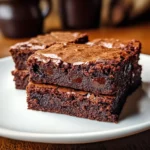
Ingredients
- Unsalted Butter: The foundation of richness and moisture! Butter is crucial for creating that signature fudgy texture in brownies and contributing to their overall flavor.
- Unsalted vs. Salted: Unsalted butter is preferred in baking because it allows you to control the total amount of salt in the recipe. Salted butter can vary in salt content between brands, which can affect the final flavor balance. Using unsalted butter ensures consistency and allows the other flavors, like chocolate and espresso, to shine.
- Quality Matters: Opt for high-quality unsalted butter, preferably European-style butter, if available. European butter generally has a higher fat content, which translates to richer flavor and a more tender brownie. However, any good-quality unsalted butter will work beautifully.
- Melting the Butter: The butter in this recipe is melted, which contributes to the fudgy texture. Melting butter before incorporating it into the batter creates a denser, chewier brownie compared to creaming butter and sugar, which results in a cakier texture.
- Bittersweet Chocolate: The heart of intense chocolate flavor! Bittersweet chocolate provides the deep, complex chocolate notes that are essential for Espresso Brownies.
- Percentage of Cacao: Look for bittersweet chocolate with a cacao percentage between 60% and 70%. This range strikes a perfect balance between bitterness and sweetness, allowing the chocolate flavor to be prominent without being overly intense or sugary.
- Chocolate Bars vs. Chocolate Chips: Using high-quality bittersweet chocolate bars, finely chopped, is highly recommended over chocolate chips. Chocolate bars generally melt more smoothly and have a richer, more nuanced flavor. Chocolate chips often contain stabilizers that can affect their melting properties and overall flavor.
- Dutch-Processed Cocoa Powder (Optional, for deeper chocolate): While bittersweet chocolate is the primary source of chocolate flavor, adding a bit of Dutch-processed cocoa powder can intensify the chocolate notes and deepen the color of the brownies. Dutch-processed cocoa powder is less acidic than natural cocoa powder, resulting in a smoother, less bitter chocolate flavor. If you choose to use cocoa powder, reduce the amount of bittersweet chocolate slightly to maintain balance.
- Granulated Sugar & Brown Sugar: The sweetness and moisture duo! A combination of granulated sugar and brown sugar contributes to the sweetness, moisture, and chewiness of the brownies.
- Granulated Sugar (White Sugar): Granulated sugar provides sweetness and helps to create a slightly crisp top crust on the brownies. It also helps to balance the bitterness of the bittersweet chocolate and espresso.
- Brown Sugar (Light or Dark): Brown sugar, especially dark brown sugar, adds moisture, chewiness, and a subtle molasses flavor that complements the chocolate and espresso beautifully. Light brown sugar can also be used, offering a slightly milder molasses note. The molasses in brown sugar is hygroscopic, meaning it attracts and retains moisture, contributing to the fudgy texture.
- Ratio of Sugars: The ratio of granulated sugar to brown sugar in this recipe is carefully balanced to achieve the desired texture and sweetness. Adjusting this ratio can impact the final result – more brown sugar will result in a chewier, moister brownie, while more granulated sugar will lead to a slightly crisper top and potentially drier brownie.
- Eggs: The binding and richness agents! Eggs play a crucial role in brownies, providing structure, richness, and moisture.
- Whole Eggs: This recipe uses whole eggs, including both the yolks and whites. Egg yolks contribute richness, fat, and emulsification, while egg whites provide structure and leavening.
- Room Temperature Eggs: Using room temperature eggs is generally recommended in baking as they emulsify more easily into the batter, resulting in a smoother and more cohesive mixture. If you forget to take your eggs out of the refrigerator ahead of time, you can quickly warm them by placing them in a bowl of warm water for 5-10 minutes.
- Incorporating Eggs: The eggs are typically whisked into the melted butter and sugar mixture. It’s important not to over-mix at this stage, as over-mixing can develop gluten and lead to tougher brownies. Mix just until the eggs are incorporated.
- Vanilla Extract: The flavor enhancer! Vanilla extract enhances the overall flavor profile of the brownies, adding warmth and depth and complementing both the chocolate and espresso.
- Pure Vanilla Extract: Use pure vanilla extract for the best flavor. Imitation vanilla extract can have a less complex and sometimes artificial taste.
- Vanilla Bean Paste (Optional, for intensified vanilla): For an even more intense vanilla flavor, you can substitute vanilla extract with vanilla bean paste. Vanilla bean paste contains vanilla bean seeds, which add a visual appeal and a more pronounced vanilla flavor. Use an equal amount of vanilla bean paste as vanilla extract.
- All-Purpose Flour: The structural component! Flour provides structure to the brownies, holding the batter together and creating the desired texture.
- Measuring Flour Correctly: Accurately measuring flour is essential in baking. Too much flour can result in dry, cakey brownies, while too little flour can lead to overly fudgy and potentially underbaked brownies. Use the “spoon and level” method for measuring flour: spoon flour into a measuring cup and level off the excess with a straight edge. Avoid scooping flour directly from the bag, as this can compact the flour and result in using too much.
- Unbleached vs. Bleached Flour: Unbleached all-purpose flour is generally preferred for brownies. Bleached flour has been treated to lighten its color and soften its texture, which is not necessary or desirable for brownies.
- Espresso Powder: The coffee kick! Espresso powder is the key ingredient that transforms regular brownies into Espresso Brownies, adding a deep, roasted coffee flavor that enhances the chocolate.
- Espresso Powder vs. Instant Coffee: Use espresso powder, not instant coffee granules. Espresso powder is made from finely ground, brewed espresso and has a much more concentrated and intense coffee flavor than instant coffee. Instant coffee granules will not provide the same robust coffee flavor.
- Quality of Espresso Powder: Use a good quality espresso powder for the best flavor. Look for brands that are known for their coffee quality.
- Bloom the Espresso Powder (Optional, for intensified flavor): To further enhance the espresso flavor, you can “bloom” the espresso powder. Before adding it to the batter, whisk the espresso powder with a tablespoon or two of hot water until it forms a paste. This process releases the coffee’s aroma and intensifies its flavor.
- Salt: The flavor balancer! Salt is a crucial ingredient in baking, even in sweet recipes. Salt enhances the sweetness of the sugar, balances the bitterness of the chocolate and espresso, and brings out the overall flavors of the brownies.
- Table Salt or Sea Salt: You can use either table salt or fine sea salt in this recipe. If using coarse sea salt, grind it finely before adding it to the batter.
- Optional Add-Ins (Nuts, Chocolate Chips, etc.): Customize your brownies! While Espresso Brownies are delicious on their own, you can add optional ingredients to customize them to your liking.
- Chopped Nuts (Walnuts, Pecans, Hazelnuts): Adding chopped nuts, such as walnuts, pecans, or hazelnuts, provides a textural contrast and nutty flavor. Toast the nuts lightly before adding them to the batter for enhanced flavor.
- Chocolate Chips or Chunks: Adding extra chocolate chips or chunks, such as semi-sweet, milk chocolate, or white chocolate, can create pockets of molten chocolate and add extra sweetness.
- Sea Salt Flakes (for topping): Sprinkling sea salt flakes on top of the baked brownies adds a beautiful visual appeal and a burst of salty flavor that complements the sweetness and chocolate.
Instructions
- Preheat Oven and Prepare Pan: Preheat your oven to 350°F (175°C). Grease and flour an 8×8 inch baking pan, or line it with parchment paper, leaving an overhang on the sides to easily lift the brownies out after baking. Parchment paper lining is highly recommended for easy removal and clean edges.
- Melt Butter and Chocolate: In a heatproof bowl set over a saucepan of simmering water (or in a microwave-safe bowl in short intervals), melt the unsalted butter and bittersweet chocolate together. Stir occasionally until smooth and completely melted. Remove from heat and let cool slightly. Be careful not to overheat the chocolate, as it can seize or burn. If using a microwave, melt in 30-second intervals, stirring after each interval, until just melted.
- Whisk Sugars and Eggs: In a separate large bowl, whisk together the granulated sugar and brown sugar until combined. Add the eggs one at a time, whisking well after each addition until the mixture is pale and slightly thickened. Whisking the eggs and sugars creates a slightly emulsified mixture that contributes to the brownie’s texture.
- Incorporate Melted Chocolate Mixture: Gradually pour the slightly cooled melted chocolate and butter mixture into the egg and sugar mixture, whisking constantly until just combined. Be careful not to overmix at this stage. The mixture should be smooth and glossy.
- Add Vanilla and Espresso Powder: Stir in the vanilla extract and espresso powder (or bloomed espresso powder paste, if using) until evenly incorporated. The espresso powder will dissolve into the batter.
- Combine Dry Ingredients: In a separate small bowl, whisk together the all-purpose flour and salt.
- Gradually Add Dry Ingredients to Wet Ingredients: Gradually add the dry ingredients (flour and salt) to the wet ingredients (chocolate mixture), mixing with a spatula or wooden spoon just until combined. Be careful not to overmix – overmixing can develop gluten and result in tough brownies. Mix until just a few streaks of flour remain, then stop mixing.
- Fold in Optional Add-Ins (if using): If using any optional add-ins like chopped nuts or chocolate chips, gently fold them into the batter until evenly distributed.
- Pour Batter into Prepared Pan: Pour the brownie batter into the prepared baking pan and spread evenly with a spatula.
- Bake: Bake in the preheated oven for 25-30 minutes, or until a toothpick inserted into the center comes out with moist crumbs attached (for fudgy brownies) or mostly clean (for slightly cakier brownies). The baking time may vary depending on your oven and the desired level of fudginess. Start checking for doneness around 25 minutes.
- Cool Completely: Remove the brownies from the oven and let them cool completely in the pan on a wire rack before cutting. Cooling completely is crucial for fudgy brownies, as they continue to set as they cool. For cleaner cuts, chill the brownies in the refrigerator for 30-60 minutes before slicing.
- Cut and Serve: Once cooled, lift the brownies out of the pan using the parchment paper overhang (if used). Cut into squares and serve. For clean cuts, use a sharp knife and wipe it clean between slices.
Nutrition
- Serving Size: one normal portion
- Calories: 250-350
- Sugar: 20-25 grams
- Sodium: 50-100 mg
- Fat: 15-20 grams
- Saturated Fat: 8-12 grams
- Unsaturated Fat: 5-8 grams
- Carbohydrates: 30-40 grams
- Fiber: 1-2 grams
- Protein: 3-5 grams