
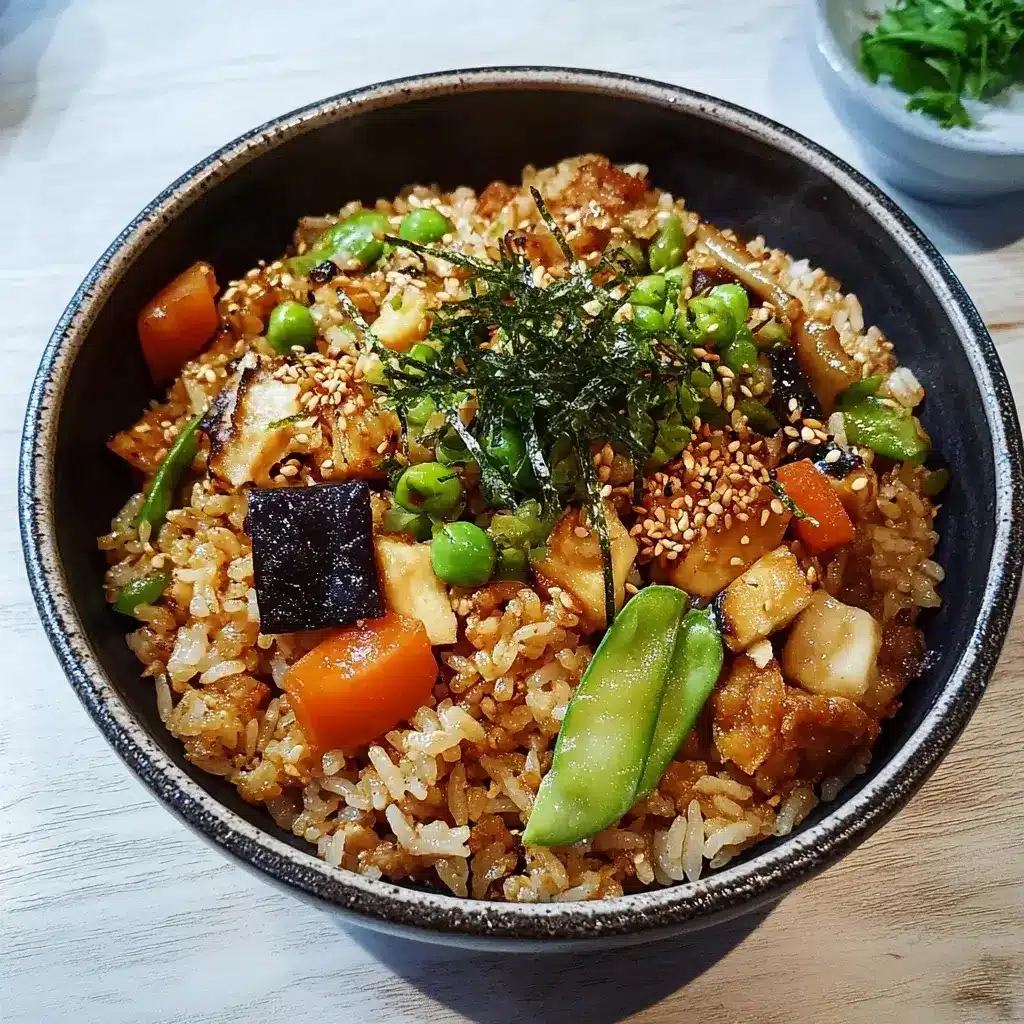

Japanese Fried Rice, or Yakimeshi, was never really on my radar until a few years ago. Growing up, fried rice was always a Chinese takeout staple, and I hadn’t considered the distinct nuances of its Japanese counterpart. Then, during a trip to a local Japanese market, I stumbled upon a treasure trove of unique seasonings and fresh, vibrant vegetables that sparked a culinary curiosity. I decided to try my hand at Yakimeshi, but with a vegetarian twist. My first attempt was… well, let’s just say it was a learning experience! The rice was a bit mushy, and the flavors were lacking that authentic Japanese umami I was aiming for. But I persevered. I experimented with different types of rice, refined my technique for achieving perfectly fluffy grains, and dove deep into the world of Japanese condiments like soy sauce, mirin, and sesame oil. Slowly but surely, this Vegetarian Japanese Fried Rice recipe evolved. Now, it’s a regular weeknight dinner in our house, and even my kids, who are usually picky eaters, ask for seconds (and thirds!). It’s become a dish that’s not only incredibly delicious and satisfying but also surprisingly versatile and adaptable to whatever vegetables we have on hand. This recipe is more than just fried rice; it’s a celebration of simple, fresh ingredients and the magic of Japanese flavors, transformed into a quick, healthy, and utterly irresistible vegetarian meal.
Ingredients: The Building Blocks of Authentic Vegetarian Yakimeshi
The secret to truly delicious Vegetarian Japanese Fried Rice lies in the quality and balance of its ingredients. Each component contributes to the overall flavor profile, texture, and nutritional value of the dish. Here’s a detailed breakdown of what you’ll need to create authentic and flavorful Yakimeshi at home:
For the Perfectly Cooked Rice (Crucial for Fried Rice!):
- 3 cups Cooked Short-Grain Japanese Rice (Day-old, refrigerated): This is paramount for achieving the right texture. Day-old, refrigerated rice is drier and less sticky, which is essential for fried rice. Freshly cooked rice will be too moist and will result in mushy fried rice. Short-grain Japanese rice (like sushi rice or Calrose rice) is ideal because it has the right starch content and texture.
- Water for Cooking Rice (if starting from uncooked): Follow the package instructions for your specific brand of Japanese rice to cook it perfectly. Typically, it’s a 1:1 to 1:1.2 ratio of rice to water.
For the Flavorful Stir-Fry:
- 2 tablespoons Vegetable Oil (or Sesame Oil for extra flavor): A neutral oil like vegetable oil, canola oil, or peanut oil works well for stir-frying. For a more pronounced nutty and aromatic flavor, you can use sesame oil, or a combination of both (vegetable oil for cooking, and a drizzle of sesame oil at the end).
- 1 small Onion, finely diced: Onion provides a foundational savory flavor base and aromatic depth to the fried rice. Yellow or white onions are suitable.
- 2 cloves Garlic, minced: Garlic is essential for adding pungent and savory notes that enhance the overall flavor profile. Freshly minced garlic is always best.
- 1 inch Ginger, minced: Fresh ginger adds warmth, spice, and a subtle citrusy aroma that is characteristic of Japanese cuisine.
- 1 Carrot, finely diced: Carrot adds sweetness, color, and a slight crunch. Diced carrots cook quickly and evenly in the stir-fry.
- 1/2 cup Frozen Peas, thawed: Frozen peas add sweetness, a pop of color, and a tender-crisp texture. Thawing them beforehand ensures they cook quickly without making the fried rice watery.
- 1/2 cup Frozen Corn, thawed: Frozen corn adds sweetness, a pleasant texture, and another element of color. Thawing ensures even cooking.
- 1/2 cup Shiitake Mushrooms, sliced (or other mushrooms like cremini or button): Mushrooms provide an umami-rich, savory flavor and a slightly meaty texture. Shiitake mushrooms offer a more intense flavor, but cremini or button mushrooms are also good substitutes. Fresh or rehydrated dried shiitake mushrooms can be used.
- Optional Vegetables: Feel free to add other vegetables you enjoy, such as:
- Bell Pepper (red, yellow, or green), diced: Adds sweetness and color.
- Broccoli florets, finely chopped: Adds a slightly bitter and earthy note.
- Asparagus, diced: Adds a delicate and slightly grassy flavor.
- Edamame (shelled): Adds protein and a nutty flavor.
- Zucchini or Summer Squash, diced: Adds a mild and slightly sweet flavor.
For the Savory Japanese Seasoning:
- 3 tablespoons Soy Sauce (low sodium preferred): Soy sauce is the primary source of saltiness and umami in Japanese fried rice. Low sodium soy sauce allows you to control the salt level better.
- 2 tablespoons Mirin (Japanese sweet rice wine): Mirin adds sweetness, a subtle tang, and a characteristic Japanese flavor. It also helps to balance the saltiness of the soy sauce. If you don’t have mirin, you can substitute with a teaspoon of sugar or honey mixed with a tablespoon of dry sherry or rice vinegar.
- 1 tablespoon Sesame Oil: Sesame oil adds a distinctive nutty aroma and flavor that is essential for authentic Japanese fried rice. Toasted sesame oil is preferred for its more intense flavor.
- Optional – 1 teaspoon Rice Vinegar: A touch of rice vinegar can add a subtle tang and brightness to the flavor, balancing the richness of the other ingredients.
- Optional – Pinch of White Pepper: White pepper adds a subtle warmth and a slightly different flavor profile than black pepper, often used in Asian cuisine.
For Garnish (Optional but Recommended):
- 2 Green Onions (scallions), thinly sliced: Green onions add a fresh, mild oniony flavor and a vibrant green color as a garnish.
- Toasted Sesame Seeds: Toasted sesame seeds add a nutty flavor, a pleasant crunch, and visual appeal.
- Nori Seaweed, shredded (optional): Shredded nori seaweed adds a unique umami flavor and a slightly salty, briny note, characteristic of Japanese cuisine.
Instructions: Mastering the Art of Vegetarian Japanese Fried Rice
Creating perfect Vegetarian Japanese Fried Rice is all about technique and timing. Follow these step-by-step instructions to achieve restaurant-quality Yakimeshi in your own kitchen:
- Prepare the Rice (if not already cooked): If you are starting with uncooked rice, cook the short-grain Japanese rice according to package directions. Once cooked, spread the rice out on a baking sheet or large plate to cool down and dry slightly. This helps prevent it from becoming sticky in the fried rice. Ideally, cook the rice a day ahead and refrigerate it overnight.
- Prepare the Vegetables: Wash and dice all your fresh vegetables – onion, carrot, garlic, ginger, and any other vegetables you are using (bell pepper, broccoli, etc.). Thaw the frozen peas and corn. Slice the shiitake mushrooms (if using fresh). Having all your vegetables prepped and ready before you start cooking will make the stir-frying process much faster and more efficient.
- Combine the Seasoning Sauce: In a small bowl, whisk together the soy sauce, mirin, and sesame oil (and rice vinegar and white pepper, if using). Set aside. Tasting the sauce at this point allows you to adjust the flavors to your liking. If you prefer it sweeter, add a touch more mirin. If you want it saltier, add a little more soy sauce.
- Stir-Fry Aromatics: Heat vegetable oil (and sesame oil, if using a combination) in a large wok or a large, deep skillet over medium-high heat. Make sure the wok or skillet is hot before adding the oil. Once the oil is hot and shimmering, add the diced onion and cook for 2-3 minutes, until softened and translucent. Then, add the minced garlic and ginger and stir-fry for another 30 seconds to 1 minute, until fragrant. Be careful not to burn the garlic and ginger.
- Stir-Fry Vegetables: Add the diced carrots and any other hard vegetables you are using (like broccoli or bell pepper) to the wok. Stir-fry for 2-3 minutes, until slightly softened but still crisp-tender. Next, add the sliced shiitake mushrooms and stir-fry for another 2-3 minutes, until they are softened and slightly browned. Finally, add the thawed peas and corn and stir-fry for about 1 minute, just until heated through.
- Add the Rice: Push the vegetables to one side of the wok to create space in the center. Add the cooked, day-old rice to the center of the wok. Break up any clumps of rice with your spatula or spoon. Stir-fry the rice for 1-2 minutes, until it is heated through and slightly separated.
- Pour in the Seasoning Sauce: Pour the prepared seasoning sauce over the rice and vegetables in the wok. Quickly and thoroughly toss everything together, ensuring that the rice and vegetables are evenly coated with the sauce. Continue to stir-fry for another 2-3 minutes, allowing the sauce to be absorbed by the rice and vegetables and for the flavors to meld together. Stir-fry until the rice is heated through and slightly fragrant.
- Taste and Adjust Seasoning: Taste the fried rice and adjust seasoning if needed. You may want to add a little more soy sauce for saltiness, mirin for sweetness, or sesame oil for aroma.
- Serve and Garnish: Remove the Vegetarian Japanese Fried Rice from the heat and transfer it to a serving platter or individual bowls. Garnish generously with sliced green onions and toasted sesame seeds. If desired, sprinkle with shredded nori seaweed. Serve immediately while hot and enjoy!
Nutrition Facts: A Wholesome and Balanced Vegetarian Meal
Vegetarian Japanese Fried Rice is not only delicious but also a relatively healthy and balanced meal option, especially when loaded with a variety of vegetables.
- Servings: Approximately 4-6 servings
- Calories per Serving (estimated): 350-450 calories (This is an estimate and can vary based on specific ingredient quantities and oil used).
Approximate Nutritional Breakdown per Serving (estimated):
- Protein: 8-12g
- Fat: 10-15g (primarily from vegetable oil and sesame oil, including healthy unsaturated fats)
- Saturated Fat: 1-2g
- Cholesterol: 0mg
- Sodium: 500-700mg (can be lower with low-sodium soy sauce)
- Carbohydrates: 50-60g
- Fiber: 4-6g
- Sugar: 5-10g (primarily from mirin and natural sugars in vegetables)
Key Nutritional Highlights:
- Good Source of Carbohydrates: Rice provides the primary source of energy in this dish.
- Rich in Vegetables: The variety of vegetables contributes essential vitamins, minerals, and antioxidants.
- Moderate Protein: While not exceptionally high in protein, the rice, vegetables, and optional additions like edamame contribute a decent amount of plant-based protein.
- Healthy Fats: Sesame oil and vegetable oil provide healthy unsaturated fats, important for heart health.
- Lower in Cholesterol and Saturated Fat: Being a vegetarian dish, it is naturally lower in cholesterol and saturated fat compared to meat-based fried rice.
Remember, these are estimated nutritional values. For precise information, use a nutrition calculator app or website with the specific ingredients you use.
Preparation Time: Quick and Efficient for Weeknight Cooking
Vegetarian Japanese Fried Rice is a fantastic choice for a quick and easy weeknight meal. The preparation is relatively straightforward and efficient.
- Prep Time: 15-20 minutes (This includes dicing vegetables, preparing the sauce, and thawing frozen vegetables.)
- Cook Time: 15-20 minutes (This includes stir-frying vegetables and rice.)
- Total Time: 30-40 minutes
The key to efficiency is having your day-old rice ready and all your vegetables prepped before you start cooking. The stir-frying process is quick, making it a perfect dish for busy evenings.
How to Serve Vegetarian Japanese Fried Rice: Presentation and Pairing
Serving Vegetarian Japanese Fried Rice can be simple and elegant. Here are some serving suggestions and pairings:
- Serving Suggestions:
- Individual Bowls: Serve in individual rice bowls for a casual and convenient meal. Japanese style bowls can enhance the presentation.
- Platter for Sharing: For family-style dining or gatherings, serve the fried rice on a large platter, allowing everyone to help themselves.
- Bento Boxes: For a fun and authentic Japanese touch, pack the fried rice into bento boxes along with other Japanese side dishes.
- Warm Bowls: Serving in warm bowls helps keep the fried rice at the ideal temperature throughout the meal.
- Accompaniments:
- Miso Soup: A classic and comforting pairing with Japanese fried rice is a warm bowl of miso soup.
- Japanese Pickles (Tsukemono): Serve with a small dish of Japanese pickles like tsukemono or gari (pickled ginger) for a refreshing and palate-cleansing side.
- Edamame: Steamed or boiled edamame, lightly salted, is a simple and healthy side dish that complements the fried rice.
- Seaweed Salad (Wakame Salad): A refreshing seaweed salad provides a nice textural and flavor contrast.
- Vegetable Gyoza or Spring Rolls: For a more substantial meal, serve with vegetarian gyoza (Japanese dumplings) or spring rolls.
- Japanese Salad with Ginger Dressing: A light and crisp Japanese salad with a ginger-sesame dressing is a refreshing accompaniment.
- Occasions:
- Weeknight Dinners: Perfect for quick and easy weeknight meals.
- Casual Family Meals: A crowd-pleasing dish for family gatherings.
- Lunch Boxes/Bento Boxes: Ideal for packing in lunch boxes or bento boxes for a satisfying midday meal.
- Potlucks and Casual Parties: Easy to make in large quantities and transport, making it suitable for potlucks and casual parties.
Additional Tips for Perfect Vegetarian Japanese Fried Rice
Here are five essential tips to elevate your Vegetarian Japanese Fried Rice to the next level:
- Use Day-Old, Cold Rice: This is the most crucial tip! Freshly cooked rice is too moist and sticky, leading to mushy fried rice. Day-old, refrigerated rice is drier and separates easily when stir-fried, resulting in perfectly textured fried rice.
- High Heat and Quick Stir-Frying: Use medium-high to high heat for stir-frying. This allows the vegetables to cook quickly and retain their crisp-tender texture, and it helps to create a slight char on the rice, adding flavor. Stir-fry quickly and continuously to prevent sticking and burning.
- Don’t Overcrowd the Wok/Skillet: Overcrowding will lower the temperature and cause the vegetables and rice to steam instead of stir-fry, resulting in soggy fried rice. Cook in batches if necessary, especially if you are making a large quantity.
- Create a Well in the Center (Optional but Helpful): Some chefs recommend creating a well in the center of the wok after stir-frying the vegetables. Add the rice to the center well and stir-fry it separately for a minute or two before mixing it with the vegetables. This can help to ensure the rice is heated through and slightly toasted.
- Taste and Adjust Seasoning at the End: Always taste your fried rice at the end and adjust the seasoning to your preference. You might want to add a little more soy sauce for saltiness, mirin for sweetness, or sesame oil for aroma. A dash of rice vinegar can also brighten the flavors.
FAQ Section: Answering Your Vegetarian Yakimeshi Questions
Here are some frequently asked questions about making Vegetarian Japanese Fried Rice:
Q1: Can I use freshly cooked rice if I don’t have day-old rice?
A1: While day-old, refrigerated rice is highly recommended, if you must use freshly cooked rice, make sure to spread it out on a baking sheet or large plate to cool down and dry out as much as possible before stir-frying. You can also fan it to speed up the cooling process. However, even with these efforts, the texture might not be as ideal as using day-old rice.
Q2: Can I add protein to Vegetarian Japanese Fried Rice?
A2: Yes, absolutely! While this recipe is vegetarian, you can easily add plant-based protein to make it a more substantial meal. Great options include:
* Tofu (firm or extra-firm): Cubed and pan-fried or baked tofu adds protein and a chewy texture. Marinating the tofu beforehand enhances flavor.
* Edamame (shelled): Edamame adds protein, fiber, and a pop of green color.
* Tempeh: Crumbled or cubed tempeh, pan-fried until slightly crispy, provides a nutty and protein-rich addition.
* Vegetarian “Chicken” or “Shrimp”: Commercially available vegetarian chicken or shrimp alternatives can be added for a more protein-packed and flavorful dish.
Q3: Can I make Vegetarian Japanese Fried Rice gluten-free?
A3: Yes, you can easily make this recipe gluten-free with a few substitutions:
* Soy Sauce: Use tamari or coconut aminos, which are gluten-free alternatives to soy sauce.
* Mirin: While traditional mirin is made from rice, some commercially available mirin-style seasonings might contain gluten. Look for “aji-mirin” which is often gluten-free, or use a combination of sake (or dry sherry) and a touch of sugar as a substitute. Alternatively, some brands offer gluten-free mirin specifically.
* Sesame Oil: Sesame oil is naturally gluten-free.
* Check Vegetable Additives: Ensure any pre-packaged vegetables or frozen mixes you use are gluten-free.
Q4: Can I customize the vegetables in this recipe?
A4: Absolutely! One of the great things about Vegetarian Japanese Fried Rice is its versatility. Feel free to customize the vegetables based on your preferences and what you have available. Good additions or substitutions include: bell peppers (different colors), broccoli florets, snap peas, asparagus, zucchini, summer squash, spinach (add at the very end), and water chestnuts.
Q5: How long does Vegetarian Japanese Fried Rice last in the refrigerator?
A5: Leftover Vegetarian Japanese Fried Rice can be stored in an airtight container in the refrigerator for up to 3-4 days. Reheat thoroughly in a wok or skillet over medium heat, or in the microwave. Add a splash of water or broth when reheating to prevent it from drying out. It’s best to consume leftovers within a few days for optimal flavor and texture.
Enjoy creating and savoring this flavorful and healthy Vegetarian Japanese Fried Rice! It’s a versatile dish that’s perfect for any occasion and can be easily adapted to your taste preferences.
Print
Vegetarian Japanese fried rice recipe
Ingredients
For the Perfectly Cooked Rice (Crucial for Fried Rice!):
-
- 3 cups Cooked Short-Grain Japanese Rice (Day-old, refrigerated): This is paramount for achieving the right texture. Day-old, refrigerated rice is drier and less sticky, which is essential for fried rice. Freshly cooked rice will be too moist and will result in mushy fried rice. Short-grain Japanese rice (like sushi rice or Calrose rice) is ideal because it has the right starch content and texture.
-
- Water for Cooking Rice (if starting from uncooked): Follow the package instructions for your specific brand of Japanese rice to cook it perfectly. Typically, it’s a 1:1 to 1:1.2 ratio of rice to water.
For the Flavorful Stir-Fry:
-
- 2 tablespoons Vegetable Oil (or Sesame Oil for extra flavor): A neutral oil like vegetable oil, canola oil, or peanut oil works well for stir-frying. For a more pronounced nutty and aromatic flavor, you can use sesame oil, or a combination of both (vegetable oil for cooking, and a drizzle of sesame oil at the end).
-
- 1 small Onion, finely diced: Onion provides a foundational savory flavor base and aromatic depth to the fried rice. Yellow or white onions are suitable.
-
- 2 cloves Garlic, minced: Garlic is essential for adding pungent and savory notes that enhance the overall flavor profile. Freshly minced garlic is always best.
-
- 1 inch Ginger, minced: Fresh ginger adds warmth, spice, and a subtle citrusy aroma that is characteristic of Japanese cuisine.
-
- 1 Carrot, finely diced: Carrot adds sweetness, color, and a slight crunch. Diced carrots cook quickly and evenly in the stir-fry.
-
- 1/2 cup Frozen Peas, thawed: Frozen peas add sweetness, a pop of color, and a tender-crisp texture. Thawing them beforehand ensures they cook quickly without making the fried rice watery.
-
- 1/2 cup Frozen Corn, thawed: Frozen corn adds sweetness, a pleasant texture, and another element of color. Thawing ensures even cooking.
-
- 1/2 cup Shiitake Mushrooms, sliced (or other mushrooms like cremini or button): Mushrooms provide an umami-rich, savory flavor and a slightly meaty texture. Shiitake mushrooms offer a more intense flavor, but cremini or button mushrooms are also good substitutes. Fresh or rehydrated dried shiitake mushrooms can be used.
-
- Optional Vegetables: Feel free to add other vegetables you enjoy, such as:
-
- Bell Pepper (red, yellow, or green), diced: Adds sweetness and color.
-
- Broccoli florets, finely chopped: Adds a slightly bitter and earthy note.
-
- Asparagus, diced: Adds a delicate and slightly grassy flavor.
-
- Edamame (shelled): Adds protein and a nutty flavor.
-
- Zucchini or Summer Squash, diced: Adds a mild and slightly sweet flavor.
-
- Optional Vegetables: Feel free to add other vegetables you enjoy, such as:
For the Savory Japanese Seasoning:
-
- 3 tablespoons Soy Sauce (low sodium preferred): Soy sauce is the primary source of saltiness and umami in Japanese fried rice. Low sodium soy sauce allows you to control the salt level better.
-
- 2 tablespoons Mirin (Japanese sweet rice wine): Mirin adds sweetness, a subtle tang, and a characteristic Japanese flavor. It also helps to balance the saltiness of the soy sauce. If you don’t have mirin, you can substitute with a teaspoon of sugar or honey mixed with a tablespoon of dry sherry or rice vinegar.
-
- 1 tablespoon Sesame Oil: Sesame oil adds a distinctive nutty aroma and flavor that is essential for authentic Japanese fried rice. Toasted sesame oil is preferred for its more intense flavor.
-
- Optional – 1 teaspoon Rice Vinegar: A touch of rice vinegar can add a subtle tang and brightness to the flavor, balancing the richness of the other ingredients.
-
- Optional – Pinch of White Pepper: White pepper adds a subtle warmth and a slightly different flavor profile than black pepper, often used in Asian cuisine.
Instructions
-
- Prepare the Rice (if not already cooked): If you are starting with uncooked rice, cook the short-grain Japanese rice according to package directions. Once cooked, spread the rice out on a baking sheet or large plate to cool down and dry slightly. This helps prevent it from becoming sticky in the fried rice. Ideally, cook the rice a day ahead and refrigerate it overnight.
-
- Prepare the Vegetables: Wash and dice all your fresh vegetables – onion, carrot, garlic, ginger, and any other vegetables you are using (bell pepper, broccoli, etc.). Thaw the frozen peas and corn. Slice the shiitake mushrooms (if using fresh). Having all your vegetables prepped and ready before you start cooking will make the stir-frying process much faster and more efficient.
-
- Combine the Seasoning Sauce: In a small bowl, whisk together the soy sauce, mirin, and sesame oil (and rice vinegar and white pepper, if using). Set aside. Tasting the sauce at this point allows you to adjust the flavors to your liking. If you prefer it sweeter, add a touch more mirin. If you want it saltier, add a little more soy sauce.
-
- Stir-Fry Aromatics: Heat vegetable oil (and sesame oil, if using a combination) in a large wok or a large, deep skillet over medium-high heat. Make sure the wok or skillet is hot before adding the oil. Once the oil is hot and shimmering, add the diced onion and cook for 2-3 minutes, until softened and translucent. Then, add the minced garlic and ginger and stir-fry for another 30 seconds to 1 minute, until fragrant. Be careful not to burn the garlic and ginger.
-
- Stir-Fry Vegetables: Add the diced carrots and any other hard vegetables you are using (like broccoli or bell pepper) to the wok. Stir-fry for 2-3 minutes, until slightly softened but still crisp-tender. Next, add the sliced shiitake mushrooms and stir-fry for another 2-3 minutes, until they are softened and slightly browned. Finally, add the thawed peas and corn and stir-fry for about 1 minute, just until heated through.
-
- Add the Rice: Push the vegetables to one side of the wok to create space in the center. Add the cooked, day-old rice to the center of the wok. Break up any clumps of rice with your spatula or spoon. Stir-fry the rice for 1-2 minutes, until it is heated through and slightly separated.
-
- Pour in the Seasoning Sauce: Pour the prepared seasoning sauce over the rice and vegetables in the wok. Quickly and thoroughly toss everything together, ensuring that the rice and vegetables are evenly coated with the sauce. Continue to stir-fry for another 2-3 minutes, allowing the sauce to be absorbed by the rice and vegetables and for the flavors to meld together. Stir-fry until the rice is heated through and slightly fragrant.
-
- Taste and Adjust Seasoning: Taste the fried rice and adjust seasoning if needed. You may want to add a little more soy sauce for saltiness, mirin for sweetness, or sesame oil for aroma.
-
- Serve and Garnish: Remove the Vegetarian Japanese Fried Rice from the heat and transfer it to a serving platter or individual bowls. Garnish generously with sliced green onions and toasted sesame seeds. If desired, sprinkle with shredded nori seaweed. Serve immediately while hot and enjoy!
Nutrition
- Serving Size: one normal portion
- Calories: 350-450
- Sugar: 5-10g
- Sodium: 500-700mg
- Fat: 10-15g
- Saturated Fat: 1-2g
- Carbohydrates: 50-60g
- Fiber: 4-6g
- Protein: 8-12g