

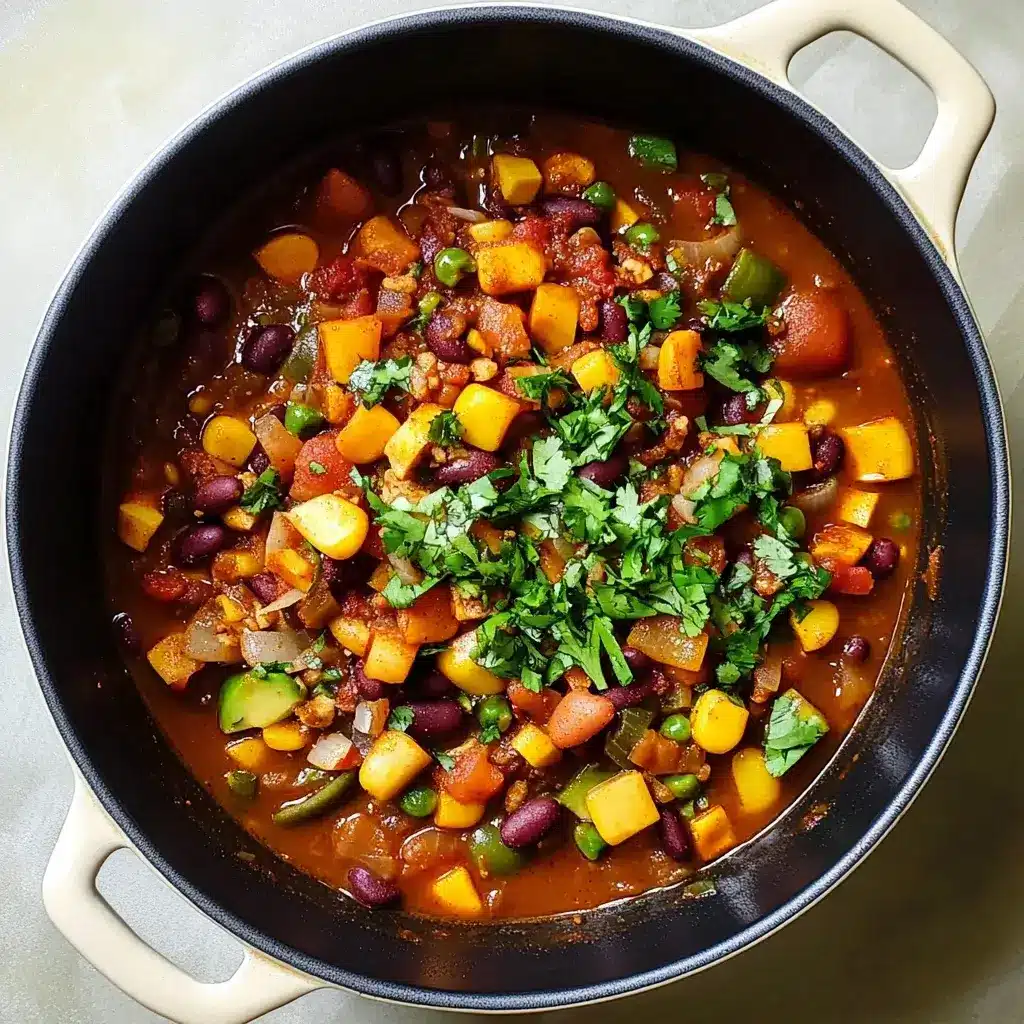

Chili night used to be a strictly meat-lovers affair in our house. Ground beef, maybe some sausage, the richer and heartier, the better. As I started exploring more plant-based meals, I wondered if I could capture that same comforting, deeply flavorful essence of chili without any meat at all. Skeptical but determined, I embarked on a quest to create the ultimate vegetarian chili. Let me tell you, it wasn’t an overnight success. Early attempts were… well, let’s just say they lacked that certain “oomph.” But with each iteration, tweaking spices, experimenting with different beans and vegetables, and learning the secrets of building layers of flavor, I finally cracked the code. The result? A vegetarian chili so rich, so satisfying, and so packed with flavor that even my most carnivorous friends and family members couldn’t get enough. This isn’t just a meatless substitute; it’s a chili in its own right, a vibrant and robust dish that celebrates the bounty of vegetables and the magic of spices. The aroma as it simmers on the stove is intoxicating, and the first spoonful is a warm, comforting hug on a cold day. Whether you’re a committed vegetarian, a flexitarian looking to incorporate more plant-based meals, or simply a chili enthusiast curious to try something new, this recipe will redefine your chili expectations. Prepare to be amazed at how incredibly delicious and satisfying vegetarian chili can be!
Ingredients
Crafting exceptional vegetarian chili hinges on selecting the right ingredients and understanding how they contribute to the overall flavor profile. This recipe emphasizes depth, texture, and a harmonious blend of spices. Here’s a comprehensive breakdown of each ingredient and why it’s essential:
The Foundation – Aromatics and Vegetables:
- 2 Tablespoons Olive Oil: Extra virgin olive oil is preferred for its flavor and health benefits. It’s used to sauté the initial aromatics and vegetables, creating a fragrant base for the chili. Olive oil adds a richness that butter can, while keeping the recipe vegetarian and potentially vegan.
- 1 Large Yellow Onion, Diced: Yellow onions are the workhorse of chili bases. They provide a foundational savory sweetness that mellows as they cook, forming the aromatic backbone of the dish. Dicing ensures even cooking and distribution throughout the chili.
- 2-3 Cloves Garlic, Minced: Garlic is indispensable for adding pungent, aromatic depth. Freshly minced garlic releases its oils and flavor best when sautéed. Adjust the quantity to your preference – more garlic for a bolder flavor, less for a milder touch.
- 1 Large Green Bell Pepper, Diced: Green bell peppers contribute a slightly bitter, vegetal note that balances the sweetness of the tomatoes and other vegetables. Dicing ensures they soften and integrate into the chili. You can substitute with other colors of bell peppers (red, yellow, orange) for varying sweetness levels, but green peppers offer a classic chili flavor.
- 1 Red Bell Pepper, Diced (Optional, for sweetness and color): Red bell peppers bring a sweeter flavor and vibrant color to the chili. They complement the green bell pepper and add another layer of complexity. Using both red and green peppers enhances both the flavor and visual appeal.
The Heart – Beans and Tomatoes:
- 1 (28-ounce) Can Crushed Tomatoes: Crushed tomatoes form the liquid base of the chili. Look for good quality crushed tomatoes for the best flavor. Using crushed tomatoes provides a thicker texture than diced tomatoes and blends seamlessly into the chili.
- 1 (15-ounce) Can Diced Tomatoes, Undrained: Diced tomatoes add texture and chunks to the chili, contrasting with the smoother crushed tomatoes. Using them undrained adds extra liquid and tomatoey flavor, contributing to the overall sauce consistency. Fire-roasted diced tomatoes can add a smoky depth to the chili.
- 1 (15-ounce) Can Kidney Beans, Rinsed and Drained: Kidney beans are a classic chili bean, known for their firm texture and slightly sweet, beany flavor. Rinsing and draining removes excess sodium and canning liquid, allowing their natural flavor to shine.
- 1 (15-ounce) Can Black Beans, Rinsed and Drained: Black beans offer a creamy texture and earthy flavor that complements the kidney beans. They add variety and depth to the bean mixture. Rinsing and draining is important for black beans as well.
- 1 (15-ounce) Can Pinto Beans, Rinsed and Drained (Optional, for variety): Pinto beans add another layer of texture and a milder, nuttier flavor. Including pinto beans creates a more complex and hearty bean blend. You can substitute with another can of kidney or black beans if you prefer.
The Soul – Spices and Seasoning:
- 2 Tablespoons Chili Powder: Chili powder is the cornerstone of chili flavor. Use a good quality chili powder blend for the best results. Adjust the amount to your spice preference. Chili powder is a blend of spices, typically including dried chilies, cumin, oregano, and garlic powder.
- 1 Tablespoon Ground Cumin: Cumin brings an earthy, warm, and slightly smoky flavor that is essential in chili. It enhances the depth and complexity of the spice profile.
- 1 Teaspoon Smoked Paprika: Smoked paprika adds a distinct smoky depth and richness that elevates the chili to another level. It mimics the smoky notes often associated with chili cooked with meat. If you don’t have smoked paprika, regular paprika can be used, but smoked paprika is highly recommended.
- 1 Teaspoon Dried Oregano: Oregano contributes a slightly peppery and herbaceous note that balances the richer spices and tomato flavors. Mexican oregano is often preferred in chili for its slightly citrusy and earthy notes, but regular oregano works well too.
- 1/2 Teaspoon Cayenne Pepper (Optional, for heat): Cayenne pepper adds a noticeable kick of heat. Adjust the amount to your spice tolerance, or omit it entirely for a milder chili. You can also use other chili flakes or hot sauce to adjust the heat.
- 1 Teaspoon Salt, plus more to taste: Salt is crucial for enhancing and balancing all the flavors in the chili. Start with 1 teaspoon and adjust to taste throughout the cooking process. Salt brings out the natural flavors of the vegetables, beans, and spices.
- 1/2 Teaspoon Black Pepper, plus more to taste: Black pepper adds a subtle warmth and complexity. Freshly ground black pepper is preferred for its bolder flavor. Adjust to taste along with the salt.
- 1 Tablespoon Brown Sugar (Optional, for balance): Brown sugar adds a touch of sweetness that balances the acidity of the tomatoes and the spice from the chili powder. It enhances the overall flavor depth and complexity. You can substitute with maple syrup or other sweeteners, or omit it for a less sweet chili.
The Finishing Touch – Broth and Optional Ingredients:
- 1 Cup Vegetable Broth: Vegetable broth adds moisture and depth of flavor to the chili. Low-sodium vegetable broth is recommended to control the salt level. You can use water if you don’t have broth, but broth enhances the overall flavor.
- 1 Bay Leaf (Optional, for depth): A bay leaf infuses the chili with a subtle, aromatic depth as it simmers. Remember to remove it before serving. Bay leaf adds a background complexity that enhances the overall flavor profile.
- 1 Tablespoon Apple Cider Vinegar or Red Wine Vinegar (Optional, for brightness): A touch of vinegar added towards the end brightens the flavors and adds a necessary acidity to balance the richness of the chili. Apple cider vinegar is milder, while red wine vinegar adds a slightly bolder tang. Lime juice can also be used.
- Fresh Cilantro, Chopped (for garnish): Fresh cilantro adds a bright, herbaceous, and refreshing element as a garnish. It provides a final flourish of flavor and freshness.
This detailed ingredient list ensures you have everything you need to create a deeply flavorful and satisfying vegetarian chili. Feel free to adjust spice levels and bean combinations to your personal preferences.
Instructions
Creating a pot of delicious vegetarian chili is a rewarding process. Follow these step-by-step instructions to bring this flavorful dish to life:
Step 1: Sauté Aromatics and Vegetables
- Heat Olive Oil in a Large Pot or Dutch Oven: Place a large pot or Dutch oven over medium heat. Add the olive oil and let it heat up until it shimmers. Using a heavy-bottomed pot like a Dutch oven helps distribute heat evenly and prevent scorching.
- Sauté Onion and Bell Peppers: Add the diced yellow onion and diced green bell pepper (and red bell pepper if using) to the pot. Sauté, stirring occasionally, until the onions become translucent and softened, about 5-7 minutes. Sautéing softens the vegetables and starts to develop their flavors, creating a flavorful base for the chili.
- Add Garlic and Spices: Add the minced garlic, chili powder, cumin, smoked paprika, oregano, and cayenne pepper (if using) to the pot. Cook, stirring constantly, for 1 minute until fragrant. This step “blooms” the spices, releasing their aromatic oils and intensifying their flavors. Be careful not to burn the garlic and spices, which can make them bitter.
Step 2: Build the Chili Base
- Add Tomatoes: Pour in the crushed tomatoes and diced tomatoes (undrained) into the pot. Stir well to combine with the sautéed vegetables and spices. The tomatoes form the liquid base of the chili and provide essential acidity and sweetness.
- Add Beans and Broth: Add the rinsed and drained kidney beans, black beans, and pinto beans (if using) to the pot. Pour in the vegetable broth. Stir to combine all ingredients. The beans add heartiness, protein, and texture to the chili. Vegetable broth adds moisture and depth of flavor.
- Add Bay Leaf (Optional): If using, add the bay leaf to the pot. Bay leaf infuses the chili with a subtle aromatic depth as it simmers. Remember to remove it before serving.
Step 3: Simmer and Develop Flavor
- Bring to a Simmer, Then Reduce Heat: Bring the chili to a gentle simmer over medium heat, then reduce the heat to low. Cover the pot and let it simmer gently, stirring occasionally, for at least 30 minutes, or up to 1 hour, for the flavors to meld and deepen. Longer simmering time allows the flavors to fully develop and the chili to thicken slightly.
- Season with Salt and Pepper: After simmering for at least 30 minutes, season the chili with salt and black pepper to taste. Start with the recommended amounts in the ingredient list and adjust according to your preference. Taste and adjust seasoning as needed throughout the simmering process.
- Add Brown Sugar (Optional) and Vinegar: If using brown sugar for sweetness, stir it in during the last 15 minutes of simmering. Just before taking the chili off the heat, stir in the apple cider vinegar or red wine vinegar. These additions balance the flavors and add complexity.
- Remove Bay Leaf: If you added a bay leaf, remove it from the chili before serving.
Step 4: Serve and Garnish
- Ladle into Bowls: Ladle the vegetarian chili into bowls.
- Garnish (Optional): Garnish with your favorite toppings, such as fresh cilantro, shredded cheese (if not vegan), sour cream or Greek yogurt (if not vegan), chopped avocado, diced red onion, or tortilla chips. See the “How to Serve” section for more garnish and serving suggestions.
- Serve Hot: Serve the vegetarian chili hot and enjoy!
Following these detailed instructions will guide you through creating a rich, flavorful, and satisfying pot of vegetarian chili. Enjoy the process and the delicious meal you’ve created!
Nutrition Facts
Understanding the nutritional profile of your meals is essential for a balanced diet. Here’s an estimated nutritional breakdown for one serving of this Vegetarian Chili. Please remember that these are approximate values and can vary based on specific ingredient brands and portion sizes.
Serving Size: 1.5 Cups (Approximate)
Approximate Nutritional Values Per Serving:
- Calories: 300-400 calories (This can vary depending on portion size and added toppings)
- Protein: 15-20 grams
- Fat: 10-15 grams (Primarily from olive oil and naturally occurring fats in beans)
- Saturated Fat: 1-2 grams
- Cholesterol: 0 mg (Vegetarian and vegan friendly)
- Sodium: 500-700 mg (Can vary depending on canned goods and added salt. Using low-sodium canned goods and controlling salt intake can reduce sodium content.)
- Carbohydrates: 45-55 grams
- Fiber: 15-20 grams (An excellent source of dietary fiber from beans, vegetables, and tomatoes)
- Sugar: 10-15 grams (Naturally occurring sugars from tomatoes and vegetables, plus added brown sugar if used)
Key Nutritional Highlights:
- Excellent Source of Fiber: The abundance of beans, tomatoes, and vegetables makes this chili exceptionally high in dietary fiber, which is crucial for digestive health, blood sugar regulation, and promoting satiety.
- Good Source of Plant-Based Protein: Beans are a fantastic source of plant-based protein, essential for muscle building, repair, and overall bodily functions. This chili provides a significant amount of protein per serving.
- Rich in Vitamins and Minerals: Tomatoes are rich in Vitamin C and lycopene, while bell peppers are excellent sources of Vitamin C and Vitamin A. Beans and other vegetables contribute a wide range of vitamins and minerals, including iron, potassium, and folate.
- Low in Saturated Fat and Cholesterol-Free: Being vegetarian and primarily using olive oil, this chili is naturally low in saturated fat and completely cholesterol-free, making it a heart-healthy option.
- Vegan and Gluten-Free (Naturally Gluten-Free): This recipe is naturally vegan and gluten-free, making it suitable for a wide range of dietary needs and preferences.
Important Note: These nutrition facts are estimates. For precise nutritional information, you can use online nutrition calculators and input the specific brands and quantities of ingredients you use. Pay attention to portion sizes to manage calorie and nutrient intake effectively. This vegetarian chili is a nutritious and well-balanced meal option, offering a good balance of macronutrients and micronutrients, and packed with health-promoting fiber, vitamins, and minerals.
Preparation Time
Efficient meal planning is key, especially for busy schedules. Here’s a breakdown of the preparation and cooking time for this Vegetarian Chili:
Total Time: Approximately 1 hour to 1 hour 15 minutes
Breakdown:
- Prep Time: 20-25 minutes (This includes chopping vegetables, opening cans, measuring spices, and gathering ingredients.)
- Vegetable Prep: 15-20 minutes (Chopping onion, bell peppers, garlic)
- Ingredient Gathering: 5 minutes (Opening cans, measuring spices, etc.)
- Cook Time: 40-50 minutes (Simmering time on the stovetop)
- Sautéing: 5-7 minutes
- Simmering: 35-45 minutes
Tips to Speed Up Preparation:
- Pre-chopped Vegetables: Purchase pre-chopped onions and bell peppers from the grocery store to significantly reduce chopping time.
- Use a Food Processor (Carefully): For larger batches, a food processor can be used to quickly chop onions and bell peppers. Be careful not to over-process them into a puree; pulse them to achieve a dice.
- Organize Ingredients Before Starting: Practice “mise en place” – have all your ingredients prepped, measured, and ready to go before you start cooking. This streamlines the process and makes cooking more efficient.
- Teamwork: If cooking with family or friends, divide tasks to speed up the process. One person can chop vegetables while another gathers spices and opens cans.
Make-Ahead Options:
- Prepare Filling Ahead: The entire chili can be made ahead of time and stored in the refrigerator for up to 3-4 days. In fact, the flavors often deepen and improve after a day or two in the refrigerator. This makes it an excellent meal prep option.
- Freeze for Later: Vegetarian chili freezes exceptionally well. Allow it to cool completely, then portion it into freezer-safe containers or zip-top bags. It can be frozen for up to 2-3 months. To reheat, thaw overnight in the refrigerator or gently reheat from frozen in a pot on the stovetop or in the microwave.
By understanding the preparation time and utilizing time-saving tips and make-ahead options, you can easily incorporate this delicious vegetarian chili into your meal plan, even on busy weeknights. It’s a perfect dish for batch cooking and enjoying throughout the week.
How to Serve Vegetarian Chili
Vegetarian chili is a versatile dish that can be served in numerous ways, from casual weeknight dinners to potlucks and gatherings. Here are some delicious ideas for serving and enhancing your chili:
Garnishes (Toppings for the Chili):
- Fresh Cilantro: A must-have garnish! Fresh cilantro adds a bright, herbaceous note that complements the rich chili flavors.
- Shredded Cheese: For non-vegan options, shredded cheddar, Monterey Jack, pepper jack, or a Mexican blend cheese adds creamy richness and melty goodness.
- Sour Cream or Greek Yogurt: A dollop of sour cream or Greek yogurt (or vegan alternatives) adds a cool, tangy contrast to the warm, spicy chili.
- Chopped Avocado or Guacamole: Creamy avocado or guacamole adds richness, healthy fats, and a cool, smooth texture.
- Diced Red Onion or Green Onions: Adds a sharp, pungent bite and visual appeal.
- Jalapeño Slices (Fresh or Pickled): For those who love extra heat, sliced jalapeños provide a spicy kick. Pickled jalapeños add a tangy heat.
- Tortilla Chips or Cornbread Croutons: Adds crunch and texture. Serve tortilla chips on the side for dipping or crush them over the chili. Cornbread croutons offer a sweet and savory crunch.
- Lime Wedges: A squeeze of fresh lime juice brightens the flavors and adds acidity.
Side Dishes (To Serve Alongside Chili):
- Cornbread: Classic cornbread is the quintessential chili side. Its slightly sweet and crumbly texture pairs perfectly with the savory chili.
- Tortillas (Corn or Flour): Warm tortillas, either corn or flour, are great for scooping up chili or making chili wraps.
- Rice (White or Brown): A bed of fluffy white or brown rice provides a neutral base and soaks up the chili beautifully.
- Baked Potato or Sweet Potato: Top a baked potato or sweet potato with chili for a hearty and filling meal.
- Salad (Green Salad or Coleslaw): A simple green salad with a light vinaigrette or creamy coleslaw provides a refreshing contrast to the richness of the chili.
- Grilled Cheese Sandwich: A comforting grilled cheese sandwich is a classic pairing with chili, perfect for dipping and dunking.
- Quesadillas: Cheese quesadillas, either plain or filled with vegetables or beans, are another great cheesy accompaniment.
Serving Styles:
- Bowls: The most common way to serve chili is in bowls as a main course, garnished with your favorite toppings.
- Chili Dogs or Chili Cheese Fries: Use vegetarian chili as a topping for hot dogs (vegetarian or regular) or french fries for a fun and indulgent meal.
- Chili Nachos: Layer tortilla chips with vegetarian chili, cheese, and other nacho toppings for a crowd-pleasing appetizer or game-day snack.
- Chili Baked Potatoes: Top baked potatoes with chili and your favorite garnishes for a satisfying and customizable meal.
- Soup Cups or Shooters (for Appetizers): Serve small portions of chili in soup cups or shot glasses as appetizers at parties or gatherings.
By exploring these serving suggestions and garnish options, you can create a delightful and satisfying vegetarian chili meal that caters to various tastes and occasions.
Additional Tips for Perfect Vegetarian Chili
To take your vegetarian chili from good to outstanding, here are five additional tips that will enhance flavor, texture, and the overall chili experience:
- Layer Your Flavors: Building depth of flavor is key to exceptional chili. Don’t just dump all the ingredients in at once. Start by sautéing the aromatics (onion, garlic, bell peppers) in olive oil to create a fragrant base. Bloom the spices in the hot oil to release their essential oils and intensify their flavors. Simmering the chili for a longer period allows the flavors to meld and deepen over time. Adding ingredients in stages, rather than all at once, ensures each component contributes its distinct flavor profile.
- Spice it Right (for Your Taste): Chili is all about the spices, but the perfect spice level is subjective. Start with the recommended amounts in the recipe and then adjust to your preference. If you like it milder, reduce the chili powder and cayenne pepper. For more heat, add extra cayenne, chili flakes, or hot sauce. Taste the chili throughout the simmering process and adjust spices as needed. Remember that chili powder blends vary in heat and flavor complexity, so experiment with different brands to find your favorite.
- Don’t Skimp on the Simmer Time: Simmering is crucial for developing rich, complex chili flavors. Aim for at least 30 minutes of simmering, but longer simmering times (up to an hour or more) will yield even better results. Low and slow cooking allows the flavors to meld together, the beans to soften perfectly, and the chili to thicken to a desirable consistency. Stir occasionally during simmering to prevent sticking and ensure even cooking.
- Acid is Your Friend: Acidity is essential for balancing the richness and depth of chili. Tomatoes provide some acidity, but adding a touch of vinegar (apple cider vinegar, red wine vinegar) or lime juice towards the end of cooking brightens the flavors and prevents the chili from tasting flat or heavy. A tablespoon of vinegar or a squeeze of lime juice can make a noticeable difference in the overall flavor balance.
- Texture Matters: Think about the texture you want in your chili. For a smoother chili, you can use an immersion blender to partially blend a portion of the chili after simmering. This creates a creamy base while still leaving some chunks of beans and vegetables for texture. If you prefer a chunkier chili, ensure your vegetables are diced to a good size and avoid over-blending. A combination of crushed tomatoes and diced tomatoes provides a good balance of smooth sauce and chunky texture.
By incorporating these additional tips, you’ll be well on your way to creating truly perfect vegetarian chili that is bursting with flavor, has the ideal texture, and is sure to become a family favorite.
FAQ Section: Your Vegetarian Chili Questions Answered
Here are five frequently asked questions about vegetarian chili, along with comprehensive answers to help you master this comforting dish:
Q1: Can I make vegetarian chili in a slow cooker or Instant Pot?
A: Yes, vegetarian chili is incredibly adaptable to both slow cookers and Instant Pots!
- Slow Cooker: To make vegetarian chili in a slow cooker, follow steps 1 and 2 of the stovetop instructions (sautéing aromatics and spices in a skillet on the stovetop for best flavor development). Then, transfer the sautéed vegetables, spices, tomatoes, beans, broth, and bay leaf (if using) to your slow cooker. Cook on low for 6-8 hours or on high for 3-4 hours. Slow cooking is excellent for developing deep, rich flavors over time.
- Instant Pot: For Instant Pot vegetarian chili, use the “Sauté” function to sauté the onions, bell peppers, garlic, and spices directly in the Instant Pot insert (steps 1 and 2 of the stovetop instructions). Then, add the remaining ingredients: tomatoes, beans, broth, and bay leaf (if using). Seal the lid and cook on high pressure for 10-15 minutes, followed by a natural pressure release for 10 minutes, then a quick release for any remaining pressure. Instant Pot chili is a fast and convenient option for busy weeknights.
In both methods, season with salt and pepper to taste and add vinegar or lime juice at the end, just as you would with the stovetop method. Slow cooker chili tends to have a deeper, more simmered flavor, while Instant Pot chili is quicker but still delicious.
Q2: What are good vegan substitutions for common chili toppings like cheese and sour cream?
A: There are fantastic vegan alternatives for traditional chili toppings that offer similar creamy and cheesy textures and flavors:
- Vegan Cheese Shreds: Many brands offer vegan cheese shreds made from plant-based ingredients like cashews, tapioca, or soy. Look for varieties that melt well, such as vegan cheddar, mozzarella, or pepper jack.
- Vegan Sour Cream: Vegan sour cream alternatives are typically made from cashews, tofu, or coconut cream. They provide a similar tangy and creamy texture to dairy sour cream. Brands like Tofutti Sour Cream, Kite Hill Sour Cream Alternative, and Follow Your Heart Vegan Sour Cream are widely available.
- Cashew Cream: Homemade cashew cream is a versatile and delicious vegan sour cream substitute. Soak raw cashews in hot water, then blend them with water and lemon juice until smooth and creamy. Season with salt to taste.
- Avocado or Guacamole: Avocado and guacamole are naturally vegan and provide creamy richness and healthy fats, similar to sour cream.
- Nutritional Yeast: Nutritional yeast has a cheesy, umami flavor and can be sprinkled over chili as a vegan “cheese” topping.
- Vegan Ranch Dressing: Some vegan ranch dressings can provide a creamy and tangy topping similar to sour cream.
Experiment with these vegan topping options to find your favorites and create a fully plant-based and satisfying chili experience.
Q3: Can I add other vegetables to vegetarian chili?
A: Absolutely! Vegetarian chili is incredibly versatile, and you can easily add other vegetables to boost nutrition, flavor, and texture. Great additions include:
- Corn: Frozen or canned corn kernels add sweetness and a pop of texture. Add them during the last 15-20 minutes of simmering.
- Zucchini or Yellow Squash: Diced zucchini or yellow squash adds a mild flavor and tender texture. Add them during the last 20-25 minutes of simmering.
- Eggplant: Diced eggplant, roasted or sautéed beforehand, adds a meaty texture and smoky flavor.
- Sweet Potatoes or Butternut Squash: Diced sweet potatoes or butternut squash add sweetness and heartiness. They will take longer to cook, so add them earlier in the simmering process, along with the beans.
- Mushrooms: Sautéed mushrooms (cremini, portobello, or button) add an earthy and umami flavor.
- Carrots or Celery: Diced carrots or celery can be sautéed along with the onions and bell peppers for added sweetness and crunch.
- Spinach or Kale: Fresh spinach or kale can be wilted and stirred into the chili during the last 5-10 minutes of cooking for extra nutrients and green goodness.
Feel free to get creative and add your favorite vegetables to customize your vegetarian chili to your liking and make it even more nutritious and flavorful.
Q4: What types of beans work best in vegetarian chili?
A: A variety of beans enhances the texture and flavor complexity of vegetarian chili. While kidney beans and black beans are classic choices, you can experiment with others:
- Kidney Beans: Classic chili beans, known for their firm texture and slightly sweet, beany flavor.
- Black Beans: Creamy texture and earthy flavor, complement kidney beans well.
- Pinto Beans: Milder, nuttier flavor, add variety to the bean blend.
- Great Northern Beans: Creamy texture and mild, slightly nutty flavor.
- Cannellini Beans (White Kidney Beans): Creamy texture and mild, slightly nutty flavor, similar to Great Northern beans.
- Chickpeas (Garbanzo Beans): Add a firmer texture and nutty flavor. Roast or sauté chickpeas separately before adding to the chili for a more robust flavor and texture.
- Lentils (Brown or Green): Cooked lentils add a hearty and earthy flavor, and they break down slightly, thickening the chili. If using lentils, reduce the amount of other beans slightly as lentils can make the chili very thick.
Using a mix of 2-3 different types of beans is often recommended for the best flavor and textural balance in vegetarian chili. Experiment with different combinations to find your favorite bean blend.
Q5: How do I thicken vegetarian chili if it’s too thin?
A: If your vegetarian chili is thinner than you prefer, here are several ways to thicken it:
- Simmer Longer, Uncovered: Continue to simmer the chili uncovered over low heat, stirring occasionally, to allow excess liquid to evaporate and the chili to reduce and thicken naturally. This is the simplest method and often sufficient.
- Mash Some Beans: Remove about 1-2 cups of chili from the pot and mash the beans with a fork or potato masher. Return the mashed beans to the pot and stir to combine. The mashed beans will release starch and help thicken the chili.
- Cornstarch or Arrowroot Slurry: Mix 1-2 tablespoons of cornstarch or arrowroot powder with 2-3 tablespoons of cold water to create a slurry. Stir the slurry into the simmering chili and cook for a few minutes until thickened. Be careful not to add too much at once, as it can make the chili gluey.
- Tomato Paste: Stir in 1-2 tablespoons of tomato paste into the chili and simmer for 10-15 minutes. Tomato paste adds concentrated tomato flavor and also helps thicken the chili.
- Chia Seeds: Stir in 1-2 tablespoons of chia seeds into the chili and simmer for about 10-15 minutes. Chia seeds are a natural thickening agent and also add a boost of omega-3 fatty acids and fiber.
- Pureed Vegetables: If you added vegetables like sweet potatoes or butternut squash, you can use an immersion blender to puree a portion of the chili (about 1-2 cups). The pureed vegetables will thicken the chili while adding flavor and creaminess.
Choose the thickening method that best suits your preference and the ingredients you have on hand. Simmering longer is often the easiest and most natural way to thicken chili, but the other methods offer quicker solutions if you’re short on time.
Print
Vegetarian Chili recipe
Ingredients
The Foundation – Aromatics and Vegetables:
- 2 Tablespoons Olive Oil: Extra virgin olive oil is preferred for its flavor and health benefits. It’s used to sauté the initial aromatics and vegetables, creating a fragrant base for the chili. Olive oil adds a richness that butter can, while keeping the recipe vegetarian and potentially vegan.
- 1 Large Yellow Onion, Diced: Yellow onions are the workhorse of chili bases. They provide a foundational savory sweetness that mellows as they cook, forming the aromatic backbone of the dish. Dicing ensures even cooking and distribution throughout the chili.
- 2–3 Cloves Garlic, Minced: Garlic is indispensable for adding pungent, aromatic depth. Freshly minced garlic releases its oils and flavor best when sautéed. Adjust the quantity to your preference – more garlic for a bolder flavor, less for a milder touch.
- 1 Large Green Bell Pepper, Diced: Green bell peppers contribute a slightly bitter, vegetal note that balances the sweetness of the tomatoes and other vegetables. Dicing ensures they soften and integrate into the chili. You can substitute with other colors of bell peppers (red, yellow, orange) for varying sweetness levels, but green peppers offer a classic chili flavor.
- 1 Red Bell Pepper, Diced (Optional, for sweetness and color): Red bell peppers bring a sweeter flavor and vibrant color to the chili. They complement the green bell pepper and add another layer of complexity. Using both red and green peppers enhances both the flavor and visual appeal.
The Heart – Beans and Tomatoes:
- 1 (28-ounce) Can Crushed Tomatoes: Crushed tomatoes form the liquid base of the chili. Look for good quality crushed tomatoes for the best flavor. Using crushed tomatoes provides a thicker texture than diced tomatoes and blends seamlessly into the chili.
- 1 (15-ounce) Can Diced Tomatoes, Undrained: Diced tomatoes add texture and chunks to the chili, contrasting with the smoother crushed tomatoes. Using them undrained adds extra liquid and tomatoey flavor, contributing to the overall sauce consistency. Fire-roasted diced tomatoes can add a smoky depth to the chili.
- 1 (15-ounce) Can Kidney Beans, Rinsed and Drained: Kidney beans are a classic chili bean, known for their firm texture and slightly sweet, beany flavor. Rinsing and draining removes excess sodium and canning liquid, allowing their natural flavor to shine.
- 1 (15-ounce) Can Black Beans, Rinsed and Drained: Black beans offer a creamy texture and earthy flavor that complements the kidney beans. They add variety and depth to the bean mixture. Rinsing and draining is important for black beans as well.
- 1 (15-ounce) Can Pinto Beans, Rinsed and Drained (Optional, for variety): Pinto beans add another layer of texture and a milder, nuttier flavor. Including pinto beans creates a more complex and hearty bean blend. You can substitute with another can of kidney or black beans if you prefer.
The Soul – Spices and Seasoning:
- 2 Tablespoons Chili Powder: Chili powder is the cornerstone of chili flavor. Use a good quality chili powder blend for the best results. Adjust the amount to your spice preference. Chili powder is a blend of spices, typically including dried chilies, cumin, oregano, and garlic powder.
- 1 Tablespoon Ground Cumin: Cumin brings an earthy, warm, and slightly smoky flavor that is essential in chili. It enhances the depth and complexity of the spice profile.
- 1 Teaspoon Smoked Paprika: Smoked paprika adds a distinct smoky depth and richness that elevates the chili to another level. It mimics the smoky notes often associated with chili cooked with meat. If you don’t have smoked paprika, regular paprika can be used, but smoked paprika is highly recommended.
- 1 Teaspoon Dried Oregano: Oregano contributes a slightly peppery and herbaceous note that balances the richer spices and tomato flavors. Mexican oregano is often preferred in chili for its slightly citrusy and earthy notes, but regular oregano works well too.
- 1/2 Teaspoon Cayenne Pepper (Optional, for heat): Cayenne pepper adds a noticeable kick of heat. Adjust the amount to your spice tolerance, or omit it entirely for a milder chili. You can also use other chili flakes or hot sauce to adjust the heat.
- 1 Teaspoon Salt, plus more to taste: Salt is crucial for enhancing and balancing all the flavors in the chili. Start with 1 teaspoon and adjust to taste throughout the cooking process. Salt brings out the natural flavors of the vegetables, beans, and spices.
- 1/2 Teaspoon Black Pepper, plus more to taste: Black pepper adds a subtle warmth and complexity. Freshly ground black pepper is preferred for its bolder flavor. Adjust to taste along with the salt.
- 1 Tablespoon Brown Sugar (Optional, for balance): Brown sugar adds a touch of sweetness that balances the acidity of the tomatoes and the spice from the chili powder. It enhances the overall flavor depth and complexity. You can substitute with maple syrup or other sweeteners, or omit it for a less sweet chili.
The Finishing Touch – Broth and Optional Ingredients:
- 1 Cup Vegetable Broth: Vegetable broth adds moisture and depth of flavor to the chili. Low-sodium vegetable broth is recommended to control the salt level. You can use water if you don’t have broth, but broth enhances the overall flavor.
- 1 Bay Leaf (Optional, for depth): A bay leaf infuses the chili with a subtle, aromatic depth as it simmers. Remember to remove it before serving. Bay leaf adds a background complexity that enhances the overall flavor profile.
- 1 Tablespoon Apple Cider Vinegar or Red Wine Vinegar (Optional, for brightness): A touch of vinegar added towards the end brightens the flavors and adds a necessary acidity to balance the richness of the chili. Apple cider vinegar is milder, while red wine vinegar adds a slightly bolder tang. Lime juice can also be used.
- Fresh Cilantro, Chopped (for garnish): Fresh cilantro adds a bright, herbaceous, and refreshing element as a garnish. It provides a final flourish of flavor and freshness.
Instructions
Step 1: Sauté Aromatics and Vegetables
- Heat Olive Oil in a Large Pot or Dutch Oven: Place a large pot or Dutch oven over medium heat. Add the olive oil and let it heat up until it shimmers. Using a heavy-bottomed pot like a Dutch oven helps distribute heat evenly and prevent scorching.
- Sauté Onion and Bell Peppers: Add the diced yellow onion and diced green bell pepper (and red bell pepper if using) to the pot. Sauté, stirring occasionally, until the onions become translucent and softened, about 5-7 minutes. Sautéing softens the vegetables and starts to develop their flavors, creating a flavorful base for the chili.
- Add Garlic and Spices: Add the minced garlic, chili powder, cumin, smoked paprika, oregano, and cayenne pepper (if using) to the pot. Cook, stirring constantly, for 1 minute until fragrant. This step “blooms” the spices, releasing their aromatic oils and intensifying their flavors. Be careful not to burn the garlic and spices, which can make them bitter.
Step 2: Build the Chili Base
- Add Tomatoes: Pour in the crushed tomatoes and diced tomatoes (undrained) into the pot. Stir well to combine with the sautéed vegetables and spices. The tomatoes form the liquid base of the chili and provide essential acidity and sweetness.
- Add Beans and Broth: Add the rinsed and drained kidney beans, black beans, and pinto beans (if using) to the pot. Pour in the vegetable broth. Stir to combine all ingredients. The beans add heartiness, protein, and texture to the chili. Vegetable broth adds moisture and depth of flavor.
- Add Bay Leaf (Optional): If using, add the bay leaf to the pot. Bay leaf infuses the chili with a subtle aromatic depth as it simmers. Remember to remove it before serving.
Step 3: Simmer and Develop Flavor
- Bring to a Simmer, Then Reduce Heat: Bring the chili to a gentle simmer over medium heat, then reduce the heat to low. Cover the pot and let it simmer gently, stirring occasionally, for at least 30 minutes, or up to 1 hour, for the flavors to meld and deepen. Longer simmering time allows the flavors to fully develop and the chili to thicken slightly.
- Season with Salt and Pepper: After simmering for at least 30 minutes, season the chili with salt and black pepper to taste. Start with the recommended amounts in the ingredient list and adjust according to your preference. Taste and adjust seasoning as needed throughout the simmering process.
- Add Brown Sugar (Optional) and Vinegar: If using brown sugar for sweetness, stir it in during the last 15 minutes of simmering. Just before taking the chili off the heat, stir in the apple cider vinegar or red wine vinegar. These additions balance the flavors and add complexity.
- Remove Bay Leaf: If you added a bay leaf, remove it from the chili before serving.
Step 4: Serve and Garnish
- Ladle into Bowls: Ladle the vegetarian chili into bowls.
- Garnish (Optional): Garnish with your favorite toppings, such as fresh cilantro, shredded cheese (if not vegan), sour cream or Greek yogurt (if not vegan), chopped avocado, diced red onion, or tortilla chips. See the “How to Serve” section for more garnish and serving suggestions.
- Serve Hot: Serve the vegetarian chili hot and enjoy!
Nutrition
- Serving Size: one normal portion
- Calories: 300-400
- Sugar: 10-15 grams
- Sodium: 500-700 mg
- Fat: 10-15 grams
- Saturated Fat: 1-2 grams
- Carbohydrates: 45-55 grams
- Fiber: 15-20 grams
- Protein: 15-20 grams