

The first time I encountered bibimbap, it was a revelation. I was at a bustling Korean market, and the sight of those vibrant bowls, each a kaleidoscope of colors and textures, was mesmerizing. I ordered a vegetarian version, and as I mixed the warm rice, crisp vegetables, savory tofu, and that incredible spicy-sweet gochujang sauce, I knew I was experiencing something special. It wasn’t just a meal; it was an event. Bringing that experience home, I was determined to recreate it. My family, initially curious about the array of little bowls filled with prepared ingredients, quickly became converts. The joy of customizing their own bowls, the satisfying crunch of the vegetables, the comforting warmth of the rice, and that addictive sauce – it’s become a beloved ritual in our house, a dish that’s both incredibly wholesome and outrageously delicious.
Why This Vegetarian Bibimbap is a Flavor & Texture Explosion You Need to Experience
Vegetarian Bibimbap isn’t just a meal; it’s a culinary adventure in a bowl. This iconic Korean dish, literally translating to “mixed rice,” is a vibrant tapestry of colors, textures, and flavors that dance together in perfect harmony. If you’re looking for a dish that’s as exciting to assemble as it is to eat, that’s packed with nutrients, and bursting with authentic Korean taste, then this Vegetarian Bibimbap recipe is your golden ticket.
A Symphony of Sensations:
What makes bibimbap so captivating?
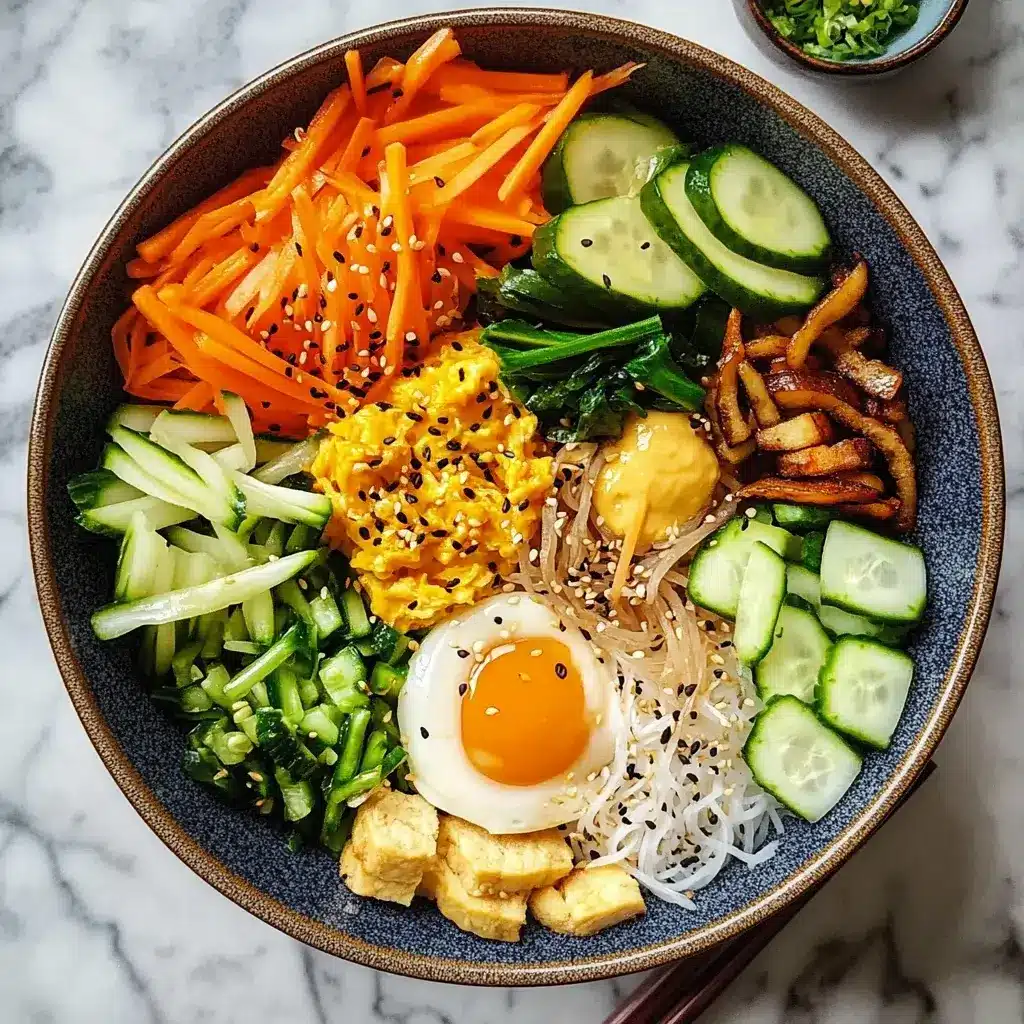
- Visual Appeal: It’s arguably one of the most beautiful dishes in the world. The careful arrangement of brightly colored, individually prepared vegetables (<em>namul</em>), savory protein, and a glistening egg yolk (optional for vegans) over a bed of fluffy rice is a feast for the eyes before it even reaches your lips.
- Textural Wonderland: From the slight crispness of sautéed carrots and zucchini to the tender chewiness of spinach and mushrooms, the soft pop of bean sprouts, the fluffy rice, and the silky tofu – every spoonful offers a delightful contrast. If you opt for a “dolsot” (stone bowl) preparation, you even get coveted crispy rice bits!
- Flavor Powerhouse: Each vegetable component is lightly seasoned, contributing its own unique note. The tofu adds a savory, protein-rich element. But the true star that ties everything together is the gochujang-based bibimbap sauce – a perfect blend of spicy, sweet, savory, and umami that coats every grain of rice and every strand of vegetable.
Healthy, Wholesome, and Customizable:
This Vegetarian Bibimbap is naturally packed with goodness:
- Plant-Powered: Loaded with a variety of vegetables, it’s rich in vitamins, minerals, and fiber.
- Protein-Rich: Tofu or tempeh provides excellent plant-based protein, and a fried egg adds another layer if you’re not vegan.
- Adaptable: The beauty of bibimbap lies in its flexibility. Don’t like mushrooms? Swap them out. Have extra bell peppers? Julienne them and add them in! You can adjust the spiciness of the sauce to your liking. It’s a fantastic way to use up various vegetables you have on hand.
An Engaging Culinary Experience:
Bibimbap is more than just sustenance; it’s interactive. The ritual of admiring the artfully arranged bowl and then joyfully mixing all the components together is part of the fun. It’s a wonderful dish for families and gatherings, allowing everyone to participate in the “mixing” ceremony.
Authentic Korean Flavors at Home:
This recipe aims to bring the authentic taste of Korean bibimbap to your kitchen. We’ll guide you through preparing each component, from blanching spinach to sautéing mushrooms and whipping up that irresistible bibimbap sauce. While it involves several steps, none are overly complicated, and the result is a restaurant-quality dish that will impress.
Get ready to transform simple ingredients into an extraordinary meal. This Vegetarian Bibimbap is a celebration of fresh produce, bold flavors, and the delightful experience of creating and enjoying food that truly nourishes body and soul.
Ingredients: Building Your Bowl of Bibimbap Bliss
Creating an authentic and delicious Vegetarian Bibimbap involves several components, each contributing to the overall harmony of the dish. Don’t be intimidated by the list; many are simple seasonings, and the vegetables can be prepped systematically.
For the Rice:
- 2 cups short-grain white rice (sushi rice or Korean rice): This type of rice has the right sticky texture.
- 2 ½ cups water (or as per your rice cooker/package instructions)
- 1 teaspoon sesame oil (optional, for flavor when cooking rice)
For the Vegetables (Namul) – Use 4-6 varieties from this list or your favorites:
- Spinach (Sigeumchi Namul):
- 10 oz (280g) fresh spinach
- 1 teaspoon soy sauce
- 1 teaspoon sesame oil
- ½ teaspoon minced garlic
- Pinch of sesame seeds
- Carrots (Danggeun Bokkeum):
- 2 medium carrots, julienned
- ½ teaspoon salt
- 1 teaspoon cooking oil (e.g., vegetable or canola)
- Pinch of sesame seeds (optional)
- Zucchini (Hobak Bokkeum):
- 1 medium zucchini, julienned
- ½ teaspoon salt
- 1 teaspoon cooking oil
- Pinch of sesame seeds (optional)
- Bean Sprouts (Sukju Namul):
- 8 oz (225g) mung bean sprouts
- 1 teaspoon soy sauce (or salt to taste)
- 1 teaspoon sesame oil
- ½ teaspoon minced garlic (optional)
- Pinch of sesame seeds
- Shiitake Mushrooms (Pyogo Beoseot Bokkeum):
- 4-6 dried shiitake mushrooms, rehydrated (or 8 oz fresh shiitake, sliced)
- 1 tablespoon soy sauce
- 1 teaspoon sugar (or maple syrup)
- ½ teaspoon minced garlic
- 1 teaspoon sesame oil
- 1 teaspoon cooking oil
- Other Vegetable Options: Julienned bell peppers (sautéed), lightly pickled daikon radish (musaengchae), blanched fernbrake (gosari, if you can find it).
For the Protein:
- Tofu:
- 1 block (14-16 oz) firm or extra-firm tofu, pressed
- 1 tablespoon soy sauce
- 1 teaspoon sesame oil
- 1 tablespoon cooking oil for frying
- OR Eggs (Optional, for non-vegan):
- 4 large eggs (one per serving)
- Pinch of salt and pepper
- Cooking oil for frying
For the Bibimbap Sauce (Gochujang Sauce):
- ¼ cup (60ml) gochujang (Korean chili paste): Adjust to your spice preference.
- 2 tablespoons sesame oil
- 2 tablespoons water (or rice cooking water)
- 1 tablespoon soy sauce
- 1 tablespoon sugar or honey (or maple syrup for vegan): Adjust sweetness to taste.
- 1 tablespoon rice vinegar
- 1 teaspoon minced garlic
- 1 teaspoon toasted sesame seeds
For Garnish (Optional):
- Toasted sesame seeds
- Shredded roasted seaweed (gim)
- Extra sesame oil to drizzle
A Note on Gochujang: This fermented Korean chili paste is essential for authentic bibimbap. It can be found in Korean markets, larger supermarkets with international food aisles, or online. Its flavor is unique – spicy, savory, and slightly sweet.
Step-by-Step Instructions: Assembling Your Bibimbap Masterpiece
Making bibimbap involves preparing several components separately before assembling the final bowl. “Mise en place” (having all ingredients prepped and ready) is your friend here!
1. Cook the Rice:
- Rinse the short-grain rice several times under cold water until the water runs mostly clear.
- Add the rinsed rice and 2 ½ cups of water (and optional 1 tsp sesame oil) to a rice cooker or a medium saucepan.
- If using a saucepan: Bring to a boil, then reduce heat to low, cover, and simmer for 15-20 minutes, or until all water is absorbed and rice is tender. Do not lift the lid during simmering.
- Once cooked, let the rice sit, covered, for 10 minutes to steam. Fluff with a fork.
2. Prepare the Vegetables (Namul) – Cook each vegetable separately:
- Spinach (Sigeumchi Namul):
- Blanch spinach in boiling water for 30-60 seconds, just until wilted.
- Immediately transfer to an ice bath (bowl of ice water) to stop cooking and retain color.
- Squeeze out as much water as possible.
- In a bowl, combine blanched spinach with 1 tsp soy sauce, 1 tsp sesame oil, ½ tsp minced garlic, and a pinch of sesame seeds. Mix well. Set aside.
- Carrots (Danggeun Bokkeum):
- Julienne the carrots. You can optionally sprinkle them with ½ tsp salt, let sit for 10 minutes, then squeeze out excess moisture (this makes them more pliable and seasons them).
- Heat 1 tsp cooking oil in a skillet over medium heat. Add carrots and stir-fry for 2-4 minutes until tender-crisp.
- Season with a pinch of sesame seeds if desired. Set aside.
- Zucchini (Hobak Bokkeum):
- Julienne the zucchini. Sprinkle with ½ tsp salt and let sit for 10-15 minutes. Squeeze out excess moisture.
- Heat 1 tsp cooking oil in a skillet over medium heat. Add zucchini and stir-fry for 2-3 minutes until tender-crisp.
- Pinch of sesame seeds if desired. Set aside.
- Bean Sprouts (Sukju Namul):
- Blanch bean sprouts in boiling water for 1-2 minutes until tender-crisp.
- Drain well (can also refresh in an ice bath).
- In a bowl, combine blanched bean sprouts with 1 tsp soy sauce (or salt), 1 tsp sesame oil, ½ tsp minced garlic (optional), and a pinch of sesame seeds. Mix well. Set aside.
- Shiitake Mushrooms (Pyogo Beoseot Bokkeum):
- If using dried shiitake: Rehydrate in warm water for at least 30 minutes (or according to package instructions). Squeeze out excess water, remove stems, and slice thinly. Reserve mushroom soaking liquid for other uses if desired.
- If using fresh shiitake: Simply remove stems and slice thinly.
- Heat 1 tsp cooking oil in a skillet over medium heat. Add sliced mushrooms and ½ tsp minced garlic. Sauté for 2-3 minutes.
- Add 1 tbsp soy sauce, 1 tsp sugar, and 1 tsp sesame oil. Stir-fry for another 2-3 minutes until mushrooms are tender and glazed. Set aside.
3. Prepare the Protein:
- Tofu:
- Press tofu for at least 30 minutes to remove excess water. Cut into ½-inch cubes or thin rectangles.
- In a small bowl, toss tofu with 1 tbsp soy sauce and 1 tsp sesame oil.
- Heat 1 tbsp cooking oil in a non-stick skillet over medium-high heat. Add tofu and pan-fry until golden brown and slightly crispy on all sides (about 5-7 minutes). Set aside.
- Eggs (if using):
- Heat a little oil in a non-stick skillet over medium heat. Crack eggs into the pan.
- Fry sunny-side up (or to your desired doneness), seasoning with a pinch of salt and pepper. The runny yolk is traditional for mixing into the rice.
4. Make the Bibimbap Sauce (Gochujang Sauce):
- In a small bowl, whisk together ¼ cup gochujang, 2 tbsp sesame oil, 2 tbsp water, 1 tbsp soy sauce, 1 tbsp sugar (or honey/maple syrup), 1 tbsp rice vinegar, 1 tsp minced garlic, and 1 tsp toasted sesame seeds until well combined and smooth. Taste and adjust seasoning if needed (more gochujang for spice, more sugar for sweetness).
5. Assemble the Bibimbap Bowls:
- Divide the cooked rice among 4 serving bowls.
- Artfully arrange a portion of each prepared vegetable (spinach, carrots, zucchini, bean sprouts, mushrooms) and the tofu in separate sections on top of the rice. Try to alternate colors for visual appeal.
- If using, place a fried egg in the center of each bowl.
- Garnish with extra toasted sesame seeds and shredded roasted seaweed (gim), if desired.
- Serve immediately with the bibimbap sauce on the side, allowing each person to add as much as they like.
To Eat: Add desired amount of bibimbap sauce to your bowl. Using chopsticks or a spoon, thoroughly mix all the ingredients together until everything is well combined and coated with sauce. Enjoy the symphony of flavors and textures!
Nutrition Facts (Estimated)
Please note that these nutritional values are estimates and can vary significantly based on the specific brands of ingredients used, the exact types and quantities of vegetables chosen, portion sizes, and whether an egg is included.
- Servings: This recipe makes approximately 4 servings.
- Calories per serving (Estimated, without egg): Approximately 500-650 calories.
- Calories per serving (Estimated, with one fried egg): Approximately 580-730 calories.
General Nutritional Profile Considerations:
- Carbohydrates: Primarily from the rice and sugars in the gochujang sauce. The vegetables also contribute complex carbohydrates and fiber.
- Protein: Good source of plant-based protein from tofu. If an egg is added, protein content increases.
- Fat: Mainly from sesame oil used in seasonings and sauce, cooking oil for sautéing, and the egg yolk (if used). Mostly healthy unsaturated fats.
- Fiber: High in fiber due to the variety of vegetables and rice.
- Vitamins and Minerals: Rich in various vitamins (A, C, K, B vitamins) and minerals (iron, potassium, manganese) from the diverse range of vegetables.
- Sodium: Can be moderate to high depending on the amount of soy sauce and gochujang used. Opt for low-sodium soy sauce if preferred.
This Vegetarian Bibimbap is a well-rounded, nutrient-dense meal. The abundance of vegetables provides essential micronutrients and dietary fiber, promoting digestive health and satiety. Tofu offers complete protein, making it a satisfying option for vegetarians and vegans alike.
Preparation Time: A Rewarding Culinary Journey
Bibimbap, with its many components, is not a 15-minute meal, but the process is meditative and the payoff in flavor and satisfaction is immense. Much of the time can be streamlined with good organization.
- Active Preparation Time (Chopping, Sautéing, Mixing): 60-90 minutes.
- This includes washing and chopping all vegetables.
- Individually cooking/seasoning each vegetable component.
- Preparing the tofu.
- Making the sauce.
- Tip: If you have helpers, delegate tasks to speed this up!
- Rice Cooking Time: 20-30 minutes (mostly passive, can be done while prepping veggies).
- Tofu Pressing Time (Passive): Minimum 30 minutes (can be done well in advance).
- Assembly Time: 5-10 minutes per bowl.
Total Time (From Start to Table, if working efficiently): Approximately 1.5 – 2 hours.
Streamlining Tips:
- Mise en place: Chop all your vegetables and measure out seasonings before you start cooking each component.
- Multi-tasking: Cook rice while you prep vegetables. Prepare the sauce while vegetables are sautéing or tofu is pressing.
- Make-Ahead:
- Vegetables (namul) can be prepared a day in advance and stored in separate airtight containers in the refrigerator.
- Bibimbap sauce can be made up to 3-4 days ahead and stored in the fridge.
- Tofu can be pressed and even cooked ahead.
- Rice is best cooked fresh, but leftover rice can be used if reheated properly.
While it seems like a commitment, many steps are straightforward, and the ability to prep components ahead makes it manageable even for a special weeknight meal or a weekend project. The vibrant, delicious result is always worth the effort.
How to Serve Your Vibrant Vegetarian Bibimbap
Serving bibimbap is an experience in itself, culminating in the delightful ritual of mixing all the beautiful components together. Here’s how to present and enjoy your Vegetarian Bibimbap:
- Individual Bowls:
- Bibimbap is traditionally served in individual deep bowls.
- Start with a generous base of freshly cooked warm rice.
- Artfully arrange each prepared vegetable (namul) and the cooked tofu in distinct sections on top of the rice. Aim for a visually appealing presentation by alternating colors. Think of the bowl as an artist’s palette.
- If using, place a perfectly fried sunny-side-up egg in the center, allowing the yolk to be a rich, saucy element when mixed.
- The Dolsot (Stone Bowl) Experience (Optional):
- For an extra special touch and coveted crispy rice (<em>nurungji</em>), serve bibimbap in a dolsot.
- How to prepare a dolsot: Lightly coat the inside of the stone bowl with sesame oil. Add the cooked rice, spreading it to cover the bottom and a bit up the sides.
- Arrange the vegetables, tofu, and egg on top of the rice as usual.
- Place the dolsot directly on a stovetop over medium heat for 5-10 minutes, or until you hear the rice sizzling and crackling. Be careful, as the stone bowl gets extremely hot!
- Serve immediately on a wooden trivet to protect your table. The heat from the bowl will continue to cook the bottom layer of rice, making it wonderfully crispy.
- Sauce on the Side:
- Always serve the gochujang-based bibimbap sauce in a separate small bowl or pitcher.
- This allows each person to add their desired amount of sauce, controlling the spice level and overall flavor intensity. Typically, 1-3 tablespoons per bowl is a good starting point.
- Garnishes:
- A sprinkle of toasted sesame seeds over the entire bowl adds a nutty aroma and visual appeal.
- Thinly shredded roasted seaweed (nori/gim) can be scattered on top for an extra umami kick.
- A final, light drizzle of sesame oil just before mixing can enhance the aroma.
- The Mixing Ritual:
- Before digging in, take a moment to admire the beautiful presentation!
- Then, using a long Korean spoon (or chopsticks and a spoon), thoroughly mix all the ingredients together – the rice, vegetables, tofu, egg (breaking the yolk), and sauce – until everything is well combined and evenly coated.
- Don’t be shy; vigorous mixing is key to distributing all the flavors.
- Accompaniments (Optional):
- Bibimbap is a complete meal in itself, but you can serve it with small side dishes (<em>banchan</em>) like kimchi, pickled radish, or a light soup (e.g., miso soup or a clear soybean sprout soup).
Serving bibimbap this way transforms a meal into an interactive and engaging culinary event, perfect for sharing with family and friends.
Elevate Your Bibimbap: Additional Tips for Success
While the recipe provides a solid foundation for a fantastic Vegetarian Bibimbap, these five additional tips can help you refine your technique and customize the dish to perfection:
- Master Your Mise en Place:
Bibimbap has many individual components. The key to a smooth cooking process is “mise en place” – French for “everything in its place.” Before you start cooking any single element:- Wash, chop, julienne, or slice all your vegetables.
- Have your seasonings (soy sauce, sesame oil, garlic, salt, sesame seeds) measured out or easily accessible in small bowls.
- Press your tofu.
- This organized approach prevents you from feeling rushed and ensures each component gets the attention it deserves, leading to better flavor and texture.
- Season Each Vegetable Individually and Taste as You Go:
While it might seem tedious, lightly seasoning each vegetable component (namul) separately is crucial to building layers of distinct yet harmonious flavors. Don’t just toss them all together.- For blanched items like spinach or bean sprouts, taste after seasoning and adjust if needed (a bit more soy or sesame oil).
- For sautéed items like carrots or zucchini, taste before removing from the pan.
- This individual seasoning ensures that even before the main gochujang sauce is added, each bite has subtle, delightful nuances.
- Don’t Skimp on the Gochujang Sauce – It’s the Soul of the Dish:
The bibimbap sauce is what ties everything together and gives the dish its characteristic spicy, savory, and slightly sweet punch.- Quality Gochujang: Use a good quality Korean gochujang. Brands can vary in spice level and sweetness.
- Balance: Taste your sauce and adjust the components. If it’s too spicy, add a bit more sugar/honey or water. If it’s not savory enough, a touch more soy sauce. Too thick? A little more water.
- Generosity (to taste): Encourage diners to add enough sauce to coat everything when mixed. It shouldn’t be swimming, but every grain of rice and piece of vegetable should get some love.
- Achieve the Coveted Crispy Rice (Nurungji) – Dolsot or Skillet Method:
The crispy bits of rice at the bottom of a dolsot (stone bowl) are a highlight for many.- Dolsot: If you have one, lightly oil it, add rice, top with ingredients, and heat on the stovetop until sizzling.
- No Dolsot? No Problem! You can achieve a similar effect in a well-seasoned cast-iron skillet or a good quality non-stick skillet. Lightly oil the skillet, press a layer of cooked rice firmly into the bottom, and cook over medium heat without stirring for 5-7 minutes until the bottom is golden and crispy. Then, top with your bibimbap ingredients or serve the crispy rice base for everyone to top themselves.
- Get Creative and Seasonal with Your Vegetables:
While classic bibimbap has common vegetable components, feel free to improvise based on what’s in season or what you love.- Seasonal Swaps: Asparagus in spring, bell peppers or eggplant in summer, kale or butternut squash (thinly sliced and roasted) in fall/winter.
- Personal Favorites: If you love broccoli, blanch florets. If you have radishes, julienne and lightly salt or pickle them.
- Color & Texture: Aim for a variety of colors and textures. For example, if you use a lot of soft blanched greens, balance it with some crisp sautéed or raw julienned vegetables. The key is to prepare each new addition appropriately (blanch, sauté, roast) and season it lightly.
By keeping these tips in mind, you can transform a good bibimbap into an unforgettable one, perfectly tailored to your taste and the ingredients you have on hand.
Your Bibimbap Questions Answered: FAQ
Vegetarian Bibimbap is a delightful dish, but a few questions often arise for those new to making it. Here are some common queries:
Q1: What exactly is Bibimbap?
A: Bibimbap (비빔밥) is a signature Korean dish that literally translates to “mixed rice.” It consists of a bowl of warm white rice topped with an array of individually prepared and seasoned vegetables (<em>namul</em>), gochujang (Korean chili paste), soy sauce, and often a protein like sliced meat or, in this vegetarian version, tofu or a fried egg. The key is that all the ingredients are artfully arranged in the bowl and then mixed together by the diner just before eating.
Q2: Can I make this Vegetarian Bibimbap recipe vegan?
A: Absolutely! This recipe is very easily made vegan.
* Egg: Simply omit the optional fried egg on top. The dish is still incredibly flavorful and satisfying without it.
* Sweetener in Sauce: If the gochujang sauce recipe calls for honey, substitute it with an equal amount of maple syrup, agave nectar, or brown rice syrup to keep it vegan. Most other ingredients are naturally vegan.
* Many authentic bibimbap preparations, especially in temples, are fully vegan.
Q3: Can I prepare the components of bibimbap ahead of time?
A: Yes, bibimbap is very prep-friendly, which is great given its multiple components!
* Vegetables (Namul): Most seasoned vegetables can be prepared 1-2 days in advance. Store each one in a separate airtight container in the refrigerator. Bring them to room temperature or gently warm them before assembling if preferred, though they are also fine cold.
* Tofu: Cooked tofu can also be made a day ahead and refrigerated. Reheat gently before serving.
* Bibimbap Sauce: The gochujang sauce can be made up to a week in advance and stored in an airtight container in the refrigerator. Its flavors may even meld and improve over time.
* Rice: Rice is best cooked fresh for optimal texture. However, you can use leftover rice if you reheat it thoroughly until steamy.
Q4: I’ve never bought gochujang before. What should I look for, and where can I find it?
A: Gochujang (Korean chili paste) is a staple in Korean cooking.
* What it is: It’s a thick, sticky, deep red paste made from red chili powder, glutinous rice, fermented soybeans, and salt. It has a complex flavor profile: spicy, savory, slightly sweet, and deeply umami.
* Where to find it: You can find gochujang in tubs or tubes at Korean grocery stores, most larger Asian markets, and increasingly in the international aisle of mainstream supermarkets.
* What to look for: Brands vary in spice level (often indicated on the packaging, e.g., “mild,” “medium hot,” “very hot”) and sweetness. For bibimbap, a medium hot version is generally a good starting point. Check the ingredient list; traditional gochujang shouldn’t have corn syrup high on the list, though many commercial ones do.
Q5: Is Vegetarian Bibimbap very spicy? How can I control the heat?
A: The spiciness of bibimbap is almost entirely controlled by the gochujang and how much of the bibimbap sauce you add to your bowl.
* Gochujang Itself: Choose a “mild” or “medium hot” gochujang if you are sensitive to spice.
* Sauce Preparation: When making the bibimbap sauce, you can start with less gochujang and add more to taste. Increasing the proportion of other ingredients like sesame oil, sugar/sweetener, or water will also dilute the spiciness.
* Serving: The best way to control heat is to serve the bibimbap sauce on the side. Each person can then add a small amount, mix, taste, and add more until it reaches their preferred spice level. Start with a teaspoon or two and work your way up. This makes the dish enjoyable for everyone, regardless of their heat tolerance.
This Vegetarian Bibimbap is more than just a recipe; it’s an invitation to explore the vibrant world of Korean cuisine. With its customizable nature, wholesome ingredients, and explosive flavors, it’s a dish that’s bound to become a favorite in your culinary repertoire. Enjoy the process, the presentation, and most importantly, the delicious, satisfying experience of your homemade bibimbap!
Print
Vegetarian Bibimbap recipe
Ingredients
For the Rice:
- 2 cups short-grain white rice (sushi rice or Korean rice): This type of rice has the right sticky texture.
- 2 ½ cups water (or as per your rice cooker/package instructions)
- 1 teaspoon sesame oil (optional, for flavor when cooking rice)
For the Vegetables (Namul) – Use 4-6 varieties from this list or your favorites:
- Spinach (Sigeumchi Namul):
- 10 oz (280g) fresh spinach
- 1 teaspoon soy sauce
- 1 teaspoon sesame oil
- ½ teaspoon minced garlic
- Pinch of sesame seeds
- Carrots (Danggeun Bokkeum):
- 2 medium carrots, julienned
- ½ teaspoon salt
- 1 teaspoon cooking oil (e.g., vegetable or canola)
- Pinch of sesame seeds (optional)
- Zucchini (Hobak Bokkeum):
- 1 medium zucchini, julienned
- ½ teaspoon salt
- 1 teaspoon cooking oil
- Pinch of sesame seeds (optional)
- Bean Sprouts (Sukju Namul):
- 8 oz (225g) mung bean sprouts
- 1 teaspoon soy sauce (or salt to taste)
- 1 teaspoon sesame oil
- ½ teaspoon minced garlic (optional)
- Pinch of sesame seeds
- Shiitake Mushrooms (Pyogo Beoseot Bokkeum):
- 4–6 dried shiitake mushrooms, rehydrated (or 8 oz fresh shiitake, sliced)
- 1 tablespoon soy sauce
- 1 teaspoon sugar (or maple syrup)
- ½ teaspoon minced garlic
- 1 teaspoon sesame oil
- 1 teaspoon cooking oil
- Other Vegetable Options: Julienned bell peppers (sautéed), lightly pickled daikon radish (musaengchae), blanched fernbrake (gosari, if you can find it).
For the Protein:
- Tofu:
- 1 block (14-16 oz) firm or extra-firm tofu, pressed
- 1 tablespoon soy sauce
- 1 teaspoon sesame oil
- 1 tablespoon cooking oil for frying
- OR Eggs (Optional, for non-vegan):
- 4 large eggs (one per serving)
- Pinch of salt and pepper
- Cooking oil for frying
For the Bibimbap Sauce (Gochujang Sauce):
- ¼ cup (60ml) gochujang (Korean chili paste): Adjust to your spice preference.
- 2 tablespoons sesame oil
- 2 tablespoons water (or rice cooking water)
- 1 tablespoon soy sauce
- 1 tablespoon sugar or honey (or maple syrup for vegan): Adjust sweetness to taste.
- 1 tablespoon rice vinegar
- 1 teaspoon minced garlic
- 1 teaspoon toasted sesame seeds
For Garnish (Optional):
- Toasted sesame seeds
- Shredded roasted seaweed (gim)
- Extra sesame oil to drizzle
Instructions
1. Cook the Rice:
- Rinse the short-grain rice several times under cold water until the water runs mostly clear.
- Add the rinsed rice and 2 ½ cups of water (and optional 1 tsp sesame oil) to a rice cooker or a medium saucepan.
- If using a saucepan: Bring to a boil, then reduce heat to low, cover, and simmer for 15-20 minutes, or until all water is absorbed and rice is tender. Do not lift the lid during simmering.
- Once cooked, let the rice sit, covered, for 10 minutes to steam. Fluff with a fork.
2. Prepare the Vegetables (Namul) – Cook each vegetable separately:
- Spinach (Sigeumchi Namul):
- Blanch spinach in boiling water for 30-60 seconds, just until wilted.
- Immediately transfer to an ice bath (bowl of ice water) to stop cooking and retain color.
- Squeeze out as much water as possible.
- In a bowl, combine blanched spinach with 1 tsp soy sauce, 1 tsp sesame oil, ½ tsp minced garlic, and a pinch of sesame seeds. Mix well. Set aside.
- Carrots (Danggeun Bokkeum):
- Julienne the carrots. You can optionally sprinkle them with ½ tsp salt, let sit for 10 minutes, then squeeze out excess moisture (this makes them more pliable and seasons them).
- Heat 1 tsp cooking oil in a skillet over medium heat. Add carrots and stir-fry for 2-4 minutes until tender-crisp.
- Season with a pinch of sesame seeds if desired. Set aside.
- Zucchini (Hobak Bokkeum):
- Julienne the zucchini. Sprinkle with ½ tsp salt and let sit for 10-15 minutes. Squeeze out excess moisture.
- Heat 1 tsp cooking oil in a skillet over medium heat. Add zucchini and stir-fry for 2-3 minutes until tender-crisp.
- Pinch of sesame seeds if desired. Set aside.
- Bean Sprouts (Sukju Namul):
- Blanch bean sprouts in boiling water for 1-2 minutes until tender-crisp.
- Drain well (can also refresh in an ice bath).
- In a bowl, combine blanched bean sprouts with 1 tsp soy sauce (or salt), 1 tsp sesame oil, ½ tsp minced garlic (optional), and a pinch of sesame seeds. Mix well. Set aside.
- Shiitake Mushrooms (Pyogo Beoseot Bokkeum):
- If using dried shiitake: Rehydrate in warm water for at least 30 minutes (or according to package instructions). Squeeze out excess water, remove stems, and slice thinly. Reserve mushroom soaking liquid for other uses if desired.
- If using fresh shiitake: Simply remove stems and slice thinly.
- Heat 1 tsp cooking oil in a skillet over medium heat. Add sliced mushrooms and ½ tsp minced garlic. Sauté for 2-3 minutes.
- Add 1 tbsp soy sauce, 1 tsp sugar, and 1 tsp sesame oil. Stir-fry for another 2-3 minutes until mushrooms are tender and glazed. Set aside.
3. Prepare the Protein:
- Tofu:
- Press tofu for at least 30 minutes to remove excess water. Cut into ½-inch cubes or thin rectangles.
- In a small bowl, toss tofu with 1 tbsp soy sauce and 1 tsp sesame oil.
- Heat 1 tbsp cooking oil in a non-stick skillet over medium-high heat. Add tofu and pan-fry until golden brown and slightly crispy on all sides (about 5-7 minutes). Set aside.
- Eggs (if using):
- Heat a little oil in a non-stick skillet over medium heat. Crack eggs into the pan.
- Fry sunny-side up (or to your desired doneness), seasoning with a pinch of salt and pepper. The runny yolk is traditional for mixing into the rice.
4. Make the Bibimbap Sauce (Gochujang Sauce):
- In a small bowl, whisk together ¼ cup gochujang, 2 tbsp sesame oil, 2 tbsp water, 1 tbsp soy sauce, 1 tbsp sugar (or honey/maple syrup), 1 tbsp rice vinegar, 1 tsp minced garlic, and 1 tsp toasted sesame seeds until well combined and smooth. Taste and adjust seasoning if needed (more gochujang for spice, more sugar for sweetness).
5. Assemble the Bibimbap Bowls:
- Divide the cooked rice among 4 serving bowls.
- Artfully arrange a portion of each prepared vegetable (spinach, carrots, zucchini, bean sprouts, mushrooms) and the tofu in separate sections on top of the rice. Try to alternate colors for visual appeal.
- If using, place a fried egg in the center of each bowl.
- Garnish with extra toasted sesame seeds and shredded roasted seaweed (gim), if desired.
- Serve immediately with the bibimbap sauce on the side, allowing each person to add as much as they like.
Nutrition
- Serving Size: one normal portion
- Calories: 500-650