
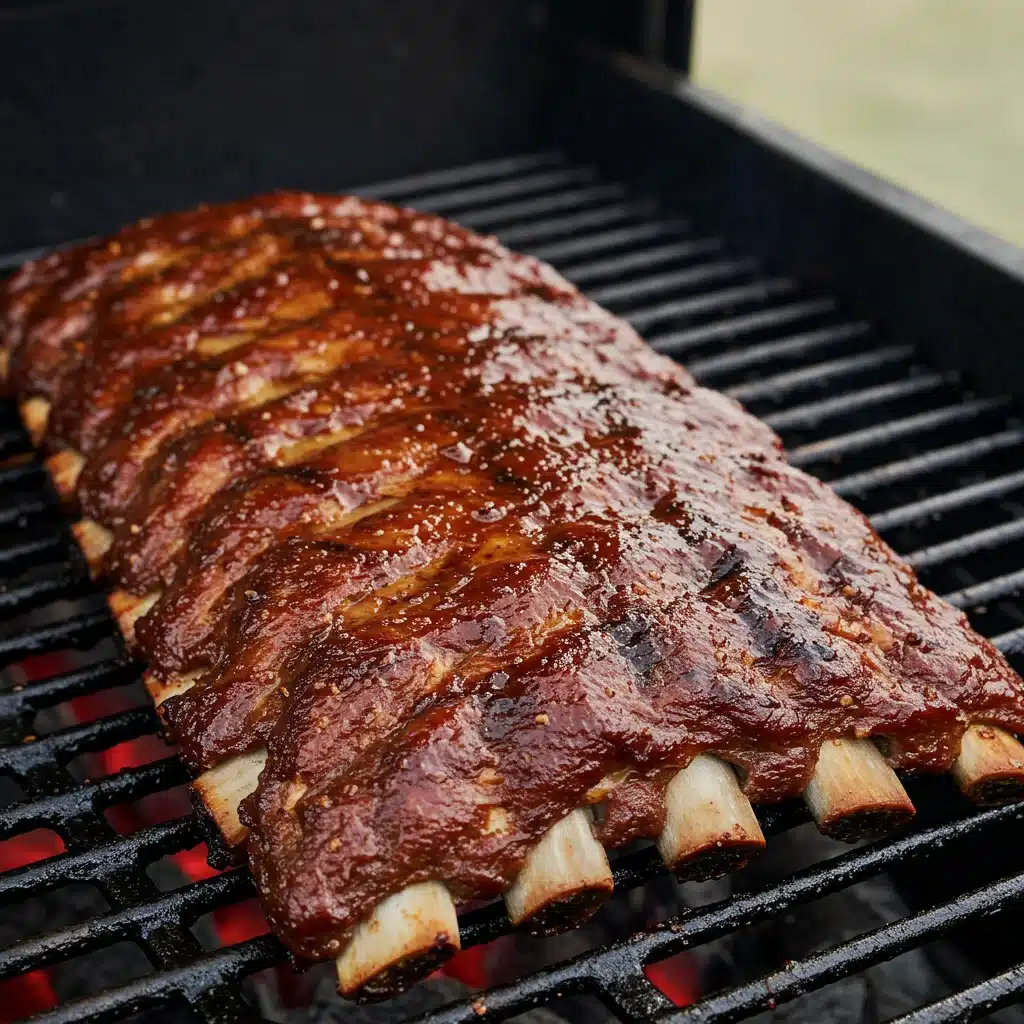

Barbecuing is more than just a method of cooking; it’s an art form that brings together friends and family over the tantalizing aroma of smoke and spices. Among the many delights you can create on the grill, St. Louis ribs hold a special place. Known for their rich flavor and tender meat, these ribs are a classic choice for any BBQ enthusiast. In this comprehensive guide, we’ll walk you through everything you need to know to perfect St. Louis ribs on the grill.
Ingredients for Grilled St. Louis Ribs
Before you fire up the grill, gather your ingredients. Here’s what you’ll need to create mouthwatering St. Louis ribs:
- 2 racks of St. Louis-style ribs
- 1 cup of your favorite BBQ sauce
- 2 tbsp of brown sugar
- 1 tbsp of smoked paprika
- 1 tsp of garlic powder
- 1 tsp of onion powder
- Salt and pepper to taste
Instructions for Perfectly Grilled St. Louis Ribs
Follow these steps to ensure your St. Louis ribs are cooked to perfection:
- Preheat Your Grill: Set your grill to medium heat to create an even cooking environment.
- Prepare the Spice Mix: In a bowl, combine brown sugar, smoked paprika, garlic powder, onion powder, salt, and pepper.
- Season the Ribs: Rub the spice mixture generously over both sides of the ribs, ensuring even coverage for maximum flavor.
- Grill the Ribs: Place the ribs on the grill, bone side down. Cook for about 2.5 hours, turning occasionally to ensure even cooking.
- Add the BBQ Sauce: During the last 30 minutes of grilling, brush the ribs with BBQ sauce. Turn the ribs every 10 minutes to allow the sauce to caramelize and enhance the flavor.
- Rest the Ribs: Once the ribs are tender and caramelized, remove them from the grill. Let them rest for 10 minutes before serving. This step is crucial for preserving the juices and ensuring tender meat.
Nutrition Facts for St. Louis Ribs
Understanding the nutritional content of your meal is essential, especially if you’re mindful of your diet. Here’s a breakdown of the nutrition facts per serving:
- Calories: 350
- Protein: 25g
- Fat: 20g
- Carbohydrates: 15g
- Fiber: 1g
How to Serve St. Louis Ribs
The way you serve your St. Louis ribs can elevate the entire dining experience, turning an ordinary meal into a memorable feast. Here are some comprehensive serving suggestions that will not only enhance the flavor profile of your dish but also create an inviting atmosphere for your guests.
Classic BBQ Plate
One of the most traditional ways to serve St. Louis ribs is as part of a classic barbecue plate. This approach combines the rich, smoky flavors of the ribs with a variety of well-loved side dishes that complement and balance the meal. Consider the following side options:
- Coleslaw: A creamy or vinegar-based coleslaw adds a crunchy texture and a refreshing tang that cuts through the richness of the ribs. The coolness of the slaw contrasts beautifully with the heat and smokiness of the BBQ sauce.
- Cornbread: Sweet, moist cornbread is a barbecue staple that provides a delightful contrast to the savory flavors of the ribs. Serve it warm with a pat of butter for an added touch of indulgence.
- Baked Beans: The sweetness and heartiness of baked beans make them an ideal companion for ribs. Their rich flavor melds perfectly with the smoky notes of the meat, creating a harmonious plate.
- Pickles and Onions: Adding a small side of dill pickles and sliced red onions can bring a sharp, acidic counterpoint to the sweetness of the sauce and the richness of the pork. This adds not only flavor but also a pop of color to your presentation.
Garnish with Fresh Herbs
Presentation plays a crucial role in the overall dining experience. After you’ve perfectly cooked your St. Louis ribs, consider garnishing them with a sprinkle of fresh herbs.
- Fresh Parsley or Cilantro: A light dusting of finely chopped parsley or cilantro not only enhances the visual appeal of your dish but also adds a burst of freshness that can balance the heavier flavors of the ribs. The vibrant green also contrasts beautifully against the deep red of the BBQ sauce.
- Chopped Green Onions: For an additional layer of flavor, consider adding chopped green onions. Their mild oniony flavor and bright green color provide a nice touch without overpowering the dish.
Pair with Beverages
The right beverage can enhance the flavors of your meal and elevate the overall dining experience. Here are a few pairing options that work exceptionally well with St. Louis ribs:
- Cold Beer: A crisp lager or a hoppy IPA can be a perfect match for the rich, smoky flavors of the ribs. The carbonation in beer can cleanse the palate between bites, allowing you to fully appreciate the flavors.
- Iced Tea: Sweetened or unsweetened iced tea is a classic Southern pairing. The tea’s refreshing qualities can balance the savory and smoky richness of the ribs. Consider offering lemon wedges for guests who enjoy a citrusy twist.
- Refreshing Lemonade: Homemade lemonade, with its perfect balance of sweet and tart, can provide a refreshing contrast to the BBQ sauce, making it a great choice for warm-weather dining.
- Red Wine: For those who prefer wine, consider serving a light-bodied red such as Pinot Noir or a fruity Zinfandel. These wines can complement the smoky and sweet flavors of the ribs.
Sauce on the Side
While many enjoy the ribs slathered in BBQ sauce, offering extra sauce on the side allows guests to customize their meal to their liking.
- Variety of Sauces: Consider providing a selection of BBQ sauces, such as sweet, spicy, and mustard-based sauces, to cater to different palates. This not only adds variety but also encourages guests to experiment with different flavor combinations.
- Presentation: Serve the sauces in small ramekins or bowls, arranged artfully on the serving platter. This will make it easy for guests to access their desired sauce while also enhancing the visual appeal of the meal.
Final Touches
To wrap up the perfect serving of St. Louis ribs, consider the overall dining experience.
- Table Setting: Create a warm and inviting atmosphere with a rustic table setting. Use wooden platters or butcher paper for serving, and consider using mason jars for beverages to add a casual, BBQ vibe.
- Dinnerware: Provide sturdy plates and utensils that are suitable for the hearty nature of the meal. Disposable options can work well for outdoor gatherings, while ceramic or stoneware can enhance a more formal setting.
By incorporating these serving suggestions, you can create a delightful experience that celebrates the smoky, mouthwatering flavors of St. Louis ribs while ensuring that your guests feel welcomed and satisfied.
Additional Tips for Grilling Success
Achieving BBQ perfection requires not just the right recipe, but also a solid understanding of grilling techniques and the nuances of flavor. Here are some comprehensive tips to enhance your grilling experience and ensure your ribs are nothing short of spectacular:
Choose Quality Ribs
When it comes to ribs, quality is paramount. Opt for ribs that are well-marbled, as the intramuscular fat will render during cooking, keeping the meat tender and flavorful. Look for ribs with a good amount of meat on the bone; spare ribs generally have more meat than baby back ribs but can also be tougher. Uniform thickness is crucial for even cooking – if some parts are thinner than others, they may overcook while thicker sections remain underdone. Always inspect the meat for a pink hue and a fresh smell; avoid any ribs that appear discolored or have an off odor.
Additionally, consider the source of your ribs. Grass-fed or sustainably raised pork often yields better flavor and texture than conventionally farmed options. Don’t hesitate to ask your butcher for recommendations or for specific cuts that might suit your grilling needs.
Control the Heat
Temperature control is vital for grilling ribs. A consistent medium heat allows the ribs to cook through without burning the exterior. This typically translates to a grill temperature of around 225°F to 250°F. If your grill has hot spots, rotate the ribs periodically to ensure even cooking. One effective technique is to use the two-zone method: set one side of the grill to high heat for searing and the other side to low heat for cooking. Start by searing the ribs over high heat for a few minutes to develop a nice crust, then move them to the cooler side to finish cooking slowly.
Another way to maintain control over the heat is to use a water pan in your grill. This helps stabilize the temperature and adds moisture to the cooking environment, which is particularly beneficial for long cooks.
Experiment with Spices
Spices are your secret weapon in achieving standout ribs. While a classic dry rub often consists of brown sugar, paprika, garlic powder, onion powder, and black pepper, don’t be afraid to customize this mix. Consider regional influences; for example, a Kansas City-style rub may be sweeter, while a Memphis-style rub could lean more towards savory and peppery notes.
Adding a touch of cayenne or chili powder can introduce a delightful kick, but balance is key. If you’re concerned about spice levels, start with small amounts and adjust according to your taste. You can also explore using different types of sugars; coconut sugar or maple sugar can impart unique flavors.
Marinades and brines are another avenue for flavor enhancement. A simple marinade of apple cider vinegar, mustard, and your favorite spices can penetrate the meat, adding depth and moisture.
Use a Meat Thermometer
Precision is crucial when grilling ribs. A meat thermometer is an invaluable tool in ensuring your ribs reach the ideal level of doneness. For pork ribs, aim for an internal temperature of 165°F, but for optimal tenderness, many pitmasters recommend cooking them to around 190°F to 203°F. At this range, the collagen in the meat breaks down, allowing for fall-off-the-bone tenderness.
Investing in a reliable instant-read thermometer can help you avoid the guesswork. Insert the thermometer into the thickest part of the meat, avoiding contact with the bone, as this can give a false reading. If you’re using a wireless thermometer, you can monitor the temperature without lifting the lid, which helps maintain consistent heat.
Let the Ribs Rest
Once your ribs have reached the desired temperature, resist the temptation to dive in immediately. Allowing the ribs to rest for at least 10 to 15 minutes is crucial for achieving maximum juiciness. During the resting period, the muscle fibers relax and the juices, which have been driven to the surface during cooking, redistribute throughout the meat.
Cover the ribs loosely with aluminum foil to retain warmth without steaming them, which could compromise the bark you’ve worked so hard to create. This step not only enhances the flavor but also improves the texture, resulting in a more satisfying bite.
In conclusion, mastering the art of grilling ribs is a combination of selecting quality ingredients, controlling heat, experimenting with flavors, using precise tools, and allowing for proper resting. By following these tips, you’ll elevate your grilling game and impress friends and family with mouthwatering ribs every time. Happy grilling!
Frequently Asked Questions (FAQs)
Q: What makes St. Louis ribs different from other types?
A: St. Louis ribs are cut from the belly of the hog, making them meatier compared to other rib cuts like baby back ribs. The cut also removes the breastbone and cartilage, resulting in a rectangular slab of ribs.
Q: Can I cook St. Louis ribs in the oven instead of a grill?
A: Yes, you can. Preheat the oven to 300°F and follow the same seasoning steps. Place the ribs on a baking sheet and cover them with foil. Bake for about 2.5 to 3 hours, then remove the foil, add BBQ sauce, and broil for a few minutes until caramelized.
Q: How can I tell when the ribs are done?
A: Besides using a meat thermometer, you can check for doneness by gently bending the ribs. If the meat begins to crack slightly and the bones start to protrude, they are ready.
Q: How do I store leftover ribs?
A: Allow the ribs to cool, then store them in an airtight container in the refrigerator for up to 3 days. Reheat in the oven or microwave when ready to enjoy.
Conclusion
Grilling St. Louis ribs is a rewarding experience that delivers rich flavors and tender meat with every bite. By using the right ingredients, following the detailed instructions, and applying expert tips, you can create a BBQ masterpiece that will impress your guests. Whether you’re a seasoned grill master or a beginner, these guidelines provide everything you need to enjoy a delicious and satisfying meal. So, fire up the grill, gather your loved ones, and dive into the delightful world of St. Louis ribs. Happy grilling!
Print
St. Louis Ribs Recipe
Ingredients
- 2 racks of St. Louis-style ribs
- 1 cup of your favorite BBQ sauce
- 2 tbsp of brown sugar
- 1 tbsp of smoked paprika
- 1 tsp of garlic powder
- 1 tsp of onion powder
- Salt and pepper to taste
Instructions
- Preheat Your Grill: Set your grill to medium heat to create an even cooking environment.
- Prepare the Spice Mix: In a bowl, combine brown sugar, smoked paprika, garlic powder, onion powder, salt, and pepper.
- Season the Ribs: Rub the spice mixture generously over both sides of the ribs, ensuring even coverage for maximum flavor.
- Grill the Ribs: Place the ribs on the grill, bone side down. Cook for about 2.5 hours, turning occasionally to ensure even cooking.
- Add the BBQ Sauce: During the last 30 minutes of grilling, brush the ribs with BBQ sauce. Turn the ribs every 10 minutes to allow the sauce to caramelize and enhance the flavor.
- Rest the Ribs: Once the ribs are tender and caramelized, remove them from the grill. Let them rest for 10 minutes before serving. This step is crucial for preserving the juices and ensuring tender meat.
Nutrition
- Serving Size: one normal portion
- Calories: 350
- Fat: 20g
- Carbohydrates: 15g
- Fiber: 1g
- Protein: 25g