
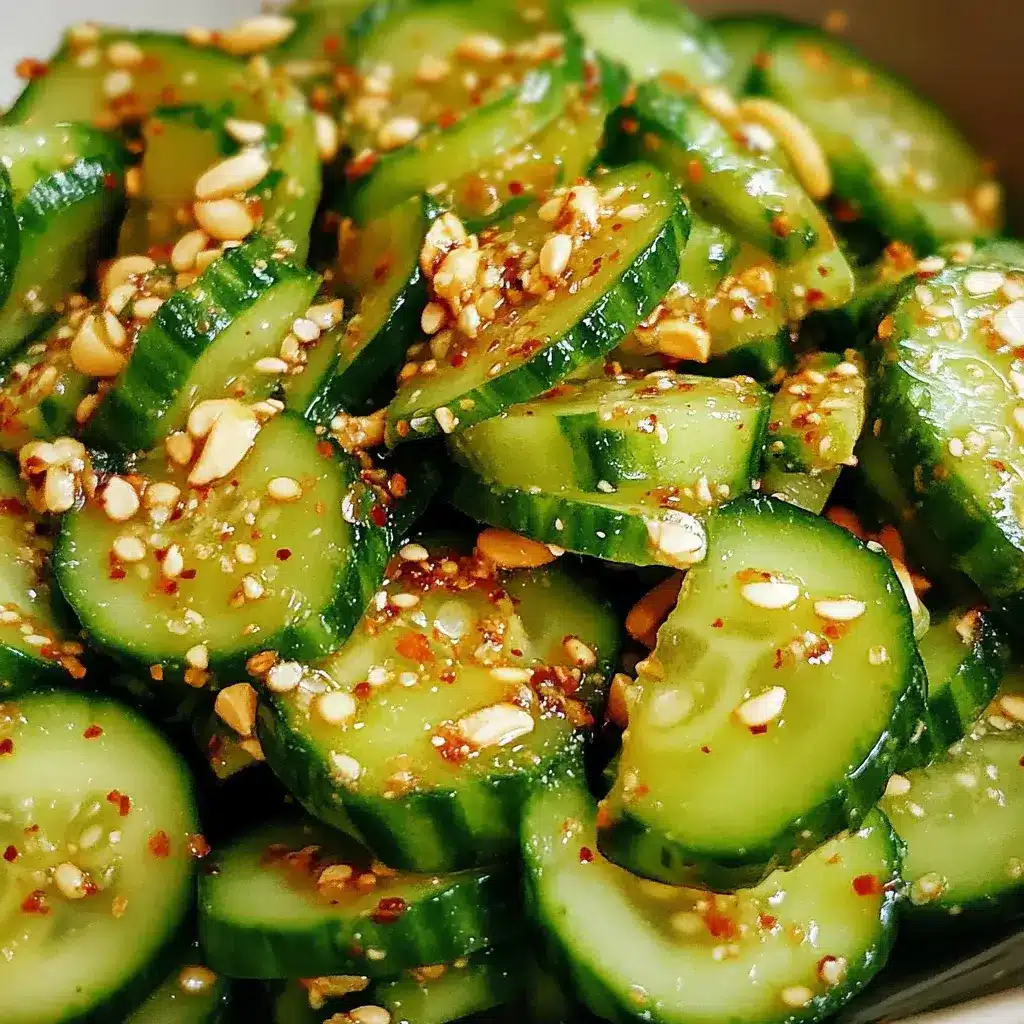

Let’s be honest, sometimes the thought of putting together a side dish after a long day feels like climbing Mount Everest in flip-flops. But that’s where this Spicy Korean Cucumber Salad, or Oi Muchim as it’s affectionately known, swoops in like a culinary superhero. It’s the kind of recipe that’s not just easy, it’s practically effortless, and yet it delivers a flavor punch that will wake up your taste buds and make you feel instantly refreshed. In my house, Oi Muchim has become a staple. It’s the side dish that magically appears on the table alongside everything from grilled chicken and burgers to tacos and even just a simple bowl of rice. My family, even the veggie-skeptics, devours it. The crisp, cool cucumbers, the fiery kick of gochugaru, the savory umami of soy sauce, and the nutty aroma of sesame oil – it’s a symphony of flavors and textures that’s utterly addictive. And the best part? It takes mere minutes to throw together. If you’re looking for a vibrant, flavorful, and ridiculously easy side dish that will become your new weeknight go-to, look no further. Oi Muchim is here to save the day (and your dinner!).
Ingredients: The Vibrant Palette of Oi Muchim
This recipe relies on a few key ingredients that are readily available and pack a serious flavor punch. Don’t be intimidated by the Korean pantry staples; once you have them, you’ll find yourself using them in countless dishes!
For the Salad:
- 4-5 Cucumbers (about 1.5 lbs): Korean cucumbers are traditionally used for Oi Muchim. They are thinner-skinned, less watery, and have smaller seeds than English cucumbers or American slicing cucumbers. If you can find Korean cucumbers, they are ideal. However, English cucumbers (also known as seedless cucumbers or hothouse cucumbers) are a fantastic substitute. If using English cucumbers, you may want to peel them partially in strips to reduce the amount of skin, as it can be slightly thicker. American slicing cucumbers can also be used, but they are the most watery and have the largest seeds. If using these, it’s best to peel them, remove the seeds by slicing them lengthwise and scraping out the seeds with a spoon, and salt them for a longer period to draw out excess moisture.
- 1/2 Medium Yellow Onion (optional): Thinly sliced yellow onion adds a pungent bite and subtle sweetness to the salad. If you prefer a milder flavor, you can use a shallot or even skip the onion altogether. Red onion can also be used, but its sharper flavor might be a bit more intense.
- 2-3 Cloves Garlic: Fresh garlic is essential for that signature Korean flavor. Minced or finely grated garlic distributes its pungent aroma and taste throughout the salad. Don’t be shy with the garlic; it’s a key component of the dressing.
- 1-2 Green Onions (scallions): Sliced green onions add a fresh, grassy note and a pop of color. Both the white and green parts of the scallions can be used.
For the Spicy Korean Dressing:
- 3 tablespoons Gochugaru (Korean Chili Flakes): Gochugaru is the star of the show! These Korean chili flakes provide the vibrant red color and the essential spicy, slightly smoky, and subtly sweet flavor that defines Oi Muchim. It’s not just pure heat; gochugaru has a complex flavor profile. There are two main types of gochugaru: coarse and fine. Coarse gochugaru is typically used for kimchi and has a chunkier texture. Fine gochugaru is preferred for sauces and marinades like in Oi Muchim, as it blends more smoothly. Adjust the amount of gochugaru to your spice preference. Start with 2 tablespoons for a milder spice and increase to 3 tablespoons for a medium-spicy salad, or even more if you like it fiery!
- 2 tablespoons Rice Vinegar: Rice vinegar adds a mild acidity that balances the spice and sweetness. It’s less harsh than white vinegar. If you don’t have rice vinegar, you can substitute with apple cider vinegar or white wine vinegar, but rice vinegar is recommended for the most authentic flavor.
- 2 tablespoons Soy Sauce (or Tamari for Gluten-Free): Soy sauce provides the savory umami base of the dressing. It adds saltiness and depth of flavor. Use regular soy sauce or low-sodium soy sauce to control the salt level. For a gluten-free version, use tamari, which is a type of soy sauce that is typically gluten-free (always check the label to confirm).
- 1 tablespoon Sesame Oil: Toasted sesame oil is crucial for that nutty, aromatic Korean flavor. It adds richness and depth to the dressing. Use toasted sesame oil, not regular sesame oil, as it has a much more pronounced and desirable flavor.
- 1 tablespoon Sugar (or Honey/Agave for Vegan): A touch of sweetness balances the spice and acidity and enhances the overall flavor. Granulated sugar is commonly used. For vegan options, you can use honey (if vegetarian), agave nectar, maple syrup, or even brown sugar for a slightly molasses-y note.
- 1 teaspoon Sesame Seeds: Toasted sesame seeds add a nutty crunch and visual appeal. White or black sesame seeds can be used. Toasting them lightly in a dry pan for a few minutes enhances their flavor.
Instructions: Whip Up Oi Muchim in Minutes
This recipe is incredibly quick and easy. The most time-consuming part is just chopping the cucumbers!
- Prepare the Cucumbers: Wash the cucumbers thoroughly. If using American slicing cucumbers, peel them, remove the seeds, and slice them into ¼-inch thick rounds or half-moons. If using Korean or English cucumbers, you can leave the skin on. Slice them into ¼-inch thick rounds or bias-cut slices (cut on a diagonal for a more visually appealing shape and larger surface area for dressing).
- Salt the Cucumbers (Optional but Recommended): This step helps to draw out excess moisture from the cucumbers, resulting in a crisper salad that doesn’t become watery. Place the sliced cucumbers in a colander or bowl. Sprinkle them generously with about 1 teaspoon of salt. Toss to coat evenly. Let them sit for 10-15 minutes. You will notice water being drawn out. After 10-15 minutes, rinse the cucumbers thoroughly under cold water to remove the excess salt. Gently squeeze out any excess water from the cucumbers with your hands or pat them dry with paper towels. This step is particularly important if using American cucumbers, but beneficial for any type of cucumber.
- Prepare the Onion and Garlic: If using onion, thinly slice it. Mince or finely grate the garlic cloves. Slice the green onions into thin rounds, separating the white and green parts if you want to use them separately for garnish.
- Make the Dressing: In a medium-sized mixing bowl, whisk together the gochugaru, rice vinegar, soy sauce (or tamari), sesame oil, and sugar (or chosen sweetener). Whisk until the sugar is dissolved and the dressing is well combined. Taste and adjust seasonings as needed. You can add a pinch more sugar for sweetness, a splash more rice vinegar for acidity, or more gochugaru for extra spice.
- Combine Salad Ingredients: Add the prepared cucumbers, sliced onion (if using), minced garlic, and white parts of the green onions (if separating) to the bowl with the dressing.
- Mix Well: Gently toss all the ingredients together with your hands or a spoon until the cucumbers are evenly coated with the dressing. Be careful not to bruise the cucumbers.
- Garnish and Serve: Sprinkle the toasted sesame seeds and the green parts of the green onions (if separated) over the salad for garnish. Serve immediately for the crispiest texture, or chill in the refrigerator for later. The flavors will meld and deepen as it sits, but the cucumbers will lose some of their initial crispness over time.
Nutrition Facts (Per Serving)
Please note: Nutritional information is an estimate and can vary based on specific ingredients and serving sizes.
- Servings: Approximately 4-6 servings (as a side dish)
- Calories per Serving: Around 80-120 calories (depending on serving size and amount of dressing)
Approximate breakdown per serving (estimated for 5 servings, using 3 tablespoons gochugaru and 1 tablespoon sugar):
- Protein: 1-2g
- Fat: 4-6g (primarily from sesame oil and sesame seeds, including healthy fats)
- Carbohydrates: 8-12g (primarily from cucumbers, sugar, and onion)
- Fiber: 1-2g
- Sodium: 200-300mg (depending on soy sauce used, can be lower with low-sodium soy sauce)
Spicy Korean Cucumber Salad is a low-calorie, nutrient-dense side dish. It’s a good source of vitamins and minerals from cucumbers and vegetables, including Vitamin K, Vitamin C, and potassium. Cucumbers are also hydrating due to their high water content. The dressing provides some healthy fats from sesame oil and sesame seeds. It is relatively low in carbohydrates and protein, making it a great accompaniment to a balanced meal. Keep in mind that the sodium content can be moderate depending on the soy sauce used.
Preparation Time: Quick, Easy, and Ready in a Flash
- Prep time: 15 minutes (including washing, slicing vegetables, and making dressing)
- Salting time (optional but recommended): 10-15 minutes
- Total time: Approximately 25-30 minutes (including salting time), or just 15 minutes if skipping the salting step.
Oi Muchim truly lives up to its reputation as a quick and easy side dish. It’s perfect for busy weeknights when you need a flavorful and healthy addition to your meal without spending hours in the kitchen.
How to Serve Spicy Korean Cucumber Salad (Oi Muchim)
Oi Muchim is incredibly versatile and pairs well with a wide variety of dishes. Here are some delicious ways to serve it:
- As a Korean Side Dish (Banchan):
- Korean BBQ (KBBQ): Oi Muchim is a classic banchan served alongside Korean BBQ. Its refreshing and spicy flavors cut through the richness of grilled meats like bulgogi, galbi, and samgyeopsal.
- Bibimbap: Add Oi Muchim to your bibimbap bowl for extra flavor, texture, and coolness. It complements the warm rice, gochujang, and other bibimbap ingredients beautifully.
- Korean Stews and Soups (Jjigae & Tang): Serve Oi Muchim with hearty Korean stews like kimchi jjigae (kimchi stew), sundubu jjigae (soft tofu stew), or galbitang (beef short rib soup). It provides a refreshing counterpoint to the warm, savory stews.
- With Rice and Main Dishes: Enjoy Oi Muchim as a simple side dish with steamed rice and any Korean main dish, such as japchae (glass noodles), bulgogi (marinated beef), or dak galbi (spicy stir-fried chicken).
- Beyond Korean Cuisine:
- Grilled Meats and Fish: Oi Muchim is an excellent side dish for grilled chicken, steak, pork chops, or fish. Its spicy and tangy flavors brighten up simple grilled dishes.
- Tacos and Burritos: Add a Korean twist to your tacos or burritos by including Oi Muchim as a topping. It adds a refreshing crunch and spicy kick.
- Sandwiches and Burgers: Pile Oi Muchim onto sandwiches or burgers for extra flavor and texture. It works especially well with pulled pork or Korean-inspired burgers.
- Noodle Bowls and Rice Bowls: Incorporate Oi Muchim into noodle bowls or rice bowls for a vibrant and flavorful element. It pairs well with Asian-inspired bowls and provides a refreshing contrast to richer ingredients.
- Salad Topping: Use Oi Muchim as a topping for green salads to add a spicy and flavorful dimension.
- Serving Suggestions for Different Occasions:
- Weeknight Dinner: Serve Oi Muchim as a quick and easy side dish for any weeknight meal.
- Potlucks and BBQs: Oi Muchim is a great dish to bring to potlucks or BBQs. It’s refreshing, flavorful, and travels well.
- Summer Gatherings: Its cool and refreshing nature makes Oi Muchim perfect for summer gatherings and picnics.
- Lunch Box: Pack Oi Muchim in your lunch box for a healthy and flavorful side dish or snack.
Additional Tips for Perfect Spicy Korean Cucumber Salad
Elevate your Oi Muchim game with these five essential tips for making the most delicious and authentic salad:
- Choose the Right Cucumbers: While you can use any type of cucumber, Korean cucumbers or English cucumbers are highly recommended for Oi Muchim. They have a better texture and less water content compared to American slicing cucumbers. If using American cucumbers, be sure to peel them, remove the seeds, and salt them for a longer period to draw out excess moisture to prevent a watery salad.
- Adjust the Spice Level to Your Preference: Gochugaru is what gives Oi Muchim its signature spice. However, spice tolerance varies greatly. Start with 2 tablespoons of gochugaru for a milder spice level, and increase to 3 tablespoons or more if you prefer a spicier salad. You can also add a pinch of cayenne pepper or a dash of gochujang (Korean chili paste) for extra heat, but gochugaru is the primary spice component for authentic Oi Muchim flavor. Taste the dressing before adding cucumbers and adjust the gochugaru to your liking.
- Don’t Skip the Sesame Oil and Sesame Seeds: Toasted sesame oil and sesame seeds are essential for the nutty, aromatic flavor that is characteristic of Korean cuisine. Don’t substitute with regular sesame oil, as it lacks the depth of flavor. Toasting sesame seeds lightly before adding them to the salad enhances their nutty flavor and aroma even further. These ingredients are key to achieving authentic Oi Muchim flavor.
- Make it Ahead, But Not Too Far in Advance: Oi Muchim is best served fresh or within a few hours of making it for optimal crispness. You can prepare the dressing ahead of time and store it in the refrigerator for up to a day. Slice the cucumbers and other vegetables shortly before serving and toss everything together just before you are ready to eat. If you make it too far in advance, the cucumbers will release more water and the salad will become less crisp. However, the flavors do meld and deepen over time, so it’s still enjoyable the next day, just less crunchy.
- Experiment with Variations: Once you master the basic Oi Muchim recipe, feel free to experiment with variations to suit your taste and dietary needs. You can add other vegetables like carrots (julienned), bean sprouts (blanched), or radish (thinly sliced). For a vegan version, ensure you use tamari instead of soy sauce and use agave, maple syrup, or brown sugar instead of honey. You can also add a splash of fish sauce for extra umami (if not vegan/vegetarian). Some variations include a touch of maesil cheong (Korean plum syrup) for a fruity sweetness.
FAQ – Your Spicy Korean Cucumber Salad Questions Answered
Got questions about making Oi Muchim? Here are answers to some frequently asked questions to help you become an Oi Muchim master:
Q1: Can I store leftover Oi Muchim?
A: Yes, you can store leftover Oi Muchim in an airtight container in the refrigerator for up to 2-3 days. However, keep in mind that the cucumbers will release more water over time, and the salad will lose some of its initial crispness. The flavor will still be delicious, but the texture will be softer. It’s best to consume it within the first day or two for the best texture.
Q2: Can I make Oi Muchim less spicy?
A: Absolutely! Making Oi Muchim less spicy is easy. The main source of spice is gochugaru (Korean chili flakes). To reduce the spice level, simply use less gochugaru. Start with 1 tablespoon of gochugaru for a very mild salad, and taste and add more gradually until you reach your desired spice level. You can also use milder gochugaru varieties if available, although most gochugaru sold is moderately spicy. Removing the seeds from the gochugaru flakes (though tedious) can also slightly reduce the heat.
Q3: I don’t have rice vinegar, what can I substitute?
A: While rice vinegar is recommended for the most authentic flavor, you can substitute it with other types of vinegar if you don’t have it on hand. Good substitutes include apple cider vinegar and white wine vinegar. These will provide a similar acidity, although they may have slightly different flavor profiles. White vinegar is also an option, but it is much sharper and more acidic, so use it sparingly and taste as you go, you may need to add a touch more sugar to balance the stronger acidity.
Q4: Can I make Oi Muchim vegan?
A: Yes, Oi Muchim is naturally vegan-friendly when you use the right ingredients. Most Oi Muchim recipes are already vegan. Ensure you are using tamari instead of soy sauce if you need to ensure it is gluten-free and vegan (some soy sauces may contain non-vegan ingredients in processing, though most common brands are vegan). Use a vegan sweetener option like agave nectar, maple syrup, or brown sugar instead of honey if you are strictly vegan. Otherwise, the standard recipe is typically considered vegan.
Q5: Can I add protein to Oi Muchim to make it a meal?
A: While Oi Muchim is traditionally served as a side dish, you can definitely add protein to make it a light meal or a more substantial salad. Good protein additions include:
* Tofu: Crispy tofu, pan-fried tofu, or even silken tofu can be added. Marinating tofu in a Korean-inspired marinade before cooking would enhance the flavor.
* Edamame: Shelled edamame adds plant-based protein and a nice texture.
* Shredded Chicken or Beef: Leftover cooked chicken or beef can be shredded and added for a non-vegetarian protein option.
* Boiled Eggs: Sliced boiled eggs can also be added for protein and richness.
* Kimchi: Adding kimchi itself can boost the protein slightly and further enhance the Korean flavors.
By adding protein, you can transform Oi Muchim from a side dish into a refreshing and flavorful light meal, perfect for lunch or a light dinner. Enjoy experimenting and making this versatile dish your own! 맛있게 드세요! ( 맛있게 deuseyo! – Enjoy your meal!)
Print
Spicy Korean Cucumber Salad recipe
Ingredients
For the Salad:
-
- 4–5 Cucumbers (about 1.5 lbs): Korean cucumbers are traditionally used for Oi Muchim. They are thinner-skinned, less watery, and have smaller seeds than English cucumbers or American slicing cucumbers. If you can find Korean cucumbers, they are ideal. However, English cucumbers (also known as seedless cucumbers or hothouse cucumbers) are a fantastic substitute. If using English cucumbers, you may want to peel them partially in strips to reduce the amount of skin, as it can be slightly thicker. American slicing cucumbers can also be used, but they are the most watery and have the largest seeds. If using these, it’s best to peel them, remove the seeds by slicing them lengthwise and scraping out the seeds with a spoon, and salt them for a longer period to draw out excess moisture.
-
- 1/2 Medium Yellow Onion (optional): Thinly sliced yellow onion adds a pungent bite and subtle sweetness to the salad. If you prefer a milder flavor, you can use a shallot or even skip the onion altogether. Red onion can also be used, but its sharper flavor might be a bit more intense.
-
- 2–3 Cloves Garlic: Fresh garlic is essential for that signature Korean flavor. Minced or finely grated garlic distributes its pungent aroma and taste throughout the salad. Don’t be shy with the garlic; it’s a key component of the dressing.
-
- 1–2 Green Onions (scallions): Sliced green onions add a fresh, grassy note and a pop of color. Both the white and green parts of the scallions can be used.
For the Spicy Korean Dressing:
-
- 3 tablespoons Gochugaru (Korean Chili Flakes): Gochugaru is the star of the show! These Korean chili flakes provide the vibrant red color and the essential spicy, slightly smoky, and subtly sweet flavor that defines Oi Muchim. It’s not just pure heat; gochugaru has a complex flavor profile. There are two main types of gochugaru: coarse and fine. Coarse gochugaru is typically used for kimchi and has a chunkier texture. Fine gochugaru is preferred for sauces and marinades like in Oi Muchim, as it blends more smoothly. Adjust the amount of gochugaru to your spice preference. Start with 2 tablespoons for a milder spice and increase to 3 tablespoons for a medium-spicy salad, or even more if you like it fiery!
-
- 2 tablespoons Rice Vinegar: Rice vinegar adds a mild acidity that balances the spice and sweetness. It’s less harsh than white vinegar. If you don’t have rice vinegar, you can substitute with apple cider vinegar or white wine vinegar, but rice vinegar is recommended for the most authentic flavor.
-
- 2 tablespoons Soy Sauce (or Tamari for Gluten-Free): Soy sauce provides the savory umami base of the dressing. It adds saltiness and depth of flavor. Use regular soy sauce or low-sodium soy sauce to control the salt level. For a gluten-free version, use tamari, which is a type of soy sauce that is typically gluten-free (always check the label to confirm).
-
- 1 tablespoon Sesame Oil: Toasted sesame oil is crucial for that nutty, aromatic Korean flavor. It adds richness and depth to the dressing. Use toasted sesame oil, not regular sesame oil, as it has a much more pronounced and desirable flavor.
-
- 1 tablespoon Sugar (or Honey/Agave for Vegan): A touch of sweetness balances the spice and acidity and enhances the overall flavor. Granulated sugar is commonly used. For vegan options, you can use honey (if vegetarian), agave nectar, maple syrup, or even brown sugar for a slightly molasses-y note.
-
- 1 teaspoon Sesame Seeds: Toasted sesame seeds add a nutty crunch and visual appeal. White or black sesame seeds can be used. Toasting them lightly in a dry pan for a few minutes enhances their flavor.
Instructions
-
- Prepare the Cucumbers: Wash the cucumbers thoroughly. If using American slicing cucumbers, peel them, remove the seeds, and slice them into ¼-inch thick rounds or half-moons. If using Korean or English cucumbers, you can leave the skin on. Slice them into ¼-inch thick rounds or bias-cut slices (cut on a diagonal for a more visually appealing shape and larger surface area for dressing).
-
- Salt the Cucumbers (Optional but Recommended): This step helps to draw out excess moisture from the cucumbers, resulting in a crisper salad that doesn’t become watery. Place the sliced cucumbers in a colander or bowl. Sprinkle them generously with about 1 teaspoon of salt. Toss to coat evenly. Let them sit for 10-15 minutes. You will notice water being drawn out. After 10-15 minutes, rinse the cucumbers thoroughly under cold water to remove the excess salt. Gently squeeze out any excess water from the cucumbers with your hands or pat them dry with paper towels. This step is particularly important if using American cucumbers, but beneficial for any type of cucumber.
-
- Prepare the Onion and Garlic: If using onion, thinly slice it. Mince or finely grate the garlic cloves. Slice the green onions into thin rounds, separating the white and green parts if you want to use them separately for garnish.
-
- Make the Dressing: In a medium-sized mixing bowl, whisk together the gochugaru, rice vinegar, soy sauce (or tamari), sesame oil, and sugar (or chosen sweetener). Whisk until the sugar is dissolved and the dressing is well combined. Taste and adjust seasonings as needed. You can add a pinch more sugar for sweetness, a splash more rice vinegar for acidity, or more gochugaru for extra spice.
-
- Combine Salad Ingredients: Add the prepared cucumbers, sliced onion (if using), minced garlic, and white parts of the green onions (if separating) to the bowl with the dressing.
-
- Mix Well: Gently toss all the ingredients together with your hands or a spoon until the cucumbers are evenly coated with the dressing. Be careful not to bruise the cucumbers.
-
- Garnish and Serve: Sprinkle the toasted sesame seeds and the green parts of the green onions (if separated) over the salad for garnish. Serve immediately for the crispiest texture, or chill in the refrigerator for later. The flavors will meld and deepen as it sits, but the cucumbers will lose some of their initial crispness over time.
Nutrition
- Serving Size: one normal portion
- Calories: 80-120
- Sodium: 200-300mg
- Fat: 4-6g
- Carbohydrates: 8-12g
- Fiber: 1-2g
- Protein: 1-2g