
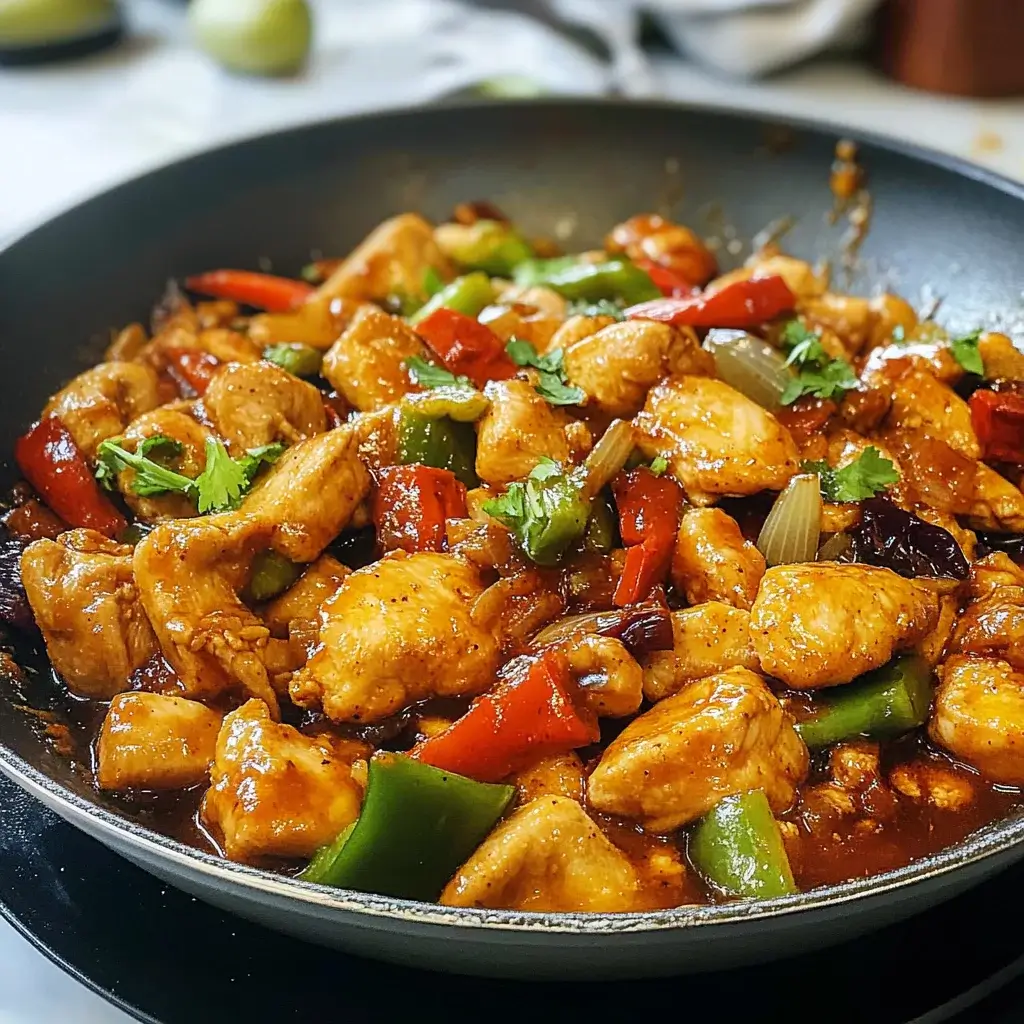
ere in my kitchen, amidst the fragrant chaos of a weeknight dinner, I was craving something bold, something fiery, something that would awaken the taste buds. That’s when I decided to revisit a recipe that had been tucked away in my collection – Spicy Hunan Chicken. Now, I love a bit of heat, but I also wanted something balanced and flavorful, not just overwhelmingly spicy. Let me tell you, this Hunan Chicken recipe delivered on all fronts. The aroma alone, as the garlic, ginger, and chili paste sizzled in the wok, was enough to make my family gather in the kitchen, their eyes wide with anticipation. The chicken was incredibly tender, infused with a savory marinade, and the vegetables were crisp-tender, perfectly coated in a rich, spicy, and slightly tangy sauce. Even my spice-averse teenager, who usually shies away from anything beyond mild, came back for seconds, proclaiming it “surprisingly delicious” (high praise indeed!). This Spicy Hunan Chicken has become a regular in our rotation, not just because it’s incredibly flavorful, but also because it’s surprisingly quick and easy to make. It’s the perfect dish for a weeknight when you want something exciting and satisfying without spending hours in the kitchen. If you’re ready to embark on a culinary adventure that will set your taste buds ablaze (in the best way possible), then get ready to discover the magic of homemade Spicy Hunan Chicken!
Ingredients for Authentic Spicy Hunan Chicken
Crafting truly authentic and mouthwatering Spicy Hunan Chicken hinges on the quality and balance of your ingredients. Hunan cuisine is renowned for its bold flavors, vibrant chilies, and fresh aromatics. To recreate that authentic taste in your kitchen, here’s a detailed breakdown of each ingredient, along with helpful tips, substitutions, and variations:
- Chicken (1.5 lbs boneless, skinless chicken thighs or breasts): The foundation of this dish is, of course, chicken. For the most tender and flavorful results, boneless, skinless chicken thighs are highly recommended. Thigh meat has a higher fat content than chicken breast, which keeps it moist and succulent during stir-frying and stands up well to the bold flavors of the Hunan sauce.
- Chicken Thighs vs. Chicken Breasts: While thighs are preferred, boneless, skinless chicken breasts can also be used. If using breasts, be mindful not to overcook them, as they can become dry. Cut chicken breasts into slightly larger pieces than you would thighs to help them retain moisture.
- Cutting the Chicken: Regardless of whether you choose thighs or breasts, cut the chicken into bite-sized pieces, about 1-inch cubes. Uniformly sized pieces will cook evenly in the stir-fry.
- Chicken Preparation (Optional but Recommended): For extra tender chicken, consider velveting the chicken. This involves marinating the chicken with cornstarch, egg white (optional), and Shaoxing wine or rice wine, then briefly blanching it in hot water or oil before stir-frying. This technique creates a silky smooth texture. For this recipe, a simpler marinade (detailed below) is sufficient for tender and flavorful chicken.
- Vegetables (Assortment of fresh vegetables, about 4-5 cups total, sliced or chopped): Fresh, crisp-tender vegetables are essential for Hunan Chicken, adding texture, flavor, and nutritional value. The beauty of stir-fries is their versatility, so feel free to mix and match your favorite vegetables.
- Classic Hunan Vegetables:
- Bell Peppers (2, any color, sliced): Bell peppers add sweetness and crunch. Red, green, yellow, or orange bell peppers all work well.
- Onions (1 medium, sliced): Yellow or white onions provide a savory base flavor.
- Broccoli Florets (1 head, cut into florets): Broccoli adds a hearty texture and absorbs the sauce beautifully.
- Mushrooms (8 oz, sliced): Shiitake, cremini, or white button mushrooms add an earthy umami flavor.
- Snap Peas or Snow Peas (1 cup): These add a delicate sweetness and a crisp snap.
- Carrots (2 medium, thinly sliced or julienned): Carrots add sweetness and color.
- Other Vegetable Options:
- Celery (2-3 stalks, sliced): Adds a refreshing crunch.
- Baby Corn (1 can, drained and halved): Adds sweetness and a unique texture.
- Water Chestnuts (1 can, drained and sliced): Adds a satisfying crunch.
- Zucchini or Summer Squash (1 medium, sliced): Adds a mild flavor and tender texture.
- Chinese Cabbage (Napa Cabbage) (2 cups, roughly chopped): Adds a mild, slightly sweet flavor and tender texture.
- Vegetable Preparation: Wash and chop all vegetables into bite-sized pieces. Ensure they are relatively uniform in size for even cooking in the stir-fry.
- Classic Hunan Vegetables:
- Aromatics (Fresh ginger, garlic, and scallions – the flavor backbone): Aromatics are crucial for building the complex flavor profile of Hunan Chicken. Freshness is key here.
- Fresh Ginger (2 tablespoons, minced): Ginger adds warmth, spice, and a distinctive aromatic note. Use fresh ginger for the best flavor. Peel the ginger before mincing.
- Fresh Garlic (3-4 cloves, minced): Garlic provides a pungent and savory base flavor. Use fresh garlic for the most robust flavor.
- Scallions (3-4, white and green parts separated and thinly sliced): Scallions add a mild oniony flavor and a fresh, vibrant finish. Separate the white and green parts; the white parts are stir-fried with the aromatics, while the green parts are used as a garnish at the end.
- Hunan Chili Paste (Laoganma Chili Crisp or Doubanjiang – the spice and depth): This is the heart of the “Hunan” flavor and the source of heat. Authentic Hunan cuisine often uses Doubanjiang (fermented broad bean chili paste), but Laoganma Chili Crisp is a popular and readily available alternative that provides a similar level of spice and umami.
- Laoganma Chili Crisp (2-3 tablespoons, or to taste): This chili oil with crispy chili flakes and soybeans adds intense flavor, spice, and texture. Start with 2 tablespoons and add more to taste, depending on your spice preference.
- Doubanjiang (Fermented Broad Bean Chili Paste) (1-2 tablespoons, or to taste): This is a more traditional Hunan chili paste. It is fermented and has a deeper, more complex umami flavor than chili crisp. It can be saltier, so adjust salt accordingly.
- Chili Garlic Sauce (Substitute – for less intense heat): If you prefer a milder dish or cannot find Hunan chili paste, chili garlic sauce (like Sambal Oelek) can be used as a less spicy substitute. You may need to add a touch more soy sauce or umami-rich ingredient if using chili garlic sauce as it lacks the fermented depth of Doubanjiang or Chili Crisp.
- Spice Level Adjustment: Hunan cuisine is known for its spiciness. Adjust the amount of chili paste to your spice tolerance. Start with a smaller amount and add more to taste. Remember, you can always add more spice, but it’s harder to take it away.
- Soy Sauce (3 tablespoons, low-sodium soy sauce preferred): Soy sauce provides saltiness and umami depth to the sauce. Low-sodium soy sauce is recommended to control the overall sodium content.
- Types of Soy Sauce: Light soy sauce is typically used in stir-fries for its saltiness and umami. Dark soy sauce can be added in a small amount for color and a slightly richer flavor, but it’s not essential for this recipe.
- Shaoxing Wine (2 tablespoons, Chinese cooking wine): Shaoxing wine adds a unique depth of flavor and aroma characteristic of Chinese cuisine.
- Substitutes for Shaoxing Wine: If you don’t have Shaoxing wine, dry sherry or dry white wine can be used as substitutes. Chicken broth or rice vinegar can also be used in a pinch, but they will lack the same complexity of flavor.
- Sesame Oil (1 teaspoon, toasted sesame oil): Toasted sesame oil adds a nutty aroma and flavor, used as a finishing oil to enhance the dish. Use toasted sesame oil, as regular sesame oil lacks the same intensity.
- Cornstarch (1 tablespoon): Cornstarch is used to thicken the sauce, creating a glossy and clingy coating for the chicken and vegetables.
- Cornstarch Slurry: Mix the cornstarch with 2 tablespoons of water to create a slurry before adding it to the stir-fry. This prevents clumps from forming.
- Sugar (1 teaspoon, granulated sugar or brown sugar): A touch of sugar balances the savory and spicy flavors, adding a subtle sweetness.
- Sugar Alternatives: Honey or maple syrup can be used as alternatives to granulated sugar, adding a slightly different flavor profile.
- Chicken Broth (1/2 cup, low-sodium chicken broth): Chicken broth adds moisture to the sauce and helps to bring all the flavors together. Low-sodium broth is preferred to control saltiness.
- Broth Variations: Vegetable broth or even water can be used as substitutes for chicken broth if needed.
- Cooking Oil (2-3 tablespoons, high-heat cooking oil): You’ll need a neutral, high-heat cooking oil for stir-frying.
- Suitable Oils: Vegetable oil, canola oil, peanut oil, or avocado oil are all good choices for stir-frying due to their high smoke points. Avoid olive oil, as it has a lower smoke point and can burn at high stir-fry temperatures.
- Optional Ingredients:
- Rice Vinegar (1 teaspoon): A touch of rice vinegar can add a subtle tang and brightness to the sauce.
- White Pepper (Pinch): White pepper adds a delicate heat and earthiness.
- Toasted Sesame Seeds (for garnish): Adds a nutty flavor and visual appeal.
- Roasted Peanuts or Cashews (for garnish): Adds crunch and nutty flavor, although not traditionally Hunan, they are a common addition in Americanized Chinese dishes.
By gathering these high-quality ingredients and understanding their roles in the dish, you are well on your way to creating an authentic and incredibly flavorful Spicy Hunan Chicken that rivals your favorite takeout. Remember to adjust seasonings and spice levels to your personal preferences to make this recipe truly your own!
Step-by-Step Instructions for Making Spicy Hunan Chicken
Now that you have your ingredients prepped and ready, let’s embark on the exciting journey of stir-frying your Spicy Hunan Chicken. Follow these detailed, step-by-step instructions to ensure perfectly cooked chicken, crisp-tender vegetables, and a sauce that is bursting with authentic Hunan flavor:
Step 1: Marinate the Chicken (At least 15-20 minutes, or up to 1 hour)
- Combine Marinade Ingredients: In a medium bowl, combine the bite-sized chicken pieces with 1 tablespoon of soy sauce, 1 tablespoon of Shaoxing wine (or substitute), and 1 teaspoon of cornstarch.
- Marinate the Chicken: Mix well with your hands or a spoon, ensuring the chicken is evenly coated in the marinade. Marinate for at least 15-20 minutes at room temperature, or for up to 1 hour in the refrigerator. Marinating tenderizes the chicken and infuses it with flavor.
Step 2: Prepare Vegetables and Aromatics (While chicken marinates)
- Prepare Vegetables: Wash and chop all your chosen vegetables into bite-sized pieces. Slice bell peppers, onions, mushrooms, carrots, celery, etc. Cut broccoli into florets, snap peas in half, etc. Have them ready to go in bowls, organized for easy access during stir-frying.
- Prepare Aromatics: Mince the fresh ginger and garlic. Thinly slice the scallions, separating the white and green parts. Keep the minced ginger, minced garlic, and white parts of scallions together in a small bowl. Keep the green parts of scallions aside for garnish.
Step 3: Make the Hunan Sauce (Quickly whisk together)
- Whisk Sauce Ingredients: In a small bowl, whisk together the remaining 2 tablespoons of soy sauce, 1 tablespoon of Shaoxing wine (or substitute), 2-3 tablespoons of Hunan chili paste (Laoganma or Doubanjiang), 1 teaspoon of sugar, 1/2 cup of chicken broth, and 1 teaspoon of sesame oil.
- Prepare Cornstarch Slurry: In a separate small bowl, whisk together 1 tablespoon of cornstarch with 2 tablespoons of water until smooth. This is your cornstarch slurry for thickening the sauce. Set aside.
Step 4: Stir-Fry the Chicken (High heat, quick cooking)
- Heat Wok or Skillet: Heat a wok or large skillet over high heat until it is very hot. You’ll know it’s ready when a drop of water evaporates almost instantly.
- Add Cooking Oil: Add 2-3 tablespoons of high-heat cooking oil to the hot wok or skillet. Swirl to coat the bottom and sides.
- Stir-Fry Chicken: Add the marinated chicken to the hot wok in a single layer (work in batches if necessary to avoid overcrowding). Stir-fry the chicken quickly, tossing and stirring constantly, until it is lightly browned and mostly cooked through, about 2-3 minutes. Remove the chicken from the wok and set aside. Don’t worry about cooking it completely at this stage, as it will finish cooking later with the vegetables and sauce.
Step 5: Stir-Fry Aromatics and Vegetables (Building flavor layers)
- Stir-Fry Aromatics: Add another tablespoon of cooking oil to the wok if needed. Add the minced ginger, minced garlic, and white parts of scallions to the hot wok. Stir-fry for about 30 seconds, until fragrant and slightly softened, being careful not to burn the garlic.
- Add Vegetables (in order of cooking time): Add the vegetables that take longer to cook first (like carrots, broccoli stems, onions). Stir-fry for 1-2 minutes. Then add the remaining vegetables (like bell peppers, broccoli florets, mushrooms, snap peas, etc.). Stir-fry for another 2-3 minutes, until the vegetables are crisp-tender – cooked through but still retaining some bite.
Step 6: Combine Chicken, Vegetables, and Sauce (Final stir-fry and thickening)
- Return Chicken to Wok: Return the stir-fried chicken to the wok with the vegetables.
- Pour in Hunan Sauce: Pour the prepared Hunan sauce over the chicken and vegetables. Stir-fry everything together, tossing to coat evenly with the sauce.
- Thicken the Sauce: Give the cornstarch slurry a quick whisk again (as cornstarch settles). Pour the cornstarch slurry into the wok. Stir-fry continuously for about 1-2 minutes, or until the sauce thickens and becomes glossy, coating the chicken and vegetables beautifully.
- Finish with Sesame Oil and Green Scallions: Stir in a final drizzle of sesame oil (about 1/2 teaspoon) for added aroma. Remove from heat and stir in most of the green parts of scallions (reserve some for garnish).
Step 7: Serve and Garnish (Enjoy immediately!)
- Serve Hot: Serve the Spicy Hunan Chicken immediately over hot cooked rice (white rice, brown rice, or jasmine rice) or noodles.
- Garnish: Garnish with the remaining green parts of scallions and, if desired, a sprinkle of toasted sesame seeds or roasted peanuts/cashews for extra texture and visual appeal.
Following these detailed steps will guide you through creating a restaurant-quality Spicy Hunan Chicken right in your own kitchen. Remember to work quickly during the stir-frying process, keep the heat high, and enjoy the vibrant flavors and aromas as they come together. This dish is best enjoyed fresh and hot!
Nutrition Facts for Spicy Hunan Chicken
Understanding the nutritional profile of your Spicy Hunan Chicken can help you make informed choices about your diet. Here’s an estimated breakdown of the nutrition facts per serving, based on this recipe. Please note that these values are approximate and can vary depending on specific ingredients, portion sizes, and cooking methods.
Serving Size: Approximately 1.5 cups (recipe makes about 4-6 servings)
Calories Per Serving (Estimated): 400-500 calories
Approximate Nutritional Breakdown per Serving:
- Protein: 30-40 grams
- Chicken is an excellent source of lean protein, crucial for muscle building, repair, and overall satiety.
- Fat: 20-30 grams
- Fat content can vary based on the type of chicken (thighs have more fat than breasts) and the amount of cooking oil used. A significant portion of this fat can be from healthier unsaturated fats, depending on the oil used.
- Saturated Fat: 5-8 grams
- Saturated fat content is moderate and can be reduced by using leaner chicken (chicken breast) and less cooking oil.
- Cholesterol: 120-150 mg
- Cholesterol comes primarily from the chicken.
- Sodium: 800-1200 mg
- Sodium content can be relatively high due to soy sauce, chili paste, and chicken broth. Using low-sodium soy sauce and broth, and being mindful of chili paste quantity, can help reduce sodium.
- Carbohydrates: 20-30 grams
- Carbohydrates come from vegetables, sauce thickeners (cornstarch), and a small amount of sugar.
- Fiber: 4-6 grams
- Fiber content is contributed by the variety of vegetables, which is beneficial for digestion and satiety.
- Sugar: 5-8 grams
- Sugar content is relatively low and comes from added sugar in the sauce and natural sugars in vegetables.
Vitamins and Minerals (Significant Contributors from Chicken and Vegetables):
- Vitamin C: Bell peppers, broccoli, and other vegetables are rich in Vitamin C, an antioxidant that supports immune function and skin health.
- Vitamin A: Carrots, bell peppers, and broccoli are good sources of Vitamin A, important for vision, immune function, and cell growth.
- B Vitamins: Chicken is a good source of B vitamins, including niacin (B3), pyridoxine (B6), and cobalamin (B12), which are essential for energy metabolism and nerve function.
- Potassium: Many vegetables, like broccoli and bell peppers, contribute potassium, an important electrolyte for blood pressure regulation and muscle function.
- Iron: Chicken provides iron, essential for red blood cell formation and oxygen transport.
- Antioxidants and Phytonutrients: The variety of colorful vegetables provides various antioxidants and phytonutrients, which have numerous health-protective benefits.
Health Benefits of Spicy Hunan Chicken:
- High in Protein: Supports muscle health, satiety, and metabolic function.
- Rich in Vegetables: Provides essential vitamins, minerals, fiber, and antioxidants.
- Spicy Ingredients: Chili peppers contain capsaicin, which may have metabolism-boosting and anti-inflammatory properties.
- Relatively Balanced Meal: When served with rice, it provides a balance of protein, carbohydrates, and healthy fats.
Tips for Making Spicy Hunan Chicken Healthier:
- Use Lean Chicken Breast: Reduce fat and calorie content by using boneless, skinless chicken breast instead of thighs.
- Increase Vegetables: Add more vegetables and reduce the amount of chicken to increase fiber, vitamins, and minerals while lowering calorie density.
- Use Low-Sodium Ingredients: Opt for low-sodium soy sauce and chicken broth to reduce sodium intake.
- Control Cooking Oil: Use minimal cooking oil and ensure your wok or skillet is hot enough to prevent sticking, minimizing oil absorption.
- Reduce Sugar: Decrease or eliminate added sugar in the sauce or use natural sweeteners like stevia or monk fruit in very small amounts.
- Serve with Brown Rice or Quinoa: Choose brown rice or quinoa instead of white rice for added fiber and nutrients.
- Bake or Air Fry Chicken (Velveting Method): For a lower-fat option, you can velvet the chicken and then bake or air fry it until cooked through instead of stir-frying in oil before adding it to the vegetables and sauce.
By making mindful ingredient choices and cooking adjustments, you can enjoy a delicious and healthier version of Spicy Hunan Chicken that fits your dietary needs and health goals. Remember to adjust portion sizes as well to manage calorie intake effectively.
Preparation Time for Spicy Hunan Chicken
One of the appeals of stir-fries like Spicy Hunan Chicken is their relatively quick preparation time, making them ideal for weeknight meals. Here’s a breakdown of the time involved:
Total Preparation Time: Approximately 30-45 minutes
- Prep Time (Chopping, Marinating, Sauce Making): 20-30 minutes
- This includes washing and chopping vegetables, mincing aromatics (ginger, garlic, scallions), cutting the chicken, preparing the marinade, and whisking together the sauce ingredients.
- Chopping vegetables is the most time-consuming part of the prep. Knife skills and efficiency in the kitchen will influence this time.
- Marinating time is included within the prep time, though it’s mostly passive time where you can do other tasks.
- Cook Time (Stir-Frying): 10-15 minutes
- The actual stir-frying process is quick, taking only about 10-15 minutes from heating the wok to finishing the dish.
- Stir-frying is done at high heat and requires constant stirring, so it’s an active cooking time.
Total Time from Start to Finish: Approximately 30-45 minutes
Time-Saving Tips:
- Pre-Chopped Vegetables: Purchase pre-chopped vegetables from the grocery store (like pre-cut bell peppers, onions, broccoli florets, etc.) to significantly reduce chopping time.
- Marinate Chicken Quickly: While longer marinating times enhance flavor, even a 15-20 minute marinade will make a noticeable difference. If very short on time, you can even skip the marinade, though it’s recommended for better flavor and texture.
- Make Sauce Ahead: The Hunan sauce can be prepared up to a day or two in advance and stored in the refrigerator. This step can be done during meal prep on a less busy day.
- Efficient Workflow (Mise en Place): Practice mise en place – having all your ingredients prepped, measured, and organized before you start cooking. This greatly streamlines the stir-frying process. Have chopped vegetables, aromatics, sauce, and marinated chicken ready to go in separate bowls near your cooking station.
- Use Kitchen Gadgets: Utilize kitchen gadgets like food processors (for chopping vegetables in bulk) or garlic presses to speed up prep work.
- Cook Rice/Noodles Simultaneously: Start cooking your rice or noodles while you are prepping the stir-fry ingredients so they are ready to serve as soon as the Hunan Chicken is cooked.
Spicy Hunan Chicken is a fantastic choice when you want a flavorful and satisfying meal without spending hours in the kitchen. With efficient prep and quick stir-frying, it’s a perfect weeknight dinner option that’s much faster than ordering takeout.
How to Serve Spicy Hunan Chicken
Spicy Hunan Chicken is incredibly versatile and can be served in a variety of ways, catering to different preferences and occasions. Here are some delicious serving suggestions to maximize your enjoyment of this flavorful dish:
Classic Serving Ideas:
- Over Rice: The most traditional and common way to serve Hunan Chicken is over a bed of steamed rice. White rice, brown rice, jasmine rice, or basmati rice all work well. The rice soaks up the delicious Hunan sauce perfectly.
- With Noodles: Serve Hunan Chicken with noodles for a different texture and experience. Lo mein noodles, chow mein noodles, or even simple spaghetti or linguine can be used. Toss the noodles lightly with sesame oil or soy sauce before topping with the Hunan Chicken.
- Family Style with Rice and Sides: For a larger meal, serve Hunan Chicken family-style with a large bowl of rice in the center of the table, and other Chinese side dishes (see side dish suggestions below) for a complete and satisfying feast.
Creative Serving Ideas:
- Hunan Chicken Lettuce Wraps: For a lighter and carb-conscious option, serve the Hunan Chicken in lettuce wraps. Use crisp lettuce cups (like iceberg or butter lettuce) and fill them with the stir-fry. Add toppings like chopped peanuts, cilantro, and extra chili crisp for extra flavor and texture.
- Hunan Chicken Bowls: Create customizable bowls by serving Hunan Chicken over a base of quinoa, brown rice, or cauliflower rice. Add other bowl components like avocado slices, edamame, pickled vegetables, kimchi, or a fried egg for a complete and nutritious meal.
- Hunan Chicken Stir-Fry Salad: Let the Hunan Chicken cool slightly and then toss it with a bed of mixed greens, shredded cabbage, carrots, and a light vinaigrette dressing for a flavorful stir-fry salad.
- Hunan Chicken Tacos or Burritos: Get creative and use Hunan Chicken as a filling for tacos or burritos. Add toppings like salsa, guacamole, sour cream, and cheese for a fusion twist.
- Hunan Chicken Sandwiches or Sliders: Shred the Hunan Chicken and use it as a filling for sandwiches or sliders. Serve on toasted buns or rolls with coleslaw or pickled vegetables.
Side Dish Suggestions (Complementing Hunan Chicken):
- Vegetable Sides:
- Steamed or stir-fried bok choy or gai lan (Chinese broccoli)
- Garlic green beans
- Stir-fried snow peas or snap peas
- Cucumber salad with sesame oil and vinegar
- Edamame (steamed or pan-fried)
- Asian slaw (cabbage slaw with Asian dressing)
- Appetizers:
- Spring rolls or egg rolls
- Potstickers or dumplings (pan-fried or steamed)
- Wontons (fried or in soup)
- Crab Rangoon
- Chicken lettuce wraps (as an appetizer version)
- Soups:
- Wonton soup
- Egg drop soup
- Hot and sour soup (for those who want even more spice!)
- Miso soup (for a lighter option)
Sauce Pairings and Condiments:
- Extra Chili Crisp or Chili Oil: For those who crave extra heat, serve with extra Laoganma Chili Crisp or chili oil on the side.
- Soy Sauce: Offer soy sauce at the table for those who prefer a saltier flavor.
- Rice Vinegar: A drizzle of rice vinegar can add brightness and tang.
- Sesame Oil: A touch more sesame oil can enhance the nutty aroma.
- Dipping Sauces: Consider serving with dipping sauces like:
- Sweet chili sauce
- Hoisin sauce
- Peanut sauce
- Ginger-scallion sauce
No matter how you choose to serve it, Spicy Hunan Chicken is a flavorful and satisfying dish that is sure to be a hit. Explore these serving suggestions and find your favorite way to enjoy this classic Chinese stir-fry!
Additional Tips for Perfect Spicy Hunan Chicken
While the recipe for Spicy Hunan Chicken is relatively straightforward, a few key tips can elevate your dish from good to exceptional. Here are five additional tips to help you achieve restaurant-quality results every time:
- High Heat is Crucial for Stir-Frying (Wok Hei): Authentic stir-fries are cooked over very high heat, which creates a slightly smoky, charred flavor known as “wok hei.” Use the highest heat setting on your stovetop. If using an electric stove, give your skillet or wok ample time to preheat. A wok is ideal for stir-frying because its shape allows for even heat distribution and quick cooking, but a large skillet will also work. The high heat ensures that the vegetables remain crisp-tender and the chicken cooks quickly without becoming dry.
- Mise en Place – Prepare Everything Before You Start Cooking: Stir-frying is a fast-paced cooking method. Once you start cooking, things move quickly. Having all your ingredients prepped, measured, and organized before you turn on the heat is essential for a smooth and successful stir-fry. This includes chopping all vegetables, mincing aromatics, marinating chicken, and whisking together the sauce. Mise en place prevents you from scrambling for ingredients while other components are cooking and ensures nothing burns or overcooks.
- Don’t Overcrowd the Wok/Skillet – Cook in Batches if Necessary: Overcrowding the wok or skillet will lower the temperature and cause the ingredients to steam instead of stir-fry. Steaming results in
- Taste and Adjust Seasonings at the End: Always taste the Hunan Chicken sauce at the end of cooking and adjust the seasonings to your personal preference. You may want to add more chili paste for extra spice, a splash of soy sauce for more saltiness, a touch of sugar for sweetness balance, or a drizzle of sesame oil for aroma. Taste and adjust until the flavor profile is perfectly balanced to your liking. Remember that flavors can evolve during cooking, so final seasoning adjustments are critical for achieving the best taste.
- Serve Immediately for Best Quality: Stir-fries are best enjoyed immediately after cooking. Freshly cooked Hunan Chicken will have the best texture and flavor – the chicken will be tender, the vegetables will be crisp-tender, and the sauce will be glossy and vibrant. If you let it sit for too long, the vegetables can become soggy, and the sauce may lose its glossy sheen. If you must prepare it slightly ahead, keep it warm in a low oven (around 200°F or 95°C) for a short period, but ideally, serve it straight from the wok to the table for the optimal dining experience.
By incorporating these additional tips into your cooking process, you’ll be well-equipped to create Spicy Hunan Chicken that is not only delicious and flavorful but also boasts the perfect stir-fry texture and authentic taste. These details are what truly elevate a homemade dish to restaurant quality!
Frequently Asked Questions About Spicy Hunan Chicken (FAQ)
As you prepare to embark on making Spicy Hunan Chicken, it’s natural to have some questions. Here are answers to five frequently asked questions to help you confidently navigate the recipe and achieve delicious results:
Q1: What is the difference between Hunan Chicken and Szechuan Chicken?
A: While both Hunan and Szechuan cuisines are known for being spicy, there are distinct differences in their flavor profiles and cooking styles.
- Hunan Chicken: Typically features a bolder, more fiery heat that comes from fresh chili peppers and chili pastes. Hunan dishes often emphasize smoky, sour, and fresh chili flavors. They tend to use less sugar and have a cleaner, brighter spiciness. Hunan cuisine often uses fresh ingredients and is known for its direct, pungent flavors.
- Szechuan Chicken: Is characterized by a complex, numbing spiciness from Szechuan peppercorns, in addition to chili peppers. Szechuan dishes often have a “ma la” flavor profile – numbing and spicy – and may include fermented black beans, which add a savory umami depth. Szechuan cuisine can be oilier and richer, with a deeper, more layered spiciness.
In essence, Hunan chicken is generally known for its straightforward, fiery heat and fresh chili flavors, while Szechuan chicken is known for its complex, numbing, and often more savory and layered spiciness. This Spicy Hunan Chicken recipe focuses on the characteristic bold, fresh chili heat of Hunan cuisine.
Q2: Can I adjust the spice level of this Hunan Chicken recipe?
A: Absolutely! Adjusting the spice level is easy and encouraged to suit your personal preference and spice tolerance.
- To Reduce Spice: Start with a smaller amount of Hunan chili paste (like 1-1.5 tablespoons instead of 2-3). You can always add more later if needed. Remove the seeds from any fresh chili peppers you might add (though this recipe primarily relies on chili paste for heat). You can also increase the amount of chicken broth in the sauce to dilute the spiciness slightly.
- To Increase Spice: Add more Hunan chili paste to the sauce. Include finely chopped fresh chili peppers (like Thai bird chilies or Serrano peppers) to the stir-fry along with the aromatics. Add a pinch of red pepper flakes to the sauce for an extra kick. Serve with extra chili oil or chili crisp on the side for those who want even more heat.
Remember, it’s always easier to add more spice than to take it away. Start with a moderate amount of chili paste and taste as you go, adjusting to your desired level of heat.
Q3: Can I substitute the Hunan chili paste (Laoganma or Doubanjiang) with something else?
A: While Laoganma Chili Crisp and Doubanjiang are preferred for authentic Hunan flavor, you can use substitutes if necessary, though the flavor profile will be slightly different.
- Chili Garlic Sauce (Sambal Oelek): This is a readily available and less spicy substitute. It will provide chili flavor and some heat, but it lacks the same depth and umami as Hunan chili pastes. You might need to add a touch more soy sauce or a pinch of sugar to balance the flavor.
- Gochujang (Korean Chili Paste): Gochujang is fermented and has a savory, spicy, and slightly sweet flavor. It can be used as a substitute, but it will impart a Korean flavor profile rather than a purely Hunan one.
- Sriracha: Sriracha will primarily add heat and a vinegary tang. It lacks the depth and complexity of Hunan chili pastes. You would definitely need to adjust other seasonings if using Sriracha.
- Homemade Chili Oil with Chili Flakes: You can make your own chili oil by heating oil and pouring it over chili flakes. This will provide some spice and chili flavor, but it won’t have the fermented depth of Doubanjiang or the crispy texture of Laoganma Chili Crisp.
For the most authentic Hunan flavor, try to find Laoganma Chili Crisp or Doubanjiang at Asian grocery stores or online. However, if substitutes are needed, chili garlic sauce is generally the closest and most accessible option.
Q4: Can I make Hunan Chicken vegetarian or vegan?
A: Yes, you can easily adapt this recipe to be vegetarian or vegan.
- Substitute Chicken: Replace the chicken with firm or extra-firm tofu (pressed and cubed), tempeh (cubed), or a plant-based chicken substitute (like seitan or soy curls). Tofu and tempeh can be marinated similarly to chicken for extra flavor.
- Vegetables: Increase the variety and quantity of vegetables to make the dish more substantial. Consider adding more protein-rich vegetables like edamame or snow peas.
- Vegan Sauce Adjustments: Ensure all sauce ingredients are vegan. Soy sauce and Shaoxing wine are generally vegan-friendly (check labels). Use vegetable broth instead of chicken broth.
- Flavor Enhancements: To maintain the umami depth that chicken provides, consider adding a small amount of mushroom soy sauce or a few drops of liquid aminos to the sauce.
With these substitutions, you can enjoy a delicious and spicy vegetarian or vegan version of Hunan Chicken that is packed with flavor and vegetables.
Q5: How do I store and reheat leftover Hunan Chicken?
A: Proper storage and reheating will help maintain the quality and flavor of your leftover Hunan Chicken.
- Storage: Allow the Hunan Chicken to cool completely after cooking. Transfer it to an airtight container and store it in the refrigerator for up to 3-4 days.
- Reheating Methods:
- Skillet/Wok: Reheat in a skillet or wok over medium heat. Add a tablespoon of water or broth to help prevent drying out and to loosen the sauce. Stir-fry until heated through, about 5-10 minutes. This method helps retain some of the stir-fry texture.
- Microwave: Reheat in the microwave on medium power in 1-2 minute intervals, stirring in between, until heated through. Microwaving is quick but may make the vegetables slightly softer.
- Oven: Preheat oven to 350°F (175°C). Spread the Hunan Chicken in a baking dish and cover with foil. Bake for 15-20 minutes, or until heated through. The oven method is good for larger quantities and helps prevent drying out.
- Air Fryer: For a slightly crispier reheat, you can try air frying at 350°F (175°C) for about 5-7 minutes, checking frequently to avoid over-drying.
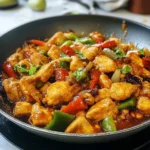
Spicy Hunan Chicken Recipe
Ingredients
- Chicken (1.5 lbs boneless, skinless chicken thighs or breasts): The foundation of this dish is, of course, chicken. For the most tender and flavorful results, boneless, skinless chicken thighs are highly recommended. Thigh meat has a higher fat content than chicken breast, which keeps it moist and succulent during stir-frying and stands up well to the bold flavors of the Hunan sauce.
- Chicken Thighs vs. Chicken Breasts: While thighs are preferred, boneless, skinless chicken breasts can also be used. If using breasts, be mindful not to overcook them, as they can become dry. Cut chicken breasts into slightly larger pieces than you would thighs to help them retain moisture.
- Cutting the Chicken: Regardless of whether you choose thighs or breasts, cut the chicken into bite-sized pieces, about 1-inch cubes. Uniformly sized pieces will cook evenly in the stir-fry.
- Chicken Preparation (Optional but Recommended): For extra tender chicken, consider velveting the chicken. This involves marinating the chicken with cornstarch, egg white (optional), and Shaoxing wine or rice wine, then briefly blanching it in hot water or oil before stir-frying. This technique creates a silky smooth texture. For this recipe, a simpler marinade (detailed below) is sufficient for tender and flavorful chicken.
- Vegetables (Assortment of fresh vegetables, about 4-5 cups total, sliced or chopped): Fresh, crisp-tender vegetables are essential for Hunan Chicken, adding texture, flavor, and nutritional value. The beauty of stir-fries is their versatility, so feel free to mix and match your favorite vegetables.
- Classic Hunan Vegetables:
- Bell Peppers (2, any color, sliced): Bell peppers add sweetness and crunch. Red, green, yellow, or orange bell peppers all work well.
- Onions (1 medium, sliced): Yellow or white onions provide a savory base flavor.
- Broccoli Florets (1 head, cut into florets): Broccoli adds a hearty texture and absorbs the sauce beautifully.
- Mushrooms (8 oz, sliced): Shiitake, cremini, or white button mushrooms add an earthy umami flavor.
- Snap Peas or Snow Peas (1 cup): These add a delicate sweetness and a crisp snap.
- Carrots (2 medium, thinly sliced or julienned): Carrots add sweetness and color.
- Other Vegetable Options:
- Celery (2-3 stalks, sliced): Adds a refreshing crunch.
- Baby Corn (1 can, drained and halved): Adds sweetness and a unique texture.
- Water Chestnuts (1 can, drained and sliced): Adds a satisfying crunch.
- Zucchini or Summer Squash (1 medium, sliced): Adds a mild flavor and tender texture.
- Chinese Cabbage (Napa Cabbage) (2 cups, roughly chopped): Adds a mild, slightly sweet flavor and tender texture.
- Vegetable Preparation: Wash and chop all vegetables into bite-sized pieces. Ensure they are relatively uniform in size for even cooking in the stir-fry.
- Classic Hunan Vegetables:
- Aromatics (Fresh ginger, garlic, and scallions – the flavor backbone): Aromatics are crucial for building the complex flavor profile of Hunan Chicken. Freshness is key here.
- Fresh Ginger (2 tablespoons, minced): Ginger adds warmth, spice, and a distinctive aromatic note. Use fresh ginger for the best flavor. Peel the ginger before mincing.
- Fresh Garlic (3-4 cloves, minced): Garlic provides a pungent and savory base flavor. Use fresh garlic for the most robust flavor.
- Scallions (3-4, white and green parts separated and thinly sliced): Scallions add a mild oniony flavor and a fresh, vibrant finish. Separate the white and green parts; the white parts are stir-fried with the aromatics, while the green parts are used as a garnish at the end.
- Hunan Chili Paste (Laoganma Chili Crisp or Doubanjiang – the spice and depth): This is the heart of the “Hunan” flavor and the source of heat. Authentic Hunan cuisine often uses Doubanjiang (fermented broad bean chili paste), but Laoganma Chili Crisp is a popular and readily available alternative that provides a similar level of spice and umami.
- Laoganma Chili Crisp (2-3 tablespoons, or to taste): This chili oil with crispy chili flakes and soybeans adds intense flavor, spice, and texture. Start with 2 tablespoons and add more to taste, depending on your spice preference.
- Doubanjiang (Fermented Broad Bean Chili Paste) (1-2 tablespoons, or to taste): This is a more traditional Hunan chili paste. It is fermented and has a deeper, more complex umami flavor than chili crisp. It can be saltier, so adjust salt accordingly.
- Chili Garlic Sauce (Substitute – for less intense heat): If you prefer a milder dish or cannot find Hunan chili paste, chili garlic sauce (like Sambal Oelek) can be used as a less spicy substitute. You may need to add a touch more soy sauce or umami-rich ingredient if using chili garlic sauce as it lacks the fermented depth of Doubanjiang or Chili Crisp.
- Spice Level Adjustment: Hunan cuisine is known for its spiciness. Adjust the amount of chili paste to your spice tolerance. Start with a smaller amount and add more to taste. Remember, you can always add more spice, but it’s harder to take it away.
- Soy Sauce (3 tablespoons, low-sodium soy sauce preferred): Soy sauce provides saltiness and umami depth to the sauce. Low-sodium soy sauce is recommended to control the overall sodium content.
- Types of Soy Sauce: Light soy sauce is typically used in stir-fries for its saltiness and umami. Dark soy sauce can be added in a small amount for color and a slightly richer flavor, but it’s not essential for this recipe.
- Shaoxing Wine (2 tablespoons, Chinese cooking wine): Shaoxing wine adds a unique depth of flavor and aroma characteristic of Chinese cuisine.
- Substitutes for Shaoxing Wine: If you don’t have Shaoxing wine, dry sherry or dry white wine can be used as substitutes. Chicken broth or rice vinegar can also be used in a pinch, but they will lack the same complexity of flavor.
- Sesame Oil (1 teaspoon, toasted sesame oil): Toasted sesame oil adds a nutty aroma and flavor, used as a finishing oil to enhance the dish. Use toasted sesame oil, as regular sesame oil lacks the same intensity.
- Cornstarch (1 tablespoon): Cornstarch is used to thicken the sauce, creating a glossy and clingy coating for the chicken and vegetables.
- Cornstarch Slurry: Mix the cornstarch with 2 tablespoons of water to create a slurry before adding it to the stir-fry. This prevents clumps from forming.
- Sugar (1 teaspoon, granulated sugar or brown sugar): A touch of sugar balances the savory and spicy flavors, adding a subtle sweetness.
- Sugar Alternatives: Honey or maple syrup can be used as alternatives to granulated sugar, adding a slightly different flavor profile.
- Chicken Broth (1/2 cup, low-sodium chicken broth): Chicken broth adds moisture to the sauce and helps to bring all the flavors together. Low-sodium broth is preferred to control saltiness.
- Broth Variations: Vegetable broth or even water can be used as substitutes for chicken broth if needed.
- Cooking Oil (2-3 tablespoons, high-heat cooking oil): You’ll need a neutral, high-heat cooking oil for stir-frying.
- Suitable Oils: Vegetable oil, canola oil, peanut oil, or avocado oil are all good choices for stir-frying due to their high smoke points. Avoid olive oil, as it has a lower smoke point and can burn at high stir-fry temperatures.
- Optional Ingredients:
- Rice Vinegar (1 teaspoon): A touch of rice vinegar can add a subtle tang and brightness to the sauce.
- White Pepper (Pinch): White pepper adds a delicate heat and earthiness.
- Toasted Sesame Seeds (for garnish): Adds a nutty flavor and visual appeal.
- Roasted Peanuts or Cashews (for garnish): Adds crunch and nutty flavor, although not traditionally Hunan, they are a common addition in Americanized Chinese dishes.
Instructions
Step 1: Marinate the Chicken (At least 15-20 minutes, or up to 1 hour)
- Combine Marinade Ingredients: In a medium bowl, combine the bite-sized chicken pieces with 1 tablespoon of soy sauce, 1 tablespoon of Shaoxing wine (or substitute), and 1 teaspoon of cornstarch.
- Marinate the Chicken: Mix well with your hands or a spoon, ensuring the chicken is evenly coated in the marinade. Marinate for at least 15-20 minutes at room temperature, or for up to 1 hour in the refrigerator. Marinating tenderizes the chicken and infuses it with flavor.
Step 2: Prepare Vegetables and Aromatics (While chicken marinates)
- Prepare Vegetables: Wash and chop all your chosen vegetables into bite-sized pieces. Slice bell peppers, onions, mushrooms, carrots, celery, etc. Cut broccoli into florets, snap peas in half, etc. Have them ready to go in bowls, organized for easy access during stir-frying.
- Prepare Aromatics: Mince the fresh ginger and garlic. Thinly slice the scallions, separating the white and green parts. Keep the minced ginger, minced garlic, and white parts of scallions together in a small bowl. Keep the green parts of scallions aside for garnish.
Step 3: Make the Hunan Sauce (Quickly whisk together)
- Whisk Sauce Ingredients: In a small bowl, whisk together the remaining 2 tablespoons of soy sauce, 1 tablespoon of Shaoxing wine (or substitute), 2-3 tablespoons of Hunan chili paste (Laoganma or Doubanjiang), 1 teaspoon of sugar, 1/2 cup of chicken broth, and 1 teaspoon of sesame oil.
- Prepare Cornstarch Slurry: In a separate small bowl, whisk together 1 tablespoon of cornstarch with 2 tablespoons of water until smooth. This is your cornstarch slurry for thickening the sauce. Set aside.
Step 4: Stir-Fry the Chicken (High heat, quick cooking)
- Heat Wok or Skillet: Heat a wok or large skillet over high heat until it is very hot. You’ll know it’s ready when a drop of water evaporates almost instantly.
- Add Cooking Oil: Add 2-3 tablespoons of high-heat cooking oil to the hot wok or skillet. Swirl to coat the bottom and sides.
- Stir-Fry Chicken: Add the marinated chicken to the hot wok in a single layer (work in batches if necessary to avoid overcrowding). Stir-fry the chicken quickly, tossing and stirring constantly, until it is lightly browned and mostly cooked through, about 2-3 minutes. Remove the chicken from the wok and set aside. Don’t worry about cooking it completely at this stage, as it will finish cooking later with the vegetables and sauce.
Step 5: Stir-Fry Aromatics and Vegetables (Building flavor layers)
- Stir-Fry Aromatics: Add another tablespoon of cooking oil to the wok if needed. Add the minced ginger, minced garlic, and white parts of scallions to the hot wok. Stir-fry for about 30 seconds, until fragrant and slightly softened, being careful not to burn the garlic.
- Add Vegetables (in order of cooking time): Add the vegetables that take longer to cook first (like carrots, broccoli stems, onions). Stir-fry for 1-2 minutes. Then add the remaining vegetables (like bell peppers, broccoli florets, mushrooms, snap peas, etc.). Stir-fry for another 2-3 minutes, until the vegetables are crisp-tender – cooked through but still retaining some bite.
Step 6: Combine Chicken, Vegetables, and Sauce (Final stir-fry and thickening)
- Return Chicken to Wok: Return the stir-fried chicken to the wok with the vegetables.
- Pour in Hunan Sauce: Pour the prepared Hunan sauce over the chicken and vegetables. Stir-fry everything together, tossing to coat evenly with the sauce.
- Thicken the Sauce: Give the cornstarch slurry a quick whisk again (as cornstarch settles). Pour the cornstarch slurry into the wok. Stir-fry continuously for about 1-2 minutes, or until the sauce thickens and becomes glossy, coating the chicken and vegetables beautifully.
- Finish with Sesame Oil and Green Scallions: Stir in a final drizzle of sesame oil (about 1/2 teaspoon) for added aroma. Remove from heat and stir in most of the green parts of scallions (reserve some for garnish).
Step 7: Serve and Garnish (Enjoy immediately!)
- Serve Hot: Serve the Spicy Hunan Chicken immediately over hot cooked rice (white rice, brown rice, or jasmine rice) or noodles.
- Garnish: Garnish with the remaining green parts of scallions and, if desired, a sprinkle of toasted sesame seeds or roasted peanuts/cashews for extra texture and visual appeal.
Nutrition
- Serving Size: one normal portion
- Calories: 400-500
- Sugar: 5-8 grams
- Sodium: 800-1200 mg
- Fat: 30-40 grams
- Saturated Fat: 5-8 grams
- Carbohydrates: 20-30 grams
- Fiber: 4-6 grams
- Protein: 30-40 grams
- Cholesterol: 120-150 mg