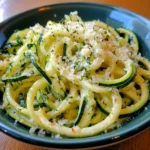



There’s a certain joy in discovering a dish that’s both incredibly healthy and utterly delicious, and this Spaghetti Squash Noodles with Roasted Vegetables recipe is exactly that. In my own kitchen, it’s become a weeknight staple, a comforting and vibrant meal that I turn to again and again. I remember the first time I roasted spaghetti squash – I was amazed at how it transformed into these beautiful, noodle-like strands, naturally sweet and subtly nutty. Paired with the caramelized sweetness of roasted vegetables and a simple, flavorful dressing, it was a revelation. Even my kids, who are usually skeptical of anything “too healthy,” eagerly devour this dish. It’s a testament to how naturally flavorful vegetables can be when prepared right. This isn’t just a side dish; it’s a complete, satisfying, and nourishing meal that’s perfect for anyone looking to eat healthier without sacrificing taste. Whether you are vegetarian, vegan, gluten-free, or simply seeking a delicious and wholesome dinner, this Spaghetti Squash Noodles with Roasted Vegetables recipe is guaranteed to become a new favorite in your rotation.
Ingredients
Creating a vibrant and flavorful Spaghetti Squash Noodles with Roasted Vegetables dish starts with selecting fresh, high-quality ingredients. Each vegetable and seasoning plays a crucial role in building layers of flavor and texture. Let’s delve into each ingredient, exploring their importance and offering suggestions for customization to make this recipe your own.
- Spaghetti Squash: The star of the show, spaghetti squash provides the base for our noodle-like strands, offering a naturally sweet and subtly nutty flavor, along with a satisfying texture. Choose a mature spaghetti squash that feels heavy for its size and has a hard, smooth rind. Avoid squashes with soft spots or blemishes. You’ll need 1 medium-sized spaghetti squash (about 2-3 pounds). Look for squashes that are uniformly pale yellow in color, indicating ripeness.
- Assorted Vegetables for Roasting: The beauty of this recipe lies in its versatility – you can use a wide variety of vegetables for roasting, creating a rainbow of colors, flavors, and textures. Aim for a mix of root vegetables, cruciferous vegetables, and other favorites. Some excellent choices include:
- Bell Peppers: Choose 2-3 bell peppers of different colors (red, yellow, orange) for sweetness and visual appeal. They roast beautifully, becoming slightly sweet and tender.
- Red Onion: 1 large red onion adds a pungent and slightly sweet flavor when roasted. It caramelizes beautifully, adding depth to the dish.
- Broccoli Florets: 1 large head of broccoli, cut into florets, provides a slightly bitter and earthy flavor that balances the sweetness of other vegetables. Broccoli roasts to a tender-crisp texture.
- Carrots: 2-3 large carrots, peeled and chopped into rounds or sticks, add sweetness and a vibrant orange color. Carrots become tender and slightly caramelized when roasted.
- Zucchini or Yellow Squash: 2 medium zucchini or yellow squash, chopped, offer a mild flavor and tender texture. They roast quickly and add moisture to the vegetable mix.
- Cherry Tomatoes: 1 pint of cherry tomatoes (or grape tomatoes) burst in the oven, releasing their sweet and tangy juices. They add a burst of freshness and acidity.
- Mushrooms: 8 ounces of mushrooms (cremini, button, or a mix), sliced or quartered, add an earthy and umami-rich flavor. Mushrooms become tender and slightly browned when roasted.
- Eggplant: 1 small eggplant, cubed, provides a meaty texture and mild flavor that absorbs other flavors well. Eggplant roasts to a soft and creamy texture.
- Sweet Potatoes or Butternut Squash: For added sweetness and heartiness, you can include cubed sweet potatoes or butternut squash. Adjust roasting times accordingly as they may take longer to cook.
- Olive Oil: Olive oil is essential for roasting vegetables, helping them to caramelize and develop flavor, as well as preventing them from drying out. Extra virgin olive oil is recommended for its superior flavor and health benefits, but regular olive oil can also be used. You’ll need about 4-5 tablespoons of olive oil, divided between roasting vegetables and dressing the spaghetti squash.
- Garlic: Garlic adds a pungent and aromatic base flavor to both the roasted vegetables and the dressing, enhancing the overall savory notes of the dish. Fresh garlic is preferred for the best flavor. You’ll need about 4-5 cloves of garlic, minced or pressed – some for roasting with the vegetables, and some for the dressing. Garlic powder can be used as a substitute in a pinch, but fresh garlic is highly recommended.
- Fresh Herbs (Optional but Recommended): Fresh herbs elevate the flavor of roasted vegetables and spaghetti squash, adding brightness and complexity. Excellent choices include:
- Rosemary: 1-2 sprigs of fresh rosemary (or 1 teaspoon dried rosemary) adds a piney and earthy aroma that pairs beautifully with roasted vegetables.
- Thyme: 2-3 sprigs of fresh thyme (or 1 teaspoon dried thyme) provides a subtle earthy and slightly minty flavor.
- Oregano: 1-2 teaspoons of fresh oregano (or ½ teaspoon dried oregano) adds a slightly pungent and peppery flavor, especially good with Mediterranean-style vegetables.
- Basil: Fresh basil leaves, chopped and added after roasting, provide a sweet and aromatic finish.
- Parsley: Fresh parsley, chopped and used as a garnish, adds freshness and a clean, herbaceous note.
- Balsamic Vinegar (for Dressing): Balsamic vinegar adds a touch of sweetness and acidity to the dressing, balancing the savory flavors and enhancing the natural sweetness of the roasted vegetables and spaghetti squash. Good quality balsamic vinegar is recommended for the best flavor. You’ll need about 2-3 tablespoons of balsamic vinegar.
- Lemon Juice (for Dressing): Fresh lemon juice adds brightness and acidity to the dressing, complementing the balsamic vinegar and adding a zesty note. Freshly squeezed lemon juice is preferred for the best flavor. You’ll need about 1-2 tablespoons of fresh lemon juice.
- Maple Syrup or Honey (Optional, for Dressing): A touch of maple syrup or honey can be added to the dressing to enhance the sweetness and balance the acidity, especially if using balsamic vinegar that is less sweet. This is optional and can be adjusted to your taste. You’ll need about ½ – 1 teaspoon of maple syrup or honey (or other sweetener like agave or a pinch of sugar). For a vegan option, ensure you use maple syrup or agave.
- Red Pepper Flakes (Optional, for Dressing): A pinch of red pepper flakes adds a subtle hint of heat to the dressing, providing a pleasant contrast to the sweetness and savory flavors. This is optional and can be omitted or adjusted to your spice preference. You’ll need just a pinch of red pepper flakes.
- Salt and Black Pepper: Essential seasonings to enhance all the flavors in the dish. Kosher salt or sea salt is recommended. Freshly ground black pepper provides the best flavor. Season to taste throughout the cooking process, both for the vegetables before roasting and in the dressing.
By using these fresh, high-quality ingredients and understanding their roles, you’re well on your way to creating a vibrant, flavorful, and healthy Spaghetti Squash Noodles with Roasted Vegetables dish. Feel free to customize the vegetable mix and seasonings to your liking to make this recipe your own!
Instructions
Creating delicious and nutritious Spaghetti Squash Noodles with Roasted Vegetables is a straightforward process. Follow these detailed, step-by-step instructions to achieve perfectly roasted vegetables and tender spaghetti squash noodles every time.
- Prepare the Spaghetti Squash: Preheat oven to 400°F (200°C). Carefully halve the spaghetti squash lengthwise using a sharp knife. Scoop out and discard the seeds and stringy pulp from both halves. Drizzle the cut sides of the squash with 1-2 tablespoons of olive oil and season generously with salt and black pepper. Place the squash halves cut-side down on a baking sheet.
- Roast the Spaghetti Squash: Roast the spaghetti squash in the preheated oven for 40-50 minutes, or until the squash is tender and the flesh can be easily pierced with a fork. Roasting time will vary depending on the size of your squash. You should be able to easily scoop out the flesh when it’s done.
- Prepare the Vegetables for Roasting: While the spaghetti squash is roasting, prepare your chosen vegetables. Wash and chop all vegetables into roughly similar-sized pieces (about 1-inch pieces for root vegetables, larger for bell peppers and onions). For cherry tomatoes, leave them whole. Place all the chopped vegetables (except cherry tomatoes and delicate greens like spinach, if using) in a large bowl.
- Season and Roast the Vegetables: Drizzle the chopped vegetables with 2-3 tablespoons of olive oil. Add minced garlic (2-3 cloves), chopped fresh herbs (rosemary, thyme, or oregano, if using), salt, and black pepper to taste. Toss everything together thoroughly to ensure the vegetables are evenly coated with oil and seasonings. Spread the seasoned vegetables in a single layer on a large baking sheet (you may need two baking sheets to avoid overcrowding). Add cherry tomatoes to the baking sheet as well. Roast the vegetables in the oven alongside the spaghetti squash for the last 20-25 minutes of the squash roasting time, or until the vegetables are tender-crisp and lightly caramelized, stirring halfway through. Ensure vegetables are in a single layer for even roasting.
- Make the Dressing: While the vegetables are roasting, prepare the balsamic dressing. In a small bowl, whisk together balsamic vinegar, lemon juice, minced garlic (2 cloves), maple syrup or honey (if using), red pepper flakes (if using), 2 tablespoons of olive oil, salt, and black pepper to taste. Whisk until all ingredients are well combined and emulsified. Taste and adjust seasonings to your preference.
- Prepare Spaghetti Squash Noodles: Once the spaghetti squash is roasted and cool enough to handle, use a fork to scrape the flesh from the inside of each half, creating spaghetti-like strands. Scoop all the spaghetti squash strands into a large bowl. Discard the squash skins.
- Combine and Serve: Add the roasted vegetables to the bowl with the spaghetti squash noodles. Pour the balsamic dressing over the spaghetti squash and roasted vegetables. Toss gently to combine everything, ensuring the noodles and vegetables are evenly coated with the dressing. Taste and adjust seasoning if needed. Garnish with fresh basil or parsley, if desired. Serve warm or at room temperature.
Following these detailed instructions will guide you to create a perfectly roasted and flavorful Spaghetti Squash Noodles with Roasted Vegetables dish. Enjoy this healthy and vibrant meal!
Nutrition Facts
Understanding the nutritional content of your meals is helpful for making informed dietary choices. Please note that the following nutrition information is an estimate and can vary depending on the specific vegetables used, portion sizes, and brands.
Servings: Approximately 6 servings
Estimated Nutrition Facts Per Serving (approximate):
- Calories: 250-350 kcal
- Protein: 5-7g
- Fat: 15-20g
- Saturated Fat: 2-3g (primarily from olive oil)
- Cholesterol: 0mg
- Sodium: 200-300mg (depending on salt added and vegetables used)
- Carbohydrates: 30-40g
- Fiber: 8-10g
- Sugar: 10-15g (naturally occurring sugars from vegetables and squash)
- Vitamins and Minerals: Excellent source of vitamin A, vitamin C, vitamin K, potassium, and fiber. Good source of vitamin B6, folate, manganese, and antioxidants. Specific vitamin and mineral content will vary depending on the vegetables used.
Important Considerations:
- Fat Content: The fat content comes primarily from olive oil, which is a healthy monounsaturated fat. You can adjust the amount of olive oil used to control fat content.
- Sodium Content: Sodium levels can be controlled by adjusting the amount of salt added and choosing low-sodium options when possible.
- Carbohydrates: The carbohydrates are primarily complex carbohydrates from vegetables and spaghetti squash, along with naturally occurring sugars. The high fiber content helps to moderate blood sugar response.
- Fiber Content: This dish is very high in fiber, which is beneficial for digestion, satiety, and overall health.
- Vitamins and Antioxidants: The variety of vegetables provides a wide range of vitamins, minerals, and antioxidants, making this a very nutrient-dense meal.
This nutritional information is for general guidance. For more precise values, you can use online nutrition calculators with the specific brands and quantities of ingredients you use. Enjoy this healthy and delicious dish as part of a balanced diet.
Preparation Time
Spaghetti Squash Noodles with Roasted Vegetables is a relatively straightforward recipe, though it does involve roasting time for both the squash and vegetables. Here’s a breakdown of the preparation and cooking times:
- Prep Time: 30-35 minutes
- This includes:
- Preheating oven and preparing spaghetti squash (halving, seeding): 5-7 minutes
- Washing and chopping vegetables: 15-20 minutes
- Mincing garlic and chopping herbs (if using): 3-5 minutes
- Making balsamic dressing: 5 minutes
- This includes:
- Cook Time: 40-50 minutes
- This includes:
- Roasting spaghetti squash: 40-50 minutes
- Roasting vegetables (during the last 20-25 minutes of squash roasting): 20-25 minutes
- This includes:
- Total Time: 70-85 minutes (1 hour 10 minutes – 1 hour 25 minutes)
While the total time is a bit longer due to roasting, much of it is hands-off oven time. The active prep time is around 30-35 minutes, making it manageable for a weeknight meal, especially if you prep the vegetables ahead of time. You can also roast the spaghetti squash and vegetables simultaneously, or stagger them slightly as indicated in the instructions, to maximize oven space and efficiency. The result is a flavorful and healthy meal that’s well worth the time.
How to Serve
Spaghetti Squash Noodles with Roasted Vegetables is a versatile dish that can be served in various ways, making it suitable as a main course, side dish, or even a base for other proteins. Here are some serving suggestions to enhance your dining experience:
- As a Main Course (Vegetarian/Vegan):
- Hearty Portion: Serve a generous portion of the spaghetti squash noodles with roasted vegetables as a satisfying and complete vegetarian or vegan main course. The combination of vegetables and squash provides fiber, vitamins, and minerals for a nourishing meal.
- Add Plant-Based Protein: To boost the protein content and make it even more substantial, consider adding plant-based protein sources:
- Roasted Chickpeas or White Beans: Toss chickpeas or white beans with the vegetables during the last 15-20 minutes of roasting for added protein and texture.
- Grilled or Pan-Fried Tofu or Tempeh: Serve cubes of grilled or pan-fried tofu or tempeh alongside or mixed into the spaghetti squash and vegetables.
- Lentils: Cooked lentils (green or brown) can be added to the dish for extra protein and heartiness.
- Nuts and Seeds: Toasted nuts (like pine nuts, walnuts, or pecans) or seeds (like pumpkin seeds or sunflower seeds) sprinkled on top add healthy fats and protein, as well as crunch.
- As a Side Dish:
- Versatile Side: Serve as a vibrant and healthy side dish alongside grilled or roasted chicken, fish, steak, or pork. The roasted vegetables and spaghetti squash complement a wide variety of proteins.
- Vegetarian Option for Meat-Centric Meals: Provides a delicious and substantial vegetarian option when serving meals that primarily feature meat or fish.
- Serving Temperature:
- Warm: Best served warm, right after roasting and tossing with the dressing.
- Room Temperature: Can also be served at room temperature, making it a great option for potlucks or make-ahead meals. The flavors meld together even more as it sits.
- Cold (as a Salad): Can be served cold as a salad, especially if you add fresh greens like spinach or arugula after roasting and cooling the vegetables.
- Garnish Ideas to Enhance Flavor and Presentation:
- Fresh Herbs: Chopped fresh basil, parsley, oregano, or thyme add a burst of freshness and aromatic complexity.
- Grated Parmesan Cheese (for Vegetarian option): If not vegan, a sprinkle of grated Parmesan cheese adds a salty and savory note.
- Crumbled Feta Cheese (for Vegetarian option): Crumbled feta cheese provides a tangy and salty contrast, especially good with Mediterranean-style vegetables.
- Toasted Pine Nuts or Other Nuts/Seeds: Adds crunch, healthy fats, and nutty flavor.
- Lemon Wedges: Serve with lemon wedges for guests to squeeze extra lemon juice over their portion, adding a bright citrusy note.
- Balsamic Glaze: A drizzle of balsamic glaze (reduced balsamic vinegar) can add extra sweetness and visual appeal.
By considering these serving suggestions, you can tailor your Spaghetti Squash Noodles with Roasted Vegetables to suit different dietary needs and preferences, creating a satisfying and flavorful meal for any occasion.
Additional Tips
To make your Spaghetti Squash Noodles with Roasted Vegetables even more delicious and ensure success every time, consider these helpful tips:
- Roast Spaghetti Squash Cut-Side Down: Roasting the spaghetti squash cut-side down helps to steam the flesh and prevents it from drying out. It also allows for better caramelization of the cut surface.
- Don’t Overcrowd the Baking Sheets: When roasting vegetables, ensure they are spread in a single layer on the baking sheet(s). Overcrowding will cause the vegetables to steam instead of roast, resulting in less caramelization and less flavorful vegetables. Use multiple baking sheets if needed.
- Roast Vegetables Until Tender-Crisp: Roast the vegetables until they are tender but still have a slight bite, and are lightly caramelized around the edges. Over-roasted vegetables can become mushy. Check for doneness by piercing with a fork.
- Taste and Adjust Dressing: Taste the balsamic dressing before tossing it with the spaghetti squash and vegetables. Adjust the sweetness, acidity, and seasoning to your liking. You may want to add more lemon juice for tanginess, maple syrup for sweetness, or salt and pepper for balance.
- Add Delicate Greens at the End: If you want to add delicate greens like spinach or arugula, do so after roasting the vegetables and spaghetti squash. Toss them in at the very end, as the residual heat will lightly wilt them without overcooking them.
By following these tips, you can refine your technique and consistently create a delicious and perfectly cooked Spaghetti Squash Noodles with Roasted Vegetables dish that everyone will enjoy.
FAQ Section
Here are some frequently asked questions about Spaghetti Squash Noodles with Roasted Vegetables to help you troubleshoot and customize this recipe:
Q1: Can I roast the spaghetti squash and vegetables ahead of time?
A: Yes, you can roast the spaghetti squash and vegetables ahead of time. They can be roasted a day or two in advance and stored separately in airtight containers in the refrigerator. Reheat them gently in the oven or microwave before tossing with the dressing and serving. Roasting ahead is a great time-saver for meal prepping.
Q2: Can I use different vegetables for roasting?
A: Absolutely! This recipe is very versatile, and you can use a wide variety of vegetables based on your preferences and what’s in season. Consider seasonal vegetables like Brussels sprouts, cauliflower, parsnips, fennel, or root vegetables like beets or sweet potatoes. Just adjust roasting times as needed for different vegetables.
Q3: Can I make this recipe vegan?
A: Yes, this recipe is naturally vegan if you use maple syrup or agave nectar instead of honey in the dressing. Ensure you are not using any non-vegan garnishes like Parmesan or feta cheese. The base recipe is entirely plant-based and vegan-friendly.
Q4: How do I store leftover Spaghetti Squash Noodles with Roasted Vegetables?
A: Store leftovers in an airtight container in the refrigerator for up to 3-4 days. The flavors often meld together even more overnight. Reheat gently in the microwave or oven, or enjoy it cold as a salad.
Q5: Can I add protein to this dish?
A: Yes, you can easily add protein to make it a more substantial meal. Good protein additions include roasted chickpeas or white beans (roasted with the vegetables), grilled or pan-fried tofu or tempeh, cooked lentils, or even grilled chicken or fish if you are not vegetarian or vegan. Adding protein makes it a complete and balanced meal.
These FAQs should address common questions and help you customize and enjoy your Spaghetti Squash Noodles with Roasted Vegetables with confidence. Happy cooking and enjoy this healthy and flavorful dish!
Print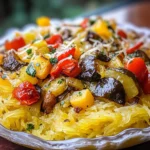
Spaghetti Squash Noodles With Roasted Vegetables recipe
Ingredients
-
- Spaghetti Squash: The star of the show, spaghetti squash provides the base for our noodle-like strands, offering a naturally sweet and subtly nutty flavor, along with a satisfying texture. Choose a mature spaghetti squash that feels heavy for its size and has a hard, smooth rind. Avoid squashes with soft spots or blemishes. You’ll need 1 medium-sized spaghetti squash (about 2-3 pounds). Look for squashes that are uniformly pale yellow in color, indicating ripeness.
-
- Assorted Vegetables for Roasting: The beauty of this recipe lies in its versatility – you can use a wide variety of vegetables for roasting, creating a rainbow of colors, flavors, and textures. Aim for a mix of root vegetables, cruciferous vegetables, and other favorites. Some excellent choices include:
- Bell Peppers: Choose 2-3 bell peppers of different colors (red, yellow, orange) for sweetness and visual appeal. They roast beautifully, becoming slightly sweet and tender.
- Red Onion: 1 large red onion adds a pungent and slightly sweet flavor when roasted. It caramelizes beautifully, adding depth to the dish.
- Broccoli Florets: 1 large head of broccoli, cut into florets, provides a slightly bitter and earthy flavor that balances the sweetness of other vegetables. Broccoli roasts to a tender-crisp texture.
- Carrots: 2-3 large carrots, peeled and chopped into rounds or sticks, add sweetness and a vibrant orange color. Carrots become tender and slightly caramelized when roasted.
- Zucchini or Yellow Squash: 2 medium zucchini or yellow squash, chopped, offer a mild flavor and tender texture. They roast quickly and add moisture to the vegetable mix.
- Cherry Tomatoes: 1 pint of cherry tomatoes (or grape tomatoes) burst in the oven, releasing their sweet and tangy juices. They add a burst of freshness and acidity.
- Mushrooms: 8 ounces of mushrooms (cremini, button, or a mix), sliced or quartered, add an earthy and umami-rich flavor. Mushrooms become tender and slightly browned when roasted.
- Eggplant: 1 small eggplant, cubed, provides a meaty texture and mild flavor that absorbs other flavors well. Eggplant roasts to a soft and creamy texture.
- Sweet Potatoes or Butternut Squash: For added sweetness and heartiness, you can include cubed sweet potatoes or butternut squash. Adjust roasting times accordingly as they may take longer to cook.
Choose 4-5 different types of vegetables for a balanced and flavorful mix, aiming for about 4-5 cups of chopped vegetables in total. Feel free to use seasonal vegetables or your personal favorites.
- Assorted Vegetables for Roasting: The beauty of this recipe lies in its versatility – you can use a wide variety of vegetables for roasting, creating a rainbow of colors, flavors, and textures. Aim for a mix of root vegetables, cruciferous vegetables, and other favorites. Some excellent choices include:
-
- Olive Oil: Olive oil is essential for roasting vegetables, helping them to caramelize and develop flavor, as well as preventing them from drying out. Extra virgin olive oil is recommended for its superior flavor and health benefits, but regular olive oil can also be used. You’ll need about 4-5 tablespoons of olive oil, divided between roasting vegetables and dressing the spaghetti squash.
-
- Garlic: Garlic adds a pungent and aromatic base flavor to both the roasted vegetables and the dressing, enhancing the overall savory notes of the dish. Fresh garlic is preferred for the best flavor. You’ll need about 4-5 cloves of garlic, minced or pressed – some for roasting with the vegetables, and some for the dressing. Garlic powder can be used as a substitute in a pinch, but fresh garlic is highly recommended.
-
- Fresh Herbs (Optional but Recommended): Fresh herbs elevate the flavor of roasted vegetables and spaghetti squash, adding brightness and complexity. Excellent choices include:
- Rosemary: 1-2 sprigs of fresh rosemary (or 1 teaspoon dried rosemary) adds a piney and earthy aroma that pairs beautifully with roasted vegetables.
- Thyme: 2-3 sprigs of fresh thyme (or 1 teaspoon dried thyme) provides a subtle earthy and slightly minty flavor.
- Oregano: 1-2 teaspoons of fresh oregano (or ½ teaspoon dried oregano) adds a slightly pungent and peppery flavor, especially good with Mediterranean-style vegetables.
- Basil: Fresh basil leaves, chopped and added after roasting, provide a sweet and aromatic finish.
- Parsley: Fresh parsley, chopped and used as a garnish, adds freshness and a clean, herbaceous note.
Choose 1-2 fresh herbs for roasting and consider fresh basil or parsley for garnish. Dried herbs can be used if fresh are unavailable.
- Fresh Herbs (Optional but Recommended): Fresh herbs elevate the flavor of roasted vegetables and spaghetti squash, adding brightness and complexity. Excellent choices include:
-
- Balsamic Vinegar (for Dressing): Balsamic vinegar adds a touch of sweetness and acidity to the dressing, balancing the savory flavors and enhancing the natural sweetness of the roasted vegetables and spaghetti squash. Good quality balsamic vinegar is recommended for the best flavor. You’ll need about 2-3 tablespoons of balsamic vinegar.
-
- Lemon Juice (for Dressing): Fresh lemon juice adds brightness and acidity to the dressing, complementing the balsamic vinegar and adding a zesty note. Freshly squeezed lemon juice is preferred for the best flavor. You’ll need about 1-2 tablespoons of fresh lemon juice.
-
- Maple Syrup or Honey (Optional, for Dressing): A touch of maple syrup or honey can be added to the dressing to enhance the sweetness and balance the acidity, especially if using balsamic vinegar that is less sweet. This is optional and can be adjusted to your taste. You’ll need about ½ – 1 teaspoon of maple syrup or honey (or other sweetener like agave or a pinch of sugar). For a vegan option, ensure you use maple syrup or agave.
-
- Red Pepper Flakes (Optional, for Dressing): A pinch of red pepper flakes adds a subtle hint of heat to the dressing, providing a pleasant contrast to the sweetness and savory flavors. This is optional and can be omitted or adjusted to your spice preference. You’ll need just a pinch of red pepper flakes.
-
- Salt and Black Pepper: Essential seasonings to enhance all the flavors in the dish. Kosher salt or sea salt is recommended. Freshly ground black pepper provides the best flavor. Season to taste throughout the cooking process, both for the vegetables before roasting and in the dressing.
Instructions
-
- Prepare the Spaghetti Squash: Preheat oven to 400°F (200°C). Carefully halve the spaghetti squash lengthwise using a sharp knife. Scoop out and discard the seeds and stringy pulp from both halves. Drizzle the cut sides of the squash with 1-2 tablespoons of olive oil and season generously with salt and black pepper. Place the squash halves cut-side down on a baking sheet.
-
- Roast the Spaghetti Squash: Roast the spaghetti squash in the preheated oven for 40-50 minutes, or until the squash is tender and the flesh can be easily pierced with a fork. Roasting time will vary depending on the size of your squash. You should be able to easily scoop out the flesh when it’s done.
-
- Prepare the Vegetables for Roasting: While the spaghetti squash is roasting, prepare your chosen vegetables. Wash and chop all vegetables into roughly similar-sized pieces (about 1-inch pieces for root vegetables, larger for bell peppers and onions). For cherry tomatoes, leave them whole. Place all the chopped vegetables (except cherry tomatoes and delicate greens like spinach, if using) in a large bowl.
-
- Season and Roast the Vegetables: Drizzle the chopped vegetables with 2-3 tablespoons of olive oil. Add minced garlic (2-3 cloves), chopped fresh herbs (rosemary, thyme, or oregano, if using), salt, and black pepper to taste. Toss everything together thoroughly to ensure the vegetables are evenly coated with oil and seasonings. Spread the seasoned vegetables in a single layer on a large baking sheet (you may need two baking sheets to avoid overcrowding). Add cherry tomatoes to the baking sheet as well. Roast the vegetables in the oven alongside the spaghetti squash for the last 20-25 minutes of the squash roasting time, or until the vegetables are tender-crisp and lightly caramelized, stirring halfway through. Ensure vegetables are in a single layer for even roasting.
-
- Make the Dressing: While the vegetables are roasting, prepare the balsamic dressing. In a small bowl, whisk together balsamic vinegar, lemon juice, minced garlic (2 cloves), maple syrup or honey (if using), red pepper flakes (if using), 2 tablespoons of olive oil, salt, and black pepper to taste. Whisk until all ingredients are well combined and emulsified. Taste and adjust seasonings to your preference.
-
- Prepare Spaghetti Squash Noodles: Once the spaghetti squash is roasted and cool enough to handle, use a fork to scrape the flesh from the inside of each half, creating spaghetti-like strands. Scoop all the spaghetti squash strands into a large bowl. Discard the squash skins.
-
- Combine and Serve: Add the roasted vegetables to the bowl with the spaghetti squash noodles. Pour the balsamic dressing over the spaghetti squash and roasted vegetables. Toss gently to combine everything, ensuring the noodles and vegetables are evenly coated with the dressing. Taste and adjust seasoning if needed. Garnish with fresh basil or parsley, if desired. Serve warm or at room temperature.
Nutrition
- Serving Size: one normal portion
- Calories: 250-350 kcal
- Sugar: 10-15g
- Sodium: 200-300mg
- Fat: 15-20g
- Saturated Fat: 2-3g
- Carbohydrates: 30-40g
- Fiber: 8-10g
- Protein: 5-7g