
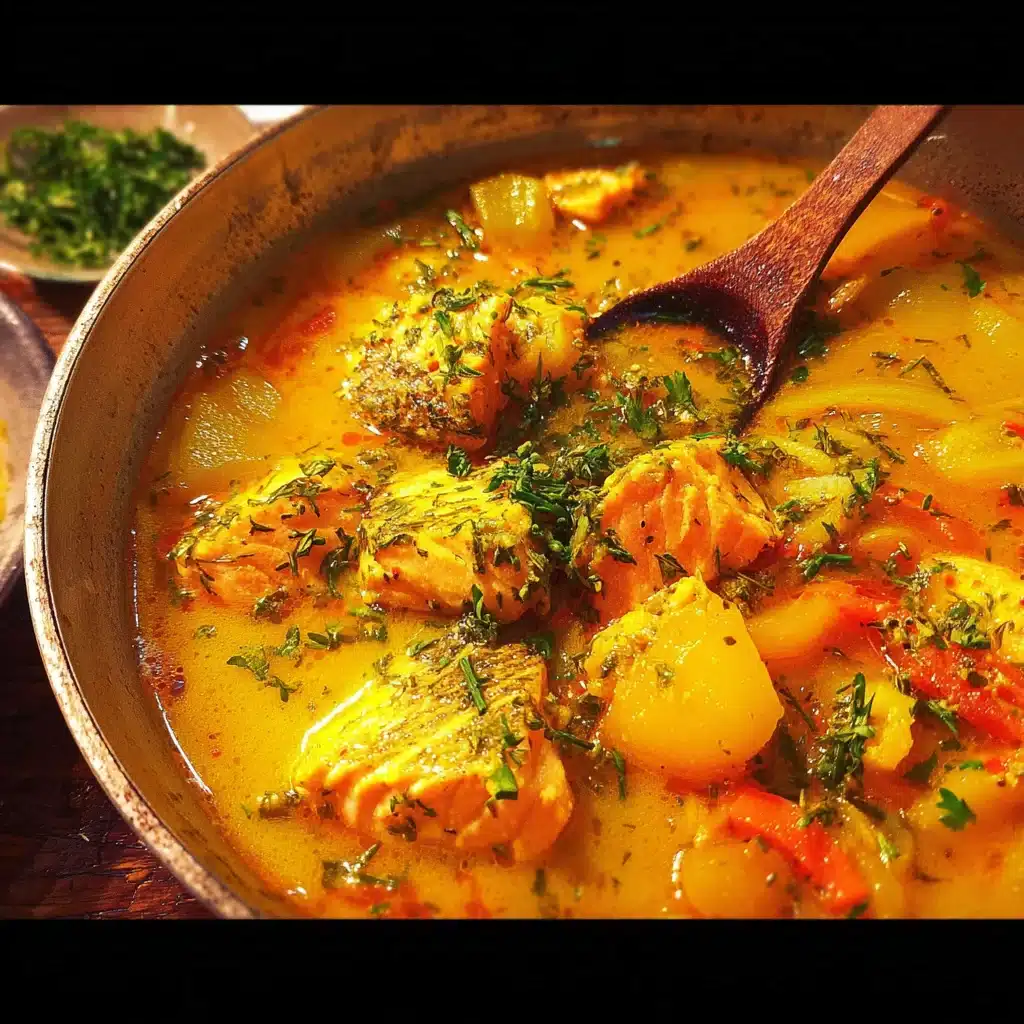

There are certain dishes that feel like a warm hug in a bowl, and for me, this Salmon Stew is the pinnacle of culinary comfort. I first created this recipe on a brisk autumn evening when I was craving something hearty and soul-warming, yet not heavy or unhealthy. I had some beautiful salmon fillets in the fridge and a pantry full of classic stew vegetables. My family was initially skeptical – salmon in a stew? It sounded unusual. But as the kitchen filled with the incredible aroma of simmering leeks, dill, and creamy broth, their curiosity grew. The moment of truth came at the dinner table. The first spoonful was met with silence, followed by wide eyes and murmurs of “Wow.” The salmon was perfectly tender and flaky, the potatoes were buttery soft, and the creamy broth, brightened with a hint of lemon and fresh dill, tied everything together in the most magnificent way. It was an instant classic. This isn’t just a fish chowder; it’s more elegant, more refined. It’s a one-pot wonder that has become our go-to meal for cozy nights in, and it’s surprisingly simple to make. Prepare to fall in love with a dish that is the perfect marriage of rustic comfort and sophisticated flavor.
The Ultimate Creamy Salmon Stew Recipe
This recipe is designed to build layers of flavor, resulting in a rich, aromatic broth that perfectly complements the delicate salmon. Using fresh, quality ingredients is the key to transforming this simple stew into a show-stopping meal.
Ingredients
- Fresh Salmon Fillets: 1.5 pounds (about 680 grams), skinless. High-quality salmon is the star, so opt for a good cut like Atlantic, Coho, or Sockeye. Cut into 1-inch cubes.
- Unsalted Butter: 3 tablespoons. This adds a rich, creamy foundation to the stew.
- Olive Oil: 1 tablespoon. Combining with butter helps prevent the butter from browning too quickly.
- Leeks: 2 large, white and light green parts only. Leeks provide a milder, sweeter onion flavor that pairs beautifully with salmon. Thinly slice and wash them thoroughly to remove any grit.
- Celery: 2 stalks, finely chopped. Adds a savory, aromatic base note.
- Carrots: 2 medium, peeled and cut into small dice (about 1/4-inch). They provide a subtle sweetness and color.
- Garlic: 4 cloves, minced. For that essential aromatic depth.
- Yukon Gold or Red Potatoes: 1.5 pounds (about 680 grams), scrubbed and cut into 1/2-inch dice. These waxy potatoes hold their shape well in the stew and have a naturally buttery texture.
- All-Purpose Flour: 3 tablespoons. This will act as a thickener for the stew, creating a velvety broth.
- Dry White Wine: 1/2 cup (120 ml), such as Sauvignon Blanc or Pinot Grigio. This is for deglazing the pot and adds a crucial layer of acidity and complexity. You can omit and use extra broth if you prefer.
- Low-Sodium Chicken or Vegetable Broth: 4 cups (about 1 liter). Using a low-sodium broth allows you to control the final saltiness of the dish.
- Heavy Whipping Cream: 1.5 cups (360 ml). This is what creates the luxurious, creamy texture. For a lighter version, you can use half-and-half.
- Fresh Dill: 1/2 cup, chopped, plus more for garnish. Dill and salmon are a classic, magical pairing. Do not substitute with dried dill if you can help it.
- Fresh Parsley: 1/4 cup, chopped. Adds a fresh, green brightness.
- Bay Leaf: 1.
- Fresh Lemon Juice: From 1/2 a lemon (about 1-2 tablespoons). This is a non-negotiable final touch that brightens the entire stew and cuts through the richness.
- Salt and Freshly Ground Black Pepper: To taste.
- Pinch of Cayenne Pepper or Red Pepper Flakes: (Optional) for a very subtle background warmth.
Step-by-Step Instructions for a Perfect Stew
Making this stew is a straightforward process of building flavors in one pot. Follow these steps for a foolproof and delicious result.
Step 1: Prepare Your Ingredients (Mise en Place)
Before you turn on the heat, have everything prepped and ready to go. This makes the cooking process smooth and enjoyable.
- Prep the Salmon: Pat the skinless salmon fillets dry with a paper towel. Cut them into generous 1-inch cubes. Season lightly with salt and pepper and set aside in the refrigerator while you prepare the base.
- Prep the Vegetables: Thoroughly wash the leeks to remove all sand and grit, then thinly slice the white and light green parts. Finely chop the celery, dice the carrots and potatoes, and mince the garlic.
- Prep the Herbs: Chop the fresh dill and parsley.
Step 2: Build the Aromatic Base
This is where the deep, foundational flavors of the stew are created.
- Sauté the Vegetables: In a large Dutch oven or heavy-bottomed pot, melt the butter with the olive oil over medium heat. Add the sliced leeks, chopped celery, and diced carrots. Sauté for 8-10 minutes, stirring occasionally, until the vegetables have softened significantly and the leeks are translucent. This slow sauté builds sweetness.
- Add the Garlic: Add the minced garlic and cook for another minute until fragrant. Be careful not to let it burn.
Step 3: Create the Roux and Deglaze
This step thickens the stew and adds another layer of flavor.
- Thicken with Flour: Sprinkle the all-purpose flour over the softened vegetables. Stir constantly for about 2 minutes to cook out the raw flour taste. The mixture will become a thick paste.
- Deglaze with Wine: Pour in the dry white wine. As it bubbles, use a wooden spoon or spatula to scrape up all the browned bits (the fond) from the bottom of the pot. These bits are packed with flavor. Let the wine cook down and reduce by about half.
Step 4: Simmer the Stew Base
Now it’s time to create the broth and cook the potatoes until they are perfectly tender.
- Add Liquids and Seasoning: Gradually whisk in the chicken or vegetable broth, a little at a time, to ensure the flour mixture dissolves smoothly without lumps. Add the diced potatoes, the bay leaf, 1 teaspoon of salt, and 1/2 teaspoon of black pepper.
- Simmer: Bring the mixture to a gentle boil, then reduce the heat to low, cover the pot, and let it simmer for 15-20 minutes, or until the potatoes are completely tender when pierced with a fork.
Step 5: Add the Cream and Salmon
This is the final cooking stage. It’s important to be gentle here to keep the salmon tender.
- Temper the Cream: Reduce the heat to the lowest possible setting. Slowly pour in the heavy cream, stirring gently to combine. It’s important not to let the stew boil after adding the cream, as it could curdle.
- Cook the Salmon: Gently add the cubed salmon to the hot stew. Stir once to submerge the pieces. Let the salmon poach gently in the hot broth for just 3-5 minutes. The salmon is done when it is opaque and flakes easily with a fork. Do not overcook it, or it will become tough.
Step 6: Finish with Freshness
These final additions will elevate your stew from great to absolutely exceptional.
- Add Herbs and Lemon: Remove the pot from the heat. Discard the bay leaf. Gently stir in the chopped fresh dill, fresh parsley, and the fresh lemon juice.
- Taste and Adjust: Taste the stew and adjust the seasoning as needed with more salt, pepper, or lemon juice. Let the stew rest for 5-10 minutes off the heat for the flavors to meld together perfectly before serving.
Nutrition Facts
- Servings: This recipe yields 6 generous servings.
- Calories per Serving: Approximately 600-700 kcal.
- Disclaimer: The nutritional information is an estimate and will vary based on the exact ingredients used, such as the fat content of the salmon and cream.
Preparation Time
- Active Preparation Time: 20 minutes
- Cook Time: 40-45 minutes
- Total Time: Approximately 1 hour
How to Serve
This Salmon Stew is a complete meal in a bowl, but serving it with the right accompaniments makes it a truly memorable experience.
- Bread is a Must: The creamy broth is begging to be sopped up.
- Serve with thick slices of warm, crusty sourdough or a rustic baguette.
- Garlic bread or cheesy toast points are also fantastic options.
- Offer oyster crackers or saltines on the side for a classic chowder feel.
- Garnish Generously: A beautiful garnish makes the dish pop visually and adds a final burst of flavor.
- Sprinkle each bowl with extra chopped fresh dill.
- A swirl of extra heavy cream or a dollop of sour cream.
- A few grinds of fresh black pepper.
- Serve with a lemon wedge on the side for those who like an extra bit of brightness.
- Pair with a Simple Side:
- A simple green salad with a light vinaigrette provides a fresh, acidic contrast to the rich stew.
- Serve alongside a glass of the same dry white wine you used in the cooking process, like a crisp Sauvignon Blanc.
5 Additional Tips for Stew Success
- Don’t Overcook the Salmon: This is the most important rule. Salmon cooks incredibly fast. It should be the very last thing you add to the pot. Once you add it, it only needs a few minutes in the hot (not boiling) broth. It will continue to cook from the residual heat even after you take the pot off the stove. Tender, flaky salmon is the goal.
- The Importance of Cleaning Leeks: Leeks are grown in sandy soil, and grit often gets trapped between their layers. The best way to clean them is to slice them first, then place the slices in a large bowl of cold water. Swish them around with your hands to dislodge the sand, which will sink to the bottom. Scoop the clean leeks out with a slotted spoon or strainer.
- Control the Heat with Cream: High heat is the enemy of cream-based sauces and soups. It can cause the cream to “break” or curdle, resulting in a grainy texture. Always lower the heat to the absolute minimum before stirring in the cream, and never let the stew boil afterward.
- Fresh Herbs are Non-Negotiable: While dried herbs have their place, this stew relies heavily on the vibrant, aromatic punch of fresh dill and parsley. Their flavor is bright and clean, which is essential for cutting through the richness of the cream and salmon. It makes a world of difference.
- Build Flavor at Every Step: Great stews are about layering flavors. Don’t rush the initial sauté of the vegetables. Scrape up the browned bits when you deglaze with wine. Season as you go. Each step contributes to a final product that is complex, deep, and incredibly delicious.
Frequently Asked Questions (FAQ)
1. Can I use frozen salmon for this stew?
Yes, absolutely. Frozen salmon is a great, convenient option. For the best texture, you should thaw it completely before using. You can thaw it overnight in the refrigerator or, for a quicker method, place the sealed fish in a bowl of cold water for about an hour. Once thawed, pat it dry and cut it into cubes as directed.
2. How do I store and reheat leftover salmon stew?
Leftover stew can be stored in an airtight container in the refrigerator for up to 2-3 days. The flavor is often even better the next day! To reheat, do so gently in a saucepan over low heat on the stovetop, stirring occasionally until warmed through. Avoid reheating in the microwave, as the high heat can overcook the salmon and make it rubbery.
3. Can I make this salmon stew dairy-free?
Yes, you can make a delicious dairy-free version. For the butter, substitute a good quality vegan butter or use extra olive oil. For the heavy cream, the best substitute is full-fat canned coconut milk. It will impart a slight coconut flavor, but it pairs wonderfully with the other ingredients and creates a beautifully rich and creamy broth.
4. What other vegetables or seafood can I add to this stew?
This recipe is very adaptable!
- Vegetables: Feel free to add a cup of frozen corn or peas in the last 5 minutes of cooking. Sautéed fennel or mushrooms would also be delicious added with the leeks. A few handfuls of fresh spinach can be stirred in at the very end until it wilts.
- Seafood: You can turn this into a mixed seafood stew. Add shrimp, scallops, or mussels along with the salmon. They also cook very quickly, so add them in the last 2-4 minutes of cooking, just until the shrimp are pink and the mussels have opened.
5. My stew seems too thin. How can I thicken it?
If you prefer a thicker, more chowder-like consistency, there are a few easy fixes. The simplest way is to let the stew simmer, uncovered, for an extra 5-10 minutes before you add the cream and salmon to allow some of the liquid to evaporate. Alternatively, you can make a small slurry by mixing 1 tablespoon of cornstarch with 2 tablespoons of cold water until smooth, then whisking it into the simmering stew (before the cream) and letting it cook for a minute to thicken.

Salmon Stew recipe
Ingredients
-
Fresh Salmon Fillets: 1.5 pounds (about 680 grams), skinless. High-quality salmon is the star, so opt for a good cut like Atlantic, Coho, or Sockeye. Cut into 1-inch cubes.
-
Unsalted Butter: 3 tablespoons. This adds a rich, creamy foundation to the stew.
-
Olive Oil: 1 tablespoon. Combining with butter helps prevent the butter from browning too quickly.
-
Leeks: 2 large, white and light green parts only. Leeks provide a milder, sweeter onion flavor that pairs beautifully with salmon. Thinly slice and wash them thoroughly to remove any grit.
-
Celery: 2 stalks, finely chopped. Adds a savory, aromatic base note.
-
Carrots: 2 medium, peeled and cut into small dice (about 1/4-inch). They provide a subtle sweetness and color.
-
Garlic: 4 cloves, minced. For that essential aromatic depth.
-
Yukon Gold or Red Potatoes: 1.5 pounds (about 680 grams), scrubbed and cut into 1/2-inch dice. These waxy potatoes hold their shape well in the stew and have a naturally buttery texture.
-
All-Purpose Flour: 3 tablespoons. This will act as a thickener for the stew, creating a velvety broth.
-
Dry White Wine: 1/2 cup (120 ml), such as Sauvignon Blanc or Pinot Grigio. This is for deglazing the pot and adds a crucial layer of acidity and complexity. You can omit and use extra broth if you prefer.
-
Low-Sodium Chicken or Vegetable Broth: 4 cups (about 1 liter). Using a low-sodium broth allows you to control the final saltiness of the dish.
-
Heavy Whipping Cream: 1.5 cups (360 ml). This is what creates the luxurious, creamy texture. For a lighter version, you can use half-and-half.
-
Fresh Dill: 1/2 cup, chopped, plus more for garnish. Dill and salmon are a classic, magical pairing. Do not substitute with dried dill if you can help it.
-
Fresh Parsley: 1/4 cup, chopped. Adds a fresh, green brightness.
-
Bay Leaf: 1.
-
Fresh Lemon Juice: From 1/2 a lemon (about 1-2 tablespoons). This is a non-negotiable final touch that brightens the entire stew and cuts through the richness.
-
Salt and Freshly Ground Black Pepper: To taste.
-
Pinch of Cayenne Pepper or Red Pepper Flakes: (Optional) for a very subtle background warmth.
Instructions
Step 1: Prepare Your Ingredients (Mise en Place)
Before you turn on the heat, have everything prepped and ready to go. This makes the cooking process smooth and enjoyable.
-
Prep the Salmon: Pat the skinless salmon fillets dry with a paper towel. Cut them into generous 1-inch cubes. Season lightly with salt and pepper and set aside in the refrigerator while you prepare the base.
-
Prep the Vegetables: Thoroughly wash the leeks to remove all sand and grit, then thinly slice the white and light green parts. Finely chop the celery, dice the carrots and potatoes, and mince the garlic.
-
Prep the Herbs: Chop the fresh dill and parsley.
Step 2: Build the Aromatic Base
This is where the deep, foundational flavors of the stew are created.
-
Sauté the Vegetables: In a large Dutch oven or heavy-bottomed pot, melt the butter with the olive oil over medium heat. Add the sliced leeks, chopped celery, and diced carrots. Sauté for 8-10 minutes, stirring occasionally, until the vegetables have softened significantly and the leeks are translucent. This slow sauté builds sweetness.
-
Add the Garlic: Add the minced garlic and cook for another minute until fragrant. Be careful not to let it burn.
Step 3: Create the Roux and Deglaze
This step thickens the stew and adds another layer of flavor.
-
Thicken with Flour: Sprinkle the all-purpose flour over the softened vegetables. Stir constantly for about 2 minutes to cook out the raw flour taste. The mixture will become a thick paste.
-
Deglaze with Wine: Pour in the dry white wine. As it bubbles, use a wooden spoon or spatula to scrape up all the browned bits (the fond) from the bottom of the pot. These bits are packed with flavor. Let the wine cook down and reduce by about half.
Step 4: Simmer the Stew Base
Now it’s time to create the broth and cook the potatoes until they are perfectly tender.
-
Add Liquids and Seasoning: Gradually whisk in the chicken or vegetable broth, a little at a time, to ensure the flour mixture dissolves smoothly without lumps. Add the diced potatoes, the bay leaf, 1 teaspoon of salt, and 1/2 teaspoon of black pepper.
-
Simmer: Bring the mixture to a gentle boil, then reduce the heat to low, cover the pot, and let it simmer for 15-20 minutes, or until the potatoes are completely tender when pierced with a fork.
Step 5: Add the Cream and Salmon
This is the final cooking stage. It’s important to be gentle here to keep the salmon tender.
-
Temper the Cream: Reduce the heat to the lowest possible setting. Slowly pour in the heavy cream, stirring gently to combine. It’s important not to let the stew boil after adding the cream, as it could curdle.
-
Cook the Salmon: Gently add the cubed salmon to the hot stew. Stir once to submerge the pieces. Let the salmon poach gently in the hot broth for just 3-5 minutes. The salmon is done when it is opaque and flakes easily with a fork. Do not overcook it, or it will become tough.
Step 6: Finish with Freshness
These final additions will elevate your stew from great to absolutely exceptional.
-
Add Herbs and Lemon: Remove the pot from the heat. Discard the bay leaf. Gently stir in the chopped fresh dill, fresh parsley, and the fresh lemon juice.
-
Taste and Adjust: Taste the stew and adjust the seasoning as needed with more salt, pepper, or lemon juice. Let the stew rest for 5-10 minutes off the heat for the flavors to meld together perfectly before serving.
Nutrition
- Serving Size: one normal portion
- Calories: 600-700 kcal