
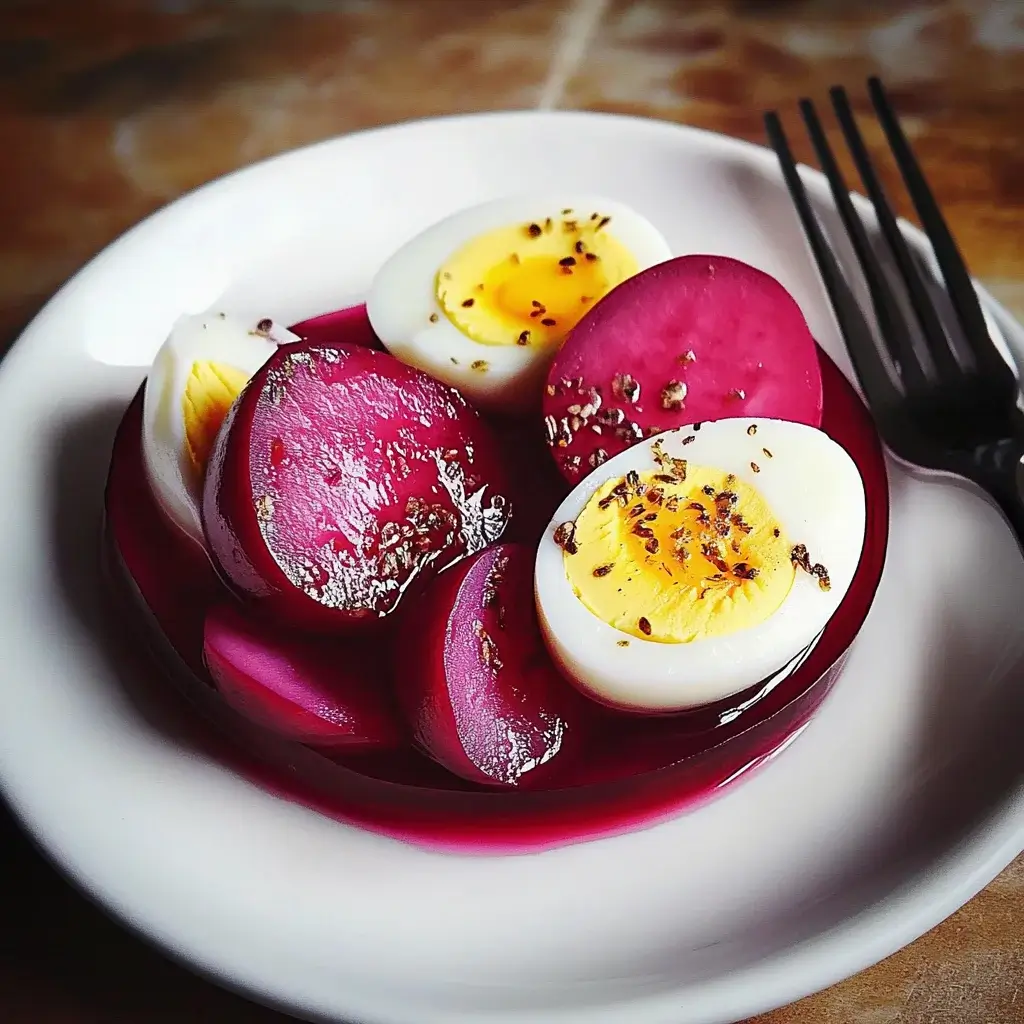

My journey with pickled eggs and beets began, as many culinary adventures do, with a touch of skepticism. “Eggs… pickled?” I remember thinking, my brow furrowed in slight confusion. Growing up, eggs were scrambled, fried, or deviled – certainly not swimming in a vinegary brine alongside vibrant, earthy beets. But curiosity, and a dare from my adventurous foodie friend, led me to try them at a local deli. The first bite was… unexpected. A tangy jolt, followed by the creamy richness of the egg, and then the sweet, earthy counterpoint of the beet. It was a flavor explosion, a delightful dance of contrasting textures and tastes that somehow, magically, worked. I was instantly intrigued. Fast forward to today, and pickled eggs and beets are a staple in my refrigerator. They’re not just a snack; they’re a conversation starter, a vibrant addition to any platter, and a surprisingly healthy and satisfying treat. My family, initially as dubious as I was, now clamors for them, especially during holidays and potlucks. If you’re looking for something beyond the ordinary, something that will awaken your taste buds and impress your guests with its unique blend of flavors and stunning visual appeal, then prepare to be converted. Pickled Eggs and Beets are not just food; they’re an experience, and one I’m thrilled to share with you.
Ingredients: The Palette for Perfect Pickled Eggs and Beets
Creating exceptional pickled eggs and beets is all about selecting quality ingredients and understanding how each component contributes to the final flavor and texture. From the eggs themselves to the pickling brine, every element plays a crucial role in achieving that perfect balance of tangy, sweet, and savory. Let’s explore each ingredient in detail:
- Eggs: The foundation of our recipe, eggs need to be of good quality and properly hard-boiled. 1 dozen large eggs is a standard batch size, yielding a generous amount for snacking or serving. Consider using fresh, high-quality eggs whenever possible as their flavor and texture will be superior. Large eggs are ideal as they provide a good ratio of white to yolk, ensuring a satisfying bite.
- Beets: Beets bring earthy sweetness, vibrant color, and a delightful texture to the pickled combination. You’ll need 1 pound of fresh beets, about 2-3 medium-sized beets. Choose firm, smooth beets without blemishes. While fresh beets are highly recommended for their superior flavor and texture, you can use canned beets in a pinch, but be aware that the flavor and texture will be softer and less intense. If using canned beets, opt for whole beets without added salt or sugar and drain them well before pickling. Golden beets or Chioggia beets can also be used for visual variety and slightly different flavor profiles.
- Vinegar: The heart of the pickling brine, vinegar provides the essential acidity that preserves and flavors the eggs and beets. 3 cups of vinegar will form the base of your brine. Distilled white vinegar is the most common choice for pickling due to its neutral flavor and high acidity (typically 5% acetic acid), ensuring proper preservation and a clean, tangy taste. However, you can experiment with other vinegars for nuanced flavor profiles. Apple cider vinegar adds a slightly fruity and mellow tang, while red wine vinegar offers a richer, more robust flavor. Using a combination of vinegars can also create interesting complexity. For example, a mix of white vinegar and apple cider vinegar can balance sharpness with fruity notes. Ensure your vinegar has at least 5% acidity for safe and effective pickling.
- Water: Water dilutes the vinegar, moderating its intensity and creating a more balanced brine. 1 cup of water is the standard ratio to vinegar in this recipe. Using filtered water is recommended to avoid any off-flavors from tap water affecting the pickled eggs and beets.
- Sugar: Sugar balances the acidity of the vinegar and adds a touch of sweetness that complements the earthy beets and savory eggs. ½ cup of granulated sugar is a good starting point. You can adjust the amount to your sweetness preference. Other sweeteners can also be used. Brown sugar adds a molasses-like depth, while honey or maple syrup can provide a more complex sweetness. For a sugar-free option, you can use sugar substitutes like erythritol or stevia, but be mindful that they may alter the flavor profile slightly.
- Salt: Salt is crucial for flavor enhancement and also plays a role in the pickling process. 2 tablespoons of pickling salt are recommended. Pickling salt, also known as canning salt or pure salt, is preferred because it is free of iodine and anti-caking agents that can cloud the brine and affect the flavor. If pickling salt is unavailable, you can use kosher salt as a suitable substitute. Avoid using iodized table salt as it can impart a metallic taste and darken the pickled eggs and beets.
- Spices: Spices elevate pickled eggs and beets from simple to sensational, adding layers of aroma and flavor complexity. A blend of spices creates a warm and inviting pickling brine. Essential spices include:
- Bay Leaves: 2-3 bay leaves add a subtle herbaceous and slightly floral note.
- Black Peppercorns: 1 tablespoon of black peppercorns provide a pungent and peppery kick. You can use whole black peppercorns for a milder pepper flavor or cracked peppercorns for more intensity.
- Mustard Seeds: 1 tablespoon of mustard seeds (yellow or brown) contribute a tangy and slightly pungent flavor, along with a pleasant pop when you bite into them.
- Optional Spices: Feel free to customize your spice blend with other additions to tailor the flavor to your liking. Consider:
- Allspice berries: ½ teaspoon of allspice berries add a warm, clove-like note.
- Clove: 2-3 whole cloves provide a strong, warm, and aromatic flavor. Use sparingly as cloves can be overpowering.
- Cinnamon stick: 1 small cinnamon stick adds a subtle sweet and warm spice.
- Dried chili flakes: ½ – 1 teaspoon of dried chili flakes add a spicy kick. Adjust the amount to your heat preference.
- Juniper berries: 1 teaspoon of juniper berries offer a piney and slightly peppery flavor, often used in pickling.
- Dill seeds: 1 teaspoon of dill seeds provide a classic pickling flavor, especially if you enjoy dill pickles.
- Optional Additions: Enhance your pickled eggs and beets further with these flavorful additions:
- Onion: 1 medium onion, sliced into rings or wedges, adds a pungent and slightly sweet pickled onion component. Red onion is particularly visually appealing.
- Garlic: 2-3 cloves of garlic, smashed or sliced, infuse the brine with a savory garlic flavor.
- Fresh Dill: A few sprigs of fresh dill added to the jars provide a fresh, herbaceous aroma and flavor.
- Jalapeño slices: For a spicy kick, add a few slices of fresh jalapeño pepper to each jar.
By carefully selecting and combining these ingredients, you’ll create a pickling brine that perfectly complements the eggs and beets, resulting in a flavorful and visually stunning pickled delight.
Instructions: A Step-by-Step Guide to Pickled Egg and Beet Perfection
Pickling eggs and beets at home is a rewarding process that’s simpler than you might think. Following these step-by-step instructions will ensure you achieve perfectly pickled eggs and beets with vibrant color and tangy flavor:
Step 1: Prepare the Eggs
- Hard-Boil the Eggs: Place the 1 dozen large eggs in a saucepan and cover them with cold water by about an inch. Bring the water to a rolling boil over high heat. Once boiling, remove the pan from the heat, cover it, and let it stand for 12 minutes for perfectly hard-boiled eggs.
- Ice Bath: While the eggs are standing, prepare an ice bath by filling a bowl with ice and cold water.
- Cool and Peel: After 12 minutes, carefully transfer the eggs to the ice bath to stop the cooking process and cool them down quickly. Once cooled, gently peel the eggs under cold running water. Starting to peel from the wider end of the egg often makes it easier. Set the peeled eggs aside.
Step 2: Cook the Beets
- Prepare Beets: Wash the 1 pound of fresh beets thoroughly. Trim off the beet greens, leaving about an inch of stem attached to prevent color bleeding during cooking. You can peel the beets before cooking, but it’s often easier to peel them after they are cooked.
- Boil, Roast, or Steam Beets (Boiling Method – Most Common):
- Boiling: Place the beets in a saucepan and cover them with cold water. Bring to a boil over high heat, then reduce heat and simmer for 30-45 minutes, or until the beets are tender when pierced with a fork. Cooking time will vary depending on the size of the beets.
- Roasting (Optional for Deeper Flavor): Preheat oven to 400°F (200°C). Wrap each beet individually in foil and roast for 45-60 minutes, or until tender. Roasting brings out a more concentrated, sweeter flavor in beets.
- Steaming (Optional for Nutrient Retention): Steam beets over boiling water for 30-45 minutes, or until tender. Steaming preserves more nutrients than boiling.
- Cool Beets: Once cooked, let the beets cool slightly until they are cool enough to handle.
- Peel and Slice Beets: Peel the cooked beets. The skins should slip off easily once cooked. Slice the beets into ¼-inch thick slices or wedges. Wear gloves if you want to avoid staining your hands pink.
Step 3: Prepare the Pickling Brine
- Combine Brine Ingredients: In a non-reactive saucepan (stainless steel or enamel-coated), combine the 3 cups of vinegar, 1 cup of water, ½ cup of sugar, 2 tablespoons of pickling salt, 2-3 bay leaves, 1 tablespoon of black peppercorns, and 1 tablespoon of mustard seeds. Add any optional spices like allspice berries, cloves, cinnamon stick, chili flakes, or juniper berries at this stage.
- Boil the Brine: Bring the brine mixture to a boil over medium-high heat, stirring to dissolve the sugar and salt. Once boiling, reduce heat and simmer for 5 minutes to allow the spices to infuse the brine.
- Cool the Brine: Remove the brine from the heat and let it cool completely to room temperature. It’s crucial to use cooled brine for pickling to prevent cooking the eggs and beets further and to ensure proper preservation.
Step 4: Assemble and Pickle
- Prepare Jars: Sterilize clean pint or quart-sized jars and lids by boiling them in water for 10 minutes or running them through a dishwasher’s sanitize cycle. Sterilizing jars is important for preventing spoilage, especially if you plan to store the pickled eggs and beets for an extended period.
- Layer Eggs and Beets in Jars: Arrange the peeled hard-boiled eggs and sliced beets in the sterilized jars, alternating layers for visual appeal. You can also add sliced onion, garlic cloves, or fresh dill sprigs to the jars at this stage.
- Pour Brine Over Eggs and Beets: Once the brine is completely cooled, carefully pour it over the eggs and beets in the jars, ensuring that the eggs and beets are fully submerged in the brine. Leave about ½ inch of headspace at the top of each jar.
- Remove Air Bubbles (Optional but Recommended): Gently tap the jars on the counter to release any trapped air bubbles. You can also use a clean utensil like a chopstick or a non-metallic spatula to gently poke around and release air bubbles.
- Seal Jars: Wipe the jar rims clean with a damp cloth, place the lids on the jars, and screw on the bands fingertip-tight.
- Refrigerate: Refrigerate the pickled eggs and beets for at least 24-48 hours before serving to allow the flavors to develop and meld. For the best flavor, allow them to pickle for at least 3-5 days. The longer they pickle, the more intense the flavor will become.
Step 5: Enjoy!
- Serve Chilled: Pickled eggs and beets are best served chilled straight from the refrigerator.
- Storage: Store pickled eggs and beets in the refrigerator for up to 3-4 weeks. Properly pickled and refrigerated eggs and beets are safe to consume for this period.
Following these detailed instructions will guide you to create perfectly pickled eggs and beets that are bursting with tangy, sweet, and savory flavors. Enjoy the vibrant colors and delicious taste of your homemade pickled creation!
Nutrition Facts: A Tangy Treat with Nutritional Benefits
Pickled eggs and beets, while primarily enjoyed for their unique flavor and tangy zest, also offer some nutritional benefits. Here’s an estimated nutritional breakdown per serving, keeping in mind that these values are approximate and can vary based on serving size and specific ingredient ratios:
Serving Size: 2 pickled egg halves (1 whole egg) and approximately ½ cup of pickled beets
Approximate Nutrition Facts Per Serving:
- Calories: 100-150 kcal
- Protein: 6-7 grams (primarily from the egg)
- Fat: 6-8 grams (primarily from the egg yolk)
- Saturated Fat: 2-3 grams
- Unsaturated Fat: 3-5 grams
- Cholesterol: 200-220 mg (from the egg yolk)
- Sodium: 200-300 mg (depending on salt content in brine and beets)
- Carbohydrates: 5-10 grams (primarily from beets and sugar in brine)
- Fiber: 2-3 grams (from beets)
- Sugar: 3-7 grams (from beets and sugar in brine)
Key Nutritional Highlights:
- Good Source of Protein: Eggs are a well-known source of high-quality protein, essential for muscle building, repair, and overall bodily functions. Pickled eggs retain their protein content.
- Rich in Vitamins and Minerals: Eggs are packed with vitamins and minerals, including Vitamin B12, Vitamin D, choline, and selenium. Beets are a good source of folate, manganese, potassium, and Vitamin C. Pickling helps to preserve many of these nutrients.
- Source of Antioxidants: Beets are rich in antioxidants, particularly betalains, which give them their vibrant color and have been linked to various health benefits, including anti-inflammatory properties. Pickling may enhance the bioavailability of some antioxidants.
- Fermented Food Benefits (if naturally fermented): While this recipe is primarily a vinegar-based pickle, beets can undergo natural fermentation during pickling, potentially introducing beneficial probiotics if the fermentation process is encouraged (though not explicitly in this recipe).
- Relatively Low in Calories: Pickled eggs and beets are relatively low in calories compared to many other snacks and appetizers, making them a lighter option.
Nutritional Considerations:
- Cholesterol: Egg yolks are high in cholesterol. Individuals monitoring their cholesterol intake should consume pickled eggs in moderation.
- Sodium: Pickled foods can be higher in sodium due to the salt used in the brine. Individuals watching their sodium intake should consume pickled eggs and beets in moderation. You can reduce sodium content slightly by using less salt in the brine, but ensure there is enough salt for safe pickling and flavor.
- Sugar: The sugar content in the brine contributes to the overall carbohydrate and sugar content. You can reduce the sugar amount or use sugar substitutes if desired, but sugar also plays a role in balancing the acidity and flavor of the pickle.
- Vinegar Acidity: Vinegar is acidic and may not be suitable for individuals with acid reflux or sensitive stomachs. Consume pickled eggs and beets in moderation if you have these conditions.
Despite these considerations, pickled eggs and beets, when consumed in moderation as part of a balanced diet, can be a flavorful and nutritious addition to your snack or meal repertoire. They offer a good source of protein, vitamins, minerals, and antioxidants, making them a tangy treat with some health benefits.
Preparation Time: Planning for Pickling Success
Pickled eggs and beets require some planning ahead due to the pickling time, but the active preparation time is relatively straightforward. Here’s a breakdown of the estimated time involved:
- Prep Time: 30-40 minutes (This includes hard-boiling and peeling eggs, cooking and peeling beets, chopping onions and garlic if using, and preparing the brine ingredients.)
- Cook Time: 45-60 minutes (This includes cooking the eggs and beets, and boiling the brine.)
- Cooling Time: 1-2 hours (This includes cooling the cooked beets and brine to room temperature before assembly.)
- Pickling Time: Minimum 24-48 hours, ideally 3-5 days (This is the refrigeration time needed for flavors to develop and meld.)
- Total Time (Start to Finish): Approximately 3-7 days (including pickling time), with active time around 2-3 hours spread out.
Time-Saving Tips:
- Cook Eggs and Beets Simultaneously: While the eggs are boiling, you can start cooking the beets to maximize efficiency.
- Use Pre-Cooked Beets (Canned or Steamed): If time is a major constraint, using canned or pre-steamed beets can significantly reduce cooking time. However, fresh beets are recommended for superior flavor and texture.
- Make Brine Ahead: The pickling brine can be made a day or two in advance and stored in the refrigerator. This will save time on the day you plan to assemble the pickled eggs and beets. Ensure the brine is completely cooled before using.
- Batch Cooking: Make a large batch of pickled eggs and beets at once, as the process is similar for larger quantities. This ensures you have a ready supply for several weeks.
While the total time from start to finish includes the pickling period, the active hands-on time is relatively short, making pickled eggs and beets a manageable project even for busy individuals. The reward is a flavorful and unique snack or appetizer that you can enjoy for weeks to come.
How to Serve Pickled Eggs and Beets: Creative and Classic Presentations
Pickled eggs and beets are incredibly versatile and can be served in various ways, from casual snacks to elegant appetizers. Their vibrant colors and tangy flavors make them a welcome addition to many occasions. Here are some serving suggestions to showcase your pickled creations:
- As Appetizers & Snacks:
- Classic Deli Platter: Arrange pickled eggs and beets on a platter with other deli favorites like cured meats, cheeses, olives, and crusty bread for a traditional deli-style spread.
- Pickled Egg and Beet Salad: Chop pickled eggs and beets and toss them with a light vinaigrette dressing for a refreshing and tangy salad. Add some chopped fresh dill or parsley for extra flavor.
- Deviled Pickled Eggs: Mash the yolks of pickled eggs with mayonnaise, mustard, and seasonings to create deviled pickled eggs for a unique twist on a classic appetizer. The pickling brine will impart a distinctive tangy flavor to the yolks.
- Skewered Appetizers: Thread pickled egg halves and beet wedges onto skewers with cherry tomatoes, cucumber chunks, and olives for colorful and easy-to-eat appetizers.
- Game Day Snack: Serve pickled eggs and beets as a tangy and protein-rich snack for game day gatherings. They pair well with pretzels, crackers, and other snack foods.
- As Part of a Meal:
- Salad Topping: Slice or quarter pickled eggs and beets and use them as a vibrant and flavorful topping for green salads. Their tanginess complements rich salad dressings and fresh greens.
- Side Dish for Hearty Meals: Serve pickled eggs and beets as a side dish alongside hearty meals like roasted meats, sausages, or potato salad. Their acidity cuts through richness and balances flavors.
- Protein Addition to Lunch Boxes: Pack pickled eggs and beets in lunch boxes for a protein-rich and flavorful addition to sandwiches, wraps, or salads.
- Breakfast Side: Enjoy a pickled egg or two alongside breakfast dishes like toast, avocado, or smoked salmon for a tangy and savory start to the day.
- Presentation Ideas:
- Layered Jars: Serve pickled eggs and beets directly from the pickling jars for a rustic and visually appealing presentation. Layer the eggs and beets attractively in the jars for a colorful display.
- Colorful Platter Arrangement: Arrange pickled egg halves and beet wedges on a platter in a circular or decorative pattern, alternating colors for visual impact. Garnish with fresh dill sprigs or parsley for added freshness.
- Individual Serving Dishes: For a more elegant presentation, serve pickled eggs and beets in small individual dishes or ramekins.
- Garnishes: Enhance the visual appeal with garnishes like fresh dill sprigs, parsley, chives, or a sprinkle of paprika.
- Serving Trays with Dips: Serve pickled eggs and beets on a serving tray alongside small bowls of dipping sauces like Dijon mustard, horseradish sauce, or a creamy dill dip.
By utilizing these serving suggestions and presentation ideas, you can showcase your pickled eggs and beets in a way that is both appetizing and visually appealing, making them a standout dish for any occasion.
Additional Tips for Pickled Eggs and Beets Success
To ensure your pickled eggs and beets are consistently delicious and visually appealing, consider these additional tips:
- Spice Up Your Brine: Experiment with different spices to customize the flavor of your pickled eggs and beets. Add a pinch of red pepper flakes for heat, juniper berries for a piney note, or a cinnamon stick for warmth. Taste the brine before pickling and adjust spices to your liking.
- Vinegar Variety for Flavor Depth: Don’t limit yourself to white vinegar. Try using apple cider vinegar for a fruitier tang, red wine vinegar for a richer flavor, or a combination of vinegars for complexity. Each vinegar type will impart a unique character to your pickled eggs and beets.
- Beet Cooking Method Matters: While boiling beets is the most common method, roasting beets before pickling brings out a more concentrated sweetness and deeper flavor. Experiment with roasting or steaming beets to see which method you prefer for pickled beets.
- Proper Storage for Longevity: Store pickled eggs and beets in the refrigerator in airtight jars, fully submerged in the brine. Properly stored pickled eggs and beets can last for up to 3-4 weeks in the refrigerator. Ensure the brine covers the eggs and beets to prevent spoilage and maintain quality.
- Enhance Visual Appeal with Layering and Garnishes: Create visually stunning pickled eggs and beets by layering them attractively in jars, alternating colors. Use red onion rings, fresh dill sprigs, or colorful spices like chili flakes or peppercorns to enhance the visual presentation. Garnishing with fresh herbs before serving also adds a final touch of freshness and appeal.
By incorporating these additional tips, you’ll be able to create consistently delicious, flavorful, and visually appealing pickled eggs and beets that will impress your family and friends every time.
FAQ: Answering Your Pickled Eggs and Beets Questions
Here are some frequently asked questions about making pickled eggs and beets to help you troubleshoot and ensure pickling success:
Q1: How long do pickled eggs and beets need to pickle?
A: Pickled eggs and beets need to pickle for at least 24-48 hours in the refrigerator for the flavors to develop. However, for the best flavor and more pronounced pickling, it’s recommended to pickle them for 3-5 days, or even up to a week. The longer they pickle, the tangier and more flavorful they will become. You can start tasting them after 24 hours to check the flavor and continue pickling to your desired taste.
Q2: Can I use canned beets for pickled eggs and beets?
A: Yes, you can use canned beets to make pickled eggs and beets if fresh beets are not available or for convenience. However, be aware that canned beets will have a softer texture and less intense flavor compared to fresh beets. Choose whole canned beets without added salt or sugar and drain them well before pickling. You may need to adjust the pickling time slightly as canned beets are already cooked.
Q3: How do I prevent pickled eggs from becoming rubbery?
A: To prevent pickled eggs from becoming rubbery, avoid overcooking the hard-boiled eggs. Follow the recommended boiling time of 12 minutes for large eggs, and immediately transfer them to an ice bath to stop the cooking process. Overcooked eggs tend to become rubbery when pickled. Also, ensure the pickling brine is completely cooled before pouring it over the eggs to avoid further cooking.
Q4: What type of vinegar is best for pickled eggs and beets?
A: Distilled white vinegar is the most common and reliable choice for pickling eggs and beets due to its neutral flavor and high acidity, ensuring proper preservation and a clean, tangy taste. However, you can experiment with other vinegars like apple cider vinegar for a fruitier tang or red wine vinegar for a richer flavor. A combination of vinegars can also create a more complex flavor profile. Ensure any vinegar you use has at least 5% acidity for safe pickling.
Q5: How can I make spicy pickled eggs and beets?
A: To make spicy pickled eggs and beets, add heat to your pickling brine. You can add ½ – 1 teaspoon of dried chili flakes, a few slices of fresh jalapeño pepper, a pinch of cayenne pepper, or a few dashes of hot sauce to the brine while it simmers. Adjust the amount of spice to your heat preference. You can also add a few whole dried chili peppers to the jars when assembling the pickled eggs and beets for visual appeal and extra spice infusion.
By addressing these FAQs, you’ll have the knowledge to confidently make delicious pickled eggs and beets, troubleshoot common issues, and customize the recipe to your preferences. Enjoy your tangy and colorful pickled creations!
Print
Pickled Eggs and Beets recipe
Ingredients
-
- Eggs: The foundation of our recipe, eggs need to be of good quality and properly hard-boiled. 1 dozen large eggs is a standard batch size, yielding a generous amount for snacking or serving. Consider using fresh, high-quality eggs whenever possible as their flavor and texture will be superior. Large eggs are ideal as they provide a good ratio of white to yolk, ensuring a satisfying bite.
-
- Beets: Beets bring earthy sweetness, vibrant color, and a delightful texture to the pickled combination. You’ll need 1 pound of fresh beets, about 2-3 medium-sized beets. Choose firm, smooth beets without blemishes. While fresh beets are highly recommended for their superior flavor and texture, you can use canned beets in a pinch, but be aware that the flavor and texture will be softer and less intense. If using canned beets, opt for whole beets without added salt or sugar and drain them well before pickling. Golden beets or Chioggia beets can also be used for visual variety and slightly different flavor profiles.
-
- Vinegar: The heart of the pickling brine, vinegar provides the essential acidity that preserves and flavors the eggs and beets. 3 cups of vinegar will form the base of your brine. Distilled white vinegar is the most common choice for pickling due to its neutral flavor and high acidity (typically 5% acetic acid), ensuring proper preservation and a clean, tangy taste. However, you can experiment with other vinegars for nuanced flavor profiles. Apple cider vinegar adds a slightly fruity and mellow tang, while red wine vinegar offers a richer, more robust flavor. Using a combination of vinegars can also create interesting complexity. For example, a mix of white vinegar and apple cider vinegar can balance sharpness with fruity notes. Ensure your vinegar has at least 5% acidity for safe and effective pickling.
-
- Water: Water dilutes the vinegar, moderating its intensity and creating a more balanced brine. 1 cup of water is the standard ratio to vinegar in this recipe. Using filtered water is recommended to avoid any off-flavors from tap water affecting the pickled eggs and beets.
-
- Sugar: Sugar balances the acidity of the vinegar and adds a touch of sweetness that complements the earthy beets and savory eggs. ½ cup of granulated sugar is a good starting point. You can adjust the amount to your sweetness preference. Other sweeteners can also be used. Brown sugar adds a molasses-like depth, while honey or maple syrup can provide a more complex sweetness. For a sugar-free option, you can use sugar substitutes like erythritol or stevia, but be mindful that they may alter the flavor profile slightly.
-
- Salt: Salt is crucial for flavor enhancement and also plays a role in the pickling process. 2 tablespoons of pickling salt are recommended. Pickling salt, also known as canning salt or pure salt, is preferred because it is free of iodine and anti-caking agents that can cloud the brine and affect the flavor. If pickling salt is unavailable, you can use kosher salt as a suitable substitute. Avoid using iodized table salt as it can impart a metallic taste and darken the pickled eggs and beets.
-
- Spices: Spices elevate pickled eggs and beets from simple to sensational, adding layers of aroma and flavor complexity. A blend of spices creates a warm and inviting pickling brine. Essential spices include:
-
- Bay Leaves: 2-3 bay leaves add a subtle herbaceous and slightly floral note.
-
- Black Peppercorns: 1 tablespoon of black peppercorns provide a pungent and peppery kick. You can use whole black peppercorns for a milder pepper flavor or cracked peppercorns for more intensity.
-
- Mustard Seeds: 1 tablespoon of mustard seeds (yellow or brown) contribute a tangy and slightly pungent flavor, along with a pleasant pop when you bite into them.
-
- Optional Spices: Feel free to customize your spice blend with other additions to tailor the flavor to your liking. Consider:
-
- Allspice berries: ½ teaspoon of allspice berries add a warm, clove-like note.
-
- Clove: 2-3 whole cloves provide a strong, warm, and aromatic flavor. Use sparingly as cloves can be overpowering.
-
- Cinnamon stick: 1 small cinnamon stick adds a subtle sweet and warm spice.
-
- Dried chili flakes: ½ – 1 teaspoon of dried chili flakes add a spicy kick. Adjust the amount to your heat preference.
-
- Juniper berries: 1 teaspoon of juniper berries offer a piney and slightly peppery flavor, often used in pickling.
-
- Dill seeds: 1 teaspoon of dill seeds provide a classic pickling flavor, especially if you enjoy dill pickles.
-
- Optional Spices: Feel free to customize your spice blend with other additions to tailor the flavor to your liking. Consider:
-
- Spices: Spices elevate pickled eggs and beets from simple to sensational, adding layers of aroma and flavor complexity. A blend of spices creates a warm and inviting pickling brine. Essential spices include:
-
- Optional Additions: Enhance your pickled eggs and beets further with these flavorful additions:
-
- Onion: 1 medium onion, sliced into rings or wedges, adds a pungent and slightly sweet pickled onion component. Red onion is particularly visually appealing.
-
- Garlic: 2-3 cloves of garlic, smashed or sliced, infuse the brine with a savory garlic flavor.
-
- Fresh Dill: A few sprigs of fresh dill added to the jars provide a fresh, herbaceous aroma and flavor.
-
- Jalapeño slices: For a spicy kick, add a few slices of fresh jalapeño pepper to each jar.
-
- Optional Additions: Enhance your pickled eggs and beets further with these flavorful additions:
Instructions
Step 1: Prepare the Eggs
-
- Hard-Boil the Eggs: Place the 1 dozen large eggs in a saucepan and cover them with cold water by about an inch. Bring the water to a rolling boil over high heat. Once boiling, remove the pan from the heat, cover it, and let it stand for 12 minutes for perfectly hard-boiled eggs.
-
- Ice Bath: While the eggs are standing, prepare an ice bath by filling a bowl with ice and cold water.
-
- Cool and Peel: After 12 minutes, carefully transfer the eggs to the ice bath to stop the cooking process and cool them down quickly. Once cooled, gently peel the eggs under cold running water. Starting to peel from the wider end of the egg often makes it easier. Set the peeled eggs aside.
Step 2: Cook the Beets
-
- Prepare Beets: Wash the 1 pound of fresh beets thoroughly. Trim off the beet greens, leaving about an inch of stem attached to prevent color bleeding during cooking. You can peel the beets before cooking, but it’s often easier to peel them after they are cooked.
-
- Boil, Roast, or Steam Beets (Boiling Method – Most Common):
-
- Boiling: Place the beets in a saucepan and cover them with cold water. Bring to a boil over high heat, then reduce heat and simmer for 30-45 minutes, or until the beets are tender when pierced with a fork. Cooking time will vary depending on the size of the beets.
-
- Roasting (Optional for Deeper Flavor): Preheat oven to 400°F (200°C). Wrap each beet individually in foil and roast for 45-60 minutes, or until tender. Roasting brings out a more concentrated, sweeter flavor in beets.
-
- Steaming (Optional for Nutrient Retention): Steam beets over boiling water for 30-45 minutes, or until tender. Steaming preserves more nutrients than boiling.
-
- Boil, Roast, or Steam Beets (Boiling Method – Most Common):
-
- Cool Beets: Once cooked, let the beets cool slightly until they are cool enough to handle.
-
- Peel and Slice Beets: Peel the cooked beets. The skins should slip off easily once cooked. Slice the beets into ¼-inch thick slices or wedges. Wear gloves if you want to avoid staining your hands pink.
Step 3: Prepare the Pickling Brine
-
- Combine Brine Ingredients: In a non-reactive saucepan (stainless steel or enamel-coated), combine the 3 cups of vinegar, 1 cup of water, ½ cup of sugar, 2 tablespoons of pickling salt, 2-3 bay leaves, 1 tablespoon of black peppercorns, and 1 tablespoon of mustard seeds. Add any optional spices like allspice berries, cloves, cinnamon stick, chili flakes, or juniper berries at this stage.
-
- Boil the Brine: Bring the brine mixture to a boil over medium-high heat, stirring to dissolve the sugar and salt. Once boiling, reduce heat and simmer for 5 minutes to allow the spices to infuse the brine.
-
- Cool the Brine: Remove the brine from the heat and let it cool completely to room temperature. It’s crucial to use cooled brine for pickling to prevent cooking the eggs and beets further and to ensure proper preservation.
Step 4: Assemble and Pickle
-
- Prepare Jars: Sterilize clean pint or quart-sized jars and lids by boiling them in water for 10 minutes or running them through a dishwasher’s sanitize cycle. Sterilizing jars is important for preventing spoilage, especially if you plan to store the pickled eggs and beets for an extended period.
-
- Layer Eggs and Beets in Jars: Arrange the peeled hard-boiled eggs and sliced beets in the sterilized jars, alternating layers for visual appeal. You can also add sliced onion, garlic cloves, or fresh dill sprigs to the jars at this stage.
-
- Pour Brine Over Eggs and Beets: Once the brine is completely cooled, carefully pour it over the eggs and beets in the jars, ensuring that the eggs and beets are fully submerged in the brine. Leave about ½ inch of headspace at the top of each jar.
-
- Remove Air Bubbles (Optional but Recommended): Gently tap the jars on the counter to release any trapped air bubbles. You can also use a clean utensil like a chopstick or a non-metallic spatula to gently poke around and release air bubbles.
-
- Seal Jars: Wipe the jar rims clean with a damp cloth, place the lids on the jars, and screw on the bands fingertip-tight.
-
- Refrigerate: Refrigerate the pickled eggs and beets for at least 24-48 hours before serving to allow the flavors to develop and meld. For the best flavor, allow them to pickle for at least 3-5 days. The longer they pickle, the more intense the flavor will become.
Step 5: Enjoy!
-
- Serve Chilled: Pickled eggs and beets are best served chilled straight from the refrigerator.
-
- Storage: Store pickled eggs and beets in the refrigerator for up to 3-4 weeks. Properly pickled and refrigerated eggs and beets are safe to consume for this period.
Nutrition
- Serving Size: one normal portion
- Calories: 100-150
- Sugar: 3-7 grams
- Sodium: 200-300 mg
- Fat: 6-8 grams
- Saturated Fat: 2-3 grams
- Unsaturated Fat: 3-5 grams
- Carbohydrates: 5-10 grams
- Fiber: 2-3 grams
- Protein: 6-7 grams
- Cholesterol: 200-220 mg