
There is a certain kind of culinary alchemy that happens when you combine a handful of profoundly fresh ingredients. This Pesto Pasta with Cherry Tomatoes is the perfect example of that magic. I remember the first time I made it, not from a formal recipe, but from a burst of summer inspiration after a trip to the local farmer’s market. My kitchen counter was overflowing with fragrant basil, and a pint of cherry tomatoes shone like little red jewels. In that moment, I craved a dish that tasted exactly like the season—bright, fresh, and effortlessly vibrant. As the warm pasta hit the fragrant, homemade pesto and the blistered tomatoes burst to release their sweet juices, the aroma was intoxicating. My family, usually chatty, fell into a contented silence, punctuated only by the twirling of forks. It was an instant classic. Now, it’s our official “taste of summer” meal, the dish we turn to for a quick weeknight dinner that feels both incredibly simple and wonderfully elegant, a reminder that the best meals often require the fewest ingredients, handled with care.
A Taste of the Italian Summer: Perfect Pesto Pasta with Cherry Tomatoes
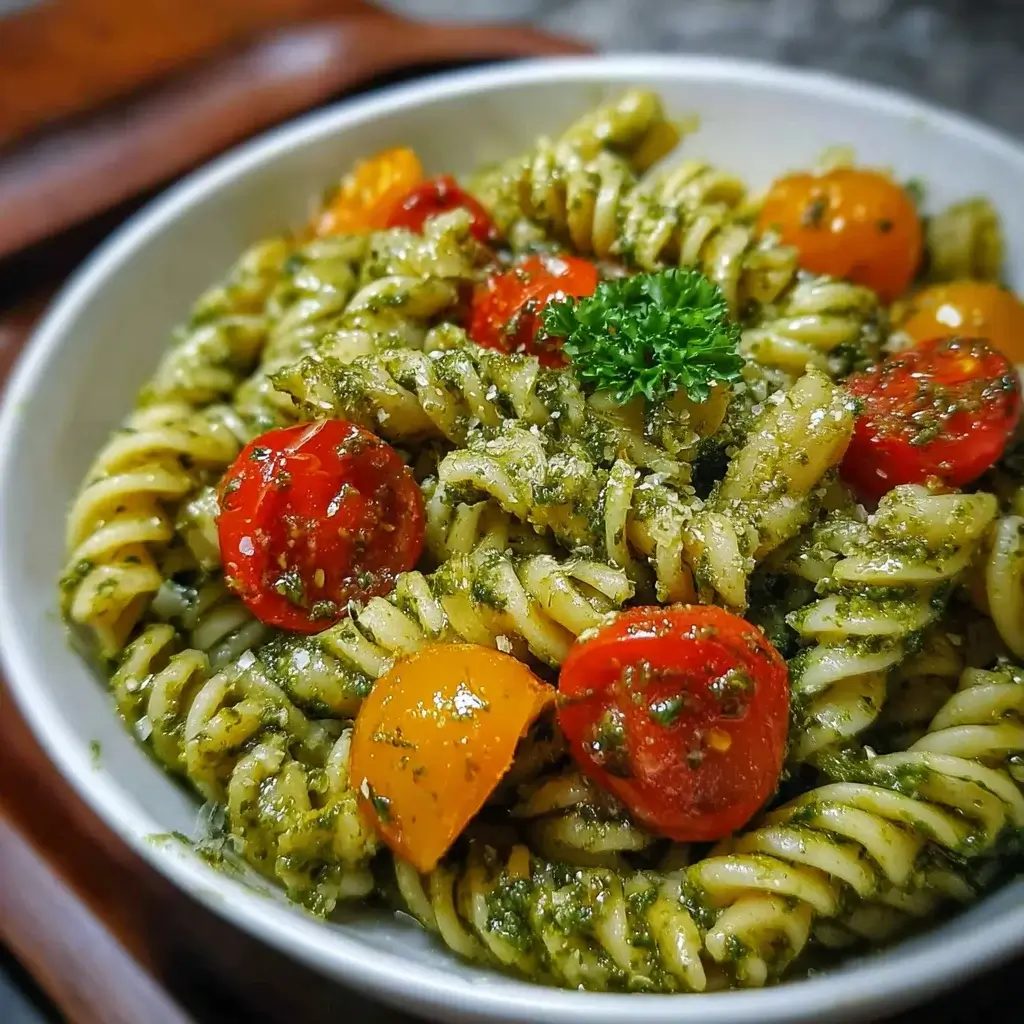
Welcome to a recipe that celebrates simplicity at its most delicious. Pesto Pasta with Cherry Tomatoes is more than just a quick meal; it’s a vibrant tapestry of classic Italian flavors. This dish captures the essence of a sun-drenched garden in every single bite. Imagine tender pasta coated in a fragrant, herbaceous basil pesto, studded with sweet, juicy cherry tomatoes that have been gently blistered until they burst, creating a light, complementary sauce. It’s a symphony of textures and tastes—the nutty, garlicky punch of the pesto, the sweet acidity of the tomatoes, and the satisfying chew of perfectly cooked pasta.
This article is your ultimate guide to creating this iconic dish from scratch. We will delve into the art of making a truly spectacular homemade pesto—a skill that will elevate your cooking tenfold. We’ll explore the simple technique of blistering tomatoes to unlock their deepest flavor and show you how to bring it all together into a harmonious, restaurant-quality meal. Whether you’re a seasoned cook or a kitchen novice, this recipe is designed to be foolproof, fast, and unbelievably fresh. Get ready to bring the bright, beautiful flavors of Italy to your dinner table.
The Anatomy of Freshness: Complete Ingredients List
A dish this simple lives and dies by the quality of its components. Using fresh, vibrant ingredients is not just a suggestion; it’s the very soul of the recipe. We’ve broken down the list into what you’ll need for the star of the show—the homemade pesto—and for the final pasta assembly.
For the Homemade Basil Pesto:
- Fresh Basil: 2 packed cups of fresh basil leaves. This is the heart of your pesto. Look for vibrant, green leaves with no dark spots. Genovese basil is the classic choice for its sweet, slightly peppery flavor. The term “packed” means you should press the leaves firmly into the measuring cup.
- Pine Nuts: ⅓ cup. Pine nuts are traditional for a reason; they provide a subtle, buttery sweetness and a creamy texture when blended. Due to their cost, you can easily substitute them with untoasted walnuts for a more robust, earthy flavor or almonds for a milder profile. Toasting the nuts beforehand (see tips section) will deepen their flavor significantly.
- Garlic: 2-3 cloves, peeled. The amount of garlic is a matter of personal taste. Two cloves will give you a pleasant, warm garlic note, while three will provide a more assertive, spicy punch. Always use fresh cloves, as their flavor is far superior to pre-minced or powdered versions.
- Parmigiano-Reggiano Cheese: ½ cup, freshly grated. This is the soul of the pesto’s savory flavor. Please, use a wedge of authentic Parmigiano-Reggiano and grate it yourself. Its complex, nutty, and salty flavor is incomparable. Pre-grated cheese often contains anti-caking agents that can affect the texture and will lack the same depth of flavor. Pecorino Romano, a sheep’s milk cheese, is a traditional and slightly tangier alternative.
- Extra Virgin Olive Oil: ½ cup. Since pesto is an uncooked sauce, the flavor of your olive oil will shine through. Use a good quality, flavorful extra virgin olive oil. A fruity, slightly peppery oil will add wonderful complexity.
- Lemon Juice: 1 tablespoon, freshly squeezed. This is a crucial, though sometimes overlooked, ingredient. A squeeze of fresh lemon juice brightens all the other flavors and, importantly, helps the basil retain its vibrant green color by preventing oxidation.
- Salt and Black Pepper: ½ teaspoon of salt and ¼ teaspoon of freshly ground black pepper (or to taste). Essential for seasoning and bringing all the flavors into balance.
For the Pasta and Assembly:
- Pasta: 1 lb (16 ounces) of your favorite pasta. Long shapes like spaghetti, linguine, or fettuccine are classic for twirling with pesto. Short shapes like fusilli, rotini, or farfalle are also excellent choices, as their nooks and crannies are perfect for capturing the sauce.
- Cherry Tomatoes: 1 pint (about 2 cups). Cherry or grape tomatoes are ideal for this recipe. Their small size allows them to cook quickly, and their high sugar content means they become incredibly sweet and jammy when blistered.
- Olive Oil: 1 tablespoon. For sautéing the tomatoes.
- Garlic: 2 cloves, thinly sliced. A little extra garlic sautéed with the tomatoes adds another layer of fragrant, savory flavor to the final dish.
- Optional Garnish: Extra Parmesan cheese, fresh basil leaves, toasted pine nuts, and red pepper flakes.
Crafting Your Masterpiece: Step-by-Step Instructions
This recipe is a tale of two simple processes: making the pesto and preparing the pasta with tomatoes. Follow these steps for a seamless and delicious result.
Part 1: Making the Fresh Basil Pesto
You can make pesto using a food processor for speed or a mortar and pestle for a more traditional texture.
Food Processor Method (Quick & Easy):
- Combine Dry Ingredients: In the bowl of a food processor, combine the fresh basil leaves, pine nuts (toasted, if desired), peeled garlic cloves, and freshly grated Parmigiano-Reggiano cheese.
- Pulse: Pulse the mixture 5-10 times until the ingredients are coarsely chopped and well combined.
- Stream in the Oil: With the food processor running on low, slowly stream in the extra virgin olive oil until the pesto is smooth but still has some texture. Scrape down the sides of the bowl as needed to ensure everything is incorporated.
- Final Seasoning: Turn off the processor. Add the fresh lemon juice, salt, and black pepper. Pulse a few more times to combine. Taste and adjust seasoning if necessary. It might need another pinch of salt or a bit more lemon juice to brighten it up.
Mortar and Pestle Method (Traditional & Textured):
- Grind the Aromatics: Place the garlic cloves and a pinch of salt in the mortar. Grind with the pestle until a smooth paste forms. The salt acts as an abrasive.
- Add the Nuts: Add the pine nuts and continue grinding until they are broken down and incorporated into the garlic paste.
- Incorporate the Basil: Add the basil leaves a handful at a time, grinding with a firm, circular motion against the sides of the mortar. Continue until all the basil is added and has formed a thick, green paste. This takes patience but yields a wonderful texture.
- Stir in Cheese and Oil: Add the grated Parmesan cheese and stir to combine. Then, slowly drizzle in the olive oil while stirring with the pestle until a creamy, emulsified sauce forms.
- Season: Stir in the lemon juice and black pepper. Taste and adjust salt as needed.
Part 2: Cooking and Assembling the Pesto Pasta
- Cook the Pasta: Bring a large pot of heavily salted water to a rolling boil. The water should taste like the sea. Add the pasta and cook according to package directions until it is al dente—tender with a slight bite.
- Reserve Pasta Water: Before draining the pasta, reserve about 1 cup of the starchy cooking water. This liquid gold is the key to creating a creamy sauce. Drain the pasta.
- Blister the Tomatoes: While the pasta is cooking, heat 1 tablespoon of olive oil in a large skillet or pan over medium-high heat. Add the thinly sliced garlic and cook for about 30 seconds until fragrant. Add the whole cherry tomatoes to the skillet.
- Cook the Tomatoes: Let the tomatoes cook, shaking the pan occasionally, for about 5-7 minutes. They will start to soften, wrinkle, and “blister.” Some will burst open, releasing their sweet juices. You can gently press a few with the back of a spoon to help them along. Season with a small pinch of salt and pepper.
- Combine Everything: Reduce the heat under the skillet to low. Add the drained pasta directly to the skillet with the blistered tomatoes. Add about ½ cup of the prepared pesto and ¼ cup of the reserved pasta water.
- Toss to Emulsify: Toss everything together vigorously. The starchy pasta water will help the pesto cling to the pasta and emulsify with the tomato juices, creating a light, creamy sauce that coats every noodle. If the sauce seems too thick, add another splash of pasta water until it reaches your desired consistency.
- Serve Immediately: Divide the pesto pasta among bowls. Garnish with a sprinkle of extra Parmesan cheese, a few fresh basil leaves, and a pinch of red pepper flakes if you like a little heat.
Nutrition Facts
This dish is a wonderful balance of macronutrients and is packed with flavor. The following nutritional information is an estimate based on the recipe serving 4-6 people.
- Servings: 4-6
- Calories per serving (for 4 servings): Approximately 650-750 kcal
Nutritional Highlights:
- Healthy Fats: This dish is rich in heart-healthy monounsaturated fats from the extra virgin olive oil and pine nuts.
- Antioxidants: The basil provides vitamins and antioxidants, while the cooked cherry tomatoes are an excellent source of lycopene, a powerful antioxidant linked to numerous health benefits.
- Balanced Meal: It provides sustained energy from the pasta’s carbohydrates, protein from the cheese and nuts, and healthy fats.
Disclaimer: The nutritional information provided is an estimate and can vary based on the specific ingredients, brands, and portion sizes used.
Preparation Time
This fresh and flavorful meal comes together surprisingly quickly, making it a perfect weeknight option.
- Prep Time: 15 minutes (making pesto, washing tomatoes)
- Cook Time: 15-20 minutes (cooking pasta and tomatoes)
- Total Time: Approximately 30-35 minutes
How to Serve Your Pesto Pasta
The beauty of this dish is its versatility. It can be a simple main, a hearty side, or a refreshing pasta salad.
- As a Warm and Hearty Main Course:
- Serve it fresh and hot right out of the skillet for a comforting dinner.
- Add Protein: Easily turn it into a more substantial meal by topping it with:
- Grilled or shredded chicken
- Sautéed shrimp
- A can of drained chickpeas (tossed in with the tomatoes)
- A dollop of creamy burrata or fresh mozzarella balls
- As a Refreshing Cold Pesto Pasta Salad:
- This dish is fantastic for picnics, potlucks, or meal prep.
- To make it as a pasta salad, let the pasta and tomatoes cool slightly before tossing with the pesto.
- You may need to add a little extra olive oil or a squeeze more lemon juice to the pesto to keep the sauce loose, as the pasta will absorb more of it as it sits.
- Consider adding other salad-friendly ingredients like chopped cucumber, Kalamata olives, or crumbled feta cheese.
- Perfect Pairings and Garnishes:
- Garlic Bread: A slice of crusty garlic bread is the perfect vessel for sopping up any leftover sauce.
- Simple Green Salad: A side salad with a light lemon vinaigrette offers a fresh, crisp contrast.
- Garnish Like a Pro: Elevate the presentation and flavor with a final flourish of:
- Extra grated Parmigiano-Reggiano
- A drizzle of high-quality finishing olive oil
- A sprinkle of toasted pine nuts
- Freshly cracked black pepper
5 Essential Tips for Perfect Pesto Pasta
Unlock the full potential of this simple dish with these five game-changing tips.
1. The Undisputed Magic of Pasta Water:
Never, ever pour all of your pasta water down the drain. That cloudy liquid is full of starch released by the pasta as it cooks. This starchy water is the secret ingredient that professional chefs use to create silky, emulsified sauces. When tossed with the pesto and oil, it helps bind the sauce to the pasta, preventing it from being oily or separated and creating a perfectly creamy consistency without any cream.
2. Toast Your Nuts for Deeper Flavor:
While you can use raw nuts, taking five extra minutes to toast them will have a massive impact on your pesto’s flavor. Toasting pine nuts (or walnuts/almonds) in a dry skillet over medium-low heat until they are fragrant and lightly golden releases their natural oils and deepens their flavor from one-dimensional to complex and nutty. Just watch them carefully, as they can burn quickly!
3. Don’t Cook Your Pesto:
This is a critical rule. Pesto is a fresh, raw sauce. Its vibrant, herbaceous flavor comes from uncooked basil, garlic, and high-quality olive oil. Adding it to a hot pan and “cooking” it will dull the fresh basil flavor, turn its beautiful green color a murky dark shade, and can make the garlic taste bitter. Always toss the pesto with the hot pasta off the heat or on the lowest possible heat setting.
4. Blanch Your Basil for Ever-Green Pesto (Optional Pro-Tip):
If you want to make pesto that stays vibrantly, brilliantly green for days (especially if making a large batch), try blanching the basil. Drop the fresh basil leaves into a pot of boiling water for just 15-20 seconds, then immediately transfer them to a bowl of ice water to stop the cooking process (this is called “shocking”). Squeeze out all the excess water before proceeding with the recipe. This technique deactivates the enzyme that causes basil to oxidize and turn brown.
5. Taste and Adjust at Every Stage:
Great cooking is about tasting as you go. Salt your pasta water properly. Season the blistering tomatoes. Most importantly, taste your finished pesto before you use it. Does it need more salt? Is it bright enough, or could it use another squeeze of lemon? Taste the final dish after tossing everything together. Adjusting the seasoning at the end is what separates a good meal from a great one.
Frequently Asked Questions (FAQ)
Here are the answers to some common questions you might have about this recipe.
1. Can I use store-bought pesto to save time?
Yes, of course! Using a high-quality store-bought pesto is a fantastic shortcut for a super-fast dinner. To elevate its flavor, try stirring in a tablespoon of fresh lemon juice, a handful of freshly grated Parmesan cheese, and a drizzle of good extra virgin olive oil to brighten it up and give it a more homemade taste.
2. How can I make this recipe vegan?
This dish is very easy to adapt for a vegan diet. The only non-vegan ingredient is the Parmesan cheese. To make a vegan pesto, simply omit the cheese and replace it with 2-3 tablespoons of nutritional yeast, which provides a savory, “cheesy” flavor. Ensure you taste and adjust the salt, as you’ll be missing the saltiness from the cheese.
3. How do I make a nut-free version of the pesto?
For a nut-free pesto that’s safe for those with allergies, you can substitute the pine nuts with an equal amount of raw sunflower seeds or pepitas (shelled pumpkin seeds). They provide a similar richness and texture. For the best flavor, toast them lightly in a dry skillet just as you would with the pine nuts.
4. How do I store leftovers?
Store leftover pesto pasta in an airtight container in the refrigerator for up to 3 days. The pasta will absorb the sauce as it sits. To reheat, gently warm it in a skillet over low heat with a splash of water or olive oil to loosen the sauce. For leftover pesto sauce, store it in a jar with a layer of olive oil poured over the top. The oil creates a seal that prevents the surface from oxidizing and turning brown. It will keep in the fridge for up to a week.
5. My homemade pesto turned brown. What did I do wrong and how can I fix it?
Your pesto turned brown due to oxidation—the same process that turns a cut apple brown. It happens when the cut surfaces of the basil leaves are exposed to air. To prevent this, make sure to add the lemon juice, which slows oxidation. Also, when blending, stream in the olive oil to coat the leaves. If storing, always top the pesto with a layer of olive oil to create a protective barrier against the air. While you can’t reverse the brown color, it will still taste delicious
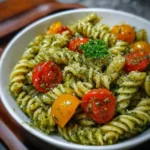
Pesto Pasta with Cherry Tomatoes recipe
Ingredients
For the Homemade Basil Pesto:
-
Fresh Basil: 2 packed cups of fresh basil leaves. This is the heart of your pesto. Look for vibrant, green leaves with no dark spots. Genovese basil is the classic choice for its sweet, slightly peppery flavor. The term “packed” means you should press the leaves firmly into the measuring cup.
-
Pine Nuts: ⅓ cup. Pine nuts are traditional for a reason; they provide a subtle, buttery sweetness and a creamy texture when blended. Due to their cost, you can easily substitute them with untoasted walnuts for a more robust, earthy flavor or almonds for a milder profile. Toasting the nuts beforehand (see tips section) will deepen their flavor significantly.
-
Garlic: 2-3 cloves, peeled. The amount of garlic is a matter of personal taste. Two cloves will give you a pleasant, warm garlic note, while three will provide a more assertive, spicy punch. Always use fresh cloves, as their flavor is far superior to pre-minced or powdered versions.
-
Parmigiano-Reggiano Cheese: ½ cup, freshly grated. This is the soul of the pesto’s savory flavor. Please, use a wedge of authentic Parmigiano-Reggiano and grate it yourself. Its complex, nutty, and salty flavor is incomparable. Pre-grated cheese often contains anti-caking agents that can affect the texture and will lack the same depth of flavor. Pecorino Romano, a sheep’s milk cheese, is a traditional and slightly tangier alternative.
-
Extra Virgin Olive Oil: ½ cup. Since pesto is an uncooked sauce, the flavor of your olive oil will shine through. Use a good quality, flavorful extra virgin olive oil. A fruity, slightly peppery oil will add wonderful complexity.
-
Lemon Juice: 1 tablespoon, freshly squeezed. This is a crucial, though sometimes overlooked, ingredient. A squeeze of fresh lemon juice brightens all the other flavors and, importantly, helps the basil retain its vibrant green color by preventing oxidation.
-
Salt and Black Pepper: ½ teaspoon of salt and ¼ teaspoon of freshly ground black pepper (or to taste). Essential for seasoning and bringing all the flavors into balance.
For the Pasta and Assembly:
-
Pasta: 1 lb (16 ounces) of your favorite pasta. Long shapes like spaghetti, linguine, or fettuccine are classic for twirling with pesto. Short shapes like fusilli, rotini, or farfalle are also excellent choices, as their nooks and crannies are perfect for capturing the sauce.
-
Cherry Tomatoes: 1 pint (about 2 cups). Cherry or grape tomatoes are ideal for this recipe. Their small size allows them to cook quickly, and their high sugar content means they become incredibly sweet and jammy when blistered.
-
Olive Oil: 1 tablespoon. For sautéing the tomatoes.
-
Garlic: 2 cloves, thinly sliced. A little extra garlic sautéed with the tomatoes adds another layer of fragrant, savory flavor to the final dish.
-
Optional Garnish: Extra Parmesan cheese, fresh basil leaves, toasted pine nuts, and red pepper flakes.
Instructions
Part 1: Making the Fresh Basil Pesto
You can make pesto using a food processor for speed or a mortar and pestle for a more traditional texture.
Food Processor Method (Quick & Easy):
-
Combine Dry Ingredients: In the bowl of a food processor, combine the fresh basil leaves, pine nuts (toasted, if desired), peeled garlic cloves, and freshly grated Parmigiano-Reggiano cheese.
-
Pulse: Pulse the mixture 5-10 times until the ingredients are coarsely chopped and well combined.
-
Stream in the Oil: With the food processor running on low, slowly stream in the extra virgin olive oil until the pesto is smooth but still has some texture. Scrape down the sides of the bowl as needed to ensure everything is incorporated.
-
Final Seasoning: Turn off the processor. Add the fresh lemon juice, salt, and black pepper. Pulse a few more times to combine. Taste and adjust seasoning if necessary. It might need another pinch of salt or a bit more lemon juice to brighten it up.
Mortar and Pestle Method (Traditional & Textured):
-
Grind the Aromatics: Place the garlic cloves and a pinch of salt in the mortar. Grind with the pestle until a smooth paste forms. The salt acts as an abrasive.
-
Add the Nuts: Add the pine nuts and continue grinding until they are broken down and incorporated into the garlic paste.
-
Incorporate the Basil: Add the basil leaves a handful at a time, grinding with a firm, circular motion against the sides of the mortar. Continue until all the basil is added and has formed a thick, green paste. This takes patience but yields a wonderful texture.
-
Stir in Cheese and Oil: Add the grated Parmesan cheese and stir to combine. Then, slowly drizzle in the olive oil while stirring with the pestle until a creamy, emulsified sauce forms.
-
Season: Stir in the lemon juice and black pepper. Taste and adjust salt as needed.
Part 2: Cooking and Assembling the Pesto Pasta
-
Cook the Pasta: Bring a large pot of heavily salted water to a rolling boil. The water should taste like the sea. Add the pasta and cook according to package directions until it is al dente—tender with a slight bite.
-
Reserve Pasta Water: Before draining the pasta, reserve about 1 cup of the starchy cooking water. This liquid gold is the key to creating a creamy sauce. Drain the pasta.
-
Blister the Tomatoes: While the pasta is cooking, heat 1 tablespoon of olive oil in a large skillet or pan over medium-high heat. Add the thinly sliced garlic and cook for about 30 seconds until fragrant. Add the whole cherry tomatoes to the skillet.
-
Cook the Tomatoes: Let the tomatoes cook, shaking the pan occasionally, for about 5-7 minutes. They will start to soften, wrinkle, and “blister.” Some will burst open, releasing their sweet juices. You can gently press a few with the back of a spoon to help them along. Season with a small pinch of salt and pepper.
-
Combine Everything: Reduce the heat under the skillet to low. Add the drained pasta directly to the skillet with the blistered tomatoes. Add about ½ cup of the prepared pesto and ¼ cup of the reserved pasta water.
-
Toss to Emulsify: Toss everything together vigorously. The starchy pasta water will help the pesto cling to the pasta and emulsify with the tomato juices, creating a light, creamy sauce that coats every noodle. If the sauce seems too thick, add another splash of pasta water until it reaches your desired consistency.
-
Serve Immediately: Divide the pesto pasta among bowls. Garnish with a sprinkle of extra Parmesan cheese, a few fresh basil leaves, and a pinch of red pepper flakes if you like a little heat.
Nutrition
- Serving Size: one normal portion
- Calories: 650-750 kcal