


Margherita Pizza is a timeless Italian classic that has won the hearts of food lovers across the globe. With its simple yet flavorful ingredients, this pizza is a celebration of authentic Italian cuisine. Whether you’re a seasoned chef or a novice cook, making a Margherita Pizza at home is not only satisfying but also surprisingly easy. In this article, we’ll guide you through the process of creating this delicious masterpiece, complete with ingredient details, step-by-step instructions, serving suggestions, and more.
Ingredients
To make a traditional Margherita Pizza, you will need the following ingredients:
- 1 store-bought pizza dough
- 1 cup pizza sauce
- 1 1/2 cups fresh mozzarella cheese, sliced
- 1 cup fresh basil leaves
- 2 tbsp olive oil
- Salt and pepper to taste
These ingredients are readily available and can be found at most grocery stores. The simplicity of the components allows each flavor to shine, creating a harmonious blend that is quintessentially Italian.
Instructions
Follow these easy steps to make your own Margherita Pizza:
- Preheat your oven to 475°F (245°C).
Preheating ensures that the pizza cooks evenly and the crust becomes perfectly crispy. - Roll out the pizza dough on a floured surface to your desired thickness.
Using a rolling pin, flatten the dough to achieve your preferred crust thickness, whether thin or thick. - Transfer the dough to a baking sheet or pizza stone.
A pizza stone can help achieve a crispier base, but a baking sheet will work just as well. - Spread the pizza sauce evenly on the dough.
Use a spoon or ladle to distribute the sauce, leaving a small border around the edges for the crust. - Layer mozzarella slices over the sauce.
Arrange the cheese slices evenly to ensure every bite is cheesy and delicious. - Season with salt, pepper, and drizzle olive oil over the top.
These additions enhance the flavors and give the pizza a rich, savory taste. - Bake for 10-15 minutes until the crust is golden and cheese is bubbly.
Keep an eye on the pizza to prevent over-baking, as oven temperatures can vary. - Remove from oven, top with fresh basil, and slice.
The fresh basil adds a burst of color and aroma, perfectly complementing the other ingredients.
Nutrition Facts
Here’s a breakdown of the nutritional content per slice, assuming the pizza is divided into 8 slices:
- Calories: 230
- Protein: 10g
- Carbs: 30g
- Fat: 8g
- Fiber: 1g
This nutritional profile makes Margherita Pizza a relatively balanced meal, offering a good mix of protein, carbohydrates, and fats. Enjoy it as an indulgent treat or a delightful main course.
How to Serve Margherita Pizza
Serving Margherita Pizza is as straightforward as its preparation, but there are several tips and tricks that can elevate your dining experience and ensure that this classic dish is enjoyed to its fullest potential. Here are some detailed suggestions to enhance your pizza experience:
Serve Hot
Margherita Pizza is best savored fresh out of the oven. The ideal temperature allows the mozzarella cheese to remain beautifully melty, while the natural oils in the basil release their aromatic fragrance. To achieve this, consider serving the pizza immediately after it has been removed from the oven. If you have to wait before serving, keep it in a warm spot, like a low-temperature oven (around 200°F or 93°C), to maintain its warmth without cooking it further. Using a pizza stone can also help retain heat and crispiness, ensuring that every slice is just as delightful as the first.
Cut with Care
When it’s time to cut the pizza, use a sharp pizza cutter or a large chef’s knife to ensure clean slices. This helps prevent the toppings from sliding off and keeps the integrity of each piece intact. Aim for slices that are about the same size to ensure everyone gets an equal share of the deliciousness. If you prefer a rustic presentation, you can also serve the pizza whole and allow guests to cut their own slices at the table, creating a more communal dining experience.
Pair with a Light Salad
Complement the richness of the Margherita Pizza with a fresh side salad. A simple arugula salad dressed with a light lemon vinaigrette can provide a refreshing contrast to the savory flavors of the pizza. The peppery taste of arugula balances the creamy mozzarella, while the acidity from the lemon helps to cut through the richness. You can also add other ingredients like cherry tomatoes, shaved Parmesan, or toasted pine nuts for added texture and flavor. A light Caprese salad, featuring fresh mozzarella, tomatoes, and basil, can also echo the flavors of the pizza while adding a vibrant, fresh touch.
Accompany with a Beverage
Selecting the right beverage can significantly enhance your Margherita Pizza experience. A glass of red wine, particularly a Chianti or Sangiovese, pairs beautifully with the flavors of the pizza. The acidity and fruitiness of these wines complement the tomato sauce, while the tannins help balance the richness of the cheese. If you prefer white wine, a crisp Pinot Grigio or a light Sauvignon Blanc can also work well, offering a refreshing counterpoint to the pizza’s savory elements.
For those looking for non-alcoholic options, sparkling water with a slice of lemon or a splash of grapefruit juice can be a delightful alternative. The effervescence of sparkling beverages not only cleanses the palate but also adds a touch of elegance to your meal. Herbal teas, such as basil or mint, can also provide a unique pairing that echoes the fresh herbs used in the pizza.
Create a Cozy Atmosphere
The way you serve your Margherita Pizza can also enhance the overall experience. Consider setting the table with rustic charm, using a wooden or slate pizza board for a more authentic presentation. Add fresh basil leaves as a garnish or sprinkle some extra Parmesan cheese on top for an inviting touch. Soft lighting and a laid-back ambiance can transform your pizza night into a warm, cozy gathering, making the meal feel special.
Consider Dessert
After indulging in a rich Margherita Pizza, think about a light dessert to round off the meal. A fruit sorbet or a simple panna cotta can offer a sweet yet refreshing end to your dining experience, cleansing the palate and leaving a lasting impression. The key is to keep it light and flavorful, ensuring it complements rather than overwhelms the meal.
By following these tips on how to serve Margherita Pizza, you can create a delightful and memorable dining experience that celebrates the simplicity and flavor of this beloved dish. Whether for a casual gathering or a formal dinner, these thoughtful touches will ensure that your pizza night is enjoyed to the fullest.
Additional Tips for Elevating Your Margherita Pizza-Making Experience
To truly enhance your Margherita pizza-making experience, consider the following comprehensive tips that will not only improve the flavor and texture of your pizza but also add an element of creativity to the process.
1. Use Fresh, High-Quality Ingredients
The foundation of an exceptional Margherita pizza lies in its ingredients. Here are some specifics to consider:
- Fresh Mozzarella: Opt for buffalo mozzarella if available, as it has a richer flavor and creamier texture compared to regular mozzarella. Look for mozzarella sold in water (or “fior di latte”), which retains moisture and enhances the pizza’s overall taste.
- Fresh Basil: When selecting basil, choose vibrant green leaves that are free from blemishes. For the best flavor, add the basil leaves whole and fresh just before serving, as cooking can diminish their aromatic qualities.
- Authentic Italian Pizza Sauce: For a truly authentic experience, seek out Italian San Marzano tomatoes, known for their sweetness and low acidity. If you prefer making your sauce, blend crushed tomatoes with a drizzle of extra virgin olive oil, a pinch of salt, and a sprinkle of oregano for a simple yet flavorful base.
2. Experiment with the Dough
If you’re feeling adventurous, making your own pizza dough can be a rewarding experience. Here are some tips to guide you:
- Ingredients: Start with high-protein bread flour for a chewier crust, or try “00” flour, which is finer and produces a crispier texture. Use a good-quality yeast and allow the dough to rise adequately for a light, airy crust.
- Hydration: Adjust the water content in your dough for varying crust textures. A wetter dough will yield a more open crumb and a chewy texture, while a drier dough may produce a denser crust.
- Fermentation Time: Allow your dough to undergo a long fermentation (up to 24 hours in the refrigerator) for improved flavor development. This slow rise will enhance the taste and structure of your crust.
- Stretching Technique: Instead of rolling the dough with a pin, use your hands to stretch it gently. This technique preserves the air bubbles that contribute to a light crust.
3. Adjust Cooking Time Based on Your Oven
Every oven has its nuances, and understanding these can make a significant impact on your pizza:
- Oven Calibration: Use an oven thermometer to ensure your temperature settings are accurate. Many home ovens can be off by as much as 25 degrees, which could affect cooking times.
- Baking Surface: For the best results, consider using a pizza stone or steel. Preheat it in the oven to create a crispy bottom. If you don’t have one, a heavy baking sheet turned upside down can also work well.
- Watch the Pizza: Start checking your pizza a few minutes before the recommended cooking time. Look for a bubbly, golden crust and melted cheese, adjusting the time as necessary based on your oven’s performance.
4. Try Different Cheeses
While mozzarella is the classic choice for Margherita pizza, experimenting with different cheeses can add a delightful twist:
- Provolone: This semi-hard cheese has a sharp, tangy flavor that complements the freshness of the tomatoes and basil. Mixing it with mozzarella can create a deliciously complex taste.
- Fontina: Known for its creamy texture and nutty flavor, Fontina can add an exciting layer of richness to your pizza. Use it in combination with mozzarella for a unique flavor profile.
- Goat Cheese: Crumbled goat cheese can introduce a tangy element that contrasts beautifully with the sweetness of the tomatoes.
- Parmesan or Pecorino Romano: Grating a bit of aged cheese over the top before serving can elevate the dish with added umami and depth.
5. Personalize Your Toppings
While traditional Margherita pizza is simple, adding personal touches can make it your own:
- Seasonal Vegetables: Consider adding thinly sliced zucchini, roasted red peppers, or artichoke hearts to enhance the flavor and texture without overpowering the dish.
- Spices and Oils: A drizzle of high-quality extra virgin olive oil or a sprinkle of red pepper flakes can add a sophisticated touch. Experiment with flavored oils, such as garlic-infused or basil oil, for extra depth.
- Balsamic Reduction: A drizzle of balsamic glaze or reduction after baking can introduce a sweet-tart contrast that elevates the overall flavor experience.
By incorporating these tips, you can transform your Margherita pizza-making experience into a culinary adventure that celebrates authenticity while allowing for personal creativity. Enjoy the process, and savor the delicious results!
FAQs
Q: Can I use a different type of cheese for Margherita Pizza?
A: Yes, while fresh mozzarella is traditional, you can experiment with other mild, melty cheeses like provolone or fontina for a different flavor profile.
Q: Can I make the pizza dough at home instead of using store-bought?
A: Absolutely! Homemade pizza dough can add a personal touch and allow you to tailor the crust’s texture and thickness to your preference.
Q: How do I store leftover Margherita Pizza?
A: Leftover pizza can be stored in the refrigerator for up to three days. Wrap it in aluminum foil or place it in an airtight container to maintain freshness. Reheat in the oven or a skillet for best results.
Q: Can I add other toppings to Margherita Pizza?
A: While Margherita Pizza is traditionally made with just mozzarella, basil, and tomato sauce, you can customize it with additional toppings like cherry tomatoes, olives, or even prosciutto if desired.
Conclusion
Margherita Pizza is a celebration of simplicity and flavor, capturing the essence of Italian cuisine in every bite. With its straightforward ingredients and easy preparation, this pizza is an excellent choice for any occasion, whether it’s a family dinner or a casual get-together with friends. By following the steps outlined in this article, you can create a delicious Margherita Pizza that will impress your taste buds and those of your guests. Enjoy the art of pizza-making and savor the delightful taste of Italy in the comfort of your home. Happy cooking!
Print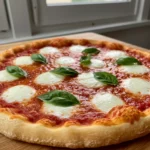
Margherita Pizza recipe
Ingredients
- 1 store-bought pizza dough
- 1 cup pizza sauce
- 1 1/2 cups fresh mozzarella cheese, sliced
- 1 cup fresh basil leaves
- 2 tbsp olive oil
- Salt and pepper to taste
Instructions
-
- Preheat your oven to 475°F (245°C).
Preheating ensures that the pizza cooks evenly and the crust becomes perfectly crispy. - Roll out the pizza dough on a floured surface to your desired thickness.
Using a rolling pin, flatten the dough to achieve your preferred crust thickness, whether thin or thick. - Transfer the dough to a baking sheet or pizza stone.
A pizza stone can help achieve a crispier base, but a baking sheet will work just as well. - Spread the pizza sauce evenly on the dough.
Use a spoon or ladle to distribute the sauce, leaving a small border around the edges for the crust. - Layer mozzarella slices over the sauce.
Arrange the cheese slices evenly to ensure every bite is cheesy and delicious. - Season with salt, pepper, and drizzle olive oil over the top.
These additions enhance the flavors and give the pizza a rich, savory taste. - Bake for 10-15 minutes until the crust is golden and cheese is bubbly.
Keep an eye on the pizza to prevent over-baking, as oven temperatures can vary. - Remove from oven, top with fresh basil, and slice.
The fresh basil adds a burst of color and aroma, perfectly complementing the other ingredients.
- Preheat your oven to 475°F (245°C).
Nutrition
- Serving Size: one normal portion
- Calories: 230
- Fat: 8g
- Carbohydrates: 30g
- Fiber: 1g
- Protein: 10g