
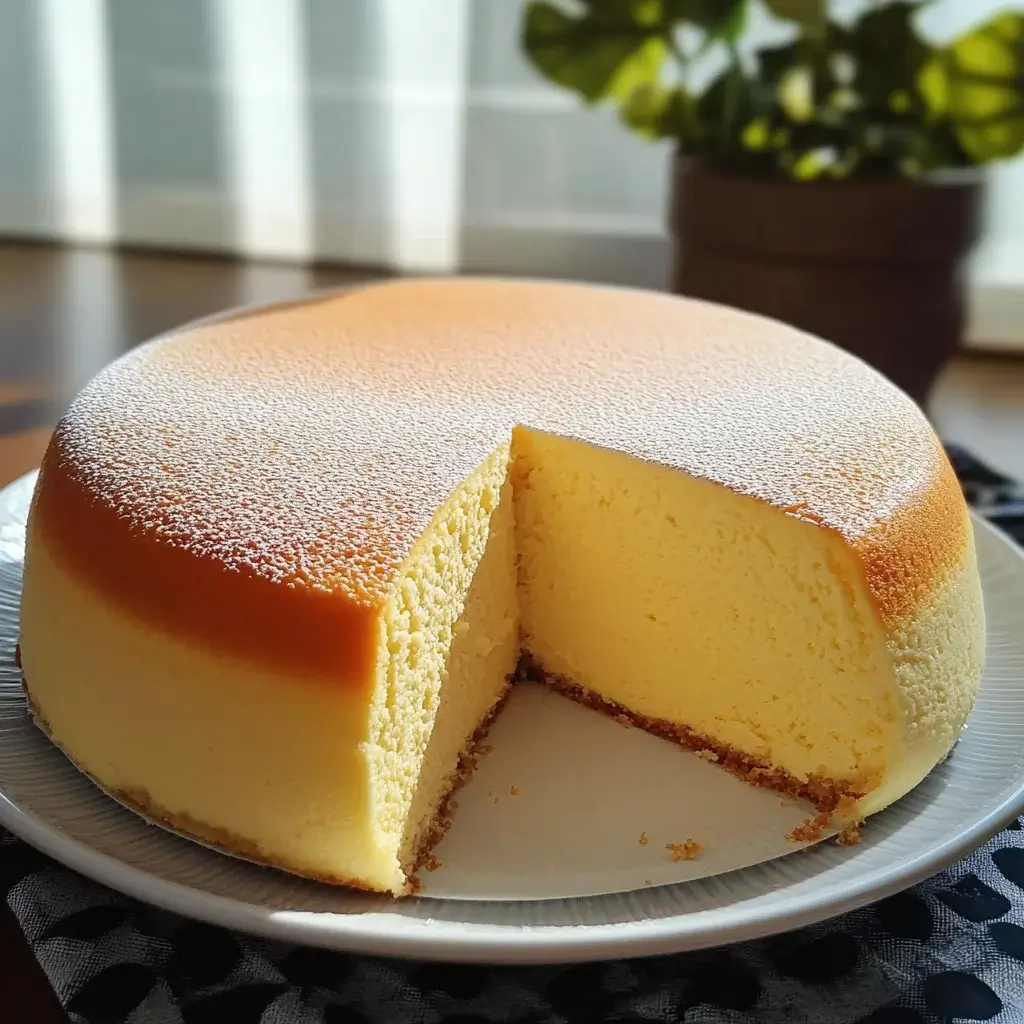

The first time I saw a video of a Jiggly Japanese Cheesecake, I was mesmerized. The way it quivered and bounced, almost defying gravity, was unlike any cheesecake I had ever encountered. Intrigued, I knew I had to try baking this ethereal dessert myself. What followed was a delightful baking adventure that culminated in a cheesecake that was not just visually stunning, but also incredibly light, airy, and subtly sweet. Forget the dense, rich cheesecakes you might be used to; this Jiggly Japanese Cheesecake is in a league of its own. It’s delicate, almost cloud-like, melting in your mouth with a gentle citrusy hint and a whisper of sweetness. My family, initially perplexed by its unusual texture, were soon captivated. Slices disappeared in moments, accompanied by delighted giggles and requests for “just one more jiggle.” If you’re ready to embark on a baking journey that will challenge your preconceptions of cheesecake and reward you with a truly unique and unforgettable dessert, then look no further. This Jiggly Japanese Cheesecake recipe is your gateway to a world of light, airy, and utterly delightful sweetness.
Ingredients: The Delicate Balance for Jiggly Perfection
The secret to the enchanting jiggly texture and delicate flavor of Japanese Cheesecake lies in the precise balance of its ingredients and the techniques used in its preparation. Each component plays a crucial role in achieving that signature airy lightness and subtle sweetness. Let’s break down each ingredient and understand its contribution to this unique dessert:
- 6 large Eggs, separated (at room temperature): Eggs are the backbone of this cheesecake, providing structure, richness, and, most importantly, the airy lightness that makes it jiggle. Separating the eggs is absolutely essential. The yolks contribute richness and flavor, while the egg whites, when whipped to stiff peaks, create the airy volume that is crucial for the cheesecake’s texture. Using room temperature eggs is also important, as they whip to a greater volume and create a more stable meringue. Ensure your eggs are fresh for the best results.
- 120g Cream Cheese, softened (full-fat, Philadelphia recommended): Cream cheese provides the quintessential cheesecake flavor and a touch of richness, but in a much lighter way than traditional cheesecakes. Full-fat cream cheese is recommended for the best flavor and texture. Philadelphia brand cream cheese is a widely recognized and reliable choice for cheesecakes. Softening the cream cheese to room temperature is crucial for ensuring a smooth batter without lumps. If your cream cheese is not softened enough, it can be difficult to incorporate evenly and may result in a grainy texture.
- 50g Unsalted Butter, melted: Melted unsalted butter adds richness, moisture, and a tender crumb to the cheesecake. Unsalted butter is recommended to control the salt level in the recipe. Melt the butter completely and let it cool slightly before adding it to the batter to prevent it from cooking the egg yolks. Butter contributes to the cheesecake’s delicate texture and subtle buttery flavor.
- 100ml Whole Milk: Whole milk adds moisture and helps to create a smooth and creamy batter. Whole milk is recommended for its richness, but you can use 2% milk as a slightly lighter alternative. The milk contributes to the overall lightness and tenderness of the cheesecake. You can use room temperature or slightly warmed milk.
- 60g Cake Flour (sifted): Cake flour is crucial for achieving the light and airy texture of Japanese Cheesecake. Cake flour has a lower protein content than all-purpose flour, resulting in a more tender and delicate crumb. Sifting the cake flour is important to remove any lumps and ensure it is light and airy, contributing to the cheesecake’s overall lightness. If you must substitute, you can use all-purpose flour, but your cheesecake will be slightly denser and less airy.
- 40g Cornstarch (sifted): Cornstarch also contributes to the delicate texture of Japanese Cheesecake and helps to stabilize the meringue, preventing it from collapsing during baking. Sifting the cornstarch is important to remove any lumps and ensure it is evenly distributed in the batter. Cornstarch also helps to create a slightly smoother and more refined texture.
- 80g Granulated Sugar (divided): Granulated sugar provides sweetness to the cheesecake and is divided into two portions. One portion is used to sweeten the yolk batter, and the larger portion is used to whip the egg whites into a meringue. Dividing the sugar ensures that the meringue is properly stabilized and achieves stiff peaks, which is essential for the cheesecake’s airy texture. Using the correct amount of sugar is important for both sweetness and structure.
- ¼ teaspoon Cream of Tartar: Cream of tartar is an acid that is added to the egg whites when whipping them into a meringue. It helps to stabilize the meringue, increase its volume, and prevent it from collapsing. Cream of tartar is crucial for creating a stable and voluminous meringue that is essential for the jiggly texture of the cheesecake. If you don’t have cream of tartar, you can substitute with a few drops of lemon juice or white vinegar, but cream of tartar is preferred for its effectiveness and neutral flavor.
- 1 teaspoon Vanilla Extract: Vanilla extract enhances the overall flavor of the cheesecake, adding a warm and aromatic note that complements the subtle sweetness and citrusy hints. Use pure vanilla extract for the best flavor. You can also use vanilla bean paste for a more intense vanilla flavor and visual appeal (vanilla bean specks).
- ¼ teaspoon Lemon Juice (freshly squeezed): Fresh lemon juice adds a bright, zesty note that balances the richness of the cream cheese and butter and enhances the overall flavor profile. Use freshly squeezed lemon juice for the best flavor. The acidity of the lemon juice also helps to tenderize the cheesecake slightly.
Ingredient Notes and Substitutions:
- Egg Quality: Use fresh, high-quality eggs for the best results.
- Cream Cheese Alternatives: While full-fat Philadelphia cream cheese is recommended, you can use other brands of full-fat cream cheese. Avoid using reduced-fat or fat-free cream cheese, as they may not provide the same richness and texture.
- Milk Alternatives: You can use 2% milk or skim milk as lighter alternatives to whole milk, but the cheesecake might be slightly less rich. Non-dairy milk like almond milk or oat milk can also be used, but they might slightly alter the flavor and texture.
- Sweetener Alternatives: You can experiment with other sweeteners like caster sugar (superfine sugar) for a smoother meringue, or use a combination of granulated sugar and a touch of powdered sugar for a slightly different texture. Avoid using liquid sweeteners like honey or maple syrup, as they can affect the batter consistency.
- Flavor Variations: You can experiment with other flavor extracts besides vanilla extract, such as almond extract, lemon extract, or orange extract. Citrus zest (lemon zest, orange zest) can also be added to enhance the citrusy notes.
By understanding the role of each ingredient and using high-quality components, you set the stage for creating a truly exceptional Jiggly Japanese Cheesecake with its signature light texture and delicate flavor.
Instructions: The Art of Baking a Jiggly Masterpiece
Baking Jiggly Japanese Cheesecake is a delicate process that requires attention to detail and specific techniques. Follow these detailed step-by-step instructions carefully to achieve that coveted jiggly texture and ethereal lightness:
- Preheat Oven and Prepare Water Bath: Preheat your oven to 300°F (150°C). This lower baking temperature is crucial for the gentle cooking required for Japanese Cheesecake. Prepare a water bath. You will need a larger baking pan (like a roasting pan or a 9×13 inch baking dish) that is deep enough to hold your cheesecake pan and hot water. Fill the larger pan with about 1 inch of hot water. The water bath creates a humid environment in the oven, which helps the cheesecake bake evenly, prevents cracking, and contributes to its moist and jiggly texture.
- Prepare Springform Pan: Grease a 6-inch springform pan with butter and line the bottom with parchment paper. You can also line the sides with parchment paper extending slightly above the rim to help the cheesecake rise evenly. Greasing and lining the pan ensures the cheesecake releases easily after baking. Using a 6-inch springform pan is recommended for this recipe to achieve the desired height and jiggle.
- Separate Eggs: Carefully separate the eggs, placing the yolks in a large bowl and the whites in a separate, clean, and grease-free bowl. Ensure no yolk gets into the egg whites, as this can prevent them from whipping properly. Separating eggs carefully is crucial for whipping egg whites to stiff peaks.
- Prepare Yolk Batter: In the bowl with the egg yolks, add the softened cream cheese and melted butter. Whisk together until smooth and well combined. Ensure the cream cheese is softened to room temperature for smooth mixing. Whisking until smooth ensures a lump-free batter. Gradually whisk in the whole milk until the batter is smooth and creamy. Gradually adding milk prevents curdling and ensures a smooth emulsion.
- Sift in Dry Ingredients: Sift together the cake flour and cornstarch into a separate bowl. Sifting removes lumps and aerates the dry ingredients, contributing to a lighter texture. Gradually sift the dry ingredients into the yolk batter, whisking continuously until just combined. Be careful not to overmix at this stage, as overmixing can develop gluten and make the cheesecake tougher. Whisk until just combined to avoid overmixing.
- Whip Egg Whites into Meringue: In the clean, grease-free bowl with the egg whites, add cream of tartar. Using an electric mixer (hand mixer or stand mixer), beat the egg whites on medium speed until foamy. Gradually add granulated sugar, a tablespoon at a time, while continuing to beat on medium-high speed. Beat until stiff, glossy peaks form. The meringue should be firm enough to hold its shape when you lift the beaters. Whipping egg whites to stiff peaks is crucial for the airy texture of the cheesecake. Cream of tartar stabilizes the meringue. Gradually adding sugar ensures a stable and glossy meringue.
- Fold Meringue into Yolk Batter (in Batches): Gently fold one-third of the meringue into the yolk batter to lighten it. Then, gently fold in the remaining meringue in two additions, being careful not to deflate the meringue. Fold until just combined and no streaks of egg white remain. Folding gently preserves the airiness of the meringue and ensures a light and airy cheesecake texture. Fold until just combined to avoid deflating the meringue.
- Add Vanilla Extract and Lemon Juice: Gently fold in the vanilla extract and lemon juice until just combined. These flavorings enhance the overall taste of the cheesecake. Fold in gently to avoid deflating the batter.
- Pour Batter into Prepared Pan: Pour the batter into the prepared 6-inch springform pan. Gently tap the pan on the counter a few times to release any large air bubbles. Tapping removes air bubbles and ensures a smoother cheesecake surface.
- Bake in Water Bath: Place the springform pan in the larger baking pan with hot water (water bath). Carefully transfer the entire setup to the preheated oven. Bake for 60-70 minutes, or until the cheesecake is set around the edges but still jiggly in the center. The top should be lightly golden brown. Baking in a water bath ensures even baking and prevents cracking. Baking until set around the edges but jiggly in the center is key to achieving the signature jiggly texture.
- Turn Off Oven, Crack Door, and Cool Gradually: Once baked, turn off the oven and crack the oven door slightly open. Let the cheesecake cool in the oven with the door ajar for 30 minutes. This gradual cooling helps to prevent the cheesecake from collapsing or cracking due to sudden temperature changes. Cooling gradually is crucial for preventing cracks and maintaining texture.
- Remove from Oven and Water Bath, Cool Completely: Remove the cheesecake from the oven and the water bath. Let it cool completely at room temperature on a wire rack. Cooling completely at room temperature allows the cheesecake to set further.
- Chill in Refrigerator (Minimum 4 Hours, Preferably Overnight): Once cooled to room temperature, cover the cheesecake loosely with plastic wrap and chill in the refrigerator for at least 4 hours, or preferably overnight. Chilling is essential for the cheesecake to fully set, firm up, and develop its signature jiggly texture. Chilling overnight is highly recommended for the best texture and flavor.
- Release from Springform Pan and Serve: Before serving, carefully release the cheesecake from the springform pan. Run a thin knife or spatula around the edges of the pan to loosen the cheesecake if needed. Gently remove the sides of the springform pan. Transfer the cheesecake to a serving plate. Slice and serve chilled. Serve chilled for the best texture and refreshing taste.
Tips for Baking Perfect Jiggly Japanese Cheesecake:
- Room Temperature Ingredients: Use room temperature eggs and softened cream cheese for optimal mixing and batter consistency.
- Accurate Measurements: Measure ingredients accurately, especially flour and sugar, for the best results.
- Whip Meringue to Stiff Peaks: Whipping egg whites to stiff, glossy peaks is crucial for the airy texture.
- Fold Meringue Gently: Fold the meringue into the yolk batter gently to avoid deflating it.
- Water Bath is Essential: Don’t skip the water bath; it’s crucial for even baking and preventing cracks.
- Bake at Low Temperature: Bake at the low temperature of 300°F (150°C) for gentle cooking and jiggly texture.
- Cool Gradually in Oven: Cool the cheesecake gradually in the oven with the door ajar to prevent cracking.
- Chill Thoroughly Before Serving: Chill the cheesecake for at least 4 hours, or preferably overnight, to fully set and develop its signature texture.
- Patience is Key: Baking Jiggly Japanese Cheesecake requires patience. Follow each step carefully and don’t rush the process for the best results.
By following these detailed instructions and tips, you’ll be able to bake a beautiful and authentic Jiggly Japanese Cheesecake that is light, airy, and truly delightful!
Nutrition Facts for Jiggly Japanese Cheesecake
(Per Serving, estimated for 1 slice of a 10-slice cheesecake. Nutritional values are estimates and can vary based on specific ingredients and serving size.)
- Servings: Approximately 10 slices per 6-inch cheesecake.
- Serving Size: 1 slice (approximately 1/10th of the cheesecake).
- Calories per Serving (Estimated): 250-350 calories (depending on slice size and specific ingredients).
Approximate Nutritional Breakdown per Serving (Estimated):
- Calories: 250-350 kcal
- Total Fat: 15-20g
- Saturated Fat: 8-12g (can be high due to cream cheese and butter)
- Unsaturated Fat: 7-8g
- Cholesterol: 100-150mg (can be high due to eggs and cream cheese)
- Sodium: 150-200mg
- Total Carbohydrates: 20-30g
- Dietary Fiber: <1g
- Sugars: 15-20g (from granulated sugar and naturally occurring sugars in milk)
- Protein: 5-7g (from eggs and milk)
- Vitamin A: Moderate source of Vitamin A (from eggs and milk)
- Calcium: Moderate source of Calcium (from milk and cream cheese)
Key Nutritional Highlights (and Considerations):
- Moderate Source of Protein: Provides a moderate amount of protein from eggs and milk.
- Source of Calcium: Contains calcium from milk and cream cheese.
- Lower in Calories and Fat than Traditional Cheesecake: Generally lower in calories and fat compared to traditional American-style cheesecakes, which are typically much denser and richer.
- High in Saturated Fat and Cholesterol: Still relatively high in saturated fat and cholesterol due to the use of cream cheese, butter, and eggs. Portion control is important.
- Moderate in Carbohydrates and Sugars: Contains a moderate amount of carbohydrates and sugars, primarily from granulated sugar and naturally occurring sugars in milk.
- Not a Significant Source of Fiber: Low in dietary fiber.
Important Notes:
- These are estimated nutritional values and can vary significantly based on the specific brands and types of ingredients used (e.g., cream cheese fat content, milk type), slice size, and variations.
- Homemade cheesecakes generally offer more control over ingredients compared to commercially produced cheesecakes.
- While Jiggly Japanese Cheesecake is lighter than traditional cheesecake, it is still a dessert and should be enjoyed in moderation as part of a balanced diet.
- To make it slightly healthier, you could potentially reduce the amount of sugar slightly, use 2% milk instead of whole milk, but significant alterations might affect the texture and signature characteristics of the cheesecake.
For more precise nutritional information, you can use online nutrition calculators and input the specific brands and quantities of ingredients you used. However, this general nutritional overview provides a good understanding of the nutritional profile of Jiggly Japanese Cheesecake.
Preparation Time for Jiggly Japanese Cheesecake
Making Jiggly Japanese Cheesecake is a process that involves both active preparation and inactive baking and chilling time. Here’s a breakdown of the approximate preparation time:
- Prep Time: 45-60 minutes (This includes preparing ingredients, separating eggs, making yolk batter, whipping meringue, folding batter, preparing pan and water bath).
- Cook Time: 1 hour – 1 hour 10 minutes (Baking in water bath (60-70 mins), cooling gradually in oven (30 mins)).
- Cooling Time (Room Temperature): 1-2 hours (Cooling completely at room temperature before chilling).
- Chilling Time (Refrigerator): Minimum 4 hours, preferably overnight (Chilling in refrigerator to fully set).
Total Time (Approximate): 6 hours 45 minutes – 8 hours 10 minutes (From start to finish, including active and inactive time, especially with overnight chilling).
Planning Ahead:
- Make Ahead Dessert: Jiggly Japanese Cheesecake is an excellent make-ahead dessert, as it requires significant chilling time. It’s ideal to prepare it the day before you plan to serve it.
- Weekend Baking Project: Due to the longer total time, it’s well-suited for a weekend baking project or when you have a leisurely day to spend in the kitchen.
- Spread Out Preparation: You can spread out the preparation over two days. For example, you can prepare the batter and bake the cheesecake on one day, and then chill and serve it the next day.
Time-Saving Tips (Minimal):
- Quick Soak Cashews (Not Applicable): This recipe does not use cashews, so quick soaking is not relevant.
- Pre-Softened Cream Cheese: Ensure your cream cheese is softened to room temperature ahead of time to speed up batter preparation.
- Utilize Mixer Efficiently: Use an electric mixer (stand mixer or hand mixer) to whip egg whites, which is much faster than whipping by hand.
While there aren’t significant shortcuts to drastically reduce the total time due to the baking and chilling requirements, the hands-on active prep time is manageable, especially if you are organized and prepare ingredients efficiently. The majority of the time is inactive, allowing the oven and refrigerator to work their magic in creating the signature texture of Jiggly Japanese Cheesecake. The reward of a perfectly jiggly and ethereal cheesecake is well worth the time and effort!
How to Serve Jiggly Japanese Cheesecake
Jiggly Japanese Cheesecake, with its delicate flavor and ethereal texture, is best served simply to allow its unique qualities to shine. Here are some classic and elegant serving suggestions to enhance the enjoyment of this delightful dessert:
Classic Serving Style:
- Chilled Slices: Always serve Jiggly Japanese Cheesecake chilled straight from the refrigerator. Chilling is essential for achieving its signature jiggly texture and refreshing taste.
- Plain and Simple: The most traditional way to serve Japanese Cheesecake is plain, without heavy toppings or sauces. Its delicate flavor is best appreciated unadorned.
- Dusting of Powdered Sugar (Optional): A light dusting of powdered sugar just before serving adds a touch of sweetness and visual elegance. Use a fine-mesh sieve to dust a very thin layer evenly over the top.
Topping Ideas (Minimal and Complementary):
- Fresh Berries (Strawberries, Raspberries, Blueberries): A small handful of fresh berries adds a touch of natural sweetness, acidity, and vibrant color that complements the delicate cheesecake. Arrange berries artfully on top or alongside slices.
- Whipped Cream (Lightly Sweetened): A dollop of lightly sweetened whipped cream provides a classic and elegant topping. Use heavy cream whipped with a touch of powdered sugar and vanilla extract. For a vegan option, use coconut whipped cream.
- Lemon Curd (Small Drizzle): A very small drizzle of homemade or high-quality lemon curd can enhance the citrusy notes of the cheesecake and add a tangy sweetness. Use sparingly, as you don’t want to overpower the delicate cheesecake flavor.
- Fruit Coulis (Raspberry or Strawberry): A light fruit coulis (pureed and strained fruit sauce) like raspberry coulis or strawberry coulis can add a delicate fruity sauce element. Drizzle a thin ribbon of coulis on the plate or alongside the slice.
- Mint Sprigs (Fresh): A few fresh mint sprigs add a refreshing and aromatic garnish and a pop of green color.
Serving Styles for Different Occasions:
- Dessert After Dinner: Perfect as a light and elegant dessert after dinner, especially after a heavier meal. Its lightness makes it a refreshing and palate-cleansing dessert.
- Afternoon Tea or Coffee: An ideal choice for afternoon tea or coffee, paired with delicate tea or coffee service.
- Special Occasions and Celebrations: Jiggly Japanese Cheesecake is impressive enough to be served for special occasions, birthdays, or holidays. Its unique texture and presentation make it a memorable dessert for celebrations.
- Elegant Brunch or Lunch: A sophisticated and lighter dessert option for an elegant brunch or lunch gathering.
Serving Tips:
- Serve Chilled and Fresh: Always serve Jiggly Japanese Cheesecake chilled straight from the refrigerator for the best texture and flavor.
- Slice Delicately: Use a thin, sharp knife to slice the cheesecake cleanly. Wipe the knife clean between slices for a neater presentation.
- Keep it Simple and Elegant: The beauty of Jiggly Japanese Cheesecake lies in its simplicity and delicate nature. Avoid overpowering it with heavy or overly sweet toppings.
- Small Portions: Jiggly Japanese Cheesecake is rich despite its lightness. Serve in moderate portions, as its richness is still satisfying.
- Focus on Presentation: Arrange slices attractively on serving plates and garnish thoughtfully to enhance the visual appeal and make it feel extra special.
By serving Jiggly Japanese Cheesecake simply and elegantly, with minimal and complementary toppings, you allow its unique texture, delicate flavor, and ethereal qualities to take center stage, creating a truly memorable dessert experience.
Additional Tips for Jiggly Cheesecake Mastery
To truly master the art of baking Jiggly Japanese Cheesecake and consistently achieve that signature light texture and delightful jiggle, here are five additional tips gleaned from baking expertise and cheesecake aficionados:
- Whip Meringue to the Right Consistency – Stiff, Glossy Peaks are Key: Achieving the correct meringue consistency is absolutely crucial for the success of Jiggly Japanese Cheesecake. Aim for stiff, glossy peaks that hold their shape firmly when you lift the beaters.
- Stiff Peaks Test: To test for stiff peaks, lift the beaters from the meringue. The peaks should stand straight up without drooping or collapsing. When you gently invert the bowl, the meringue should not slide or move.
- Under-Whipped Meringue: Under-whipped meringue will be too soft and runny, and will not provide sufficient volume and structure to the cheesecake, resulting in a denser and less jiggly texture.
- Over-Whipped Meringue: Over-whipped meringue can become dry, grainy, and curdled, and may also deflate when folded into the batter. Avoid over-whipping; stop beating as soon as stiff peaks form.
- Clean, Grease-Free Bowl and Beaters: Ensure your mixing bowl and beaters are scrupulously clean and completely grease-free. Any trace of grease or oil can prevent egg whites from whipping properly. Wipe the bowl and beaters with lemon juice or white vinegar before whipping to ensure they are clean.
- Fold Meringue Gently and Thoroughly – Preserve Airiness: Folding the meringue into the yolk batter is another delicate but crucial step. The goal is to incorporate the meringue completely while preserving its airy volume.
- Gentle Folding Technique: Use a large rubber spatula or whisk to gently fold the meringue into the yolk batter. Use a folding motion: cut down through the center of the batter, bring the spatula across the bottom of the bowl, up the side, and fold the batter over the meringue. Rotate the bowl as you fold.
- Fold in Batches: Fold in the meringue in batches, starting with a smaller amount (about one-third) to lighten the yolk batter initially. Then fold in the remaining meringue in two additions.
- Fold Until Just Combined: Fold until just combined and no streaks of egg white remain in the batter. Avoid over-folding, as this will deflate the meringue and result in a denser cheesecake. It’s better to slightly under-fold than over-fold.
- Light and Airy Batter: The final batter should be light, airy, and voluminous, resembling a thick mousse. If the batter looks deflated or runny, it might be due to over-folding or deflated meringue.
- Bake in a Consistent Water Bath – Maintain Even Temperature and Humidity: The water bath is not optional; it’s a critical component for baking Jiggly Japanese Cheesecake properly. Ensure you create a consistent and effective water bath:
- Hot Water: Use hot water to fill the water bath pan to ensure it starts at the correct temperature and maintains consistent heat and humidity.
- Sufficient Water Level: Fill the water bath pan with enough hot water to reach about halfway up the sides of the springform pan. Monitor the water level during baking and add more hot water if it evaporates too much.
- Secure Springform Pan: Ensure the springform pan is securely placed in the water bath pan and that water doesn’t splash into the cheesecake batter.
- Oven Temperature Accuracy: Use an oven thermometer to verify that your oven temperature is accurate at 300°F (150°C). Oven temperatures can fluctuate, and accurate temperature is crucial for gentle and even baking.
- Don’t Open Oven Door Frequently During Baking – Maintain Oven Temperature: Avoid opening the oven door frequently during the baking process, especially during the first 45-50 minutes. Opening the oven door releases heat and can cause temperature fluctuations, which can affect the cheesecake’s baking and potentially lead to cracking or uneven texture. Check for doneness towards the end of the baking time (after about 60 minutes) by gently jiggling the pan. If it’s set around the edges but still jiggly in the center, it’s ready.
- Chill for the Right Amount of Time – Patience is Rewarded: Chilling Jiggly Japanese Cheesecake for the recommended minimum of 4 hours, or preferably overnight, is not just for cooling; it’s essential for the cheesecake to fully set, firm up, and develop its signature jiggly texture and flavor. Patience during the chilling process is rewarded with the best texture and taste. Rushing the chilling process will result in a softer and less defined texture. Plan ahead and allow ample chilling time for optimal results. Chilling overnight is highly recommended for the most delightful Jiggly Japanese Cheesecake experience.
By mastering these additional tips and focusing on meringue technique, gentle folding, consistent water bath, maintaining oven temperature, and adequate chilling, you’ll be well-equipped to consistently bake perfect Jiggly Japanese Cheesecakes that are light, airy, jiggly, and truly a delight to behold and savor!
Frequently Asked Questions (FAQ) about Jiggly Japanese Cheesecake
Here are five frequently asked questions about making Jiggly Japanese Cheesecake, along with detailed and helpful answers to guide you through the recipe and address common queries:
Q1: Why is my cheesecake cracking on top? How can I prevent cracking?
A: Cracking on the top of Jiggly Japanese Cheesecake is a common baking issue, and it is usually caused by one or more of these factors:
- Oven Temperature Too High: Baking at too high a temperature can cause the cheesecake to bake too quickly and unevenly, leading to cracking. Ensure your oven temperature is accurately set to 300°F (150°C), and use an oven thermometer to verify.
- Baking Too Long: Overbaking can also cause cracking. Bake the cheesecake for the recommended time (60-70 minutes) or until it is set around the edges but still jiggly in the center. Avoid overbaking, which can dry out the cheesecake and cause cracking.
- Lack of Water Bath or Insufficient Water Bath: The water bath is crucial for providing a humid baking environment, which helps to prevent cracking. Ensure you are using a water bath and that the water level is sufficient (reaching halfway up the sides of the springform pan) and maintained throughout baking.
- Sudden Temperature Changes: Sudden temperature changes, such as opening the oven door frequently during baking or removing the cheesecake directly from a hot oven to a cold room, can cause thermal shock and lead to cracking. Avoid opening the oven door unnecessarily during baking, and cool the cheesecake gradually in the oven with the door ajar after baking.
Tips to Prevent Cracking:
- Use a Water Bath: Always bake Jiggly Japanese Cheesecake in a water bath.
- Bake at Low Temperature (300°F/150°C): Bake at the recommended low temperature for gentle and even cooking.
- Don’t Overbake: Bake until just set around the edges and still jiggly in the center.
- Cool Gradually in Oven: Cool the cheesecake gradually in the oven with the door ajar after baking.
- Avoid Opening Oven Door Frequently: Minimize opening the oven door during baking.
While a small crack or two is sometimes unavoidable and doesn’t necessarily affect the taste or texture, following these tips will significantly reduce the chances of your Jiggly Japanese Cheesecake cracking.
Q2: My cheesecake isn’t jiggly enough. What could be the reason?
A: If your Jiggly Japanese Cheesecake isn’t jiggly enough, it’s likely due to one or more of these factors:
- Overbaking: Overbaking is the most common cause of a less jiggly cheesecake. Overbaking cooks the cheesecake too firmly, reducing its characteristic jiggle. Bake the cheesecake for the recommended time (60-70 minutes) or until it is set around the edges but still jiggly in the center. The center should still have a noticeable wobble when you gently shake the pan. Don’t bake it until it is completely firm throughout.
- Meringue Not Whipped to Stiff Peaks: If the egg whites are not whipped to stiff, glossy peaks (as described in step 6 of the instructions), the meringue will not provide sufficient airiness and volume to the batter, resulting in a denser and less jiggly cheesecake. Ensure you whip the meringue to stiff peaks for the best texture.
- Over-Folding Meringue: Over-folding the meringue into the yolk batter can deflate the meringue, reducing its volume and airiness. Fold the meringue gently and just until combined, avoiding over-mixing.
- Using All-Purpose Flour Instead of Cake Flour: Using all-purpose flour instead of cake flour will result in a slightly denser cheesecake, as cake flour has a lower protein content and contributes to a more tender crumb. Cake flour is recommended for the lightest texture.
- Not Enough Chilling Time: While chilling primarily firms up the cheesecake, insufficient chilling time (less than 4 hours) might result in a softer texture that seems less jiggly when sliced, though the jiggliness is primarily determined by baking and meringue quality.
To achieve a more jiggly Jiggly Japanese Cheesecake in the future, focus on avoiding overbaking, whipping meringue to stiff peaks, folding gently, and using cake flour. Baking it until just set around the edges and still jiggly in the center is the key to that signature jiggle!
Q3: Can I make Jiggly Japanese Cheesecake ahead of time?
A: Yes, Jiggly Japanese Cheesecake is an excellent make-ahead dessert and is often recommended to be made ahead of time to allow for proper chilling. Making it ahead of time is not only convenient but also beneficial for the cheesecake’s texture and flavor.
- Bake Cheesecake 1-2 Days in Advance: You can bake Jiggly Japanese Cheesecake 1-2 days ahead of when you plan to serve it.
- Cool and Chill Completely: After baking and gradual cooling in the oven and at room temperature, chill the cheesecake in the refrigerator for at least 4 hours, or preferably overnight. Chilling overnight is highly recommended for the best texture and flavor development.
- Store Chilled: Store the chilled cheesecake, covered loosely with plastic wrap, in the refrigerator until ready to serve.
- Garnish Just Before Serving: Garnish with powdered sugar, fresh berries, or other desired toppings just before serving for the best presentation.
Making it ahead of time allows the cheesecake to fully set, firm up, and develop its signature texture and flavor. It also simplifies dessert preparation for parties or special occasions, as you can bake it in advance and focus on other tasks on the day of serving. In fact, many bakers believe that Jiggly Japanese Cheesecake tastes even better after chilling overnight, as the flavors meld and deepen over time.
Q4: Can I double the recipe for a larger cheesecake?
A: Yes, you can double the recipe for Jiggly Japanese Cheesecake to make a larger cheesecake, but you will need to adjust the baking time and use a larger springform pan.
- Double All Ingredients: Double all ingredient quantities in the recipe to make a larger batch.
- Use a Larger Springform Pan: Use an 8-inch or 9-inch springform pan instead of a 6-inch pan to accommodate the doubled batter volume.
- Adjust Baking Time (Longer): Doubling the recipe will require a longer baking time. Bake a doubled recipe for approximately 70-90 minutes, or until the cheesecake is set around the edges but still jiggly in the center. Monitor it closely and adjust baking time as needed.
- Larger Water Bath Pan: Ensure your water bath pan is large enough to accommodate the larger springform pan and still provide sufficient water level.
- Even Baking May Be More Challenging: Baking a larger cheesecake can sometimes be more challenging to bake evenly. Rotate the cheesecake in the oven halfway through baking to promote even browning and baking.
While doubling the recipe is possible, it’s generally recommended to bake Jiggly Japanese Cheesecake in smaller 6-inch pans for best results, especially for beginners. Smaller cheesecakes bake more evenly, are easier to handle, and achieve the signature jiggly texture more consistently. If you need to serve a larger crowd, consider baking two separate 6-inch cheesecakes instead of doubling the recipe into a larger pan.
Q5: Is there a way to make this recipe less eggy tasting?
A: Jiggly Japanese Cheesecake, due to its high egg content (especially egg whites in the meringue), can sometimes have a subtle eggy flavor. While this is part of its characteristic flavor profile, here are a few tips to minimize any perceived eggy taste if you are sensitive to it:
- Use Fresh, High-Quality Eggs: Using fresh, high-quality eggs can help to minimize any eggy taste. Older eggs may have a more pronounced eggy flavor.
- Vanilla Extract (Increase Slightly): Vanilla extract helps to mask and balance eggy flavors in baked goods. Slightly increasing the amount of vanilla extract (to 1 ½ teaspoons or even 2 teaspoons) can help to reduce the perception of eggy taste.
- Lemon Juice (Sufficient Amount): The lemon juice in the recipe is also crucial for balancing the richness and sweetness and can help to minimize eggy notes. Ensure you are using the recommended amount of fresh lemon juice (1 teaspoon in the batter, and you can even add a little more to taste in the finished cheesecake if desired).
- Flavor Extracts (Complementary Flavors): Experiment with other flavor extracts that complement lemon and vanilla, such as almond extract (a few drops) or citrus zest (lemon or orange zest). These can help to create a more complex flavor profile that distracts from any eggy taste.
- Baking Time (Avoid Overbaking): Overbaking can sometimes intensify eggy flavors in baked goods. Bake the cheesecake for the recommended time and avoid overbaking, as mentioned in previous FAQs.
While it’s difficult to completely eliminate the egg flavor in a recipe that relies heavily on eggs for its structure and texture, these tips can help to minimize any perceived eggy taste and create a more balanced and enjoyable flavor profile in your Jiggly Japanese Cheesecake. The subtle eggy note is often considered part of the authentic flavor and is not necessarily undesirable, but adjusting flavorings can help to personalize the taste to your preference.
Print
Jiggly Japanese Cheesecake recipe
Ingredients
- 6 large Eggs, separated (at room temperature): Eggs are the backbone of this cheesecake, providing structure, richness, and, most importantly, the airy lightness that makes it jiggle. Separating the eggs is absolutely essential. The yolks contribute richness and flavor, while the egg whites, when whipped to stiff peaks, create the airy volume that is crucial for the cheesecake’s texture. Using room temperature eggs is also important, as they whip to a greater volume and create a more stable meringue. Ensure your eggs are fresh for the best results.
- 120g Cream Cheese, softened (full-fat, Philadelphia recommended): Cream cheese provides the quintessential cheesecake flavor and a touch of richness, but in a much lighter way than traditional cheesecakes. Full-fat cream cheese is recommended for the best flavor and texture. Philadelphia brand cream cheese is a widely recognized and reliable choice for cheesecakes. Softening the cream cheese to room temperature is crucial for ensuring a smooth batter without lumps. If your cream cheese is not softened enough, it can be difficult to incorporate evenly and may result in a grainy texture.
- 50g Unsalted Butter, melted: Melted unsalted butter adds richness, moisture, and a tender crumb to the cheesecake. Unsalted butter is recommended to control the salt level in the recipe. Melt the butter completely and let it cool slightly before adding it to the batter to prevent it from cooking the egg yolks. Butter contributes to the cheesecake’s delicate texture and subtle buttery flavor.
- 100ml Whole Milk: Whole milk adds moisture and helps to create a smooth and creamy batter. Whole milk is recommended for its richness, but you can use 2% milk as a slightly lighter alternative. The milk contributes to the overall lightness and tenderness of the cheesecake. You can use room temperature or slightly warmed milk.
- 60g Cake Flour (sifted): Cake flour is crucial for achieving the light and airy texture of Japanese Cheesecake. Cake flour has a lower protein content than all-purpose flour, resulting in a more tender and delicate crumb. Sifting the cake flour is important to remove any lumps and ensure it is light and airy, contributing to the cheesecake’s overall lightness. If you must substitute, you can use all-purpose flour, but your cheesecake will be slightly denser and less airy.
- 40g Cornstarch (sifted): Cornstarch also contributes to the delicate texture of Japanese Cheesecake and helps to stabilize the meringue, preventing it from collapsing during baking. Sifting the cornstarch is important to remove any lumps and ensure it is evenly distributed in the batter. Cornstarch also helps to create a slightly smoother and more refined texture.
- 80g Granulated Sugar (divided): Granulated sugar provides sweetness to the cheesecake and is divided into two portions. One portion is used to sweeten the yolk batter, and the larger portion is used to whip the egg whites into a meringue. Dividing the sugar ensures that the meringue is properly stabilized and achieves stiff peaks, which is essential for the cheesecake’s airy texture. Using the correct amount of sugar is important for both sweetness and structure.
- ¼ teaspoon Cream of Tartar: Cream of tartar is an acid that is added to the egg whites when whipping them into a meringue. It helps to stabilize the meringue, increase its volume, and prevent it from collapsing. Cream of tartar is crucial for creating a stable and voluminous meringue that is essential for the jiggly texture of the cheesecake. If you don’t have cream of tartar, you can substitute with a few drops of lemon juice or white vinegar, but cream of tartar is preferred for its effectiveness and neutral flavor.
- 1 teaspoon Vanilla Extract: Vanilla extract enhances the overall flavor of the cheesecake, adding a warm and aromatic note that complements the subtle sweetness and citrusy hints. Use pure vanilla extract for the best flavor. You can also use vanilla bean paste for a more intense vanilla flavor and visual appeal (vanilla bean specks).
- ¼ teaspoon Lemon Juice (freshly squeezed): Fresh lemon juice adds a bright, zesty note that balances the richness of the cream cheese and butter and enhances the overall flavor profile. Use freshly squeezed lemon juice for the best flavor. The acidity of the lemon juice also helps to tenderize the cheesecake slightly.
Instructions
- Preheat Oven and Prepare Water Bath: Preheat your oven to 300°F (150°C). This lower baking temperature is crucial for the gentle cooking required for Japanese Cheesecake. Prepare a water bath. You will need a larger baking pan (like a roasting pan or a 9×13 inch baking dish) that is deep enough to hold your cheesecake pan and hot water. Fill the larger pan with about 1 inch of hot water. The water bath creates a humid environment in the oven, which helps the cheesecake bake evenly, prevents cracking, and contributes to its moist and jiggly texture.
- Prepare Springform Pan: Grease a 6-inch springform pan with butter and line the bottom with parchment paper. You can also line the sides with parchment paper extending slightly above the rim to help the cheesecake rise evenly. Greasing and lining the pan ensures the cheesecake releases easily after baking. Using a 6-inch springform pan is recommended for this recipe to achieve the desired height and jiggle.
- Separate Eggs: Carefully separate the eggs, placing the yolks in a large bowl and the whites in a separate, clean, and grease-free bowl. Ensure no yolk gets into the egg whites, as this can prevent them from whipping properly. Separating eggs carefully is crucial for whipping egg whites to stiff peaks.
- Prepare Yolk Batter: In the bowl with the egg yolks, add the softened cream cheese and melted butter. Whisk together until smooth and well combined. Ensure the cream cheese is softened to room temperature for smooth mixing. Whisking until smooth ensures a lump-free batter. Gradually whisk in the whole milk until the batter is smooth and creamy. Gradually adding milk prevents curdling and ensures a smooth emulsion.
- Sift in Dry Ingredients: Sift together the cake flour and cornstarch into a separate bowl. Sifting removes lumps and aerates the dry ingredients, contributing to a lighter texture. Gradually sift the dry ingredients into the yolk batter, whisking continuously until just combined. Be careful not to overmix at this stage, as overmixing can develop gluten and make the cheesecake tougher. Whisk until just combined to avoid overmixing.
- Whip Egg Whites into Meringue: In the clean, grease-free bowl with the egg whites, add cream of tartar. Using an electric mixer (hand mixer or stand mixer), beat the egg whites on medium speed until foamy. Gradually add granulated sugar, a tablespoon at a time, while continuing to beat on medium-high speed. Beat until stiff, glossy peaks form. The meringue should be firm enough to hold its shape when you lift the beaters. Whipping egg whites to stiff peaks is crucial for the airy texture of the cheesecake. Cream of tartar stabilizes the meringue. Gradually adding sugar ensures a stable and glossy meringue.
- Fold Meringue into Yolk Batter (in Batches): Gently fold one-third of the meringue into the yolk batter to lighten it. Then, gently fold in the remaining meringue in two additions, being careful not to deflate the meringue. Fold until just combined and no streaks of egg white remain. Folding gently preserves the airiness of the meringue and ensures a light and airy cheesecake texture. Fold until just combined to avoid deflating the meringue.
- Add Vanilla Extract and Lemon Juice: Gently fold in the vanilla extract and lemon juice until just combined. These flavorings enhance the overall taste of the cheesecake. Fold in gently to avoid deflating the batter.
- Pour Batter into Prepared Pan: Pour the batter into the prepared 6-inch springform pan. Gently tap the pan on the counter a few times to release any large air bubbles. Tapping removes air bubbles and ensures a smoother cheesecake surface.
- Bake in Water Bath: Place the springform pan in the larger baking pan with hot water (water bath). Carefully transfer the entire setup to the preheated oven. Bake for 60-70 minutes, or until the cheesecake is set around the edges but still jiggly in the center. The top should be lightly golden brown. Baking in a water bath ensures even baking and prevents cracking. Baking until set around the edges but jiggly in the center is key to achieving the signature jiggly texture.
- Turn Off Oven, Crack Door, and Cool Gradually: Once baked, turn off the oven and crack the oven door slightly open. Let the cheesecake cool in the oven with the door ajar for 30 minutes. This gradual cooling helps to prevent the cheesecake from collapsing or cracking due to sudden temperature changes. Cooling gradually is crucial for preventing cracks and maintaining texture.
- Remove from Oven and Water Bath, Cool Completely: Remove the cheesecake from the oven and the water bath. Let it cool completely at room temperature on a wire rack. Cooling completely at room temperature allows the cheesecake to set further.
- Chill in Refrigerator (Minimum 4 Hours, Preferably Overnight): Once cooled to room temperature, cover the cheesecake loosely with plastic wrap and chill in the refrigerator for at least 4 hours, or preferably overnight. Chilling is essential for the cheesecake to fully set, firm up, and develop its signature jiggly texture. Chilling overnight is highly recommended for the best texture and flavor.
- Release from Springform Pan and Serve: Before serving, carefully release the cheesecake from the springform pan. Run a thin knife or spatula around the edges of the pan to loosen the cheesecake if needed. Gently remove the sides of the springform pan. Transfer the cheesecake to a serving plate. Slice and serve chilled. Serve chilled for the best texture and refreshing taste.
Nutrition
- Serving Size: one normal portion
- Calories: 250-350 kcal
- Sugar: 15-20g
- Sodium: 150-200mg
- Fat: 15-20g
- Saturated Fat: 8-12g
- Unsaturated Fat: 7-8g
- Carbohydrates: 20-30g
- Fiber: 1g
- Protein: 5-7g
- Cholesterol: 100-150mg