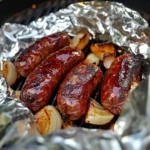
Ingredients
- 1 lb Hot Links (Andouille, Polish Kielbasa, or your favorite spicy sausage): Hot links are the star of this dish, providing the smoky heat and robust flavor that defines these BBQ packets. The type of hot link you choose will significantly impact the overall taste.
- Andouille Sausage: Known for its Cajun origins, Andouille sausage is typically made from pork and heavily spiced, often with cayenne pepper, giving it a significant kick. It brings a deep, smoky, and intensely flavorful heat to the packets. If you love a fiery BBQ, Andouille is an excellent choice.Polish Kielbasa (Spicy): Polish Kielbasa, especially a spicy variety, offers a milder heat than Andouille but still packs a flavorful punch. It’s usually made from pork and beef and seasoned with garlic, marjoram, and other spices. Spicy kielbasa provides a more balanced heat that is enjoyable for a wider range of palates.Other Spicy Sausages: Don’t be afraid to experiment with other types of spicy sausages! Italian sausage with red pepper flakes, chorizo (though be mindful of its fat content), or even vegetarian spicy sausages can be used to create unique flavor profiles. Consider the spice level and adjust other seasonings accordingly.
Regardless of the type you choose, ensure the hot links are fully cooked sausages. We are primarily heating them through and infusing them with the BBQ flavors in the packets. Slice the hot links into 1-inch thick pieces. This size is ideal for grilling in foil packets, allowing them to cook evenly and release their flavorful juices into the surrounding vegetables.
- 1.5 lbs Potatoes (Yukon Gold, Red Potatoes, or baby potatoes): Potatoes are the hearty backbone of these BBQ packets, providing a satisfying texture and absorbing the delicious BBQ flavors. The type of potato you select will influence the texture and cooking time.
- Yukon Gold Potatoes: These are a fantastic all-purpose potato with a slightly buttery flavor and creamy texture. They hold their shape well during grilling and become wonderfully tender inside the foil packets. Yukon Golds are a reliable choice for consistent results.
- Red Potatoes: Red potatoes have a waxy texture and thin skin, which means they also hold their shape well and don’t require peeling. They have a slightly sweeter flavor than Yukon Golds and become incredibly tender and flavorful when grilled in foil packets.
- Baby Potatoes (Cremini or New Potatoes): Baby potatoes are incredibly convenient as they often don’t require cutting (or just halving if larger). They are typically thin-skinned and cook quickly, making them ideal for faster grilling. They offer a creamy texture and absorb flavors beautifully.
No matter which potato you choose, cut them into roughly 1-inch cubes. Uniformly sized pieces ensure even cooking within the foil packets. If using baby potatoes, you may only need to halve or quarter larger ones.
- 1 large Onion (Yellow or Vidalia), sliced: Onions add a layer of savory sweetness and aromatic depth to the BBQ packets. They soften beautifully during grilling and complement the spicy hot links and hearty potatoes.
- Yellow Onions: These are the workhorse onion, offering a balanced flavor that is neither too mild nor too pungent. They caramelize nicely and provide a classic onion flavor that works well in BBQ dishes.
- Vidalia Onions (or other Sweet Onions): Vidalia onions, or other sweet onion varieties, bring a milder, sweeter flavor to the packets. They become incredibly tender and almost melt-in-your-mouth when grilled, adding a delightful sweetness that contrasts nicely with the spicy hot links and tangy BBQ sauce.
Slice the onion into half-moon shapes or wedges, about ¼-inch thick. Slicing allows them to cook through evenly and distribute their flavor throughout the packets.
- 2 Bell Peppers (any color, or a mix), sliced: Bell peppers contribute vibrant color, sweetness, and a slightly crisp-tender texture to the BBQ packets. Using a mix of colors not only enhances visual appeal but also offers slightly different flavor nuances.
- Red Bell Peppers: Red bell peppers are the sweetest of the bell pepper family, offering a rich, almost fruity sweetness that caramelizes beautifully during grilling.
- Orange and Yellow Bell Peppers: These peppers are also sweet, though slightly less so than red peppers. They provide a bright, cheerful color and a milder sweetness.
- Green Bell Peppers: Green bell peppers are the least sweet and have a slightly more assertive, slightly bitter flavor. They can add a nice savory counterpoint to the sweetness of the other peppers and the BBQ sauce.
Slice the bell peppers into strips or bite-sized pieces, similar in size to the potato cubes and hot link pieces. This ensures they cook evenly and are easy to eat within the packets.
- ½ – ¾ cup BBQ Sauce (your favorite store-bought or homemade): BBQ sauce is the unifying flavor element, binding all the ingredients together with its tangy, smoky, and often sweet profile. The type of BBQ sauce you choose will dramatically impact the overall flavor of the packets.
- Store-Bought BBQ Sauce: There is an enormous variety of store-bought BBQ sauces available, from classic smoky and sweet to tangy vinegar-based and spicy varieties. Experiment to find your family’s favorites. Consider using a thicker sauce to coat the ingredients well.
- Homemade BBQ Sauce: For a truly personalized touch, consider making your own BBQ sauce. There are countless recipes online, allowing you to customize the sweetness, spice level, and flavor profile to your exact preferences. Homemade sauce often has a fresher, more vibrant taste.
Use enough BBQ sauce to generously coat all the ingredients in the packets. Start with ½ cup and add more if needed to ensure everything is well sauced but not swimming in liquid.
- 2 tablespoons Olive Oil (or other cooking oil): Olive oil helps to prevent the vegetables and hot links from sticking to the foil and also aids in even cooking. It adds a subtle richness and helps to carry the seasonings.
- Other Cooking Oils: Vegetable oil, canola oil, or avocado oil are all suitable substitutes for olive oil. Choose a neutral-flavored oil with a high smoke point for grilling.
- Seasonings (Salt, Black Pepper, and optional spices like Smoked Paprika, Garlic Powder, Onion Powder, Cayenne Pepper): Seasonings are essential for enhancing the natural flavors of the ingredients and creating a well-rounded taste profile.
- Salt and Black Pepper: These are fundamental seasonings that should always be used to taste. Salt enhances the flavors of all the ingredients, while black pepper adds a subtle warmth and depth.Smoked Paprika (Optional): Smoked paprika adds an extra layer of smoky flavor that complements the BBQ sauce and hot links beautifully. It enhances the “grilled” taste even further.Garlic Powder and Onion Powder (Optional): These pantry staples add a subtle savory depth and aromatic complexity. They round out the flavor profile and enhance the overall savoriness.Cayenne Pepper (Optional): If you want to amp up the heat, a pinch of cayenne pepper can add an extra kick to complement the spice of the hot links. Use sparingly, as cayenne is potent.
Instructions
Step 1: Prepare the Vegetables and Hot Links (Pre-Grill Prep)
- Wash and Chop Vegetables: Thoroughly wash the potatoes, onion, and bell peppers. Chop the potatoes into 1-inch cubes, slice the onion into ¼-inch thick half-moons or wedges, and slice the bell peppers into strips or bite-sized pieces. Ensure all vegetables are cut into roughly uniform sizes for even cooking.
- Slice Hot Links: Slice the hot links into 1-inch thick pieces. Set aside.
- Preheat Grill: Preheat your grill to medium heat (around 350-400°F or 175-200°C). Medium heat is ideal for foil packet grilling, allowing the ingredients to cook through without burning the foil or drying out the contents. If using a charcoal grill, ensure the coals are glowing and covered with a light layer of ash. If using a gas grill, preheat with all burners on medium, then adjust as needed.
Step 2: Assemble the Foil Packets (Layering for Flavor)
- Prepare Foil Sheets: For each packet, you will need two large sheets of heavy-duty aluminum foil, approximately 12×18 inches each. Using two sheets ensures durability and prevents tearing during grilling. If using regular foil, you might want to use three sheets per packet for extra strength.
- Layer Ingredients in Foil: Place one sheet of foil on a flat surface, shiny side up (though this is mostly a myth, it’s a common practice). Place the second sheet directly on top of the first. In the center of the double foil sheet, layer the ingredients in the following order:
- Potatoes: Spread a portion of the chopped potatoes in the center of the foil. Potatoes take the longest to cook, so placing them at the bottom ensures they are closest to the heat source.
- Onions and Bell Peppers: Layer the sliced onions and bell peppers over the potatoes.
- Hot Links: Arrange the sliced hot links on top of the vegetables.
- Drizzle with Oil and Season: Drizzle approximately ½ tablespoon of olive oil (or other cooking oil) over the ingredients in each packet. Season generously with salt, black pepper, and any optional spices you are using (smoked paprika, garlic powder, onion powder, cayenne pepper). Distribute the seasonings evenly over all the ingredients.
- Add BBQ Sauce: Spoon 2-3 tablespoons of BBQ sauce (or more, to taste) over the ingredients in each packet. Ensure the BBQ sauce coats the hot links and vegetables well.
- Seal the Foil Packets: Bring the long sides of the foil sheets together above the ingredients and fold them over twice to create a tight seal. Then, fold in the short ends twice to completely enclose the ingredients in a tightly sealed packet. Ensure the packets are securely sealed to trap steam and prevent juices from leaking out. Proper sealing is crucial for steaming and even cooking.
Step 3: Grill the Foil Packets (Cooking to Tender Perfection)
- Place Packets on Grill: Carefully place the sealed foil packets directly onto the preheated grill grates. Ensure they are placed on a stable part of the grill and are not directly over intense flames to prevent burning.
- Grill Time and Temperature: Grill the foil packets for 25-30 minutes, flipping them halfway through cooking (about 12-15 minutes per side). Maintaining medium heat is important. Grilling for this duration should cook the potatoes through and heat the hot links thoroughly while infusing everything with smoky BBQ flavor. The packets will puff up as steam builds inside.
- Check for Doneness: After 25-30 minutes, carefully remove one packet from the grill using tongs. Place it on a plate and carefully open the packet, being cautious of escaping steam. Test the potatoes for doneness by piercing them with a fork. They should be tender and easily pierced. The vegetables should be tender-crisp, and the hot links should be heated through and sizzling. If the potatoes are still firm, reseal the packet and return all packets to the grill for another 5-10 minutes, checking again for doneness.
Step 4: Rest and Serve (Flavor Intensification)
- Rest Before Opening: Once the packets are cooked through, remove them from the grill and let them rest for 5-10 minutes before opening. Resting allows the steam to redistribute and the flavors to meld together even further. Do not skip this step, as it enhances the overall taste and texture.
- Carefully Open Packets: After resting, carefully open the foil packets, being mindful of the hot steam that will escape. Use tongs and kitchen shears or a knife to open the packets safely.
- Serve Immediately: Serve the Hot Link BBQ Packets immediately while they are hot and flavorful. You can serve them directly in the foil packets for a rustic presentation and easy cleanup, or carefully transfer the contents to plates or bowls. Garnish with extra BBQ sauce, chopped fresh herbs (like parsley or cilantro), or a sprinkle of sesame seeds, if desired.
Nutrition
- Serving Size: one normal portion
- Calories: 550
- Sugar: 15-25g
- Sodium: 800-1200mg
- Fat: 30-40g
- Saturated Fat: 10-15g
- Carbohydrates: 40-50g
- Fiber: 5-7g
- Cholesterol: 80-120mg