
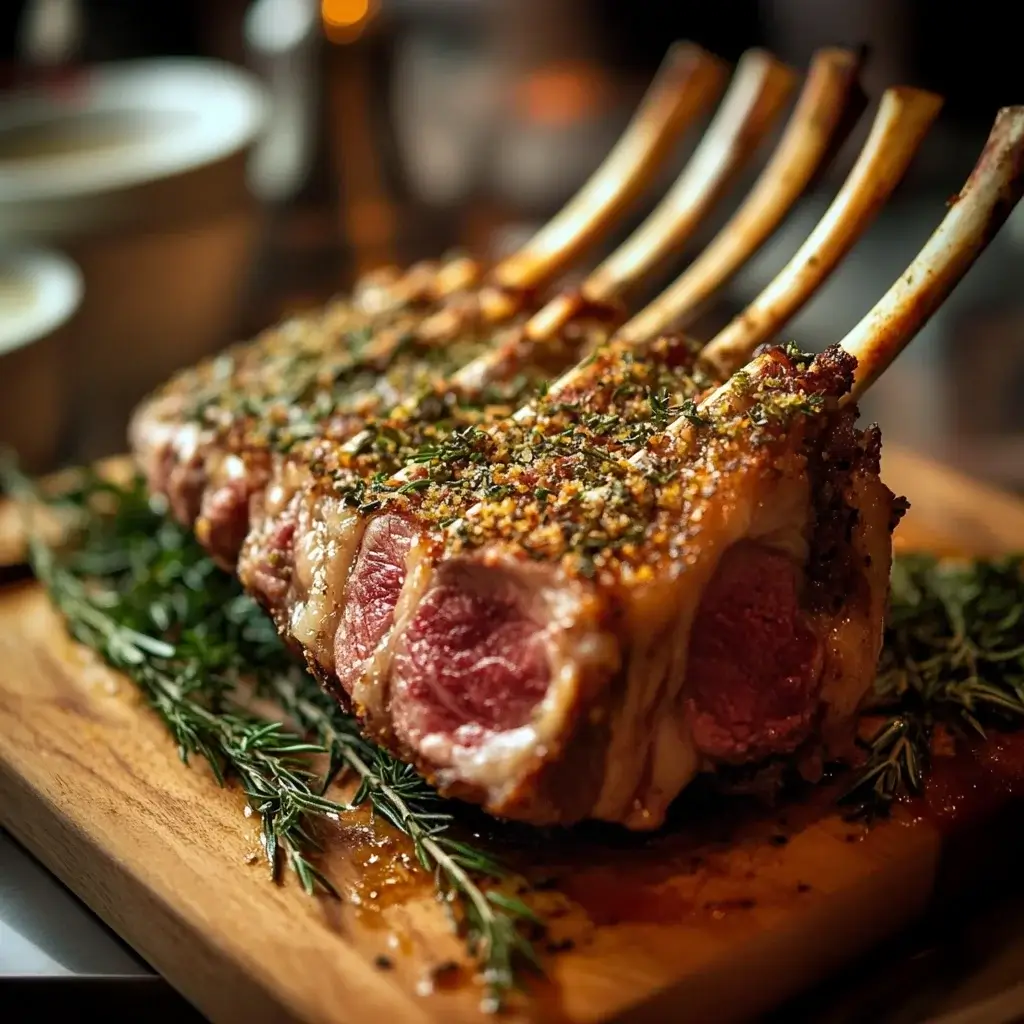
Herb-crusted rack of lamb. Just the name itself conjures up images of elegant dinner parties and sophisticated flavors. For me, it’s more than just a dish; it’s a centerpiece that transforms any meal into a special occasion. The first time I prepared this for a small gathering, I was a bit intimidated. Rack of lamb seemed like something reserved for fancy restaurants, not a home cook like me. But with a little research and this incredible recipe, I discovered it’s surprisingly approachable and unbelievably rewarding. The aroma that filled my kitchen as it roasted – the savory lamb mingling with fragrant herbs – was intoxicating. And the taste? Absolutely divine. The lamb was tender, juicy, and infused with the vibrant flavors of rosemary, thyme, and garlic, all encased in a perfectly crisp and flavorful herb crust. My guests were wowed, and honestly, so was I. It’s become my go-to dish for celebrations, holidays, or whenever I want to impress. If you’re looking for a show-stopping main course that’s easier than you might think, look no further. This herb-crusted rack of lamb recipe is your ticket to culinary success, and I’m excited to share all the secrets to making it absolutely perfect every single time.
Ingredients
The key to a truly exceptional herb-crusted rack of lamb lies in the quality of the ingredients and the harmonious blend of flavors. While the list is relatively concise, each component plays a vital role in creating a dish that is both elegant and bursting with taste. Let’s break down each ingredient and why it’s essential for this culinary masterpiece:
- Rack of Lamb: 1 whole rack (about 2-2.5 lbs, 8-10 ribs). The star of the show! When selecting your rack of lamb, look for one that is well-trimmed, meaning excess fat has been removed, leaving a manageable fat cap. A good rack should have a consistent thickness of meat covering the ribs. French-trimmed racks, where the rib bones are exposed (frenched), are visually stunning and often preferred for presentation, but a standard rack will work just as well flavor-wise. Source your rack from a reputable butcher or grocery store to ensure quality and freshness. Consider the size when purchasing, as a standard rack typically serves 2-3 people generously. If you are serving a larger crowd, you may need to prepare multiple racks. For optimal tenderness and flavor, choose a rack that is well-marbled with fat within the meat itself, not just on the fat cap.
- Fresh Herbs: A generous handful, finely chopped – a mix of Rosemary, Thyme, and Parsley. Fresh herbs are absolutely essential for the vibrant, aromatic herb crust that defines this dish. Dried herbs simply won’t deliver the same bright, fresh flavor. A combination of rosemary, thyme, and parsley creates a classic and balanced herb profile that complements lamb beautifully.
- Rosemary: About 2 tablespoons, finely chopped. Rosemary provides a pungent, piney, and slightly peppery flavor that is particularly well-suited to lamb. Its robust flavor stands up well to the richness of the meat. Choose fresh rosemary sprigs and strip the leaves from the woody stem before chopping finely.
- Thyme: About 2 tablespoons, finely chopped. Thyme offers a more delicate, earthy, and slightly lemony flavor that adds complexity to the herb blend. Like rosemary, use fresh thyme sprigs and strip the tiny leaves from the stems before chopping.
- Parsley: About 1/4 cup, finely chopped. Parsley brings a fresh, clean, and slightly peppery note to the herb mix. It brightens the overall flavor and adds a touch of green color to the crust. Flat-leaf parsley (Italian parsley) is preferred for its more robust flavor compared to curly parsley.
- Garlic: 4-5 cloves, minced. Garlic is a foundational flavor in savory cooking and adds a pungent, aromatic depth to the herb crust and the lamb itself. Freshly minced garlic is crucial for the best flavor. You can use a garlic press or finely mince the garlic with a knife. For a milder garlic flavor, you can roast the garlic cloves before mincing them and adding them to the herb mixture.
- Breadcrumbs: 1/2 cup, Panko breadcrumbs or fresh breadcrumbs. Breadcrumbs are the binding agent for the herb crust, helping it adhere to the lamb and creating a delightful crispy texture. Panko breadcrumbs are Japanese-style breadcrumbs that are coarser and lighter than traditional breadcrumbs, resulting in a particularly crispy crust. Fresh breadcrumbs, made from day-old crusty bread pulsed in a food processor, also work well and offer a slightly softer, more rustic texture. Avoid using fine, dry breadcrumbs, as they can become dense and less crispy.
- Dijon Mustard: 2 tablespoons. Dijon mustard serves two key purposes in this recipe. First, it acts as a flavorful base for the herb crust, adding a tangy and slightly spicy note that complements the lamb and herbs. Second, it helps the herb crust adhere to the rack of lamb, creating a sticky surface for the breadcrumbs to cling to. Choose a good quality Dijon mustard for the best flavor.
- Olive Oil: 3 tablespoons, extra virgin olive oil. Olive oil adds richness and moisture to the herb crust, helping it bind together and become beautifully golden brown and crispy during roasting. Extra virgin olive oil is preferred for its flavor and health benefits, but any good quality olive oil will work. You can also use melted butter for an even richer flavor, but olive oil contributes a more herbaceous note that complements the overall dish.
- Lemon Zest: 1 tablespoon, from about 1 lemon. Lemon zest adds a bright, citrusy note that cuts through the richness of the lamb and enhances the freshness of the herbs. Use a microplane or fine grater to zest the lemon, being careful to only zest the yellow part of the peel and avoid the bitter white pith underneath. The zest of one medium lemon is usually sufficient to yield about a tablespoon.
- Salt: 1 1/2 teaspoons, kosher salt or sea salt. Salt is essential for seasoning both the lamb itself and the herb crust. Kosher salt or sea salt are recommended for their cleaner taste and coarser texture, which helps distribute flavor more evenly. Season generously, but be mindful of your dietary needs. You can always add more salt at the end if needed, but it’s difficult to remove salt once it’s added.
- Black Pepper: 1 teaspoon, freshly ground black pepper. Freshly ground black pepper adds a subtle spice and depth of flavor. Adjust the amount to your preference. White pepper can also be used for a milder peppery flavor. Grinding the pepper fresh right before using ensures the most potent and aromatic flavor.
- Optional Ingredients for Enhancement:
- Red Wine: 1/4 cup, dry red wine (like Cabernet Sauvignon or Merlot) for deglazing the pan (optional, but recommended for pan sauce). A splash of dry red wine added to the roasting pan after removing the lamb can be used to deglaze the pan and create a flavorful pan sauce. The wine helps to lift the flavorful browned bits from the bottom of the pan, adding depth and richness to the sauce.
- Shallots: 1 small shallot, finely minced (optional, for pan sauce). Finely minced shallot added to the roasting pan along with the red wine will further enhance the flavor of the pan sauce. Shallots have a milder and sweeter oniony flavor than regular onions.
Instructions
Now that you have all your ingredients gathered and prepped, let’s move on to the step-by-step instructions for creating this impressive Herb-Crusted Rack of Lamb. While it looks elegant, the process is surprisingly straightforward and achievable for home cooks of all levels. Follow these instructions carefully for perfectly cooked, flavorful lamb with a stunning herb crust.
- Preheat Your Oven and Prepare the Rack of Lamb: Preheat your oven to 400°F (200°C). Ensuring your oven is properly preheated is crucial for even cooking and achieving a beautifully browned crust. While the oven preheats, prepare the rack of lamb. Pat the rack of lamb dry with paper towels. This step is important for removing excess moisture, which helps the lamb sear properly and allows the herb crust to adhere better.
- Score the Fat Cap (Optional but Recommended): Using a sharp knife, lightly score the fat cap of the rack of lamb in a crosshatch pattern. Be careful not to cut into the meat itself, just the fat. Scoring the fat cap helps render the fat during roasting, making it crispier and allowing the seasonings to penetrate the meat more effectively. This step also helps prevent the fat cap from shrinking excessively and distorting the shape of the rack.
- Season the Lamb: Season the rack of lamb generously on all sides with salt and black pepper. Don’t be shy with the seasoning, as this is the primary flavor base for the lamb itself. Ensure you season all surfaces, including the meaty sides and the bone side.
- Prepare the Herb Crust Mixture: In a medium bowl, combine the finely chopped fresh rosemary, thyme, parsley, minced garlic, panko breadcrumbs (or fresh breadcrumbs), Dijon mustard, olive oil, and lemon zest. Mix well with your hands or a spoon until all ingredients are evenly combined and the mixture is slightly moist and crumbly. Taste the herb crust mixture and adjust seasonings if needed, adding a pinch more salt, pepper, or lemon zest to your liking.
- Apply the Herb Crust: Using your hands, firmly press the herb crust mixture evenly over the fat cap of the rack of lamb. Ensure the entire fat cap is covered with a generous layer of the herb crust, pressing it firmly to help it adhere during roasting. You want a thick, even layer that will become crispy and flavorful in the oven.
- Roast the Rack of Lamb: Place the herb-crusted rack of lamb in a roasting pan, bone-side down. If you have a roasting rack, you can place the lamb on the rack inside the roasting pan to promote better air circulation around the lamb. Roast in the preheated oven for 20-25 minutes for medium-rare, or 25-30 minutes for medium. The exact roasting time will depend on the thickness of your rack of lamb and your desired level of doneness.
- Check for Doneness with a Meat Thermometer: The most accurate way to determine when the rack of lamb is cooked to your liking is to use a meat thermometer. Insert the thermometer into the thickest part of the meat, avoiding the bone.
- Medium-Rare: 130-135°F (54-57°C)
- Medium: 135-140°F (57-60°C)
- Medium-Well: 140-145°F (60-63°C)
- Well-Done: 145°F+ (63°C+) (Not recommended for rack of lamb, as it will become less tender)
- Sear for Extra Color and Crispness (Optional but Recommended): For an even more golden brown and crispy herb crust, you can broil the rack of lamb for the last 2-3 minutes of cooking. After roasting, turn the oven to broil (high heat). Keep a very close eye on the lamb while broiling to prevent the herb crust from burning. Broil just until the crust is nicely browned and crispy. This step is optional but enhances the visual appeal and textural contrast.
- Rest the Rack of Lamb: Once the rack of lamb reaches your desired internal temperature, remove it from the oven and transfer it to a cutting board. Tent it loosely with foil and let it rest for 10-15 minutes before carving. Resting is crucial for allowing the juices to redistribute throughout the meat, resulting in more tender and flavorful lamb. Do not skip this step!
- Make a Pan Sauce (Optional but Recommended): While the lamb is resting, you can make a simple pan sauce using the pan drippings. Place the roasting pan over medium heat on the stovetop. If using, add the red wine and minced shallot to the pan. Scrape up any browned bits from the bottom of the pan with a wooden spoon or spatula. Let the wine reduce slightly, about 2-3 minutes, scraping occasionally. Taste the sauce and adjust seasonings if needed, adding a pinch of salt, pepper, or a knob of butter for richness. Strain the sauce through a fine-mesh sieve into a small bowl or gravy boat, if desired, to remove any solids.
- Carve and Serve: After resting, carve the rack of lamb into individual chops by slicing between the ribs. Arrange the herb-crusted lamb chops on a serving platter. Drizzle with the optional pan sauce, if made. Garnish with fresh rosemary sprigs or lemon wedges, if desired. Serve immediately and enjoy this elegant and flavorful dish!
Nutrition Facts
Herb-crusted rack of lamb is not only a culinary delight but also offers significant nutritional benefits, particularly as a source of high-quality protein and essential nutrients. Here’s a general breakdown of the nutritional information per serving. Please note that these are estimates and can vary based on factors like the size of the rack, the amount of fat, and specific ingredients used.
- Servings: 4 servings (2-3 ribs per serving, depending on rack size)
This recipe is designed to serve approximately 4 people, assuming 2-3 ribs per serving. A whole rack of lamb typically contains 8-10 ribs, and portion sizes can be adjusted based on individual appetites and preferences. - Calories per Serving (estimated): 500-700 calories
This is an estimated range, and the exact calorie count will depend on the fat content of the lamb rack, the amount of olive oil used in the herb crust, and the serving size. Rack of lamb is a richer cut of meat, so calorie counts will be higher than leaner protein sources.Approximate Nutritional Breakdown per Serving (estimated):- Protein: 40-50 grams
Lamb is an excellent source of high-quality protein, essential for building and repairing tissues, supporting muscle growth, and numerous bodily functions. A serving of rack of lamb provides a substantial amount of protein. - Fat: 30-50 grams
Rack of lamb is a fattier cut of meat, and fat contributes significantly to its flavor and tenderness. The fat content will vary depending on the trim of the rack.- Saturated Fat: 15-25 grams (estimated, varies with fat content)
- Unsaturated Fat: 10-20 grams (estimated, including monounsaturated and polyunsaturated fats)
- Cholesterol: 150-200 mg
- Sodium: 400-600 mg (depending on salt added)
- Carbohydrates: 5-10 grams (primarily from breadcrumbs and herbs)
The carbohydrate content is relatively low, mainly coming from the breadcrumbs in the herb crust and small amounts in the herbs and garlic.- Fiber: 1-2 grams (from breadcrumbs and herbs)
- Sugar: 1-2 grams (naturally occurring in ingredients)
- Vitamins and Minerals: Lamb is a good source of several vitamins and minerals, including:
- Vitamin B12: Excellent source, crucial for nerve function and red blood cell formation.
- Iron: Good source, essential for oxygen transport and preventing anemia.
- Zinc: Good source, important for immune function and wound healing.
- Niacin (Vitamin B3): Good source, helps convert food into energy.
- Selenium: Good source, an antioxidant that protects against cell damage.
- Phosphorus: Good source, important for bone health and energy metabolism.
- Protein: 40-50 grams
Health Considerations:
- High in Protein: Rack of lamb is a protein powerhouse, contributing to satiety and muscle maintenance.
- Rich in Nutrients: It provides essential vitamins and minerals like Vitamin B12, iron, and zinc, which are important for overall health.
- Higher in Fat and Saturated Fat: Due to its fat content, especially saturated fat, rack of lamb should be consumed in moderation, particularly for individuals watching their saturated fat intake or cholesterol levels.
- Sodium Content: Be mindful of added salt in seasoning and consider using lower-sodium options if needed.
Herb-crusted rack of lamb can be a part of a balanced diet when enjoyed in appropriate portion sizes and combined with plenty of vegetables and whole grains. It offers a flavorful and nutrient-rich protein source for special occasions or celebratory meals.
Preparation Time
While herb-crusted rack of lamb is an elegant and impressive dish, the preparation time is surprisingly manageable, making it feasible for special dinners even on evenings when you don’t have all day to cook. Here’s a breakdown of the time involved:
- Prep Time: 20-30 minutes
This includes patting the rack of lamb dry, scoring the fat cap (optional), preparing the herb crust mixture (chopping herbs, mincing garlic, combining ingredients), and applying the herb crust to the lamb. Chopping herbs and mincing garlic are the most time-consuming parts of the prep. Having pre-chopped herbs (though fresh is always better) or using a garlic press can slightly reduce prep time. - Cook Time: 20-30 minutes (roasting time, depending on desired doneness)
The roasting time for rack of lamb is relatively short, ranging from 20-30 minutes depending on your desired level of doneness (medium-rare to medium). Broiling for the last few minutes adds only a couple of minutes to the cook time. Resting time (10-15 minutes) should also be factored in, although the lamb rests while you can focus on side dishes or pan sauce. - Total Time: 40-60 minutes
Combining prep time and cook time (including resting), the total time to prepare and cook herb-crusted rack of lamb is approximately 40-60 minutes. This makes it a relatively quick and impressive main course option for a special dinner.
Time-Saving Tips:
- Prepare Herb Crust Mixture Ahead: You can prepare the herb crust mixture a few hours in advance or even the day before. Store it covered in the refrigerator. This saves time on the day of cooking. Just be sure to bring it to near room temperature before applying it to the lamb for easier spreading.
- Utilize Kitchen Tools: Using a food processor to chop herbs (pulse carefully to avoid making a paste) or a garlic press can speed up prep work. A microplane zester makes quick work of lemon zesting.
- Efficient Kitchen Workflow: Organize your ingredients and tools before you start cooking (mise en place). This helps streamline the process and makes cooking more efficient. Read through the recipe completely before starting to understand the steps and timing.
With its relatively short preparation and cooking time, herb-crusted rack of lamb is a sophisticated yet manageable dish that can be enjoyed without spending hours in the kitchen.
How to Serve
Herb-crusted rack of lamb is an elegant centerpiece that deserves equally impressive accompaniments. The rich flavors of the lamb and herb crust pair beautifully with a variety of side dishes and sauces. Here are some serving suggestions to create a complete and memorable meal:
Side Dish Suggestions:
- Roasted Vegetables: Roasted vegetables are a classic and healthy pairing for rack of lamb.
- Roasted Asparagus: Simple roasted asparagus with olive oil, salt, and pepper provides a fresh and green contrast.
- Roasted Root Vegetables: Roasted carrots, parsnips, and potatoes, tossed with herbs like rosemary and thyme, complement the lamb’s flavor profile.
- Roasted Brussels Sprouts: Brussels sprouts roasted until crispy and slightly caramelized offer a slightly bitter and nutty counterpoint.
- Roasted Garlic and Herbs Potatoes: Small potatoes roasted with garlic cloves, rosemary, and thyme are a hearty and flavorful side.
- Creamy and Rich Sides:
- Creamy Mashed Potatoes: Classic creamy mashed potatoes provide a comforting and smooth texture that contrasts nicely with the lamb.
- Potato Gratin Dauphinois: Thinly sliced potatoes baked in cream and garlic create a rich and decadent side dish.
- Creamy Polenta: Creamy polenta or risotto offers a luxurious and comforting accompaniment.
- Fresh and Lighter Sides:
- Green Salad with Lemon Vinaigrette: A simple green salad with a bright lemon vinaigrette provides a refreshing counterpoint to the richness of the lamb.
- Cucumber and Mint Salad: A cool and refreshing cucumber and mint salad with a light dressing complements the herb crust beautifully.
- Roasted Cherry Tomatoes with Balsamic Glaze: Roasted cherry tomatoes offer a burst of sweetness and acidity.
- Grain-Based Sides:
- Quinoa: Fluffy quinoa, seasoned with herbs and lemon zest, is a healthy and versatile side dish.
- Couscous: Light and fluffy couscous, tossed with dried fruits and nuts, adds a touch of North African flair.
- Wild Rice Pilaf: Wild rice pilaf with mushrooms and cranberries offers a nutty and flavorful grain option.
Sauce Suggestions:
- Red Wine Reduction Sauce (Pan Sauce): As described in the instructions, a pan sauce made from the roasting pan drippings and red wine is a classic and flavorful accompaniment that enhances the lamb’s natural flavors.
- Mint Sauce or Mint Jelly: Traditional mint sauce or mint jelly provides a refreshing and slightly sweet contrast to the richness of the lamb.
- Rosemary-Garlic Jus: A simple jus made with lamb stock, rosemary, and garlic intensifies the savory herb flavors.
- Chimichurri Sauce: A vibrant and herbaceous Argentinian chimichurri sauce, made with parsley, cilantro, garlic, oregano, and red wine vinegar, offers a zesty and fresh counterpoint.
Presentation Tips:
- Carve and Arrange Artfully: Carve the rack of lamb into individual chops and arrange them attractively on a serving platter.
- Garnish: Garnish the platter with fresh rosemary sprigs, lemon wedges, or edible flowers for a touch of elegance.
- Serve Warm: Serve the herb-crusted rack of lamb immediately while it is hot and at its peak flavor and tenderness.
- Pre-heat Serving Plates: Warming serving plates helps keep the lamb and side dishes warm longer, especially for formal dinners.
- Offer Sauces Separately: Serve sauces on the side in gravy boats or small bowls, allowing guests to customize their portions.
By carefully selecting complementary side dishes and sauces and paying attention to presentation, you can create a truly memorable and elegant dining experience centered around your herb-crusted rack of lamb.
Additional Tips
To ensure your Herb-Crusted Rack of Lamb is a resounding success every time, here are five additional tips to keep in mind, addressing common pitfalls and offering valuable insights for achieving culinary perfection:
- Don’t Overcook the Lamb: The most common mistake when cooking rack of lamb is overcooking it. Overcooked lamb becomes tough, dry, and loses its delicate flavor. To avoid this, rely on a meat thermometer and check for doneness regularly starting around 20 minutes of roasting time. Aim for medium-rare to medium for optimal tenderness and flavor. Remember that the internal temperature will continue to rise slightly (carryover cooking) even after you remove the lamb from the oven during resting, so take it out just a few degrees below your target temperature.
- Sear the Rack Before Roasting (Alternative Approach): While this recipe focuses on roasting, searing the rack of lamb before applying the herb crust and roasting can enhance flavor and create a beautiful crust on the meat itself. To sear, heat a tablespoon of olive oil in a large oven-safe skillet over medium-high heat. Sear the rack of lamb on all sides until nicely browned, about 2-3 minutes per side. Then, remove from heat, apply the herb crust, and proceed with roasting in the oven as directed in the recipe. Searing adds an extra layer of flavor and texture.
- Use High-Quality Fresh Herbs: The herb crust is the defining element of this dish, and the quality of your fresh herbs directly impacts the final flavor. Use the freshest, most fragrant herbs you can find. If possible, use herbs from your garden or a reputable source. Avoid using wilted or dried-out herbs, as their flavor will be diminished. Fresh herbs provide a brightness and vibrancy that dried herbs simply cannot replicate in this recipe.
- Proper Resting is Non-Negotiable: Resting the rack of lamb after roasting is not optional; it’s absolutely essential for tender, juicy, and flavorful results. During roasting, the muscle fibers contract and juices are pushed towards the center of the meat. Resting allows these juices to redistribute evenly throughout the lamb, resulting in a more tender and moist final product. Tent the lamb loosely with foil and allow it to rest for at least 10-15 minutes before carving. This resting period makes a significant difference in the overall quality of the dish.
- Adjust Herb Crust Consistency as Needed: The herb crust mixture should be moist enough to hold together but not too wet or pasty. If your breadcrumbs are very dry, you may need to add a little more olive oil (a teaspoon at a time) to the mixture to achieve the desired consistency. Conversely, if the mixture seems too wet, add a tablespoon or two more breadcrumbs. The goal is a crumbly mixture that can be easily pressed onto the lamb and will bake into a crispy crust. Feel free to adjust the olive oil and breadcrumbs to achieve the perfect herb crust consistency.
By incorporating these additional tips into your cooking process, you’ll be well on your way to creating herb-crusted rack of lamb that is not only impressive but also consistently delicious and perfectly cooked.
FAQ
Here are five frequently asked questions about making Herb-Crusted Rack of Lamb, along with detailed answers to help you navigate common queries and ensure a successful and enjoyable cooking experience:
Q1: Can I use a frozen rack of lamb for this recipe?
A: Yes, you can use a frozen rack of lamb, but proper thawing is crucial for best results. The safest and recommended method is to thaw the rack of lamb in the refrigerator overnight, or for 24-36 hours for a large rack. Ensure it is completely thawed before proceeding with the recipe. Do not thaw rack of lamb at room temperature, as this can increase the risk of bacterial growth. If you are short on time, you can use the cold water thawing method: place the sealed rack of lamb in a zip-top bag and submerge it in cold water, changing the water every 30 minutes, until thawed. Once thawed, pat the rack of lamb thoroughly dry with paper towels before seasoning and applying the herb crust. Fresh rack of lamb is generally preferred for optimal flavor and texture, but frozen, properly thawed lamb can still yield excellent results.
Q2: How do I ensure my rack of lamb is cooked to the correct doneness?
A: The most reliable way to ensure your rack of lamb is cooked to your desired doneness is to use a meat thermometer. Insert the thermometer into the thickest part of the meat, avoiding the bone, to get an accurate internal temperature reading. Refer to the internal temperature guidelines provided in the “Instructions” and “Nutrition Facts” sections for medium-rare, medium, medium-well, and well-done. It’s best to start checking the temperature around 20 minutes of roasting time and continue checking every few minutes until it reaches your target temperature. Remember that the internal temperature will continue to rise slightly during resting (carryover cooking), so remove it from the oven a few degrees before your target temperature. Visual cues, like the firmness of the lamb when pressed, can be helpful, but a meat thermometer is the most accurate method for determining doneness.
Q3: Can I make the herb crust ahead of time?
A: Yes, you can definitely make the herb crust mixture ahead of time. In fact, preparing the herb crust mixture in advance can be a great time-saving strategy, especially if you are preparing for a dinner party. You can make the herb crust mixture up to 24 hours ahead of time. Store it covered in an airtight container in the refrigerator. When you are ready to cook, simply bring the herb crust mixture to near room temperature (this makes it easier to spread) and apply it to the rack of lamb just before roasting. Having the herb crust prepped and ready makes the final assembly and cooking process much quicker and smoother.
Q4: Are there any variations I can make to the herb crust?
A: Absolutely! The herb crust is highly customizable, and you can experiment with different herbs and flavorings to create your own signature variations. Some delicious variations include:
- Adding Different Herbs: Try incorporating other fresh herbs like oregano, marjoram, or chives into the herb crust.
- Adding Cheese: Grated Parmesan cheese or Pecorino Romano cheese can be added to the herb crust for a cheesy and savory flavor boost.
- Adding Nuts: Finely chopped walnuts, pistachios, or pine nuts can be added to the herb crust for extra texture and nutty flavor.
- Spicy Herb Crust: Add a pinch of red pepper flakes or cayenne pepper to the herb crust for a touch of heat.
- Lemon-Herb Crust: Increase the amount of lemon zest and add a squeeze of lemon juice to the herb crust for a more pronounced citrusy flavor.
Feel free to experiment with different herb and flavor combinations to personalize your herb crust and create a rack of lamb that perfectly suits your taste preferences.
Q5: How should I carve a rack of lamb for serving?
A: Carving a rack of lamb is quite simple and results in elegant individual chops. After the rack of lamb has rested, place it on a cutting board. Using a sharp carving knife, slice between each rib bone to separate the rack into individual lamb chops. Each chop will consist of a rib bone with a portion of herb-crusted lamb meat attached. You can serve the chops individually or arrange them attractively on a platter. For a more dramatic presentation, you can also carve the rack into double chops (two ribs together) by slicing between every other rib bone. Carving along the rib bones ensures each serving is perfectly portioned and showcases the beautiful herb crust and tender lamb meat.
Print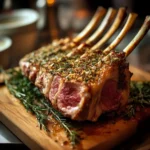
Herb-Crusted Rack of Lamb recipe
Ingredients
-
- Rack of Lamb: 1 whole rack (about 2-2.5 lbs, 8-10 ribs). The star of the show! When selecting your rack of lamb, look for one that is well-trimmed, meaning excess fat has been removed, leaving a manageable fat cap. A good rack should have a consistent thickness of meat covering the ribs. French-trimmed racks, where the rib bones are exposed (frenched), are visually stunning and often preferred for presentation, but a standard rack will work just as well flavor-wise. Source your rack from a reputable butcher or grocery store to ensure quality and freshness. Consider the size when purchasing, as a standard rack typically serves 2-3 people generously. If you are serving a larger crowd, you may need to prepare multiple racks. For optimal tenderness and flavor, choose a rack that is well-marbled with fat within the meat itself, not just on the fat cap.
-
- Fresh Herbs: A generous handful, finely chopped – a mix of Rosemary, Thyme, and Parsley. Fresh herbs are absolutely essential for the vibrant, aromatic herb crust that defines this dish. Dried herbs simply won’t deliver the same bright, fresh flavor. A combination of rosemary, thyme, and parsley creates a classic and balanced herb profile that complements lamb beautifully.
-
- Rosemary: About 2 tablespoons, finely chopped. Rosemary provides a pungent, piney, and slightly peppery flavor that is particularly well-suited to lamb. Its robust flavor stands up well to the richness of the meat. Choose fresh rosemary sprigs and strip the leaves from the woody stem before chopping finely.
-
- Thyme: About 2 tablespoons, finely chopped. Thyme offers a more delicate, earthy, and slightly lemony flavor that adds complexity to the herb blend. Like rosemary, use fresh thyme sprigs and strip the tiny leaves from the stems before chopping.
-
- Parsley: About 1/4 cup, finely chopped. Parsley brings a fresh, clean, and slightly peppery note to the herb mix. It brightens the overall flavor and adds a touch of green color to the crust. Flat-leaf parsley (Italian parsley) is preferred for its more robust flavor compared to curly parsley.
-
- Fresh Herbs: A generous handful, finely chopped – a mix of Rosemary, Thyme, and Parsley. Fresh herbs are absolutely essential for the vibrant, aromatic herb crust that defines this dish. Dried herbs simply won’t deliver the same bright, fresh flavor. A combination of rosemary, thyme, and parsley creates a classic and balanced herb profile that complements lamb beautifully.
-
- Garlic: 4-5 cloves, minced. Garlic is a foundational flavor in savory cooking and adds a pungent, aromatic depth to the herb crust and the lamb itself. Freshly minced garlic is crucial for the best flavor. You can use a garlic press or finely mince the garlic with a knife. For a milder garlic flavor, you can roast the garlic cloves before mincing them and adding them to the herb mixture.
-
- Breadcrumbs: 1/2 cup, Panko breadcrumbs or fresh breadcrumbs. Breadcrumbs are the binding agent for the herb crust, helping it adhere to the lamb and creating a delightful crispy texture. Panko breadcrumbs are Japanese-style breadcrumbs that are coarser and lighter than traditional breadcrumbs, resulting in a particularly crispy crust. Fresh breadcrumbs, made from day-old crusty bread pulsed in a food processor, also work well and offer a slightly softer, more rustic texture. Avoid using fine, dry breadcrumbs, as they can become dense and less crispy.
-
- Dijon Mustard: 2 tablespoons. Dijon mustard serves two key purposes in this recipe. First, it acts as a flavorful base for the herb crust, adding a tangy and slightly spicy note that complements the lamb and herbs. Second, it helps the herb crust adhere to the rack of lamb, creating a sticky surface for the breadcrumbs to cling to. Choose a good quality Dijon mustard for the best flavor.
-
- Olive Oil: 3 tablespoons, extra virgin olive oil. Olive oil adds richness and moisture to the herb crust, helping it bind together and become beautifully golden brown and crispy during roasting. Extra virgin olive oil is preferred for its flavor and health benefits, but any good quality olive oil will work. You can also use melted butter for an even richer flavor, but olive oil contributes a more herbaceous note that complements the overall dish.
-
- Lemon Zest: 1 tablespoon, from about 1 lemon. Lemon zest adds a bright, citrusy note that cuts through the richness of the lamb and enhances the freshness of the herbs. Use a microplane or fine grater to zest the lemon, being careful to only zest the yellow part of the peel and avoid the bitter white pith underneath. The zest of one medium lemon is usually sufficient to yield about a tablespoon.
-
- Salt: 1 1/2 teaspoons, kosher salt or sea salt. Salt is essential for seasoning both the lamb itself and the herb crust. Kosher salt or sea salt are recommended for their cleaner taste and coarser texture, which helps distribute flavor more evenly. Season generously, but be mindful of your dietary needs. You can always add more salt at the end if needed, but it’s difficult to remove salt once it’s added.
-
- Black Pepper: 1 teaspoon, freshly ground black pepper. Freshly ground black pepper adds a subtle spice and depth of flavor. Adjust the amount to your preference. White pepper can also be used for a milder peppery flavor. Grinding the pepper fresh right before using ensures the most potent and aromatic flavor.
Instructions
-
- Preheat Your Oven and Prepare the Rack of Lamb: Preheat your oven to 400°F (200°C). Ensuring your oven is properly preheated is crucial for even cooking and achieving a beautifully browned crust. While the oven preheats, prepare the rack of lamb. Pat the rack of lamb dry with paper towels. This step is important for removing excess moisture, which helps the lamb sear properly and allows the herb crust to adhere better.
-
- Score the Fat Cap (Optional but Recommended): Using a sharp knife, lightly score the fat cap of the rack of lamb in a crosshatch pattern. Be careful not to cut into the meat itself, just the fat. Scoring the fat cap helps render the fat during roasting, making it crispier and allowing the seasonings to penetrate the meat more effectively. This step also helps prevent the fat cap from shrinking excessively and distorting the shape of the rack.
-
- Season the Lamb: Season the rack of lamb generously on all sides with salt and black pepper. Don’t be shy with the seasoning, as this is the primary flavor base for the lamb itself. Ensure you season all surfaces, including the meaty sides and the bone side.
-
- Prepare the Herb Crust Mixture: In a medium bowl, combine the finely chopped fresh rosemary, thyme, parsley, minced garlic, panko breadcrumbs (or fresh breadcrumbs), Dijon mustard, olive oil, and lemon zest. Mix well with your hands or a spoon until all ingredients are evenly combined and the mixture is slightly moist and crumbly. Taste the herb crust mixture and adjust seasonings if needed, adding a pinch more salt, pepper, or lemon zest to your liking.
-
- Apply the Herb Crust: Using your hands, firmly press the herb crust mixture evenly over the fat cap of the rack of lamb. Ensure the entire fat cap is covered with a generous layer of the herb crust, pressing it firmly to help it adhere during roasting. You want a thick, even layer that will become crispy and flavorful in the oven.
-
- Roast the Rack of Lamb: Place the herb-crusted rack of lamb in a roasting pan, bone-side down. If you have a roasting rack, you can place the lamb on the rack inside the roasting pan to promote better air circulation around the lamb. Roast in the preheated oven for 20-25 minutes for medium-rare, or 25-30 minutes for medium. The exact roasting time will depend on the thickness of your rack of lamb and your desired level of doneness.
-
- Check for Doneness with a Meat Thermometer: The most accurate way to determine when the rack of lamb is cooked to your liking is to use a meat thermometer. Insert the thermometer into the thickest part of the meat, avoiding the bone.
- Medium-Rare: 130-135°F (54-57°C)
- Medium: 135-140°F (57-60°C)
- Medium-Well: 140-145°F (60-63°C)
- Well-Done: 145°F+ (63°C+) (Not recommended for rack of lamb, as it will become less tender)
For rack of lamb, medium-rare to medium is generally recommended for optimal tenderness and flavor.
- Check for Doneness with a Meat Thermometer: The most accurate way to determine when the rack of lamb is cooked to your liking is to use a meat thermometer. Insert the thermometer into the thickest part of the meat, avoiding the bone.
-
- Sear for Extra Color and Crispness (Optional but Recommended): For an even more golden brown and crispy herb crust, you can broil the rack of lamb for the last 2-3 minutes of cooking. After roasting, turn the oven to broil (high heat). Keep a very close eye on the lamb while broiling to prevent the herb crust from burning. Broil just until the crust is nicely browned and crispy. This step is optional but enhances the visual appeal and textural contrast.
-
- Rest the Rack of Lamb: Once the rack of lamb reaches your desired internal temperature, remove it from the oven and transfer it to a cutting board. Tent it loosely with foil and let it rest for 10-15 minutes before carving. Resting is crucial for allowing the juices to redistribute throughout the meat, resulting in more tender and flavorful lamb. Do not skip this step!
-
- Make a Pan Sauce (Optional but Recommended): While the lamb is resting, you can make a simple pan sauce using the pan drippings. Place the roasting pan over medium heat on the stovetop. If using, add the red wine and minced shallot to the pan. Scrape up any browned bits from the bottom of the pan with a wooden spoon or spatula. Let the wine reduce slightly, about 2-3 minutes, scraping occasionally. Taste the sauce and adjust seasonings if needed, adding a pinch of salt, pepper, or a knob of butter for richness. Strain the sauce through a fine-mesh sieve into a small bowl or gravy boat, if desired, to remove any solids.
-
- Carve and Serve: After resting, carve the rack of lamb into individual chops by slicing between the ribs. Arrange the herb-crusted lamb chops on a serving platter. Drizzle with the optional pan sauce, if made. Garnish with fresh rosemary sprigs or lemon wedges, if desired. Serve immediately and enjoy this elegant and flavorful dish!
Nutrition
- Serving Size: one normal portion
- Calories: 500-700
- Sugar: 1-2 grams
- Sodium: 400-600 mg
- Fat: 30-50 grams
- Saturated Fat: 15-25 grams
- Unsaturated Fat: 10-20 grams
- Carbohydrates: 5-10 grams
- Fiber: 1-2 grams
- Protein: 40-50 grams
- Cholesterol: 150-200 mg