
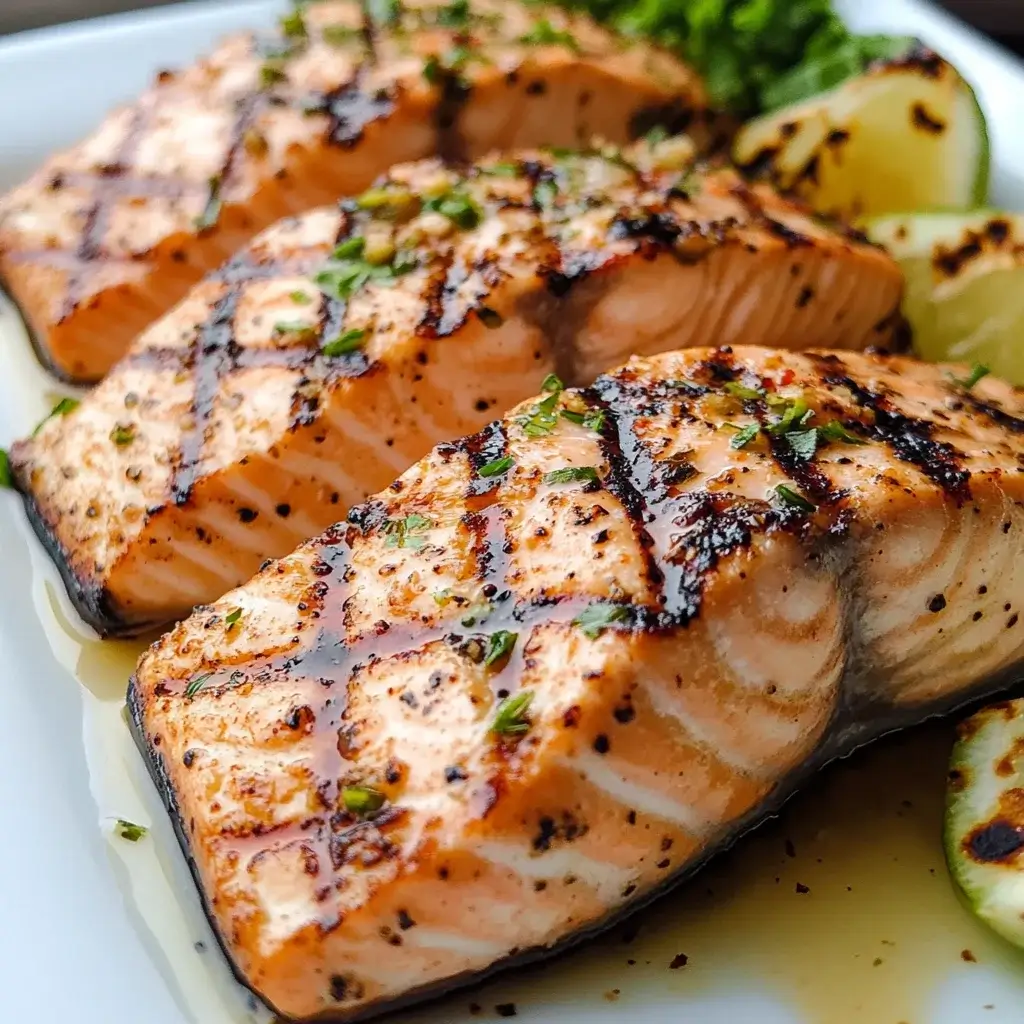
There’s something inherently satisfying about grilling salmon. Maybe it’s the way the vibrant pink flesh transforms under the heat, developing those beautiful char marks, or perhaps it’s the incredible aroma that wafts through the backyard, a blend of smoky char and delicate fish. For our family, grilled salmon has become a weeknight staple, especially during the warmer months. It feels both healthy and indulgent, a quick path to a delicious meal that everyone enjoys. I remember the first few times I tried grilling fish; I was a bit intimidated, worried about it sticking or falling apart. But with a few simple tricks – a super clean and well-oiled grate, not fussing with it too much – I quickly got the hang of it. This recipe is the culmination of those experiences, a straightforward method that yields perfectly cooked, flaky, and flavorful salmon every single time. The simple marinade enhances the natural taste of the fish without overpowering it, and the quick sear on the grill locks in moisture, ensuring a tender bite. It’s a dish that makes us feel good, inside and out.
The Ultimate Guide to Perfect Grilled Salmon Fillets
Grilled salmon is a culinary delight – healthy, flavorful, and surprisingly easy to master. The kiss of the flame imparts a subtle smokiness and creates a beautifully seared exterior, while the inside remains moist and flaky. This comprehensive guide will walk you through everything you need to know to grill salmon fillets to perfection, from selecting the best fish to crafting a simple, flavor-enhancing marinade and mastering the grilling technique. Get ready to elevate your outdoor cooking game!
Ingredients: The Foundation of Flavorful Fish
The key to outstanding grilled salmon starts with quality ingredients. Simplicity often shines brightest here.
For the Salmon:
- Salmon Fillets (4, about 6 oz / 170g each, skin-on or skinless): Choose high-quality, fresh salmon. Wild-caught varieties like Sockeye, Coho, or King salmon offer robust flavor and firmer texture. Farm-raised Atlantic salmon is milder and often fattier, which can be forgiving on the grill. Skin-on fillets are generally recommended for grilling as the skin helps hold the fish together and gets wonderfully crispy.
- Olive Oil (2 tablespoons / 30ml): For coating the fish and helping to prevent sticking. Avocado oil or another high smoke point oil also works.
For the Simple Lemon-Herb Marinade/Glaze (Optional but Recommended):
- Olive Oil (1/4 cup / 60ml): Extra virgin for best flavor.
- Fresh Lemon Juice (2 tablespoons / 30ml): Brightens the flavor of the salmon.
- Garlic (2 cloves, minced): Adds aromatic depth.
- Fresh Dill (1 tablespoon, chopped) or Fresh Parsley (1 tablespoon, chopped): Classic herbs that pair beautifully with salmon. You can use a combination or other herbs like thyme or oregano.
- Salt (1/2 teaspoon / 3g, or to taste): Kosher salt or sea salt.
- Black Pepper (1/4 teaspoon / 0.5g, freshly ground, or to taste):
- Optional: Dijon Mustard (1 teaspoon / 5ml): Adds a subtle tang and helps emulsify the marinade.
- Optional: Honey or Maple Syrup (1 teaspoon / 5ml): For a touch of sweetness and better caramelization.
Equipment Needed:
- Grill (Charcoal or Gas): Both work excellently.
- Fish Spatula (long, flexible, and slotted): This is highly recommended for gently handling the delicate fish. A regular spatula can work but is less ideal.
- Grill Brush: Essential for cleaning the grates.
- Tongs: For oiling the grates.
- Pastry Brush or Paper Towel: For oiling the grates and brushing on marinade/glaze.
- Instant-Read Thermometer: The most accurate way to ensure perfectly cooked salmon.
Step-by-Step Instructions: Grilling Salmon Like a Pro
Follow these steps for moist, flaky, and beautifully grilled salmon every time.
Phase 1: Prepare the Salmon and Marinade
- Inspect and Prepare Salmon:
- If using frozen salmon, thaw it completely in the refrigerator overnight.
- Pat the salmon fillets thoroughly dry with paper towels on all sides. This is crucial for achieving a good sear and preventing sticking.
- If your fillets have pin bones, remove them using clean tweezers or small pliers. Run your finger against the grain along the center line of the fillet to feel for them.
- Make the Marinade/Glaze (if using):
- In a small bowl, whisk together the olive oil, fresh lemon juice, minced garlic, chopped fresh dill or parsley, salt, and black pepper.
- If using, whisk in the Dijon mustard and/or honey/maple syrup.
- Set aside about 1/4 of the marinade to use as a glaze while grilling or for drizzling over the cooked salmon.
- Marinate the Salmon (Optional, short time):
- Place the salmon fillets in a shallow dish or a resealable plastic bag.
- Pour the remaining 3/4 of the marinade over the salmon, ensuring it’s evenly coated.
- Let the salmon marinate at room temperature for 15-30 minutes. Do not marinate for longer than 30 minutes if using an acidic marinade (like one with lemon juice), as the acid can start to “cook” the fish (ceviche-style) and alter its texture, making it mushy.
- If you prefer not to marinate, you can simply brush the salmon with olive oil and season generously with salt and pepper just before grilling.
Phase 2: Prepare the Grill
- Clean the Grates Thoroughly: A clean grill is paramount for preventing fish from sticking. Preheat your grill for a few minutes, then use a stiff grill brush to scrub off any old debris.
- Oil the Grates VERY Well: This is the most critical step to prevent sticking.
- Fold a few paper towels into a small pad, dip them in a high smoke point oil (like canola, vegetable, or avocado oil) using tongs, and rub the hot grill grates generously until they are well-coated and glossy.
- Alternatively, you can use an oil spray designed for grilling, but applying with a paper towel often gives better coverage.
- Do this just before you place the salmon on the grill.
- Preheat the Grill to Medium-High Heat:
- Gas Grill: Preheat to medium-high, around 400-450°F (200-230°C).
- Charcoal Grill: Prepare a two-zone fire. Bank hot coals on one side for direct heat, leaving the other side cooler for indirect heat if needed (though salmon cooks quickly and is often done entirely over direct heat). The grill is ready when you can hold your hand about 5 inches above the grates over the hot zone for only 3-4 seconds.
Phase 3: Grill the Salmon
- Remove Salmon from Marinade (if used): Gently lift the salmon fillets from the marinade, allowing any excess to drip off. Discard the used marinade.
- Oil the Salmon (if not marinated or if marinade was very light on oil): Lightly brush the salmon fillets on all sides with olive oil, even if they were marinated. This provides an extra barrier against sticking.
- Season (if not marinated): If you didn’t marinate, season the salmon generously with salt and pepper on both sides.
- Grilling Skin-On Salmon (Recommended Method):
- Place the salmon fillets skin-side down on the well-oiled, hot grill grates over direct medium-high heat.
- Resist the Urge to Move It! Let the salmon cook undisturbed for 4-6 minutes, or until the skin is crispy, well-browned, and releases easily from the grates. You should see the fish turning opaque about halfway up the sides.
- Using your fish spatula, carefully flip the salmon fillets. If it sticks, give it another 30-60 seconds; it usually releases when it’s ready.
- Cook on the flesh side for another 2-5 minutes, or until the salmon is cooked through to your desired doneness. Baste with the reserved marinade/glaze during the last couple of minutes of cooking on this side if desired.
- Grilling Skinless Salmon:
- Place the salmon fillets directly on the well-oiled, hot grill grates.
- Cook for 3-5 minutes per side, depending on thickness, or until cooked through. Be extra gentle when flipping skinless fillets as they are more delicate.
- Check for Doneness:
- Visual Cue: The salmon should be opaque and flake easily with a fork when gently pressed. The color will change from translucent raw pink to a more opaque pink.
- Internal Temperature (Most Accurate): Use an instant-read thermometer inserted into the thickest part of the fillet.
- Medium-Rare: 125-130°F (52-54°C) – Center will be slightly translucent and very moist.
- Medium: 130-135°F (54-57°C) – Mostly opaque with a hint of translucency, moist.
- Medium-Well/Well-Done: 140-145°F (60-63°C) – Fully opaque and flaky. The USDA recommends 145°F for safety, but many prefer salmon cooked to a lower temperature for better moisture. Salmon will continue to cook slightly after being removed from the grill (carryover cooking).
- Remove from Grill: Carefully transfer the cooked salmon to a clean platter or plates using your fish spatula.
- Rest Briefly: Let the salmon rest for a few minutes before serving. This allows the juices to redistribute, resulting in a more tender and flavorful fillet. Drizzle with any remaining reserved glaze if desired.
Nutritional Snapshot (Approximate)
Nutritional information for grilled salmon varies based on the type of salmon (wild vs. farmed), fillet size, and amount of oil/marinade used. Salmon is renowned for being rich in omega-3 fatty acids, protein, and various vitamins.
- Servings: 4
- Serving Size: 1 fillet (approx. 6 oz / 170g)
- Calories per serving: Approximately 300-450 calories (wild salmon is generally leaner than farmed).
- Note: This estimate includes a light marinade. The primary calories come from the salmon itself (protein and healthy fats) and the olive oil.
Time Investment: From Prep to Perfectly Grilled
- Preparation Time (including short marination): 20-40 minutes
- Grill Preheat Time: 10-15 minutes
- Grilling Time: 6-12 minutes (depending on thickness and desired doneness)
- Total Time: Approximately 40 minutes to 1 hour 10 minutes
How to Serve: Complementing Your Grilled Salmon
Grilled salmon is versatile and pairs wonderfully with a variety of sides.
- Classic Pairings:
- Grilled Asparagus: Grill alongside the salmon for an easy and elegant side.
- Roasted Potatoes: Baby potatoes or fingerlings tossed with herbs and roasted until crispy.
- Quinoa or Couscous Salad: Light, fluffy grains with chopped vegetables and a lemon vinaigrette.
- Rice Pilaf: A flavorful rice dish.
- Fresh Salads:
- Simple Green Salad: Mixed greens with a light balsamic or lemon dressing.
- Caprese Salad: Tomatoes, fresh mozzarella, basil, and balsamic glaze.
- Mediterranean Chickpea Salad: With cucumbers, tomatoes, feta, and olives.
- Sauces & Toppings (Optional, for extra flair):
- Fresh Dill Sauce: Yogurt or sour cream based with fresh dill, lemon, and garlic.
- Mango Salsa or Pineapple Salsa: Adds a sweet and tropical counterpoint.
- Lemon Wedges: Always a welcome accompaniment for a fresh squeeze.
- Compound Butter: A pat of garlic-herb butter melted over the hot salmon.
- Presentation:
- Serve on a platter garnished with fresh herbs like dill or parsley and lemon slices.
- Flake larger pieces of grilled salmon into salads or pasta dishes.
Additional Tips for Flawless Grilled Salmon
- Start with a SUPER Clean Grill: This cannot be emphasized enough. Any leftover bits on the grates are prime spots for delicate salmon skin or flesh to stick.
- Oil is Your Ally (Grates AND Fish): Oil the grates generously right before the fish goes on. Also, lightly oiling the fish itself (even if marinated) provides an extra layer of protection against sticking.
- High Heat for Searing, Medium for Cooking: You want the grill hot enough to get a good sear and those lovely grill marks, but not so blazing hot that the outside burns before the inside cooks. Medium-high is usually the sweet spot.
- Don’t Crowd the Grill: Cook salmon in batches if necessary. Overcrowding lowers the grill temperature and can steam the fish rather than sear it. Ensure there’s enough space between fillets for heat to circulate.
- Patience is a Virtue (Resist Early Flipping): Once you place the salmon on the grill (especially skin-side down), leave it undisturbed for several minutes. It will naturally release from the grates when a good crust has formed. Trying to flip it too early is a surefire way to tear the skin or leave half your fillet behind.
Frequently Asked Questions (FAQ)
Your common queries about grilling salmon, expertly answered!
- Q: Should I grill salmon with the skin on or off?
- A: Skin-on is highly recommended for grilling. The skin acts as a protective barrier, helping to keep the delicate flesh moist and preventing it from falling apart on the grates. It also gets wonderfully crispy and is delicious to eat (and packed with omega-3s!). If you really dislike the skin, you can remove it after grilling, or grill skinless fillets with extra care.
- Q: How do I prevent my salmon from sticking to the grill?
- A: This is the most common concern! The trifecta for non-stick success is:
- Immaculately Clean Grates: Scrub them well when hot.
- Well-Oiled Grates: Oil them generously just before adding the fish.
- Properly Preheated Grill: Hot grates sear the fish quickly, helping it release.
- Oiled Fish: Lightly oil the fish itself.
- Don’t Flip Too Soon: Let it cook until it naturally releases.
- A: This is the most common concern! The trifecta for non-stick success is:
- Q: What’s the best internal temperature for grilled salmon?
- A: This depends on your preference:
- Medium-Rare (moist, slightly translucent center): 125-130°F (52-54°C)
- Medium (mostly opaque, very moist): 130-135°F (54-57°C)
- Well-Done (fully opaque, flaky): 140-145°F (60-63°C)
Remember that salmon will continue to cook by a few degrees after you remove it from the grill (carryover cooking), so pull it off just before it reaches your absolute target temperature.
- A: This depends on your preference:
- Q: Can I use a cedar plank to grill salmon?
- A: Absolutely! Grilling salmon on a cedar plank is a fantastic method that imparts a wonderful smoky, woody flavor. Soak the plank in water for at least 1-2 hours before placing the seasoned salmon on it and grilling over indirect heat until cooked through. The plank smolders, infusing the fish with aroma.
- Q: How long should I marinate salmon before grilling?
- A: For marinades containing acid (like lemon juice or vinegar), a short marination time of 15-30 minutes at room temperature is sufficient. Marinating longer can cause the acid to break down the proteins too much, resulting in a mushy texture. If your marinade is primarily oil and herbs without much acid, you can marinate for a bit longer (up to an hour in the fridge), but salmon absorbs flavors quickly.
The Science of Perfectly Grilled Salmon: Flavor & Texture Unveiled
Understanding what happens when salmon meets the grill can help you troubleshoot and perfect your technique.
- Maillard Reaction and Caramelization: The high heat of the grill causes the Maillard reaction on the surface of the salmon, where amino acids and reducing sugars interact to create browning and complex savory flavors. If your marinade includes a little sugar (like honey or maple syrup), you’ll also get caramelization, adding sweetness and deeper color.
- Smoke Infusion: Whether from charcoal, wood chips, or just the drippings hitting the heat source, smoke particles adhere to the salmon, imparting that characteristic grilled flavor. The type of wood used (if adding wood chips) can also influence this flavor profile (e.g., alder, cherry, apple).
- Fat Rendering and Crispy Skin: Salmon skin is rich in collagen and fat. When grilled skin-side down over sufficient heat, the fat renders out, and the collagen helps the skin to crisp up beautifully. This rendered fat also bastes the flesh, keeping it moist.
- Protein Coagulation: As the salmon heats, its proteins denature and coagulate. This is what causes the flesh to change from translucent to opaque and to become firm. Overcooking leads to excessive protein coagulation, squeezing out moisture and resulting in dry, tough fish.
- Moisture Retention: The goal is to cook the salmon through while retaining as much internal moisture as possible. Searing quickly over high heat helps to form a crust that can, to some extent, help seal in juices. Avoiding overcooking by using a thermometer is the best way to ensure moist results.
Choosing Your Salmon: A Quick Guide to Varieties
The type of salmon you choose will significantly impact the flavor and texture of your grilled dish.
- King Salmon (Chinook): Often considered the most prized. It has a high fat content, rich flavor, and buttery texture. Its thickness makes it great for grilling. Usually the most expensive.
- Sockeye Salmon (Red): Known for its deep red-orange flesh and robust, distinct salmon flavor. It’s leaner than King salmon but still firm and flavorful. Holds up well on the grill.
- Coho Salmon (Silver): Milder in flavor than King or Sockeye, with a medium fat content. Its flesh is orange-red. A good all-around choice for grilling.
- Atlantic Salmon: This is almost exclusively farm-raised. It has a mild flavor, pale pink-orange flesh, and a high fat content, which makes it quite forgiving and less prone to drying out on the grill. Its flavor is less complex than wild varieties.
- Pink Salmon (Humpback): The most common wild Pacific salmon. It’s very lean, has light-colored, delicate flesh, and a mild flavor. It can dry out easily, so it requires careful grilling and benefits from marinades.
- Chum Salmon (Keta or Silverbrite): Lower in fat and oil content than other varieties, with a firm texture and mild flavor. Often used for smoking or canning.
Wild-Caught vs. Farm-Raised:
- Wild-Caught: Generally leaner, firmer, and has a more pronounced, complex “salmon” flavor. Color and fat content vary by species and season. Often considered more sustainable, depending on the fishery.
- Farm-Raised (Typically Atlantic Salmon): Higher in fat, milder in flavor, and often more consistent in size and texture. Sustainability concerns vary widely by farm.
When possible, look for sustainably sourced salmon. Your fishmonger can often provide information on the origin and best choices available.
Marinade Magic: Beyond the Basics
While the simple lemon-herb marinade is fantastic, here are a few other flavor profiles to inspire your grilled salmon adventures:
- Soy-Ginger Glaze:
- Ingredients: Soy sauce (low sodium), grated fresh ginger, minced garlic, rice vinegar, sesame oil, a touch of honey or brown sugar.
- Method: Whisk together and use as a marinade (15-20 mins) and glaze.
- Maple-Mustard Glaze:
- Ingredients: Pure maple syrup, Dijon mustard, apple cider vinegar, a pinch of cayenne pepper.
- Method: Whisk together. Best used as a glaze during the last few minutes of grilling, as the sugar can burn easily.
- Spicy Cajun Rub:
- Ingredients: Smoked paprika, cayenne pepper, garlic powder, onion powder, dried oregano, dried thyme, salt, black pepper.
- Method: Combine and rub generously onto oiled salmon fillets just before grilling.
- Mediterranean Herb Rub:
- Ingredients: Dried oregano, dried rosemary (crushed), dried thyme, garlic powder, salt, pepper, lemon zest.
- Method: Combine and rub onto oiled salmon. Serve with a squeeze of fresh lemon juice.
- Sweet Chili-Lime:
- Ingredients: Sweet chili sauce, lime juice, minced cilantro, a dash of fish sauce (optional).
- Method: Whisk and use as a marinade/glaze.
Remember to adjust seasoning to your taste and be mindful of sugar content in glazes to prevent excessive burning.
A Final Word: Embrace the Simplicity and Flavor
Grilling salmon fillets is a simple pleasure that yields impressive results. With fresh fish, a well-prepared grill, and a touch of seasoning or a light marinade, you can create a healthy, flavorful meal that’s perfect for any occasion, from a quick weeknight dinner to a weekend barbecue with friends. Don’t be intimidated by grilling fish; embrace these techniques, and you’ll be rewarded with perfectly cooked, flaky, and delicious salmon every time. Happy grilling!
Print
Grilled Salman Fillets recipe
Ingredients
For the Salmon:
- Salmon Fillets (4, about 6 oz / 170g each, skin-on or skinless): Choose high-quality, fresh salmon. Wild-caught varieties like Sockeye, Coho, or King salmon offer robust flavor and firmer texture. Farm-raised Atlantic salmon is milder and often fattier, which can be forgiving on the grill. Skin-on fillets are generally recommended for grilling as the skin helps hold the fish together and gets wonderfully crispy.
- Olive Oil (2 tablespoons / 30ml): For coating the fish and helping to prevent sticking. Avocado oil or another high smoke point oil also works.
For the Simple Lemon-Herb Marinade/Glaze (Optional but Recommended):
- Olive Oil (1/4 cup / 60ml): Extra virgin for best flavor.
- Fresh Lemon Juice (2 tablespoons / 30ml): Brightens the flavor of the salmon.
- Garlic (2 cloves, minced): Adds aromatic depth.
- Fresh Dill (1 tablespoon, chopped) or Fresh Parsley (1 tablespoon, chopped): Classic herbs that pair beautifully with salmon. You can use a combination or other herbs like thyme or oregano.
- Salt (1/2 teaspoon / 3g, or to taste): Kosher salt or sea salt.
- Black Pepper (1/4 teaspoon / 0.5g, freshly ground, or to taste):
- Optional: Dijon Mustard (1 teaspoon / 5ml): Adds a subtle tang and helps emulsify the marinade.
- Optional: Honey or Maple Syrup (1 teaspoon / 5ml): For a touch of sweetness and better caramelization.
Instructions
Phase 1: Prepare the Salmon and Marinade
- Inspect and Prepare Salmon:
- If using frozen salmon, thaw it completely in the refrigerator overnight.
- Pat the salmon fillets thoroughly dry with paper towels on all sides. This is crucial for achieving a good sear and preventing sticking.
- If your fillets have pin bones, remove them using clean tweezers or small pliers. Run your finger against the grain along the center line of the fillet to feel for them.
- Make the Marinade/Glaze (if using):
- In a small bowl, whisk together the olive oil, fresh lemon juice, minced garlic, chopped fresh dill or parsley, salt, and black pepper.
- If using, whisk in the Dijon mustard and/or honey/maple syrup.
- Set aside about 1/4 of the marinade to use as a glaze while grilling or for drizzling over the cooked salmon.
- Marinate the Salmon (Optional, short time):
- Place the salmon fillets in a shallow dish or a resealable plastic bag.
- Pour the remaining 3/4 of the marinade over the salmon, ensuring it’s evenly coated.
- Let the salmon marinate at room temperature for 15-30 minutes. Do not marinate for longer than 30 minutes if using an acidic marinade (like one with lemon juice), as the acid can start to “cook” the fish (ceviche-style) and alter its texture, making it mushy.
- If you prefer not to marinate, you can simply brush the salmon with olive oil and season generously with salt and pepper just before grilling.
Phase 2: Prepare the Grill
- Clean the Grates Thoroughly: A clean grill is paramount for preventing fish from sticking. Preheat your grill for a few minutes, then use a stiff grill brush to scrub off any old debris.
- Oil the Grates VERY Well: This is the most critical step to prevent sticking.
- Fold a few paper towels into a small pad, dip them in a high smoke point oil (like canola, vegetable, or avocado oil) using tongs, and rub the hot grill grates generously until they are well-coated and glossy.
- Alternatively, you can use an oil spray designed for grilling, but applying with a paper towel often gives better coverage.
- Do this just before you place the salmon on the grill.
- Preheat the Grill to Medium-High Heat:
- Gas Grill: Preheat to medium-high, around 400-450°F (200-230°C).
- Charcoal Grill: Prepare a two-zone fire. Bank hot coals on one side for direct heat, leaving the other side cooler for indirect heat if needed (though salmon cooks quickly and is often done entirely over direct heat). The grill is ready when you can hold your hand about 5 inches above the grates over the hot zone for only 3-4 seconds.
Phase 3: Grill the Salmon
- Remove Salmon from Marinade (if used): Gently lift the salmon fillets from the marinade, allowing any excess to drip off. Discard the used marinade.
- Oil the Salmon (if not marinated or if marinade was very light on oil): Lightly brush the salmon fillets on all sides with olive oil, even if they were marinated. This provides an extra barrier against sticking.
- Season (if not marinated): If you didn’t marinate, season the salmon generously with salt and pepper on both sides.
- Grilling Skin-On Salmon (Recommended Method):
- Place the salmon fillets skin-side down on the well-oiled, hot grill grates over direct medium-high heat.
- Resist the Urge to Move It! Let the salmon cook undisturbed for 4-6 minutes, or until the skin is crispy, well-browned, and releases easily from the grates. You should see the fish turning opaque about halfway up the sides.
- Using your fish spatula, carefully flip the salmon fillets. If it sticks, give it another 30-60 seconds; it usually releases when it’s ready.
- Cook on the flesh side for another 2-5 minutes, or until the salmon is cooked through to your desired doneness. Baste with the reserved marinade/glaze during the last couple of minutes of cooking on this side if desired.
- Grilling Skinless Salmon:
- Place the salmon fillets directly on the well-oiled, hot grill grates.
- Cook for 3-5 minutes per side, depending on thickness, or until cooked through. Be extra gentle when flipping skinless fillets as they are more delicate.
- Check for Doneness:
- Visual Cue: The salmon should be opaque and flake easily with a fork when gently pressed. The color will change from translucent raw pink to a more opaque pink.
- Internal Temperature (Most Accurate): Use an instant-read thermometer inserted into the thickest part of the fillet.
- Medium-Rare: 125-130°F (52-54°C) – Center will be slightly translucent and very moist.
- Medium: 130-135°F (54-57°C) – Mostly opaque with a hint of translucency, moist.
- Medium-Well/Well-Done: 140-145°F (60-63°C) – Fully opaque and flaky. The USDA recommends 145°F for safety, but many prefer salmon cooked to a lower temperature for better moisture. Salmon will continue to cook slightly after being removed from the grill (carryover cooking).
- Remove from Grill: Carefully transfer the cooked salmon to a clean platter or plates using your fish spatula.
- Rest Briefly: Let the salmon rest for a few minutes before serving. This allows the juices to redistribute, resulting in a more tender and flavorful fillet. Drizzle with any remaining reserved glaze if desired.
Nutrition
- Serving Size: one normal portion
- Calories: 300-450