
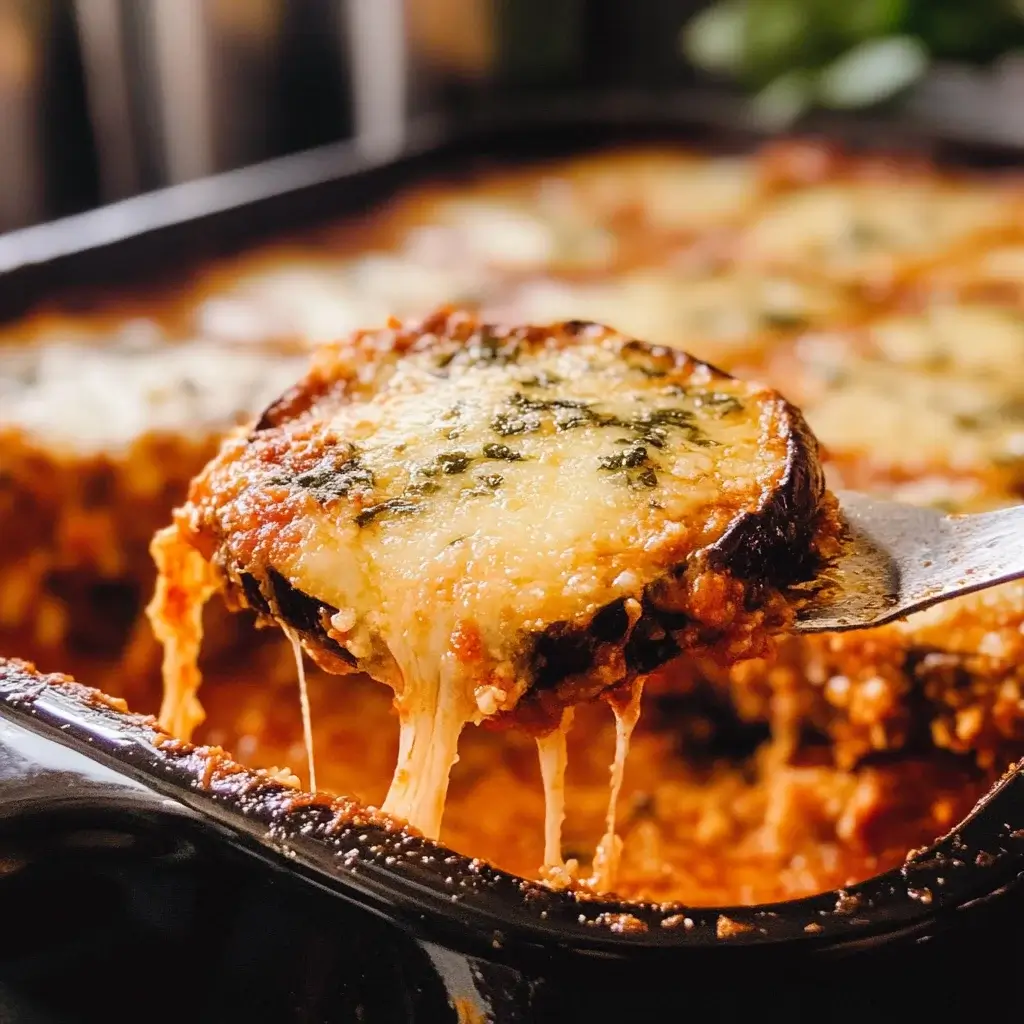
There’s a certain kind of magic that happens when layers of tender, golden-fried eggplant, rich marinara sauce, creamy mozzarella, and sharp Parmesan cheese bake together into a bubbling, aromatic casserole. My first truly memorable encounter with Eggplant Parmesan was at a tiny, family-run Italian trattoria, where the nonna herself brought out a steaming dish that smelled like heaven. The eggplant practically melted in my mouth, the sauce was a perfect balance of sweet and tangy, and the cheese pull was epic. I knew I had to learn to make it. My own journey to perfect this Homemade Eggplant Parmesan has been a labor of love, filled with trials of salting, breading, and frying techniques. But when I finally served this version to my family, and saw their eyes light up, the silence punctuated only by happy sighs and the clinking of forks, I knew I’d captured that same comforting, soul-satisfying deliciousness. It’s more than just a dish; it’s a hug in a casserole.
The Timeless Comfort of Homemade Eggplant Parmesan
Eggplant Parmesan, or Melanzane alla Parmigiana as it’s known in Italy, is a cornerstone of Italian-American cuisine, beloved for its rich flavors, comforting textures, and deeply satisfying nature. It’s a dish that conjures images of bustling family kitchens, Sunday dinners, and the art of slow-cooked, love-infused food. While its exact origins are debated (with regions like Sicily, Campania, and Parma all laying claim), its universal appeal is undeniable. Layers of breaded and fried (or sometimes baked) eggplant slices are nestled with a vibrant tomato sauce, generous amounts of mozzarella and Parmesan cheeses, and often fresh basil, then baked until bubbly and golden. It’s a vegetarian masterpiece that can stand proudly alongside any meat-based main course, offering a hearty, flavorful, and utterly irresistible experience.
What Makes This Eggplant Parmesan Recipe a Standout?
While there are many ways to approach Eggplant Parmesan, this recipe focuses on techniques and ingredients that ensure a truly exceptional result:
- Perfectly Prepared Eggplant: We address the common pitfalls of bitter or oily eggplant. The key steps of salting the eggplant to draw out excess moisture and bitterness, followed by a classic three-step breading process, yield slices that are tender on the inside and beautifully golden and crisp on the outside after frying.
- Rich and Flavorful Marinara Sauce: While a good store-bought marinara can work in a pinch, this recipe encourages a simple homemade sauce (or elevates a store-bought one) infused with garlic, onions, and fresh basil for an authentic, vibrant tomato flavor that forms the heart of the dish.
- The Ideal Cheese Combination: A generous blend of creamy, melt-in-your-mouth fresh mozzarella and sharp, salty Parmesan cheese creates that iconic cheesy pull and provides a perfect flavor balance to the rich eggplant and tangy sauce.
- Layering for Success: Proper layering technique ensures that every bite contains the perfect ratio of eggplant, sauce, and cheese, creating a harmonious and satisfying textural experience.
- Crispy Edges, Molten Center: Baking instructions are tailored to achieve that coveted contrast – slightly crispy, cheesy edges and a gloriously molten, bubbling interior.
- Authentic Flavor Profile: While a classic Italian-American interpretation, the focus is on fresh ingredients and balanced flavors that honor the spirit of traditional Italian cooking.
This recipe is designed to guide you through creating an Eggplant Parmesan that is deeply flavorful, texturally delightful, and worthy of any special occasion or comforting weeknight meal.
Gathering Your Ingredients for an Italian Masterpiece
Quality ingredients are the foundation of a truly memorable Eggplant Parmesan.
For the Eggplant:
- Large Eggplants: 2-3 (about 2.5 – 3 lbs total), firm and glossy
- Salt: For drawing out moisture (about 2-3 tablespoons coarse salt)
- All-Purpose Flour: 1 cup (for dredging)
- Large Eggs: 3, beaten (for egg wash)
- Italian-Style Breadcrumbs: 2 cups (or plain breadcrumbs mixed with 2 tsp Italian seasoning)
- Grated Parmesan Cheese: ½ cup, mixed into breadcrumbs (optional, for extra flavor)
- Olive Oil or Vegetable Oil: For frying (about 1-2 cups, depending on pan size)
For the Marinara Sauce (or use 1 large jar, ~28-32 oz, good quality store-bought):
- Olive Oil: 2 tablespoons
- Yellow Onion: 1 medium, finely chopped
- Garlic: 3-4 cloves, minced
- Crushed Tomatoes: 1 (28-ounce) can, good quality
- Dried Oregano: 1 teaspoon
- Fresh Basil: ¼ cup, chopped, plus more for garnish
- Salt and Freshly Ground Black Pepper: To taste
- Sugar: ½ – 1 teaspoon (optional, to balance acidity of tomatoes)
For Assembling:
- Fresh Mozzarella Cheese: 1 pound (450g), thinly sliced or shredded (low-moisture, part-skim is good for melting)
- Grated Parmesan Cheese: 1 cup, for layering and topping
- Fresh Basil Leaves: For layering (optional)
Ingredient Notes:
- Eggplant: Choose firm, heavy eggplants with smooth, shiny skin and no soft spots. Globe eggplants are typically used.
- Breadcrumbs: Italian-style breadcrumbs are pre-seasoned. If using plain, add Italian seasoning, garlic powder, and onion powder for more flavor. Panko breadcrumbs can be used for an extra crispy coating.
- Mozzarella: Fresh mozzarella packed in water should be well-drained and patted dry. Low-moisture, part-skim mozzarella (often sold in blocks or pre-shredded) melts beautifully and is less watery. A combination can also be nice.
- Parmesan Cheese: Use freshly grated Parmesan (Parmigiano-Reggiano for the best flavor) rather than pre-grated from a canister, as it melts better and has superior taste.
- Oil for Frying: Use a neutral oil with a high smoke point, like vegetable, canola, or light olive oil (not extra virgin for frying, as its smoke point is lower).
Crafting Your Homemade Eggplant Parmesan: Step-by-Step
This dish involves a few key stages: preparing the eggplant, making the sauce (if homemade), frying the eggplant, and finally, assembling and baking.
1. Preparing and Salting the Eggplant (Crucial Step):
- Slice Eggplant: Wash and dry the eggplants. Trim off the ends. Slice the eggplants crosswise into rounds about ¼ to ⅓ inch thick. Uniform thickness is important for even cooking.
- Salt the Slices: Arrange the eggplant slices in a single layer on baking sheets lined with paper towels (you may need multiple sheets or to work in batches). Sprinkle both sides of each slice generously with coarse salt.
- Let it Sweat: Let the salted eggplant sit for at least 30 minutes, up to 1 hour. You will see beads of moisture (the “sweat”) forming on the surface. This process draws out excess water and some bitterness.
- Pat Dry: After sweating, thoroughly pat the eggplant slices dry with more paper towels, pressing gently to remove as much moisture and excess salt as possible. Do not rinse.
2. Making the Marinara Sauce (If Not Using Store-Bought):
- Sauté Aromatics: While the eggplant is sweating, heat 2 tablespoons of olive oil in a medium saucepan or Dutch oven over medium heat. Add the chopped onion and cook until softened and translucent, about 5-7 minutes. Add the minced garlic and cook for another 1-2 minutes until fragrant.
- Add Tomatoes and Seasonings: Pour in the can of crushed tomatoes. Stir in the dried oregano, chopped fresh basil, salt, pepper, and optional sugar (to taste).
- Simmer: Bring the sauce to a gentle simmer, then reduce the heat to low, cover, and let it cook for at least 20-30 minutes (longer is better, up to an hour) for the flavors to meld. Stir occasionally. Taste and adjust seasonings as needed.
3. Breading and Frying the Eggplant:
- Set Up Breading Station: Prepare three shallow dishes or plates:
- Dish 1: 1 cup of all-purpose flour.
- Dish 2: 3 beaten large eggs.
- Dish 3: 2 cups of Italian-style breadcrumbs (mixed with ½ cup grated Parmesan, if using).
- Heat Oil: Pour about ½ inch of frying oil into a large, heavy-bottomed skillet (cast iron works well). Heat the oil over medium-high heat until it reaches about 350-360°F (175-180°C). If you don’t have a thermometer, the oil is ready when a pinch of breadcrumbs sizzles and turns golden brown in about 30-60 seconds.
- Bread the Eggplant: Working with one slice at a time:
- Dredge the dry eggplant slice in flour, shaking off any excess.
- Dip it into the beaten egg, allowing any excess to drip off.
- Coat it thoroughly with the breadcrumb mixture, pressing gently to help the crumbs adhere.
- Fry the Eggplant: Carefully place a few breaded eggplant slices in the hot oil, being sure not to overcrowd the pan (this lowers the oil temperature and results in greasy eggplant). Fry for 2-4 minutes per side, or until golden brown and crispy.
- Drain: Using a slotted spoon or tongs, remove the fried eggplant slices from the oil and transfer them to a wire rack set over paper towels to drain excess oil. Sprinkle lightly with salt immediately after removing from the oil, if desired.
- Repeat: Continue breading and frying the remaining eggplant slices, adding more oil to the skillet as needed and allowing it to come back up to temperature between batches.
4. Assembling the Eggplant Parmesan:
- Preheat Oven: Preheat your oven to 375°F (190°C).
- Prepare Baking Dish: Lightly grease a 9×13 inch baking dish (or a similar large casserole dish).
- First Layer of Sauce: Spread a thin layer (about ½ to 1 cup) of marinara sauce evenly over the bottom of the prepared baking dish. This prevents the eggplant from sticking.
- First Layer of Eggplant: Arrange a single layer of fried eggplant slices over the sauce, overlapping them slightly if necessary to cover the bottom.
- First Layer of Cheese & Basil: Top the eggplant layer with about ⅓ of the sliced or shredded fresh mozzarella, ⅓ cup of the grated Parmesan cheese, and a few fresh basil leaves (if using).
- Repeat Layers: Continue layering:
- Spread another layer of marinara sauce (about 1 cup) over the cheese.
- Add another layer of fried eggplant slices.
- Top with another ⅓ of the mozzarella, ⅓ cup of Parmesan, and fresh basil.
- Final Layer: Add the remaining eggplant slices (if any). Top with the remaining marinara sauce, ensuring the eggplant is well covered. Finish with the remaining fresh mozzarella and the final ⅓ cup of grated Parmesan cheese. You want a generous cheesy topping.
5. Baking to Golden Perfection:
- Bake: Place the assembled Eggplant Parmesan in the preheated oven. Bake for 30-40 minutes, or until the sauce is bubbly around the edges, the cheese is melted and golden brown (and perhaps a bit crispy in spots), and the casserole is heated through. If the top starts to brown too quickly, you can loosely tent it with aluminum foil.
- Rest Before Serving (Very Important!): Once baked, remove the Eggplant Parmesan from the oven and let it rest for at least 15-20 minutes before slicing and serving. This crucial step allows the layers to set and the molten cheese to firm up slightly, making it much easier to cut and serve neat portions. It also prevents you from burning your mouth!
6. Serving:
- Garnish: Garnish with additional chopped fresh basil before serving.
- Serve: Slice into generous portions and serve warm.
Nutritional Insights: A Hearty Vegetarian Classic
Eggplant Parmesan is a rich and satisfying dish. The nutritional information is an estimate and can vary based on specific ingredients, portion sizes, and the amount of oil absorbed during frying.
- Servings: This recipe typically yields 6-8 hearty servings.
- Calories per Serving (approximate, for 1/6th of the recipe):
- Around 500-700 calories per serving.
Key Nutritional Aspects:
- Rich in Flavor and Texture: Not necessarily a “light” dish, but incredibly satisfying.
- Source of Fiber: From eggplant and tomatoes.
- Protein: From cheese and eggs (in breading).
- Vitamins and Minerals: Contains Vitamin A, Vitamin C, calcium.
- Fat Content: Can be significant due to frying and cheese, but using good quality oils and draining well helps.
Enjoy as a comforting main course, perhaps with a light side salad.
Time Commitment: A Labor of Love Worth Every Minute
Crafting a truly exceptional Eggplant Parmesan takes time and care, but the results are well worth the effort.
- Eggplant Salting Time: 30 minutes to 1 hour (passive).
- Sauce Preparation (if homemade): Approximately 30-45 minutes (mostly simmering).
- Eggplant Breading & Frying Time: Approximately 45-60 minutes (can be done in batches).
- Assembly Time: Approximately 15-20 minutes.
- Baking Time: 30-40 minutes.
- Resting Time: 15-20 minutes (essential).
- Total Active Time: Roughly 1.5 – 2 hours.
- Total Time (including passive steps): Approximately 3 – 4 hours.
This is a great weekend project or a dish to prepare in stages.
How to Serve Your Eggplant Parmesan Like an Italian Nonna
Presenting your beautiful Eggplant Parmesan can make it even more special.
- As a Main Course:
- Serve generous, neatly cut squares or rectangles on individual plates.
- Pair with a simple side salad with a light vinaigrette to balance the richness.
- A side of crusty Italian bread is perfect for soaking up any extra sauce.
- With Pasta:
- A small side of spaghetti or linguine tossed with a little marinara or garlic and oil is a classic accompaniment.
- Family Style:
- Bring the entire bubbling casserole dish to the table for a rustic, communal feel.
- Garnish Power:
- A sprinkle of fresh, bright green chopped basil or parsley just before serving adds color and freshness.
- An extra grating of Parmesan cheese at the table is always welcome.
- Wine Pairing:
- Medium-bodied Italian red wines like Chianti Classico, Sangiovese, or Barbera complement the richness and acidity beautifully.
- A robust Italian white like a Vermentino could also work.
Remember, the most important ingredient is love – serve it with warmth and pride!
Pro Tips for Eggplant Parmesan Perfection
Achieve Eggplant Parmesan nirvana with these five expert tips:
- Don’t Skip Salting and Drying the Eggplant: This is the #1 tip for avoiding bitter and overly oily eggplant. Salting draws out excess moisture (which can make the eggplant soggy and prevent proper browning) and some of the bitter compounds. Patting it thoroughly dry afterwards is equally important.
- Maintain Proper Oil Temperature for Frying: If the oil is too cool, the eggplant will absorb too much oil and become greasy. If it’s too hot, the breading will burn before the eggplant cooks through. Aim for 350-360°F (175-180°C). Fry in batches to avoid overcrowding the pan, which lowers the oil temperature.
- Use Good Quality Cheeses and Slice Your Own Mozzarella: The flavor and melt of your cheese make a huge difference. Freshly grate your Parmesan. For mozzarella, using low-moisture, part-skim mozzarella (either a block you slice/shred yourself or good quality pre-shredded) will result in less wateriness and better meltability than fresh mozzarella packed in water (though the latter can be used if patted very dry).
- Season Every Layer Lightly: While the sauce and cheese provide a lot of flavor, lightly seasoning components as you go builds depth. A tiny pinch of salt on the fried eggplant as it comes out of the oil, for example, can enhance its taste.
- Let it Rest After Baking – Seriously! This is crucial. Allowing the Eggplant Parmesan to rest for at least 15-20 minutes after it comes out of the oven lets the molten cheese and sauce set up. If you cut into it too soon, it will be a soupy, albeit delicious, mess. Patience yields perfectly sliceable, layered portions.
Your Eggplant Parmesan Questions Answered (FAQ)
Here are answers to some common questions about making this Italian classic:
Q1: Can I bake the eggplant instead of frying it for a healthier version?
A: Yes, you absolutely can! To bake the breaded eggplant slices: Preheat your oven to 400°F (200°C). Arrange the breaded slices in a single layer on a baking sheet lightly greased with oil or lined with parchment paper. You can lightly spray the tops of the eggplant with cooking spray or drizzle with a little olive oil. Bake for 20-30 minutes, flipping halfway, until golden brown and tender. The result will be less crispy and rich than fried eggplant but still delicious and significantly lower in fat.
Q2: Can I make Eggplant Parmesan ahead of time?
A: Yes, Eggplant Parmesan is a great make-ahead dish. You can assemble the entire casserole, cover it tightly with foil, and refrigerate it for up to 24 hours before baking. You may need to add 10-15 minutes to the baking time if baking directly from the refrigerator. Alternatively, you can bake it completely, let it cool, cover, and refrigerate. It often tastes even better the next day as the flavors meld.
Q3: How do I store and reheat leftovers?
A: Store leftover Eggplant Parmesan tightly covered in the refrigerator for up to 3-4 days. To reheat, you can microwave individual portions, but for best results (to maintain some crispness), reheat in an oven at 350°F (175°C) for 20-30 minutes, or until heated through. You can cover it with foil to prevent the top from over-browning.
Q4: Can I freeze Eggplant Parmesan?
A: Yes, Eggplant Parmesan freezes quite well.
* Baked: Let the fully baked casserole cool completely. You can freeze it whole in a freezer-safe baking dish (well-wrapped in plastic wrap and then foil) or cut it into individual portions and freeze them in freezer-safe containers. It will keep for up to 2-3 months. Thaw overnight in the refrigerator before reheating in the oven.
* Unbaked: You can also freeze the assembled but unbaked casserole. Wrap it well. Thaw in the refrigerator overnight, then bake as directed (you might need to add extra baking time).
Q5: My eggplant always seems to absorb too much oil when frying. What am I doing wrong?
A: There are a few culprits for oily eggplant:
* Not salting and drying properly: Excess moisture in the eggplant turns to steam, pushing oil into the eggplant.
* Oil temperature too low: If the oil isn’t hot enough, the eggplant sits in it longer and absorbs more.
* Overcrowding the pan: This lowers the oil temperature. Fry in batches.
* Not draining properly: Always drain fried eggplant on a wire rack over paper towels, not directly on paper towels (which can trap steam and make them soggy).

Eggplant Parmesan recipe
Ingredients
For the Eggplant:
-
- Large Eggplants: 2-3 (about 2.5 – 3 lbs total), firm and glossy
-
- Salt: For drawing out moisture (about 2-3 tablespoons coarse salt)
-
- All-Purpose Flour: 1 cup (for dredging)
-
- Large Eggs: 3, beaten (for egg wash)
-
- Italian-Style Breadcrumbs: 2 cups (or plain breadcrumbs mixed with 2 tsp Italian seasoning)
-
- Grated Parmesan Cheese: ½ cup, mixed into breadcrumbs (optional, for extra flavor)
-
- Olive Oil or Vegetable Oil: For frying (about 1-2 cups, depending on pan size)
For the Marinara Sauce (or use 1 large jar, ~28-32 oz, good quality store-bought):
-
- Olive Oil: 2 tablespoons
-
- Yellow Onion: 1 medium, finely chopped
-
- Garlic: 3-4 cloves, minced
-
- Crushed Tomatoes: 1 (28-ounce) can, good quality
-
- Dried Oregano: 1 teaspoon
-
- Fresh Basil: ¼ cup, chopped, plus more for garnish
-
- Salt and Freshly Ground Black Pepper: To taste
-
- Sugar: ½ – 1 teaspoon (optional, to balance acidity of tomatoes)
For Assembling:
-
- Fresh Mozzarella Cheese: 1 pound (450g), thinly sliced or shredded (low-moisture, part-skim is good for melting)
-
- Grated Parmesan Cheese: 1 cup, for layering and topping
-
- Fresh Basil Leaves: For layering (optional)
Instructions
1. Preparing and Salting the Eggplant (Crucial Step):
-
- Slice Eggplant: Wash and dry the eggplants. Trim off the ends. Slice the eggplants crosswise into rounds about ¼ to ⅓ inch thick. Uniform thickness is important for even cooking.
-
- Salt the Slices: Arrange the eggplant slices in a single layer on baking sheets lined with paper towels (you may need multiple sheets or to work in batches). Sprinkle both sides of each slice generously with coarse salt.
-
- Let it Sweat: Let the salted eggplant sit for at least 30 minutes, up to 1 hour. You will see beads of moisture (the “sweat”) forming on the surface. This process draws out excess water and some bitterness.
-
- Pat Dry: After sweating, thoroughly pat the eggplant slices dry with more paper towels, pressing gently to remove as much moisture and excess salt as possible. Do not rinse.
2. Making the Marinara Sauce (If Not Using Store-Bought):
-
- Sauté Aromatics: While the eggplant is sweating, heat 2 tablespoons of olive oil in a medium saucepan or Dutch oven over medium heat. Add the chopped onion and cook until softened and translucent, about 5-7 minutes. Add the minced garlic and cook for another 1-2 minutes until fragrant.
-
- Add Tomatoes and Seasonings: Pour in the can of crushed tomatoes. Stir in the dried oregano, chopped fresh basil, salt, pepper, and optional sugar (to taste).
-
- Simmer: Bring the sauce to a gentle simmer, then reduce the heat to low, cover, and let it cook for at least 20-30 minutes (longer is better, up to an hour) for the flavors to meld. Stir occasionally. Taste and adjust seasonings as needed.
3. Breading and Frying the Eggplant:
-
- Set Up Breading Station: Prepare three shallow dishes or plates:
-
- Dish 1: 1 cup of all-purpose flour.
-
- Dish 2: 3 beaten large eggs.
-
- Dish 3: 2 cups of Italian-style breadcrumbs (mixed with ½ cup grated Parmesan, if using).
-
- Set Up Breading Station: Prepare three shallow dishes or plates:
-
- Heat Oil: Pour about ½ inch of frying oil into a large, heavy-bottomed skillet (cast iron works well). Heat the oil over medium-high heat until it reaches about 350-360°F (175-180°C). If you don’t have a thermometer, the oil is ready when a pinch of breadcrumbs sizzles and turns golden brown in about 30-60 seconds.
-
- Bread the Eggplant: Working with one slice at a time:
-
- Dredge the dry eggplant slice in flour, shaking off any excess.
-
- Dip it into the beaten egg, allowing any excess to drip off.
-
- Coat it thoroughly with the breadcrumb mixture, pressing gently to help the crumbs adhere.
-
- Bread the Eggplant: Working with one slice at a time:
-
- Fry the Eggplant: Carefully place a few breaded eggplant slices in the hot oil, being sure not to overcrowd the pan (this lowers the oil temperature and results in greasy eggplant). Fry for 2-4 minutes per side, or until golden brown and crispy.
-
- Drain: Using a slotted spoon or tongs, remove the fried eggplant slices from the oil and transfer them to a wire rack set over paper towels to drain excess oil. Sprinkle lightly with salt immediately after removing from the oil, if desired.
-
- Repeat: Continue breading and frying the remaining eggplant slices, adding more oil to the skillet as needed and allowing it to come back up to temperature between batches.
4. Assembling the Eggplant Parmesan:
-
- Preheat Oven: Preheat your oven to 375°F (190°C).
-
- Prepare Baking Dish: Lightly grease a 9×13 inch baking dish (or a similar large casserole dish).
-
- First Layer of Sauce: Spread a thin layer (about ½ to 1 cup) of marinara sauce evenly over the bottom of the prepared baking dish. This prevents the eggplant from sticking.
-
- First Layer of Eggplant: Arrange a single layer of fried eggplant slices over the sauce, overlapping them slightly if necessary to cover the bottom.
-
- First Layer of Cheese & Basil: Top the eggplant layer with about ⅓ of the sliced or shredded fresh mozzarella, ⅓ cup of the grated Parmesan cheese, and a few fresh basil leaves (if using).
-
- Repeat Layers: Continue layering:
-
- Spread another layer of marinara sauce (about 1 cup) over the cheese.
-
- Add another layer of fried eggplant slices.
-
- Top with another ⅓ of the mozzarella, ⅓ cup of Parmesan, and fresh basil.
-
- Repeat Layers: Continue layering:
-
- Final Layer: Add the remaining eggplant slices (if any). Top with the remaining marinara sauce, ensuring the eggplant is well covered. Finish with the remaining fresh mozzarella and the final ⅓ cup of grated Parmesan cheese. You want a generous cheesy topping.
5. Baking to Golden Perfection:
-
- Bake: Place the assembled Eggplant Parmesan in the preheated oven. Bake for 30-40 minutes, or until the sauce is bubbly around the edges, the cheese is melted and golden brown (and perhaps a bit crispy in spots), and the casserole is heated through. If the top starts to brown too quickly, you can loosely tent it with aluminum foil.
-
- Rest Before Serving (Very Important!): Once baked, remove the Eggplant Parmesan from the oven and let it rest for at least 15-20 minutes before slicing and serving. This crucial step allows the layers to set and the molten cheese to firm up slightly, making it much easier to cut and serve neat portions. It also prevents you from burning your mouth!
6. Serving:
-
- Garnish: Garnish with additional chopped fresh basil before serving.
-
- Serve: Slice into generous portions and serve warm.
Nutrition
- Serving Size: one normal portion
- Calories: 500-700