
There’s something wonderfully comforting about the aroma of sage mingling with the caramelized sweetness of roasted butternut squash filling your kitchen. This Roasted Butternut Squash with Sage recipe quickly became my go-to side dish when I wanted something both simple and bursting with flavor. What I love most is how effortlessly the tender, golden squash pairs with crispy, fragrant sage leaves—turning a humble vegetable into a show-stopping crowd-pleaser. Whether you’re looking to elevate your weeknight dinner or impress guests without hours in the kitchen, this dish hits all the right notes for warmth, ease, and irresistible taste. Let me take you through making this cozy classic your next favorite.
Why Choose Roasted Butternut Squash with Sage?
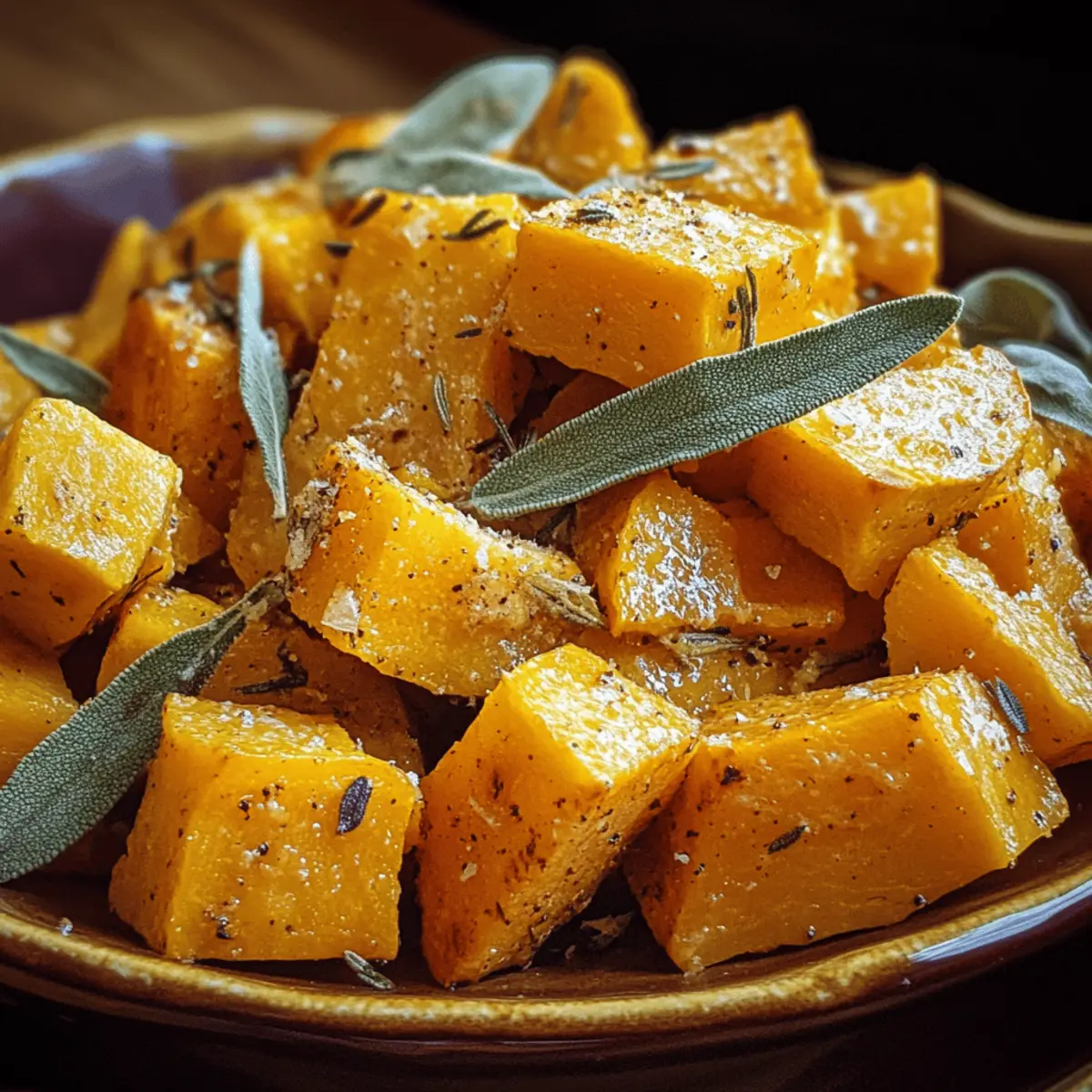
Simplicity shines in this recipe—minimal ingredients, maximum flavor. Comfort in every bite comes from the sweet, caramelized squash paired with earthy, crispy sage leaves. Quick prep and roasting time means you spend less time cooking and more time enjoying. Versatile side dish perfect for weeknights or holiday feasts. Crowd-pleaser status guaranteed, turning a humble vegetable into a star on your table!
Roasted Butternut Squash with Sage Ingredients
For the Squash
- Butternut squash – Choose a medium-sized squash, ripe and firm for the best natural sweetness and roasting texture.
- Extra-virgin olive oil – Use quality oil to help caramelize the squash and add a rich, fruity flavor.
- Kosher salt – Enhances the natural sweetness and balances the dish’s flavors perfectly.
- Freshly ground black pepper – Adds a subtle heat to complement the earthy sage.
For the Sage
- Fresh sage leaves – Crisp them up in the roasting pan to release their fragrant aroma and add a crispy texture contrast.
- Garlic cloves (optional) – Lightly crushed and roasted alongside the squash for a gentle garlic background note that elevates the dish.
Finishing Touch
- Maple syrup or honey (optional) – A drizzle can enhance the caramelization and bring out the depth in the roasted butternut squash with sage.
How to Make Roasted Butternut Squash with Sage
- Peel & Cube: Preheat your oven to 400°F. Peel, halve, and seed the squash, then cut into ½-inch cubes. Toss in olive oil, salt, and pepper until evenly coated.
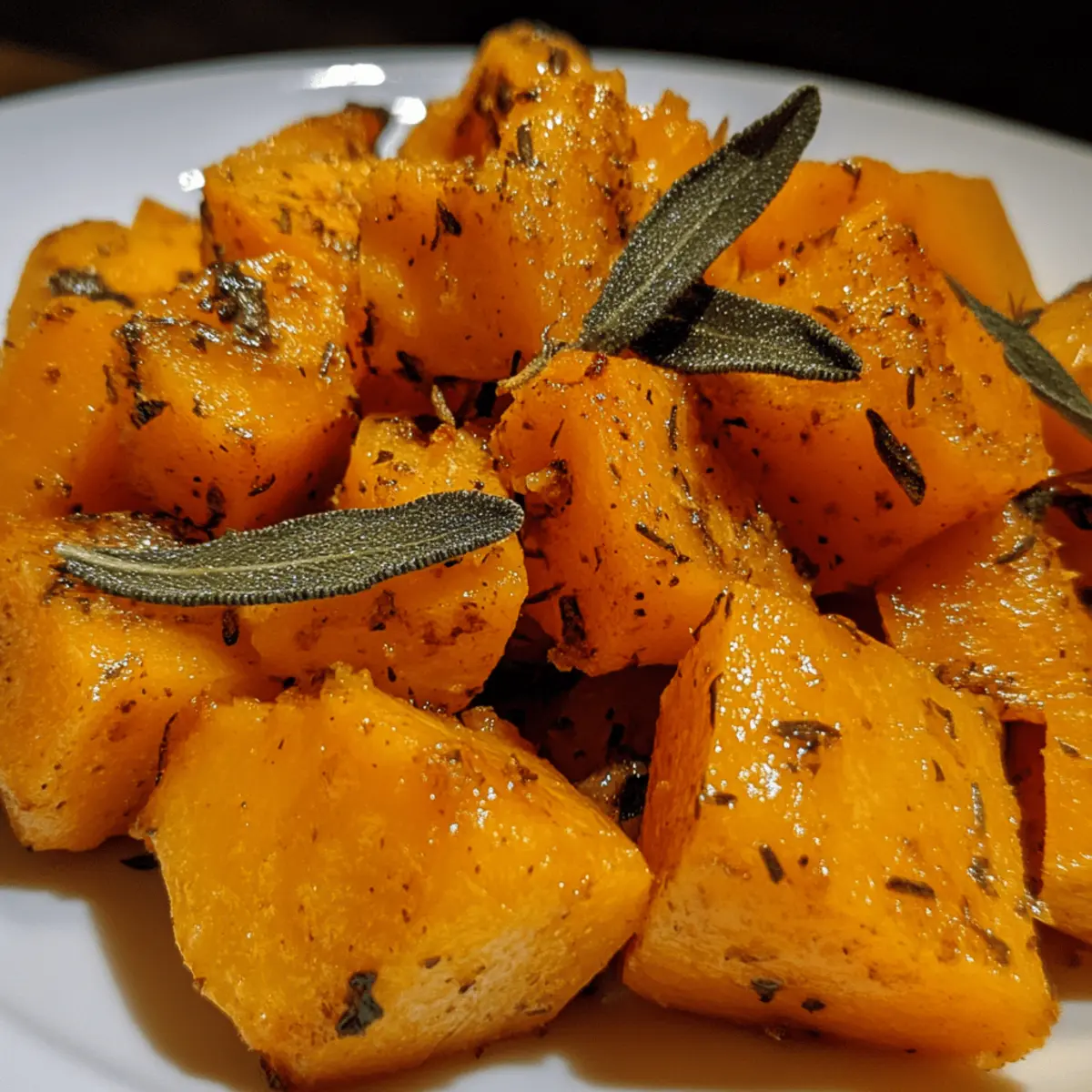
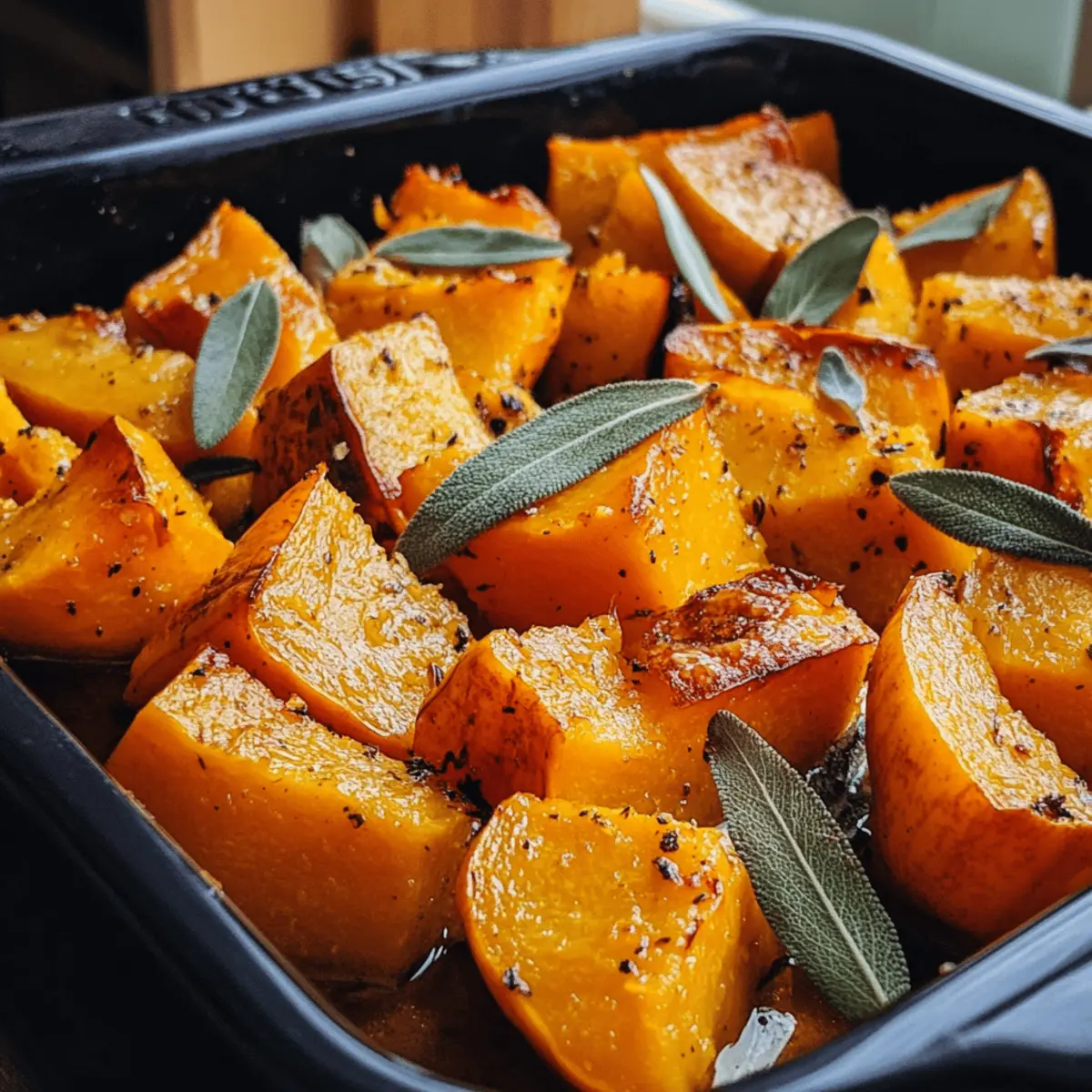
- Roast Squash: Spread cubes in a single layer on a baking sheet. Roast at 400°F for 25–30 minutes, shaking the pan halfway for even browning, until edges are golden brown and tender.
- Crisp Sage: Nestle fresh sage leaves among the squash during the last 5 minutes of roasting. They’ll turn dark green and crispy, releasing an irresistible aroma that complements the sweet squash.
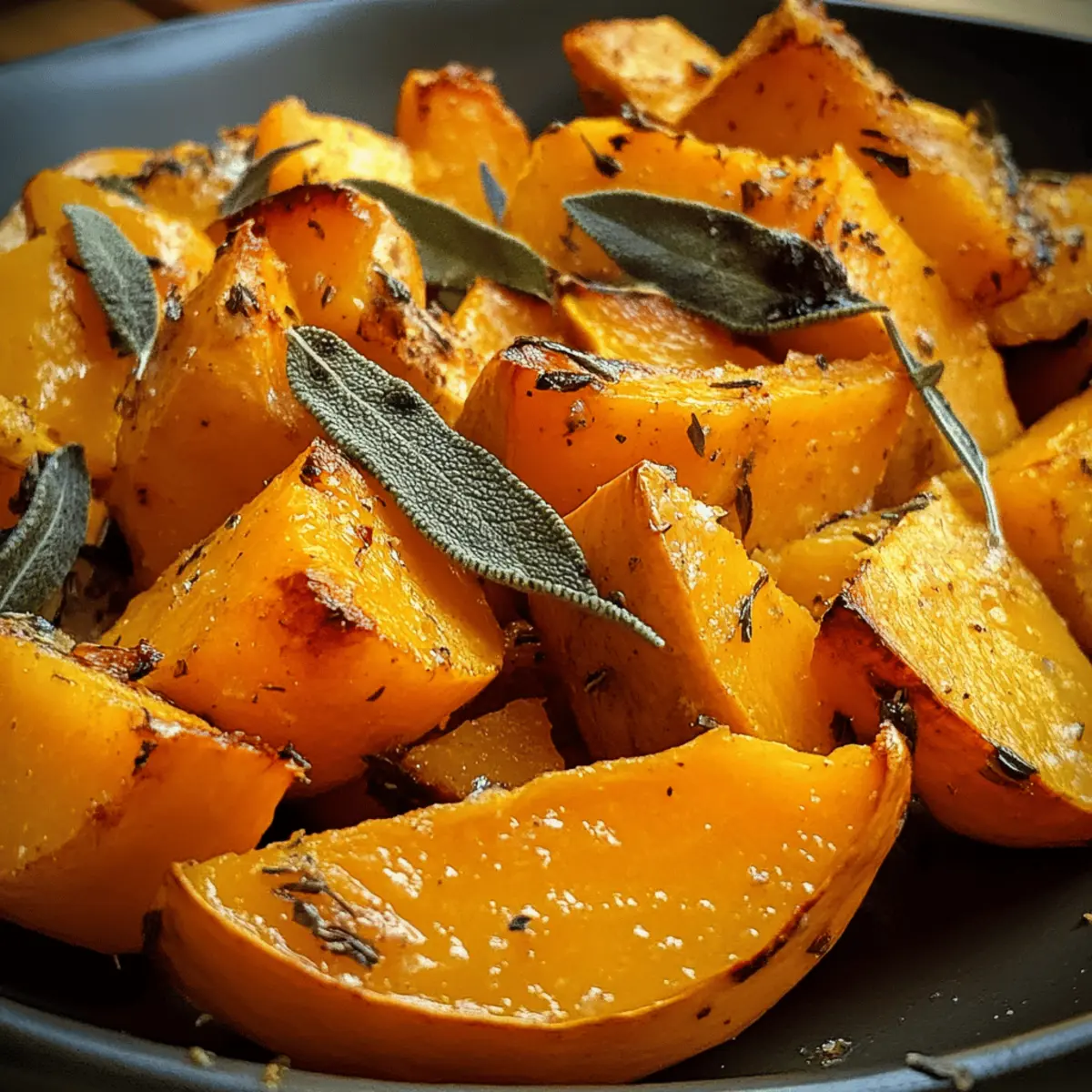
- Serve Warm: Transfer roasted squash and sage to a serving bowl. Sprinkle with flaky salt and serve immediately, enjoying the tender squash and crispy sage while still hot.
Optional: Drizzle with maple syrup or honey for a touch of sweetness.
Exact quantities are listed in the recipe card below.
Expert Tips for Roasted Butternut Squash with Sage
- Choose the right squash: Select a firm, medium-sized butternut squash with a deep orange color for the sweetest, most tender results in your roasted butternut squash with sage.
- Even cubes for uniform roasting: Cut the squash into evenly sized ½-inch cubes to ensure they roast consistently and develop that perfect caramelized edge.
- Use fresh sage leaves: Fresh sage crisps beautifully when roasted, adding an aromatic crunch; avoid dried sage which can burn and become bitter.
- Don’t overcrowd the pan: Spread the squash cubes in a single layer on your baking sheet to allow air circulation, so they roast evenly without steaming.
- Timing for sage: Add the sage leaves in the last 5 minutes of roasting to achieve crispy texture without burning their delicate flavor.
- Optional sweetness boost: A light drizzle of maple syrup or honey after roasting enhances the natural caramelization without overpowering the dish’s balance.
Storage Tips for Roasted Butternut Squash with Sage
Fridge: Store leftover roasted butternut squash with sage in an airtight container for up to 3 days. Make sure to cool it completely before sealing to avoid condensation.
Freezer: For longer storage, freeze the roasted squash in a single layer on a baking sheet, then transfer to a freezer-safe container. Enjoy within 2–3 months for the best texture and flavor.
Reheating: To reheat, sprinkle the leftovers with a little olive oil and warm in a 350°F oven until heated through, approximately 15–20 minutes. This will help retain the squash’s tenderness and revitalize the crispy sage.
Make Ahead Options
These Roasted Butternut Squash with Sage are perfect for busy weeknight meal prep! You can peel and cube the butternut squash up to 24 hours in advance, storing the cubes in an airtight container covered with water to prevent browning. Additionally, you can wash and dry the sage leaves a day prior, keeping them in a separate container for optimal freshness. When you’re ready to serve, simply drain the squash, toss it in olive oil, salt, and pepper, then roast it as directed. The squash will still have that delicious caramelization and the sage will be just as fragrant, giving you a cozy, homemade dish with minimal last-minute effort.
What to Serve with Roasted Butternut Squash with Sage?
Transform your cozy fall feast into a delightful experience with the perfect accompaniments that highlight the sweet and earthy flavors of this dish.
-
Herb-Crusted Chicken: Juicy and tender, this savory chicken pairs beautifully with the sweetness of the squash, creating a harmonious balance.
-
Quinoa Salad: Light and refreshing, a quinoa salad with citrus dressing adds a vibrant contrast to the rich, roasted flavors of the squash.
-
Green Beans with Almonds: Crisp-tender green beans sprinkled with toasted almonds offer a delightful crunch that complements the soft texture of the roasted squash.
-
Garlicky Mashed Potatoes: Creamy and aromatic, these mashed potatoes provide comfort alongside your savory dish, enhancing the overall warmth of the meal.
-
Caesar Salad: A classic Caesar salad brings a crisp, tangy element to the table, cutting through the sweetness of the butternut squash with sage.
-
Red Wine: A glass of medium-bodied red wine, like Pinot Noir, adds a fruity depth that pairs elegantly with the earthy notes of the roasted dish.
-
Maple Pecan Pie: For dessert, a slice of maple pecan pie echoes the flavors of your dish, while providing a rich, comforting end to your meal.
Each of these pairings creates a beautiful medley of flavors and textures that will leave your taste buds singing!
Roasted Butternut Squash with Sage Variations
Feel free to elevate this dish with these delightful twists that will tickle your taste buds and warm your heart!
-
Spicy Kick: Add a pinch of cayenne pepper to the olive oil for a subtle heat that complements the sweetness of the squash. The gentle warmth will bring a lovely contrast without overpowering the dish.
-
Nutty Flavor: Toss in some chopped walnuts or pecans during the last 10 minutes of roasting for unexpected crunch and a nutty essence. They’ll roast beautifully alongside the squash, adding texture and delightful depth.
-
Herb Medley: Experiment with fresh thyme or rosemary in place of sage for a different herbaceous note. Their aromatic profiles bring a unique twist that pairs wonderfully with caramelized squash.
-
Balsamic Glaze: Drizzle some balsamic reduction over the finished squash for a tangy-sweet layer of flavor. This will add a luscious glossy topping that’s sure to wow your guests.
-
Honey Roasted: Swap out maple syrup for honey to enhance the sweetness without losing the dish’s earthy roots. Simply drizzle it on before roasting and watch the magic of caramelization unfold.
-
Garlic Lovers: For more garlic goodness, roast additional cloves with the squash until golden and soft. They’ll add a sweet, mellow garlic flavor that beautifully complements both the squash and sage.
-
Cheesy Addition: Sprinkle with grated Parmesan or feta cheese just before serving for a creamy, savory finish. The salty notes of cheese embrace the squash, creating a delightful harmony in flavors.
-
Lemon Zest: Brighten up the entire dish with a touch of lemon zest added right before serving. This will provide a refreshing lift and accentuate the sweet, earthy flavors beautifully.
Easy Roasted Butternut Squash with Sage Recipe FAQs
How do I select the perfect butternut squash for this recipe?
Look for a medium-sized butternut squash that feels heavy for its size and has a smooth, firm skin with a deep orange color. Avoid squash with soft spots or dark blemishes, as these can mean overripeness or spoilage. A ripe butternut squash promises natural sweetness and a lovely roasting texture.
Can I store leftover roasted butternut squash with sage, and for how long?
Absolutely! Store leftovers in an airtight container in the refrigerator for up to 3 to 4 days. Let the squash cool completely before sealing the container to prevent moisture buildup, which could make the squash soggy. When ready to enjoy again, reheat gently to revive its tender yet crispy charm.
Is it possible to freeze roasted butternut squash with sage?
Yes, freezing is a great way to extend its life. Spread the roasted squash cubes and sage leaves in a single layer on a baking sheet and freeze until firm, about 1 to 2 hours. Then transfer to a freezer-safe container or bag, removing as much air as possible. Use within 2 to 3 months for the best taste and texture. When reheating, thaw in the fridge overnight and warm in the oven at 350°F until heated through.
What should I do if my sage leaves burn easily in the oven?
Burnt sage can taste bitter, so it’s important to add the fresh sage leaves late in the roasting process — during the last 5 minutes is perfect. If your oven runs hot or you prefer gentler crisping, try placing the leaves on a separate rack or baking sheet away from direct heat, or watch closely and remove them as soon as they become crispy and fragrant.
Is this roasted butternut squash with sage recipe safe for pets?
Sage in small amounts is generally safe for dogs and cats, but roasted squash seasoned with salt, pepper, and oil may upset their digestive system or add unnecessary fat and sodium. It’s best to offer plain, cooked butternut squash without added seasonings if you want to share. Always consult your vet before introducing new foods to your pet’s diet.
Easy Roasted Butternut Squash with Sage: Cozy Fall Favorite
Ingredients
Equipment
Method
- Preheat your oven to 400°F. Peel, halve, and seed the squash, then cut into ½-inch cubes. Toss in olive oil, salt, and pepper until evenly coated.
- Spread cubes in a single layer on a baking sheet. Roast at 400°F for 25–30 minutes, shaking the pan halfway for even browning, until edges are golden brown and tender.
- Nestle fresh sage leaves among the squash during the last 5 minutes of roasting. They’ll turn dark green and crispy.
- Transfer roasted squash and sage to a serving bowl. Sprinkle with flaky salt and serve immediately. Optionally drizzle with maple syrup or honey.