
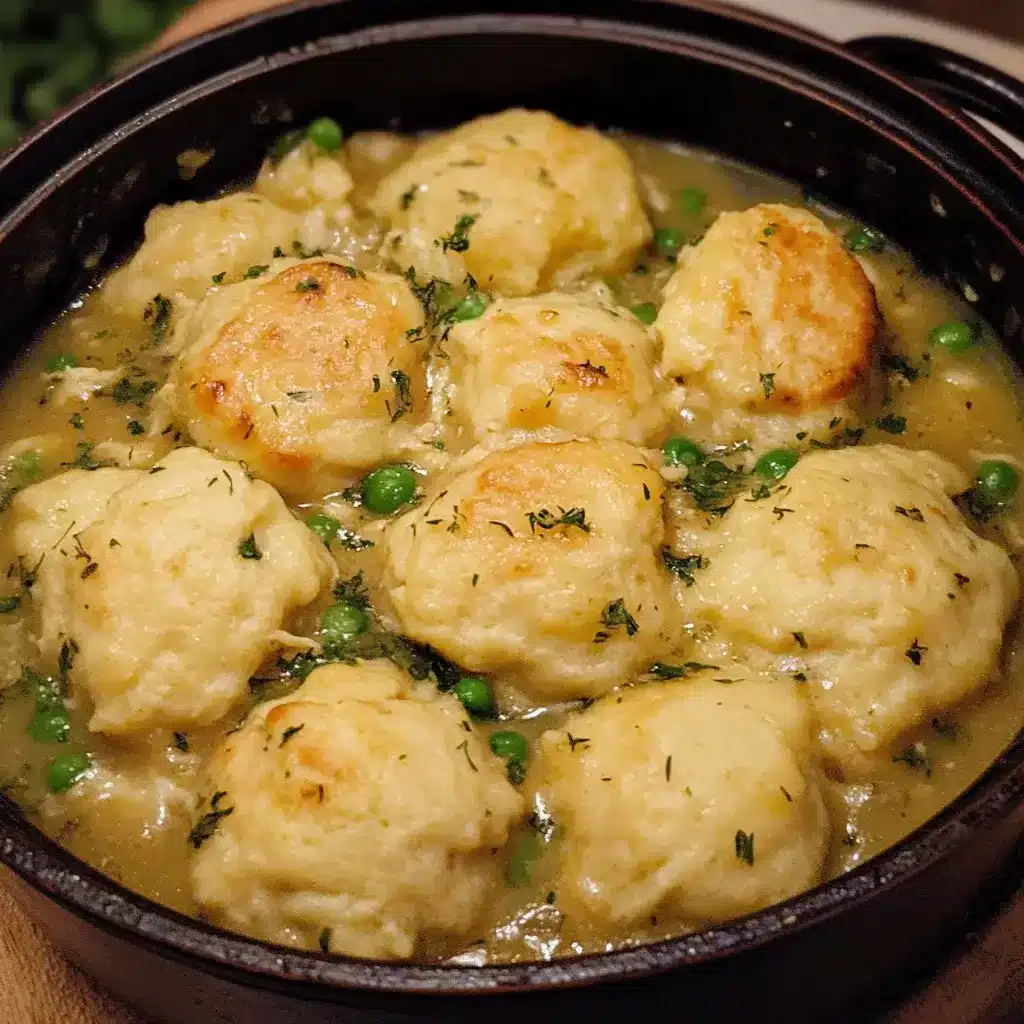
There are certain dishes that just feel like a warm hug from the inside out, and for my family, Dutch Oven Chicken and Dumplings is unequivocally one of them. It’s more than just a meal; it’s an experience, a comforting ritual that fills our home with the most incredible aroma and brings everyone together around the table. I remember the first time I made it – it was a blustery autumn evening, the kind that calls for hearty, soul-satisfying food. From the moment the chicken started browning in the Dutch oven, the kitchen transformed into a cozy haven. And then came the dumplings, those fluffy clouds of dough simmering in the rich, flavorful broth – pure magic. The taste was even better than the smell. Tender, fall-off-the-bone chicken, perfectly cooked vegetables, and those pillowy dumplings, all swimming in a creamy, savory broth… it was utter perfection. My family, usually a tough crowd to please on weeknights, devoured it with gusto. Silence fell over the table, broken only by contented sighs and requests for seconds. Since that first pot, Dutch Oven Chicken and Dumplings has become a staple in our home, especially during the colder months. It’s surprisingly simple to make, yet yields a dish that’s deeply flavorful and incredibly satisfying. It’s the kind of meal that nourishes both body and soul, a true embodiment of home cooking at its finest. If you’re looking for a recipe that will bring warmth, comfort, and smiles to your dinner table, then look no further. This Dutch Oven Chicken and Dumplings is destined to become a cherished favorite in your home too.
Ingredients for Hearty Dutch Oven Chicken and Dumplings
To create a truly exceptional Dutch Oven Chicken and Dumplings, you’ll need a selection of quality ingredients that work together to build layers of flavor and create that comforting, soul-satisfying dish. Here’s a detailed breakdown of what you’ll need, with considerations for each component:
- For the Chicken and Broth:
- 1 Whole Chicken (about 3-4 pounds): A whole chicken is ideal for Dutch Oven Chicken and Dumplings. It provides both flavorful meat and bones for a rich, homemade broth. You can also use bone-in, skin-on chicken pieces like thighs and drumsticks if preferred, but the whole chicken yields the best broth.
- 1 tablespoon Olive Oil or Vegetable Oil: Oil is needed for browning the chicken and sautéing the vegetables, building a foundation of flavor. Olive oil adds a richer flavor, while vegetable oil is a neutral option.
- 1 Large Onion, chopped: Onion is a foundational aromatic vegetable that contributes depth and sweetness to the broth. Yellow or white onions work well.
- 2-3 Carrots, peeled and chopped: Carrots add sweetness and color to the broth and the final dish. Peeling is optional, but often preferred for a smoother texture.
- 2-3 Celery Stalks, chopped: Celery is another key aromatic vegetable that adds a subtle savory note to the broth and complements the other flavors.
- 4-5 Cloves Garlic, minced: Garlic adds a pungent and savory flavor that enhances the overall richness of the dish. Mincing ensures the garlic flavor infuses well into the broth.
- 8 cups Chicken Broth (low sodium): Chicken broth forms the liquid base of the dish. Using low-sodium broth allows you to control the salt level. Homemade chicken broth is even better if you have it, but a good quality store-bought low-sodium broth works perfectly.
- 2 Bay Leaves: Bay leaves add a subtle, herbaceous, and slightly tea-like flavor to the broth, enhancing its complexity. They are essential for a well-rounded broth flavor.
- 1 teaspoon Dried Thyme: Thyme is a classic herb that pairs beautifully with chicken and vegetables, adding an earthy and slightly lemony note. Dried thyme is convenient and readily available, but fresh thyme sprigs can also be used (about 4-5 sprigs).
- 1 teaspoon Dried Rosemary: Rosemary adds a piney and slightly pungent flavor that complements the chicken and thyme. Dried rosemary is potent, so use it sparingly. Fresh rosemary sprigs can also be used (about 2-3 sprigs).
- Salt and Black Pepper, to taste: Salt and pepper are essential for seasoning and enhancing the flavors of all the ingredients. Season generously throughout the cooking process.
- For the Creamy Base and Vegetables:
- ½ cup Heavy Cream or Half-and-Half: Heavy cream adds richness and creaminess to the broth, creating a luxurious texture. Half-and-half is a lighter option if you prefer a less rich broth. You can also use milk for a lighter version, but the broth will be less creamy.
- 1 cup Frozen Peas: Frozen peas add a touch of sweetness, color, and freshness to the dish. They are added towards the end of cooking to retain their vibrant color and texture.
- 1 cup Frozen Corn: Frozen corn adds sweetness and a different texture element to the dish. Like peas, it’s added towards the end to preserve its sweetness and prevent it from becoming mushy.
- Optional Vegetables: You can add other vegetables to your liking, such as potatoes (diced), green beans (cut into 1-inch pieces), mushrooms (sliced), or parsnips (peeled and chopped). Add root vegetables earlier in the cooking process so they have time to soften.
- For the Fluffy Dumplings:
- 2 cups All-Purpose Flour: All-purpose flour is the base for the dumplings, providing structure and chewiness.
- 2 teaspoons Baking Powder: Baking powder is a leavening agent that makes the dumplings light and fluffy. Ensure your baking powder is fresh for optimal leavening.
- ½ teaspoon Salt: Salt enhances the flavor of the dumplings and balances the other ingredients.
- 1 cup Milk or Buttermilk: Milk or buttermilk provides moisture and richness to the dumplings. Buttermilk adds a slight tang and can result in even more tender dumplings. Dairy-free milk alternatives can also be used.
- ¼ cup Melted Butter, cooled slightly: Melted butter adds flavor and richness to the dumplings, making them more tender and flavorful. Unsalted butter is recommended so you can control the overall salt level. Fresh herbs like chopped parsley or chives can also be added to the dumpling dough for extra flavor.
Detailed Ingredient Breakdown and Flavor Considerations:
- Whole Chicken vs. Chicken Pieces: Using a whole chicken is highly recommended for the richest and most flavorful broth. As the chicken simmers, the bones and connective tissues release collagen, which breaks down into gelatin, creating a silky, mouthwatering broth. If using chicken pieces, opt for bone-in, skin-on thighs and drumsticks for better flavor compared to boneless, skinless breasts.
- Aromatic Vegetables: The combination of onion, carrots, celery, and garlic forms the mirepoix, a foundational flavor base in many cuisines. These vegetables, when sautéed and simmered, release their aromatic compounds, creating a complex and savory broth. Don’t skip or skimp on these ingredients!
- Broth Choice: Chicken broth is the obvious choice, but consider using low-sodium broth to control the saltiness of the final dish. Homemade chicken broth elevates the flavor to another level. If you use a whole chicken, you can use the carcass to make your own broth afterward for future use.
- Herbs and Spices: Bay leaves, thyme, and rosemary are classic herbs that complement chicken and vegetables beautifully. They add depth and complexity without overpowering the other flavors. Adjust the amounts to your preference, and consider adding other herbs like parsley or sage.
- Creamy Base Options: Heavy cream provides the richest and most decadent creamy texture. Half-and-half offers a lighter creaminess, while milk will result in a thinner broth. For a dairy-free version, you can use full-fat coconut milk or cashew cream, but be aware they will impart their own distinct flavor.
- Vegetable Variations: Frozen peas and corn are classic additions for color and sweetness, but feel free to customize with other vegetables. Root vegetables like potatoes, parsnips, and turnips should be added earlier to ensure they cook through. Green beans, mushrooms, and other quicker-cooking vegetables can be added closer to the end.
- Dumpling Dough Ingredients: The dumpling dough is simple, but the right balance of ingredients is key for fluffy, tender dumplings. Baking powder is crucial for leavening. Milk or buttermilk provides moisture and richness. Melted butter adds flavor and tenderness. Be careful not to overmix the dough, as this can result in tough dumplings.
Step-by-Step Instructions: Cooking Dutch Oven Chicken and Dumplings
Making Dutch Oven Chicken and Dumplings is a multi-step process, but each step builds upon the last to create a deeply flavorful and comforting dish. Follow these instructions for a delicious result:
Step 1: Brown the Chicken and Sauté Vegetables
- Prepare the Chicken: Pat the whole chicken dry with paper towels. Season generously with salt and black pepper, both inside and out.
- Heat Dutch Oven: Place your Dutch oven over medium-high heat on the stovetop. Add olive oil or vegetable oil and let it heat until shimmering.
- Brown the Chicken: Carefully place the whole chicken in the hot Dutch oven. Brown the chicken on all sides, turning it occasionally, until golden brown. This step is crucial for developing flavor and rendering some chicken fat. It should take about 8-10 minutes total. Remove the browned chicken from the Dutch oven and set aside.
- Sauté Vegetables: Add the chopped onion, carrots, and celery to the Dutch oven. Sauté over medium heat, stirring occasionally, until the vegetables are softened and slightly caramelized, about 8-10 minutes. This step further develops the flavor base.
- Add Garlic and Herbs: Add the minced garlic, dried thyme, and dried rosemary to the vegetables. Sauté for another minute until fragrant, being careful not to burn the garlic.
Step 2: Simmer the Chicken and Broth
- Return Chicken to Dutch Oven: Return the browned chicken to the Dutch oven, nestling it among the sautéed vegetables.
- Add Broth and Bay Leaves: Pour in the chicken broth, ensuring the chicken is mostly submerged. Add the bay leaves.
- Bring to a Simmer, then Reduce Heat: Bring the mixture to a simmer over medium-high heat, then reduce the heat to low, cover the Dutch oven, and gently simmer for 1 ½ to 2 hours, or until the chicken is cooked through and very tender, and the meat is easily falling off the bone. Skim off any foam or impurities that rise to the surface during simmering for a clearer broth.
Step 3: Prepare the Dumpling Dough
- Whisk Dry Dumpling Ingredients: While the chicken is simmering, prepare the dumpling dough. In a medium bowl, whisk together the all-purpose flour, baking powder, and salt.
- Combine Wet Dumpling Ingredients: In a separate small bowl or measuring cup, combine the milk or buttermilk and melted butter.
- Combine Wet and Dry Ingredients (Gently): Pour the wet ingredients into the dry ingredients. Stir gently with a fork just until the dough comes together and is slightly sticky. Do not overmix. Overmixing will develop the gluten and result in tough dumplings. It’s okay if the dough is a little lumpy.
Step 4: Shred Chicken and Add Vegetables
- Remove Chicken from Dutch Oven: Carefully remove the cooked chicken from the Dutch oven and place it on a cutting board to cool slightly.
- Shred Chicken Meat: Once the chicken is cool enough to handle, shred the chicken meat, discarding the skin and bones.
- Return Shredded Chicken to Dutch Oven: Return the shredded chicken meat to the Dutch oven with the broth and vegetables.
- Stir in Cream and Frozen Vegetables: Stir in the heavy cream or half-and-half, frozen peas, and frozen corn (and any other quick-cooking vegetables you are using). Bring the mixture back to a gentle simmer.
Step 5: Cook the Dumplings
- Drop Dumpling Dough by Spoonfuls: Drop spoonfuls of the dumpling dough (about 2 tablespoons per dumpling) directly into the simmering broth, spacing them evenly apart. You can use two spoons to shape the dumplings if desired. Do not overcrowd the Dutch oven; work in batches if necessary.
- Cover and Simmer Dumplings: Cover the Dutch oven tightly and simmer for 15-20 minutes, or until the dumplings are cooked through and fluffy. Avoid lifting the lid during the first 15 minutes to allow the dumplings to steam properly. The dumplings are done when they have puffed up and are no longer doughy in the center.
- Check Dumplings for Doneness: To check if the dumplings are cooked through, insert a toothpick into the center of a dumpling. If it comes out clean or with just a few moist crumbs, the dumplings are done.
Step 6: Season and Serve
- Season to Taste: Taste the chicken and dumplings and season with additional salt and black pepper as needed, to taste.
- Garnish (Optional): Garnish with fresh parsley or chives, if desired, for a touch of freshness and color.
- Serve Hot: Serve Dutch Oven Chicken and Dumplings hot, directly from the Dutch oven or ladled into bowls.
Nutrition Facts (per Serving – Estimated)
- Servings: Approximately 6-8 servings (depending on serving size)
- Serving Size: Approximately 1 ½ to 2 cups of chicken and dumplings
- Approximate Calories per Serving (estimated, based on whole chicken, heavy cream, and standard ingredients): 450-600 calories (This is an estimate and can vary significantly based on serving size, chicken fat content, creaminess, and specific ingredients.)
Important Note: Nutritional information is an estimate and will vary depending on the specific ingredients used, brands, and serving sizes. For more precise nutritional information, calculate based on the specific ingredients you use. This is a hearty and comforting dish, and calorie counts can be adjusted by using lighter cream options or increasing vegetable content.
Preparation Time: From Prep to Cozy Comfort
- Prep Time: 30-40 minutes (includes chopping vegetables, preparing chicken, making dumpling dough)
- Cook Time: 2-2 ½ hours (simmering chicken and broth, cooking dumplings)
- Total Time: 2 ½ – 3 hours
How to Serve Dutch Oven Chicken and Dumplings: Warmth and Companionship
Dutch Oven Chicken and Dumplings is a complete meal in itself, but here are some serving suggestions to enhance the experience:
- Serving Styles:
- Family Style in Dutch Oven: Bring the Dutch oven directly to the table and let everyone serve themselves family-style. This creates a warm and communal atmosphere.
- Ladled into Bowls: Ladle generous portions of chicken and dumplings into individual bowls for a more traditional serving style.
- Garnish for Presentation: Garnish each bowl with a sprinkle of fresh parsley or chives for a pop of color and freshness.
- Side Dish Pairings (Optional, as it’s a complete meal):
- Side Salad: A simple green salad with a light vinaigrette can provide a refreshing contrast to the richness of the chicken and dumplings.
- Crusty Bread or Biscuits: Serve with crusty bread or biscuits for soaking up the delicious broth.
- Steamed Green Vegetables: Steamed green beans, broccoli, or asparagus can add a healthy side and extra vegetables to the meal.
- Drink Pairings:
- White Wine: A dry or off-dry white wine like Chardonnay or Pinot Grigio can pair well with the creamy chicken and dumplings.
- Light-bodied Red Wine: A light-bodied red wine like Pinot Noir can also complement the dish without overpowering it.
- Beer: A light lager or pale ale can be a refreshing pairing.
- Iced Tea or Lemonade: For a non-alcoholic option, iced tea or lemonade can be a good choice.
- Warm Apple Cider: In the fall and winter, warm apple cider is a cozy and comforting pairing.
Additional Tips for Perfect Dutch Oven Chicken and Dumplings
- Don’t Overcrowd the Dutch Oven When Browning Chicken: Brown the chicken in batches if necessary to avoid overcrowding the Dutch oven. Overcrowding can steam the chicken instead of browning it properly.
- Season Generously at Each Step: Season the chicken, vegetables, broth, and dumplings with salt and pepper at each stage of cooking. This builds layers of flavor and ensures the final dish is well-seasoned.
- Don’t Overmix Dumpling Dough: Mix the dumpling dough just until combined. Overmixing will result in tough dumplings. A slightly sticky and lumpy dough is perfectly fine.
- Simmer Dumplings Gently: Simmer the dumplings gently and keep the lid tightly closed during cooking. Steaming is key to fluffy dumplings. Avoid lifting the lid too early, as this can release steam and affect the dumpling texture.
- Adjust Creaminess to Your Preference: Adjust the amount of heavy cream or half-and-half to your liking. For a richer and creamier dish, use more cream. For a lighter version, use less cream or substitute with milk or half-and-half.
FAQ Section: Your Dutch Oven Chicken and Dumplings Questions Answered
Q1: Can I use boneless, skinless chicken breasts for this recipe?
A: While you can use boneless, skinless chicken breasts for convenience, it is not recommended for the most flavorful result. Bone-in, skin-on chicken pieces, or a whole chicken, are much better choices as they provide more flavor and richness to the broth. If you must use chicken breasts, consider using chicken thighs instead, which are more flavorful and less likely to dry out. You may also need to adjust the simmering time as chicken breasts cook faster.
Q2: Can I make the dumplings gluten-free?
A: Yes, you can make gluten-free dumplings. Substitute the all-purpose flour with a gluten-free all-purpose flour blend. Ensure the blend contains xanthan gum or add ¼ teaspoon of xanthan gum per cup of gluten-free flour for better texture and binding. Follow the dumpling recipe as directed, and they should be just as fluffy and delicious.
Q3: Can I add potatoes to this recipe?
A: Yes, potatoes are a great addition to Dutch Oven Chicken and Dumplings. Peel and dice 1-2 medium potatoes (such as Yukon Gold or Russet) into bite-sized pieces. Add the potatoes along with the carrots and celery when you sauté the vegetables. They will simmer and soften along with the chicken, adding heartiness to the dish.
Q4: Can I make this recipe ahead of time?
A: Yes, you can prepare the chicken and broth base of this recipe ahead of time. Cook the chicken through step 4 of the instructions. Let it cool slightly, then shred the chicken and store the shredded chicken and broth separately in airtight containers in the refrigerator for up to 2-3 days. When ready to serve, reheat the broth and chicken, then proceed with step 5 to make and cook the dumplings. It’s best to make the dumplings fresh just before serving for the best texture.
Q5: My dumplings are sinking to the bottom and not cooking through. What am I doing wrong?
A: If your dumplings are sinking and not cooking through, it could be due to a few reasons:
* Broth Not Simmering: Ensure the broth is at a gentle simmer when you add the dumplings. If the broth is not hot enough, the dumplings may sink and not cook properly.
* Dumpling Dough Too Wet: If your dumpling dough is too wet or thin, the dumplings may be too heavy and sink. Follow the dumpling recipe closely and avoid adding too much liquid.
* Overcrowding: Overcrowding the Dutch oven with too many dumplings at once can lower the broth temperature and prevent proper cooking. Cook the dumplings in batches if needed to avoid overcrowding.
* Insufficient Cooking Time: Ensure you cook the dumplings for the full 15-20 minutes, covered, to allow them to steam and cook through. Avoid lifting the lid too early.
Dutch Oven Chicken and Dumplings is more than just a recipe; it’s a celebration of home cooking, warmth, and togetherness. It’s a dish that nourishes the body and comforts the soul, perfect for cozy evenings and bringing loved ones around the table. Embrace the process, savor the aromas, and enjoy the heartwarming reward of this classic comfort food.
Print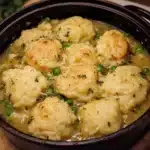
Dutch Oven Chicken and Dumplings recipe
Ingredients
- For the Chicken and Broth:
- 1 Whole Chicken (about 3–4 pounds): A whole chicken is ideal for Dutch Oven Chicken and Dumplings. It provides both flavorful meat and bones for a rich, homemade broth. You can also use bone-in, skin-on chicken pieces like thighs and drumsticks if preferred, but the whole chicken yields the best broth.
- 1 tablespoon Olive Oil or Vegetable Oil: Oil is needed for browning the chicken and sautéing the vegetables, building a foundation of flavor. Olive oil adds a richer flavor, while vegetable oil is a neutral option.
- 1 Large Onion, chopped: Onion is a foundational aromatic vegetable that contributes depth and sweetness to the broth. Yellow or white onions work well.
- 2–3 Carrots, peeled and chopped: Carrots add sweetness and color to the broth and the final dish. Peeling is optional, but often preferred for a smoother texture.
- 2–3 Celery Stalks, chopped: Celery is another key aromatic vegetable that adds a subtle savory note to the broth and complements the other flavors.
- 4–5 Cloves Garlic, minced: Garlic adds a pungent and savory flavor that enhances the overall richness of the dish. Mincing ensures the garlic flavor infuses well into the broth.
- 8 cups Chicken Broth (low sodium): Chicken broth forms the liquid base of the dish. Using low-sodium broth allows you to control the salt level. Homemade chicken broth is even better if you have it, but a good quality store-bought low-sodium broth works perfectly.
- 2 Bay Leaves: Bay leaves add a subtle, herbaceous, and slightly tea-like flavor to the broth, enhancing its complexity. They are essential for a well-rounded broth flavor.
- 1 teaspoon Dried Thyme: Thyme is a classic herb that pairs beautifully with chicken and vegetables, adding an earthy and slightly lemony note. Dried thyme is convenient and readily available, but fresh thyme sprigs can also be used (about 4–5 sprigs).
- 1 teaspoon Dried Rosemary: Rosemary adds a piney and slightly pungent flavor that complements the chicken and thyme. Dried rosemary is potent, so use it sparingly. Fresh rosemary sprigs can also be used (about 2–3 sprigs).
- Salt and Black Pepper, to taste: Salt and pepper are essential for seasoning and enhancing the flavors of all the ingredients. Season generously throughout the cooking process.
- For the Creamy Base and Vegetables:
- ½ cup Heavy Cream or Half-and-Half: Heavy cream adds richness and creaminess to the broth, creating a luxurious texture. Half-and-half is a lighter option if you prefer a less rich broth. You can also use milk for a lighter version, but the broth will be less creamy.
- 1 cup Frozen Peas: Frozen peas add a touch of sweetness, color, and freshness to the dish. They are added towards the end of cooking to retain their vibrant color and texture.
- 1 cup Frozen Corn: Frozen corn adds sweetness and a different texture element to the dish. Like peas, it’s added towards the end to preserve its sweetness and prevent it from becoming mushy.
- Optional Vegetables: You can add other vegetables to your liking, such as potatoes (diced), green beans (cut into 1-inch pieces), mushrooms (sliced), or parsnips (peeled and chopped). Add root vegetables earlier in the cooking process so they have time to soften.
- For the Fluffy Dumplings:
- 2 cups All-Purpose Flour: All-purpose flour is the base for the dumplings, providing structure and chewiness.
- 2 teaspoons Baking Powder: Baking powder is a leavening agent that makes the dumplings light and fluffy. Ensure your baking powder is fresh for optimal leavening.
- ½ teaspoon Salt: Salt enhances the flavor of the dumplings and balances the other ingredients.
- 1 cup Milk or Buttermilk: Milk or buttermilk provides moisture and richness to the dumplings. Buttermilk adds a slight tang and can result in even more tender dumplings. Dairy-free milk alternatives can also be used.
- ¼ cup Melted Butter, cooled slightly: Melted butter adds flavor and richness to the dumplings, making them more tender and flavorful. Unsalted butter is recommended so you can control the overall salt level. Fresh herbs like chopped parsley or chives can also be added to the dumpling dough for extra flavor.
Instructions
Step 1: Brown the Chicken and Sauté Vegetables
- Prepare the Chicken: Pat the whole chicken dry with paper towels. Season generously with salt and black pepper, both inside and out.
- Heat Dutch Oven: Place your Dutch oven over medium-high heat on the stovetop. Add olive oil or vegetable oil and let it heat until shimmering.
- Brown the Chicken: Carefully place the whole chicken in the hot Dutch oven. Brown the chicken on all sides, turning it occasionally, until golden brown. This step is crucial for developing flavor and rendering some chicken fat. It should take about 8-10 minutes total. Remove the browned chicken from the Dutch oven and set aside.
- Sauté Vegetables: Add the chopped onion, carrots, and celery to the Dutch oven. Sauté over medium heat, stirring occasionally, until the vegetables are softened and slightly caramelized, about 8-10 minutes. This step further develops the flavor base.
- Add Garlic and Herbs: Add the minced garlic, dried thyme, and dried rosemary to the vegetables. Sauté for another minute until fragrant, being careful not to burn the garlic.
Step 2: Simmer the Chicken and Broth
- Return Chicken to Dutch Oven: Return the browned chicken to the Dutch oven, nestling it among the sautéed vegetables.
- Add Broth and Bay Leaves: Pour in the chicken broth, ensuring the chicken is mostly submerged. Add the bay leaves.
- Bring to a Simmer, then Reduce Heat: Bring the mixture to a simmer over medium-high heat, then reduce the heat to low, cover the Dutch oven, and gently simmer for 1 ½ to 2 hours, or until the chicken is cooked through and very tender, and the meat is easily falling off the bone. Skim off any foam or impurities that rise to the surface during simmering for a clearer broth.
Step 3: Prepare the Dumpling Dough
- Whisk Dry Dumpling Ingredients: While the chicken is simmering, prepare the dumpling dough. In a medium bowl, whisk together the all-purpose flour, baking powder, and salt.
- Combine Wet Dumpling Ingredients: In a separate small bowl or measuring cup, combine the milk or buttermilk and melted butter.
- Combine Wet and Dry Ingredients (Gently): Pour the wet ingredients into the dry ingredients. Stir gently with a fork just until the dough comes together and is slightly sticky. Do not overmix. Overmixing will develop the gluten and result in tough dumplings. It’s okay if the dough is a little lumpy.
Step 4: Shred Chicken and Add Vegetables
- Remove Chicken from Dutch Oven: Carefully remove the cooked chicken from the Dutch oven and place it on a cutting board to cool slightly.
- Shred Chicken Meat: Once the chicken is cool enough to handle, shred the chicken meat, discarding the skin and bones.
- Return Shredded Chicken to Dutch Oven: Return the shredded chicken meat to the Dutch oven with the broth and vegetables.
- Stir in Cream and Frozen Vegetables: Stir in the heavy cream or half-and-half, frozen peas, and frozen corn (and any other quick-cooking vegetables you are using). Bring the mixture back to a gentle simmer.
Step 5: Cook the Dumplings
- Drop Dumpling Dough by Spoonfuls: Drop spoonfuls of the dumpling dough (about 2 tablespoons per dumpling) directly into the simmering broth, spacing them evenly apart. You can use two spoons to shape the dumplings if desired. Do not overcrowd the Dutch oven; work in batches if necessary.
- Cover and Simmer Dumplings: Cover the Dutch oven tightly and simmer for 15-20 minutes, or until the dumplings are cooked through and fluffy. Avoid lifting the lid during the first 15 minutes to allow the dumplings to steam properly. The dumplings are done when they have puffed up and are no longer doughy in the center.
- Check Dumplings for Doneness: To check if the dumplings are cooked through, insert a toothpick into the center of a dumpling. If it comes out clean or with just a few moist crumbs, the dumplings are done.
Step 6: Season and Serve
- Season to Taste: Taste the chicken and dumplings and season with additional salt and black pepper as needed, to taste.
- Garnish (Optional): Garnish with fresh parsley or chives, if desired, for a touch of freshness and color.
- Serve Hot: Serve Dutch Oven Chicken and Dumplings hot, directly from the Dutch oven or ladled into bowls.
Nutrition
- Serving Size: one normal portion
- Calories: 450-600