
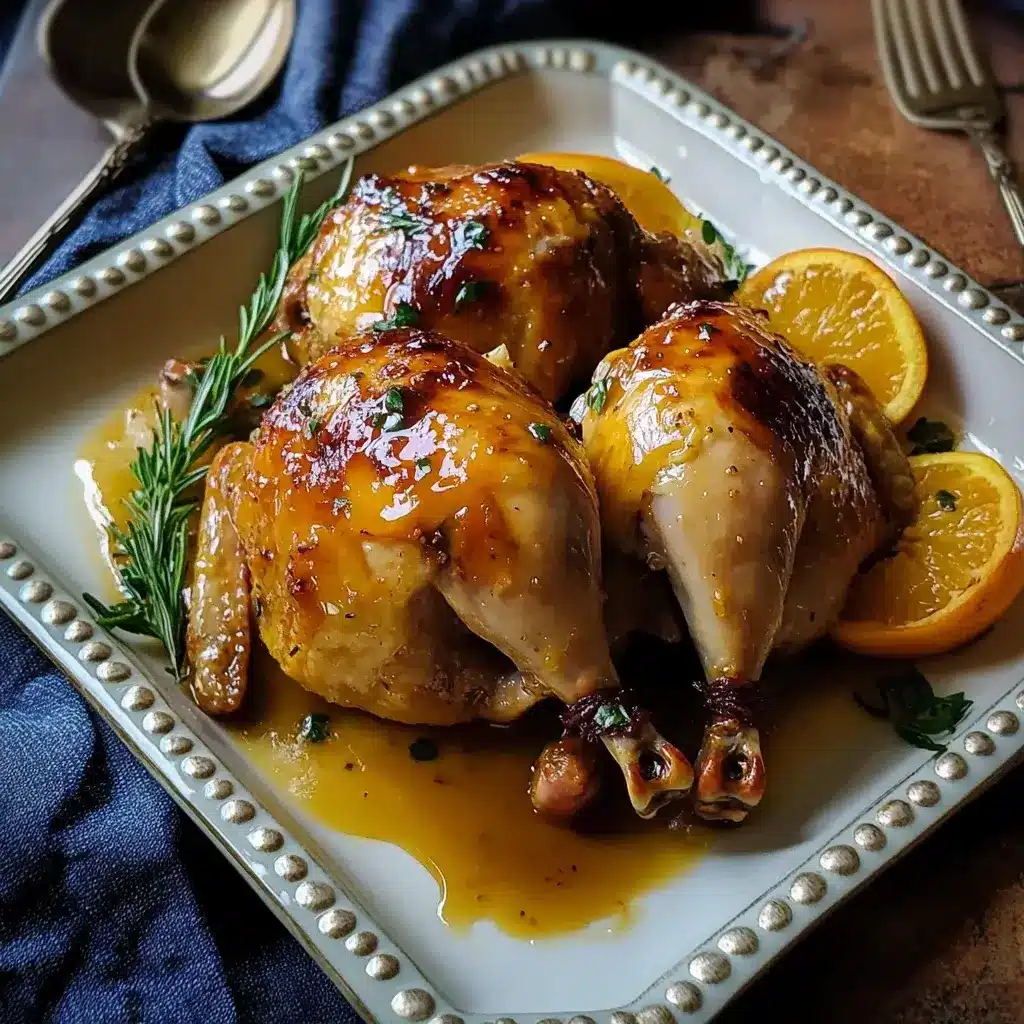

There’s something undeniably elegant about serving a whole roasted bird, and Cornish game hens bring that sophistication to the table without the daunting size of a turkey or even a large chicken. When I first stumbled upon this Cornish Game Hen recipe with Apricot Glaze, I was looking for something special yet manageable for a small holiday gathering. Frankly, I was blown away by how easy it was to prepare, and even more so by the incredible depth of flavor. The subtle sweetness of the apricot glaze beautifully complements the savory, delicate meat of the hen, creating a dish that’s both comforting and impressive. My guests raved about the juicy, tender hens and the sticky, caramelized glaze. It’s since become a go-to recipe for celebrations and even for those “special” weeknight dinners when you want to elevate the everyday. If you’re looking for a recipe that’s guaranteed to impress with minimal effort, you’ve found it. Get ready to experience the magic of Cornish Game Hen with Apricot Glaze!
Ingredients: Gathering the Flavors for Apricot Glazed Cornish Hens
The key to a truly exceptional Cornish Game Hen with Apricot Glaze lies in the quality and balance of the ingredients. This recipe uses simple, accessible items that, when combined, create a symphony of sweet and savory notes. Here’s a detailed list of everything you’ll need to create this culinary masterpiece:
For the Cornish Game Hens:
- Cornish Game Hens: 4 Cornish game hens (approximately 1 to 1.5 pounds each). Look for plump hens with no blemishes. If frozen, ensure they are fully thawed before cooking.
- Olive Oil: 2 tablespoons of olive oil. This is used to lightly coat the hens and promote browning and crispy skin. Extra virgin olive oil is preferred for its flavor, but regular olive oil works well too.
- Salt: 2 teaspoons of kosher salt or sea salt. Salt is crucial for seasoning the hens and enhancing their natural flavors. Adjust to taste.
- Black Pepper: 1 teaspoon of freshly ground black pepper. Freshly ground pepper provides a more vibrant flavor than pre-ground pepper. Adjust to taste.
- Fresh Herbs (Optional): Sprigs of fresh rosemary, thyme, or sage (optional). These herbs can be placed inside the cavity of the hens to infuse them with aromatic flavors during roasting. About 2-3 sprigs per hen is ideal.
- Lemon or Orange Slices (Optional): Slices of lemon or orange (optional). Similar to herbs, citrus slices placed in the cavity add brightness and subtle citrus notes to the hens. 2-3 slices per hen is sufficient.
- Garlic Cloves (Optional): 2-3 cloves of garlic, peeled and smashed (optional). Smashed garlic cloves in the cavity add a savory depth to the hens.
For the Apricot Glaze:
- Apricot Preserves: 1 cup of apricot preserves. Use a good quality apricot preserve for the best flavor. You can choose smooth or slightly chunky preserves based on your preference.
- Dijon Mustard: 2 tablespoons of Dijon mustard. Dijon mustard adds a tangy and savory counterpoint to the sweetness of the apricot preserves and helps to balance the glaze.
- Soy Sauce: 2 tablespoons of low-sodium soy sauce. Soy sauce contributes umami and depth of flavor to the glaze. Low-sodium is recommended to control the saltiness.
- Apple Cider Vinegar: 1 tablespoon of apple cider vinegar. Apple cider vinegar provides a touch of acidity that brightens the glaze and cuts through the sweetness, adding complexity.
- Garlic Powder: 1 teaspoon of garlic powder. Garlic powder enhances the savory notes in the glaze and complements the other flavors.
- Ginger Powder (Optional): ½ teaspoon of ginger powder (optional). Ginger powder adds a warm, subtle spice note that pairs beautifully with apricot and poultry.
- Red Pepper Flakes (Optional): ¼ teaspoon of red pepper flakes (optional). A pinch of red pepper flakes adds a subtle hint of heat to balance the sweetness and create a more complex flavor profile. Omit if you prefer a completely mild glaze.
- Water: 2 tablespoons of water. Water helps to thin the glaze slightly, making it easier to brush onto the hens and ensuring even coverage.
Ingredient Variations and Substitutions:
- Apricot Preserves: If you don’t have apricot preserves, you can use other fruit preserves like peach preserves or orange marmalade, though the flavor profile will be slightly different.
- Dijon Mustard: If you don’t have Dijon mustard, you can use yellow mustard in a pinch, but Dijon offers a more refined and complex flavor.
- Soy Sauce: Tamari (gluten-free soy sauce) or coconut aminos can be used as substitutes for soy sauce.
- Apple Cider Vinegar: White wine vinegar or rice vinegar can be used as substitutes for apple cider vinegar, though apple cider vinegar provides a slightly fruitier note.
- Fresh Herbs: Feel free to experiment with other fresh herbs like oregano, marjoram, or even a mix of Italian herbs.
- Citrus: Orange slices can be substituted with lemon slices or even grapefruit slices for a different citrus note.
- Spices: You can adjust the spices in the glaze to your liking. Consider adding a pinch of cinnamon, cloves, or nutmeg for a warmer, holiday-inspired glaze.
Ensure all your ingredients are fresh and ready to go before you begin cooking. Having everything prepped and measured out will make the cooking process smoother and more enjoyable.
Instructions: Step-by-Step Guide to Perfect Apricot Glazed Cornish Hens
Follow these detailed, step-by-step instructions to create perfectly roasted Cornish Game Hens with a luscious apricot glaze. Each step is designed to ensure tender, juicy hens with a beautifully caramelized and flavorful glaze.
Step 1: Prepare the Cornish Game Hens
- Preheat Oven: Preheat your oven to 400°F (200°C). Make sure your oven rack is positioned in the center of the oven for even heat distribution.
- Thaw Hens (if frozen): If your Cornish game hens are frozen, ensure they are completely thawed. The best way to thaw them is in the refrigerator overnight. Do not thaw at room temperature for food safety reasons.
- Pat Hens Dry: Remove the hens from their packaging and pat them completely dry with paper towels, inside and out. Drying the skin is crucial for achieving crispy skin during roasting.
- Remove Giblets (if present): Check the cavity of each hen for giblets (neck, heart, liver). Remove and discard or save for making stock if desired.
- Optional: Truss the Hens: Trussing the hens is optional but recommended for more even cooking and a more attractive presentation. To truss, tuck the wing tips under the body of the hen. Then, using kitchen twine, tie the legs together at the ends. This helps the hens cook more evenly and maintain a compact shape. If you don’t have twine, you can simply tuck the legs into the cavity or leave them untrussed.
- Season the Hens: Place the hens in a roasting pan. Drizzle each hen with olive oil (about ½ tablespoon per hen) and rub it all over the skin. Season generously inside and out with salt and freshly ground black pepper. Ensure even seasoning for optimal flavor.
- Optional: Stuff the Cavities: If using fresh herbs, lemon/orange slices, or garlic cloves, place a few sprigs of herbs, 2-3 citrus slices, and a smashed garlic clove inside the cavity of each hen. These aromatics will infuse the hens with flavor from the inside out as they roast.
Step 2: Prepare the Apricot Glaze
- Combine Glaze Ingredients: In a small saucepan, combine the apricot preserves, Dijon mustard, soy sauce, apple cider vinegar, garlic powder, ginger powder (if using), and red pepper flakes (if using).
- Heat and Simmer Glaze: Place the saucepan over medium heat. Add 2 tablespoons of water to thin the glaze slightly. Stir well to combine all ingredients. Bring the mixture to a gentle simmer.
- Simmer and Thicken: Reduce the heat to low and simmer the glaze for 5-7 minutes, stirring occasionally, until it slightly thickens and the flavors meld together. The glaze should be thick enough to coat the back of a spoon.
- Remove from Heat: Once the glaze has thickened slightly, remove the saucepan from the heat and set aside.
Step 3: Roast the Cornish Game Hens
- Roast Hens Uncovered: Place the roasting pan with the seasoned Cornish game hens in the preheated oven. Roast uncovered for 30 minutes at 400°F (200°C). Roasting at this higher temperature initially helps to crisp up the skin.
- Baste with Glaze (First Time): After 30 minutes, remove the roasting pan from the oven. Using a pastry brush, generously brush each hen all over with about half of the apricot glaze. Ensure you coat the entire surface of the hens for even glazing and flavor.
- Reduce Oven Temperature and Continue Roasting: Reduce the oven temperature to 350°F (175°C). Return the roasting pan to the oven and continue roasting for another 20 minutes.
- Baste with Glaze (Second Time): After 20 minutes, remove the roasting pan from the oven again. Brush the hens with the remaining apricot glaze, ensuring they are well coated.
- Final Roast: Return the roasting pan to the oven and continue roasting for a final 15-20 minutes, or until the internal temperature of the Cornish game hens reaches 165°F (74°C). Use a meat thermometer inserted into the thickest part of the thigh, avoiding the bone, to check for doneness. The juices should run clear when pierced, and the legs should move easily at the joint.
- Check for Doneness: It’s crucial to cook the hens to the correct internal temperature to ensure they are safe to eat and perfectly cooked. Overcooking can result in dry hens, so check for doneness around the 1 hour 5-minute mark and adjust cooking time as needed.
Step 4: Rest and Serve
- Rest the Hens: Once the Cornish game hens are cooked through, remove the roasting pan from the oven. Tent the hens loosely with foil and let them rest for 10-15 minutes before carving and serving. Resting allows the juices to redistribute throughout the meat, resulting in more tender and flavorful hens.
- Serve and Enjoy: After resting, the Cornish Game Hens with Apricot Glaze are ready to be served. You can serve them whole for an elegant presentation or carve them into halves or quarters. Spoon any pan juices or remaining glaze over the hens before serving for extra flavor and moisture.
Tips During Cooking:
- Basting Frequency: Basting twice during roasting is ideal for building up layers of flavor and ensuring a sticky, caramelized glaze.
- Preventing Burning: If you notice the glaze starting to brown too quickly during the final roasting stage, you can loosely tent the hens with foil to prevent burning, while still allowing them to cook through.
- Roasting Pan: Use a roasting pan with a rack if you have one. This allows for better air circulation around the hens and helps the skin crisp up more evenly. If you don’t have a rack, you can still roast them directly in the pan.
- Oven Thermometer: Oven temperatures can vary. Using an oven thermometer to ensure your oven is accurately preheated to the correct temperature is helpful for consistent results.
Nutrition Facts: Nourishing Goodness in Every Bite
Cornish Game Hen with Apricot Glaze is not only a flavorful and elegant dish but also offers a good source of nutrition. Here’s an estimated nutritional breakdown per serving. Please remember these values are approximate and can vary depending on specific ingredients, portion sizes, and cooking methods.
Servings: 4 (1 Cornish game hen per serving)
Approximate Nutrition Facts Per Serving (Based on recipe as described):
- Calories: 450-550 kcal
- Protein: 40-50 grams
- Fat: 20-30 grams
- Saturated Fat: 6-8 grams
- Unsaturated Fat: 12-20 grams
- Cholesterol: 150-200 mg
- Sodium: 500-700 mg (can vary depending on soy sauce and salt added)
- Carbohydrates: 30-40 grams
- Fiber: 1-2 grams
- Sugar: 25-30 grams (primarily from apricot preserves)
Key Nutritional Highlights:
- Excellent Source of Protein: Cornish game hens are a lean source of high-quality protein, essential for muscle building, repair, and overall bodily functions.
- Moderate in Fat: While not as lean as chicken breast, Cornish hens offer a moderate amount of fat, which contributes to satiety and flavor. A significant portion of the fat is unsaturated, which is considered healthier.
- Source of Vitamins and Minerals: Poultry, in general, provides various vitamins and minerals, including B vitamins (important for energy metabolism), phosphorus, and selenium.
- Apricot Glaze Considerations: The apricot glaze adds carbohydrates and sugars to the dish. While it contributes to the delicious flavor, be mindful of the sugar content if you are watching your sugar intake. You can reduce the amount of apricot preserves slightly or use a lower-sugar preserve option to lessen the sugar content.
Note: To reduce calories and fat, you can remove the skin before serving (although much of the flavor is in the skin!). For a lower sodium version, use no-salt-added soy sauce and reduce added salt. To reduce sugar, explore lower-sugar apricot preserve options or slightly reduce the amount of preserves in the glaze.
Preparation Time: Planning Your Culinary Schedule
Knowing the preparation time helps you organize your cooking schedule, especially if you’re preparing this dish for a special occasion. Here’s a breakdown of the approximate time involved in making Cornish Game Hen with Apricot Glaze:
- Prep Time: 20-25 minutes (This includes thawing hens if needed, patting dry, seasoning, making the glaze)
- Cook Time: 1 hour 5-1 hour 15 minutes (Roasting time, including basting)
- Rest Time: 10-15 minutes
- Total Time: 1 hour 35 minutes – 1 hour 55 minutes
Tips for Time Management:
- Thaw Ahead: If using frozen hens, remember to thaw them in the refrigerator overnight. This is crucial for both food safety and reducing prep time on the day of cooking.
- Make Glaze in Advance: The apricot glaze can be made a day ahead of time and stored in an airtight container in the refrigerator. Simply reheat it gently before using. This can save you about 10 minutes on the day of cooking.
- Prep Vegetables Simultaneously (if serving with roasted vegetables): If you plan to serve roasted vegetables alongside the hens, you can prep the vegetables while the oven is preheating and while the hens are roasting.
- Read Recipe Through: Familiarize yourself with all the steps of the recipe before you begin. This helps you work more efficiently and avoid any last-minute surprises.
How to Serve Cornish Game Hen with Apricot Glaze: Creating a Memorable Meal
Cornish Game Hen with Apricot Glaze is a versatile dish that can be served in various ways, making it perfect for both elegant dinners and more casual gatherings. Here are some serving suggestions to create a complete and delightful meal:
- Classic Side Dish Pairings:
- Rice Pilaf: Fluffy rice pilaf, especially with almonds or dried cranberries, complements the sweetness of the glaze and provides a comforting base.
- Roasted Root Vegetables: Roasted carrots, parsnips, potatoes, and sweet potatoes bring earthy sweetness and beautiful color to the plate.
- Mashed Potatoes or Sweet Potato Mash: Creamy mashed potatoes or a slightly sweet sweet potato mash are classic and comforting accompaniments.
- Green Beans Almondine: Crisp-tender green beans with toasted almonds offer a fresh and elegant side.
- Asparagus with Lemon: Roasted or grilled asparagus with a squeeze of lemon juice provides a light and bright counterpoint to the richness of the hens.
- Quinoa Salad: A vibrant quinoa salad with dried fruits, nuts, and herbs adds a healthy and flavorful element.
- Salads for Freshness:
- Winter Salad with Citrus and Pomegranate: A winter salad with segments of oranges or mandarins, pomegranate seeds, and a light vinaigrette offers a refreshing contrast.
- Arugula Salad with Parmesan and Lemon: A simple arugula salad with shaved Parmesan cheese, lemon juice, and olive oil provides a peppery and bright side.
- Mixed Greens Salad with Cranberries and Walnuts: A mixed greens salad with dried cranberries, walnuts, and a balsamic vinaigrette complements the sweetness of the glaze.
- Serving Occasions:
- Holiday Meals: Cornish Game Hens with Apricot Glaze are perfect for smaller holiday gatherings like Thanksgiving, Christmas, or Easter, offering an elegant alternative to a large turkey.
- Dinner Parties: Impress your guests at a dinner party with these sophisticated and flavorful hens. They are individual portions, making serving elegant and easy.
- Special Occasions: Celebrate birthdays, anniversaries, or other special occasions with this memorable dish.
- Romantic Dinners: The elegant presentation and delicious flavor make this dish ideal for a romantic dinner for two.
- Sunday Suppers: Elevate your Sunday supper with this special yet manageable recipe.
- Presentation Tips:
- Serve Whole Hens: For an elegant presentation, serve each guest a whole Cornish game hen on their plate.
- Garnish: Garnish the platter or individual plates with fresh rosemary or thyme sprigs and orange or apricot slices for visual appeal.
- Pan Juices: Spoon the flavorful pan juices and any remaining glaze over the hens just before serving for extra moisture and flavor.
- Carving Station (Optional): If you prefer, you can carve the hens at the table or in the kitchen before serving.
Additional Tips for Cornish Game Hen Success
To ensure your Cornish Game Hens with Apricot Glaze are a resounding success, here are five essential tips and tricks:
- Tip 1: Start with Quality Hens and Proper Thawing: Begin with good quality Cornish game hens from a reputable source. Proper thawing is critical for food safety and even cooking. Always thaw frozen hens in the refrigerator overnight. Rushing the thawing process can lead to uneven cooking and potential bacterial growth. Completely thawed hens will cook more evenly and predictably.
- Tip 2: Don’t Skip Drying the Skin: Thoroughly patting the hens dry with paper towels before seasoning and roasting is essential for achieving crispy skin. Moisture on the skin will steam the hens rather than roast them, resulting in soggy skin. A dry surface encourages browning and crisping.
- Tip 3: Baste Generously and at the Right Times: Basting is key to building up the apricot glaze and keeping the hens moist. Baste generously and at the intervals suggested in the recipe (after 30 minutes and then again 20 minutes later). This allows the glaze to caramelize beautifully without burning and ensures even flavor distribution.
- Tip 4: Use a Meat Thermometer for Accurate Doneness: The most reliable way to ensure your Cornish game hens are cooked to perfection is to use a meat thermometer. Insert the thermometer into the thickest part of the thigh, avoiding the bone. Cook until the internal temperature reaches 165°F (74°C). Visual cues alone can be misleading, and a thermometer guarantees safety and prevents overcooking or undercooking.
- Tip 5: Rest Before Carving: Resting the hens for 10-15 minutes after roasting is crucial for juicy and tender meat. Tent them loosely with foil to keep them warm while they rest. Resting allows the juices to redistribute throughout the meat, resulting in a more flavorful and moist final product. Cutting into the hens immediately after roasting will cause the juices to run out, leading to drier meat.
Frequently Asked Questions (FAQ) About Cornish Game Hen with Apricot Glaze
Here are answers to some common questions you might have about making Cornish Game Hen with Apricot Glaze:
Q1: Can I substitute chicken for Cornish game hens in this recipe?
A: While Cornish game hens are smaller and more delicate, you can adapt this recipe for chicken. Use bone-in, skin-on chicken pieces like chicken breasts, thighs, or a combination. Adjust the cooking time accordingly, as chicken pieces will take longer to cook than Cornish hens. Chicken breasts will cook faster than thighs. Use a meat thermometer to ensure chicken reaches an internal temperature of 165°F (74°C). The apricot glaze will work beautifully with chicken as well.
Q2: How do I know when Cornish game hens are done cooking?
A: The most reliable way to determine doneness is to use a meat thermometer. Insert it into the thickest part of the thigh, avoiding the bone. The internal temperature should reach 165°F (74°C). Visually, the juices should run clear when pierced with a fork, and the legs should move easily at the joint. Don’t rely solely on visual cues; a thermometer is essential for accuracy.
Q3: Can I make the apricot glaze spicier?
A: Yes, you can easily adjust the spice level of the apricot glaze. Increase the amount of red pepper flakes or add a pinch of cayenne pepper for more heat. You can also add a dash of hot sauce to the glaze for an extra kick. Taste the glaze as you make it and adjust the spices to your preference.
Q4: What if I don’t have apricot preserves? Can I use fresh apricots?
A: While fresh apricots won’t directly substitute for apricot preserves in the glaze, you can make a glaze using fresh or dried apricots. If using fresh apricots, you would need to simmer them with water and sugar to create a jam-like consistency before using them in the glaze. Dried apricots would need to be rehydrated and then pureed. Using apricot preserves is much simpler and provides a consistent flavor and texture for the glaze.
Q5: How should I store leftover Cornish game hens?
A: Store leftover Cornish game hens in an airtight container in the refrigerator for up to 3-4 days. For best results, remove the meat from the bones before storing. Reheat leftover hen in the oven at 350°F (175°C) or in the microwave until heated through. You can also shred the leftover hen and use it in salads, sandwiches, or soups. The apricot glaze flavor holds up well upon reheating.
Cornish Game Hen with Apricot Glaze is a recipe that truly delivers on both flavor and elegance. It’s a dish that’s surprisingly easy to prepare yet impressive enough for any special occasion. With its beautiful presentation, tender meat, and luscious glaze, it’s sure to become a favorite in your culinary repertoire. Gather your ingredients, follow these instructions, and get ready to enjoy a truly delightful and memorable meal. Happy cooking and bon appétit!
Print
Cornish Game Hen Recipe with Apricot Glaze
Ingredients
For the Cornish Game Hens:
- Cornish Game Hens: 4 Cornish game hens (approximately 1 to 1.5 pounds each). Look for plump hens with no blemishes. If frozen, ensure they are fully thawed before cooking.
- Olive Oil: 2 tablespoons of olive oil. This is used to lightly coat the hens and promote browning and crispy skin. Extra virgin olive oil is preferred for its flavor, but regular olive oil works well too.
- Salt: 2 teaspoons of kosher salt or sea salt. Salt is crucial for seasoning the hens and enhancing their natural flavors. Adjust to taste.
- Black Pepper: 1 teaspoon of freshly ground black pepper. Freshly ground pepper provides a more vibrant flavor than pre-ground pepper. Adjust to taste.
- Fresh Herbs (Optional): Sprigs of fresh rosemary, thyme, or sage (optional). These herbs can be placed inside the cavity of the hens to infuse them with aromatic flavors during roasting. About 2-3 sprigs per hen is ideal.
- Lemon or Orange Slices (Optional): Slices of lemon or orange (optional). Similar to herbs, citrus slices placed in the cavity add brightness and subtle citrus notes to the hens. 2-3 slices per hen is sufficient.
- Garlic Cloves (Optional): 2-3 cloves of garlic, peeled and smashed (optional). Smashed garlic cloves in the cavity add a savory depth to the hens.
For the Apricot Glaze:
- Apricot Preserves: 1 cup of apricot preserves. Use a good quality apricot preserve for the best flavor. You can choose smooth or slightly chunky preserves based on your preference.
- Dijon Mustard: 2 tablespoons of Dijon mustard. Dijon mustard adds a tangy and savory counterpoint to the sweetness of the apricot preserves and helps to balance the glaze.
- Soy Sauce: 2 tablespoons of low-sodium soy sauce. Soy sauce contributes umami and depth of flavor to the glaze. Low-sodium is recommended to control the saltiness.
- Apple Cider Vinegar: 1 tablespoon of apple cider vinegar. Apple cider vinegar provides a touch of acidity that brightens the glaze and cuts through the sweetness, adding complexity.
- Garlic Powder: 1 teaspoon of garlic powder. Garlic powder enhances the savory notes in the glaze and complements the other flavors.
- Ginger Powder (Optional): ½ teaspoon of ginger powder (optional). Ginger powder adds a warm, subtle spice note that pairs beautifully with apricot and poultry.
- Red Pepper Flakes (Optional): ¼ teaspoon of red pepper flakes (optional). A pinch of red pepper flakes adds a subtle hint of heat to balance the sweetness and create a more complex flavor profile. Omit if you prefer a completely mild glaze.
- Water: 2 tablespoons of water. Water helps to thin the glaze slightly, making it easier to brush onto the hens and ensuring even coverage.
Instructions
Step 1: Prepare the Cornish Game Hens
- Preheat Oven: Preheat your oven to 400°F (200°C). Make sure your oven rack is positioned in the center of the oven for even heat distribution.
- Thaw Hens (if frozen): If your Cornish game hens are frozen, ensure they are completely thawed. The best way to thaw them is in the refrigerator overnight. Do not thaw at room temperature for food safety reasons.
- Pat Hens Dry: Remove the hens from their packaging and pat them completely dry with paper towels, inside and out. Drying the skin is crucial for achieving crispy skin during roasting.
- Remove Giblets (if present): Check the cavity of each hen for giblets (neck, heart, liver). Remove and discard or save for making stock if desired.
- Optional: Truss the Hens: Trussing the hens is optional but recommended for more even cooking and a more attractive presentation. To truss, tuck the wing tips under the body of the hen. Then, using kitchen twine, tie the legs together at the ends. This helps the hens cook more evenly and maintain a compact shape. If you don’t have twine, you can simply tuck the legs into the cavity or leave them untrussed.
- Season the Hens: Place the hens in a roasting pan. Drizzle each hen with olive oil (about ½ tablespoon per hen) and rub it all over the skin. Season generously inside and out with salt and freshly ground black pepper. Ensure even seasoning for optimal flavor.
- Optional: Stuff the Cavities: If using fresh herbs, lemon/orange slices, or garlic cloves, place a few sprigs of herbs, 2-3 citrus slices, and a smashed garlic clove inside the cavity of each hen. These aromatics will infuse the hens with flavor from the inside out as they roast.
Step 2: Prepare the Apricot Glaze
- Combine Glaze Ingredients: In a small saucepan, combine the apricot preserves, Dijon mustard, soy sauce, apple cider vinegar, garlic powder, ginger powder (if using), and red pepper flakes (if using).
- Heat and Simmer Glaze: Place the saucepan over medium heat. Add 2 tablespoons of water to thin the glaze slightly. Stir well to combine all ingredients. Bring the mixture to a gentle simmer.
- Simmer and Thicken: Reduce the heat to low and simmer the glaze for 5-7 minutes, stirring occasionally, until it slightly thickens and the flavors meld together. The glaze should be thick enough to coat the back of a spoon.
- Remove from Heat: Once the glaze has thickened slightly, remove the saucepan from the heat and set aside.
Step 3: Roast the Cornish Game Hens
- Roast Hens Uncovered: Place the roasting pan with the seasoned Cornish game hens in the preheated oven. Roast uncovered for 30 minutes at 400°F (200°C). Roasting at this higher temperature initially helps to crisp up the skin.
- Baste with Glaze (First Time): After 30 minutes, remove the roasting pan from the oven. Using a pastry brush, generously brush each hen all over with about half of the apricot glaze. Ensure you coat the entire surface of the hens for even glazing and flavor.
- Reduce Oven Temperature and Continue Roasting: Reduce the oven temperature to 350°F (175°C). Return the roasting pan to the oven and continue roasting for another 20 minutes.
- Baste with Glaze (Second Time): After 20 minutes, remove the roasting pan from the oven again. Brush the hens with the remaining apricot glaze, ensuring they are well coated.
- Final Roast: Return the roasting pan to the oven and continue roasting for a final 15-20 minutes, or until the internal temperature of the Cornish game hens reaches 165°F (74°C). Use a meat thermometer inserted into the thickest part of the thigh, avoiding the bone, to check for doneness. The juices should run clear when pierced, and the legs should move easily at the joint.
- Check for Doneness: It’s crucial to cook the hens to the correct internal temperature to ensure they are safe to eat and perfectly cooked. Overcooking can result in dry hens, so check for doneness around the 1 hour 5-minute mark and adjust cooking time as needed.
Step 4: Rest and Serve
- Rest the Hens: Once the Cornish game hens are cooked through, remove the roasting pan from the oven. Tent the hens loosely with foil and let them rest for 10-15 minutes before carving and serving. Resting allows the juices to redistribute throughout the meat, resulting in more tender and flavorful hens.
- Serve and Enjoy: After resting, the Cornish Game Hens with Apricot Glaze are ready to be served. You can serve them whole for an elegant presentation or carve them into halves or quarters. Spoon any pan juices or remaining glaze over the hens before serving for extra flavor and moisture.
Nutrition
- Serving Size: one normal portion
- Calories: 450-550
- Sugar: 25-30 grams
- Sodium: 500-700 mg
- Fat: 20-30 grams
- Saturated Fat: 6-8 grams
- Unsaturated Fat: 12-20 grams
- Carbohydrates: 30-40 grams
- Fiber: 1-2 grams
- Protein: 40-50 grams
- Cholesterol: 150-200 mg