
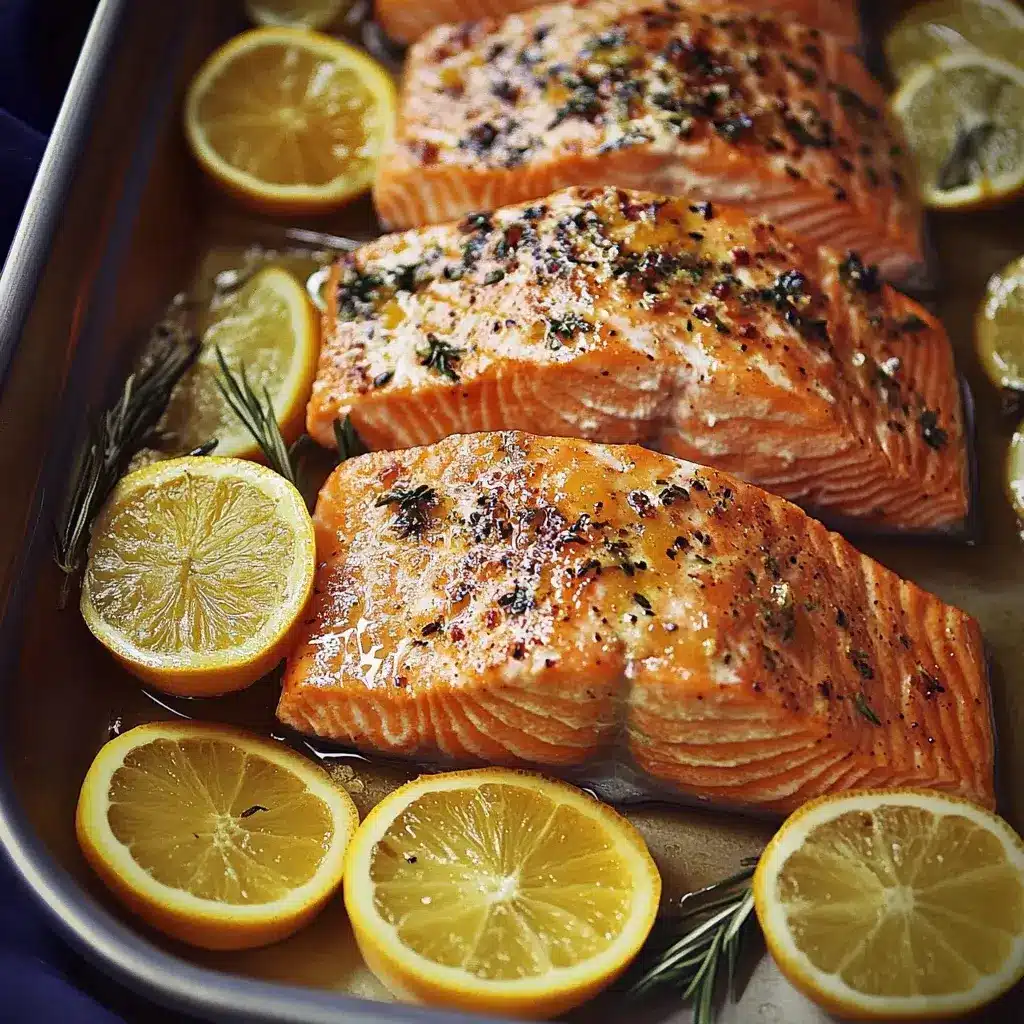
Weeknight dinners at our house used to be a bit of a predictable rotation. Chicken, pasta, maybe tacos thrown in for a bit of spice. Then, I decided to branch out, inspired by a craving for something lighter, brighter, and bursting with flavor. That’s when I discovered the magic of Citrus-Roasted Salmon. Honestly, I was a little intimidated by cooking fish at home. I worried about overcooking it, undercooking it, and frankly, just not knowing how to make it taste… well, good. But this recipe? This recipe is a game-changer. The first time I made it, the aroma alone was intoxicating – the tangy citrus mingling with the rich scent of the salmon was absolutely divine. And the taste? Even better. The salmon was incredibly moist and flaky, infused with the vibrant flavors of lemon, orange, and grapefruit. My kids, who are sometimes picky eaters, devoured it. My husband declared it “restaurant quality.” Since that first successful attempt, Citrus-Roasted Salmon has become a regular feature on our dinner table. It’s incredibly easy to prepare, healthy, and feels special enough for a weekend meal but simple enough for a busy weeknight. If you’re looking for a foolproof way to cook salmon that’s packed with flavor and requires minimal effort, look no further. This Citrus-Roasted Salmon recipe is about to become your new go-to, just like it did for my family. Get ready for a taste of sunshine on a plate!
Ingredients: The Symphony of Citrus and Salmon
The beauty of Citrus-Roasted Salmon lies in the harmonious blend of fresh, vibrant ingredients. Each component plays a vital role in creating a dish that is both flavorful and nourishing. Let’s delve into the ingredient list and explore why each element is essential for achieving salmon perfection:
- 2 pounds Salmon Fillet, skin on or off: Salmon is the star of the show, and choosing the right fillet is key. You have options here:
- Types of Salmon: Consider different varieties like Sockeye, Coho, King (Chinook), or Atlantic salmon. Sockeye and King are richer in flavor and higher in fat, while Coho and Atlantic are milder. Any type will work beautifully in this recipe, so choose based on your preference and availability.
- Fresh vs. Frozen: Fresh salmon is ideal when available and in season. However, high-quality frozen salmon is an excellent alternative. If using frozen, ensure it is fully thawed before cooking.
- Skin On or Off: Skin-on salmon is generally recommended for roasting. The skin crisps up beautifully and helps to keep the salmon moist during cooking. If you prefer skinless, that works too, just be mindful that it might cook slightly faster and could be a tad drier.
- Thickness: Aim for fillets that are relatively uniform in thickness for even cooking. Thicker fillets will require slightly longer cooking times.
- 1 Lemon, thinly sliced: Lemons are essential for their bright, acidic juice and fragrant zest. They cut through the richness of the salmon and add a zesty lift. Use a Meyer lemon if you can find them for a slightly sweeter and less acidic flavor.
- 1 Orange, thinly sliced: Oranges bring a touch of sweetness and a deeper citrus note to the dish. Navel or Valencia oranges work well. Blood oranges add a beautiful color and a slightly berry-like flavor.
- 1 Grapefruit (pink or red), thinly sliced: Grapefruit adds a slightly bitter and tangy element that balances the sweetness of the orange and the acidity of the lemon, creating a complex citrus profile. Pink or red grapefruit are preferred for their sweeter and less bitter taste compared to white grapefruit.
- ¼ cup Olive Oil: Olive oil is the cooking medium and also contributes to the flavor and moisture of the salmon. Extra virgin olive oil is recommended for its superior flavor and health benefits. It helps to prevent the salmon from drying out during roasting and enhances the absorption of the citrus flavors.
- 2 cloves Garlic, minced: Garlic adds a savory depth and aromatic complexity to the citrus marinade. Freshly minced garlic is best for its pungent flavor.
- 2 tablespoons Fresh Parsley, chopped: Parsley provides a fresh, herbaceous note and a pop of green color. Flat-leaf parsley (Italian parsley) is preferred for its stronger flavor compared to curly parsley.
- 2 tablespoons Fresh Dill, chopped: Dill complements the salmon beautifully with its delicate, slightly anise-like flavor. Fresh dill is essential for its bright and aromatic quality.
- 1 teaspoon Salt: Salt enhances the flavors of all the ingredients and is crucial for seasoning the salmon properly. Kosher salt or sea salt is recommended.
- ½ teaspoon Black Pepper, freshly ground: Freshly ground black pepper adds a subtle spice and depth of flavor.
Optional additions for customized flavor:
- Fresh Thyme or Rosemary Sprigs: Add a few sprigs of thyme or rosemary alongside the citrus slices for an earthy, aromatic dimension.
- Pinch of Red Pepper Flakes: For a touch of heat, add a pinch of red pepper flakes to the marinade.
- 1 tablespoon Honey or Maple Syrup: If you prefer a slightly sweeter glaze, whisk in a tablespoon of honey or maple syrup into the olive oil mixture.
- Grated Ginger: A small amount of grated fresh ginger adds a warm, zesty kick.
- Soy Sauce or Coconut Aminos: For a savory umami boost, add a teaspoon of soy sauce or coconut aminos to the marinade.
Instructions: Your Simple Path to Citrus-Roasted Salmon Perfection
This recipe is designed for ease and deliciousness. Follow these straightforward steps to create perfectly roasted citrus salmon every time:
Step 1: Preheat Oven and Prepare Baking Sheet (5 minutes)
Preheat your oven to 400°F (200°C). Line a large baking sheet with parchment paper or foil. Parchment paper makes cleanup easier and prevents the salmon from sticking. Foil also works well and can be lightly greased if desired.
Step 2: Prepare the Citrus Fruits and Garlic (10 minutes)
Wash the lemon, orange, and grapefruit thoroughly. Thinly slice each citrus fruit into rounds, about ¼ inch thick. Mince the garlic cloves. Chopping the citrus thinly allows their juices and flavors to infuse the salmon effectively.
Step 3: Make the Citrus Marinade (5 minutes)
In a small bowl, whisk together the olive oil, minced garlic, chopped parsley, chopped dill, salt, and black pepper. This simple marinade is the flavor foundation of the dish. Ensure the ingredients are well combined.
Step 4: Arrange Citrus Slices on Baking Sheet (2 minutes)
Arrange the citrus slices in a single layer on the prepared baking sheet. You can create a bed of citrus for the salmon to rest on, or arrange them around where the salmon will be placed. Roasting the citrus alongside the salmon intensifies their flavors and creates a flavorful base.
Step 5: Place Salmon on Citrus and Brush with Marinade (3 minutes)
Place the salmon fillet skin-side down (if using skin-on) directly on top of the citrus slices. Generously brush the citrus marinade all over the salmon fillet, ensuring it’s evenly coated. The marinade will infuse the salmon with flavor and keep it moist during roasting.
Step 6: Roast the Salmon (12-18 minutes)
Roast in the preheated oven for 12-18 minutes, or until the salmon is cooked through and flakes easily with a fork. The exact cooking time will depend on the thickness of your salmon fillet.
Step 7: Check for Doneness (Visual and Temperature Cues)
- Flaking: The salmon is done when it flakes easily when gently pressed with a fork. The flesh should separate into distinct flakes.
- Color: The color of the salmon will change from translucent to opaque and a vibrant pink/orange.
- Internal Temperature (Optional but Recommended): For precise doneness, use a food thermometer to check the internal temperature. Insert the thermometer into the thickest part of the fillet. The FDA recommends an internal temperature of 145°F (63°C) for cooked salmon. However, many chefs prefer slightly less cooked salmon for optimal moistness, around 130-140°F (54-60°C). The carryover cooking will bring it up slightly after removing from the oven.
Step 8: Rest Briefly (Optional) (2-3 minutes)
While not strictly necessary, letting the salmon rest for a couple of minutes after removing it from the oven can help redistribute the juices and make it even more tender. Simply tent it loosely with foil.
Step 9: Serve and Enjoy!
Carefully transfer the Citrus-Roasted Salmon to a serving platter or individual plates, along with the roasted citrus slices. Garnish with extra fresh parsley or dill, if desired. Serve immediately and savor the bright, flavorful goodness!
Nutrition Facts (Estimated per serving)
(Note: Nutritional information is an estimate and can vary based on specific ingredients, portion size, and type of salmon used.)
Serving Size: Approximately 4-6 ounces cooked salmon (1 fillet, based on a 2 pound fillet serving 4-6 people)
Calories per serving: Approximately 300-400 calories
Approximate Nutritional Breakdown per serving:
- Total Fat: 18-25 grams
- Saturated Fat: 3-5 grams
- Monounsaturated Fat: 9-12 grams
- Polyunsaturated Fat: 4-7 grams (including Omega-3 fatty acids)
- Cholesterol: 80-100 mg
- Sodium: 300-400 mg
- Total Carbohydrate: 5-10 grams
- Dietary Fiber: 1-2 grams
- Sugars: 3-5 grams (naturally occurring in citrus)
- Protein: 30-40 grams
Key Nutritional Highlights:
- Excellent Source of Protein: Salmon is a fantastic source of high-quality protein, essential for building and repairing tissues, supporting muscle mass, and overall bodily functions.
- Rich in Omega-3 Fatty Acids: Salmon is renowned for its high content of omega-3 fatty acids (EPA and DHA), which are crucial for heart health, brain function, reducing inflammation, and supporting eye health.
- Good Source of Vitamins and Minerals: Salmon is packed with essential vitamins and minerals, including Vitamin D, Vitamin B12, Selenium, Potassium, and more. Vitamin D is vital for bone health and immune function, while Vitamin B12 is crucial for nerve function and red blood cell formation.
- Citrus Benefits: The citrus fruits provide Vitamin C, antioxidants, and contribute to the overall nutritional value of the dish. Vitamin C is a powerful antioxidant that supports the immune system and skin health.
Health Benefits of Citrus-Roasted Salmon:
- Heart Health: Omega-3 fatty acids in salmon are beneficial for cardiovascular health, helping to lower triglycerides, reduce blood pressure, and improve cholesterol levels.
- Brain Health: Omega-3s are also essential for brain function, cognitive health, and may help reduce the risk of age-related cognitive decline.
- Anti-Inflammatory: Omega-3s and antioxidants in salmon and citrus have anti-inflammatory properties, which can help reduce chronic inflammation in the body.
- Lean Protein Source: Salmon is a lean protein source, making it a healthy choice for weight management and muscle building.
- Vitamin and Mineral Rich: Contributes to overall well-being by providing essential vitamins and minerals.
Preparation Time Breakdown: Quick, Flavorful, and Efficient
Citrus-Roasted Salmon is a winner for busy weeknights because it’s not only delicious and healthy but also incredibly quick to prepare.
- Prep Time: 20 minutes (includes slicing citrus, mincing garlic, chopping herbs, and making marinade)
- Marinating Time: 0-30 minutes (optional, even a short marinating time enhances flavor)
- Cook Time: 12-18 minutes (depending on salmon thickness)
Total Time (approximate): 32-48 minutes (from start to finish)
Hands-on Time (approximate): 25-30 minutes
As you can see, the active cooking time is minimal. You can easily get this dish on the table in under an hour, making it a fantastic option for a healthy and flavorful weeknight meal. The optional marinating time adds a little extra flavor depth, but even without marinating, the dish is incredibly tasty.
How to Serve Citrus-Roasted Salmon: Versatile and Delicious Pairings
Citrus-Roasted Salmon is incredibly versatile and pairs beautifully with a wide variety of sides and accompaniments. Here are some delicious serving suggestions to create a complete and satisfying meal:
- Grain-Based Sides:
- Quinoa: Fluffy quinoa is a healthy and protein-rich grain that complements the salmon perfectly.
- Brown Rice: Nutty brown rice provides a hearty and wholesome base.
- Couscous: Light and fluffy couscous absorbs the citrusy juices beautifully.
- Farro: Chewy farro adds a satisfying texture and nutty flavor.
- Roasted Potatoes or Sweet Potatoes: Roasted potatoes or sweet potatoes offer a comforting and starchy side.
- Vegetable Sides:
- Roasted Asparagus: Simple roasted asparagus with olive oil and lemon is a classic pairing.
- Steamed or Roasted Broccoli: Broccoli florets, steamed or roasted until tender-crisp, are a healthy and vibrant side.
- Green Beans: Sautéed or roasted green beans with garlic and a squeeze of lemon enhance the citrus theme.
- Spinach Salad with Citrus Vinaigrette: A fresh spinach salad with a light citrus vinaigrette mirrors the flavors of the salmon.
- Mediterranean Salad: A vibrant Mediterranean salad with cucumbers, tomatoes, olives, and feta cheese provides a refreshing contrast.
- Sauces and Toppings:
- Lemon-Dill Yogurt Sauce: A creamy and tangy yogurt sauce with lemon and dill complements the salmon beautifully.
- Chimichurri Sauce: A vibrant and herbaceous chimichurri sauce adds a zesty Argentinian twist.
- Salsa Verde: A bright and tangy salsa verde provides a fresh and flavorful topping.
- Avocado Crema: A cool and creamy avocado crema adds richness and healthy fats.
- Lemon Butter Sauce: A classic lemon butter sauce elevates the dish with buttery richness and lemony brightness.
- Meal Ideas:
- Light Lunch: Serve flaked Citrus-Roasted Salmon over a bed of mixed greens with a light vinaigrette for a healthy and satisfying lunch.
- Elegant Dinner: Pair with roasted asparagus and quinoa for a sophisticated and balanced dinner.
- Family-Friendly Meal: Serve with roasted sweet potato wedges and steamed broccoli for a nutritious and kid-approved meal.
- Citrus Salmon Bowls: Create vibrant bowls with quinoa or rice, roasted vegetables, avocado, and a drizzle of lemon-dill yogurt sauce.
- Garnishes:
- Fresh Herbs: Sprinkle with extra chopped fresh parsley, dill, or thyme for a pop of color and freshness.
- Citrus Wedges: Serve with extra lemon, orange, or grapefruit wedges for squeezing over the salmon.
- Citrus Zest: Grate fresh citrus zest over the finished dish for an extra burst of aroma and flavor.
Additional Tips for Baking Perfect Citrus-Roasted Salmon Every Time
While this recipe is foolproof, these extra tips will help you achieve consistently delicious results and customize the dish to your preferences:
- Choose Quality Salmon: Opt for sustainably sourced salmon whenever possible. Fresh, high-quality salmon will have a better flavor and texture. Look for fillets that are vibrant in color and don’t have a strong fishy smell.
- Don’t Overcrowd the Baking Sheet: Ensure the salmon fillets are not overcrowded on the baking sheet. Overcrowding can lead to steaming instead of roasting, resulting in less crispy edges and uneven cooking. Use two baking sheets if necessary.
- Adjust Citrus Based on Preference: Feel free to adjust the ratio of citrus fruits based on your taste. If you prefer a sweeter flavor, use more oranges and less grapefruit. For a tangier dish, increase the lemon and grapefruit. You can also experiment with other citrus fruits like limes or mandarins.
- Marinating Time Flexibility: While marinating is optional, even a short 15-30 minute marinade will enhance the flavor. If you have more time, you can marinate the salmon for up to 2 hours in the refrigerator. Avoid marinating for longer than 2 hours, as the citrus acids can start to break down the texture of the salmon.
- Watch for Doneness, Don’t Overcook: Salmon cooks quickly and can become dry if overcooked. Pay close attention to the visual cues (flaking, color) and use a thermometer if desired. Err on the side of slightly undercooked if you prefer very moist salmon, as it will continue to cook slightly as it rests.
Frequently Asked Questions (FAQ) About Citrus-Roasted Salmon
Q1: Can I use frozen salmon for this recipe?
A: Yes, you can absolutely use frozen salmon. Ensure the salmon is fully thawed before cooking. The best way to thaw frozen salmon is overnight in the refrigerator. If you need to thaw it quickly, you can place the sealed frozen salmon in a zip-top bag in a bowl of cold water for about 30-60 minutes, changing the water every 15 minutes. Pat the thawed salmon dry with paper towels before proceeding with the recipe.
Q2: Can I use different herbs or spices in the marinade?
A: Absolutely! Feel free to customize the marinade to your liking. Other herbs that pair well with salmon and citrus include thyme, rosemary, oregano, and chives. For spices, consider adding a pinch of paprika, cumin, coriander, or even a touch of chili powder for a little warmth. Experiment with your favorite flavor combinations!
Q3: How do I know when the salmon is cooked through?
A: The best way to tell if salmon is cooked through is to check for flaking and color change. Gently press on the thickest part of the salmon with a fork. If it flakes easily into separate pieces, it’s likely done. The color should have changed from translucent to opaque and a vibrant pink/orange throughout. For more precise doneness, use a food thermometer to check the internal temperature, aiming for 130-145°F (54-63°C).
Q4: Can I grill citrus salmon instead of roasting?
A: Yes, citrus salmon is delicious grilled! Preheat your grill to medium heat. Place the salmon fillets skin-side down on a piece of foil or directly on the grill grates (oiled to prevent sticking). Grill for about 8-12 minutes, or until cooked through, depending on the thickness. You can still use the citrus slices and marinade as described in the roasting recipe.
Q5: Can I prepare Citrus-Roasted Salmon ahead of time?
A: While Citrus-Roasted Salmon is best enjoyed fresh, you can prepare some components ahead of time. You can make the citrus marinade up to a day in advance and store it in the refrigerator. You can also slice the citrus fruits ahead of time and store them in an airtight container in the refrigerator. However, it’s best to roast the salmon just before serving for optimal texture and flavor. Leftover cooked salmon can be stored in an airtight container in the refrigerator for up to 2-3 days and is delicious cold in salads or sandwiches.
Enjoy the bright and flavorful experience of Citrus-Roasted Salmon! It’s a healthy, easy, and elegant dish that’s sure to impress your family and friends. Happy cooking!
Print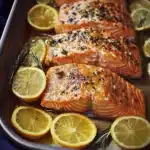
Citrus-Roasted Salmon recipe
Ingredients
- 2 pounds Salmon Fillet, skin on or off: Salmon is the star of the show, and choosing the right fillet is key. You have options here:
- Types of Salmon: Consider different varieties like Sockeye, Coho, King (Chinook), or Atlantic salmon. Sockeye and King are richer in flavor and higher in fat, while Coho and Atlantic are milder. Any type will work beautifully in this recipe, so choose based on your preference and availability.
- Fresh vs. Frozen: Fresh salmon is ideal when available and in season. However, high-quality frozen salmon is an excellent alternative. If using frozen, ensure it is fully thawed before cooking.
- Skin On or Off: Skin-on salmon is generally recommended for roasting. The skin crisps up beautifully and helps to keep the salmon moist during cooking. If you prefer skinless, that works too, just be mindful that it might cook slightly faster and could be a tad drier.
- Thickness: Aim for fillets that are relatively uniform in thickness for even cooking. Thicker fillets will require slightly longer cooking times.
- 1 Lemon, thinly sliced: Lemons are essential for their bright, acidic juice and fragrant zest. They cut through the richness of the salmon and add a zesty lift. Use a Meyer lemon if you can find them for a slightly sweeter and less acidic flavor.
- 1 Orange, thinly sliced: Oranges bring a touch of sweetness and a deeper citrus note to the dish. Navel or Valencia oranges work well. Blood oranges add a beautiful color and a slightly berry-like flavor.
- 1 Grapefruit (pink or red), thinly sliced: Grapefruit adds a slightly bitter and tangy element that balances the sweetness of the orange and the acidity of the lemon, creating a complex citrus profile. Pink or red grapefruit are preferred for their sweeter and less bitter taste compared to white grapefruit.
- ¼ cup Olive Oil: Olive oil is the cooking medium and also contributes to the flavor and moisture of the salmon. Extra virgin olive oil is recommended for its superior flavor and health benefits. It helps to prevent the salmon from drying out during roasting and enhances the absorption of the citrus flavors.
- 2 cloves Garlic, minced: Garlic adds a savory depth and aromatic complexity to the citrus marinade. Freshly minced garlic is best for its pungent flavor.
- 2 tablespoons Fresh Parsley, chopped: Parsley provides a fresh, herbaceous note and a pop of green color. Flat-leaf parsley (Italian parsley) is preferred for its stronger flavor compared to curly parsley.
- 2 tablespoons Fresh Dill, chopped: Dill complements the salmon beautifully with its delicate, slightly anise-like flavor. Fresh dill is essential for its bright and aromatic quality.
- 1 teaspoon Salt: Salt enhances the flavors of all the ingredients and is crucial for seasoning the salmon properly. Kosher salt or sea salt is recommended.
- ½ teaspoon Black Pepper, freshly ground: Freshly ground black pepper adds a subtle spice and depth of flavor.
Optional additions for customized flavor:
- Fresh Thyme or Rosemary Sprigs: Add a few sprigs of thyme or rosemary alongside the citrus slices for an earthy, aromatic dimension.
- Pinch of Red Pepper Flakes: For a touch of heat, add a pinch of red pepper flakes to the marinade.
- 1 tablespoon Honey or Maple Syrup: If you prefer a slightly sweeter glaze, whisk in a tablespoon of honey or maple syrup into the olive oil mixture.
- Grated Ginger: A small amount of grated fresh ginger adds a warm, zesty kick.
- Soy Sauce or Coconut Aminos: For a savory umami boost, add a teaspoon of soy sauce or coconut aminos to the marinade.
Instructions
Step 1: Preheat Oven and Prepare Baking Sheet (5 minutes)
Preheat your oven to 400°F (200°C). Line a large baking sheet with parchment paper or foil. Parchment paper makes cleanup easier and prevents the salmon from sticking. Foil also works well and can be lightly greased if desired.
Step 2: Prepare the Citrus Fruits and Garlic (10 minutes)
Wash the lemon, orange, and grapefruit thoroughly. Thinly slice each citrus fruit into rounds, about ¼ inch thick. Mince the garlic cloves. Chopping the citrus thinly allows their juices and flavors to infuse the salmon effectively.
Step 3: Make the Citrus Marinade (5 minutes)
In a small bowl, whisk together the olive oil, minced garlic, chopped parsley, chopped dill, salt, and black pepper. This simple marinade is the flavor foundation of the dish. Ensure the ingredients are well combined.
Step 4: Arrange Citrus Slices on Baking Sheet (2 minutes)
Arrange the citrus slices in a single layer on the prepared baking sheet. You can create a bed of citrus for the salmon to rest on, or arrange them around where the salmon will be placed. Roasting the citrus alongside the salmon intensifies their flavors and creates a flavorful base.
Step 5: Place Salmon on Citrus and Brush with Marinade (3 minutes)
Place the salmon fillet skin-side down (if using skin-on) directly on top of the citrus slices. Generously brush the citrus marinade all over the salmon fillet, ensuring it’s evenly coated. The marinade will infuse the salmon with flavor and keep it moist during roasting.
Step 6: Roast the Salmon (12-18 minutes)
Roast in the preheated oven for 12-18 minutes, or until the salmon is cooked through and flakes easily with a fork. The exact cooking time will depend on the thickness of your salmon fillet.
Step 7: Check for Doneness (Visual and Temperature Cues)
- Flaking: The salmon is done when it flakes easily when gently pressed with a fork. The flesh should separate into distinct flakes.
- Color: The color of the salmon will change from translucent to opaque and a vibrant pink/orange.
- Internal Temperature (Optional but Recommended): For precise doneness, use a food thermometer to check the internal temperature. Insert the thermometer into the thickest part of the fillet. The FDA recommends an internal temperature of 145°F (63°C) for cooked salmon. However, many chefs prefer slightly less cooked salmon for optimal moistness, around 130-140°F (54-60°C). The carryover cooking will bring it up slightly after removing from the oven.
Step 8: Rest Briefly (Optional) (2-3 minutes)
While not strictly necessary, letting the salmon rest for a couple of minutes after removing it from the oven can help redistribute the juices and make it even more tender. Simply tent it loosely with foil.
Step 9: Serve and Enjoy!
Carefully transfer the Citrus-Roasted Salmon to a serving platter or individual plates, along with the roasted citrus slices. Garnish with extra fresh parsley or dill, if desired. Serve i
Nutrition
- Serving Size: one normal portion
- Calories: 300-400 calories
- Sugar: 3-5 grams
- Sodium: 300-400 mg
- Fat: 18-25 grams
- Saturated Fat: 3-5 grams
- Carbohydrates: 5-10 grams
- Fiber: 1-2 grams
- Protein: 30-40 grams
- Cholesterol: 80-100 mg