
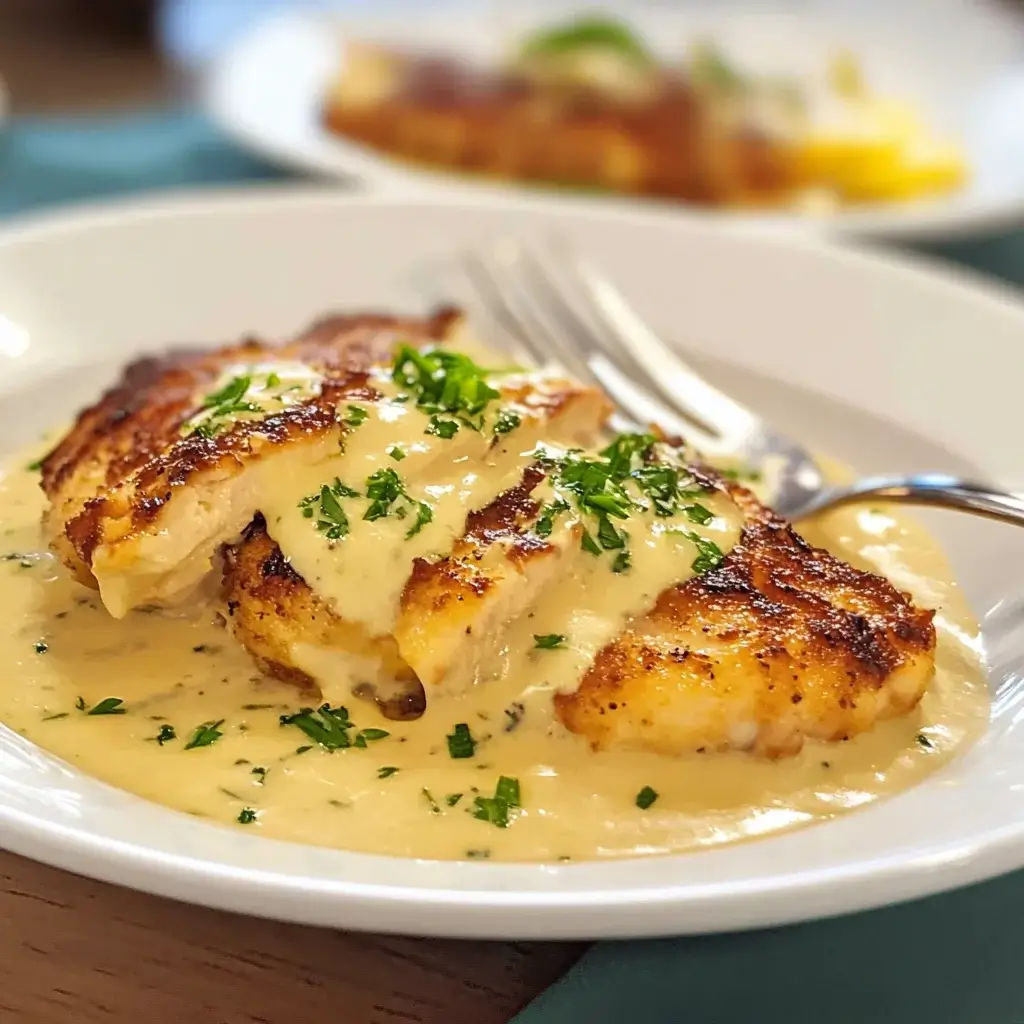
It was during a busy week, juggling work and family, that I stumbled upon Chicken Francese. Scrolling through my recipe feeds, the vibrant image of golden-brown chicken bathed in a glistening lemon butter sauce caught my eye. Intrigued by the simplicity and the promise of bright, fresh flavors, I decided to give it a try. Let me tell you, it was an instant hit! From the first bite, we were hooked. The tender, juicy chicken, coated in a light, eggy batter, and drenched in that luscious, tangy lemon butter sauce was simply divine. Even my picky eaters, who usually have reservations about anything “saucy,” devoured it with gusto, asking for seconds and thirds. What surprised me most was how quickly and easily it came together. This elegant dish, perfect for a special occasion, is surprisingly weeknight-friendly. Chicken Francese has become a regular in our rotation, a go-to when we crave something comforting yet refined, flavorful yet not overly heavy. If you’re searching for a recipe that’s guaranteed to impress without spending hours in the kitchen, look no further. This Chicken Francese is a culinary gem, and I’m thrilled to share the magic with you!
Ingredients for Authentic Chicken Francese
To craft the perfect Chicken Francese, you’ll need a selection of fresh, high-quality ingredients. The simplicity of this dish truly highlights the importance of each component, so choosing well will make all the difference in flavor and texture. Here’s what you’ll need to gather for a truly delightful culinary experience:
- 4 boneless, skinless chicken breasts (about 6-8 ounces each): Opt for chicken breasts that are uniform in size for even cooking. Pounding them to an even thickness is crucial for tenderness and quick cooking. Look for plump, pink chicken breasts at your grocery store or butcher.
- 1 cup all-purpose flour: All-purpose flour is the standard for the light dredging that gives Chicken Francese its delicate coating. For a gluten-free version, you can use a gluten-free all-purpose blend, but be aware it may slightly alter the texture.
- 3 large eggs: Eggs are essential for the classic eggy batter that coats the chicken. They provide richness, structure, and that beautiful golden-brown color when sautéed. Use fresh, large eggs for the best results.
- 1/2 cup grated Parmesan cheese: Parmesan cheese adds a subtle savory note and helps create a flavorful crust when mixed with the egg batter. Use freshly grated Parmesan for optimal flavor and melting quality. Avoid pre-shredded Parmesan as it often contains cellulose and may not melt as smoothly.
- Salt and freshly ground black pepper to taste: Seasoning is key! Use kosher salt and freshly ground black pepper to enhance the flavors of the chicken and the sauce. Season generously at each stage of the recipe.
- 1/4 cup olive oil: Olive oil is used for sautéing the chicken. Its higher smoke point makes it suitable for pan-frying. Extra virgin olive oil adds a fruity flavor, but light olive oil or even canola oil can be used as well.
- 4 tablespoons unsalted butter: Butter is the heart of the luscious Francese sauce. Unsalted butter allows you to control the saltiness of the sauce. Using high-quality butter will significantly enhance the flavor of the sauce.
- 1/2 cup dry white wine (such as Pinot Grigio or Sauvignon Blanc): Dry white wine is a classic component of Francese sauce, adding acidity and depth of flavor. Choose a crisp, dry white wine like Pinot Grigio, Sauvignon Blanc, or dry Vermouth. If you prefer to omit alcohol, you can substitute with chicken broth.
- 1/4 cup fresh lemon juice: Freshly squeezed lemon juice is crucial for the bright, tangy flavor that defines Chicken Francese. Avoid bottled lemon juice, which often lacks the fresh, vibrant flavor of freshly squeezed juice. One to two lemons should be sufficient to yield 1/4 cup of juice.
- 1 cup chicken broth: Chicken broth forms the base of the sauce, adding volume and savory notes. Use low-sodium chicken broth to control the saltiness of the dish. Homemade chicken broth will elevate the flavor even further.
- 1/4 cup chopped fresh parsley, for garnish: Fresh parsley adds a pop of color and a fresh, herbaceous finish to the dish. Flat-leaf parsley (Italian parsley) is preferred for its stronger flavor, but curly parsley can also be used.
Instructions: Mastering Chicken Francese Step-by-Step
Follow these detailed instructions to create authentic and mouthwatering Chicken Francese. Each step is crucial to achieving the perfect balance of tender chicken, crispy coating, and that signature lemon butter sauce. Don’t be intimidated; with these clear directions, you’ll be able to impress even the most discerning palates.
Step 1: Prepare the Chicken Breasts
- Pound the chicken: Place each chicken breast between two sheets of plastic wrap or parchment paper. Using a meat mallet or rolling pin, pound the chicken to an even thickness of about 1/4 inch. This ensures even cooking and tenderizes the chicken. Start from the thicker part of the breast and work outwards.
- Season the chicken: Lightly season both sides of the pounded chicken breasts with salt and freshly ground black pepper. Don’t over-season at this stage, as the sauce will also contribute to the overall flavor.
Step 2: Set Up the Dredging Stations
- Flour station: Place the all-purpose flour in a shallow dish or pie plate.
- Egg mixture station: In a separate shallow dish, whisk together the eggs and grated Parmesan cheese until well combined. This egg mixture will form the flavorful batter for the chicken.
Step 3: Dredge the Chicken
- Dredge in flour: Dredge each chicken breast in the flour, ensuring it is evenly coated on both sides. Shake off any excess flour. The flour helps the egg mixture adhere to the chicken and creates a light crust.
- Dip in egg mixture: Dip the floured chicken breast into the egg and Parmesan mixture, making sure it is completely coated. Allow any excess egg mixture to drip back into the dish.
Step 4: Sauté the Chicken
- Heat olive oil: Heat the olive oil in a large skillet over medium-high heat. The skillet should be large enough to accommodate the chicken breasts without overcrowding. Use a skillet with a light-colored bottom so you can easily monitor the browning.
- Sauté the chicken: Once the oil is hot and shimmering, carefully place the dredged chicken breasts in the skillet in a single layer. Avoid overcrowding the pan, as this will lower the temperature and cause the chicken to steam instead of sauté. If necessary, cook the chicken in batches.
- Cook until golden brown and cooked through: Sauté the chicken for about 3-4 minutes per side, or until golden brown and cooked through. The internal temperature of the chicken should reach 165°F (74°C). Use a meat thermometer to ensure doneness. The coating should be crispy and golden, and the chicken should be opaque and firm to the touch.
- Remove and set aside: Once cooked, remove the chicken breasts from the skillet and set aside on a plate. Keep them warm while you prepare the sauce. You can loosely tent them with foil if desired.
Step 5: Prepare the Francese Sauce
- Melt butter in the same skillet: In the same skillet used to sauté the chicken (no need to wipe it out, as the browned bits add flavor to the sauce), melt the butter over medium heat.
- Add white wine: Once the butter is melted and slightly foamy, carefully pour in the dry white wine. Be cautious as it may sputter slightly.
- Deglaze the pan: Using a wooden spoon or spatula, scrape up any browned bits from the bottom of the skillet. These browned bits, known as fond, are packed with flavor and will enhance the sauce.
- Simmer and reduce slightly: Bring the wine to a simmer and let it reduce slightly for about 2-3 minutes, allowing the alcohol to evaporate and the flavors to concentrate.
- Add lemon juice and chicken broth: Pour in the fresh lemon juice and chicken broth. Stir to combine all the ingredients.
- Simmer and thicken slightly: Continue to simmer the sauce for another 5-7 minutes, or until it has slightly thickened and reduced to your desired consistency. The sauce should be slightly syrupy and able to coat the back of a spoon. If you prefer a thicker sauce, you can simmer it for a bit longer. If it becomes too thick, add a splash of chicken broth to thin it out.
Step 6: Combine Chicken and Sauce
- Return chicken to skillet: Gently return the sautéed chicken breasts to the skillet with the Francese sauce.
- Coat chicken with sauce: Spoon the sauce generously over the chicken breasts, ensuring they are well coated. You can also gently turn the chicken in the sauce to coat both sides.
- Simmer briefly: Let the chicken simmer in the sauce for 1-2 minutes to heat through and allow the flavors to meld together. Avoid simmering for too long, as the coating can become soggy.
Step 7: Garnish and Serve
- Garnish with parsley: Sprinkle the chopped fresh parsley over the Chicken Francese. This adds a fresh, vibrant touch and visual appeal.
- Serve immediately: Chicken Francese is best served immediately while it’s hot and the coating is still slightly crispy. Serve over pasta, rice, or alongside your favorite side dishes.
Nutrition Facts: A Glance at Chicken Francese’s Nutritional Profile
Chicken Francese, while undeniably delicious and a treat for the palate, is also important to consider from a nutritional standpoint. Understanding the approximate nutritional content per serving can help you make informed dietary choices and enjoy this dish in moderation as part of a balanced diet.
Servings: Approximately 4 servings
Estimated Nutrition Facts per Serving (approximate values, may vary based on specific ingredients and portion sizes):
- Calories: 400-550 kcal
- Protein: 40-50 grams
- Fat: 20-30 grams
- Saturated Fat: 8-12 grams
- Cholesterol: 200-250 mg
- Sodium: 500-700 mg (can vary based on broth and seasoning)
- Carbohydrates: 10-15 grams
- Fiber: 1-2 grams
- Sugar: 2-3 grams
Key Nutritional Considerations:
- High in Protein: Chicken Francese is an excellent source of lean protein, essential for muscle building, repair, and overall bodily functions.
- Moderate in Fat: While it contains a moderate amount of fat due to the olive oil and butter, the fat content can be adjusted slightly by using less butter in the sauce or opting for lighter oils.
- Source of Vitamins and Minerals: Chicken provides various vitamins and minerals, including B vitamins and selenium. Parmesan cheese contributes calcium.
- Sodium Content: Be mindful of the sodium content, especially if using regular chicken broth and soy sauce. Opting for low-sodium broth and controlling salt additions can help reduce sodium intake.
- Carbohydrate Content: The carbohydrate content is relatively low, primarily coming from the flour coating. This makes it a reasonable option for those watching carbohydrate intake, although it’s not strictly low-carb.
Note: These nutritional values are estimates and can vary based on the specific ingredients used, portion sizes, and cooking methods. For more precise nutritional information, you can use online nutrition calculators and input the exact details of your recipe. Enjoy Chicken Francese as a flavorful and protein-rich meal, and balance it with fiber-rich side dishes like vegetables or whole grains for a well-rounded meal.
Preparation Time: Get Dinner on the Table Quickly
One of the many appealing aspects of Chicken Francese is its relatively quick preparation time. This dish is perfect for weeknights when you want a delicious and impressive meal without spending hours in the kitchen.
- Prep Time: 20-25 minutes (includes pounding chicken, setting up dredging stations, and chopping parsley)
- Cook Time: 15-20 minutes (includes sautéing chicken and making the sauce)
Total Time: Approximately 35-45 minutes
Time-Saving Tips:
- Purchase pre-pounded chicken breasts: If available at your grocery store, buying pre-pounded chicken breasts can save you a few minutes of prep time.
- Prepare ingredients in advance: Chop parsley, grate Parmesan cheese, and measure out liquids (wine, lemon juice, broth) ahead of time. This streamlines the cooking process.
- Work efficiently: Once you start cooking, work efficiently through each step. Have all your ingredients prepped and ready to go before you begin sautéing.
- Cook in batches (if needed): If you are doubling the recipe or have a smaller skillet, cook the chicken in batches to avoid overcrowding the pan and ensure proper browning.
With efficient preparation and cooking, you can have a restaurant-quality Chicken Francese on your table in under 45 minutes, making it a fantastic choice for a satisfying and flavorful weeknight dinner.
How to Serve Chicken Francese: Perfect Pairings and Presentation
Chicken Francese is a versatile and elegant dish that can be served in various ways, making it suitable for both casual weeknight dinners and more formal occasions. Here are some delightful serving suggestions to enhance your Chicken Francese experience:
- Classic Pasta Pairings:
- Linguine or Spaghetti: These long, thin pasta shapes are classic accompaniments to Chicken Francese. Toss the cooked pasta with a little of the Francese sauce or simply serve the sauced chicken over a bed of pasta.
- Angel Hair Pasta (Capellini): The delicate strands of angel hair pasta are a lighter option that pairs beautifully with the rich sauce.
- Tagliatelle or Fettuccine: Wider, ribbon-like pasta shapes can also hold the sauce well and provide a satisfying texture.
- Rice and Grain Options:
- White Rice: Simple steamed white rice provides a neutral base to soak up the flavorful Francese sauce.
- Risotto: A creamy lemon risotto would complement the lemon flavors in the chicken Francese beautifully, creating a cohesive and elegant meal.
- Orzo Pasta: Orzo, a rice-shaped pasta, is another excellent option for serving alongside Chicken Francese.
- Vegetable Side Dishes:
- Steamed Asparagus: Tender-crisp steamed asparagus provides a fresh, green contrast to the richness of the chicken and sauce.
- Sautéed Green Beans: Sautéed green beans with garlic and lemon zest offer a complementary flavor profile and a healthy side.
- Broccoli Rabe (Rapini): Slightly bitter broccoli rabe, sautéed with garlic and olive oil, provides a nice balance to the richness of the dish.
- Roasted Vegetables: Roasted vegetables like Brussels sprouts, carrots, or bell peppers add color, texture, and nutritional value to the meal.
- Simple Salad: A light and refreshing green salad with a lemon vinaigrette can cut through the richness of the Chicken Francese.
- Presentation and Garnishes:
- Arrange Chicken Attractively: Place the Chicken Francese breasts artfully on a platter or individual plates, spooning the sauce generously over them.
- Garnish Generously: Don’t skimp on the fresh parsley garnish! It adds a pop of color and freshness. You can also add a lemon wedge or two to each plate for an extra visual touch and a squeeze of fresh lemon juice if desired.
- Serve Hot: Chicken Francese is best served hot, right after cooking, to ensure the chicken is tender and the coating is slightly crispy.
Additional Tips for Perfect Chicken Francese: Chef’s Secrets
To truly master Chicken Francese and consistently create a dish that rivals restaurant quality, consider these valuable tips and techniques:
- Tip 1: Pound Chicken to Even Thickness – Consistency is Key: Pounding the chicken breasts to an even thickness is absolutely crucial for even cooking. Unevenly thick chicken breasts will cook unevenly, resulting in some parts being dry while others are still undercooked. Aim for a consistent thickness of about 1/4 inch. This ensures the chicken cooks quickly and uniformly, staying moist and tender.
- Tip 2: Don’t Overcrowd the Pan – Sauté in Batches if Necessary: Overcrowding the pan is a common mistake when sautéing. When the pan is overcrowded, the temperature drops, and the chicken steams instead of searing. This results in a soggy coating and less flavorful chicken. Sauté the chicken in batches, ensuring there is enough space between each piece for proper browning. Allow the pan to heat back up between batches.
- Tip 3: Use Fresh Lemon Juice – Brightness Makes the Difference: Freshly squeezed lemon juice is non-negotiable for authentic Chicken Francese. Bottled lemon juice simply cannot replicate the bright, vibrant, and fresh flavor of freshly squeezed juice. The lemon juice is the star of the sauce, providing that signature tangy and refreshing element. Squeeze the lemon juice just before using it for the best flavor.
- Tip 4: Don’t Overcook the Chicken – Tenderness is Paramount: Overcooked chicken is dry and tough, which is the opposite of what you want in Chicken Francese. Chicken breasts cook quickly, especially when pounded thin. Monitor the cooking time closely and use a meat thermometer to ensure the internal temperature reaches 165°F (74°C). Remove the chicken from the skillet as soon as it’s cooked through to prevent overcooking.
- Tip 5: Adjust Sauce Consistency – Tailor it to Your Preference: The consistency of the Francese sauce can be adjusted to your liking. If you prefer a thicker sauce, simmer it for a longer period to reduce it further. If you find the sauce is becoming too thick, you can thin it out by adding a splash of chicken broth or white wine. Taste the sauce and adjust the seasoning (lemon juice, salt, pepper) to achieve your perfect balance of flavors.
FAQ Section: Common Questions About Chicken Francese Answered
We’ve gathered answers to some frequently asked questions about Chicken Francese to help you troubleshoot any issues and enhance your understanding of this classic dish.
Q1: Can I use chicken thighs instead of chicken breasts for Chicken Francese?
A1: While traditionally made with chicken breasts, you can technically use boneless, skinless chicken thighs for Chicken Francese. However, be aware that chicken thighs will have a different texture and flavor profile. They are fattier and more flavorful than chicken breasts, and they may require slightly longer cooking time to ensure they are cooked through. Pounding chicken thighs to an even thickness is also important for even cooking. The classic recipe is designed for the delicate texture of chicken breasts, so using thighs will result in a variation of the dish.
Q2: Can I make Chicken Francese without white wine? What is a good substitute?
A2: Yes, you can make Chicken Francese without white wine. While white wine adds depth and complexity to the sauce, you can substitute it with chicken broth. Simply replace the 1/2 cup of white wine with an additional 1/2 cup of chicken broth. For a slightly different flavor profile, you can also add a tablespoon of lemon juice to the broth to mimic some of the acidity from the wine. Another option is to use dry Vermouth, which is a fortified wine and can be a good non-alcoholic substitute in cooking when used in smaller quantities as it has a lower alcohol content compared to regular wine.
Q3: Can I prepare Chicken Francese ahead of time?
A3: Chicken Francese is best served immediately for optimal texture and flavor, especially to maintain the crispness of the coating. However, you can prepare certain components ahead of time to streamline the cooking process. You can pound and dredge the chicken breasts in flour and the egg mixture up to a few hours in advance and keep them refrigerated. The sauce can also be made ahead of time and reheated gently before serving. However, it is not recommended to fully cook the chicken and then reheat it, as the coating will likely become soggy. The best approach for make-ahead is to prep the components and then cook and assemble the dish just before serving.
Q4: What are some vegetarian or vegan alternatives to Chicken Francese?
A4: While Chicken Francese is inherently a chicken dish, you can adapt the Francese sauce and cooking method to vegetarian or vegan alternatives. Firm or extra-firm tofu, sliced into cutlets and pressed to remove excess water, can be used as a vegetarian base. You can also use thick slices of portobello mushrooms or large eggplant slices. Dredge and cook these vegetarian alternatives in the same manner as the chicken, and then serve them with the classic Francese sauce. For a vegan version, ensure your Parmesan cheese substitute is vegan, or omit it from the egg mixture, and use a plant-based butter alternative for the sauce. You can also explore using chickpea flour batter for a vegan and gluten-free coating.
Q5: How should I store leftover Chicken Francese, and how long will it last?
A5: Store leftover Chicken Francese in an airtight container in the refrigerator. It is best consumed within 2-3 days. Keep in mind that the coating will soften upon refrigeration. To reheat, you can gently warm it in a skillet over medium-low heat with a little extra butter or olive oil, or you can microwave it. Reheating in a skillet will help to crisp up the coating slightly better than microwaving. However, the coating will never be as crispy as when freshly made. It’s best to enjoy Chicken Francese fresh, but leftovers are still delicious, especially the flavorful sauce.
Print
Chicken Francese recipe
Ingredients
-
- 4 boneless, skinless chicken breasts (about 6–8 ounces each): Opt for chicken breasts that are uniform in size for even cooking. Pounding them to an even thickness is crucial for tenderness and quick cooking. Look for plump, pink chicken breasts at your grocery store or butcher.
-
- 1 cup all-purpose flour: All-purpose flour is the standard for the light dredging that gives Chicken Francese its delicate coating. For a gluten-free version, you can use a gluten-free all-purpose blend, but be aware it may slightly alter the texture.
-
- 3 large eggs: Eggs are essential for the classic eggy batter that coats the chicken. They provide richness, structure, and that beautiful golden-brown color when sautéed. Use fresh, large eggs for the best results.
-
- 1/2 cup grated Parmesan cheese: Parmesan cheese adds a subtle savory note and helps create a flavorful crust when mixed with the egg batter. Use freshly grated Parmesan for optimal flavor and melting quality. Avoid pre-shredded Parmesan as it often contains cellulose and may not melt as smoothly.
-
- Salt and freshly ground black pepper to taste: Seasoning is key! Use kosher salt and freshly ground black pepper to enhance the flavors of the chicken and the sauce. Season generously at each stage of the recipe.
-
- 1/4 cup olive oil: Olive oil is used for sautéing the chicken. Its higher smoke point makes it suitable for pan-frying. Extra virgin olive oil adds a fruity flavor, but light olive oil or even canola oil can be used as well.
-
- 4 tablespoons unsalted butter: Butter is the heart of the luscious Francese sauce. Unsalted butter allows you to control the saltiness of the sauce. Using high-quality butter will significantly enhance the flavor of the sauce.
-
- 1/2 cup dry white wine (such as Pinot Grigio or Sauvignon Blanc): Dry white wine is a classic component of Francese sauce, adding acidity and depth of flavor. Choose a crisp, dry white wine like Pinot Grigio, Sauvignon Blanc, or dry Vermouth. If you prefer to omit alcohol, you can substitute with chicken broth.
-
- 1/4 cup fresh lemon juice: Freshly squeezed lemon juice is crucial for the bright, tangy flavor that defines Chicken Francese. Avoid bottled lemon juice, which often lacks the fresh, vibrant flavor of freshly squeezed juice. One to two lemons should be sufficient to yield 1/4 cup of juice.
-
- 1 cup chicken broth: Chicken broth forms the base of the sauce, adding volume and savory notes. Use low-sodium chicken broth to control the saltiness of the dish. Homemade chicken broth will elevate the flavor even further.
-
- 1/4 cup chopped fresh parsley, for garnish: Fresh parsley adds a pop of color and a fresh, herbaceous finish to the dish. Flat-leaf parsley (Italian parsley) is preferred for its stronger flavor, but curly parsley can also be used.
Instructions
Step 1: Prepare the Chicken Breasts
-
- Pound the chicken: Place each chicken breast between two sheets of plastic wrap or parchment paper. Using a meat mallet or rolling pin, pound the chicken to an even thickness of about 1/4 inch. This ensures even cooking and tenderizes the chicken. Start from the thicker part of the breast and work outwards.
-
- Season the chicken: Lightly season both sides of the pounded chicken breasts with salt and freshly ground black pepper. Don’t over-season at this stage, as the sauce will also contribute to the overall flavor.
Step 2: Set Up the Dredging Stations
-
- Flour station: Place the all-purpose flour in a shallow dish or pie plate.
-
- Egg mixture station: In a separate shallow dish, whisk together the eggs and grated Parmesan cheese until well combined. This egg mixture will form the flavorful batter for the chicken.
Step 3: Dredge the Chicken
-
- Dredge in flour: Dredge each chicken breast in the flour, ensuring it is evenly coated on both sides. Shake off any excess flour. The flour helps the egg mixture adhere to the chicken and creates a light crust.
-
- Dip in egg mixture: Dip the floured chicken breast into the egg and Parmesan mixture, making sure it is completely coated. Allow any excess egg mixture to drip back into the dish.
Step 4: Sauté the Chicken
-
- Heat olive oil: Heat the olive oil in a large skillet over medium-high heat. The skillet should be large enough to accommodate the chicken breasts without overcrowding. Use a skillet with a light-colored bottom so you can easily monitor the browning.
-
- Sauté the chicken: Once the oil is hot and shimmering, carefully place the dredged chicken breasts in the skillet in a single layer. Avoid overcrowding the pan, as this will lower the temperature and cause the chicken to steam instead of sauté. If necessary, cook the chicken in batches.
-
- Cook until golden brown and cooked through: Sauté the chicken for about 3-4 minutes per side, or until golden brown and cooked through. The internal temperature of the chicken should reach 165°F (74°C). Use a meat thermometer to ensure doneness. The coating should be crispy and golden, and the chicken should be opaque and firm to the touch.
-
- Remove and set aside: Once cooked, remove the chicken breasts from the skillet and set aside on a plate. Keep them warm while you prepare the sauce. You can loosely tent them with foil if desired.
Step 5: Prepare the Francese Sauce
-
- Melt butter in the same skillet: In the same skillet used to sauté the chicken (no need to wipe it out, as the browned bits add flavor to the sauce), melt the butter over medium heat.
-
- Add white wine: Once the butter is melted and slightly foamy, carefully pour in the dry white wine. Be cautious as it may sputter slightly.
-
- Deglaze the pan: Using a wooden spoon or spatula, scrape up any browned bits from the bottom of the skillet. These browned bits, known as fond, are packed with flavor and will enhance the sauce.
-
- Simmer and reduce slightly: Bring the wine to a simmer and let it reduce slightly for about 2-3 minutes, allowing the alcohol to evaporate and the flavors to concentrate.
-
- Add lemon juice and chicken broth: Pour in the fresh lemon juice and chicken broth. Stir to combine all the ingredients.
-
- Simmer and thicken slightly: Continue to simmer the sauce for another 5-7 minutes, or until it has slightly thickened and reduced to your desired consistency. The sauce should be slightly syrupy and able to coat the back of a spoon. If you prefer a thicker sauce, you can simmer it for a bit longer. If it becomes too thick, add a splash of chicken broth to thin it out.
Step 6: Combine Chicken and Sauce
-
- Return chicken to skillet: Gently return the sautéed chicken breasts to the skillet with the Francese sauce.
-
- Coat chicken with sauce: Spoon the sauce generously over the chicken breasts, ensuring they are well coated. You can also gently turn the chicken in the sauce to coat both sides.
-
- Simmer briefly: Let the chicken simmer in the sauce for 1-2 minutes to heat through and allow the flavors to meld together. Avoid simmering for too long, as the coating can become soggy.
Step 7: Garnish and Serve
-
- Garnish with parsley: Sprinkle the chopped fresh parsley over the Chicken Francese. This adds a fresh, vibrant touch and visual appeal.
-
- Serve immediately: Chicken Francese is best served immediately while it’s hot and the coating is still slightly crispy. Serve over pasta, rice, or alongside your favorite side dishes.
Nutrition
- Serving Size: one normal portion
- Calories: 400-550
- Sugar: 2-3 grams
- Sodium: 500-700 mg
- Fat: 20-30 grams
- Saturated Fat: 8-12 grams
- Carbohydrates: 10-15 grams
- Fiber: 1-2 grams
- Protein: 40-50 grams
- Cholesterol: 200-250 mg