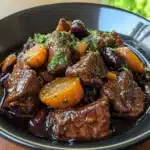



Let’s be real, sometimes that takeout craving hits hard. And when it does, Beijing Beef is often at the top of the list. That perfect combination of crispy, slightly chewy beef, coated in a sticky, sweet, and tangy sauce – it’s pure comfort food bliss. But what if I told you that you could recreate that iconic takeout dish right in your own kitchen, and maybe even make it better? That’s exactly what this homemade Beijing Beef recipe is all about. The first time I made this, I was honestly blown away. The aroma filling my kitchen was instantly reminiscent of my favorite Chinese restaurant, and the taste? Even better than I remembered! The beef was incredibly crispy, the sauce was perfectly balanced, and the whole dish came together surprisingly easily. My family devoured it, declaring it “takeout night at home, but way better!” What I love most about this recipe is that it gives you complete control over the ingredients and the level of spice. You can customize it to your exact preferences, ensuring a dish that’s perfectly tailored to your taste. Plus, making it at home is often healthier and definitely more budget-friendly than ordering takeout. If you’re ready to ditch the delivery apps and experience the joy of crafting your own crispy, flavorful, and utterly satisfying Beijing Beef, then you’ve come to the right place. Get ready to unleash your inner chef and create a takeout favorite that will impress everyone, including yourself!
Ingredients: Your Arsenal for Authentic Homemade Beijing Beef
The secret to truly exceptional Beijing Beef lies in the quality and balance of its ingredients. Each component plays a crucial role in achieving that signature crispy texture, sweet and tangy sauce, and overall flavor harmony. Here’s a detailed breakdown of what you’ll need, along with explanations and suggestions for substitutions:
- 1.5 pounds flank steak, thinly sliced against the grain: Flank steak is the classic choice for Beijing Beef due to its robust beefy flavor and ability to become wonderfully tender when sliced thinly and cooked quickly. Slicing against the grain is crucial for tenderness, as it shortens the muscle fibers.
- Flank Steak Alternatives: If you can’t find flank steak, you can use skirt steak, sirloin steak, or even flap meat (also known as sirloin tip or bavette). These cuts are also flavorful and benefit from thin slicing and quick cooking. Avoid using tougher cuts like chuck roast or brisket, as they require longer cooking times and are not ideal for stir-frying.
- Slicing Technique: To slice against the grain, identify the direction of the muscle fibers (they will run lengthwise). Slice perpendicular to these fibers into thin strips, about 1/8 to 1/4 inch thick. Thinner slices will crisp up more easily.
- Freezing for Easier Slicing (Optional): Partially freezing the flank steak for about 30-45 minutes before slicing can make it firmer and easier to slice thinly and evenly. Do not freeze solid, just until it is firm but still sliceable.
- Vegetarian/Vegan Beef Alternatives: For a vegetarian or vegan Beijing “Beef,” you can substitute with firm or extra-firm tofu (pressed and cubed), seitan (wheat gluten), or large portobello mushrooms (sliced into strips). Tofu and seitan will mimic the texture well, while portobello mushrooms offer an earthy and umami-rich alternative.
- For the Marinade:
- 1/4 cup soy sauce: Soy sauce is the foundation of the marinade, providing saltiness, umami depth, and helping to tenderize the beef. Low-sodium soy sauce is recommended to control the overall salt level of the dish.
- Soy Sauce Variations: You can use regular soy sauce, light soy sauce (for a less intense flavor), or tamari (gluten-free soy sauce). Dark soy sauce is not recommended for the marinade as it is thicker and sweeter and can make the beef too dark.
- 2 tablespoons rice wine (Shaoxing wine recommended): Rice wine, particularly Shaoxing wine, adds a characteristic Chinese flavor and helps to tenderize the beef. It also contributes a subtle sweetness and complexity.
- Rice Wine Alternatives: If you don’t have Shaoxing wine, you can substitute dry sherry or dry white wine. If avoiding alcohol, you can use chicken broth or apple juice as a less ideal but still acceptable substitute.
- 1 tablespoon cornstarch: Cornstarch is crucial for creating a velvety texture on the beef and helping the sauce cling to it. It acts as a tenderizer in the marinade and as a thickening agent during cooking.
- 1 teaspoon sesame oil: Sesame oil adds a nutty aroma and distinct Asian flavor to the marinade and the dish as a whole. Toasted sesame oil is recommended for its more intense flavor.
- 1/2 teaspoon ground ginger: Ground ginger adds a warm, spicy, and aromatic note to the marinade, complementing the other flavors and enhancing the overall complexity. Freshly grated ginger can also be used (about 1 tablespoon).
- 1/4 teaspoon white pepper: White pepper provides a subtle heat and a slightly different flavor profile than black pepper. It is often used in Chinese cooking for its delicate spiciness. Black pepper can be used as a substitute if white pepper is not available.
- 1/4 cup soy sauce: Soy sauce is the foundation of the marinade, providing saltiness, umami depth, and helping to tenderize the beef. Low-sodium soy sauce is recommended to control the overall salt level of the dish.
- For the Breading:
- 1/2 cup cornstarch: Cornstarch is the key ingredient for creating the crispy coating on the Beijing Beef. It provides a light, airy, and incredibly crispy texture when fried.
- 1/4 cup all-purpose flour: All-purpose flour adds a bit of structure to the breading and helps it to adhere to the beef. It also contributes to the overall crispiness.
- Gluten-Free Breading Options: For gluten-free Beijing Beef, you can use all cornstarch for the breading, or use a gluten-free all-purpose flour blend. Rice flour, tapioca starch, or potato starch can also be used in combination with cornstarch for a gluten-free breading.
- For the Sauce:
- 1/2 cup rice vinegar: Rice vinegar is essential for the tangy and slightly acidic component of the Beijing Beef sauce. It provides a crucial counterpoint to the sweetness.
- Rice Vinegar Variations: You can use regular rice vinegar or seasoned rice vinegar. If using seasoned rice vinegar, reduce or omit the added sugar in the sauce to avoid it becoming overly sweet.
- 1/2 cup sugar: Sugar provides the sweetness that is characteristic of Beijing Beef sauce. Granulated sugar is typically used.
- Sugar Variations: You can use brown sugar for a slightly richer, molasses-like sweetness, or honey or maple syrup for a more natural sweetener. Adjust the amount of sweetener to your preference.
- 1/4 cup ketchup: Ketchup adds a tangy tomato flavor, sweetness, and a vibrant red color to the sauce. It also contributes to the sauce’s glossy texture.
- 1/4 cup soy sauce: Soy sauce reinforces the savory umami base of the sauce and adds saltiness and depth. Low-sodium soy sauce is recommended to control the overall salt level.
- Soy Sauce Variations: As with the marinade, you can use regular soy sauce, light soy sauce, or tamari (gluten-free).
- 2 tablespoons hoisin sauce: Hoisin sauce is a key ingredient in Beijing Beef sauce, providing a complex sweet, savory, and slightly fermented flavor. It adds depth and richness that is hard to replicate with other ingredients.
- Hoisin Sauce Alternatives: There is no perfect substitute for hoisin sauce. However, you can try a combination of soy sauce, peanut butter (or tahini for nut-free), honey or maple syrup, and a touch of rice vinegar or black bean sauce to try and mimic some of its flavor components.
- 2 tablespoons cornstarch: Cornstarch is used to thicken the sauce to that signature sticky, glossy consistency that coats the beef perfectly.
- 1 tablespoon sesame oil: Sesame oil is added to the sauce for its nutty aroma and distinct Asian flavor, enhancing the overall complexity and fragrance.
- 1 tablespoon minced garlic: Freshly minced garlic adds pungent and savory notes to the sauce, complementing the other flavors and providing a noticeable garlic kick.
- 1 tablespoon minced fresh ginger: Freshly minced ginger adds a warm, spicy, and aromatic element to the sauce, enhancing its complexity and providing a fresh, vibrant note.
- 1/2 teaspoon red pepper flakes (optional, for heat): Red pepper flakes add a touch of heat to the sauce for those who prefer a spicier Beijing Beef. Adjust the amount to your spice preference or omit entirely for a milder version.
- 1/2 cup rice vinegar: Rice vinegar is essential for the tangy and slightly acidic component of the Beijing Beef sauce. It provides a crucial counterpoint to the sweetness.
- Vegetable oil, for frying: Vegetable oil, or another neutral oil with a high smoke point (like canola oil, peanut oil, or grapeseed oil), is needed for frying the beef to crispy perfection. You will need enough oil for shallow frying or deep frying, depending on your preferred method.
- Air Fryer Option (Healthier Alternative): For a healthier, less oily version of Beijing Beef, you can air fry the breaded beef instead of deep-frying or shallow frying. See air fryer instructions below.
- For Garnish (Optional):
- Sesame seeds: Sesame seeds, toasted or untoasted, add a nutty flavor and visual appeal as a garnish.
- Chopped green onions: Chopped green onions (scallions) add a fresh, mild oniony flavor and a pop of green color as a garnish.
Instructions: Mastering the Art of Homemade Beijing Beef – Step-by-Step
Creating authentic, crispy, and flavorful Beijing Beef at home requires a few key steps, but the process is definitely manageable and rewarding. Follow these detailed instructions to guide you through each stage, from marinating the beef to achieving that perfect takeout-style finish:
1. Marinate the Beef:
- In a medium bowl, combine the thinly sliced flank steak, soy sauce, rice wine (Shaoxing wine), cornstarch, sesame oil, ground ginger, and white pepper.
- Toss to coat the beef evenly with the marinade.
- Marinate in the refrigerator for at least 30 minutes, or up to 2 hours. Marinating for longer will tenderize the beef further and allow the flavors to penetrate deeply.
2. Prepare the Breading:
- In a separate shallow dish or bowl, whisk together the cornstarch and all-purpose flour for the breading.
3. Bread the Beef:
- Remove the marinated beef from the refrigerator.
- Working in batches, dredge each piece of marinated beef in the cornstarch-flour mixture, ensuring it is fully coated on all sides. Shake off any excess breading. The breading should be a thin, even coating.
4. Fry the Beef (Deep-Frying or Shallow Frying):
- Deep Frying (Traditional and Crispiest):
- Heat vegetable oil in a deep fryer or large pot to 350°F (175°C). You will need enough oil to fully submerge the beef pieces for deep frying.
- Carefully add the breaded beef to the hot oil in batches, being careful not to overcrowd the fryer. Overcrowding will lower the oil temperature and result in soggy beef.
- Fry for 2-3 minutes per batch, or until golden brown and crispy. The beef cooks quickly due to the thin slices.
- Remove the crispy beef from the oil using a slotted spoon or spider strainer and drain on paper towels to remove excess oil.
- Shallow Frying (Less Oil, Still Crispy):
- Heat about 1/2 inch of vegetable oil in a large skillet or wok over medium-high heat.
- Once the oil is hot (shimmering but not smoking), carefully add the breaded beef in a single layer, again being careful not to overcrowd the skillet.
- Fry for 2-3 minutes per side, or until golden brown and crispy.
- Flip the beef pieces halfway through cooking to ensure even browning and crisping.
- Remove the crispy beef from the skillet and drain on paper towels.
5. Air Fry the Beef (Healthier Option):
- Preheat Air Fryer: Preheat your air fryer to 400°F (200°C).
- Lightly Oil Air Fryer Basket (Optional): You can lightly spray the air fryer basket with cooking spray to prevent sticking (though not always necessary with cornstarch breading).
- Arrange Beef in Air Fryer: Arrange the breaded beef in a single layer in the air fryer basket. Do not overcrowd. You may need to cook in batches.
- Air Fry: Air fry at 400°F (200°C) for 8-12 minutes, flipping halfway through, or until golden brown and crispy. Air fryer models vary, so cooking times may need to be adjusted. Check for doneness around 8 minutes and adjust time as needed.
- Crispness Check: The beef is done when it is golden brown and crispy and cooked through.
6. Make the Beijing Beef Sauce:
- While the beef is frying (or air frying), prepare the sauce.
- In a small bowl, whisk together the rice vinegar, sugar, ketchup, soy sauce, hoisin sauce, and cornstarch. Set aside.
- Heat sesame oil in a large wok or skillet over medium-high heat.
- Add minced garlic and minced fresh ginger to the hot oil and sauté for about 30 seconds, or until fragrant. Be careful not to burn the garlic and ginger.
- Pour the sauce mixture into the wok or skillet and bring to a simmer, stirring constantly.
- Cook the sauce, stirring continuously, until it thickens and becomes glossy, about 1-2 minutes. The cornstarch will thicken the sauce quickly.
- If using red pepper flakes for heat, stir them into the sauce now.
7. Combine Beef and Sauce & Serve:
- Add the crispy fried (or air fried) beef to the wok or skillet with the thickened Beijing Beef sauce.
- Toss quickly and gently to coat the beef evenly with the sauce. Work quickly to keep the beef crispy.
- Cook for another 30 seconds to 1 minute, just to heat the beef through and allow the sauce to cling to it.
- Remove from heat and transfer the Beijing Beef to a serving platter or individual plates.
- Garnish with sesame seeds and chopped green onions (if desired).
- Serve immediately while hot and crispy. Beijing Beef is best enjoyed fresh, as the crispiness of the beef will diminish over time as it sits in the sauce.
Nutrition Facts: Decoding the Nutritional Profile of Homemade Beijing Beef
Understanding the nutritional content of your homemade meals is helpful for making informed dietary choices. Here’s an estimated nutritional breakdown per serving of Beijing Beef (assuming a recipe made with flank steak, deep-fried, and divided into 4 servings – nutritional values will vary based on specific ingredients, cooking method, portion sizes, and variations):
Servings: Approximately 4 servings
Calories per serving (estimated): 600-750 calories
Approximate Nutritional Breakdown (per serving):
- Protein: 35-45g (primarily from flank steak)
- Fat: 30-40g (primarily from frying oil and flank steak)
- Saturated Fat: 8-12g (from flank steak and frying oil)
- Unsaturated Fat: (from vegetable oil and sesame oil)
- Cholesterol: 100-120mg (from flank steak)
- Sodium: 1000-1500mg (can vary greatly depending on soy sauce, hoisin sauce, and ketchup brands and amounts)
- Carbohydrates: 50-60g (primarily from sugar and cornstarch in sauce and breading)
- Fiber: 1-2g (minimal fiber)
- Sugar: 40-50g (high sugar content from sauce)
Micronutrient Highlights (Approximate, and will vary):
- Minerals:
- Iron (from flank steak)
- Potassium (from flank steak)
- Vitamins:
- B Vitamins (from flank steak)
Important Nutritional Considerations:
- Calorie and Fat Content: Beijing Beef, especially when deep-fried and made with a sweet sauce, is a calorie-dense and relatively high-fat dish. Using the air fryer method and reducing the sugar in the sauce can significantly lower the calorie and fat content.
- Sodium Content: The soy sauce, hoisin sauce, and ketchup contribute to a high sodium content. Using low-sodium versions of these ingredients is crucial for managing sodium intake.
- Sugar Content: The sauce is high in sugar. Reducing the sugar amount or using natural sweeteners like honey or maple syrup can help lower the sugar content, but will alter the flavor profile.
- Carbohydrate Content: The breading and sauce contribute to a moderate to high carbohydrate content, primarily from refined carbohydrates and sugars.
- Protein Source: Flank steak provides a significant amount of protein, which is beneficial for satiety and muscle building.
- Nutrient Density: While Beijing Beef provides protein and some iron, it is not particularly nutrient-dense due to the high fat, sugar, and sodium content and relatively low fiber and micronutrient diversity.
Preparation Time: Breaking Down the Timeline for Homemade Beijing Beef
While Beijing Beef might seem like a restaurant dish requiring hours of effort, the homemade version is surprisingly achievable in a reasonable timeframe, especially with proper planning. Here’s a breakdown of the preparation time:
- Prep Time: 30-40 minutes (This includes slicing beef, marinating, preparing breading, making sauce, chopping vegetables, and gathering ingredients.) Slicing the beef thinly and prepping all the sauce ingredients in advance will streamline this process.
- Cook Time: 20-30 minutes (This includes frying or air frying the beef in batches and cooking the sauce. Frying time will vary depending on batch sizes and cooking method.)
- Total Time: 50-70 minutes
Emphasizing Efficiency and Time-Saving Tips:
- Marinate Ahead (Optional): You can marinate the beef for longer than 30 minutes, even up to overnight in the refrigerator. This can be done the day before to save time on the day of cooking.
- Prep Ingredients Simultaneously: While the beef is marinating, prepare the breading mixture and the sauce. Chop vegetables and gather all your ingredients to be organized and efficient during cooking.
- Fast Frying/Air Frying: Both frying and air frying cook the beef relatively quickly, contributing to a faster overall cooking time. Air frying is particularly quick and requires less oil.
- Streamline Cleanup: Use paper towels for draining fried beef to minimize cleanup. Work in batches to avoid overcrowding the fryer or skillet, which can slow down the cooking process.
How to Serve Beijing Beef: Creating a Takeout-Style Feast at Home
Beijing Beef is a versatile dish that can be served as the star of a takeout-style meal or as part of a larger Asian-inspired feast. Here are some serving suggestions, topping ideas, and side dish pairings to create a truly authentic and satisfying dining experience:
Serving Suggestions & Toppings (Enhance Flavor and Presentation):
- Garnish with Sesame Seeds and Green Onions: These classic garnishes are essential for both flavor and visual appeal. Sesame seeds add a nutty crunch, while green onions provide a fresh, mild oniony bite and a pop of color.
- Serve Immediately: Beijing Beef is best enjoyed immediately while it is hot and crispy. The crispness of the beef will diminish over time as it sits in the sauce.
- Individual Plates or Family Style: Serve Beijing Beef on individual plates as a main course, or present it family-style on a large platter for sharing.
- Rice is a Must: Serve Beijing Beef over a bed of hot, fluffy white rice (jasmine rice or long-grain rice are excellent choices) to soak up the delicious sauce and balance the richness of the dish. Brown rice or quinoa can be used for healthier options.
- Noodles (Alternative to Rice): While rice is traditional, you can also serve Beijing Beef with noodles like lo mein noodles, chow mein noodles, or even steamed rice noodles for a different textural experience.
- Lettuce Wraps (For a Lighter Option): For a lower-carb and lighter way to enjoy Beijing Beef, serve it with crisp lettuce cups (like iceberg or butter lettuce) as lettuce wraps.
Side Dish Pairings (Create a Balanced Takeout Meal):
- Steamed Broccoli or Green Beans: Add a healthy and vibrant green vegetable side to balance the richness of the Beijing Beef. Steamed broccoli or green beans are simple and classic choices.
- Stir-Fried Vegetables: A stir-fry of mixed vegetables like carrots, bell peppers, snap peas, and mushrooms in a light garlic sauce complements Beijing Beef beautifully.
- Egg Rolls or Spring Rolls: Classic Chinese appetizers like egg rolls or spring rolls add to the takeout feel and provide a crispy and savory starter.
- Wontons or Dumplings: Steamed or pan-fried wontons or dumplings (pork, shrimp, or vegetable) are another great appetizer option to create a multi-course Chinese meal.
- Hot and Sour Soup or Egg Drop Soup: A warm and comforting soup like hot and sour soup or egg drop soup is a perfect starter to a Chinese feast.
Serving Occasions:
- Weeknight Dinner: While slightly more involved than some weeknight meals, homemade Beijing Beef is still achievable for a special weeknight dinner.
- Weekend Family Meal: Perfect for a weekend family dinner when you want to enjoy a restaurant-style takeout meal at home.
- Casual Gathering with Friends: Beijing Beef is a crowd-pleasing dish that’s great for sharing at casual gatherings or potlucks.
- Fakeout Takeout Night: Create a fun “fakeout takeout” night at home, complete with Beijing Beef, rice, spring rolls, and fortune cookies for dessert.
Drinks to Pair:
- Chinese Beer (Tsingtao, Snow): Classic Chinese beers like Tsingtao or Snow are traditional pairings for Chinese cuisine.
- Light Lager or Pilsner: A light lager or pilsner style beer also pairs well with the sweet and savory flavors of Beijing Beef.
- Dry Riesling or Gewürztraminer Wine: For wine pairings, consider a slightly off-dry or dry Riesling or Gewürztraminer. Their slight sweetness and acidity can balance the sweetness of the sauce and complement the savory flavors.
- Iced Tea or Lemonade: Non-alcoholic options like iced tea or lemonade are refreshing and pair well with the richness of the dish.
Additional Tips for Perfect Beijing Beef: Mastering the Crispy and Flavorful Dish
Achieving truly outstanding homemade Beijing Beef requires attention to detail and mastering a few key techniques. Here are five essential tips to elevate your Beijing Beef game and ensure takeout-level deliciousness every time:
- Achieve Maximum Beef Crispiness: The Double Fry Technique (Optional but Recommended): For truly restaurant-style crispy Beijing Beef, consider using a double-fry technique. After the initial fry (or air fry) to cook the beef through, let it cool slightly, then fry it again for a shorter time at a slightly higher temperature (increase oil temperature by about 10-15°F or air fry for another 2-3 minutes at 425°F/220°C). This second fry removes even more moisture and creates an extra-crispy, almost shatteringly crisp exterior that holds up well even when coated in sauce. This is a restaurant secret for achieving that signature crispiness.
- Don’t Overcrowd the Fryer/Skillet: Batch Cooking is Key for Crispiness: Whether you are deep-frying, shallow frying, or air frying, avoid overcrowding the fryer or skillet with too much beef at once. Overcrowding lowers the oil temperature (or airflow in the air fryer) and prevents the beef from crisping up properly. Cook the beef in batches, ensuring each piece has enough space around it for even cooking and crisping. Patience with batch cooking is rewarded with significantly crispier and more delicious Beijing Beef.
- Master the Sauce Consistency: Sticky, Glossy, and Clinging Perfection: The sauce is just as important as the crispy beef in Beijing Beef. Aim for a sauce that is thick, glossy, and sticky enough to cling beautifully to the beef without being too watery or too gloopy. Cornstarch is the thickening agent. Cook the sauce until it simmers and thickens visibly, stirring constantly. If the sauce becomes too thick, you can thin it out with a tablespoon or two of water or chicken broth. If it’s too thin, continue simmering it for a bit longer to reduce and thicken further.
- Work Quickly When Combining Beef and Sauce: Preserve the Crispiness: Once the beef is fried and crispy and the sauce is ready, work quickly to combine them. Add the crispy beef to the wok or skillet with the sauce and toss gently but efficiently to coat every piece. Don’t let the beef sit in the sauce for too long before serving, as the moisture from the sauce will gradually soften the crispy coating. Serve immediately for the best texture contrast between the crispy beef and the sticky sauce.
- Customize the Spice Level: Control the Heat to Your Preference: Beijing Beef is not traditionally a fiery dish, but a touch of heat can enhance its complexity. The recipe includes optional red pepper flakes for a subtle kick. Adjust the amount of red pepper flakes to your spice preference. For a milder version, omit them entirely. For a spicier Beijing Beef, you can add more red pepper flakes, a pinch of cayenne pepper to the sauce, or serve with a side of chili oil or sriracha for those who like extra heat. You can also use peppered flank steak for a subtle background heat.
Frequently Asked Questions (FAQ) About Homemade Beijing Beef: Your Burning Beijing Beef Questions Answered
Still have questions about conquering homemade Beijing Beef? Here are answers to some frequently asked questions to help you troubleshoot, customize, and perfect your Beijing Beef culinary journey:
Q1: Can I make Beijing Beef in the air fryer for a healthier option?
A: Yes! Air frying Beijing Beef is a fantastic way to significantly reduce the oil content and calories while still achieving a wonderfully crispy result. The air fryer instructions are included in the recipe. Air frying may result in a slightly different texture compared to deep-frying (less intensely crispy, more of a “crisp-tender” texture), but it is still incredibly delicious and a much healthier alternative. For air frying, be sure to arrange the breaded beef in a single layer in the air fryer basket and avoid overcrowding for optimal crisping. You may need to adjust the air frying time slightly depending on your air fryer model.
Q2: Can I make vegetarian or vegan Beijing Beef?
A: Yes, you can easily adapt this recipe to be vegetarian or vegan! The key is to substitute the flank steak with a plant-based protein alternative. Excellent options include:
- Firm or Extra-Firm Tofu (pressed and cubed): Tofu, when properly pressed to remove excess water and cubed, can be breaded and fried (or air fried) to mimic the texture of beef. Press tofu for at least 30 minutes to remove excess moisture before marinating and breading.
- Seitan (Wheat Gluten): Seitan has a naturally “meaty” texture and is a great vegan beef substitute. Cut seitan into strips or bite-sized pieces and follow the recipe instructions for marinating, breading, and frying/air frying.
- Large Portobello Mushrooms (sliced into strips): Portobello mushrooms, sliced into strips, offer an earthy and umami-rich vegetarian alternative. They will be less crispy than tofu or seitan but provide a satisfying flavor and texture. Marinate and bread portobello mushroom strips similarly to beef.
- Cauliflower Florets: For a lower-carb and vegetable-forward option, breaded and air-fried cauliflower florets can be coated in Beijing Beef sauce. While not a direct beef substitute, they offer a crispy and flavorful base for the sauce.
When making vegetarian or vegan Beijing Beef, ensure that your hoisin sauce and soy sauce are also vegetarian or vegan (some hoisin sauces may contain oyster sauce).
Q3: How do I store leftover Beijing Beef and reheat it to maintain crispiness?
A: Storing and reheating crispy fried foods can be tricky, as they tend to lose their crispness over time. For Beijing Beef, the best approach is to store the components separately if possible:
- Store Beef and Sauce Separately: If you anticipate leftovers, try to reserve some of the fried beef before coating it in the sauce. Store the uncoated crispy beef in an airtight container in the refrigerator. Store the remaining sauced Beijing Beef separately in another airtight container.
- Reheat Crispy Beef (Oven or Air Fryer): To reheat the uncoated crispy beef and try to revive some of its crispness, reheat it in a preheated oven at 350°F (175°C) or in an air fryer at 350°F (175°C) for a few minutes, until heated through and slightly crisped up again. It won’t be perfectly as crispy as freshly fried, but this method helps to improve the texture.
- Reheat Sauced Beijing Beef (Microwave or Stovetop): Reheat the sauced Beijing Beef gently in the microwave or on the stovetop over low heat until heated through.
- Combine and Serve: Once both components are reheated, you can quickly toss the reheated crispy beef with the reheated sauce and serve immediately.
Q4: Can I make the Beijing Beef sauce ahead of time?
A: Yes, you can definitely make the Beijing Beef sauce ahead of time! In fact, making the sauce a day or two in advance can actually be beneficial, as it allows the flavors to meld and deepen even further. Prepare the sauce as instructed, then let it cool completely and store it in an airtight container in the refrigerator for up to 3 days. When you are ready to cook the Beijing Beef, simply reheat the sauce gently on the stovetop while you are frying or air frying the beef.
Q5: My Beijing Beef sauce is too sweet/tangy/salty – how do I adjust it?
A: Balancing the sauce is key to perfect Beijing Beef. Here’s how to adjust it if it’s too sweet, tangy, or salty:
- Too Sweet: If the sauce is too sweet, add a little more rice vinegar (a teaspoon at a time) to increase the acidity and balance the sweetness. You can also add a pinch of red pepper flakes for a spicy counterpoint.
- Too Tangy (Too Much Vinegar): If the sauce is too tangy or acidic, add a touch more sugar (a teaspoon at a time) to balance the acidity. You can also add a very small amount of soy sauce or hoisin sauce to add savory depth and round out the flavors.
- Too Salty: If the sauce is too salty, there are a few things you can try (though it’s best to start with low-sodium soy sauce and adjust salt gradually): Add a teaspoon of sugar to try and balance the saltiness. You can also add a tablespoon of water or chicken broth to dilute the sauce slightly. If it’s significantly too salty, you may need to make a fresh batch of sauce and adjust the soy sauce amount.
Remember, taste as you go and adjust seasonings incrementally until you achieve your perfect balance of sweet, tangy, savory, and spicy in your homemade Beijing Beef! With a little practice and these tips, you’ll be whipping up takeout-worthy Beijing Beef in your own kitchen in no time!
Print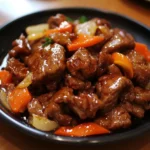
Beijing Beef recipe
Ingredients
- 1.5 pounds flank steak, thinly sliced against the grain: Flank steak is the classic choice for Beijing Beef due to its robust beefy flavor and ability to become wonderfully tender when sliced thinly and cooked quickly. Slicing against the grain is crucial for tenderness, as it shortens the muscle fibers.
- Flank Steak Alternatives: If you can’t find flank steak, you can use skirt steak, sirloin steak, or even flap meat (also known as sirloin tip or bavette). These cuts are also flavorful and benefit from thin slicing and quick cooking. Avoid using tougher cuts like chuck roast or brisket, as they require longer cooking times and are not ideal for stir-frying.
- Slicing Technique: To slice against the grain, identify the direction of the muscle fibers (they will run lengthwise). Slice perpendicular to these fibers into thin strips, about 1/8 to 1/4 inch thick. Thinner slices will crisp up more easily.
- Freezing for Easier Slicing (Optional): Partially freezing the flank steak for about 30-45 minutes before slicing can make it firmer and easier to slice thinly and evenly. Do not freeze solid, just until it is firm but still sliceable.
- Vegetarian/Vegan Beef Alternatives: For a vegetarian or vegan Beijing “Beef,” you can substitute with firm or extra-firm tofu (pressed and cubed), seitan (wheat gluten), or large portobello mushrooms (sliced into strips). Tofu and seitan will mimic the texture well, while portobello mushrooms offer an earthy and umami-rich alternative.
- For the Marinade:
- 1/4 cup soy sauce: Soy sauce is the foundation of the marinade, providing saltiness, umami depth, and helping to tenderize the beef. Low-sodium soy sauce is recommended to control the overall salt level of the dish.
- Soy Sauce Variations: You can use regular soy sauce, light soy sauce (for a less intense flavor), or tamari (gluten-free soy sauce). Dark soy sauce is not recommended for the marinade as it is thicker and sweeter and can make the beef too dark.
- 2 tablespoons rice wine (Shaoxing wine recommended): Rice wine, particularly Shaoxing wine, adds a characteristic Chinese flavor and helps to tenderize the beef. It also contributes a subtle sweetness and complexity.
- Rice Wine Alternatives: If you don’t have Shaoxing wine, you can substitute dry sherry or dry white wine. If avoiding alcohol, you can use chicken broth or apple juice as a less ideal but still acceptable substitute.
- 1 tablespoon cornstarch: Cornstarch is crucial for creating a velvety texture on the beef and helping the sauce cling to it. It acts as a tenderizer in the marinade and as a thickening agent during cooking.
- 1 teaspoon sesame oil: Sesame oil adds a nutty aroma and distinct Asian flavor to the marinade and the dish as a whole. Toasted sesame oil is recommended for its more intense flavor.
- 1/2 teaspoon ground ginger: Ground ginger adds a warm, spicy, and aromatic note to the marinade, complementing the other flavors and enhancing the overall complexity. Freshly grated ginger can also be used (about 1 tablespoon).
- 1/4 teaspoon white pepper: White pepper provides a subtle heat and a slightly different flavor profile than black pepper. It is often used in Chinese cooking for its delicate spiciness. Black pepper can be used as a substitute if white pepper is not available.
- 1/4 cup soy sauce: Soy sauce is the foundation of the marinade, providing saltiness, umami depth, and helping to tenderize the beef. Low-sodium soy sauce is recommended to control the overall salt level of the dish.
- For the Breading:
- 1/2 cup cornstarch: Cornstarch is the key ingredient for creating the crispy coating on the Beijing Beef. It provides a light, airy, and incredibly crispy texture when fried.
- 1/4 cup all-purpose flour: All-purpose flour adds a bit of structure to the breading and helps it to adhere to the beef. It also contributes to the overall crispiness.
- Gluten-Free Breading Options: For gluten-free Beijing Beef, you can use all cornstarch for the breading, or use a gluten-free all-purpose flour blend. Rice flour, tapioca starch, or potato starch can also be used in combination with cornstarch for a gluten-free breading.
- For the Sauce:
- 1/2 cup rice vinegar: Rice vinegar is essential for the tangy and slightly acidic component of the Beijing Beef sauce. It provides a crucial counterpoint to the sweetness.
- Rice Vinegar Variations: You can use regular rice vinegar or seasoned rice vinegar. If using seasoned rice vinegar, reduce or omit the added sugar in the sauce to avoid it becoming overly sweet.
- 1/2 cup sugar: Sugar provides the sweetness that is characteristic of Beijing Beef sauce. Granulated sugar is typically used.
- Sugar Variations: You can use brown sugar for a slightly richer, molasses-like sweetness, or honey or maple syrup for a more natural sweetener. Adjust the amount of sweetener to your preference.
- 1/4 cup ketchup: Ketchup adds a tangy tomato flavor, sweetness, and a vibrant red color to the sauce. It also contributes to the sauce’s glossy texture.
- 1/4 cup soy sauce: Soy sauce reinforces the savory umami base of the sauce and adds saltiness and depth. Low-sodium soy sauce is recommended to control the overall salt level.
- Soy Sauce Variations: As with the marinade, you can use regular soy sauce, light soy sauce, or tamari (gluten-free).
- 2 tablespoons hoisin sauce: Hoisin sauce is a key ingredient in Beijing Beef sauce, providing a complex sweet, savory, and slightly fermented flavor. It adds depth and richness that is hard to replicate with other ingredients.
- Hoisin Sauce Alternatives: There is no perfect substitute for hoisin sauce. However, you can try a combination of soy sauce, peanut butter (or tahini for nut-free), honey or maple syrup, and a touch of rice vinegar or black bean sauce to try and mimic some of its flavor components.
- 2 tablespoons cornstarch: Cornstarch is used to thicken the sauce to that signature sticky, glossy consistency that coats the beef perfectly.
- 1 tablespoon sesame oil: Sesame oil is added to the sauce for its nutty aroma and distinct Asian flavor, enhancing the overall complexity and fragrance.
- 1 tablespoon minced garlic: Freshly minced garlic adds pungent and savory notes to the sauce, complementing the other flavors and providing a noticeable garlic kick.
- 1 tablespoon minced fresh ginger: Freshly minced ginger adds a warm, spicy, and aromatic element to the sauce, enhancing its complexity and providing a fresh, vibrant note.
- 1/2 teaspoon red pepper flakes (optional, for heat): Red pepper flakes add a touch of heat to the sauce for those who prefer a spicier Beijing Beef. Adjust the amount to your spice preference or omit entirely for a milder version.
- 1/2 cup rice vinegar: Rice vinegar is essential for the tangy and slightly acidic component of the Beijing Beef sauce. It provides a crucial counterpoint to the sweetness.
- Vegetable oil, for frying: Vegetable oil, or another neutral oil with a high smoke point (like canola oil, peanut oil, or grapeseed oil), is needed for frying the beef to crispy perfection. You will need enough oil for shallow frying or deep frying, depending on your preferred method.
- Air Fryer Option (Healthier Alternative): For a healthier, less oily version of Beijing Beef, you can air fry the breaded beef instead of deep-frying or shallow frying. See air fryer instructions below.
- For Garnish (Optional):
- Sesame seeds: Sesame seeds, toasted or untoasted, add a nutty flavor and visual appeal as a garnish.
- Chopped green onions: Chopped green onions (scallions) add a fresh, mild oniony flavor and a pop of green color as a garnish.
Instructions
1. Marinate the Beef:
- In a medium bowl, combine the thinly sliced flank steak, soy sauce, rice wine (Shaoxing wine), cornstarch, sesame oil, ground ginger, and white pepper.
- Toss to coat the beef evenly with the marinade.
- Marinate in the refrigerator for at least 30 minutes, or up to 2 hours. Marinating for longer will tenderize the beef further and allow the flavors to penetrate deeply.
2. Prepare the Breading:
- In a separate shallow dish or bowl, whisk together the cornstarch and all-purpose flour for the breading.
3. Bread the Beef:
- Remove the marinated beef from the refrigerator.
- Working in batches, dredge each piece of marinated beef in the cornstarch-flour mixture, ensuring it is fully coated on all sides. Shake off any excess breading. The breading should be a thin, even coating.
4. Fry the Beef (Deep-Frying or Shallow Frying):
- Deep Frying (Traditional and Crispiest):
- Heat vegetable oil in a deep fryer or large pot to 350°F (175°C). You will need enough oil to fully submerge the beef pieces for deep frying.
- Carefully add the breaded beef to the hot oil in batches, being careful not to overcrowd the fryer. Overcrowding will lower the oil temperature and result in soggy beef.
- Fry for 2-3 minutes per batch, or until golden brown and crispy. The beef cooks quickly due to the thin slices.
- Remove the crispy beef from the oil using a slotted spoon or spider strainer and drain on paper towels to remove excess oil.
- Shallow Frying (Less Oil, Still Crispy):
- Heat about 1/2 inch of vegetable oil in a large skillet or wok over medium-high heat.
- Once the oil is hot (shimmering but not smoking), carefully add the breaded beef in a single layer, again being careful not to overcrowd the skillet.
- Fry for 2-3 minutes per side, or until golden brown and crispy.
- Flip the beef pieces halfway through cooking to ensure even browning and crisping.
- Remove the crispy beef from the skillet and drain on paper towels.
5. Air Fry the Beef (Healthier Option):
- Preheat Air Fryer: Preheat your air fryer to 400°F (200°C).
- Lightly Oil Air Fryer Basket (Optional): You can lightly spray the air fryer basket with cooking spray to prevent sticking (though not always necessary with cornstarch breading).
- Arrange Beef in Air Fryer: Arrange the breaded beef in a single layer in the air fryer basket. Do not overcrowd. You may need to cook in batches.
- Air Fry: Air fry at 400°F (200°C) for 8-12 minutes, flipping halfway through, or until golden brown and crispy. Air fryer models vary, so cooking times may need to be adjusted. Check for doneness around 8 minutes and adjust time as needed.
- Crispness Check: The beef is done when it is golden brown and crispy and cooked through.
6. Make the Beijing Beef Sauce:
- While the beef is frying (or air frying), prepare the sauce.
- In a small bowl, whisk together the rice vinegar, sugar, ketchup, soy sauce, hoisin sauce, and cornstarch. Set aside.
- Heat sesame oil in a large wok or skillet over medium-high heat.
- Add minced garlic and minced fresh ginger to the hot oil and sauté for about 30 seconds, or until fragrant. Be careful not to burn the garlic and ginger.
- Pour the sauce mixture into the wok or skillet and bring to a simmer, stirring constantly.
- Cook the sauce, stirring continuously, until it thickens and becomes glossy, about 1-2 minutes. The cornstarch will thicken the sauce quickly.
- If using red pepper flakes for heat, stir them into the sauce now.
7. Combine Beef and Sauce & Serve:
- Add the crispy fried (or air fried) beef to the wok or skillet with the thickened Beijing Beef sauce.
- Toss quickly and gently to coat the beef evenly with the sauce. Work quickly to keep the beef crispy.
- Cook for another 30 seconds to 1 minute, just to heat the beef through and allow the sauce to cling to it.
- Remove from heat and transfer the Beijing Beef to a serving platter or individual plates.
- Garnish with sesame seeds and chopped green onions (if desired).
- Serve immediately while hot and crispy. Beijing Beef is best enjoyed fresh, as the crispiness of the beef will diminish over time as it sits in the sauce.
Nutrition
- Serving Size: one normal portion
- Calories: 600-750 calories
- Sugar: 40-50g
- Sodium: 1000-1500mg
- Fat: 30-40g
- Saturated Fat: 8-12g
- Carbohydrates: 50-60g
- Fiber: 1-2g
- Protein: 35-45g
- Cholesterol: 100-120mg