
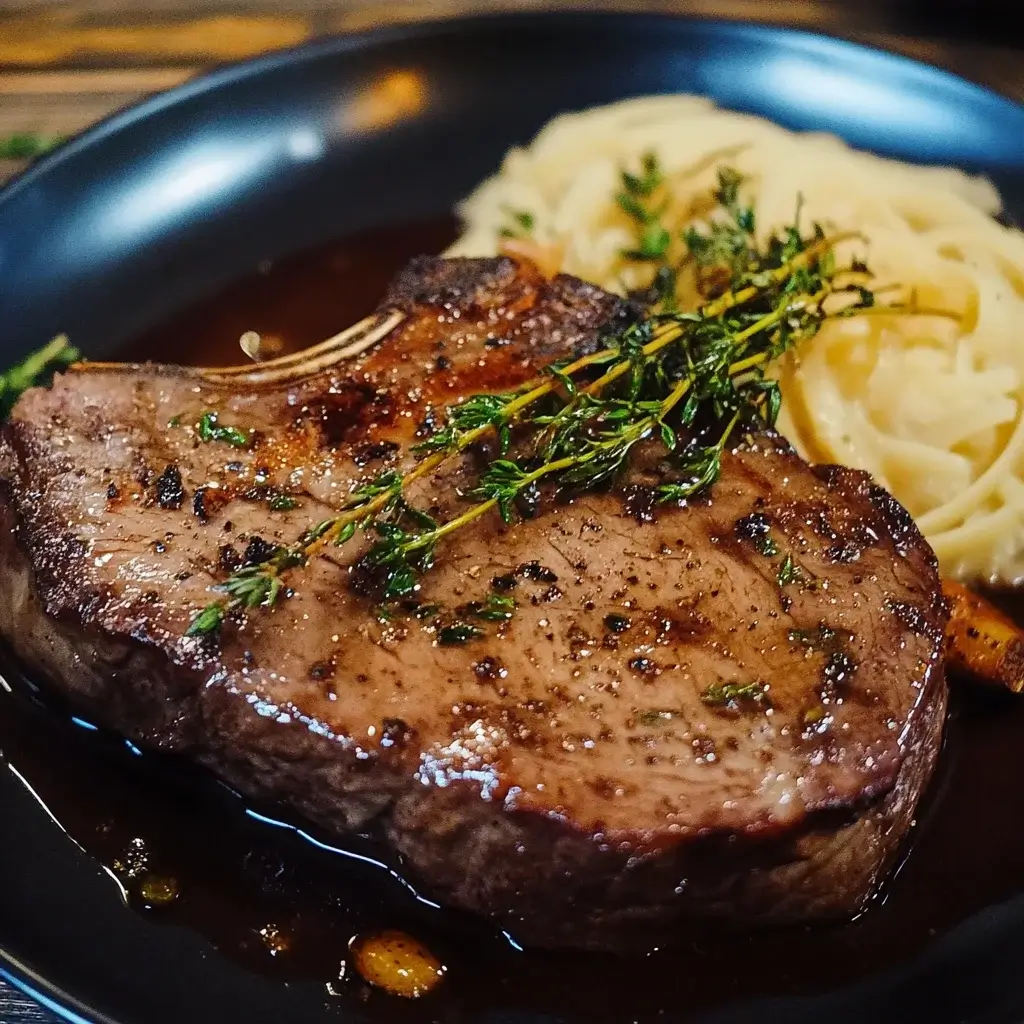

For the longest time, I completely misunderstood chuck steak. I saw it in the butcher case, an affordable, beautifully marbled cut of beef, and I’d treat it like a sirloin or a ribeye. I’d grill it fast and hot, only to be met with a tough, chewy, and utterly disappointing result. I relegated it to the “stew meat only” category in my mind and moved on. That all changed one chilly autumn Sunday. I had a beautiful, thick-cut chuck steak and a craving for a hearty, comforting beef dinner, but no time to stand over a simmering stew pot. On a whim, I decided to try baking it, treating it less like a steak and more like a miniature pot roast. I seared it hard, nestled it in a Dutch oven with a mountain of fragrant onions and garlic, bathed it in a rich beef-and-wine broth, and slid it into a low oven, crossing my fingers. Three hours later, the entire house was filled with the most incredible, soul-warming aroma. When I lifted the lid, I couldn’t believe my eyes. The steak, once a formidable slab of beef, was so tender I could shred it with a fork. It was juicy, deeply flavorful, and coated in a natural, glossy gravy that was pure liquid gold. My family devoured it, piled high on creamy mashed potatoes, and unanimously declared it one of the best beef dishes I had ever made. This recipe isn’t just about cooking a steak; it’s about culinary alchemy, transforming a humble, budget-friendly cut into a luxurious, melt-in-your-mouth masterpiece that tastes like it took all day to prepare.
The Ultimate Baked Chuck Steak: Complete Ingredients List
The success of this dish lies in building layers of deep, savory flavor. It starts with a quality cut of meat and surrounds it with aromatic vegetables and a rich braising liquid. Each ingredient plays a crucial role in tenderizing the beef and creating a spectacular pan gravy.
For the Star of the Show: The Beef
- Boneless Beef Chuck Steak: 1 large steak, approximately 2 to 2.5 pounds and 1.5 to 2 inches thick. Look for a “chuck eye steak” or a “top blade chuck steak” if you can find them, as they are often more tender. The key is a nice, thick cut with good marbling (the little white flecks of fat), as this fat will render down during the long cooking process, basting the meat from the inside and keeping it moist and flavorful.
- Kosher Salt and Coarsely Ground Black Pepper: For a generous seasoning of the steak.
- High-Smoke-Point Oil: 2 tablespoons (such as avocado, grapeseed, or canola oil), for searing.
For the Aromatic Foundation and Braising Liquid:
- Yellow Onions: 2 large, peeled and thickly sliced. They will melt down into the sauce, providing a sweet, savory base.
- Garlic: 6-8 cloves, peeled and lightly smashed. Using whole, smashed cloves allows the garlic to release its flavor slowly without burning.
- Carrots: 2 medium, peeled and roughly chopped into 1-inch pieces. (Optional, but adds sweetness and body to the gravy).
- Celery: 2 stalks, roughly chopped into 1-inch pieces. (Optional, but adds a classic savory note).
- Tomato Paste: 2 tablespoons. This adds a deep, umami-richness and helps to thicken the final sauce.
- Dry Red Wine: 1/2 cup, for deglazing. A Cabernet Sauvignon, Merlot, or Shiraz works wonderfully. If you prefer not to use wine, you can substitute with an equal amount of additional beef broth and a tablespoon of balsamic vinegar.
- Low-Sodium Beef Broth: 3 cups. Using low-sodium broth allows you to control the final saltiness of the dish.
- Worcestershire Sauce: 2 tablespoons. A secret weapon for adding complex, savory depth.
- Fresh Herbs: 3 sprigs of fresh thyme and 1 sprig of fresh rosemary, or 1 teaspoon of dried thyme and 1/2 teaspoon of dried rosemary.
- Bay Leaf: 1.
For the Optional Gravy Slurry:
- Cornstarch: 2 tablespoons.
- Cold Water: 1/4 cup.
Step-by-Step Instructions for Melt-in-Your-Mouth Baked Chuck Steak
This method is essentially oven-braising. It involves a crucial searing step followed by a long, slow bake in a flavorful liquid, which breaks down the tough connective tissues in the chuck steak, rendering it unbelievably tender.
Step 1: Prepare and Sear the Steak (The Flavor Foundation)
First, preheat your oven to 325°F (165°C). Take the chuck steak out of the refrigerator about 30 minutes before cooking to allow it to come to room temperature. Pat the steak completely dry with paper towels. This step is critical—a dry surface is essential for achieving a deep, brown crust. Season the steak very generously on all sides with kosher salt and black pepper.
Place a large, heavy-bottomed, oven-safe pot or Dutch oven over medium-high heat. Add the 2 tablespoons of oil. Once the oil is shimmering hot, carefully place the seasoned chuck steak in the pot. Let it sear, undisturbed, for 4-5 minutes per side, until a deep, dark brown crust forms. This Maillard reaction is not about cooking the steak through; it’s about developing a massive amount of flavor. Once both sides are deeply browned, use tongs to transfer the steak to a plate and set it aside.
Step 2: Build the Aromatic Base
Reduce the heat under the pot to medium. Add the sliced onions, chopped carrots, and celery to the pot, stirring to coat them in the beef drippings. Sauté for 6-8 minutes, stirring occasionally, until the onions have softened and are beginning to caramelize.
Add the smashed garlic cloves and the tomato paste to the pot. Stir constantly for about 1-2 minutes, until the garlic is fragrant and the tomato paste has darkened slightly in color. This step “toasts” the tomato paste, deepening its flavor.
Step 3: Deglaze and Create the Braising Liquid
Pour the 1/2 cup of red wine (or broth/vinegar substitute) into the hot pot. Using a wooden spoon or spatula, scrape up all the browned bits (the “fond”) from the bottom of the pot. These little bits are packed with concentrated flavor. Let the wine bubble and reduce by about half, which should take 2-3 minutes.
Pour in the beef broth and Worcestershire sauce. Add the fresh herb sprigs and the bay leaf. Stir everything together and bring the liquid to a gentle simmer.
Step 4: The Low and Slow Bake
Carefully return the seared chuck steak to the pot, nestling it down into the liquid and vegetables. The liquid should come about halfway to two-thirds of the way up the side of the steak.
Cover the pot with a tight-fitting lid. This is very important to trap the steam and moisture. Transfer the entire pot to your preheated 325°F oven. Bake for 2.5 to 3.5 hours. The steak is done when it is fork-tender, meaning a fork can be inserted and twisted to shred the meat with very little resistance.
Step 5: Rest the Steak and Make the Gravy
Carefully remove the pot from the oven. Use tongs to gently transfer the cooked steak to a cutting board or serving platter. Tent it loosely with foil and let it rest for at least 10-15 minutes. This allows the juices to redistribute throughout the meat.
While the steak rests, strain the braising liquid from the pot through a fine-mesh sieve into a saucepan or fat separator, pressing on the solids to extract all the liquid. Discard the cooked-down vegetables and herbs. Skim any excess fat from the surface of the liquid.
Bring the strained liquid to a simmer over medium heat. If you want a thicker gravy, now is the time to use your slurry. In a small bowl, whisk together the 2 tablespoons of cornstarch and 1/4 cup of cold water until completely smooth. Slowly pour the slurry into the simmering liquid while whisking constantly. Continue to simmer for 1-2 minutes until the gravy has thickened to your desired consistency. Taste and adjust seasoning with salt and pepper if needed.
Step 6: Serve and Enjoy
You can either slice the rested steak against the grain or use two forks to shred it into large, tender chunks. Arrange the beef on a platter and pour the hot, rich gravy generously over the top. Serve immediately.
Nutrition Facts
Please note these are estimates. The final values will depend on the exact size and marbling of your steak and the specific ingredients used.
- Servings: 6-8
- Calories per serving (beef and gravy only): Approximately 450-600 kcal
Chuck steak is rich in protein, iron, and B vitamins. While it is a fattier cut, the slow-cooking process renders out much of that fat into the braising liquid, which can be skimmed off.
Preparation Time
This is a perfect weekend or Sunday dinner recipe, as most of the time is hands-off while the oven does the hard work.
- Preparation Time (Active): 25 minutes (chopping vegetables, searing the steak)
- Cooking Time (Inactive Bake): 2.5 – 3.5 hours
- Resting & Gravy Time (Active): 15 minutes
- Total Time: Approximately 3 hours 15 minutes – 4 hours 15 minutes
How to Serve Your Luxurious Baked Chuck Steak
This rich, tender beef and its savory gravy beg for side dishes that can soak up every last delicious drop.
- The Perfect Starchy Companions:
- Creamy Mashed Potatoes: The undisputed champion. A fluffy, buttery pile of mashed potatoes is the ideal vehicle for the steak and gravy.
- Buttered Egg Noodles: A classic pairing for any braised beef dish.
- Creamy Polenta: A wonderfully rustic and comforting alternative to mashed potatoes.
- Crusty Bread: A good-quality baguette or sourdough is essential for mopping up the plate.
- Simple Vegetable Sides:
- Roasted Root Vegetables: Carrots, parsnips, and Brussels sprouts roasted with a little olive oil, salt, and pepper.
- Steamed Green Beans or Asparagus: A simple, bright green vegetable provides a welcome freshness and textural contrast.
- Sautéed Mushrooms: Mushrooms and beef are a classic combination. Sauté them with a little garlic and thyme.
- A Simple Green Salad: A salad with a tangy vinaigrette can help cut through the richness of the main dish.
Additional Tips for Chuck Steak Perfection
These five tips will help guarantee your chuck steak is tender, juicy, and flavorful every single time.
- Don’t Rush the Sear. It’s tempting to get a little color and move on, but a deep, dark brown crust is fundamental to the final flavor of the dish. This is where the rich, roasted beefy notes come from. Be patient and let the Maillard reaction work its magic.
- A Tight Lid is Crucial. The entire principle of braising relies on trapping moisture and steam to gently cook and tenderize the meat. If your lid is not tight-fitting, a significant amount of steam can escape, which can result in a drier final product and a reduced sauce. If you suspect your lid is loose, place a sheet of aluminum foil over the pot before putting the lid on to create a better seal.
- Low and Slow is the Law. There is no rushing this process. Cooking chuck steak at a high temperature will cause the muscle fibers to seize up and become tough. The low, slow cooking (below the boiling point) is what gives the tough connective tissue (collagen) time to break down into silky, unctuous gelatin, which is what gives braised meat its melt-in-your-mouth texture.
- Don’t Skip the Resting Step. Just like a grilled steak, a large braised cut of meat needs time to rest after cooking. This allows the muscle fibers to relax and reabsorb all the delicious juices. If you slice or shred it immediately, all that moisture will run out onto the cutting board.
- Make It Ahead for Even Better Flavor. Braised dishes like this one are famous for tasting even better the next day. The flavors have more time to meld and deepen. You can cook the entire dish a day in advance, let it cool, and store it in the refrigerator. To reheat, simply place the pot on the stove over low heat until the beef is warmed through, or reheat in a 300°F oven.
Frequently Asked Questions (FAQ)
Here are the answers to some of the most common questions about baking chuck steak.
1. My chuck steak came out tough. What did I do wrong?
The number one reason for a tough braised chuck steak is that it wasn’t cooked long enough. It may seem counterintuitive, but if the meat is tough, it almost always needs more time in the oven, not less. The collagen simply hasn’t had enough time to break down. Ensure your oven temperature is low and give it another 30-60 minutes, checking with a fork until it is tender.
2. Can I cook this recipe in a slow cooker or Crock-Pot?
Yes, absolutely. This recipe adapts perfectly to a slow cooker. Follow all the steps for searing the steak and building the sauce on the stovetop. Then, instead of putting it in the oven, transfer everything to your slow cooker. Cook on LOW for 6-8 hours or on HIGH for 4-5 hours, until the steak is fall-apart tender. You can then make the gravy on the stovetop as directed.
3. What is the difference between a chuck steak and a chuck roast?
A chuck steak and a chuck roast come from the same area of the cow (the shoulder), but they are cut differently. A chuck roast is typically a larger, thicker, more compact piece of meat, while a chuck steak is a thinner, flatter “slice” of that roast. This recipe works beautifully for both. If you are using a thicker chuck roast (3-4 pounds), you may need to increase the oven time to 4-5 hours.
4. Do I have to use red wine in the recipe?
No, the red wine is not essential, but it adds a significant layer of flavor and complexity. If you prefer to omit it, the best substitute is to use an equal amount of additional beef broth and add 1 tablespoon of balsamic vinegar or red wine vinegar. This will help replicate the acidity and depth that the wine provides.
5. How do I store and reheat leftovers?
Leftovers are fantastic! Store the cooked beef and gravy together in an airtight container in the refrigerator for up to 4 days. It’s important to store it with the gravy to keep it from drying out. The best way to reheat is gently on the stovetop in a covered saucepan over low heat until warmed through. Leftover shredded beef is also amazing in sandwiches, tacos, or used in a quick beef and noodle soup.
Print
Baked Chuck Steak recipe
Ingredients
For the Star of the Show: The Beef
-
Boneless Beef Chuck Steak: 1 large steak, approximately 2 to 2.5 pounds and 1.5 to 2 inches thick. Look for a “chuck eye steak” or a “top blade chuck steak” if you can find them, as they are often more tender. The key is a nice, thick cut with good marbling (the little white flecks of fat), as this fat will render down during the long cooking process, basting the meat from the inside and keeping it moist and flavorful.
-
Kosher Salt and Coarsely Ground Black Pepper: For a generous seasoning of the steak.
-
High-Smoke-Point Oil: 2 tablespoons (such as avocado, grapeseed, or canola oil), for searing.
For the Aromatic Foundation and Braising Liquid:
-
Yellow Onions: 2 large, peeled and thickly sliced. They will melt down into the sauce, providing a sweet, savory base.
-
Garlic: 6-8 cloves, peeled and lightly smashed. Using whole, smashed cloves allows the garlic to release its flavor slowly without burning.
-
Carrots: 2 medium, peeled and roughly chopped into 1-inch pieces. (Optional, but adds sweetness and body to the gravy).
-
Celery: 2 stalks, roughly chopped into 1-inch pieces. (Optional, but adds a classic savory note).
-
Tomato Paste: 2 tablespoons. This adds a deep, umami-richness and helps to thicken the final sauce.
-
Dry Red Wine: 1/2 cup, for deglazing. A Cabernet Sauvignon, Merlot, or Shiraz works wonderfully. If you prefer not to use wine, you can substitute with an equal amount of additional beef broth and a tablespoon of balsamic vinegar.
-
Low-Sodium Beef Broth: 3 cups. Using low-sodium broth allows you to control the final saltiness of the dish.
-
Worcestershire Sauce: 2 tablespoons. A secret weapon for adding complex, savory depth.
-
Fresh Herbs: 3 sprigs of fresh thyme and 1 sprig of fresh rosemary, or 1 teaspoon of dried thyme and 1/2 teaspoon of dried rosemary.
-
Bay Leaf: 1.
For the Optional Gravy Slurry:
-
Cornstarch: 2 tablespoons.
-
Cold Water: 1/4 cup.
Instructions
First, preheat your oven to 325°F (165°C). Take the chuck steak out of the refrigerator about 30 minutes before cooking to allow it to come to room temperature. Pat the steak completely dry with paper towels. This step is critical—a dry surface is essential for achieving a deep, brown crust. Season the steak very generously on all sides with kosher salt and black pepper.
Place a large, heavy-bottomed, oven-safe pot or Dutch oven over medium-high heat. Add the 2 tablespoons of oil. Once the oil is shimmering hot, carefully place the seasoned chuck steak in the pot. Let it sear, undisturbed, for 4-5 minutes per side, until a deep, dark brown crust forms. This Maillard reaction is not about cooking the steak through; it’s about developing a massive amount of flavor. Once both sides are deeply browned, use tongs to transfer the steak to a plate and set it aside.
Reduce the heat under the pot to medium. Add the sliced onions, chopped carrots, and celery to the pot, stirring to coat them in the beef drippings. Sauté for 6-8 minutes, stirring occasionally, until the onions have softened and are beginning to caramelize.
Add the smashed garlic cloves and the tomato paste to the pot. Stir constantly for about 1-2 minutes, until the garlic is fragrant and the tomato paste has darkened slightly in color. This step “toasts” the tomato paste, deepening its flavor.
Pour the 1/2 cup of red wine (or broth/vinegar substitute) into the hot pot. Using a wooden spoon or spatula, scrape up all the browned bits (the “fond”) from the bottom of the pot. These little bits are packed with concentrated flavor. Let the wine bubble and reduce by about half, which should take 2-3 minutes.
Pour in the beef broth and Worcestershire sauce. Add the fresh herb sprigs and the bay leaf. Stir everything together and bring the liquid to a gentle simmer.
Carefully return the seared chuck steak to the pot, nestling it down into the liquid and vegetables. The liquid should come about halfway to two-thirds of the way up the side of the steak.
Cover the pot with a tight-fitting lid. This is very important to trap the steam and moisture. Transfer the entire pot to your preheated 325°F oven. Bake for 2.5 to 3.5 hours. The steak is done when it is fork-tender, meaning a fork can be inserted and twisted to shred the meat with very little resistance.
Carefully remove the pot from the oven. Use tongs to gently transfer the cooked steak to a cutting board or serving platter. Tent it loosely with foil and let it rest for at least 10-15 minutes. This allows the juices to redistribute throughout the meat.
While the steak rests, strain the braising liquid from the pot through a fine-mesh sieve into a saucepan or fat separator, pressing on the solids to extract all the liquid. Discard the cooked-down vegetables and herbs. Skim any excess fat from the surface of the liquid.
Bring the strained liquid to a simmer over medium heat. If you want a thicker gravy, now is the time to use your slurry. In a small bowl, whisk together the 2 tablespoons of cornstarch and 1/4 cup of cold water until completely smooth. Slowly pour the slurry into the simmering liquid while whisking constantly. Continue to simmer for 1-2 minutes until the gravy has thickened to your desired consistency. Taste and adjust seasoning with salt and pepper if needed.
You can either slice the rested steak against the grain or use two forks to shred it into large, tender chunks. Arrange the beef on a platter and pour the hot, rich gravy generously over the top. Serve immediately.
Nutrition
- Serving Size: one normal portion
- Calories: 450-600 kcal