
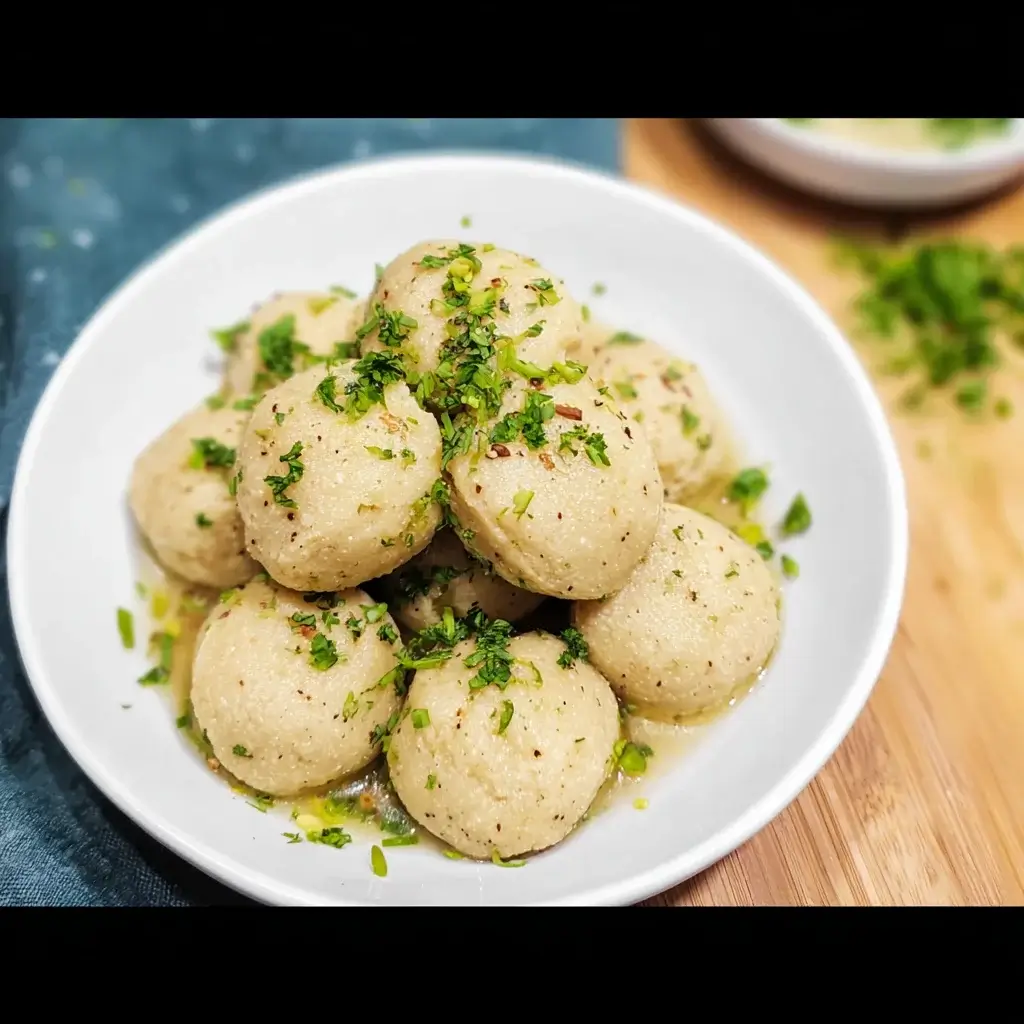
Giving up bread, pasta, and potatoes was a challenge when I first transitioned to a low-carb lifestyle, but the food I truly mourned was my grandmother’s chicken and dumplings. That dish was the epitome of comfort—a thick, savory soup filled with tender chicken and, most importantly, those soft, pillowy dumplings that soaked up all the delicious broth. For years, I assumed it was a pleasure I’d have to live without. The idea of a “keto dumpling” seemed like a culinary oxymoron. My early experiments were disastrous, resulting in everything from crumbly, disintegrating messes to dense, heavy sinkers. I was ready to give up until I stumbled upon the magic of combining super-fine almond flour with the right binder. The first time I dropped a spoonful of this dough into a simmering pot of chicken soup and watched it puff up, floating to the surface like a perfect, cloud-like dumpling, I nearly cried. The final test, of course, was the taste. It was tender, it was savory, it held together perfectly, and it had that wonderful, slightly doughy texture I had missed so dearly. It was a game-changer. Now, this Almond Flour Dumpling recipe is not just a substitute; it’s a star in its own right, a beloved part of our family’s comfort food rotation that satisfies everyone, low-carb or not.
The Science of a Perfect Almond Flour Dumpling
Before we get our hands doughy, it’s essential to understand why this recipe works and how it differs from traditional flour-based dumplings. This isn’t just about swapping one flour for another; it’s about re-engineering the concept of a dumpling using low-carb ingredients.
The biggest challenge is the absence of gluten. In traditional dumplings, gluten—the protein network formed from wheat flour—is what provides structure, chewiness, and elasticity. It’s the glue that holds everything together. Almond flour has zero gluten, so we need to create that structure using other ingredients.
This is where the two secret weapons of keto baking come in:
- Almond Flour: We use super-fine, blanched almond flour. “Super-fine” is key because it yields a smoother, less gritty texture, mimicking regular flour more closely. “Blanched” means the skins have been removed, resulting in a lighter color and milder flavor. Almond flour provides the bulk and a rich, slightly sweet, nutty flavor that is incredibly delicious in its own right.
- The Binder (Psyllium Husk Powder): This is the gluten stand-in. Psyllium husk is a type of soluble fiber that, when mixed with liquid, forms a gel-like substance. This substance creates a web that traps moisture and binds the almond flour together, giving the dough structure and a slightly chewy, “bready” texture. It’s the magic ingredient that prevents your dumplings from disintegrating in the hot broth. Xanthan gum can also be used, but psyllium provides a more rustic, bread-like quality.
The other components are equally important. An egg provides richness, additional binding, and protein. Baking powder is our leavening agent, reacting with the heat of the broth to create tiny air pockets that make the dumplings light and “pillowy” rather than dense. The seasonings are simple but crucial, infusing the dumpling itself with flavor so it’s not just a bland blob in your soup. Together, these ingredients create a tender, flavorful, and structurally sound dumpling that is a triumph of low-carb cooking.
Complete Ingredients for Almond Flour Dumplings
This recipe yields approximately 10-12 small dumplings, perfect for a large pot of soup serving 4-6 people.
For the Dumpling Dough:
- 1 ½ cups super-fine blanched almond flour – This is the base of our dough. Do not substitute with almond meal (which is coarser and contains skins) or coconut flour (which has vastly different properties).
- 2 tablespoons psyllium husk powder – The essential binder for structure and texture. Make sure you are using the fine powder, not the whole husks.
- Alternative: You can substitute with 1 ½ teaspoons of xanthan gum, though the texture will be slightly more gelatinous.
- 2 teaspoons baking powder – For lightness and a fluffy, pillowy texture. Ensure it’s fresh for the best lift.
- ½ teaspoon fine sea salt – To enhance all the flavors.
- ¼ teaspoon black pepper
- ½ teaspoon dried parsley or chives (optional) – For a hint of herby flavor within the dumpling.
- 1 large egg, lightly beaten
- 2 tablespoons melted unsalted butter or avocado oil – Adds richness and moisture.
- ¼ cup warm water or chicken broth – The liquid to activate the psyllium husk and bring the dough together. Using broth adds more flavor.
Step-by-Step Instructions to Create Perfect Keto Dumplings
Follow these steps precisely for tender, flavorful dumplings that hold together beautifully. The resting step is particularly important!
Step 1: Combine the Dry Ingredients
- In a medium-sized mixing bowl, add the super-fine almond flour, psyllium husk powder, baking powder, salt, pepper, and optional dried herbs.
- Whisk everything together thoroughly. This is a crucial step to ensure the baking powder and psyllium husk are evenly distributed throughout the flour, which will lead to a consistent texture and even rise in your dumplings.
Step 2: Add the Wet Ingredients and Form the Dough
- To the bowl of dry ingredients, add the lightly beaten egg and the melted butter or avocado oil.
- Using a spatula or wooden spoon, begin to mix the ingredients together. The mixture will look crumbly and dry at this point.
- Slowly pour in the warm water or chicken broth while continuing to mix. The dough will quickly transform from crumbly to a sticky, shaggy ball. Mix just until everything is combined; do not overmix.
Step 3: Let the Dough Rest (The Most Important Step!)
- Cover the bowl with a plate or plastic wrap and let the dough rest for 10 minutes.
- Do not skip this step! This resting period allows the psyllium husk powder to fully absorb the liquid and work its magic, transforming the sticky mixture into a firmer, workable dough. The dough will become noticeably less sticky and easier to handle after resting.
Step 4: Shape the Dumplings
- After the dough has rested, prepare a small bowl of water to wet your hands. This will prevent the dough from sticking to your palms.
- Scoop out portions of the dough using a tablespoon or a small cookie scoop for uniform size.
- With wet hands, gently roll each portion into a small ball. They will be about the size of a large gumball. Don’t compact them too tightly.
Step 5: Cook the Dumplings
- Bring your soup or broth to a full boil, then immediately reduce the heat to a gentle, consistent simmer. A rolling boil will cause the dumplings to break apart. This is the golden rule of cooking almond flour dumplings.
- Gently drop the shaped dumplings one by one into the simmering liquid, leaving space between them as they will puff up and expand. Do not overcrowd the pot; cook in batches if necessary.
- Cover the pot and let the dumplings simmer for 12-15 minutes. Do not lift the lid during the first 10 minutes.
- The dumplings are done when they have puffed up significantly and are floating on the surface. To be certain, you can remove one and cut it in half; it should be cooked through and fluffy on the inside.
Nutrition Facts: Comfort Food Without the Carbs
These dumplings are a dream for anyone on a keto, low-carb, or gluten-free diet. The estimates below are for a single dumpling, assuming the recipe yields 12 dumplings.
- Servings: 12 dumplings
- Calories per dumpling (approximate): 90-100 kcal
- Net Carbs per dumpling (approximate): 1-2 grams
This is a stark contrast to traditional flour dumplings, which can contain 15-20 grams of carbs each. These almond flour versions are packed with protein and healthy fats from the almond flour and egg, making them a satiating and nutritionally dense addition to your meal.
Preparation and Cook Time
Here’s a realistic timeline for making these delicious dumplings.
- Active Preparation Time: 10 minutes (mixing and shaping the dough).
- Resting Time: 10 minutes.
- Cook Time: 12-15 minutes.
- Total Time: Approximately 35 minutes.
How to Serve Your Almond Flour Dumplings
While these are born for soup, their versatility might surprise you. Here are some of our favorite ways to serve them.
- In a Classic Keto Chicken & Dumpling Soup:
- This is their natural habitat. Prepare your favorite chicken soup, ensuring it’s rich and flavorful. A base of chicken broth, shredded chicken, celery, carrots (in moderation for keto), and onions is perfect.
- Thicken the soup slightly before adding the dumplings by creating a slurry with a small amount of xanthan gum or by simmering a bit of heavy cream or cream cheese into the broth.
- Cook the dumplings directly in the final soup for a complete, one-pot comfort meal.
- With a Hearty Beef Stew:
- Swap out the chicken for a rich, slow-cooked beef stew. The savory dumplings are incredible at soaking up the deep, beefy gravy.
- As a Standalone Side Dish:
- Simmer the dumplings in a well-salted chicken or vegetable broth.
- Once cooked, remove them with a slotted spoon and serve them alongside a roasted chicken or pot roast, just as you would serve potatoes or pasta.
- Toss them in a sauce…
- With a Creamy Mushroom Sauce:
- Pan-fry some sliced mushrooms with garlic in butter. Deglaze with a splash of white wine, then stir in heavy cream and Parmesan cheese to create a luxurious sauce.
- Toss the cooked dumplings in the creamy mushroom sauce and garnish with fresh parsley. This makes for an elegant and satisfying vegetarian main course.
- Pan-Fried in Brown Butter:
- After simmering the dumplings in broth, gently pan-fry them in a skillet with butter until the butter browns and the dumplings are golden and slightly crispy on the outside.
- Sprinkle with fresh sage for a sophisticated flavor profile reminiscent of gnocchi.
5 Additional Tips for Dumpling Domination
These are the pro tips that will ensure your almond flour dumplings are perfect every single time.
- Do Not, Under Any Circumstances, Use a Rolling Boil: This is the most important rule and bears repeating. A vigorous, rolling boil will agitate the dumplings too much and cause them to break apart before the psyllium husk and egg have had time to set the structure. A gentle, lazy simmer is your best friend.
- Don’t Skip the Rest: It might be tempting to rush, but the 10-minute rest period is non-negotiable. This is when the dough transforms from a sticky mess into a cohesive, manageable dough. It’s a chemical process, and it needs time.
- Taste Your Broth First: The dumplings will absorb the flavor of whatever you cook them in. Before you drop them in, taste your soup or broth and make sure it is well-seasoned. If the broth is bland, your dumplings will be too.
- Don’t Overcrowd the Pot: Give your dumplings room to breathe! They will swell to about 1.5 times their original size. If you pack them in too tightly, they will steam instead of simmer, and they may stick together and cook unevenly. Cook in two batches if your pot isn’t large enough.
- Test One Dumpling First: If you are unsure about your simmer temperature or cooking time, cook a single “test dumpling” before committing the whole batch. This allows you to check for seasoning, ensure it holds together, and see how it cooks in your specific pot with your specific broth.
Frequently Asked Questions (FAQ)
Here are answers to the most common questions about this keto-friendly comfort food.
1. Why did my dumplings fall apart?
This is the most common issue and almost always comes down to one of three things: 1) The broth was boiling too aggressively. It must be a gentle simmer. 2) You skipped or shortened the 10-minute resting time for the dough. This step is crucial for the binder to work. 3) You forgot or didn’t use enough of the binder (psyllium husk powder or xanthan gum). It’s the essential glue holding everything together.
2. Can I use coconut flour instead of almond flour?
No, coconut flour cannot be substituted 1:1 for almond flour. Coconut flour is exceptionally absorbent, like a sponge, and requires a much higher ratio of liquid. Using it in this recipe without significant modifications would result in a very dry, crumbly dough that would not hold together. Stick to super-fine almond flour for this recipe.
3. Can I make the dumpling dough ahead of time?
Yes. You can prepare the dough, roll it into balls, and store them on a parchment-lined plate in the refrigerator, covered, for up to 24 hours before you plan to cook them. This can be a great time-saver for a weeknight meal.
4. How do I store and reheat leftover dumplings?
The best way to store leftovers is to keep the dumplings in the soup or stew. Store them together in an airtight container in the refrigerator for up to 3-4 days. To reheat, warm the soup gently on the stovetop or in the microwave. The dumplings will absorb more liquid as they sit, becoming even more tender and flavorful.
5. Can I freeze these dumplings?
Yes, they freeze surprisingly well. You have two options. 1) Freeze the uncooked dough balls: Place them on a baking sheet in the freezer until solid, then transfer to a freezer bag. You can drop them directly from frozen into simmering soup, adding a few extra minutes to the cooking time. 2) Freeze the cooked dumplings in soup: Let the soup cool completely, then freeze it in portions. Thaw and reheat gently.
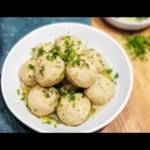
Almond Flour Dumplings recipe
Ingredients
For the Dumpling Dough:
-
1 ½ cups super-fine blanched almond flour – This is the base of our dough. Do not substitute with almond meal (which is coarser and contains skins) or coconut flour (which has vastly different properties).
-
2 tablespoons psyllium husk powder – The essential binder for structure and texture. Make sure you are using the fine powder, not the whole husks.
-
Alternative: You can substitute with 1 ½ teaspoons of xanthan gum, though the texture will be slightly more gelatinous.
-
2 teaspoons baking powder – For lightness and a fluffy, pillowy texture. Ensure it’s fresh for the best lift.
-
½ teaspoon fine sea salt – To enhance all the flavors.
-
¼ teaspoon black pepper
-
½ teaspoon dried parsley or chives (optional) – For a hint of herby flavor within the dumpling.
-
1 large egg, lightly beaten
-
2 tablespoons melted unsalted butter or avocado oil – Adds richness and moisture.
-
¼ cup warm water or chicken broth – The liquid to activate the psyllium husk and bring the dough together. Using broth adds more flavor.
Instructions
Step 1: Combine the Dry Ingredients
-
In a medium-sized mixing bowl, add the super-fine almond flour, psyllium husk powder, baking powder, salt, pepper, and optional dried herbs.
-
Whisk everything together thoroughly. This is a crucial step to ensure the baking powder and psyllium husk are evenly distributed throughout the flour, which will lead to a consistent texture and even rise in your dumplings.
Step 2: Add the Wet Ingredients and Form the Dough
-
To the bowl of dry ingredients, add the lightly beaten egg and the melted butter or avocado oil.
-
Using a spatula or wooden spoon, begin to mix the ingredients together. The mixture will look crumbly and dry at this point.
-
Slowly pour in the warm water or chicken broth while continuing to mix. The dough will quickly transform from crumbly to a sticky, shaggy ball. Mix just until everything is combined; do not overmix.
Step 3: Let the Dough Rest (The Most Important Step!)
-
Cover the bowl with a plate or plastic wrap and let the dough rest for 10 minutes.
-
Do not skip this step! This resting period allows the psyllium husk powder to fully absorb the liquid and work its magic, transforming the sticky mixture into a firmer, workable dough. The dough will become noticeably less sticky and easier to handle after resting.
Step 4: Shape the Dumplings
-
After the dough has rested, prepare a small bowl of water to wet your hands. This will prevent the dough from sticking to your palms.
-
Scoop out portions of the dough using a tablespoon or a small cookie scoop for uniform size.
-
With wet hands, gently roll each portion into a small ball. They will be about the size of a large gumball. Don’t compact them too tightly.
Step 5: Cook the Dumplings
-
Bring your soup or broth to a full boil, then immediately reduce the heat to a gentle, consistent simmer. A rolling boil will cause the dumplings to break apart. This is the golden rule of cooking almond flour dumplings.
-
Gently drop the shaped dumplings one by one into the simmering liquid, leaving space between them as they will puff up and expand. Do not overcrowd the pot; cook in batches if necessary.
-
Cover the pot and let the dumplings simmer for 12-15 minutes. Do not lift the lid during the first 10 minutes.
-
The dumplings are done when they have puffed up significantly and are floating on the surface. To be certain, you can remove one and cut it in half; it should be cooked through and fluffy on the inside.
Nutrition
- Serving Size: one normal portion
- Calories: 90-100 kcal
- Carbohydrates: 1-2 grams