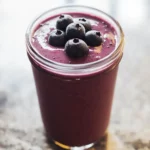
Ingredients
-
- 1 packet (3.5 ounces or 100 grams) Frozen Unsweetened Acai Berry Puree Packet: Frozen unsweetened acai berry puree is the foundational ingredient and the heart of this smoothie. It provides the signature acai berry flavor, a slightly tart and earthy taste often described as a blend of berries and chocolate. Using unsweetened puree allows you to control the sweetness of your smoothie and ensures you are getting the pure, unadulterated benefits of the acai berry. Look for frozen acai puree packets in the freezer section of health food stores or well-stocked supermarkets. Brands like Sambazon and Acai Roots are popular and readily available.
-
- Why Unsweetened? Unsweetened acai puree avoids added sugars, which can detract from the natural flavor and nutritional benefits. It allows you to customize the sweetness level with natural sweeteners like fruit or a touch of honey or maple syrup, if desired.
-
- Packet vs. Powder: While acai powder is also available, frozen puree packets are generally preferred for smoothies as they provide a creamier texture and more authentic flavor. Acai powder can be used if packets are unavailable, but you may need to adjust liquid ratios and add ice for thickness.
-
- Storage: Store frozen acai puree packets in the freezer until ready to use. They thaw quickly, making them convenient for smoothie preparation.
-
- 1 packet (3.5 ounces or 100 grams) Frozen Unsweetened Acai Berry Puree Packet: Frozen unsweetened acai berry puree is the foundational ingredient and the heart of this smoothie. It provides the signature acai berry flavor, a slightly tart and earthy taste often described as a blend of berries and chocolate. Using unsweetened puree allows you to control the sweetness of your smoothie and ensures you are getting the pure, unadulterated benefits of the acai berry. Look for frozen acai puree packets in the freezer section of health food stores or well-stocked supermarkets. Brands like Sambazon and Acai Roots are popular and readily available.
-
- 1/2 cup Frozen Berries (mixed berries, blueberries, strawberries, raspberries): Frozen berries are crucial for adding natural sweetness, flavor complexity, and a boost of antioxidants to the smoothie. Mixed berries offer a diverse range of flavors and nutrients, while focusing on specific berries like blueberries or strawberries can tailor the flavor profile. Frozen berries also contribute to the smoothie’s thick, frosty texture, eliminating the need for excessive ice.
-
- Berry Variety: Experiment with different berry combinations to find your favorite flavor. Blueberries are rich in antioxidants and add a sweet-tart flavor. Strawberries provide sweetness and vitamin C. Raspberries offer a slightly tart and tangy taste. Mixed berries provide a balanced blend of flavors and nutrients.
-
- Frozen vs. Fresh: Frozen berries are often more convenient, readily available year-round, and can be more affordable than fresh berries, especially out of season. Frozen berries are also picked at peak ripeness and frozen quickly, preserving their nutrients and flavor.
-
- Nutritional Boost: Berries are packed with vitamins, minerals, fiber, and antioxidants, particularly anthocyanins, which contribute to their vibrant colors and health benefits.
-
- 1/2 cup Frozen Berries (mixed berries, blueberries, strawberries, raspberries): Frozen berries are crucial for adding natural sweetness, flavor complexity, and a boost of antioxidants to the smoothie. Mixed berries offer a diverse range of flavors and nutrients, while focusing on specific berries like blueberries or strawberries can tailor the flavor profile. Frozen berries also contribute to the smoothie’s thick, frosty texture, eliminating the need for excessive ice.
-
- 1/2 Banana, frozen: Frozen banana is a secret weapon for creating a creamy, naturally sweet smoothie without added sugars or dairy. Frozen banana provides a smooth, ice cream-like texture and adds potassium, fiber, and natural sweetness. Using frozen banana is essential for achieving the desired smoothie consistency.
-
- Ripeness Matters: Use ripe bananas for the best sweetness and flavor. Overripe bananas, with brown spots, are ideal as they are sweeter and easier to digest.
-
- Freezing Bananas: Peel ripe bananas, slice them into chunks, and freeze them in a single layer on a baking sheet before transferring them to a freezer-safe bag or container. This prevents them from sticking together and makes them easy to blend.
-
- Potassium Powerhouse: Bananas are an excellent source of potassium, an essential electrolyte that plays a crucial role in muscle function, nerve signaling, and blood pressure regulation.
-
- 1/2 Banana, frozen: Frozen banana is a secret weapon for creating a creamy, naturally sweet smoothie without added sugars or dairy. Frozen banana provides a smooth, ice cream-like texture and adds potassium, fiber, and natural sweetness. Using frozen banana is essential for achieving the desired smoothie consistency.
-
- 1/2 cup Liquid (unsweetened almond milk, coconut water, regular milk, or juice): Liquid is necessary to help blend the smoothie ingredients and achieve the desired consistency. Unsweetened almond milk is a popular choice for its low calorie and dairy-free nature, while coconut water adds hydration and electrolytes. Regular milk (dairy or non-dairy) provides creaminess and protein. Juice (like apple juice or berry juice) can add extra sweetness and flavor, but be mindful of added sugars.
-
- Liquid Options:
-
- Unsweetened Almond Milk: Low in calories, dairy-free, and adds a slightly nutty flavor.
-
- Coconut Water: Hydrating, electrolyte-rich, and adds a subtle tropical flavor.
-
- Regular Milk (Dairy or Non-Dairy): Provides creaminess and protein. Dairy milk adds calcium and vitamin D. Non-dairy options like oat milk, soy milk, or cashew milk offer different flavors and nutritional profiles.
-
- Juice (Apple, Berry, Pomegranate): Adds sweetness and flavor, but can increase sugar content. Choose 100% juice and use in moderation.
-
- Liquid Options:
-
- Consistency Control: Adjust the amount of liquid to achieve your preferred smoothie consistency. For a thicker smoothie, use less liquid. For a thinner smoothie, add more liquid.
-
- 1/2 cup Liquid (unsweetened almond milk, coconut water, regular milk, or juice): Liquid is necessary to help blend the smoothie ingredients and achieve the desired consistency. Unsweetened almond milk is a popular choice for its low calorie and dairy-free nature, while coconut water adds hydration and electrolytes. Regular milk (dairy or non-dairy) provides creaminess and protein. Juice (like apple juice or berry juice) can add extra sweetness and flavor, but be mindful of added sugars.
-
- Optional Boosters (choose 1-2 or combine for extra nutrition and flavor):
-
- 1 tablespoon Nut Butter (almond butter, peanut butter, cashew butter): Nut butter adds healthy fats, protein, and a creamy texture, making the smoothie more satisfying and nutrient-dense. Almond butter, peanut butter, and cashew butter are all excellent choices, each offering a unique flavor profile.
-
- Healthy Fats and Protein: Nut butters are a good source of monounsaturated and polyunsaturated fats, which are beneficial for heart health. They also contribute protein, which helps with satiety and muscle building.
-
- Flavor and Texture: Nut butter adds a rich, nutty flavor and a creamy texture to the smoothie.
-
- 1 tablespoon Nut Butter (almond butter, peanut butter, cashew butter): Nut butter adds healthy fats, protein, and a creamy texture, making the smoothie more satisfying and nutrient-dense. Almond butter, peanut butter, and cashew butter are all excellent choices, each offering a unique flavor profile.
-
- 1 tablespoon Seeds (chia seeds, flax seeds, hemp seeds): Seeds are nutritional powerhouses, adding omega-3 fatty acids, fiber, and protein to the smoothie. Chia seeds, flax seeds, and hemp seeds are all excellent choices, each offering slightly different nutritional benefits.
-
- Omega-3 Fatty Acids: Flax seeds and chia seeds are particularly rich in omega-3 fatty acids, which are important for brain health, heart health, and reducing inflammation.
-
- Fiber and Protein: Seeds contribute fiber, which aids in digestion and promotes fullness, and protein, which is essential for various bodily functions.
-
- 1 tablespoon Seeds (chia seeds, flax seeds, hemp seeds): Seeds are nutritional powerhouses, adding omega-3 fatty acids, fiber, and protein to the smoothie. Chia seeds, flax seeds, and hemp seeds are all excellent choices, each offering slightly different nutritional benefits.
-
- 1 scoop Protein Powder (vanilla or berry flavored plant-based or whey protein): Protein powder is a convenient way to boost the protein content of the smoothie, making it more satisfying and supportive of muscle recovery and satiety. Vanilla or berry flavored protein powders complement the acai berry and berry flavors well. Plant-based protein powders (like pea protein, brown rice protein, or soy protein) are suitable for vegans and those with dairy sensitivities. Whey protein is a popular choice for post-workout smoothies.
-
- Protein Boost: Protein powder significantly increases the protein content of the smoothie, making it a more substantial and filling meal or snack.
-
- Muscle Recovery and Satiety: Protein is essential for muscle repair and growth, particularly after exercise. It also helps promote satiety, keeping you feeling fuller for longer.
-
- 1 scoop Protein Powder (vanilla or berry flavored plant-based or whey protein): Protein powder is a convenient way to boost the protein content of the smoothie, making it more satisfying and supportive of muscle recovery and satiety. Vanilla or berry flavored protein powders complement the acai berry and berry flavors well. Plant-based protein powders (like pea protein, brown rice protein, or soy protein) are suitable for vegans and those with dairy sensitivities. Whey protein is a popular choice for post-workout smoothies.
-
- 1/2 cup Spinach or Kale (fresh or frozen): Adding leafy greens like spinach or kale is a fantastic way to sneak in extra vitamins, minerals, and antioxidants without significantly altering the smoothie’s flavor. Spinach is milder in flavor than kale and blends seamlessly into smoothies. Kale provides a more robust nutritional profile but may have a slightly more noticeable taste.
-
- Hidden Nutrients: Leafy greens are packed with vitamins A, C, K, and folate, as well as minerals like iron and calcium.
-
- Mild Flavor (Spinach): Spinach has a very mild flavor that is easily masked by the other smoothie ingredients, making it a great way to add greens without affecting the taste.
-
- 1/2 cup Spinach or Kale (fresh or frozen): Adding leafy greens like spinach or kale is a fantastic way to sneak in extra vitamins, minerals, and antioxidants without significantly altering the smoothie’s flavor. Spinach is milder in flavor than kale and blends seamlessly into smoothies. Kale provides a more robust nutritional profile but may have a slightly more noticeable taste.
-
- 1 teaspoon Cacao Powder or Cocoa Powder: Cacao powder or cocoa powder enhances the chocolatey undertones of acai berries and adds antioxidants and a rich, decadent flavor. Cacao powder is less processed than cocoa powder and retains more of its natural nutrients and antioxidants.
-
- Chocolatey Flavor: Cacao or cocoa powder complements the acai berry flavor beautifully, creating a delicious and indulgent taste.
-
- Antioxidant Boost: Cacao and cocoa powder are rich in antioxidants, particularly flavonoids, which have various health benefits.
-
- 1 teaspoon Cacao Powder or Cocoa Powder: Cacao powder or cocoa powder enhances the chocolatey undertones of acai berries and adds antioxidants and a rich, decadent flavor. Cacao powder is less processed than cocoa powder and retains more of its natural nutrients and antioxidants.
-
- Sweetener (optional, honey, maple syrup, stevia, dates to taste): Depending on your preference and the sweetness of your fruit, you may want to add a touch of sweetener. Natural sweeteners like honey, maple syrup, stevia, or dates are healthier options than refined sugars. Start with a small amount and adjust to taste. Ripe bananas and berries often provide enough sweetness, especially if using sweet Thai chili sauce.
-
- Natural Sweetness: Honey, maple syrup, and dates provide natural sweetness along with some trace minerals and antioxidants.
-
- Stevia: A plant-based, zero-calorie sweetener option.
-
- Taste Preference: Adjust the amount of sweetener based on your individual taste preferences and the ripeness of your fruit.
-
- Sweetener (optional, honey, maple syrup, stevia, dates to taste): Depending on your preference and the sweetness of your fruit, you may want to add a touch of sweetener. Natural sweeteners like honey, maple syrup, stevia, or dates are healthier options than refined sugars. Start with a small amount and adjust to taste. Ripe bananas and berries often provide enough sweetness, especially if using sweet Thai chili sauce.
-
- Optional Boosters (choose 1-2 or combine for extra nutrition and flavor):
Instructions
-
- Prepare Ingredients: Gather all your ingredients: frozen acai puree packet, frozen berries, frozen banana, liquid of choice, and any optional boosters you are using.
-
- Break Acai Packet (If Necessary): If your frozen acai puree packet is very hard, you may need to break it into smaller pieces before adding it to the blender. You can do this by running the packet under warm water for a few seconds or gently tapping it on a countertop.
-
- Combine Ingredients in Blender: Add all ingredients to a high-speed blender in the following order (this order can help with blending):
-
- Liquid (almond milk, coconut water, etc.) – Add liquid first to help with blending.
-
- Frozen Acai Puree Packet
-
- Frozen Berries
-
- Frozen Banana
-
- Optional Boosters (nut butter, seeds, protein powder, greens, cacao powder, sweetener)
-
- Combine Ingredients in Blender: Add all ingredients to a high-speed blender in the following order (this order can help with blending):
-
- Blend Until Smooth: Securely lid the blender and blend on high speed until all ingredients are completely smooth and creamy. This may take 30-60 seconds, depending on your blender’s power and the frozenness of your ingredients. Stop blending occasionally to scrape down the sides of the blender jar with a spatula if needed to ensure even blending.
-
- Check Consistency and Adjust (If Needed): Once blended, check the smoothie’s consistency. If it is too thick, add a little more liquid (1-2 tablespoons at a time) and blend again until you reach your desired consistency. If it is too thin, add a few more frozen berries or banana and blend again.
-
- Taste and Adjust Sweetness (If Needed): Taste the smoothie and adjust sweetness if desired. If you prefer a sweeter smoothie, add a small amount of your chosen sweetener (honey, maple syrup, stevia, dates) and blend again until incorporated.
-
- Pour and Serve Immediately: Pour the Acai Berry Smoothie into a glass or bowl. Acai smoothies are best enjoyed immediately for optimal freshness and texture.
-
- Add Toppings (Optional): For extra flavor, texture, and visual appeal, add your favorite toppings. See the “How to Serve” section for topping ideas.
-
- Enjoy! Savor your delicious and nutritious Acai Berry Smoothie!
Nutrition
- Serving Size: one normal portion
- Calories: 300-400
- Sugar: 30-40 grams
- Sodium: 50-150 mg
- Fat: 5-8 grams
- Saturated Fat: 0-1 gram
- Carbohydrates: 50-70 grams
- Fiber: 8-12 grams
- Protein: 5-8 grams