
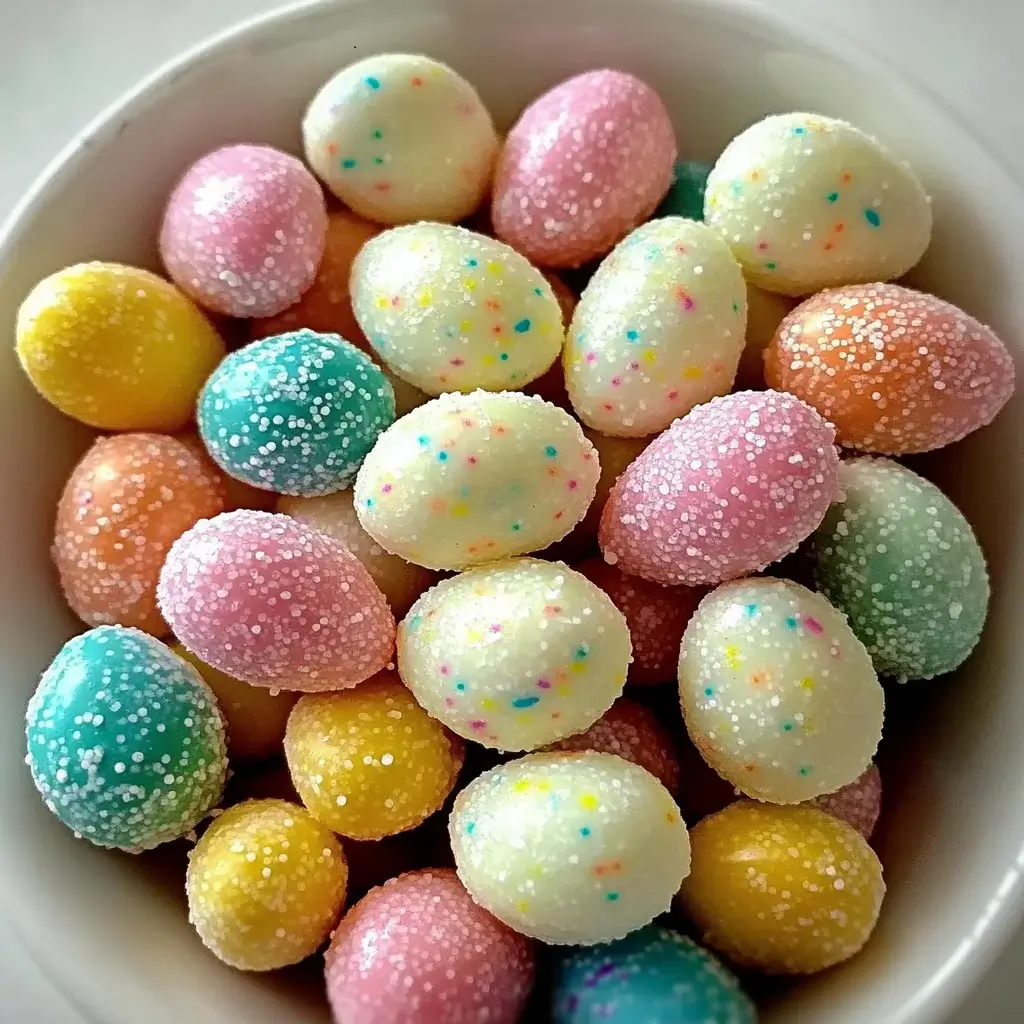
Easter in our house is synonymous with two things: egg hunts and homemade candies. While the thrill of the hunt is undeniably exciting, there’s a different kind of magic in the kitchen as we transform simple ingredients into beautiful, delicious Easter treats. This year, we decided to focus on white chocolate Easter eggs, and honestly, it was a revelation. I had always been a bit intimidated by candy making, imagining complicated processes and finicky chocolate. But this recipe? It’s surprisingly straightforward, even for a novice like me. The kids were completely enthralled, from carefully melting the white chocolate to swirling in vibrant colors and showering the molds with sprinkles. And the taste? Oh my goodness. These aren’t your average store-bought Easter eggs. The homemade white chocolate is rich, creamy, and intensely flavorful, far superior to anything pre-packaged. The slight snap as you bite into the shell, the smooth melt-in-your-mouth ganache filling – it’s pure Easter indulgence. These White Chocolate Easter Egg Candies have become our new family tradition, a testament to the joy of homemade treats and the simple pleasure of sharing deliciousness with loved ones. If you’re looking to add a touch of homemade sweetness to your Easter celebrations, and want a project that’s fun, rewarding, and utterly irresistible, then you absolutely must try this recipe. Get ready to create Easter magic in your own kitchen!
Ingredients: The Foundation of Exquisite White Chocolate Easter Eggs
Crafting exquisite White Chocolate Easter Egg Candies starts with selecting the right ingredients. While the list is relatively short, each component plays a crucial role in the final taste, texture, and appearance of your homemade Easter treats. Let’s break down each ingredient, explore your options, and understand why quality matters in candy making.
- White Chocolate (1 pound, high-quality, chopped): White chocolate is the star of this recipe, and choosing a good quality brand will make a significant difference in the final product. “White chocolate” is technically not chocolate at all as it doesn’t contain chocolate solids. Instead, it’s made from cocoa butter, sugar, and milk solids. Here’s what to look for when selecting white chocolate:
- Cocoa Butter Content: High-quality white chocolate should contain at least 20% cocoa butter. Cocoa butter is what gives white chocolate its smooth, melt-in-your-mouth texture and rich flavor. Check the ingredient list on the packaging – cocoa butter should be listed as an ingredient. Avoid “compound” white chocolate or “white baking chips” that may contain vegetable oils instead of cocoa butter, as these will not melt and temper properly and will have a waxy texture.
- Flavor Profile: Different brands of white chocolate will have varying flavor profiles. Some are sweeter, some are more buttery, and some have subtle vanilla notes. Experiment with different brands to find your favorite. Premium brands often use higher quality cocoa butter and vanilla, resulting in a more complex and nuanced flavor.
- Form: White chocolate comes in various forms: bars, wafers, or chips. Bars are generally considered higher quality and are easier to chop evenly for melting. Wafers are designed for melting and are also a good option. White chocolate chips, while convenient, can sometimes contain stabilizers that can affect melting. If using chips, opt for high-quality brands and consider adding a small amount of cocoa butter to aid in smooth melting.
- Fair Trade and Ethical Sourcing: If you are concerned about ethical sourcing, look for white chocolate that is Fair Trade certified or from companies that prioritize sustainable and ethical cocoa sourcing practices.
- Chopping: Regardless of the form you choose, chopping the white chocolate into smaller, uniform pieces is essential for even melting. Smaller pieces melt faster and more evenly, preventing scorching or seizing. Use a serrated knife for chopping bars, and ensure wafers or chips are relatively uniform in size.
- Heavy Cream (½ cup, minimum 36% milkfat) or Coconut Cream (for vegan): Heavy cream is used to create a luscious white chocolate ganache filling for the Easter eggs. It adds richness, creaminess, and a smooth, melt-in-your-mouth texture.
- Heavy Cream (Dairy): Heavy cream, also known as heavy whipping cream, is crucial for creating a stable and decadent ganache. Ensure it has a minimum of 36% milkfat. Higher fat content creams will whip up better and create a richer ganache.
- Coconut Cream (Vegan): For a vegan option, full-fat coconut cream is an excellent substitute for heavy cream. Refrigerate a can of full-fat coconut milk overnight. The thick, solid cream will rise to the top, while the watery liquid will settle at the bottom. Scoop out only the thick coconut cream for the ganache, leaving the watery liquid behind (you can use the liquid for smoothies or other recipes). Coconut cream will impart a subtle coconut flavor to the ganache, which can be complementary to white chocolate, or you can use refined coconut oil for a more neutral flavor.
- Flavorings (½ – 1 teaspoon, optional but recommended): Flavorings enhance the taste of the white chocolate ganache and allow you to customize your Easter eggs.
- Vanilla Extract: Vanilla extract is a classic and versatile flavoring that complements white chocolate beautifully. Use pure vanilla extract for the best flavor. Vanilla bean paste or a split vanilla bean can also be used for a more intense vanilla flavor.
- Other Extracts: Experiment with other extracts to create unique flavor combinations. Consider almond extract, peppermint extract (for a mint chocolate egg), lemon extract, orange extract, or raspberry extract. Use extracts sparingly as they can be potent.
- Citrus Zest: Finely grated citrus zest (lemon, orange, lime) adds a bright, fresh, and aromatic flavor to the ganache.
- Espresso Powder: A small amount of espresso powder enhances the richness of the white chocolate and adds a subtle coffee note (works particularly well with vanilla).
- Liqueurs: A tablespoon of liqueur, such as Grand Marnier, Frangelico, or crème de menthe, can add a sophisticated and boozy twist (for adult Easter eggs only!).
- Food Coloring (Gel or Oil-Based, optional): Food coloring allows you to create vibrant and colorful Easter eggs.
- Gel Food Coloring: Gel food coloring is highly concentrated and provides intense color without adding excess liquid to the white chocolate. It’s the preferred type for coloring chocolate as it’s less likely to cause seizing.
- Oil-Based Food Coloring (Candy Colors): Oil-based food coloring, also known as candy colors, is specifically designed for coloring chocolate and candy melts. It disperses evenly in fat-based mediums like white chocolate and won’t cause seizing.
- Liquid Food Coloring (Water-Based – Use Sparingly): Liquid food coloring (the type you find in grocery stores for cake decorating) is water-based and can cause white chocolate to seize if used in large quantities. If using liquid food coloring, use it sparingly and add it drop by drop, mixing thoroughly after each addition. It’s generally best to avoid water-based food coloring for chocolate.
- Natural Food Coloring: For natural food coloring options, consider using beet juice powder (pink/red), turmeric powder (yellow), spinach powder (green), or butterfly pea flower powder (blue/purple). These may impart subtle flavors and may not be as vibrant as artificial food coloring.
- Sprinkles and Decorations (optional): Sprinkles, edible glitter, colored sugar, and other edible decorations add a festive touch and personalize your Easter eggs.
- Sprinkles: Choose your favorite sprinkles – nonpareils, jimmies, confetti sprinkles, sanding sugar, etc. – in Easter colors or pastel shades.
- Edible Glitter: Edible glitter adds a shimmering, sparkly effect.
- Colored Sugar: Colored sanding sugar or decorating sugar provides a sparkly and textured finish.
- Melted Chocolate (Dark, Milk, or Colored Candy Melts): Melted chocolate can be used to drizzle patterns, create designs, or attach decorations to the Easter eggs.
- Edible Markers: Edible markers allow you to draw designs or write messages directly on the white chocolate eggs.
- Dried Edible Flowers: For a sophisticated and natural look, press dried edible flowers onto the white chocolate before it sets.
By carefully selecting each ingredient and considering the quality and flavor impact, you’re setting the stage for creating truly exceptional White Chocolate Easter Egg Candies that are both beautiful and delicious.
Instructions: Crafting Your White Chocolate Easter Egg Masterpieces
Creating White Chocolate Easter Egg Candies is a fun and rewarding process. While it requires a bit of patience, following these step-by-step instructions will guide you through each stage, from melting the chocolate to demolding and decorating your Easter masterpieces.
- Melt the White Chocolate: Melting white chocolate properly is crucial for achieving a smooth and glossy finish. White chocolate is more delicate than dark or milk chocolate and can seize easily if overheated. Use one of these methods:
- Double Boiler Method (Recommended for Best Control): Fill a saucepan with about 1-2 inches of water and bring to a gentle simmer over medium-low heat. Place a heatproof bowl (glass or stainless steel) on top of the saucepan, ensuring the bottom of the bowl does not touch the water. Add the chopped white chocolate to the bowl. Stir gently and constantly as the chocolate melts, until it is smooth and completely melted. Remove the bowl from the heat as soon as the chocolate is melted. Residual heat will continue to melt any remaining small pieces. Avoid overheating – white chocolate should melt at a relatively low temperature (around 110-115°F or 43-46°C).
- Microwave Method (Quick but Requires Careful Monitoring): Place the chopped white chocolate in a microwave-safe bowl. Microwave in 30-second intervals at 50% power, stirring well after each interval. Continue microwaving in 15-second intervals, stirring each time, until the chocolate is almost completely melted. Remove from the microwave and stir vigorously until the remaining pieces melt and the chocolate is smooth. Microwaving white chocolate requires careful attention to prevent overheating and seizing.
- Tips for Melting White Chocolate:
- Chop Chocolate Finely: Smaller pieces melt more evenly and quickly.
- Low and Slow Heat: Use gentle heat and melt the chocolate slowly to prevent scorching.
- Stir Constantly: Stirring helps distribute heat evenly and prevents hot spots that can cause seizing.
- Avoid Water: Even a tiny drop of water can cause white chocolate to seize (become grainy and stiff). Ensure your bowl and utensils are completely dry. Be careful not to let steam from the simmering water in the double boiler come into contact with the chocolate.
- Don’t Overheat: Overheating is the most common cause of seized white chocolate. Melt it just until smooth and remove from heat promptly.
- Make the White Chocolate Ganache Filling: While the white chocolate is melting (or after it has melted and cooled slightly), prepare the ganache filling:
- Heat Heavy Cream (or Coconut Cream): In a small saucepan, heat the heavy cream (or coconut cream) over medium heat until it just begins to simmer around the edges. Do not boil.
- Pour Hot Cream Over White Chocolate: Pour the hot cream over the melted white chocolate in the bowl. Let it sit for about a minute to allow the heat to melt the chocolate further.
- Whisk Until Smooth: Gently whisk the mixture together until it is smooth, glossy, and emulsified (well combined). Start stirring from the center and gradually expand outwards. Avoid vigorous whisking, which can introduce air bubbles.
- Add Flavorings (Optional): Stir in your chosen flavorings, such as vanilla extract, almond extract, citrus zest, or liqueur. Mix until evenly incorporated.
- Cool Ganache (Slightly): Allow the ganache to cool slightly at room temperature for about 10-15 minutes. This will allow it to thicken slightly and become easier to pipe or spoon into the egg molds. Do not let it cool too much or it will become too thick to work with.
- Color the White Chocolate (Optional): If you want to create colored Easter eggs, divide the melted white chocolate (before making the ganache) into separate bowls. Add a few drops of gel or oil-based food coloring to each bowl and stir gently until the color is evenly distributed. Start with a small amount of coloring and add more gradually to achieve your desired shade. Remember that colors will lighten slightly as the chocolate sets.
- Fill the Easter Egg Molds:
- Prepare Molds: Ensure your Easter egg molds are clean and completely dry. Silicone molds or polycarbonate molds work well.
- Spoon or Pipe Chocolate Shell: Spoon or pipe a layer of melted white chocolate (or colored white chocolate) into each mold cavity, coating the entire inside surface evenly. Make sure the chocolate goes all the way up to the edges of the mold. For hollow eggs, you will need to create a shell. For solid eggs, fill the mold completely.
- Create Chocolate Shells (for hollow eggs): For hollow eggs, after coating the molds, turn them upside down over a baking sheet lined with parchment paper and tap gently to remove excess chocolate. This will create a shell. Scrape off any excess chocolate around the edges of the molds with a spatula. Refrigerate the molds for 5-10 minutes to allow the chocolate shell to set slightly. You may need to repeat this process with another layer of chocolate to create a thicker shell.
- Fill with Ganache (after shells are partially set): Once the chocolate shells are partially set (firm but not completely hardened), remove them from the refrigerator. Spoon or pipe the cooled white chocolate ganache filling into the center of each egg shell, leaving a small space at the top for sealing.
- Seal the Eggs (for hollow eggs): Spoon or pipe more melted white chocolate over the ganache filling to seal the eggs and create a base. Smooth the top with a spatula.
- Chill to Set: Refrigerate the filled Easter egg molds for at least 30 minutes, or until the chocolate is completely set and firm. Chilling helps the chocolate solidify and makes demolding easier.
- Demold the Easter Eggs: Once the chocolate is fully set, gently demold the Easter eggs. If using silicone molds, you can usually push from the bottom to release the eggs. For polycarbonate molds, you may need to gently tap the molds upside down on a clean surface to release the eggs. If eggs are sticking, you can try chilling them for a few more minutes or gently flexing the mold.
- Decorate (Optional): Now comes the fun part – decorating!
- Sprinkles: While the chocolate is still slightly tacky after demolding, immediately sprinkle with sprinkles, colored sugar, or edible glitter.
- Drizzled Chocolate: Melt dark, milk, or colored candy melts and drizzle patterns over the eggs using a piping bag or a spoon.
- Edible Markers: Use edible markers to draw designs or write messages on the set chocolate.
- Attach Decorations: Use a small amount of melted chocolate as “glue” to attach decorations like candy pearls, edible flowers, or fondant shapes.
- Store: Store your White Chocolate Easter Egg Candies in an airtight container in a cool, dry place, away from direct sunlight or heat. They can be stored at room temperature if it’s not too warm, or in the refrigerator for longer storage.
By following these detailed instructions, you’ll be able to craft beautiful and delicious White Chocolate Easter Egg Candies that are sure to impress and delight. Enjoy the creative process and the delicious results!
Nutrition Facts: Indulging in Moderation this Easter
White Chocolate Easter Egg Candies are a delightful indulgence, perfect for celebrating Easter. However, like all candies, they are best enjoyed in moderation as part of a balanced diet. Let’s examine the estimated nutritional profile of these homemade treats.
Servings: This recipe yields approximately 12-18 Easter eggs, depending on the size of your molds. A typical serving size is 1-2 Easter eggs.
Calories Per Serving (estimated, per egg): Approximately 150-250 calories per egg. This is a broad estimate and can vary significantly based on the size of the Easter egg molds, the type of white chocolate used, the richness of the ganache filling, and any added decorations.
Detailed Nutritional Breakdown (per serving, approximate, per egg, estimated average):
- Calories: 150-250
- Total Fat: 10-18g
- Saturated Fat: 6-12g (primarily from white chocolate and heavy cream/coconut cream)
- Monounsaturated Fat: Moderate (from cocoa butter and cream)
- Polyunsaturated Fat: Low
- Cholesterol: 20-40mg (if using dairy heavy cream and white chocolate with milk solids) / 0mg (if using vegan coconut cream and vegan white chocolate)
- Sodium: 10-30mg (naturally occurring in ingredients, can vary based on white chocolate brand)
- Total Carbohydrates: 15-25g
- Dietary Fiber: 0-1g (minimal fiber content)
- Sugars: 15-25g (primarily from sugar in white chocolate and ganache)
- Protein: 1-3g (primarily from milk solids in white chocolate and heavy cream/coconut cream)
Nutritional Considerations:
- High in Sugar: White Chocolate Easter Egg Candies are primarily sugar and fat, and are high in added sugars. Enjoy them as occasional treats rather than everyday snacks.
- High in Saturated Fat: They are also relatively high in saturated fat, particularly if made with dairy heavy cream and traditional white chocolate. Choose high-quality white chocolate with a good cocoa butter content for better flavor and potentially slightly lower sugar content compared to cheaper options.
- Moderate Calories: Each egg can be moderately calorie-dense, especially larger eggs or those with richer fillings. Be mindful of portion sizes.
- Minimal Fiber and Micronutrients: These candies provide minimal dietary fiber, vitamins, and minerals. They are primarily a source of calories, fat, and sugar.
Tips for Making Them Slightly “Healthier” (while still being treats!):
- Use Dark Chocolate for Decoration: Drizzling with dark chocolate instead of white chocolate for decoration can add antioxidants and slightly reduce the overall sugar content.
- Choose High-Quality White Chocolate: Better quality white chocolate may have a more intense flavor, allowing you to be satisfied with a smaller portion.
- Use Natural Flavorings: Flavor with natural extracts and citrus zest instead of artificial flavorings.
- Consider Vegan Options: Using coconut cream and vegan white chocolate can reduce cholesterol and saturated fat intake.
Ultimately, White Chocolate Easter Egg Candies are intended as special occasion treats. Enjoy their deliciousness and festive charm, but remember to balance them with a diet rich in fruits, vegetables, whole grains, and lean protein for overall health and well-being. Moderation is key to enjoying these sweet indulgences guilt-free!
Preparation Time: Plan Ahead for Easter Candy Success
Making White Chocolate Easter Egg Candies involves several steps, including chilling time, so it’s best to plan ahead and allocate enough time for each stage. While the active preparation time is relatively short, the chilling time is essential for the chocolate to set properly.
Total Preparation Time: Approximately 1.5 – 2.5 hours (including chilling time)
Breakdown of Time:
- Active Prep Time (Melting Chocolate, Making Ganache, Filling Molds, Decorating): 30-45 minutes (This is the hands-on time where you are actively working on the recipe). Melting chocolate and making ganache is relatively quick. Breading (if used) adds a bit more time. Filling and decorating are also fairly quick but depend on the complexity of your designs.
- Chilling Time (Setting Chocolate Shells and Filled Eggs): 1-2 hours (This is passive time where the chocolate is chilling in the refrigerator. You can do other things while the chocolate sets). The initial shell setting takes about 5-10 minutes per layer. Setting the filled eggs fully takes at least 30 minutes, but longer chilling (1-2 hours) ensures they are firm and easy to demold.
Efficiency Tips to Speed Up Preparation:
- Prepare Ganache While Chocolate Sets: While the chocolate shells are chilling and setting, you can prepare the white chocolate ganache filling to maximize efficiency and minimize downtime.
- Work in Batches (if making large quantities): If you are making a large batch of Easter eggs, you can work in batches – melting chocolate, filling molds, chilling, demolding, and then repeating the process. This can help streamline the process.
- Simple Decorations for Speed: Opt for simple decorations like sprinkles or colored sugar, which are quick and easy to apply, rather than more elaborate designs that take more time.
- Use Pre-Chopped White Chocolate (if available): Using pre-chopped white chocolate or wafers can save a few minutes of prep time.
- Enlist Helpers: Candy making is a fun activity to do with kids or friends. Enlist helpers to assist with chopping chocolate, filling molds, or decorating to speed up the overall process.
While the total preparation time might seem lengthy due to chilling, the active time is quite manageable. Breaking the process into stages and utilizing chilling time effectively allows you to create these impressive homemade Easter treats without feeling overwhelmed. Planning ahead and starting a few hours before you need them ensures your White Chocolate Easter Egg Candies will be ready in time for your Easter celebrations!
How to Serve: Presenting Your White Chocolate Easter Egg Creations
The way you present your White Chocolate Easter Egg Candies can elevate them from simple treats to delightful Easter gifts or elegant dessert offerings. Here are some creative serving and presentation ideas to make your homemade Easter eggs extra special:
Gift-Giving Presentation:
- Individual Cellophane Bags: Place each Easter egg in a clear cellophane bag and tie with a ribbon in pastel colors or Easter-themed patterns. Add a personalized gift tag for a thoughtful touch.
- Mini Easter Baskets: Arrange a few Easter eggs in a small Easter basket lined with crinkle paper or Easter grass. Add other small candies or treats to create a charming gift basket.
- Decorative Boxes: Place Easter eggs in small decorative boxes lined with tissue paper. Choose boxes in Easter colors or with Easter-themed designs.
- Egg Cartons (Repurposed): Repurpose clean egg cartons by decorating them with paint or paper and using them to package individual Easter eggs. This is a cute and eco-friendly option.
- Tins: Arrange Easter eggs in decorative tins, which can be reused by the recipient.
Dessert Platter and Serving Ideas:
- Easter Dessert Platter: Feature your White Chocolate Easter Egg Candies as part of a larger Easter dessert platter. Combine them with other Easter treats like cookies, cupcakes, macarons, and fresh fruit for a beautiful and varied display.
- Cake or Cupcake Toppers: Use small White Chocolate Easter Eggs as adorable toppers for Easter cakes or cupcakes.
- Easter Egg Hunt Treats: Of course, these homemade Easter eggs are perfect for hiding in an Easter egg hunt! Their beautiful appearance and delicious taste make them a special find.
- Elegant Dessert Plate: Serve individual Easter eggs on small dessert plates, perhaps with a scoop of ice cream, fresh berries, or a drizzle of chocolate sauce for a more refined dessert presentation.
- Centerpiece Decoration (Edible): Arrange a cluster of White Chocolate Easter Eggs in a decorative bowl or on a cake stand as an edible centerpiece for your Easter table.
Serving Temperature:
- Serve at Room Temperature or Slightly Chilled: White Chocolate Easter Egg Candies can be served at room temperature or slightly chilled. If serving chilled, take them out of the refrigerator about 15-20 minutes before serving to allow the ganache filling to soften slightly and the flavors to become more pronounced.
- Avoid Serving Warm: Avoid serving them warm or in direct sunlight as the white chocolate can melt easily, especially in warmer temperatures.
By paying attention to presentation, you can transform your homemade White Chocolate Easter Egg Candies into truly special gifts and elegant dessert offerings that will be admired and enjoyed by everyone. Let your creativity shine and make your Easter treats visually stunning as well as deliciously satisfying!
Additional Tips for Easter Egg Candy Success: Mastering White Chocolate
To ensure your White Chocolate Easter Egg Candies are consistently perfect, beautiful, and delicious, here are five essential additional tips, focusing on mastering the art of working with white chocolate:
- Use High-Quality White Chocolate (It Makes a HUGE Difference): As mentioned earlier, the quality of your white chocolate is paramount. Invest in high-quality white chocolate with a good cocoa butter content. Avoid cheap “compound” white chocolate or baking chips that contain vegetable oils. Good quality white chocolate will melt more smoothly, have a richer flavor, and temper (if you choose to temper) much more effectively, resulting in a superior final product in terms of both taste and texture.
- Control the Temperature (Gentle Melting is Key): White chocolate is delicate and prone to seizing if overheated. Melt it gently and slowly using a double boiler or microwave at low power. Monitor the temperature carefully and avoid overheating. White chocolate should melt around 110-115°F (43-46°C). Overheating can lead to a grainy texture and loss of shine. If using a microwave, use short intervals (30 seconds at 50% power, then 15-second intervals) and stir frequently.
- Keep Everything Dry (Water is White Chocolate’s Enemy): Water is the nemesis of melted chocolate, especially white chocolate. Even a tiny drop of water can cause it to seize and become unusable. Ensure all your bowls, utensils, and molds are completely dry before working with white chocolate. When using a double boiler, make sure the bottom of the bowl does not touch the simmering water, and be careful not to let steam escape and condense into the chocolate.
- Consider Tempering White Chocolate (for Professional Finish): Tempering white chocolate gives it a beautiful glossy shine, a crisp snap, and makes it more stable at room temperature (less prone to melting or blooming – white streaks). Tempering involves heating and cooling the chocolate to specific temperatures to properly align the cocoa butter crystals. While tempering is not strictly necessary for this recipe (especially if you are refrigerating the eggs), it will elevate the quality and appearance of your Easter eggs if you want a truly professional finish. There are many online tutorials and resources that explain the white chocolate tempering process in detail.
- Experiment with Flavor Variations (Customize Your Eggs): Once you’ve mastered the basic white chocolate Easter egg recipe, don’t be afraid to experiment with flavor variations to create unique and personalized treats. Infuse the ganache with different extracts (almond, peppermint, citrus), citrus zest, espresso powder, or liqueurs. Incorporate chopped nuts, dried fruit, or cookie crumbs into the ganache filling for added texture and flavor. Use different types of decorations to create visually stunning and customized Easter eggs. The possibilities are endless – let your creativity guide you!
By keeping these additional tips in mind and focusing on the nuances of working with white chocolate, you’ll be well-equipped to consistently create flawless and utterly delicious White Chocolate Easter Egg Candies that are sure to impress and delight everyone this Easter season. Enjoy the process and the sweet rewards!
FAQ: Your White Chocolate Easter Egg Candy Questions Answered
Here are some frequently asked questions about making White Chocolate Easter Egg Candies, to help you troubleshoot and ensure your Easter candy making success:
Q1: My white chocolate seized when I was melting it. Can I fix it?
A: Seized white chocolate is grainy, stiff, and difficult to work with. Sometimes, you can rescue slightly seized white chocolate by adding a tablespoon of vegetable oil or shortening to the bowl and stirring vigorously. The added fat can sometimes help to re-emulsify the chocolate and smooth it out. However, if the chocolate is severely seized, it may be beyond saving. Prevention is key – melt white chocolate gently and avoid overheating or contact with water.
Q2: My white chocolate ganache is too thin. How can I thicken it?
A: White chocolate ganache will thicken as it cools. If your ganache is too thin after cooling for a reasonable amount of time (15-20 minutes), you can try refrigerating it for a shorter period (5-10 minutes) and then whisking it again. Be careful not to over-chill it, as it can become too hard. If it’s still too thin, you can try adding more melted white chocolate (cooled slightly) to the ganache, a tablespoon at a time, and whisking until it reaches your desired consistency.
Q3: My food coloring is making my white chocolate grainy. What am I doing wrong?
A: Grainy white chocolate after adding food coloring is often a sign of using water-based liquid food coloring, which can cause seizing. Always use gel food coloring or oil-based candy colors specifically designed for chocolate. If you must use liquid food coloring, add it very sparingly, drop by drop, and mix thoroughly after each addition. Overmixing can also sometimes contribute to grainy texture, so mix just until the color is incorporated.
Q4: How long will homemade White Chocolate Easter Egg Candies last and how should I store them?
A: Properly stored White Chocolate Easter Egg Candies can last for up to 1-2 weeks at room temperature (in a cool, dry place) or up to 2-3 weeks in the refrigerator. Store them in an airtight container to prevent them from drying out or absorbing odors. If storing at room temperature, keep them away from direct sunlight or heat to prevent melting. Refrigeration is recommended for longer storage, especially in warmer climates, but bring them to room temperature for about 15-20 minutes before serving for best flavor and texture.
Q5: Can I make these White Chocolate Easter Eggs vegan?
A: Yes, you can easily make vegan White Chocolate Easter Egg Candies. Use vegan white chocolate (ensure it contains cocoa butter and not vegetable oils) and substitute full-fat coconut cream for heavy cream in the ganache. Use vegan sprinkles and decorations to ensure the entire recipe is vegan-friendly. Vegan white chocolate and coconut cream ganache can be just as delicious and decadent as their dairy-based counterparts.
We hope these FAQs have addressed your questions about making White Chocolate Easter Egg Candies! Enjoy the process of creating these beautiful and delicious homemade Easter treats, and have a happy and sweet Easter celebration!
Print
White Chocolate Easter Egg Candies recipe
Ingredients
-
- White Chocolate (1 pound, high-quality, chopped): White chocolate is the star of this recipe, and choosing a good quality brand will make a significant difference in the final product. “White chocolate” is technically not chocolate at all as it doesn’t contain chocolate solids. Instead, it’s made from cocoa butter, sugar, and milk solids. Here’s what to look for when selecting white chocolate:
-
- Cocoa Butter Content: High-quality white chocolate should contain at least 20% cocoa butter. Cocoa butter is what gives white chocolate its smooth, melt-in-your-mouth texture and rich flavor. Check the ingredient list on the packaging – cocoa butter should be listed as an ingredient. Avoid “compound” white chocolate or “white baking chips” that may contain vegetable oils instead of cocoa butter, as these will not melt and temper properly and will have a waxy texture.
-
- Flavor Profile: Different brands of white chocolate will have varying flavor profiles. Some are sweeter, some are more buttery, and some have subtle vanilla notes. Experiment with different brands to find your favorite. Premium brands often use higher quality cocoa butter and vanilla, resulting in a more complex and nuanced flavor.
-
- Form: White chocolate comes in various forms: bars, wafers, or chips. Bars are generally considered higher quality and are easier to chop evenly for melting. Wafers are designed for melting and are also a good option. White chocolate chips, while convenient, can sometimes contain stabilizers that can affect melting. If using chips, opt for high-quality brands and consider adding a small amount of cocoa butter to aid in smooth melting.
-
- Fair Trade and Ethical Sourcing: If you are concerned about ethical sourcing, look for white chocolate that is Fair Trade certified or from companies that prioritize sustainable and ethical cocoa sourcing practices.
-
- Chopping: Regardless of the form you choose, chopping the white chocolate into smaller, uniform pieces is essential for even melting. Smaller pieces melt faster and more evenly, preventing scorching or seizing. Use a serrated knife for chopping bars, and ensure wafers or chips are relatively uniform in size.
-
- White Chocolate (1 pound, high-quality, chopped): White chocolate is the star of this recipe, and choosing a good quality brand will make a significant difference in the final product. “White chocolate” is technically not chocolate at all as it doesn’t contain chocolate solids. Instead, it’s made from cocoa butter, sugar, and milk solids. Here’s what to look for when selecting white chocolate:
-
- Heavy Cream (½ cup, minimum 36% milkfat) or Coconut Cream (for vegan): Heavy cream is used to create a luscious white chocolate ganache filling for the Easter eggs. It adds richness, creaminess, and a smooth, melt-in-your-mouth texture.
-
- Heavy Cream (Dairy): Heavy cream, also known as heavy whipping cream, is crucial for creating a stable and decadent ganache. Ensure it has a minimum of 36% milkfat. Higher fat content creams will whip up better and create a richer ganache.
-
- Coconut Cream (Vegan): For a vegan option, full-fat coconut cream is an excellent substitute for heavy cream. Refrigerate a can of full-fat coconut milk overnight. The thick, solid cream will rise to the top, while the watery liquid will settle at the bottom. Scoop out only the thick coconut cream for the ganache, leaving the watery liquid behind (you can use the liquid for smoothies or other recipes). Coconut cream will impart a subtle coconut flavor to the ganache, which can be complementary to white chocolate, or you can use refined coconut oil for a more neutral flavor.
-
- Heavy Cream (½ cup, minimum 36% milkfat) or Coconut Cream (for vegan): Heavy cream is used to create a luscious white chocolate ganache filling for the Easter eggs. It adds richness, creaminess, and a smooth, melt-in-your-mouth texture.
-
- Flavorings (½ – 1 teaspoon, optional but recommended): Flavorings enhance the taste of the white chocolate ganache and allow you to customize your Easter eggs.
-
- Vanilla Extract: Vanilla extract is a classic and versatile flavoring that complements white chocolate beautifully. Use pure vanilla extract for the best flavor. Vanilla bean paste or a split vanilla bean can also be used for a more intense vanilla flavor.
-
- Other Extracts: Experiment with other extracts to create unique flavor combinations. Consider almond extract, peppermint extract (for a mint chocolate egg), lemon extract, orange extract, or raspberry extract. Use extracts sparingly as they can be potent.
-
- Citrus Zest: Finely grated citrus zest (lemon, orange, lime) adds a bright, fresh, and aromatic flavor to the ganache.
-
- Espresso Powder: A small amount of espresso powder enhances the richness of the white chocolate and adds a subtle coffee note (works particularly well with vanilla).
-
- Liqueurs: A tablespoon of liqueur, such as Grand Marnier, Frangelico, or crème de menthe, can add a sophisticated and boozy twist (for adult Easter eggs only!).
-
- Flavorings (½ – 1 teaspoon, optional but recommended): Flavorings enhance the taste of the white chocolate ganache and allow you to customize your Easter eggs.
-
- Food Coloring (Gel or Oil-Based, optional): Food coloring allows you to create vibrant and colorful Easter eggs.
-
- Gel Food Coloring: Gel food coloring is highly concentrated and provides intense color without adding excess liquid to the white chocolate. It’s the preferred type for coloring chocolate as it’s less likely to cause seizing.
-
- Oil-Based Food Coloring (Candy Colors): Oil-based food coloring, also known as candy colors, is specifically designed for coloring chocolate and candy melts. It disperses evenly in fat-based mediums like white chocolate and won’t cause seizing.
-
- Liquid Food Coloring (Water-Based – Use Sparingly): Liquid food coloring (the type you find in grocery stores for cake decorating) is water-based and can cause white chocolate to seize if used in large quantities. If using liquid food coloring, use it sparingly and add it drop by drop, mixing thoroughly after each addition. It’s generally best to avoid water-based food coloring for chocolate.
-
- Natural Food Coloring: For natural food coloring options, consider using beet juice powder (pink/red), turmeric powder (yellow), spinach powder (green), or butterfly pea flower powder (blue/purple). These may impart subtle flavors and may not be as vibrant as artificial food coloring.
-
- Food Coloring (Gel or Oil-Based, optional): Food coloring allows you to create vibrant and colorful Easter eggs.
-
- Sprinkles and Decorations (optional): Sprinkles, edible glitter, colored sugar, and other edible decorations add a festive touch and personalize your Easter eggs.
-
- Sprinkles: Choose your favorite sprinkles – nonpareils, jimmies, confetti sprinkles, sanding sugar, etc. – in Easter colors or pastel shades.
-
- Edible Glitter: Edible glitter adds a shimmering, sparkly effect.
-
- Colored Sugar: Colored sanding sugar or decorating sugar provides a sparkly and textured finish.
-
- Melted Chocolate (Dark, Milk, or Colored Candy Melts): Melted chocolate can be used to drizzle patterns, create designs, or attach decorations to the Easter eggs.
-
- Edible Markers: Edible markers allow you to draw designs or write messages directly on the white chocolate eggs.
-
- Dried Edible Flowers: For a sophisticated and natural look, press dried edible flowers onto the white chocolate before it sets.
-
- Sprinkles and Decorations (optional): Sprinkles, edible glitter, colored sugar, and other edible decorations add a festive touch and personalize your Easter eggs.
Instructions
-
- Melt the White Chocolate: Melting white chocolate properly is crucial for achieving a smooth and glossy finish. White chocolate is more delicate than dark or milk chocolate and can seize easily if overheated. Use one of these methods:
-
- Double Boiler Method (Recommended for Best Control): Fill a saucepan with about 1-2 inches of water and bring to a gentle simmer over medium-low heat. Place a heatproof bowl (glass or stainless steel) on top of the saucepan, ensuring the bottom of the bowl does not touch the water. Add the chopped white chocolate to the bowl. Stir gently and constantly as the chocolate melts, until it is smooth and completely melted. Remove the bowl from the heat as soon as the chocolate is melted. Residual heat will continue to melt any remaining small pieces. Avoid overheating – white chocolate should melt at a relatively low temperature (around 110-115°F or 43-46°C).
-
- Microwave Method (Quick but Requires Careful Monitoring): Place the chopped white chocolate in a microwave-safe bowl. Microwave in 30-second intervals at 50% power, stirring well after each interval. Continue microwaving in 15-second intervals, stirring each time, until the chocolate is almost completely melted. Remove from the microwave and stir vigorously until the remaining pieces melt and the chocolate is smooth. Microwaving white chocolate requires careful attention to prevent overheating and seizing.
-
- Tips for Melting White Chocolate:
-
- Chop Chocolate Finely: Smaller pieces melt more evenly and quickly.
-
- Low and Slow Heat: Use gentle heat and melt the chocolate slowly to prevent scorching.
-
- Stir Constantly: Stirring helps distribute heat evenly and prevents hot spots that can cause seizing.
-
- Avoid Water: Even a tiny drop of water can cause white chocolate to seize (become grainy and stiff). Ensure your bowl and utensils are completely dry. Be careful not to let steam from the simmering water in the double boiler come into contact with the chocolate.
-
- Don’t Overheat: Overheating is the most common cause of seized white chocolate. Melt it just until smooth and remove from heat promptly.
-
- Tips for Melting White Chocolate:
-
- Melt the White Chocolate: Melting white chocolate properly is crucial for achieving a smooth and glossy finish. White chocolate is more delicate than dark or milk chocolate and can seize easily if overheated. Use one of these methods:
-
- Make the White Chocolate Ganache Filling: While the white chocolate is melting (or after it has melted and cooled slightly), prepare the ganache filling:
-
- Heat Heavy Cream (or Coconut Cream): In a small saucepan, heat the heavy cream (or coconut cream) over medium heat until it just begins to simmer around the edges. Do not boil.
-
- Pour Hot Cream Over White Chocolate: Pour the hot cream over the melted white chocolate in the bowl. Let it sit for about a minute to allow the heat to melt the chocolate further.
-
- Whisk Until Smooth: Gently whisk the mixture together until it is smooth, glossy, and emulsified (well combined). Start stirring from the center and gradually expand outwards. Avoid vigorous whisking, which can introduce air bubbles.
-
- Add Flavorings (Optional): Stir in your chosen flavorings, such as vanilla extract, almond extract, citrus zest, or liqueur. Mix until evenly incorporated.
-
- Cool Ganache (Slightly): Allow the ganache to cool slightly at room temperature for about 10-15 minutes. This will allow it to thicken slightly and become easier to pipe or spoon into the egg molds. Do not let it cool too much or it will become too thick to work with.
-
- Make the White Chocolate Ganache Filling: While the white chocolate is melting (or after it has melted and cooled slightly), prepare the ganache filling:
-
- Color the White Chocolate (Optional): If you want to create colored Easter eggs, divide the melted white chocolate (before making the ganache) into separate bowls. Add a few drops of gel or oil-based food coloring to each bowl and stir gently until the color is evenly distributed. Start with a small amount of coloring and add more gradually to achieve your desired shade. Remember that colors will lighten slightly as the chocolate sets.
-
- Fill the Easter Egg Molds:
-
- Prepare Molds: Ensure your Easter egg molds are clean and completely dry. Silicone molds or polycarbonate molds work well.
-
- Spoon or Pipe Chocolate Shell: Spoon or pipe a layer of melted white chocolate (or colored white chocolate) into each mold cavity, coating the entire inside surface evenly. Make sure the chocolate goes all the way up to the edges of the mold. For hollow eggs, you will need to create a shell. For solid eggs, fill the mold completely.
-
- Create Chocolate Shells (for hollow eggs): For hollow eggs, after coating the molds, turn them upside down over a baking sheet lined with parchment paper and tap gently to remove excess chocolate. This will create a shell. Scrape off any excess chocolate around the edges of the molds with a spatula. Refrigerate the molds for 5-10 minutes to allow the chocolate shell to set slightly. You may need to repeat this process with another layer of chocolate to create a thicker shell.
-
- Fill with Ganache (after shells are partially set): Once the chocolate shells are partially set (firm but not completely hardened), remove them from the refrigerator. Spoon or pipe the cooled white chocolate ganache filling into the center of each egg shell, leaving a small space at the top for sealing.
-
- Seal the Eggs (for hollow eggs): Spoon or pipe more melted white chocolate over the ganache filling to seal the eggs and create a base. Smooth the top with a spatula.
-
- Fill the Easter Egg Molds:
-
- Chill to Set: Refrigerate the filled Easter egg molds for at least 30 minutes, or until the chocolate is completely set and firm. Chilling helps the chocolate solidify and makes demolding easier.
-
- Demold the Easter Eggs: Once the chocolate is fully set, gently demold the Easter eggs. If using silicone molds, you can usually push from the bottom to release the eggs. For polycarbonate molds, you may need to gently tap the molds upside down on a clean surface to release the eggs. If eggs are sticking, you can try chilling them for a few more minutes or gently flexing the mold.
-
- Decorate (Optional): Now comes the fun part – decorating!
-
- Sprinkles: While the chocolate is still slightly tacky after demolding, immediately sprinkle with sprinkles, colored sugar, or edible glitter.
-
- Drizzled Chocolate: Melt dark, milk, or colored candy melts and drizzle patterns over the eggs using a piping bag or a spoon.
-
- Edible Markers: Use edible markers to draw designs or write messages on the set chocolate.
-
- Attach Decorations: Use a small amount of melted chocolate as “glue” to attach decorations like candy pearls, edible flowers, or fondant shapes.
-
- Decorate (Optional): Now comes the fun part – decorating!
-
- Store: Store your White Chocolate Easter Egg Candies in an airtight container in a cool, dry place, away from direct sunlight or heat. They can be stored at room temperature if it’s not too warm, or in the refrigerator for longer storage.
Nutrition
- Serving Size: one normal portion
- Calories: 150-250
- Sugar: 15-25g
- Sodium: 10-30mg
- Fat: 10-18g
- Saturated Fat: 6-12g
- Carbohydrates: 15-25g
- Fiber: 0-1g
- Protein: 1-3g
- Cholesterol: 20-40mg