
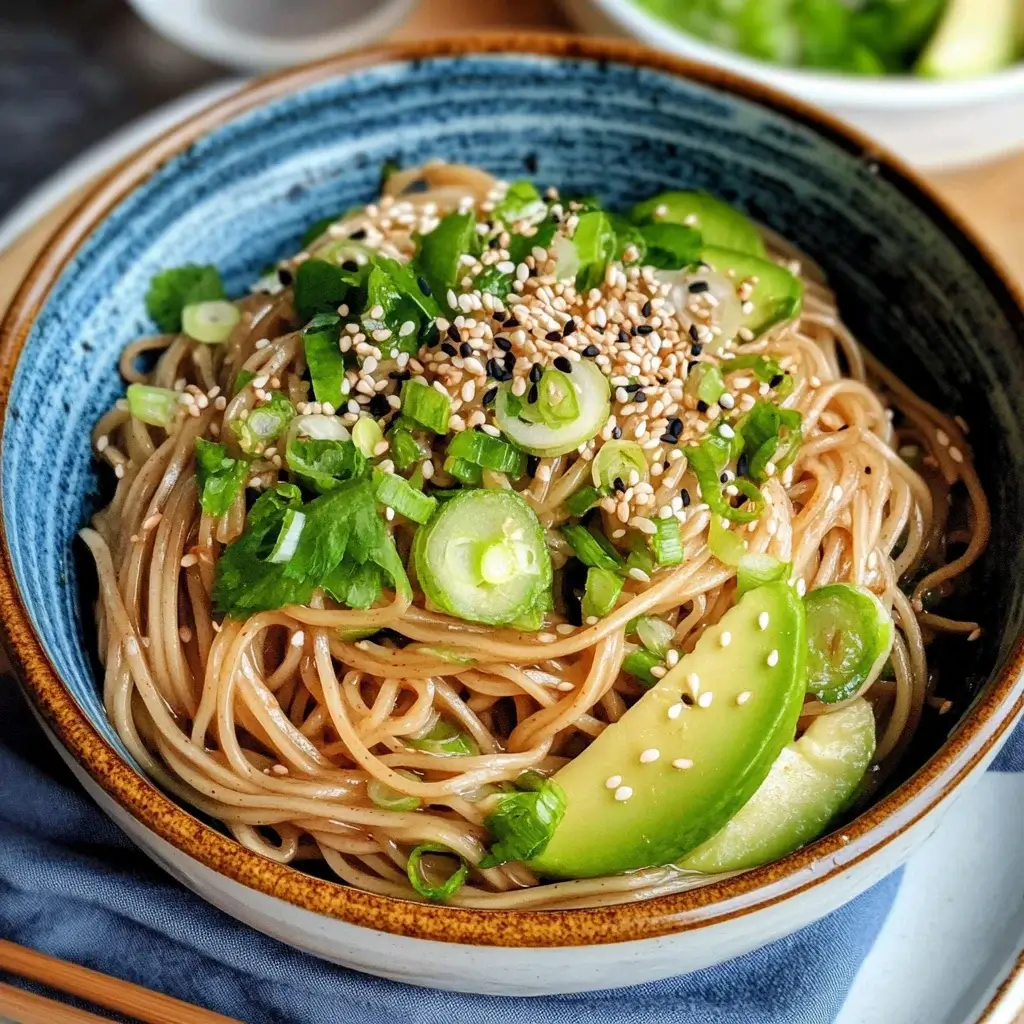

Okay, let me tell you, discovering the magic of Vegetarian Soba Noodles was a total game-changer for my weeknight dinner routine! I was on the hunt for something quick, healthy, satisfying, and most importantly, packed with flavor, and this dish ticks all those boxes and then some. The first time I made it, I was amazed at how quickly it came together. The nutty soba noodles, the crisp-tender veggies, the savory-sweet dressing – it was an explosion of deliciousness. My family, who sometimes needs a little convincing when it comes to “new” vegetarian dishes, absolutely devoured it. My husband loved the umami kick from the sauce, and even my usually veggie-skeptic son was happily slurping up the noodles and picking out his favorite vegetables. It’s become a staple because it’s so adaptable – you can throw in whatever veggies you have on hand, serve it warm or cold, and it always feels like a wholesome, restaurant-quality meal made right at home.
The Ultimate Vegetarian Soba Noodles: A Symphony of Flavor and Texture
Welcome to a dish that will quickly become a favorite in your vegetarian repertoire: satisfying, flavorful, and incredibly versatile Vegetarian Soba Noodles. This recipe celebrates the delightful nutty taste and wonderfully springy texture of Japanese buckwheat noodles, pairing them with a vibrant array of fresh vegetables and a delectable savory-sweet dressing. Whether you’re looking for a quick and healthy weeknight meal, an elegant dish for entertaining, or a refreshing cold noodle salad for warmer days, this Vegetarian Soba Noodle recipe delivers on all fronts. It’s packed with plant-based protein, fiber, and an abundance of nutrients, making it as nourishing as it is delicious. Get ready to twirl your chopsticks (or fork!) around a bowl of pure, unadulterated goodness.
Ingredients: Your Palette for a Noodle Masterpiece
This recipe is highly adaptable, but here’s a fantastic base to get you started. Feel free to substitute vegetables based on seasonality and preference.
- For the Soba Noodles:
- Soba Noodles: 8 ounces (225g) dried (100% buckwheat soba noodles are gluten-free, but many are a blend of buckwheat and wheat flour – check the package if gluten is a concern)
- For the Vibrant Vegetables (choose a colorful mix, about 4-5 cups total chopped):
- Carrots: 2 medium, julienned, shredded, or thinly sliced
- Red Bell Pepper: 1 medium, thinly sliced
- Cucumber: ½ large, julienned or thinly sliced into half-moons
- Edamame: 1 cup, shelled (frozen and thawed works perfectly)
- Snow Peas or Sugar Snap Peas: 1 cup, trimmed and thinly sliced or left whole
- Scallions (Green Onions): 3-4, thinly sliced (white and green parts)
- Baby Spinach or Kale: 2 cups, fresh, roughly chopped (optional, can be wilted in or added fresh)
- Mushrooms (Shiitake, Cremini, or Oyster): 8 ounces (225g), sliced (optional, can be sautéed)
- For the Irresistible Dressing:
- Soy Sauce or Tamari (for gluten-free): ¼ cup (60ml), low sodium recommended
- Rice Vinegar: 2 tablespoons (unseasoned)
- Toasted Sesame Oil: 1 tablespoon (this has a strong flavor, so a little goes a long way)
- Maple Syrup or Agave Nectar: 1-2 tablespoons (adjust to desired sweetness)
- Fresh Ginger: 1 tablespoon, grated or finely minced
- Fresh Garlic: 1-2 cloves, grated or finely minced
- Lime Juice: 1 tablespoon, freshly squeezed (optional, for extra brightness)
- Sriracha or Red Pepper Flakes: ½ – 1 teaspoon (optional, for a touch of heat, adjust to taste)
- For Garnish (Optional but Recommended):
- Toasted Sesame Seeds: 1-2 tablespoons
- Fresh Cilantro or Mint: ¼ cup, chopped
- Crushed Peanuts or Cashews: 2-3 tablespoons, chopped
- Nori (Seaweed) Strips: For a traditional Japanese touch
- Optional Protein Boost:
- Firm or Extra-Firm Tofu: 1 block (14-16 ounces), pressed and cubed (can be pan-fried, baked, or air-fried)
- Tempeh: 8 ounces, cubed or sliced and pan-fried or steamed
Instructions: Crafting Your Bowl of Noodle Perfection
Follow these simple steps to create a stunning and delicious Vegetarian Soba Noodle dish:
- Prepare the Dressing: In a small bowl or jar, whisk together all the dressing ingredients: soy sauce (or tamari), rice vinegar, toasted sesame oil, maple syrup (or agave), grated ginger, minced garlic, lime juice (if using), and Sriracha or red pepper flakes (if using). Taste and adjust seasonings as needed – you might prefer it sweeter, tangier, or spicier. Set aside to allow the flavors to meld.
- Cook the Soba Noodles: Bring a large pot of unsalted water to a rolling boil. Add the soba noodles and cook according to package directions, usually around 4-7 minutes. Soba noodles cook quickly and can easily become mushy if overcooked, so keep a close eye on them. Stir occasionally to prevent sticking. They should be tender but still have a slight bite (al dente).
- Rinse the Soba Noodles: Once cooked, immediately drain the soba noodles into a colander. Rinse them thoroughly under cold running water. This is a crucial step for soba noodles as it removes excess starch, stops the cooking process, and prevents them from becoming gummy. Toss them gently while rinsing. Drain well.
- Prepare the Vegetables & Optional Protein:
- While the noodles are cooking, chop and prepare all your chosen vegetables.
- If using mushrooms that you’d like to sauté, heat a little oil in a small skillet and cook them until tender and slightly browned.
- If adding tofu or tempeh, prepare it according to your preferred method (pan-fry until golden, bake, or air-fry). You can toss the cooked protein with a little of the dressing.
- Combine Noodles, Vegetables, and Dressing:
- In a large mixing bowl, combine the rinsed and drained soba noodles with your prepared fresh vegetables (carrots, bell pepper, cucumber, edamame, snow peas, scallions).
- If using baby spinach or kale and you prefer it slightly wilted, you can add it to the hot, drained noodles for a minute before rinsing, or briefly sauté it. Otherwise, add it fresh.
- Add any sautéed mushrooms or cooked protein.
- Pour about two-thirds of the prepared dressing over the noodle and vegetable mixture. Toss gently but thoroughly to ensure everything is well-coated. Add more dressing as needed to reach your desired sauciness. You might have a little dressing leftover, which is great for drizzling over individual servings or for another use.
- Garnish and Serve:
- Divide the Vegetarian Soba Noodles among bowls.
- Garnish generously with toasted sesame seeds, fresh cilantro or mint, crushed peanuts or cashews, and nori strips, if desired.
- This dish can be served warm, at room temperature, or chilled, making it incredibly versatile.
Nutrition Facts (Approximate)
- Servings: This recipe yields approximately 2-3 large main course servings or 4 smaller side dish servings.
- Calories per Serving (approximate, based on 3 main course servings, without optional protein): 400-500 calories.
Disclaimer: Nutritional information is an estimate and can vary significantly based on the specific brands of ingredients used, exact measurements, types and amounts of vegetables, and any optional additions like tofu or nuts.
Preparation Time: From Pantry to Plate in a Flash
This dish is renowned for its quick preparation, making it ideal for busy days.
- Prep Time (Chopping Veggies, Making Dressing): 15-20 minutes
- Cook Time (Noodles, Optional Sautéing): 10-15 minutes
- Total Time: Approximately 25-35 minutes
How to Serve: Showcasing Your Soba Sensation
These Vegetarian Soba Noodles are a delight to serve, whether for a casual meal or a more formal gathering.
- As a Main Course:
- Serve generous portions in bowls, ensuring a good mix of noodles, vegetables, and any added protein.
- Perfect for a light yet satisfying lunch or dinner.
- As a Cold Noodle Salad:
- Chill the dressed noodles and vegetables for at least 30 minutes before serving. This is incredibly refreshing on a hot day.
- Ideal for picnics, potlucks, or meal prepping (store dressing separately if meal prepping for multiple days and combine just before eating or an hour before).
- As a Side Dish:
- Serve smaller portions alongside other Asian-inspired dishes like grilled vegetable skewers, spring rolls, or a miso soup.
- Elevated Presentation:
- Use chopsticks for an authentic experience.
- Arrange the ingredients artfully in the bowl, perhaps creating separate sections for some colorful vegetables before tossing, or piling the noodles high.
- A final drizzle of toasted sesame oil or a sprinkle of shichimi togarashi (Japanese seven-spice blend) can add an extra flourish.
- Interactive Noodle Bar:
- For a fun gathering, set up a “soba noodle bar.” Have bowls of cooked soba noodles, various chopped vegetables, cooked protein options, the dressing, and an array of garnishes. Let guests build their own bowls.
Additional Tips for Soba Noodle Supremacy (5 Tips)
Master your Vegetarian Soba Noodle game with these insightful pointers:
- Don’t Skip Rinsing the Soba Noodles: This is a non-negotiable step for soba. Rinsing under cold water removes the excess surface starch, which prevents the noodles from becoming sticky and clumpy. It also stops the cooking process, ensuring they don’t get mushy.
- Choose Your Soba Wisely: Soba noodles vary in their buckwheat content. 100% buckwheat soba (juwari soba) has a more intense nutty flavor and is gluten-free, but can be more fragile. Many common soba noodles are a blend of buckwheat and wheat flour (often hachiwari, meaning 80% buckwheat), which gives them a bit more structure. Choose based on your preference and dietary needs.
- Freshness is Key for Vegetables: Use the freshest, crispest vegetables you can find. The contrast between the soft noodles and the crunchy vegetables is a big part of this dish’s appeal. Don’t overcook vegetables if you choose to sauté any; they should retain some bite.
- Taste and Adjust Your Dressing: The dressing is the heart of this dish. Don’t be afraid to taste it and adjust the components to your liking. Want it spicier? Add more Sriracha. Sweeter? A bit more maple syrup. Tangier? More rice vinegar or lime juice. The perfect balance is subjective.
- Meal Prep Like a Pro: If meal prepping, store the cooked and rinsed soba noodles, chopped vegetables, and dressing in separate airtight containers in the refrigerator. Combine them just before serving or up to a few hours before if you want the flavors to meld for a cold salad. This keeps the noodles from getting too soft and the vegetables crisp. Cooked tofu or tempeh can also be stored separately.
FAQ: Your Vegetarian Soba Noodle Queries Answered
Here are answers to some common questions about making this delightful dish:
- Q: Are soba noodles gluten-free?
- A: It depends. Soba noodles made from 100% buckwheat flour are naturally gluten-free. However, many commercially available soba noodles contain a mix of buckwheat and wheat flour to make them less brittle and easier to work with. Always check the ingredient list on the package if you require a gluten-free option. If using 100% buckwheat noodles, handle them gently as they can break more easily.
- Q: Can I serve this dish warm?
- A: Absolutely! While often enjoyed cold or at room temperature, especially as a salad, Vegetarian Soba Noodles can also be delicious served warm. To serve warm, you can toss the freshly cooked and rinsed (but still warm) noodles with the vegetables and dressing. If some of your vegetables are best lightly cooked (like mushrooms or kale), you can quickly stir-fry them and add them to the warm noodles.
- Q: What other vegetables work well in this dish?
- A: The sky’s the limit! Some other great vegetable additions include: thinly sliced radishes, shredded purple cabbage (for color and crunch), blanched asparagus spears, bok choy (lightly sautéed), sweet corn kernels, or even avocado slices added just before serving. Think about a variety of colors, textures, and flavors.
- Q: How long will Vegetarian Soba Noodles last in the refrigerator?
- A: If stored properly in an airtight container, dressed Vegetarian Soba Noodles can last for 2-3 days in the refrigerator. However, the texture of the noodles and vegetables might soften slightly over time. For best results if making ahead, store the components (noodles, raw veggies, dressing, protein) separately and combine them closer to serving time.
- Q: Can I use a different type of noodle if I don’t have soba?
- A: While soba noodles give this dish its characteristic nutty flavor and texture, you can certainly substitute other noodles if needed. Good alternatives include whole wheat spaghetti, udon noodles (though they are much thicker and chewier), ramen noodles (discard the seasoning packet), or even rice noodles for a different but still delicious Asian-inspired noodle bowl. Adjust cooking times accordingly.
This Vegetarian Soba Noodle recipe is a true celebration of fresh ingredients, vibrant flavors, and satisfying textures. It’s a dish that nourishes the body and delights the palate, all while being incredibly easy and quick to prepare. Whether you’re a seasoned vegetarian cook or just looking to incorporate more plant-based meals into your diet, this recipe is sure to become a beloved favorite. Enjoy the journey of creating your own perfect bowl!
Print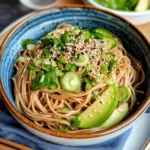
Vegetarian Soba Noodles recipe
Ingredients
- For the Soba Noodles:
- Soba Noodles: 8 ounces (225g) dried (100% buckwheat soba noodles are gluten-free, but many are a blend of buckwheat and wheat flour – check the package if gluten is a concern)
- For the Vibrant Vegetables (choose a colorful mix, about 4-5 cups total chopped):
- Carrots: 2 medium, julienned, shredded, or thinly sliced
- Red Bell Pepper: 1 medium, thinly sliced
- Cucumber: ½ large, julienned or thinly sliced into half-moons
- Edamame: 1 cup, shelled (frozen and thawed works perfectly)
- Snow Peas or Sugar Snap Peas: 1 cup, trimmed and thinly sliced or left whole
- Scallions (Green Onions): 3-4, thinly sliced (white and green parts)
- Baby Spinach or Kale: 2 cups, fresh, roughly chopped (optional, can be wilted in or added fresh)
- Mushrooms (Shiitake, Cremini, or Oyster): 8 ounces (225g), sliced (optional, can be sautéed)
- For the Irresistible Dressing:
- Soy Sauce or Tamari (for gluten-free): ¼ cup (60ml), low sodium recommended
- Rice Vinegar: 2 tablespoons (unseasoned)
- Toasted Sesame Oil: 1 tablespoon (this has a strong flavor, so a little goes a long way)
- Maple Syrup or Agave Nectar: 1-2 tablespoons (adjust to desired sweetness)
- Fresh Ginger: 1 tablespoon, grated or finely minced
- Fresh Garlic: 1-2 cloves, grated or finely minced
- Lime Juice: 1 tablespoon, freshly squeezed (optional, for extra brightness)
- Sriracha or Red Pepper Flakes: ½ – 1 teaspoon (optional, for a touch of heat, adjust to taste)
- For Garnish (Optional but Recommended):
- Toasted Sesame Seeds: 1-2 tablespoons
- Fresh Cilantro or Mint: ¼ cup, chopped
- Crushed Peanuts or Cashews: 2-3 tablespoons, chopped
- Nori (Seaweed) Strips: For a traditional Japanese touch
- Optional Protein Boost:
- Firm or Extra-Firm Tofu: 1 block (14-16 ounces), pressed and cubed (can be pan-fried, baked, or air-fried)
- Tempeh: 8 ounces, cubed or sliced and pan-fried or steamed
Instructions
- Prepare the Dressing: In a small bowl or jar, whisk together all the dressing ingredients: soy sauce (or tamari), rice vinegar, toasted sesame oil, maple syrup (or agave), grated ginger, minced garlic, lime juice (if using), and Sriracha or red pepper flakes (if using). Taste and adjust seasonings as needed – you might prefer it sweeter, tangier, or spicier. Set aside to allow the flavors to meld.
- Cook the Soba Noodles: Bring a large pot of unsalted water to a rolling boil. Add the soba noodles and cook according to package directions, usually around 4-7 minutes. Soba noodles cook quickly and can easily become mushy if overcooked, so keep a close eye on them. Stir occasionally to prevent sticking. They should be tender but still have a slight bite (al dente).
- Rinse the Soba Noodles: Once cooked, immediately drain the soba noodles into a colander. Rinse them thoroughly under cold running water. This is a crucial step for soba noodles as it removes excess starch, stops the cooking process, and prevents them from becoming gummy. Toss them gently while rinsing. Drain well.
- Prepare the Vegetables & Optional Protein:
- While the noodles are cooking, chop and prepare all your chosen vegetables.
- If using mushrooms that you’d like to sauté, heat a little oil in a small skillet and cook them until tender and slightly browned.
- If adding tofu or tempeh, prepare it according to your preferred method (pan-fry until golden, bake, or air-fry). You can toss the cooked protein with a little of the dressing.
- Combine Noodles, Vegetables, and Dressing:
- In a large mixing bowl, combine the rinsed and drained soba noodles with your prepared fresh vegetables (carrots, bell pepper, cucumber, edamame, snow peas, scallions).
- If using baby spinach or kale and you prefer it slightly wilted, you can add it to the hot, drained noodles for a minute before rinsing, or briefly sauté it. Otherwise, add it fresh.
- Add any sautéed mushrooms or cooked protein.
- Pour about two-thirds of the prepared dressing over the noodle and vegetable mixture. Toss gently but thoroughly to ensure everything is well-coated. Add more dressing as needed to reach your desired sauciness. You might have a little dressing leftover, which is great for drizzling over individual servings or for another use.
- Garnish and Serve:
- Divide the Vegetarian Soba Noodles among bowls.
- Garnish generously with toasted sesame seeds, fresh cilantro or mint, crushed peanuts or cashews, and nori strips, if desired.
- This dish can be served warm, at room temperature, or chilled, making it incredibly versatile.
Nutrition
- Serving Size: one normal portion
- Calories: 400-500