
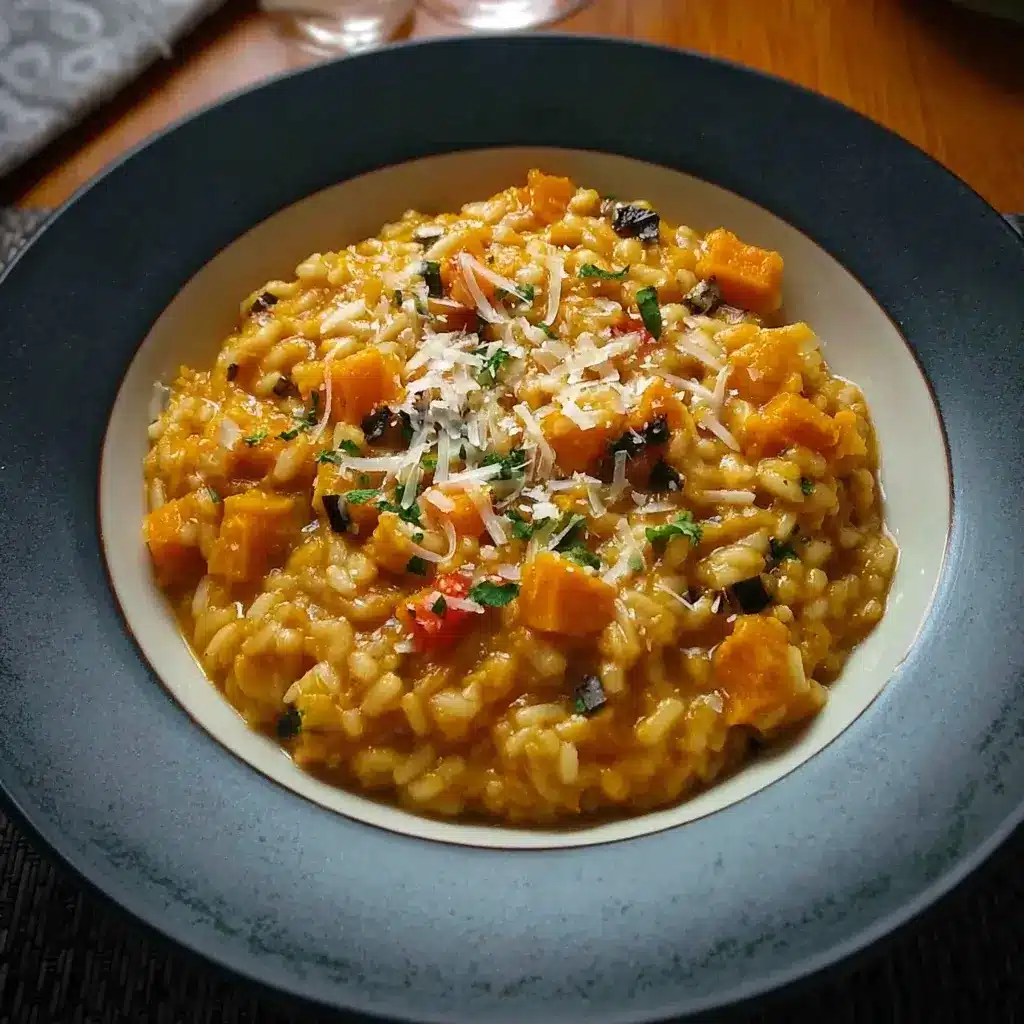

As the first crisp autumn breeze rolls in, my kitchen undergoes a transformation. The light, zesty flavors of summer make way for the deep, comforting aromas of fall. And at the heart of that transition, for me, is the pursuit of the perfect pumpkin risotto. For years, I found risotto intimidating, a dish reserved for fancy restaurant menus. But one rainy Sunday, armed with a can of pumpkin purée and a desire for something deeply nourishing, I decided to conquer it. This recipe is the culmination of that journey. It’s not just a dish; it’s an experience. The process itself is a slow, mindful meditation—the gentle stirring, the gradual absorption of broth, the magical transformation of simple grains into a velvety, creamy masterpiece. The first time I served this to my family, the silence that fell over the table was more telling than any compliment. It was the sound of pure, unadulterated comfort. This vegetarian pumpkin risotto is a hug in a bowl, rich with the earthy sweetness of pumpkin, the woodsy notes of sage, and the savory depth of Parmesan, all enveloped in a cloud of creamy Arborio rice. It’s my go-to for cozy nights in, elegant enough for a dinner party, and the absolute star of our vegetarian Thanksgiving table.
A Symphony of Fall Flavors: The Ingredients
Creating a truly exceptional risotto is like conducting an orchestra; each ingredient must play its part perfectly to achieve a harmonious result. This recipe relies on high-quality, simple ingredients to build layers of complex flavor and achieve that signature creamy texture without any actual cream.
The Foundation: Rice and Broth
These are the pillars upon which your risotto is built. The right choice here is non-negotiable for success.
- Arborio Rice: This is the classic choice for risotto, and for good reason. These short, plump grains have an incredibly high starch content (amylopectin). As you stir the rice and add liquid, this outer layer of starch dissolves and creates the famously creamy, velvety sauce that defines risotto. Do not rinse the rice before cooking! You would be washing away the very starch that is essential for the dish’s texture. Other suitable varieties include Carnaroli (often called the “king” of risotto rice) or Vialone Nano.
- High-Quality Vegetable Broth: Since the broth is absorbed into every grain of rice, its flavor is paramount. A bland, watery broth will result in a bland risotto. Use a rich, flavorful vegetable broth. You can use a high-quality store-bought version or, for the best results, a homemade broth infused with onion, carrot, celery, and herbs. The key is to keep it simmering in a separate pot throughout the cooking process.
The Stars of the Show: Pumpkin and Sage
This classic autumn pairing provides the soul of the dish.
- Pure Pumpkin Purée: For consistency and ease, 100% pure canned pumpkin purée is an excellent choice. Be sure to grab pure pumpkin, not pumpkin pie filling, which is pre-sweetened and spiced. If you’re feeling adventurous, you can certainly make your own by roasting a sugar pumpkin or kabocha squash until tender and puréeing the flesh.
- Fresh Sage: While you can use dried sage in a pinch, fresh sage leaves offer a much more vibrant, aromatic, and less dusty flavor. The woodsy, peppery notes of fresh sage are the perfect counterpoint to the sweet, earthy pumpkin.
The Flavor Builders and Finishers
These ingredients create depth, richness, and the final, luxurious texture.
- Shallot and Garlic: Shallots provide a milder, more delicate sweetness than yellow onions, which allows the pumpkin and sage to shine. Garlic adds a foundational aromatic punch.
- Dry White Wine (Optional but Recommended): A splash of dry white wine like a Pinot Grigio or Sauvignon Blanc serves a crucial purpose. When you add it to the hot pan (a process called deglazing), its acidity cuts through the richness, balances the flavors, and adds an undeniable layer of complexity. If you prefer to cook without alcohol, you can substitute with a splash of vegetable broth mixed with a teaspoon of lemon juice.
- Nutritional Yeast: This is the secret weapon in vegetarian risotto. It’s a deactivated yeast with a nutty, cheesy, and savory flavor that brilliantly mimics the umami-rich taste of Parmesan cheese. It not only keeps the dish vegetarian but also adds a wonderful depth of flavor.
- Vegetarian Parmesan-Style Cheese: To complement the nutritional yeast, a good-quality vegetarian Parmesan (one made without animal rennet) adds saltiness and a familiar texture.
- Unsalted Butter: We use unsalted butter at the beginning to sauté the aromatics and, most importantly, as a cold pat stirred in at the very end. This final step, known in Italian cooking as the mantecatura, is essential for creating an extra-creamy, glossy finish.
- Olive Oil: A touch of extra virgin olive oil works alongside the butter to sauté the shallots and garlic.
- Salt and Black Pepper: Essential for seasoning and bringing all the flavors to life.
Complete Ingredient List & Amounts
- Extra Virgin Olive Oil: 1 tablespoon
- Unsalted Butter: 4 tablespoons, divided
- Shallot: 1 large, finely chopped
- Garlic: 2-3 cloves, minced
- Arborio Rice: 1 ½ cups
- Dry White Wine: ½ cup (e.g., Pinot Grigio) (optional)
- Hot Vegetable Broth: 6-7 cups, kept at a simmer
- Pure Pumpkin Purée: 1 cup
- Fresh Sage: 1 tablespoon chopped, plus extra leaves for garnish
- Nutritional Yeast: 2 tablespoons
- Grated Vegetarian Parmesan-Style Cheese: ½ cup, plus more for serving
- Fine Sea Salt: 1 teaspoon, or to taste
- Freshly Ground Black Pepper: ½ teaspoon, or to taste
The Art of Risotto: Step-by-Step Instructions
The secret to risotto is not in the ingredients, but in the technique. It requires patience and attention. Put on some music, pour yourself a glass of wine, and enjoy the process.
Step 1: Prepare Your Station (Mise en Place)
Before you begin, get all your ingredients prepped and ready. Finely chop the shallot, mince the garlic, and chop the sage. Measure out your rice, pumpkin, and cheese. Most importantly, pour your 6-7 cups of vegetable broth into a medium saucepan and bring it to a gentle simmer over low heat. Keep it simmering throughout the entire cooking process. Having hot broth is crucial; adding cold broth to the rice will shock the grains and hinder the creamy starch-release process.
Step 2: Sauté the Aromatics
In a large, heavy-bottomed pot, Dutch oven, or high-sided skillet, melt 2 tablespoons of the unsalted butter with 1 tablespoon of olive oil over medium heat. Add the finely chopped shallot and a pinch of salt. Cook, stirring occasionally, until the shallot is softened and translucent, about 3-4 minutes. Be careful not to let it brown. Add the minced garlic and chopped fresh sage and cook for another minute until fragrant.
Step 3: Toast the Rice (The Tostatura)
Pour the 1 ½ cups of Arborio rice into the pot. Stir constantly for about 2 minutes, ensuring every grain is coated in the butter and oil mixture. This step, known as the tostatura, is vital. It toasts the outside of each grain, which helps it absorb the broth more evenly and prevents it from becoming mushy. You’ll know it’s ready when the edges of the rice grains look translucent and you hear a faint “clicking” sound.
Step 4: Deglaze the Pan
If using, pour in the ½ cup of dry white wine. It will sizzle and steam immediately. Stir continuously, scraping up any browned bits from the bottom of the pot, until the wine is almost completely absorbed by the rice. The sharp smell of alcohol will cook off, leaving behind a subtle, complex flavor.
Step 5: The First Ladle of Broth
Add one full ladle of the hot vegetable broth from your simmering pot to the rice. Stir until the liquid is almost fully absorbed. This first addition of broth will be absorbed very quickly.
Step 6: The Rhythmic Stir and Add
This is the heart of the risotto-making process. Continue adding the hot broth one ladle at a time, waiting for each addition to be almost fully absorbed before adding the next. Stir the risotto frequently—not constantly, but often. This gentle agitation is what rubs the starch off the surface of the rice, creating that beautiful, creamy sauce. The process should be patient and methodical. It will take approximately 20-25 minutes.
Step 7: Check for Doneness and Add the Pumpkin
After about 18-20 minutes, start tasting the rice. You are looking for a texture that is al dente—cooked through and creamy, but still with a slight bite or firmness in the center. Once you’re happy with the texture, stir in the 1 cup of pumpkin purée. The risotto will immediately take on a gorgeous, vibrant orange hue. Cook for another 1-2 minutes to heat the pumpkin through. If the risotto seems too thick, add another splash of hot broth to reach your desired consistency. It should be fluid enough to slowly spread out on a plate, not sit in a stiff mound.
Step 8: The Grand Finale (La Mantecatura)
Remove the pot from the heat completely. This is the most important final step. Vigorously stir in the remaining 2 tablespoons of cold, cubed butter, the ½ cup of grated vegetarian Parmesan, and the 2 tablespoons of nutritional yeast. Stirring in the cold butter and cheese off the heat creates an emulsion, resulting in the ultimate creamy, glossy, and luxurious finish.
Step 9: Season and Rest
Taste the risotto one last time and season generously with salt and freshly ground black pepper as needed. Cover the pot and let the risotto rest for 2-3 minutes. This allows the flavors to meld and the texture to settle into perfection.
Nutrition Facts
- Servings: This recipe yields 4 main course servings or 6-8 side dish servings.
- Calories per serving: Approximately 450-500 calories per main course serving.
Disclaimer: The nutritional information provided is an estimate and can vary based on the specific brands of ingredients used and exact serving size.
Preparation Time
- Prep Time: 10 minutes (chopping aromatics, gathering ingredients)
- Cook Time: 30-35 minutes (sautéing, stirring risotto)
- Total Time: Approximately 40-45 minutes
How to Serve Your Vegetarian Pumpkin Risotto
Presentation elevates this humble dish from comfort food to a restaurant-worthy meal. Serve it immediately, as risotto waits for no one and will thicken as it cools.
- The Classic Plating:
- Ladle the risotto into wide, shallow bowls.
- Gently shake the bowl to allow the risotto to settle evenly.
- This simple presentation showcases the creamy, flowing texture of a perfectly made risotto.
- Garnish for a Gourmet Touch:
- Crispy Sage Leaves: In a small skillet, heat a tablespoon of olive oil. Fry whole fresh sage leaves for 30-60 seconds until crisp. Remove with a slotted spoon and drain on a paper towel. They add a wonderful textural contrast and intense sage flavor.
- Toasted Pepitas (Pumpkin Seeds): Toasting raw pumpkin seeds in a dry skillet until they pop brings out their nutty flavor and adds a delightful crunch.
- A Drizzle of Quality Oil: A light drizzle of extra virgin olive oil or, for a decadent touch, a high-quality pumpkin seed oil.
- Extra Cheese and Pepper: Always offer extra grated vegetarian Parmesan and a pepper mill at the table.
- A Dollop of Dairy-Free Sour Cream or Mascarpone: For extra richness and a tangy counterpoint.
- Perfect Pairings:
- Wine: Pair with the same crisp, dry white wine you used for cooking, like a Sauvignon Blanc or an unoaked Chardonnay.
- Salad: Serve alongside a simple arugula salad with a bright lemon vinaigrette. The peppery greens and acidic dressing cut through the richness of the risotto beautifully.
- As a Holiday Side: This risotto is a stunning side dish for a vegetarian Thanksgiving or Christmas feast, served alongside roasted Brussels sprouts, maple-glazed carrots, and a lentil loaf.
5 Additional Tips for Flawless Risotto
Take your risotto from good to unforgettable with these professional tips.
- Use a Wide, Heavy-Bottomed Pot: A wide pot provides more surface area, allowing the rice to cook in a shallow layer. This promotes even cooking and makes the stirring process more effective. A heavy bottom ensures excellent heat distribution and prevents the rice from scorching.
- Don’t Drown the Rice: The “one ladle at a time” rule is crucial. Drowning the rice in too much liquid at once will essentially boil it instead of allowing it to gradually absorb the liquid. This prevents the starches from being released properly, resulting in a separated, soupy texture rather than an integrated, creamy one.
- The Perfect Consistency: All’onda: The mark of a perfect risotto is its texture, described in Italian as all’onda, meaning “on the wave.” It should not be stiff or clumpy, nor should it be watery. When you spoon it onto a plate, it should flow slowly in a gentle, creamy wave. If yours is too thick when you finish, don’t be afraid to stir in one last splash of hot broth right before serving.
- Make it Vegan Easily: This recipe is already vegetarian and can be made fully vegan with two simple swaps. Use a high-quality vegan butter substitute in place of the dairy butter, and either omit the vegetarian Parmesan or use your favorite brand of pre-grated vegan Parmesan cheese, increasing the nutritional yeast slightly to compensate for the flavor.
- Embrace the Stirring, But Don’t Overdo It: You need to stir frequently to release the starches, but you don’t need to chain yourself to the stove and stir continuously for 25 minutes. A good rhythm is to stir for about 30 seconds every minute or so. This gives the rice time to absorb the liquid while still ensuring you’re getting that all-important agitation.
Frequently Asked Questions (FAQ)
1. Can I use a different type of rice, like long-grain or basmati?
It is not recommended. Long-grain rice varieties like basmati or jasmine have a different starch composition (higher in amylose, lower in amylopectin). They are designed to cook up into fluffy, separate grains and will not release the necessary starch to create the creamy sauce characteristic of risotto. For best results, stick with proper risotto rice like Arborio, Carnaroli, or Vialone Nano.
2. My risotto came out gummy and sticky. What did I do wrong?
A gummy or gluey texture is usually the result of overcooking the rice. You likely cooked it past the al dente stage, causing the grains to break down completely and release too much starch. To avoid this, start tasting the rice earlier in the cooking process (around 18 minutes) and stop cooking when it still has a slight, pleasant firmness in the center. Remember, it will continue to cook a little as it rests.
3. Can I make pumpkin risotto ahead of time?
Risotto is notoriously best when served immediately. As it sits, the rice continues to absorb liquid and will become thick and clumpy. If you absolutely must make it ahead, the best method is to par-cook it. Follow the recipe until the risotto is about halfway cooked (after about 10-12 minutes of adding broth). Spread it on a baking sheet to cool quickly. When you’re ready to serve, return it to a pot, bring your remaining broth back to a simmer, and finish the cooking process, which will take another 10-15 minutes. Then proceed with adding the pumpkin and the final mantecatura step.
4. I don’t have fresh sage. Can I use dried sage?
Yes, you can substitute dried sage, but you need to adjust the quantity and when you add it. Dried herbs are more potent than fresh ones. Use the rule of thumb: 1 teaspoon of dried for every 1 tablespoon of fresh. So, for this recipe, you would use about 1 teaspoon of rubbed or ground dried sage. Add the dried sage along with the garlic to allow its flavor to bloom in the hot oil.
5. Is the wine really necessary? What is a good non-alcoholic substitute?
The wine is not strictly necessary, but it adds a significant layer of flavor and acidity that balances the richness of the dish. If you prefer to omit it, the best substitute is to add the same amount (½ cup) of your vegetable broth to deglaze the pan, along with a squeeze of fresh lemon juice (about 1-2 teaspoons). The lemon juice will mimic the acidity of the wine and help brighten the overall flavor of the risotto.

Vegetarian Pumpkin Risotto recipe
Ingredients
-
Extra Virgin Olive Oil: 1 tablespoon
-
Unsalted Butter: 4 tablespoons, divided
-
Shallot: 1 large, finely chopped
-
Garlic: 2-3 cloves, minced
-
Arborio Rice: 1 ½ cups
-
Dry White Wine: ½ cup (e.g., Pinot Grigio) (optional)
-
Hot Vegetable Broth: 6-7 cups, kept at a simmer
-
Pure Pumpkin Purée: 1 cup
-
Fresh Sage: 1 tablespoon chopped, plus extra leaves for garnish
-
Nutritional Yeast: 2 tablespoons
-
Grated Vegetarian Parmesan-Style Cheese: ½ cup, plus more for serving
-
Fine Sea Salt: 1 teaspoon, or to taste
-
Freshly Ground Black Pepper: ½ teaspoon, or to taste
Instructions
Step 1: Prepare Your Station (Mise en Place)
Before you begin, get all your ingredients prepped and ready. Finely chop the shallot, mince the garlic, and chop the sage. Measure out your rice, pumpkin, and cheese. Most importantly, pour your 6-7 cups of vegetable broth into a medium saucepan and bring it to a gentle simmer over low heat. Keep it simmering throughout the entire cooking process. Having hot broth is crucial; adding cold broth to the rice will shock the grains and hinder the creamy starch-release process.
Step 2: Sauté the Aromatics
In a large, heavy-bottomed pot, Dutch oven, or high-sided skillet, melt 2 tablespoons of the unsalted butter with 1 tablespoon of olive oil over medium heat. Add the finely chopped shallot and a pinch of salt. Cook, stirring occasionally, until the shallot is softened and translucent, about 3-4 minutes. Be careful not to let it brown. Add the minced garlic and chopped fresh sage and cook for another minute until fragrant.
Step 3: Toast the Rice (The Tostatura)
Pour the 1 ½ cups of Arborio rice into the pot. Stir constantly for about 2 minutes, ensuring every grain is coated in the butter and oil mixture. This step, known as the tostatura, is vital. It toasts the outside of each grain, which helps it absorb the broth more evenly and prevents it from becoming mushy. You’ll know it’s ready when the edges of the rice grains look translucent and you hear a faint “clicking” sound.
Step 4: Deglaze the Pan
If using, pour in the ½ cup of dry white wine. It will sizzle and steam immediately. Stir continuously, scraping up any browned bits from the bottom of the pot, until the wine is almost completely absorbed by the rice. The sharp smell of alcohol will cook off, leaving behind a subtle, complex flavor.
Step 5: The First Ladle of Broth
Add one full ladle of the hot vegetable broth from your simmering pot to the rice. Stir until the liquid is almost fully absorbed. This first addition of broth will be absorbed very quickly.
Step 6: The Rhythmic Stir and Add
This is the heart of the risotto-making process. Continue adding the hot broth one ladle at a time, waiting for each addition to be almost fully absorbed before adding the next. Stir the risotto frequently—not constantly, but often. This gentle agitation is what rubs the starch off the surface of the rice, creating that beautiful, creamy sauce. The process should be patient and methodical. It will take approximately 20-25 minutes.
Step 7: Check for Doneness and Add the Pumpkin
After about 18-20 minutes, start tasting the rice. You are looking for a texture that is al dente—cooked through and creamy, but still with a slight bite or firmness in the center. Once you’re happy with the texture, stir in the 1 cup of pumpkin purée. The risotto will immediately take on a gorgeous, vibrant orange hue. Cook for another 1-2 minutes to heat the pumpkin through. If the risotto seems too thick, add another splash of hot broth to reach your desired consistency. It should be fluid enough to slowly spread out on a plate, not sit in a stiff mound.
Step 8: The Grand Finale (La Mantecatura)
Remove the pot from the heat completely. This is the most important final step. Vigorously stir in the remaining 2 tablespoons of cold, cubed butter, the ½ cup of grated vegetarian Parmesan, and the 2 tablespoons of nutritional yeast. Stirring in the cold butter and cheese off the heat creates an emulsion, resulting in the ultimate creamy, glossy, and luxurious finish.
Step 9: Season and Rest
Taste the risotto one last time and season generously with salt and freshly ground black pepper as needed. Cover the pot and let the risotto rest for 2-3 minutes. This allows the flavors to meld and the texture to settle into perfection.
Nutrition
- Serving Size: one normal portion
- Calories: 450-500