
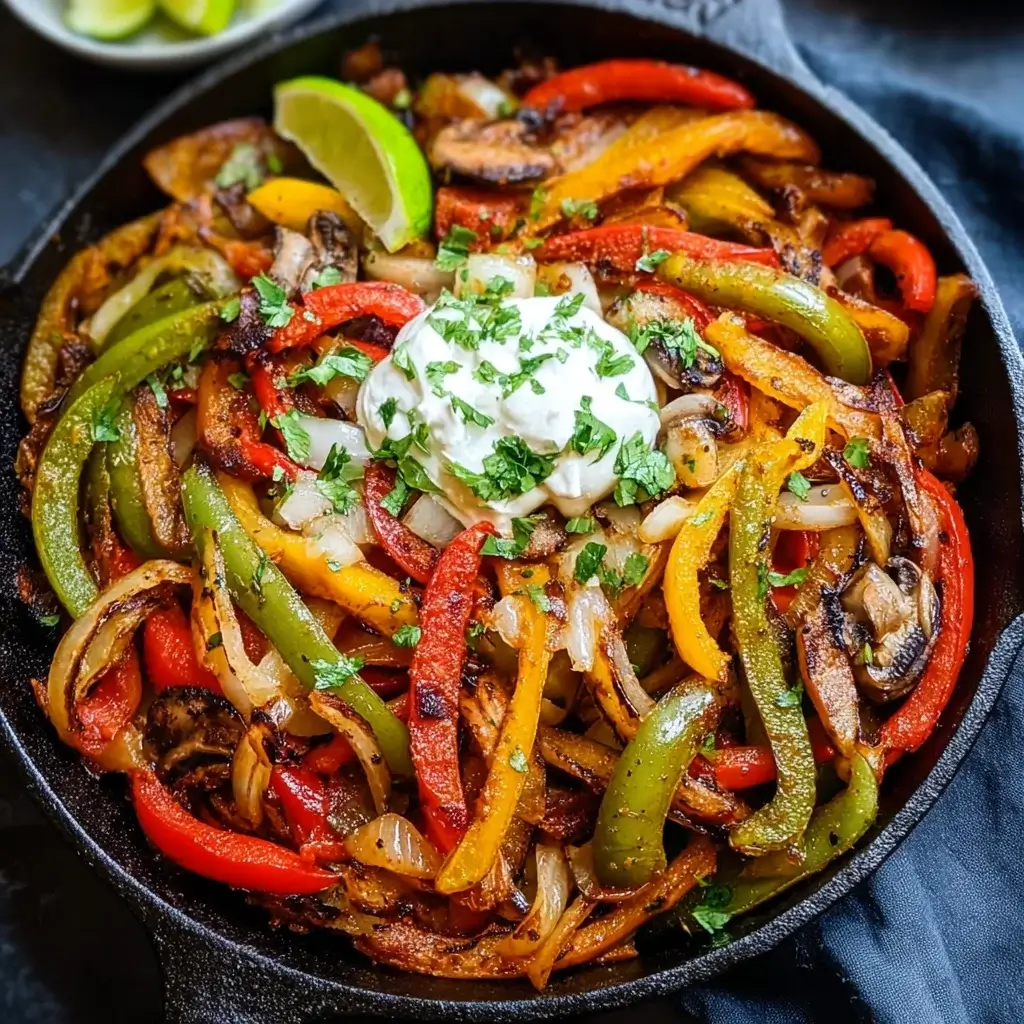
There are some weeknight dinners that just feel like a celebration, and this Vegetarian Fajita Skillet is firmly at the top of that list. For my family, it’s the ultimate interactive meal. The moment the seasoned vegetables hit the hot cast-iron pan, our kitchen fills with that signature, show-stopping sizzle and an aroma that instantly gets everyone excited for dinner. My kids, who can sometimes be skeptical of a plate full of vegetables, absolutely love building their own fajitas, piling their warm tortillas high with colorful peppers, caramelized onions, and all their favorite toppings. It’s a meal that is inherently vibrant, customizable, and incredibly satisfying. We never miss the meat. The combination of smoky spices, the sweet char on the peppers, and the hearty, umami-rich mushrooms creates a filling that is robust and flavorful in its own right. This recipe has become our go-to for a fast, healthy, and crowd-pleasing dinner that feels both special and effortlessly simple.
Complete with the Ingredients Amount
The magic of a great fajita lies in the perfect balance of fresh vegetables and a bold, smoky spice blend. This recipe utilizes a homemade seasoning mix that is far superior to store-bought packets and can be easily customized to your heat preference. Here is everything you need to create a vibrant and flavorful vegetarian skillet.
For the Vegetable Fajita Mix:
- Olive Oil: 2 tablespoons, plus more for the skillet
- Bell Peppers: 3 large, a mix of colors (e.g., one red, one yellow, one green), cored, seeded, and thinly sliced
- Red Onion: 1 large, thinly sliced
- Portobello Mushrooms: 8 ounces (about 2 large caps), gills scraped, and thinly sliced
- Lime: 1 large, juice reserved
For the Homemade Fajita Seasoning:
- Chili Powder: 2 tablespoons
- Smoked Paprika: 1 tablespoon (gives an incredible smoky depth)
- Ground Cumin: 1 tablespoon
- Garlic Powder: 1 teaspoon
- Onion Powder: 1 teaspoon
- Dried Oregano: 1 teaspoon
- Salt: 1 teaspoon
- Black Pepper: ½ teaspoon
- Cayenne Pepper: ¼ teaspoon, or to taste (optional, for heat)
For Serving (Optional but Recommended):
- Tortillas: 8-12 small flour or corn tortillas, warmed
- Guacamole or Sliced Avocado
- Salsa or Pico de Gallo
- Sour Cream or Plain Greek Yogurt (or a plant-based alternative)
- Shredded Cheddar or Monterey Jack Cheese (or a dairy-free blend)
- Fresh Cilantro, chopped
- Pickled Jalapeños
Ingredient Notes & Potential Substitutions
- Vegetables: Feel free to get creative! Zucchini, yellow squash, or even broccoli florets can be wonderful additions. Just be sure to slice everything to a similar thickness for even cooking.
- Mushrooms: Portobello mushrooms provide a fantastic “meaty” texture. Cremini mushrooms also work well. If you’re not a fan of mushrooms, you can simply omit them and add an extra bell pepper.
- Seasoning: If you’re short on time, you can substitute the homemade seasoning with one (1-ounce) packet of your favorite store-bought fajita seasoning. However, making your own allows you to control the sodium and spice levels.
- Protein Boost: To make the meal even heartier, feel free to add one (15-ounce) can of black beans or pinto beans (rinsed and drained) to the skillet during the last 5 minutes of cooking.
Instructions
This recipe comes together quickly, with the bulk of the effort in the slicing and chopping. The key to perfect fajitas is high heat and not overcrowding the pan, which allows the vegetables to char and caramelize rather than steam.
Step 1: Prepare the Vegetables and Seasoning
- Slice the Vegetables: Thinly slice all your bell peppers, the red onion, and the portobello mushrooms. Place them all together in a large mixing bowl.
- Mix the Seasoning: In a small bowl, combine all the fajita seasoning ingredients: chili powder, smoked paprika, cumin, garlic powder, onion powder, oregano, salt, black pepper, and cayenne pepper (if using). Whisk until everything is evenly distributed.
- Season the Vegetables: Drizzle the 2 tablespoons of olive oil over the sliced vegetables in the large bowl. Sprinkle the entire homemade seasoning blend over the top. Use your hands or a pair of tongs to toss everything together thoroughly, ensuring every slice of vegetable is coated in the oil and spices. For the best flavor, you can let this sit and marinate for 15-20 minutes at room temperature, but this step is optional if you’re in a hurry.
Step 2: Cook the Fajita Skillet
- Heat the Skillet: Place a large cast-iron skillet or other heavy-bottomed frying pan over medium-high heat. Let the pan get very hot. A hot pan is essential for achieving that classic fajita char and sizzle.
- Cook in Batches: Add a small drizzle of oil to the hot skillet. Working in two or three batches to avoid overcrowding the pan, add a single layer of the seasoned vegetables. Let them cook for 3-4 minutes without stirring, allowing them to develop a nice char on the bottom.
- Sauté Until Tender-Crisp: After they have charred, begin to stir and toss the vegetables, cooking for another 4-5 minutes until they are tender but still have a slight crispness. You don’t want them to become mushy.
- Combine and Finish: Once the first batch is cooked, remove it to a plate and repeat the process with the remaining vegetables. When the final batch is almost done, add all the previously cooked vegetables back into the skillet to heat through together.
- Add the Finishing Touch: Remove the skillet from the heat. Squeeze the juice of one large lime all over the vegetables and toss to combine. This bright, acidic finish is crucial for waking up all the smoky flavors.
Step 3: Serve
- Warm the Tortillas: While the vegetables are cooking, warm your tortillas. You can do this by wrapping them in a damp paper towel and microwaving for 30-45 seconds, or by heating them one by one in a dry skillet for about 15-20 seconds per side.
- Assemble and Enjoy: Serve the sizzling vegetarian fajita skillet immediately with the warm tortillas and a spread of all your favorite toppings.
Nutrition Facts
The following nutritional information is an estimate for the vegetable fajita skillet filling only. The values will change significantly based on your choice of tortillas and the type and amount of toppings you add.
- Servings: 4
- Calories Per Serving: Approximately 280-320 kcal
A Quick Nutritional Breakdown
This dish is a nutritional powerhouse. It is naturally low in fat and packed with dietary fiber from the variety of vegetables. Bell peppers are an excellent source of Vitamin C and antioxidants. Mushrooms provide B vitamins and a satisfying, savory flavor. By making your own seasoning, you keep the sodium content in check. This is a wonderfully light yet filling meal that is loaded with vitamins and minerals, making it a fantastic choice for a healthy lifestyle.
Preparation Time
This meal is a weeknight champion, delivering maximum flavor with minimal time commitment.
- Prep Time: 15 minutes
- This includes slicing all the vegetables and mixing the seasoning blend.
- Cook Time: 15-20 minutes
- This is the active cooking time for the vegetables in the skillet.
- Total Time: 30-35 minutes
- From the moment you start chopping to the moment you serve, this delicious dinner can be on the table in just over half an hour.
How to Serve
Fajitas are all about customization and assembly. Setting up a “fajita bar” is a fun way for everyone to build their perfect bite.
The Classic Way: Build Your Own Tacos
- Warm Tortillas: Start with a warm flour or corn tortilla as your base.
- Layer the Filling: Spoon a generous amount of the sizzling vegetable mixture down the center.
- Add Your Toppings: This is where the fun begins! Set out small bowls of various toppings so everyone can choose their favorites. Classic options include:
- Creamy Guacamole or simple sliced avocado
- Fresh Pico de Gallo or your favorite jarred salsa
- A dollop of sour cream or Greek yogurt for a cooling tang
- A sprinkle of shredded cheese
- A shower of fresh, chopped cilantro
- A few slices of pickled jalapeño for a spicy kick
Alternative Serving Ideas
This versatile vegetable mix is delicious in more than just tortillas.
- Fajita Bowls: For a lower-carb or gluten-free option, serve the fajita vegetables over a bed of cilantro-lime rice, quinoa, or cauliflower rice.
- Fajita Salad: Pile the warm vegetable mixture over a bed of crisp romaine lettuce. Top with crushed tortilla chips, a black bean and corn salsa, and a creamy avocado dressing.
- Stuffed Quesadillas: Spoon the leftover fajita mix between two tortillas with plenty of cheese and pan-fry until golden and crispy.
Additional Tips (5 Tips)
A few simple techniques can take your homemade fajitas from good to restaurant-quality great.
- Don’t Crowd the Pan: This is the golden rule of fajitas. If you put too many vegetables in the skillet at once, they will steam instead of sear. This results in soft, watery veggies instead of the desirable tender-crisp texture with charred edges. Cook in batches for the best results.
- Embrace the Cast-Iron Skillet: If you have one, use it. Cast-iron retains heat exceptionally well, which is key to getting that signature sizzle and a beautiful, even char on the vegetables. Get it screaming hot before you add the veggies.
- Slice Vegetables Uniformly: Try to slice your peppers and onions to a similar thickness. This ensures that everything cooks at the same rate, so you don’t end up with some pieces that are mushy and others that are still raw.
- Meal Prep for an Even Faster Dinner: You can do almost all of the work ahead of time. Slice all the vegetables and store them in an airtight container in the fridge for up to 3 days. You can also pre-mix the spice blend and store it in a small jar. When you’re ready to cook, just toss and go!
- Don’t Skip the Final Squeeze of Lime: The acidity from fresh lime juice at the end is not just a suggestion; it’s a critical step. It cuts through the richness and smokiness of the spices, brightens up the entire dish, and brings all the flavors together in perfect harmony.
FAQ section (5 Q/A)
Here are some frequently asked questions to help you perfect your vegetarian fajita skillet.
1. How can I add more protein to this dish?
This recipe is very easy to bulk up with extra protein. The simplest way is to add a can of rinsed and drained black beans or pinto beans to the skillet during the last few minutes of cooking, just to heat them through. For a more substantial addition, you can press and cube extra-firm tofu, toss it in the fajita seasoning, and pan-fry it separately until golden before mixing it in with the vegetables.
2. What other vegetables work well in fajitas?
The classic pepper and onion combination is hard to beat, but many other vegetables are delicious with this seasoning. Try adding sliced zucchini or yellow summer squash (add them halfway through cooking as they cook quickly), corn kernels (frozen is fine), or even hearty broccoli florets or sliced carrots. Just be mindful of different cooking times.
3. How do I get that impressive “sizzling” sound like at restaurants?
The sizzle comes from moisture hitting a very, very hot surface. The key is to preheat your skillet (preferably cast iron) over medium-high heat for several minutes until it is properly hot before you add any oil or vegetables. When serving, you can bring the cast-iron skillet directly to the table (on a trivet!) for that full restaurant experience.
4. How should I store and reheat leftovers?
Store any leftover fajita vegetables in an airtight container in the refrigerator for up to 4 days. The vegetables will soften slightly upon reheating, but they will still be delicious. The best way to reheat them is in a skillet over medium heat for a few minutes until warmed through. You can also microwave them, but the skillet method helps revive some of their original texture.
5. Can I make these vegetarian fajitas on the grill?
Yes, and they are fantastic! Grilling adds another layer of smoky flavor. To make them on the grill, toss the seasoned vegetables in a grill basket. Place the basket on a preheated grill (medium-high heat) and cook for 10-15 minutes, tossing occasionally, until the vegetables are charred and tender-crisp. You can also warm your tortillas directly on the grill grates for a few seconds per side.
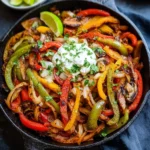
Vegetarian Fajita Skillet recipe
Ingredients
For the Vegetable Fajita Mix:
-
Olive Oil: 2 tablespoons, plus more for the skillet
-
Bell Peppers: 3 large, a mix of colors (e.g., one red, one yellow, one green), cored, seeded, and thinly sliced
-
Red Onion: 1 large, thinly sliced
-
Portobello Mushrooms: 8 ounces (about 2 large caps), gills scraped, and thinly sliced
-
Lime: 1 large, juice reserved
For the Homemade Fajita Seasoning:
-
Chili Powder: 2 tablespoons
-
Smoked Paprika: 1 tablespoon (gives an incredible smoky depth)
-
Ground Cumin: 1 tablespoon
-
Garlic Powder: 1 teaspoon
-
Onion Powder: 1 teaspoon
-
Dried Oregano: 1 teaspoon
-
Salt: 1 teaspoon
-
Black Pepper: ½ teaspoon
-
Cayenne Pepper: ¼ teaspoon, or to taste (optional, for heat)
For Serving (Optional but Recommended):
-
Tortillas: 8-12 small flour or corn tortillas, warmed
-
Guacamole or Sliced Avocado
-
Salsa or Pico de Gallo
-
Sour Cream or Plain Greek Yogurt (or a plant-based alternative)
-
Shredded Cheddar or Monterey Jack Cheese (or a dairy-free blend)
-
Fresh Cilantro, chopped
-
Pickled Jalapeños
Instructions
Step 1: Prepare the Vegetables and Seasoning
-
Slice the Vegetables: Thinly slice all your bell peppers, the red onion, and the portobello mushrooms. Place them all together in a large mixing bowl.
-
Mix the Seasoning: In a small bowl, combine all the fajita seasoning ingredients: chili powder, smoked paprika, cumin, garlic powder, onion powder, oregano, salt, black pepper, and cayenne pepper (if using). Whisk until everything is evenly distributed.
-
Season the Vegetables: Drizzle the 2 tablespoons of olive oil over the sliced vegetables in the large bowl. Sprinkle the entire homemade seasoning blend over the top. Use your hands or a pair of tongs to toss everything together thoroughly, ensuring every slice of vegetable is coated in the oil and spices. For the best flavor, you can let this sit and marinate for 15-20 minutes at room temperature, but this step is optional if you’re in a hurry.
Step 2: Cook the Fajita Skillet
-
Heat the Skillet: Place a large cast-iron skillet or other heavy-bottomed frying pan over medium-high heat. Let the pan get very hot. A hot pan is essential for achieving that classic fajita char and sizzle.
-
Cook in Batches: Add a small drizzle of oil to the hot skillet. Working in two or three batches to avoid overcrowding the pan, add a single layer of the seasoned vegetables. Let them cook for 3-4 minutes without stirring, allowing them to develop a nice char on the bottom.
-
Sauté Until Tender-Crisp: After they have charred, begin to stir and toss the vegetables, cooking for another 4-5 minutes until they are tender but still have a slight crispness. You don’t want them to become mushy.
-
Combine and Finish: Once the first batch is cooked, remove it to a plate and repeat the process with the remaining vegetables. When the final batch is almost done, add all the previously cooked vegetables back into the skillet to heat through together.
-
Add the Finishing Touch: Remove the skillet from the heat. Squeeze the juice of one large lime all over the vegetables and toss to combine. This bright, acidic finish is crucial for waking up all the smoky flavors.
Step 3: Serve
-
Warm the Tortillas: While the vegetables are cooking, warm your tortillas. You can do this by wrapping them in a damp paper towel and microwaving for 30-45 seconds, or by heating them one by one in a dry skillet for about 15-20 seconds per side.
-
Assemble and Enjoy: Serve the sizzling vegetarian fajita skillet immediately with the warm tortillas and a spread of all your favorite toppings.
Nutrition
- Serving Size: one normal portion
- Calories: 280-320 kcal