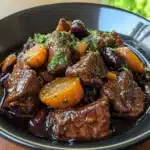



There’s something undeniably comforting and exciting about a steaming bowl of curry. The fragrant spices, the creamy texture, and the medley of vegetables all come together in a symphony of flavors that can transport you to exotic lands, all from the comfort of your own kitchen. Vegetarian curry, in particular, has become a staple in our household. It’s a dish that’s both wholesome and satisfying, packed with nutrients and bursting with taste. We’ve experimented with countless variations, from mild and creamy coconut-based curries to fiery and robust tomato-based ones. This recipe, however, is our absolute go-to. It’s a wonderfully balanced curry, rich in flavor without being overly heavy, and adaptable to whatever vegetables we have on hand. Even on busy weeknights, we can whip up a batch of this vegetarian curry and transform an ordinary evening into a flavorful feast. Whether you’re a seasoned curry enthusiast or a curious beginner, this recipe will guide you through creating a vegetarian curry that’s not only delicious but also a celebration of vibrant plant-based cuisine. Get ready to embark on a culinary adventure that will tantalize your senses and leave you craving more.
Ingredients: Unlocking Layers of Flavor in Your Vegetarian Curry
The magic of vegetarian curry lies in the thoughtful combination of fresh vegetables, aromatic spices, and a rich, flavorful base. Here’s a comprehensive list of ingredients to create a truly exceptional vegetarian curry:
- Vegetables: The Heart of the Curry
- 2 cups potatoes, diced into 1-inch cubes: Potatoes provide a hearty and grounding element to the curry, absorbing the flavors beautifully and adding a creamy texture as they cook. Yukon Gold or red potatoes work particularly well as they hold their shape during cooking.
- 2 cups cauliflower florets, cut into bite-sized pieces: Cauliflower adds a subtle sweetness and delicate texture to the curry. It cooks quickly and complements the spices perfectly.
- 1 cup frozen peas: Frozen peas add a pop of sweetness and vibrant green color. They are best added towards the end of cooking to retain their freshness and prevent them from becoming mushy.
- 1 cup spinach, roughly chopped: Spinach adds a nutritious boost and wilts beautifully into the curry, adding a subtle earthy flavor and a vibrant green hue. You can also use other leafy greens like kale or Swiss chard.
- (Optional) 1 cup carrots, sliced or diced: Carrots add sweetness and a slightly firm texture to the curry.
- (Optional) 1 cup bell peppers (any color), chopped: Bell peppers add a sweetness and slight crunch to the curry.
- (Optional) 1 cup green beans, trimmed and halved: Green beans add a fresh, slightly crisp element to the curry.
- (Optional) 1 cup chickpeas, cooked or canned (drained and rinsed): Chickpeas provide a protein boost and a satisfyingly nutty flavor and texture.
- (Optional) 1 cup paneer, cubed: Paneer (Indian cheese) adds a creamy richness and protein to the curry. It can be lightly pan-fried or added directly to the curry.
- (Optional) 1 cup mushrooms, sliced: Mushrooms add an earthy, umami flavor to the curry.
- Curry Paste: The Flavor Foundation
- 4 tablespoons curry paste (red, green, yellow, or Madras): Curry paste is the cornerstone of flavor in this dish. You can choose your preferred type depending on your spice preference and desired flavor profile.
- Red Curry Paste: Offers a balance of spice and aromatics, often with chilies, lemongrass, galangal, and garlic. It’s generally medium-spicy.
- Green Curry Paste: Typically milder and fresher, with green chilies, basil, cilantro, and lime leaves.
- Yellow Curry Paste: Milder and sweeter, often featuring turmeric, coriander, cumin, and cinnamon.
- Madras Curry Paste: A robust and flavorful blend, often spicier than yellow curry, with a complex mix of spices.
- (Homemade Curry Paste Option): For an even more authentic flavor, consider making your own curry paste. Recipes vary widely but often include ingredients like dried chilies, ginger, garlic, lemongrass, galangal, shallots, spices (cumin, coriander, turmeric, etc.), and shrimp paste (omit for vegetarian).
- 4 tablespoons curry paste (red, green, yellow, or Madras): Curry paste is the cornerstone of flavor in this dish. You can choose your preferred type depending on your spice preference and desired flavor profile.
- Aromatics: Building Depth of Flavor
- 1 large onion, finely chopped: Onion forms the base of the aromatic layer, adding sweetness and depth.
- 4 cloves garlic, minced: Garlic provides a pungent and savory flavor that is essential in curry.
- 1-inch piece ginger, grated or finely minced: Ginger adds a warm, zesty, and slightly spicy note that complements the other spices beautifully.
- 1-2 green chilies, finely chopped (optional, adjust to taste): Green chilies add a fresh heat to the curry. Adjust the amount or omit them entirely if you prefer a milder curry.
- Tomatoes: Adding Acidity and Body
- 1 (14.5 ounce) can diced tomatoes, undrained: Diced tomatoes provide acidity, sweetness, and body to the curry sauce. Undrained tomatoes add extra liquid and flavor.
- (Optional) 2 tablespoons tomato paste: Tomato paste adds a concentrated tomato flavor and richness to the sauce.
- Coconut Milk: Creaminess and Richness
- 1 (13.5 ounce) can full-fat coconut milk: Full-fat coconut milk is crucial for a rich and creamy curry. It adds a subtle sweetness and velvety texture that balances the spices.
- (Optional) Light coconut milk: For a slightly lighter curry, you can use light coconut milk, but the flavor and texture will be less rich.
- Broth/Stock: Liquid Base and Flavor Enhancement
- 1 cup vegetable broth or stock: Vegetable broth provides the liquid base for the curry and adds depth of flavor. Low-sodium broth is recommended to control the salt level.
- Spices: The Soul of Curry
- 1 teaspoon turmeric powder: Turmeric adds a warm, earthy flavor and a vibrant yellow color. It also has anti-inflammatory properties.
- 1 teaspoon cumin powder: Cumin adds a warm, earthy, and slightly smoky flavor.
- 1 teaspoon coriander powder: Coriander adds a citrusy, slightly sweet, and warm flavor.
- ½ teaspoon garam masala: Garam masala is a blend of warm spices (like cinnamon, cardamom, cloves, black pepper) that adds a complex and aromatic finish to the curry. Add it towards the end of cooking to preserve its fragrance.
- (Optional) ½ teaspoon chili powder or cayenne pepper (adjust to taste): For extra heat, add chili powder or cayenne pepper.
- Oil: Cooking Medium
- 2 tablespoons vegetable oil or coconut oil: Vegetable oil is neutral in flavor, while coconut oil adds a subtle coconut aroma and flavor that complements certain curry styles (especially Thai-inspired curries).
- Fresh Herbs and Finishing Touches
- ¼ cup fresh cilantro, chopped, for garnish: Fresh cilantro adds a bright, herbaceous finish and visual appeal.
- 1 tablespoon fresh lime juice or lemon juice: Lime or lemon juice adds a touch of acidity that brightens the flavors and balances the richness of the curry.
- Salt, to taste: Salt is essential for seasoning and enhancing all the flavors.
- Black pepper, to taste: Black pepper adds a touch of warmth and depth.
Ingredient Notes for Vegetarian Curry:
- Vegetable Variations: Feel free to customize the vegetables based on your preferences and what’s in season. Other great additions include sweet potatoes, butternut squash, eggplant, okra, and snap peas.
- Curry Paste Intensity: Start with a smaller amount of curry paste if you are unsure about the spice level and add more to taste. Some curry pastes are spicier than others, so it’s always best to start conservatively.
- Fresh vs. Dried Spices: Freshly ground spices generally have a more potent and vibrant flavor. If possible, use freshly ground spices or toast whole spices before grinding them for enhanced aroma.
- Coconut Milk Options: For a richer curry, you can use chilled full-fat coconut milk and scoop out the thick cream from the top to add to the curry for extra richness. Reserve the thinner liquid for other uses.
Instructions: Crafting Your Delicious Vegetarian Curry Step-by-Step
Creating a flavorful vegetarian curry is a rewarding process. Follow these step-by-step instructions to bring this aromatic dish to life:
Step 1: Prepare the Vegetables
- Wash and chop all vegetables: Wash all your chosen vegetables thoroughly. Dice the potatoes and carrots into 1-inch cubes, cut the cauliflower into florets, slice the bell peppers (if using), trim and halve the green beans (if using), and roughly chop the spinach. Mince the garlic, grate or mince the ginger, finely chop the onion and green chilies (if using). If using paneer, cube it. If using chickpeas, drain and rinse them.
Step 2: Sauté the Aromatics
- Heat oil in a large pot or Dutch oven over medium heat: Use a pot or Dutch oven with a heavy bottom to ensure even heat distribution and prevent sticking.
- Add chopped onion and sauté until softened and translucent, about 5-7 minutes: Stir the onion occasionally and cook until it becomes soft and slightly golden. This step releases the onion’s sweetness and forms the aromatic base of the curry.
- Add minced garlic and ginger and sauté for another 1-2 minutes until fragrant: Stir in the minced garlic and ginger and cook until they become fragrant and aromatic. Be careful not to burn the garlic.
Step 3: Add Curry Paste and Spices
- Add curry paste to the pot and sauté for 1-2 minutes, stirring constantly: This step is crucial for “blooming” the curry paste, which intensifies its flavor and aroma. Stir constantly to prevent the paste from sticking or burning. You should smell a wonderful fragrance as the paste cooks.
- Add turmeric powder, cumin powder, coriander powder, and chili powder (if using) and sauté for another minute, stirring constantly: Adding the dry spices now allows them to toast in the oil and release their full flavor potential. Stir continuously to prevent burning.
Step 4: Add Tomatoes and Broth
- Add diced tomatoes (undrained) and tomato paste (if using) to the pot: Stir in the diced tomatoes and tomato paste.
- Pour in vegetable broth or stock: Add the vegetable broth to the pot.
- Stir well to combine all ingredients: Mix everything together, scraping up any browned bits from the bottom of the pot (these add flavor!).
Step 5: Simmer and Add Coconut Milk
- Bring the mixture to a simmer, then reduce heat to low, cover, and simmer for 10-15 minutes: Simmering allows the flavors to meld together and the sauce to slightly thicken.
- Stir in coconut milk: Pour in the coconut milk and stir to combine.
Step 6: Add Vegetables and Cook
- Add potatoes, carrots (if using), and cauliflower to the curry: These vegetables take longer to cook, so add them first.
- Bring the curry back to a simmer, cover, and cook for 15-20 minutes, or until potatoes and cauliflower are tender: Simmer until the potatoes and cauliflower are easily pierced with a fork.
- Add bell peppers (if using), green beans (if using), chickpeas (if using), and paneer (if using) to the curry: These vegetables cook more quickly. Add them now.
- Continue to simmer, uncovered, for another 5-10 minutes, or until these vegetables are tender-crisp and paneer is heated through: Cook until the vegetables are tender but still have a slight bite. If using paneer, ensure it’s heated through.
- Stir in frozen peas and spinach: Add the frozen peas and chopped spinach during the last few minutes of cooking. Cook until the peas are heated through and the spinach is wilted, about 2-3 minutes.
Step 7: Finish with Fresh Herbs and Lemon Juice
- Remove the pot from heat.
- Stir in fresh lime juice or lemon juice and garam masala: These final touches brighten the flavors and add complexity.
- Stir in most of the chopped fresh cilantro, reserving some for garnish.
Step 8: Taste and Adjust Seasoning
- Taste the curry and adjust seasoning as needed: Add more salt, pepper, curry paste, chili powder, or lemon juice to taste. The flavor should be balanced and satisfying.
Step 9: Serve and Garnish
- Serve hot, garnished with remaining fresh cilantro. Enjoy your delicious vegetarian curry!
Nutrition Facts: Nourishment in Every Bowl
Vegetarian curry is not only delicious but also a nutritious meal packed with vegetables, spices, and healthy fats. Please note that these are estimated values and can vary depending on the specific ingredients and serving sizes used.
- Servings: Approximately 6-8 servings
- Calories per serving (estimated): 300-400 calories (This is an estimate and can vary significantly based on the types and amounts of vegetables, oil, and coconut milk used. Using light coconut milk and less oil will reduce calories.)
Approximate Nutritional Breakdown per Serving (estimated):
- Fat: 15-25 grams (primarily from coconut milk and oil; can be reduced by using light coconut milk and less oil)
- Saturated Fat: 10-18 grams (primarily from coconut milk; can be reduced by using light coconut milk)
- Cholesterol: Minimal (vegetarian)
- Sodium: 400-600 mg (can vary based on broth, curry paste, and added salt)
- Carbohydrates: 30-40 grams (primarily from vegetables, potatoes, and chickpeas)
- Fiber: 5-8 grams (excellent source of fiber from vegetables and chickpeas)
- Sugar: 8-12 grams (naturally occurring sugars in vegetables and tomatoes)
- Protein: 8-12 grams (from chickpeas, paneer – if used, and vegetables)
- Vitamins and Minerals: Rich in Vitamin C, Vitamin K, Vitamin A, potassium, manganese, and various B vitamins depending on the vegetables used. Spices also contribute antioxidants and micronutrients.
Important Note: Vegetarian curry is a relatively healthy and balanced meal, especially when loaded with a variety of vegetables. It’s a good source of fiber, vitamins, and minerals. Be mindful of the fat content, primarily from coconut milk and oil, especially if using full-fat coconut milk and generous amounts of oil. You can adjust the recipe to be lighter by using light coconut milk and reducing the amount of oil.
Preparation Time: Curry on the Table in Under an Hour
This vegetarian curry is relatively quick to prepare, making it a great option for weeknight dinners.
- Prep Time: 20-25 minutes (This includes chopping vegetables, mincing aromatics, and gathering ingredients.)
- Cook Time: 30-35 minutes (This includes sautéing, simmering, and cooking the vegetables.)
- Total Time: 50-60 minutes
Make-Ahead Tip: You can prepare the vegetarian curry ahead of time and it actually tastes even better the next day as the flavors meld together further. Cook the curry completely, let it cool down, and store it in an airtight container in the refrigerator for up to 3-4 days. Reheat gently on the stovetop or in the microwave until heated through. You may need to add a splash of water or broth if the curry has thickened too much upon reheating.
How to Serve: Unlock the Full Curry Experience
Vegetarian curry is incredibly versatile and can be served in numerous ways to create a complete and satisfying meal.
Serving Suggestions as a Main Course:
- With Rice: The classic and most popular pairing! Serve vegetarian curry over a bed of fluffy steamed rice, such as basmati rice or jasmine rice. Brown rice or quinoa are also healthy alternatives.
- With Naan or Roti: Serve with warm naan bread or roti (Indian flatbreads) for scooping up the delicious curry sauce. Garlic naan or butter naan are particularly indulgent choices.
- With Quinoa or Couscous: For a lighter and gluten-free option, serve the curry with quinoa or couscous. These grains absorb the curry sauce beautifully.
- Over Cauliflower Rice: For a low-carb option, serve the curry over cauliflower rice.
- With Dosa or Appam: For a South Indian twist, serve with dosa (thin rice and lentil crepes) or appam (fermented rice and coconut pancakes).
Serving Suggestions as a Side Dish:
- Alongside Grilled Paneer or Tofu: Vegetarian curry can be a flavorful side dish to complement grilled paneer skewers, marinated tofu, or other vegetarian protein dishes.
- With Lentil Soup or Dal: Serve a smaller portion of vegetarian curry as a side alongside a lentil soup (dal) for a hearty and balanced Indian-inspired meal.
- As Part of a Thali: Incorporate vegetarian curry as one of the dishes in a vegetarian thali (Indian platter) which typically includes rice, dal, vegetables, yogurt, and bread.
Topping Ideas (Beyond Cilantro):
- Fresh Yogurt or Raita: A dollop of plain yogurt or raita (yogurt with cucumber and mint) cools down the spice and adds a creamy tang.
- Chopped Nuts: Toasted almonds, cashews, or peanuts add a crunchy texture and nutty flavor.
- Chili Flakes or Hot Sauce: For those who like extra heat, sprinkle chili flakes or drizzle hot sauce over the curry.
- Lime Wedges: Serve with lime wedges for squeezing fresh lime juice over the curry for added brightness.
- Fresh Mint or Parsley: In addition to cilantro, fresh mint or parsley can also be used for garnish, adding different herbaceous notes.
- Shredded Coconut: Toasted or fresh shredded coconut adds a subtle sweetness and tropical flavor, especially with coconut milk-based curries.
Side Dish Pairings:
- Raita: Cucumber raita, onion raita, or boondi raita are classic Indian yogurt-based side dishes that complement curry perfectly.
- Pickles (Achar): Indian pickles (achar) add a spicy, tangy, and fermented element that balances the richness of the curry. Mango pickle, lime pickle, or mixed vegetable pickle are good choices.
- Chutneys: Mango chutney, mint-cilantro chutney, or tamarind chutney provide sweet, tangy, and spicy flavor contrasts.
- Papadum: Crispy lentil wafers (papadum) are a crunchy accompaniment that can be enjoyed alongside or dipped into the curry.
Additional Tips for Vegetarian Curry Perfection
Elevate your vegetarian curry from good to extraordinary with these helpful tips:
- Bloom Your Spices: Don’t skip the step of sautéing the curry paste and dry spices in oil. This “blooming” process releases their aromatic oils and intensifies their flavor, creating a much richer and more complex curry.
- Use Quality Curry Paste (or Make Your Own): The quality of your curry paste significantly impacts the final flavor. Use a reputable brand of curry paste or, for an even more authentic and customized flavor, try making your own curry paste from scratch.
- Don’t Overcook the Vegetables: Aim for vegetables that are tender-crisp, not mushy. Overcooked vegetables lose their texture and flavor. Add vegetables in stages, starting with those that take longer to cook (like potatoes and carrots) and adding quicker-cooking vegetables (like spinach and peas) towards the end.
- Balance the Flavors: A well-balanced curry has a harmonious blend of flavors: spicy, salty, sour, sweet, and umami. Adjust the spice level with chilies or curry paste, saltiness with salt, sourness with lemon or lime juice, sweetness (if needed) with a pinch of sugar or a touch of coconut milk, and umami from the vegetables, spices, and tomato paste. Taste and adjust seasoning throughout cooking.
- Taste and Adjust Throughout Cooking: Curry is a dish that benefits from constant tasting and adjusting. Taste the curry at various stages of cooking and adjust seasoning (salt, spice, acidity, sweetness) as needed to achieve your desired flavor profile. Don’t be afraid to experiment and personalize the curry to your taste.
FAQ: Your Vegetarian Curry Questions Answered
Q1: Can I use different vegetables in this vegetarian curry?
A: Absolutely! Vegetarian curry is incredibly versatile. Feel free to use any vegetables you enjoy or have on hand. Great additions include sweet potatoes, butternut squash, eggplant, okra, green beans, snap peas, mushrooms, and more. Consider the cooking time of different vegetables and add them accordingly, starting with harder vegetables and adding softer ones later.
Q2: How can I make this curry spicier or milder?
A: To make the curry spicier, you can:
* Add more curry paste.
* Increase the amount of green chilies or add red chili flakes or cayenne pepper.
* Use a spicier type of curry paste (like Madras or red curry paste).
Q3: Can I use different types of curry paste in this recipe?
A: Yes, you can experiment with different types of curry paste to create variations in flavor. Red, green, yellow, and Madras curry pastes will all work well, each offering a unique flavor profile. Consider the spice level and flavor notes of each paste and choose one that suits your preference. You can also blend different curry pastes for a more complex flavor.
Q4: Can I freeze vegetarian curry?
A: Yes, vegetarian curry freezes very well. Allow the curry to cool completely, then transfer it to airtight containers or freezer bags. Freeze for up to 2-3 months. To thaw, defrost overnight in the refrigerator or gently reheat from frozen on the stovetop or in the microwave. Vegetables may become slightly softer after freezing and thawing, but the flavor will remain delicious.
Q5: What do I do if my curry is too thin or too thick?
A: If your curry is too thin:
* Simmer uncovered for a longer time to allow the sauce to reduce and thicken.
* Mix a teaspoon of cornstarch or arrowroot powder with 2 tablespoons of cold water to create a slurry. Gradually stir the slurry into the simmering curry and cook for a few minutes until thickened.
* Add a tablespoon of tomato paste or cashew cream (for richness) to thicken the sauce.
This vibrant vegetarian curry is an invitation to explore the world of spices and plant-based flavors. It’s a dish that’s both nourishing and deeply satisfying, perfect for a cozy weeknight dinner, a flavorful weekend feast, or even meal prepping for the week ahead. So gather your favorite vegetables, unlock your spice cabinet, and embark on a culinary journey that will fill your kitchen with irresistible aromas and your plate with vibrant, delicious vegetarian curry. Enjoy the journey and the delightful flavors you create!
Print
Vegetarian Curry recipe
Ingredients
-
- Vegetables: The Heart of the Curry
-
- 2 cups potatoes, diced into 1-inch cubes: Potatoes provide a hearty and grounding element to the curry, absorbing the flavors beautifully and adding a creamy texture as they cook. Yukon Gold or red potatoes work particularly well as they hold their shape during cooking.
-
- 2 cups cauliflower florets, cut into bite-sized pieces: Cauliflower adds a subtle sweetness and delicate texture to the curry. It cooks quickly and complements the spices perfectly.
-
- 1 cup frozen peas: Frozen peas add a pop of sweetness and vibrant green color. They are best added towards the end of cooking to retain their freshness and prevent them from becoming mushy.
-
- 1 cup spinach, roughly chopped: Spinach adds a nutritious boost and wilts beautifully into the curry, adding a subtle earthy flavor and a vibrant green hue. You can also use other leafy greens like kale or Swiss chard.
-
- (Optional) 1 cup carrots, sliced or diced: Carrots add sweetness and a slightly firm texture to the curry.
-
- (Optional) 1 cup bell peppers (any color), chopped: Bell peppers add a sweetness and slight crunch to the curry.
-
- (Optional) 1 cup green beans, trimmed and halved: Green beans add a fresh, slightly crisp element to the curry.
-
- (Optional) 1 cup chickpeas, cooked or canned (drained and rinsed): Chickpeas provide a protein boost and a satisfyingly nutty flavor and texture.
-
- (Optional) 1 cup paneer, cubed: Paneer (Indian cheese) adds a creamy richness and protein to the curry. It can be lightly pan-fried or added directly to the curry.
-
- (Optional) 1 cup mushrooms, sliced: Mushrooms add an earthy, umami flavor to the curry.
-
- Vegetables: The Heart of the Curry
-
- Curry Paste: The Flavor Foundation
-
- 4 tablespoons curry paste (red, green, yellow, or Madras): Curry paste is the cornerstone of flavor in this dish. You can choose your preferred type depending on your spice preference and desired flavor profile.
-
- Red Curry Paste: Offers a balance of spice and aromatics, often with chilies, lemongrass, galangal, and garlic. It’s generally medium-spicy.
-
- Green Curry Paste: Typically milder and fresher, with green chilies, basil, cilantro, and lime leaves.
-
- Yellow Curry Paste: Milder and sweeter, often featuring turmeric, coriander, cumin, and cinnamon.
-
- Madras Curry Paste: A robust and flavorful blend, often spicier than yellow curry, with a complex mix of spices.
-
- 4 tablespoons curry paste (red, green, yellow, or Madras): Curry paste is the cornerstone of flavor in this dish. You can choose your preferred type depending on your spice preference and desired flavor profile.
-
- (Homemade Curry Paste Option): For an even more authentic flavor, consider making your own curry paste. Recipes vary widely but often include ingredients like dried chilies, ginger, garlic, lemongrass, galangal, shallots, spices (cumin, coriander, turmeric, etc.), and shrimp paste (omit for vegetarian).
-
- Curry Paste: The Flavor Foundation
-
- Aromatics: Building Depth of Flavor
-
- 1 large onion, finely chopped: Onion forms the base of the aromatic layer, adding sweetness and depth.
-
- 4 cloves garlic, minced: Garlic provides a pungent and savory flavor that is essential in curry.
-
- 1-inch piece ginger, grated or finely minced: Ginger adds a warm, zesty, and slightly spicy note that complements the other spices beautifully.
-
- 1–2 green chilies, finely chopped (optional, adjust to taste): Green chilies add a fresh heat to the curry. Adjust the amount or omit them entirely if you prefer a milder curry.
-
- Aromatics: Building Depth of Flavor
-
- Tomatoes: Adding Acidity and Body
-
- 1 (14.5 ounce) can diced tomatoes, undrained: Diced tomatoes provide acidity, sweetness, and body to the curry sauce. Undrained tomatoes add extra liquid and flavor.
-
- (Optional) 2 tablespoons tomato paste: Tomato paste adds a concentrated tomato flavor and richness to the sauce.
-
- Tomatoes: Adding Acidity and Body
-
- Coconut Milk: Creaminess and Richness
-
- 1 (13.5 ounce) can full-fat coconut milk: Full-fat coconut milk is crucial for a rich and creamy curry. It adds a subtle sweetness and velvety texture that balances the spices.
-
- (Optional) Light coconut milk: For a slightly lighter curry, you can use light coconut milk, but the flavor and texture will be less rich.
-
- Coconut Milk: Creaminess and Richness
-
- Broth/Stock: Liquid Base and Flavor Enhancement
-
- 1 cup vegetable broth or stock: Vegetable broth provides the liquid base for the curry and adds depth of flavor. Low-sodium broth is recommended to control the salt level.
-
- Broth/Stock: Liquid Base and Flavor Enhancement
-
- Spices: The Soul of Curry
-
- 1 teaspoon turmeric powder: Turmeric adds a warm, earthy flavor and a vibrant yellow color. It also has anti-inflammatory properties.
-
- 1 teaspoon cumin powder: Cumin adds a warm, earthy, and slightly smoky flavor.
-
- 1 teaspoon coriander powder: Coriander adds a citrusy, slightly sweet, and warm flavor.
-
- ½ teaspoon garam masala: Garam masala is a blend of warm spices (like cinnamon, cardamom, cloves, black pepper) that adds a complex and aromatic finish to the curry. Add it towards the end of cooking to preserve its fragrance.
-
- (Optional) ½ teaspoon chili powder or cayenne pepper (adjust to taste): For extra heat, add chili powder or cayenne pepper.
-
- Spices: The Soul of Curry
-
- Oil: Cooking Medium
-
- 2 tablespoons vegetable oil or coconut oil: Vegetable oil is neutral in flavor, while coconut oil adds a subtle coconut aroma and flavor that complements certain curry styles (especially Thai-inspired curries).
-
- Oil: Cooking Medium
-
- Fresh Herbs and Finishing Touches
-
- ¼ cup fresh cilantro, chopped, for garnish: Fresh cilantro adds a bright, herbaceous finish and visual appeal.
-
- 1 tablespoon fresh lime juice or lemon juice: Lime or lemon juice adds a touch of acidity that brightens the flavors and balances the richness of the curry.
-
- Salt, to taste: Salt is essential for seasoning and enhancing all the flavors.
-
- Black pepper, to taste: Black pepper adds a touch of warmth and depth.
-
- Fresh Herbs and Finishing Touches
Instructions
Step 1: Prepare the Vegetables
-
- Wash and chop all vegetables: Wash all your chosen vegetables thoroughly. Dice the potatoes and carrots into 1-inch cubes, cut the cauliflower into florets, slice the bell peppers (if using), trim and halve the green beans (if using), and roughly chop the spinach. Mince the garlic, grate or mince the ginger, finely chop the onion and green chilies (if using). If using paneer, cube it. If using chickpeas, drain and rinse them.
Step 2: Sauté the Aromatics
-
- Heat oil in a large pot or Dutch oven over medium heat: Use a pot or Dutch oven with a heavy bottom to ensure even heat distribution and prevent sticking.
-
- Add chopped onion and sauté until softened and translucent, about 5-7 minutes: Stir the onion occasionally and cook until it becomes soft and slightly golden. This step releases the onion’s sweetness and forms the aromatic base of the curry.
-
- Add minced garlic and ginger and sauté for another 1-2 minutes until fragrant: Stir in the minced garlic and ginger and cook until they become fragrant and aromatic. Be careful not to burn the garlic.
Step 3: Add Curry Paste and Spices
-
- Add curry paste to the pot and sauté for 1-2 minutes, stirring constantly: This step is crucial for “blooming” the curry paste, which intensifies its flavor and aroma. Stir constantly to prevent the paste from sticking or burning. You should smell a wonderful fragrance as the paste cooks.
-
- Add turmeric powder, cumin powder, coriander powder, and chili powder (if using) and sauté for another minute, stirring constantly: Adding the dry spices now allows them to toast in the oil and release their full flavor potential. Stir continuously to prevent burning.
Step 4: Add Tomatoes and Broth
-
- Add diced tomatoes (undrained) and tomato paste (if using) to the pot: Stir in the diced tomatoes and tomato paste.
-
- Pour in vegetable broth or stock: Add the vegetable broth to the pot.
-
- Stir well to combine all ingredients: Mix everything together, scraping up any browned bits from the bottom of the pot (these add flavor!).
Step 5: Simmer and Add Coconut Milk
-
- Bring the mixture to a simmer, then reduce heat to low, cover, and simmer for 10-15 minutes: Simmering allows the flavors to meld together and the sauce to slightly thicken.
-
- Stir in coconut milk: Pour in the coconut milk and stir to combine.
Step 6: Add Vegetables and Cook
-
- Add potatoes, carrots (if using), and cauliflower to the curry: These vegetables take longer to cook, so add them first.
-
- Bring the curry back to a simmer, cover, and cook for 15-20 minutes, or until potatoes and cauliflower are tender: Simmer until the potatoes and cauliflower are easily pierced with a fork.
-
- Add bell peppers (if using), green beans (if using), chickpeas (if using), and paneer (if using) to the curry: These vegetables cook more quickly. Add them now.
-
- Continue to simmer, uncovered, for another 5-10 minutes, or until these vegetables are tender-crisp and paneer is heated through: Cook until the vegetables are tender but still have a slight bite. If using paneer, ensure it’s heated through.
-
- Stir in frozen peas and spinach: Add the frozen peas and chopped spinach during the last few minutes of cooking. Cook until the peas are heated through and the spinach is wilted, about 2-3 minutes.
Step 7: Finish with Fresh Herbs and Lemon Juice
-
- Remove the pot from heat.
-
- Stir in fresh lime juice or lemon juice and garam masala: These final touches brighten the flavors and add complexity.
-
- Stir in most of the chopped fresh cilantro, reserving some for garnish.
Step 8: Taste and Adjust Seasoning
-
- Taste the curry and adjust seasoning as needed: Add more salt, pepper, curry paste, chili powder, or lemon juice to taste. The flavor should be balanced and satisfying.
Step 9: Serve and Garnish
-
- Serve hot, garnished with remaining fresh cilantro. Enjoy your delicious vegetarian curry!
-
- Taste the curry and adjust seasoning as needed: Add more salt, pepper, curry paste, chili powder, or lemon juice to taste. The flavor should be balanced and satisfying.
Nutrition
- Serving Size: one normal portion
- Calories: 300-400
- Sugar: 8-12 grams
- Sodium: 400-600 mg
- Fat: 15-25 grams
- Saturated Fat: 10-18 grams
- Carbohydrates: 30-40 grams
- Fiber: 5-8 grams
- Protein: 8-12 grams