
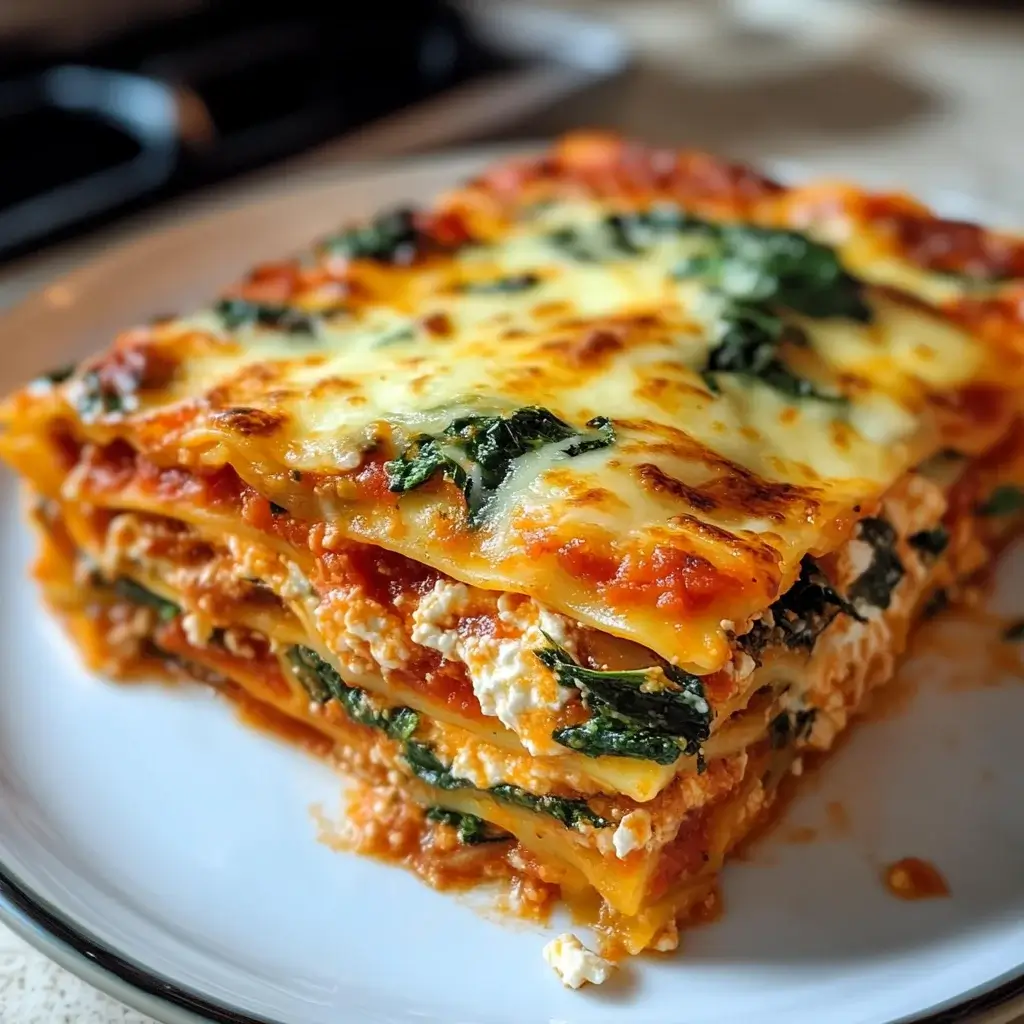

Last weekend, craving something comforting yet still packed with goodness, I decided to whip up a Vegetable Lasagna with Ricotta and Spinach. Let me just say, it was a culinary hug in a dish! The layers of tender vegetables, creamy ricotta, and vibrant spinach nestled between perfectly cooked lasagna noodles, all bathed in a rich and flavorful tomato sauce… it was simply divine. Even my meat-loving husband, who usually raises an eyebrow at vegetarian dishes, went back for seconds (and thirds!). The aroma that filled the kitchen while it baked was intoxicating, and the first bite was pure bliss. It’s hearty, satisfying, and surprisingly easy to make, making it perfect for a family dinner, a potluck gathering, or even a special occasion. If you’re looking for a vegetarian dish that’s guaranteed to please everyone, look no further. This Vegetable Lasagna with Ricotta and Spinach is about to become your new favorite comfort food!
Ingredients You’ll Need for a Delicious Vegetable Lasagna with Ricotta and Spinach
To create this vegetarian masterpiece, you’ll need a vibrant array of fresh vegetables, creamy cheeses, and flavorful sauces. Here’s a detailed list of ingredients to ensure you have everything on hand to build your perfect Vegetable Lasagna with Ricotta and Spinach:
For the Vegetable Layers:
- 1 tablespoon Olive Oil: Extra virgin olive oil is recommended for its flavor and health benefits. You’ll use this for sautéing the vegetables.
- 1 large Onion: Yellow or white onion works well. Diced, it forms the aromatic base for your vegetable medley.
- 2 cloves Garlic: Fresh garlic is essential for that pungent, aromatic flavor. Mince them finely for even distribution.
- 1 Red Bell Pepper: Adds sweetness and vibrant color. Diced or sliced, depending on your preference.
- 1 Green Bell Pepper: Another bell pepper for color and slightly different flavor notes. Diced or sliced to match the red pepper.
- 2 cups Sliced Mushrooms: Cremini, white button, or a mix of your favorite mushrooms will work. Sliced for even cooking and layering.
- 1 Zucchini: Adds a mild, slightly sweet flavor and tender texture. Sliced or diced.
- 1 Yellow Squash: Similar to zucchini in flavor and texture, adds variety and color. Sliced or diced.
- 1 (10-ounce) package Frozen Spinach, thawed and squeezed dry: Frozen spinach is convenient and works perfectly in lasagna. Ensure it’s thoroughly thawed and squeezed dry to remove excess moisture, preventing a watery lasagna. Fresh spinach can also be used (about 1 pound), wilted and drained.
- Salt and Black Pepper: Kosher salt or sea salt and freshly ground black pepper are crucial for seasoning the vegetables. Adjust amounts to your taste.
- 1 teaspoon Dried Italian Herbs: A blend of oregano, basil, rosemary, thyme, and marjoram adds classic Italian flavor.
For the Ricotta Cheese Filling:
- 1 (15-ounce) container Ricotta Cheese: Whole milk ricotta will provide the richest flavor and creamiest texture. Part-skim ricotta can be used for a slightly lighter option.
- 1 cup Shredded Mozzarella Cheese: Part-skim or whole milk mozzarella, shredded. Adds cheesy meltiness to the ricotta filling.
- ½ cup Grated Parmesan Cheese: Freshly grated Parmesan cheese is preferred for its sharp, salty, and nutty flavor.
- 1 Egg: Large egg, acts as a binder to help hold the ricotta filling together.
- ¼ cup Fresh Parsley, chopped: Flat-leaf parsley (Italian parsley) is preferred for its stronger flavor. Chop it finely.
- Salt and Black Pepper: Season the ricotta filling to taste. Remember that Parmesan cheese is already salty, so taste before adding too much extra salt.
- Pinch of Nutmeg (optional): A tiny pinch of nutmeg can add a warm, subtle spice note that complements ricotta and spinach beautifully.
For the Lasagna and Sauce:
- 9-12 Lasagna Noodles: Use oven-ready lasagna noodles for convenience, or regular lasagna noodles (you’ll need to pre-cook them according to package directions). Oven-ready noodles save a step and are very easy to use.
- 2 (24-ounce) jars Marinara Sauce: Use your favorite store-bought marinara sauce or homemade marinara sauce. Choose a good quality sauce as it forms the base flavor of your lasagna. Look for sauces with simple ingredients and no added sugar if preferred.
- 1 cup Shredded Mozzarella Cheese (for topping): Additional shredded mozzarella for the top layer, creating a cheesy, bubbly crust.
- ¼ cup Grated Parmesan Cheese (for topping): More Parmesan for topping, adding extra flavor and browning during baking.
Equipment:
- Large Skillet or Pan: For sautéing the vegetables.
- Large Bowl: For mixing the ricotta cheese filling.
- 9×13 inch Baking Dish: A standard 9×13 inch baking dish is perfect for lasagna.
- Cutting Board and Knife: For chopping and slicing vegetables and herbs.
- Garlic Press or Mincing Knife: For garlic.
- Cheese Grater: For grating mozzarella and Parmesan cheese.
- Measuring Cups and Spoons: For accurate ingredient measurements.
- Spatula or Spoon: For layering and spreading ingredients.
Step-by-Step Instructions: Building Your Perfect Vegetable Lasagna
Follow these detailed, step-by-step instructions to assemble and bake your delicious Vegetable Lasagna with Ricotta and Spinach. Each step is designed to guide you through the process, ensuring a flavorful and beautifully layered lasagna.
Step 1: Prepare the Vegetables
- Sauté Aromatics: Heat the olive oil in a large skillet or pan over medium heat. Add the diced onion and sauté until softened and translucent, about 5-7 minutes. Add the minced garlic and cook for another minute until fragrant, being careful not to burn the garlic.
- Add Bell Peppers and Mushrooms: Add the diced red and green bell peppers and sliced mushrooms to the skillet. Cook, stirring occasionally, until the peppers are slightly softened and the mushrooms have released their moisture and are beginning to brown, about 8-10 minutes.
- Add Zucchini and Yellow Squash: Add the sliced or diced zucchini and yellow squash to the skillet. Cook for another 5-7 minutes, or until all vegetables are tender-crisp. You don’t want them to be mushy, as they will continue to cook in the lasagna.
- Stir in Spinach and Herbs: Add the thawed and squeezed dry spinach (or wilted fresh spinach) and dried Italian herbs to the skillet. Cook for 2-3 minutes, stirring to combine everything well and heat through the spinach.
- Season Vegetables: Season the vegetable mixture with salt and black pepper to taste. Start with about 1 teaspoon of salt and ½ teaspoon of black pepper, and adjust as needed. Remove from heat and set aside.
Step 2: Prepare the Ricotta Cheese Filling
- Combine Cheese Ingredients: In a large bowl, combine the ricotta cheese, shredded mozzarella cheese, grated Parmesan cheese, egg, and chopped fresh parsley.
- Mix Well: Mix all the ingredients together thoroughly until well combined. Ensure the egg is fully incorporated and the mixture is smooth and creamy.
- Season Ricotta Filling: Season the ricotta mixture with salt, black pepper, and a pinch of nutmeg (if using). Start with about ½ teaspoon of salt and ¼ teaspoon of black pepper, and adjust to your taste. Remember that Parmesan cheese is salty.
Step 3: Assemble the Lasagna
- Preheat Oven and Prepare Baking Dish: Preheat your oven to 375°F (190°C). Lightly grease a 9×13 inch baking dish with cooking spray or a little olive oil.
- Layer 1: Sauce: Spread a thin layer (about 1 cup) of marinara sauce evenly over the bottom of the baking dish. This prevents the noodles from sticking and adds moisture to the bottom layer.
- Layer 2: Noodles: Arrange a layer of lasagna noodles over the sauce, slightly overlapping if necessary to fit the dish. If using oven-ready noodles, they will be dry. If using regular noodles, ensure they are cooked al dente and drained.
- Layer 3: Ricotta Filling: Spread about half of the ricotta cheese filling evenly over the noodle layer.
- Layer 4: Vegetables: Spoon about half of the sautéed vegetable mixture evenly over the ricotta cheese filling.
- Layer 5: Sauce: Drizzle about 1 cup of marinara sauce over the vegetable layer.
- Repeat Layers: Repeat layers 2-6: Noodles, remaining ricotta filling, remaining vegetables, and another 1 cup of marinara sauce.
- Final Layer: Noodles and Sauce: Top with a final layer of lasagna noodles. Spread the remaining marinara sauce evenly over the noodles. Ensure all noodles are covered in sauce to prevent them from drying out during baking.
- Cheese Topping: Sprinkle the remaining shredded mozzarella cheese and grated Parmesan cheese evenly over the top layer of sauce.
Step 4: Bake the Lasagna
- Cover and Bake: Cover the baking dish tightly with aluminum foil. Bake in the preheated oven for 30 minutes. Covering it helps the lasagna cook through and prevents the cheese from browning too quickly.
- Uncover and Bake Further: Remove the foil and continue to bake for another 20-25 minutes, or until the cheese is melted, bubbly, and lightly golden brown, and the lasagna is heated through and bubbling around the edges.
- Check for Doneness: To ensure the lasagna is heated through, you can insert a knife into the center; it should feel hot to the touch when removed. The internal temperature should reach 165°F (74°C).
Step 5: Rest and Serve
- Rest Before Cutting: Remove the lasagna from the oven and let it rest for at least 10-15 minutes before cutting and serving. Resting allows the lasagna to set up, making it easier to slice and serve, and prevents it from being too watery.
- Serve Warm: Slice into squares and serve warm. Garnish with fresh parsley or basil if desired.
Nutritional Information at a Glance
Please note that nutritional information is an estimate and can vary based on specific ingredients used, portion sizes, and brands. This is a general guideline for a serving of Vegetable Lasagna with Ricotta and Spinach.
- Servings: Approximately 9-12 servings (depending on how large you cut the squares)
- Calories per Serving (Estimated): 350-500 calories (This is a broad estimate. Calorie count will depend on portion size, type of noodles, cheese fat content, and amount of sauce.)
Approximate Macronutrient Breakdown (per serving, estimated):
- Protein: 20-25 grams
- Fat: 15-25 grams (varies with cheese choices and oil used)
- Carbohydrates: 30-40 grams (primarily from noodles and vegetables)
Vitamins and Minerals (Vegetable Lasagna is a good source of):
- Vitamin A (from vegetables and cheese)
- Vitamin C (from bell peppers and spinach)
- Calcium (from ricotta, mozzarella, and Parmesan cheese)
- Iron (from spinach)
- Fiber (from vegetables and whole wheat noodles, if used)
Important Note: For more precise nutritional information, use a nutrition calculator app or website and input the specific brands and quantities of ingredients you use. This recipe can be made lighter by using part-skim ricotta and mozzarella, whole wheat noodles, and reducing the amount of cheese used for topping.
Preparation Time: Plan Your Lasagna Making
While lasagna isn’t a super quick weeknight meal, it’s well worth the effort and can be broken down into manageable steps. Here’s a breakdown of the preparation and cooking times for your Vegetable Lasagna with Ricotta and Spinach:
- Prep Time: 45-60 minutes (This includes chopping vegetables, sautéing vegetables, making ricotta filling, and assembling the lasagna)
- Cook Time: 50-55 minutes (30 minutes covered, 20-25 minutes uncovered)
- Resting Time: 10-15 minutes
- Total Time (Approximate): 1 hour 45 minutes – 2 hours 10 minutes
Tips for Time Management:
- Prepare Vegetables in Advance: You can chop the vegetables and sauté them a day ahead of time. Store them covered in the refrigerator. This will significantly reduce prep time on the day you assemble and bake the lasagna.
- Make Ricotta Filling Ahead: The ricotta cheese filling can also be prepared a day in advance and stored in the refrigerator.
- Assemble Ahead: You can assemble the entire lasagna (up to the baking step) a day ahead of time. Cover it tightly and store it in the refrigerator. When ready to bake, let it sit at room temperature for about 30 minutes before baking, and you may need to add 10-15 minutes to the baking time to ensure it’s heated through.
- Utilize Resting Time: While the lasagna is resting, you can prepare a salad or set the table.
How to Serve Your Vegetable Lasagna: Perfect Pairings
To create a complete and satisfying meal around your Vegetable Lasagna with Ricotta and Spinach, consider these serving suggestions for side dishes, accompaniments, and beverages:
Classic Side Dishes:
- Garlic Bread or Breadsticks: Warm, crusty garlic bread or breadsticks are perfect for soaking up the delicious marinara sauce.
- Caesar Salad: A crisp Caesar salad with romaine lettuce, Parmesan cheese, croutons, and Caesar dressing provides a refreshing contrast to the richness of the lasagna.
- Italian Salad with Vinaigrette: A simple Italian salad with mixed greens, tomatoes, cucumbers, olives, and a light vinaigrette dressing.
- Roasted Asparagus: Roasted asparagus with olive oil, salt, and pepper is a healthy and elegant side.
- Steamed Green Beans: Steamed green beans with a drizzle of lemon juice or a sprinkle of toasted almonds.
Heartier Options:
- Meatballs (for non-vegetarian guests): If you’re serving a mixed crowd, you could offer a side of meatballs in marinara sauce for those who prefer meat.
- Sausage (for non-vegetarian guests): Italian sausage, either sweet or hot, can be served alongside or even incorporated into a separate lasagna for meat-eaters.
Sauces and Garnishes:
- Extra Marinara Sauce: Serve extra marinara sauce on the side for those who like extra sauce.
- Pesto: A dollop of pesto on top of each serving can add a burst of fresh basil and garlic flavor.
- Red Pepper Flakes: Offer red pepper flakes for those who like a little extra heat.
- Fresh Basil or Parsley: Garnish with fresh basil or parsley leaves for visual appeal and a fresh aroma.
Wine Pairing Suggestions:
- Medium-Bodied Red Wine: A Chianti, Sangiovese, or Merlot would pair nicely with the tomato-based sauce and rich flavors of the lasagna.
- Light-Bodied Red Wine: A Pinot Noir or Beaujolais could also complement the lasagna without overpowering it.
- Dry Rosé Wine: A dry rosé is a versatile choice that works well with Italian cuisine and vegetarian dishes.
- Italian White Wine: A Pinot Grigio or Vermentino could also be a refreshing white wine option.
Additional Tips for Perfect Vegetable Lasagna
Here are five essential tips to help you make the best Vegetable Lasagna with Ricotta and Spinach, ensuring a delicious and satisfying result every time:
- Don’t Overcook the Noodles (if using regular): If you are using regular lasagna noodles (not oven-ready), be sure to cook them al dente according to package directions. Overcooked noodles will become mushy in the lasagna. They should still have a slight bite to them when you drain them. Oven-ready noodles eliminate this step and are very convenient.
- Squeeze Spinach Dry: Whether using fresh or frozen spinach, it’s crucial to remove as much excess moisture as possible. For frozen spinach, thaw it completely and then squeeze it very dry with your hands or in a clean kitchen towel. For fresh spinach, wilt it and then drain and squeeze out excess water. Too much moisture will make your lasagna watery and soggy.
- Layer Evenly and Don’t Overstuff: When layering the lasagna, aim for even layers of sauce, noodles, ricotta filling, and vegetables. Don’t overstuff the layers, especially the ricotta and vegetables, as this can make the lasagna bulky and harder to cook through evenly. Thin, even layers are key.
- Use Good Quality Sauce: The marinara sauce is a fundamental flavor component of your lasagna. Choose a good quality store-bought sauce or make your own homemade marinara sauce for the best flavor. Taste and adjust the seasoning of your sauce if needed.
- Rest Before Serving: Resist the temptation to cut into the lasagna immediately after it comes out of the oven. Resting for 10-15 minutes is essential. It allows the lasagna to set up, the layers to meld together, and the cheese to slightly firm up, making it easier to slice and serve neat squares. Plus, it’s less likely to be scalding hot!
Frequently Asked Questions (FAQ) About Vegetable Lasagna
Here are five common questions and answers to help you troubleshoot and customize your Vegetable Lasagna with Ricotta and Spinach recipe:
Q1: Can I make this lasagna ahead of time?
A: Yes, absolutely! Vegetable lasagna is a great make-ahead dish. You can assemble the entire lasagna (up to the baking step) up to 24 hours in advance. Cover it tightly with foil and store it in the refrigerator. When ready to bake, let it sit at room temperature for about 30 minutes before baking, and you may need to add 10-15 minutes to the baking time to ensure it’s heated through.
Q2: Can I freeze vegetable lasagna?
A: Yes, lasagna freezes beautifully. Assemble and bake the lasagna as directed. Let it cool completely. Cut it into individual portions or freeze the whole lasagna. Wrap tightly in plastic wrap, then in aluminum foil. Freeze for up to 2-3 months. To reheat, thaw in the refrigerator overnight. Bake covered with foil at 350°F (175°C) until heated through, then uncover and bake for the last 10-15 minutes to crisp the top.
Q3: Can I add other vegetables to the lasagna?
A: Absolutely! Feel free to customize the vegetable layers with your favorite vegetables. Good additions include roasted eggplant, roasted butternut squash, artichoke hearts, sautéed kale, or roasted red peppers. Be sure to cook any harder vegetables (like eggplant or butternut squash) before layering them in the lasagna.
Q4: I don’t have ricotta cheese. Can I substitute it?
A: While ricotta is traditional in lasagna, you can substitute it with cottage cheese (full-fat for best texture) or even a mixture of cream cheese and mascarpone cheese for a richer, creamier filling. If using cottage cheese, you may want to blend it briefly in a food processor or with an immersion blender for a smoother texture.
Q5: Can I make this lasagna gluten-free?
A: Yes, you can easily make this lasagna gluten-free by using gluten-free lasagna noodles. Many brands offer gluten-free lasagna noodles made from rice flour or corn flour. Ensure all other ingredients are also gluten-free, particularly if using store-bought marinara sauce (check labels for gluten-free certification if needed).
Conclusion: Your New Go-To Vegetarian Comfort Food
This Vegetable Lasagna with Ricotta and Spinach is more than just a vegetarian dish; it’s a celebration of flavors and textures, a comforting and satisfying meal that’s perfect for any occasion. From the layers of tender, sautéed vegetables to the creamy ricotta filling and rich tomato sauce, every bite is a delight. Whether you’re looking for a meatless Monday option, a crowd-pleasing dish for a potluck, or simply want to indulge in some delicious Italian comfort food, this lasagna is sure to become a new favorite in your kitchen. So, gather your ingredients, follow the easy steps, and get ready to enjoy a truly exceptional Vegetable Lasagna that will have everyone asking for seconds! Happy cooking!
Print
Vegetable Lasagna with Ricotta and Spinach recipe
Ingredients
For the Vegetable Layers:
-
- 1 tablespoon Olive Oil: Extra virgin olive oil is recommended for its flavor and health benefits. You’ll use this for sautéing the vegetables.
-
- 1 large Onion: Yellow or white onion works well. Diced, it forms the aromatic base for your vegetable medley.
-
- 2 cloves Garlic: Fresh garlic is essential for that pungent, aromatic flavor. Mince them finely for even distribution.
-
- 1 Red Bell Pepper: Adds sweetness and vibrant color. Diced or sliced, depending on your preference.
-
- 1 Green Bell Pepper: Another bell pepper for color and slightly different flavor notes. Diced or sliced to match the red pepper.
-
- 2 cups Sliced Mushrooms: Cremini, white button, or a mix of your favorite mushrooms will work. Sliced for even cooking and layering.
-
- 1 Zucchini: Adds a mild, slightly sweet flavor and tender texture. Sliced or diced.
-
- 1 Yellow Squash: Similar to zucchini in flavor and texture, adds variety and color. Sliced or diced.
-
- 1 (10-ounce) package Frozen Spinach, thawed and squeezed dry: Frozen spinach is convenient and works perfectly in lasagna. Ensure it’s thoroughly thawed and squeezed dry to remove excess moisture, preventing a watery lasagna. Fresh spinach can also be used (about 1 pound), wilted and drained.
-
- Salt and Black Pepper: Kosher salt or sea salt and freshly ground black pepper are crucial for seasoning the vegetables. Adjust amounts to your taste.
-
- 1 teaspoon Dried Italian Herbs: A blend of oregano, basil, rosemary, thyme, and marjoram adds classic Italian flavor.
For the Ricotta Cheese Filling:
-
- 1 (15-ounce) container Ricotta Cheese: Whole milk ricotta will provide the richest flavor and creamiest texture. Part-skim ricotta can be used for a slightly lighter option.
-
- 1 cup Shredded Mozzarella Cheese: Part-skim or whole milk mozzarella, shredded. Adds cheesy meltiness to the ricotta filling.
-
- ½ cup Grated Parmesan Cheese: Freshly grated Parmesan cheese is preferred for its sharp, salty, and nutty flavor.
-
- 1 Egg: Large egg, acts as a binder to help hold the ricotta filling together.
-
- ¼ cup Fresh Parsley, chopped: Flat-leaf parsley (Italian parsley) is preferred for its stronger flavor. Chop it finely.
-
- Salt and Black Pepper: Season the ricotta filling to taste. Remember that Parmesan cheese is already salty, so taste before adding too much extra salt.
-
- Pinch of Nutmeg (optional): A tiny pinch of nutmeg can add a warm, subtle spice note that complements ricotta and spinach beautifully.
For the Lasagna and Sauce:
-
- 9–12 Lasagna Noodles: Use oven-ready lasagna noodles for convenience, or regular lasagna noodles (you’ll need to pre-cook them according to package directions). Oven-ready noodles save a step and are very easy to use.
-
- 2 (24-ounce) jars Marinara Sauce: Use your favorite store-bought marinara sauce or homemade marinara sauce. Choose a good quality sauce as it forms the base flavor of your lasagna. Look for sauces with simple ingredients and no added sugar if preferred.
-
- 1 cup Shredded Mozzarella Cheese (for topping): Additional shredded mozzarella for the top layer, creating a cheesy, bubbly crust.
-
- ¼ cup Grated Parmesan Cheese (for topping): More Parmesan for topping, adding extra flavor and browning during baking.
Instructions
Step 1: Prepare the Vegetables
-
- Sauté Aromatics: Heat the olive oil in a large skillet or pan over medium heat. Add the diced onion and sauté until softened and translucent, about 5-7 minutes. Add the minced garlic and cook for another minute until fragrant, being careful not to burn the garlic.
-
- Add Bell Peppers and Mushrooms: Add the diced red and green bell peppers and sliced mushrooms to the skillet. Cook, stirring occasionally, until the peppers are slightly softened and the mushrooms have released their moisture and are beginning to brown, about 8-10 minutes.
-
- Add Zucchini and Yellow Squash: Add the sliced or diced zucchini and yellow squash to the skillet. Cook for another 5-7 minutes, or until all vegetables are tender-crisp. You don’t want them to be mushy, as they will continue to cook in the lasagna.
-
- Stir in Spinach and Herbs: Add the thawed and squeezed dry spinach (or wilted fresh spinach) and dried Italian herbs to the skillet. Cook for 2-3 minutes, stirring to combine everything well and heat through the spinach.
-
- Season Vegetables: Season the vegetable mixture with salt and black pepper to taste. Start with about 1 teaspoon of salt and ½ teaspoon of black pepper, and adjust as needed. Remove from heat and set aside.
Step 2: Prepare the Ricotta Cheese Filling
-
- Combine Cheese Ingredients: In a large bowl, combine the ricotta cheese, shredded mozzarella cheese, grated Parmesan cheese, egg, and chopped fresh parsley.
-
- Mix Well: Mix all the ingredients together thoroughly until well combined. Ensure the egg is fully incorporated and the mixture is smooth and creamy.
-
- Season Ricotta Filling: Season the ricotta mixture with salt, black pepper, and a pinch of nutmeg (if using). Start with about ½ teaspoon of salt and ¼ teaspoon of black pepper, and adjust to your taste. Remember that Parmesan cheese is salty.
Step 3: Assemble the Lasagna
-
- Preheat Oven and Prepare Baking Dish: Preheat your oven to 375°F (190°C). Lightly grease a 9×13 inch baking dish with cooking spray or a little olive oil.
-
- Layer 1: Sauce: Spread a thin layer (about 1 cup) of marinara sauce evenly over the bottom of the baking dish. This prevents the noodles from sticking and adds moisture to the bottom layer.
-
- Layer 2: Noodles: Arrange a layer of lasagna noodles over the sauce, slightly overlapping if necessary to fit the dish. If using oven-ready noodles, they will be dry. If using regular noodles, ensure they are cooked al dente and drained.
-
- Layer 3: Ricotta Filling: Spread about half of the ricotta cheese filling evenly over the noodle layer.
-
- Layer 4: Vegetables: Spoon about half of the sautéed vegetable mixture evenly over the ricotta cheese filling.
-
- Layer 5: Sauce: Drizzle about 1 cup of marinara sauce over the vegetable layer.
-
- Repeat Layers: Repeat layers 2-6: Noodles, remaining ricotta filling, remaining vegetables, and another 1 cup of marinara sauce.
-
- Final Layer: Noodles and Sauce: Top with a final layer of lasagna noodles. Spread the remaining marinara sauce evenly over the noodles. Ensure all noodles are covered in sauce to prevent them from drying out during baking.
-
- Cheese Topping: Sprinkle the remaining shredded mozzarella cheese and grated Parmesan cheese evenly over the top layer of sauce.
Step 4: Bake the Lasagna
-
- Cover and Bake: Cover the baking dish tightly with aluminum foil. Bake in the preheated oven for 30 minutes. Covering it helps the lasagna cook through and prevents the cheese from browning too quickly.
-
- Uncover and Bake Further: Remove the foil and continue to bake for another 20-25 minutes, or until the cheese is melted, bubbly, and lightly golden brown, and the lasagna is heated through and bubbling around the edges.
-
- Check for Doneness: To ensure the lasagna is heated through, you can insert a knife into the center; it should feel hot to the touch when removed. The internal temperature should reach 165°F (74°C).
Step 5: Rest and Serve
-
- Rest Before Cutting: Remove the lasagna from the oven and let it rest for at least 10-15 minutes before cutting and serving. Resting allows the lasagna to set up, making it easier to slice and serve, and prevents it from being too watery.
-
- Serve Warm: Slice into squares and serve warm. Garnish with fresh parsley or basil if desired.
Nutrition
- Serving Size: one normal portion
- Calories: 350-500
- Fat: 15-25 grams
- Carbohydrates: 30-40 grams
- Protein: 20-25 grams