
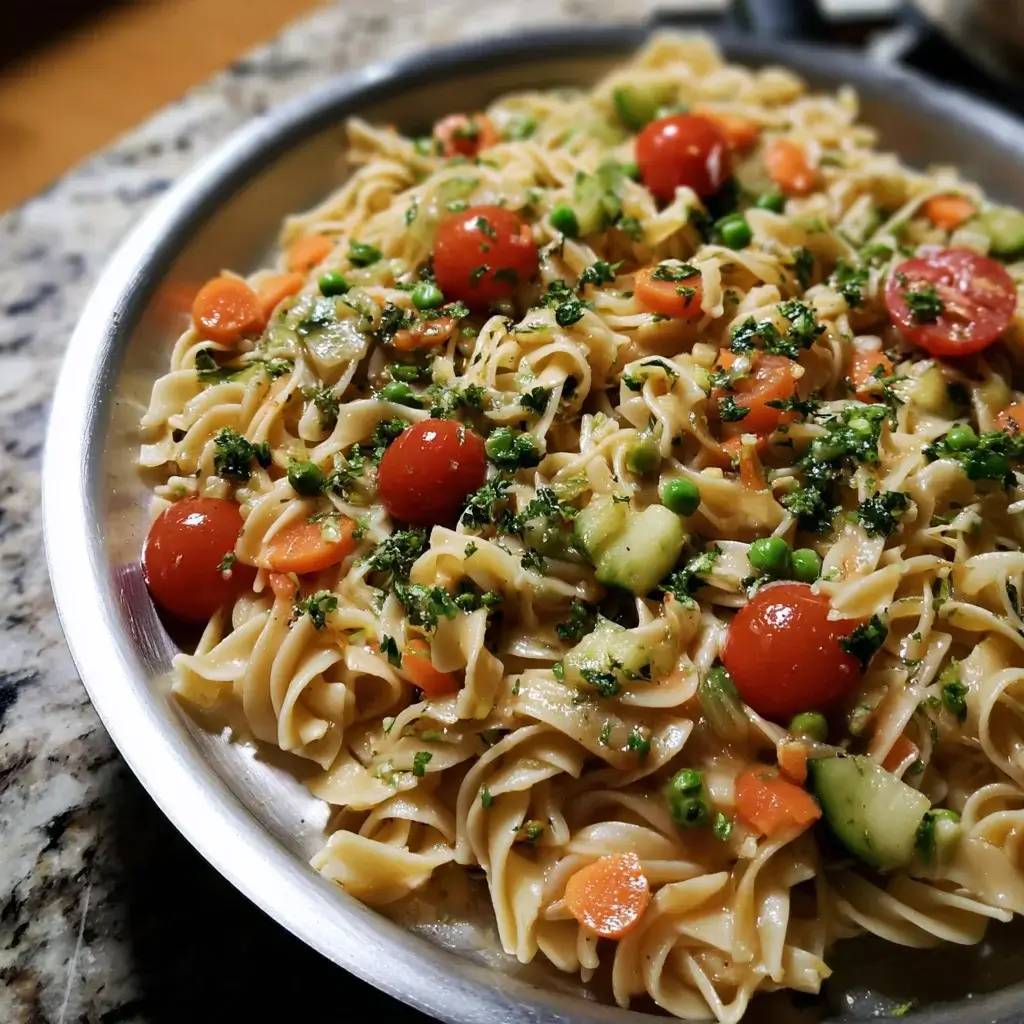

There’s a certain magic that happens in the kitchen when you let the seasons dictate your menu. For me, this Vegetable Garden Pasta is the ultimate expression of that magic. I can still vividly recall the first time I made it, inspired by a haul from our local farmer’s market. The counter was overflowing with a kaleidoscope of produce: glossy deep-green zucchini, sun-ripened cherry tomatoes that were practically bursting with sweetness, and bell peppers in fiery shades of red and yellow. The simple act of chopping the vegetables felt like an act of reverence, releasing a symphony of fresh, earthy aromas that filled the house. As the vegetables sizzled in the pan with garlic and herbs, my family, drawn by the incredible scent, started to gather. The final dish, a vibrant tumble of jewel-toned vegetables clinging to perfectly cooked pasta, wasn’t just a meal; it was a celebration on a plate. It’s hearty without being heavy, incredibly flavorful yet astonishingly simple, and it has become our go-to recipe for celebrating the bounty of summer. It’s a dish that proves you don’t need heavy creams or complicated sauces to create something deeply satisfying. All you need is the best of what the garden has to offer, a little olive oil, and a touch of love. I’m so excited to share this recipe with you, hoping it brings as much vibrant joy to your table as it consistently brings to ours.
Complete Recipe: The Ultimate Vegetable Garden Pasta
This recipe is a blueprint for a perfect pasta dish that celebrates fresh produce. The key is in the technique—sautéing the vegetables in stages to ensure each one is cooked perfectly, and then creating a light, luscious sauce using a bit of white wine and the starchy pasta water itself.
Ingredients for the Vegetables and Sauce
- 2 tablespoons extra virgin olive oil
- 1 large yellow onion, diced
- 4-5 cloves garlic, thinly sliced
- 1 red bell pepper, stemmed, seeded, and cut into 1-inch pieces
- 1 yellow or orange bell pepper, stemmed, seeded, and cut into 1-inch pieces
- 1 medium zucchini, trimmed and sliced into half-moons
- 1 medium yellow squash, trimmed and sliced into half-moons
- 1 cup broccoli florets, cut into bite-sized pieces
- 1 pint (2 cups) cherry or grape tomatoes, left whole or halved
- 1/2 cup dry white wine, such as Sauvignon Blanc or Pinot Grigio (or substitute with vegetable broth)
- 3 cups fresh baby spinach
- 1 teaspoon dried oregano
- 1/2 teaspoon red pepper flakes (adjust to your spice preference)
- Salt and freshly ground black pepper to taste
- 1/2 cup fresh basil leaves, roughly chopped or torn
- 1/4 cup fresh parsley, finely chopped
Ingredients for the Pasta and Assembly
- 1 lb (450g) of your favorite pasta (shapes like fusilli, penne, rotini, or farfalle are excellent at catching the vegetables and sauce)
- Salt for the pasta water
- Reserved pasta water (about 1.5 cups)
- 1/2 cup freshly grated Parmesan cheese, plus more for serving
- Juice of half a lemon (about 1 tablespoon)
Step-by-Step Instructions
Follow this detailed guide to build layers of flavor, ensuring every vegetable is perfectly cooked and the sauce is light yet deeply savory.
Part 1: Preparation and Cooking the Pasta
- Prepare Your Vegetables: The key to a stress-free cooking experience is having all your ingredients prepped and ready to go (a culinary practice known as mise en place). Wash and chop all your vegetables as described in the ingredients list. Keep them in separate bowls as you will be adding them to the pan in stages. Slice your garlic, chop your herbs, and have the wine and other seasonings measured and nearby.
- Boil the Pasta Water: Fill a large stockpot with water and bring it to a rolling boil over high heat. Once it’s boiling, add a very generous amount of salt (about 2 tablespoons). The water should taste like the sea. This is the only chance you have to season the pasta from the inside out, and it’s a critical step for a flavorful final dish.
- Cook the Pasta: Add your chosen pasta to the boiling water and cook according to the package directions for al dente. An al dente bite is crucial, as the pasta will cook for another minute in the sauce and you want to avoid it becoming mushy.
Part 2: Building the Vegetable Sauce
While the pasta is cooking, you can prepare the vegetable sauce. Use a large, wide skillet or a Dutch oven with enough room to eventually hold all the pasta.
- Sauté the Aromatics: Heat the 2 tablespoons of olive oil over medium heat. Once shimmering, add the diced yellow onion and a pinch of salt. Sauté for 4-5 minutes until the onion softens and becomes translucent. Add the thinly sliced garlic and the red pepper flakes and cook for another minute until fragrant. Be careful not to burn the garlic.
- Cook the Harder Vegetables: Add the broccoli florets and the chopped bell peppers to the skillet. Season with another pinch of salt and the dried oregano. Sauté for 5-6 minutes, stirring occasionally, until the vegetables begin to soften but still have a crisp-tender bite.
- Add the Softer Vegetables: Add the sliced zucchini and yellow squash to the pan. Continue to cook, stirring, for another 4-5 minutes. You want the zucchini to be tender but not mushy.
- Deglaze the Pan: Pour in the 1/2 cup of dry white wine (or vegetable broth). Use a wooden spoon to scrape up any browned bits (called fond) from the bottom of the pan. These bits are packed with flavor. Let the wine simmer and reduce by about half, which should take 2-3 minutes.
- Add Tomatoes and Spinach: Add the cherry tomatoes to the skillet. Cook for 3-4 minutes, until they begin to soften and some start to burst, releasing their juices and forming a light, natural sauce. Finally, add the large handfuls of baby spinach and stir until it has just wilted into the rest of the vegetables. This should only take about a minute. Turn the heat down to low.
Part 3: The Final Assembly
- Reserve Pasta Water: Before draining your pasta, use a mug or heatproof measuring cup to carefully scoop out about 1.5 cups of the starchy pasta water. This “liquid gold” is the secret ingredient that will bring your sauce together.
- Combine Pasta and Vegetables: Drain the al dente pasta in a colander. Immediately transfer the hot pasta directly into the skillet with the sautéed vegetables.
- Create the Sauce: Add about 1 cup of the reserved pasta water and the 1/2 cup of grated Parmesan cheese to the skillet. Using tongs, toss everything together vigorously. The heat from the pasta and the starches in the water will melt the cheese and emulsify with the olive oil and vegetable juices to create a light, creamy sauce that coats everything beautifully.
- Finish with Freshness: Turn off the heat. Add the fresh lemon juice, the chopped parsley, and the fresh basil. Toss one final time to combine. The lemon juice will brighten all the flavors, and adding the fresh herbs at the end preserves their vibrant taste and aroma.
- Taste and Season: Give the pasta a final taste. Adjust with more salt and black pepper if needed. If the sauce seems too thick, add another splash of the reserved pasta water until it reaches your desired consistency.
- Serve Immediately: Divide the Vegetable Garden Pasta among warm bowls and top with a generous sprinkle of extra Parmesan cheese.
Nutrition Facts
- Servings: 6-8 servings
- Calories per serving (approximate): 400-500 kcal
Disclaimer: The nutritional information provided is an estimate and can vary significantly based on the type of pasta used (e.g., whole wheat vs. white), the exact amount of olive oil and cheese, and the specific vegetables chosen.
Preparation Time
- Active Time (Chopping & Sautéing): 20-25 minutes
- Total Time: 35-40 minutes
- Time Breakdown:
- Vegetable Preparation: 10-15 minutes
- Pasta Cooking: 10-12 minutes
- Sauce Cooking & Assembly (done simultaneously with pasta): 15-20 minutes
How to Serve This Vibrant Pasta Dish
This Vegetable Garden Pasta is a stunning meal on its own, but it can also serve as a canvas for a more elaborate dining experience. Here are some ways to serve and enhance it.
- Elevate with Garnishes: A few simple toppings can add texture and flavor.
- Extra Parmesan: Never underestimate the power of more freshly grated Parmesan or Pecorino Romano at the table.
- Toasted Breadcrumbs (Pangrattato): For a delightful crunch, toast some Panko breadcrumbs in a dry skillet with a little garlic powder until golden brown. Sprinkle over the pasta just before serving.
- A Drizzle of Fine Olive Oil: A finishing drizzle of a high-quality, peppery extra virgin olive oil can add a final layer of luxurious flavor.
- Toasted Pine Nuts: For a buttery crunch and nutty flavor that complements the vegetables.
- Make It a Heartier Meal with Protein:
- Grilled Chicken: Top the pasta with sliced, simply seasoned grilled chicken breast.
- Sautéed Shrimp: Add shrimp to the skillet with the garlic for a classic and delicious combination.
- Italian Sausage: Crumbled, cooked Italian sausage (either sweet or spicy) adds a savory, rich element.
- Plant-Based Protein: For a vegan or vegetarian boost, stir in a can of rinsed and drained chickpeas or cannellini beans along with the tomatoes.
- Perfect Side Dish Pairings:
- Crusty Garlic Bread: Essential for sopping up every last bit of the delicious, light sauce.
- Simple Arugula Salad: A salad of arugula with a lemon vinaigrette provides a peppery contrast that cleanses the palate.
- Burrata or Fresh Mozzarella: Serve a ball of creamy burrata or fresh mozzarella alongside the pasta for a decadent, creamy element.
Additional Tips for Success
Mastering this recipe is easy, but these five tips will elevate your dish from great to absolutely unforgettable.
- The Art of Sautéing in Stages: Do not be tempted to throw all the vegetables into the pan at once. This is the most common mistake. Doing so will steam the vegetables instead of sautéing them, resulting in a mushy, watery texture. By adding them in stages—from hardest (broccoli, peppers) to softest (zucchini, tomatoes, spinach)—you ensure each vegetable is cooked to its perfect crisp-tender state, preserving its individual texture and flavor.
- Embrace Seasonal Swaps: This recipe is a template, not a rigid rulebook. Think of it as “what’s-good-at-the-market” pasta.
- Spring: Use asparagus, peas, and leeks.
- Fall/Winter: Try butternut squash (cubed small), mushrooms, kale, and carrots.
- The technique remains the same: cook vegetables in order of their density and cooking time.
- Choose the Right Pasta Shape: The pasta you choose can make a big difference. Shapes with ridges, curls, or hollows—like fusilli, rotini, penne, rigatoni, or farfalle (bow-ties)—are ideal. These shapes are designed to capture and hold the small pieces of vegetables and the light sauce, ensuring you get a perfect, flavorful bite every time.
- Don’t Overlook the Power of Pasta Water: This starchy, salty water is the unsung hero of almost every great pasta dish. It acts as an emulsifier and a thickener. When you toss it with the pasta, olive oil, and Parmesan, it magically transforms the disparate ingredients into a cohesive, creamy sauce that clings to the noodles without being heavy or greasy. Always reserve more than you think you’ll need.
- Finish with Freshness: There’s a reason fresh herbs and lemon juice are added at the very end, off the heat. Cooking delicate herbs like basil and parsley destroys their fresh, bright flavors. Adding them at the end preserves their aromatic oils. Similarly, the fresh lemon juice cuts through the richness of the olive oil and cheese, lifting and brightening the entire dish. This final step is what makes the pasta taste vibrant and alive.
Frequently Asked Questions (FAQ)
Q1: Can I use frozen vegetables for this recipe?
A: Yes, you can use frozen vegetables in a pinch, but it requires a slight adjustment in technique. It’s best to thaw the vegetables completely and pat them very dry with a paper towel before adding them to the skillet. Frozen vegetables release a lot of water, and if you don’t remove it, your sauce will be watery and the vegetables will steam instead of sauté. Add them to the pan after the onions and garlic and cook until the excess moisture has evaporated before proceeding.
Q2: How can I make this recipe vegan and dairy-free?
A: This recipe is incredibly easy to make vegan. Simply omit the Parmesan cheese or substitute it with a high-quality vegan Parmesan alternative or a sprinkle of nutritional yeast for a cheesy, savory flavor. Also, if you use wine, double-check that it is certified vegan, as some wines use animal-based fining agents.
Q3: I don’t cook with alcohol. What is a good substitute for the white wine?
A: If you prefer not to use wine, an equal amount of vegetable broth is the perfect substitute. It will still provide liquid for deglazing the pan and lifting those flavorful browned bits from the bottom. For a bit more complexity, you can add a teaspoon of white wine vinegar or extra lemon juice to the broth to mimic the acidity that the wine provides.
Q4: How do I store and reheat leftovers?
A: Store any leftovers in an airtight container in the refrigerator for up to 3-4 days. The pasta will absorb the sauce as it sits. The best way to reheat it is in a skillet over medium-low heat. Add a splash of water or vegetable broth to the pan to loosen the sauce and bring back its creamy consistency as you gently warm it through. Avoid the microwave if possible, as it can make the pasta rubbery.
Q5: What other vegetables would work well in this pasta?
A: The possibilities are nearly endless! Other fantastic additions include mushrooms (sautéed until brown), eggplant (diced and sautéed), asparagus spears (cut into 1-inch pieces), green beans, or even corn kernels for a touch of sweetness. The key is to consider the vegetable’s cooking time and add it to the pan accordingly. Kale can be used as a sturdier substitute for spinach.
Vegetable Garden Pasta recipe
Ingredients
-
2 tablespoons extra virgin olive oil
-
1 large yellow onion, diced
-
4-5 cloves garlic, thinly sliced
-
1 red bell pepper, stemmed, seeded, and cut into 1-inch pieces
-
1 yellow or orange bell pepper, stemmed, seeded, and cut into 1-inch pieces
-
1 medium zucchini, trimmed and sliced into half-moons
-
1 medium yellow squash, trimmed and sliced into half-moons
-
1 cup broccoli florets, cut into bite-sized pieces
-
1 pint (2 cups) cherry or grape tomatoes, left whole or halved
-
1/2 cup dry white wine, such as Sauvignon Blanc or Pinot Grigio (or substitute with vegetable broth)
-
3 cups fresh baby spinach
-
1 teaspoon dried oregano
-
1/2 teaspoon red pepper flakes (adjust to your spice preference)
-
Salt and freshly ground black pepper to taste
-
1/2 cup fresh basil leaves, roughly chopped or torn
-
1/4 cup fresh parsley, finely chopped
Ingredients for the Pasta and Assembly
-
1 lb (450g) of your favorite pasta (shapes like fusilli, penne, rotini, or farfalle are excellent at catching the vegetables and sauce)
-
Salt for the pasta water
-
Reserved pasta water (about 1.5 cups)
-
1/2 cup freshly grated Parmesan cheese, plus more for serving
-
Juice of half a lemon (about 1 tablespoon)
Instructions
Part 1: Preparation and Cooking the Pasta
-
Prepare Your Vegetables: The key to a stress-free cooking experience is having all your ingredients prepped and ready to go (a culinary practice known as mise en place). Wash and chop all your vegetables as described in the ingredients list. Keep them in separate bowls as you will be adding them to the pan in stages. Slice your garlic, chop your herbs, and have the wine and other seasonings measured and nearby.
-
Boil the Pasta Water: Fill a large stockpot with water and bring it to a rolling boil over high heat. Once it’s boiling, add a very generous amount of salt (about 2 tablespoons). The water should taste like the sea. This is the only chance you have to season the pasta from the inside out, and it’s a critical step for a flavorful final dish.
-
Cook the Pasta: Add your chosen pasta to the boiling water and cook according to the package directions for al dente. An al dente bite is crucial, as the pasta will cook for another minute in the sauce and you want to avoid it becoming mushy.
Part 2: Building the Vegetable Sauce
While the pasta is cooking, you can prepare the vegetable sauce. Use a large, wide skillet or a Dutch oven with enough room to eventually hold all the pasta.
-
Sauté the Aromatics: Heat the 2 tablespoons of olive oil over medium heat. Once shimmering, add the diced yellow onion and a pinch of salt. Sauté for 4-5 minutes until the onion softens and becomes translucent. Add the thinly sliced garlic and the red pepper flakes and cook for another minute until fragrant. Be careful not to burn the garlic.
-
Cook the Harder Vegetables: Add the broccoli florets and the chopped bell peppers to the skillet. Season with another pinch of salt and the dried oregano. Sauté for 5-6 minutes, stirring occasionally, until the vegetables begin to soften but still have a crisp-tender bite.
-
Add the Softer Vegetables: Add the sliced zucchini and yellow squash to the pan. Continue to cook, stirring, for another 4-5 minutes. You want the zucchini to be tender but not mushy.
-
Deglaze the Pan: Pour in the 1/2 cup of dry white wine (or vegetable broth). Use a wooden spoon to scrape up any browned bits (called fond) from the bottom of the pan. These bits are packed with flavor. Let the wine simmer and reduce by about half, which should take 2-3 minutes.
-
Add Tomatoes and Spinach: Add the cherry tomatoes to the skillet. Cook for 3-4 minutes, until they begin to soften and some start to burst, releasing their juices and forming a light, natural sauce. Finally, add the large handfuls of baby spinach and stir until it has just wilted into the rest of the vegetables. This should only take about a minute. Turn the heat down to low.
Part 3: The Final Assembly
-
Reserve Pasta Water: Before draining your pasta, use a mug or heatproof measuring cup to carefully scoop out about 1.5 cups of the starchy pasta water. This “liquid gold” is the secret ingredient that will bring your sauce together.
-
Combine Pasta and Vegetables: Drain the al dente pasta in a colander. Immediately transfer the hot pasta directly into the skillet with the sautéed vegetables.
-
Create the Sauce: Add about 1 cup of the reserved pasta water and the 1/2 cup of grated Parmesan cheese to the skillet. Using tongs, toss everything together vigorously. The heat from the pasta and the starches in the water will melt the cheese and emulsify with the olive oil and vegetable juices to create a light, creamy sauce that coats everything beautifully.
-
Finish with Freshness: Turn off the heat. Add the fresh lemon juice, the chopped parsley, and the fresh basil. Toss one final time to combine. The lemon juice will brighten all the flavors, and adding the fresh herbs at the end preserves their vibrant taste and aroma.
-
Taste and Season: Give the pasta a final taste. Adjust with more salt and black pepper if needed. If the sauce seems too thick, add another splash of the reserved pasta water until it reaches your desired consistency.
-
Serve Immediately: Divide the Vegetable Garden Pasta among warm bowls and top with a generous sprinkle of extra Parmesan cheese.
Nutrition
- Serving Size: one normal portion
- Calories: 400-500 kcal