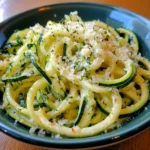



Last weekend marked a delightful culinary experiment in our household, as I decided to whip up a Vegetable Breakfast Casserole with Cheese. This dish has always intrigued me, blending the wholesome goodness of fresh vegetables with the rich, comforting allure of cheese. As someone who values both nutrition and taste, I found this casserole to be a perfect marriage of both. My family, ever the food critics, were surprisingly unanimous in their approval. The casserole’s creamy texture and vibrant flavors had everyone reaching for seconds, and even the pickiest eater in our home couldn’t resist its charms. It was heartwarming to see such enthusiasm for a dish that was not only delicious but also packed with nutrients. The combination of sautéed vegetables like bell peppers, onions, and spinach, combined with eggs and a generous amount of cheese, created a comforting yet balanced meal. The cheese melted perfectly, adding a layer of richness while allowing the fresh vegetables to shine through. The beauty of this casserole lies in its versatility—you can easily swap in your favorite veggies or cheeses depending on what you have on hand. Let me walk you through the details of this delightful recipe, so you too can bring this joy to your table.
Ingredients Vegetable Breakfast Casserole with Cheese
Creating a Vegetable Breakfast Casserole with Cheese requires a medley of fresh vegetables, quality cheese, and a few pantry staples. Here’s what you’ll need:
- 8 large eggs
- 1 cup of milk (whole or 2% works best)
- 1 cup of shredded cheddar cheese
- 1 cup of chopped spinach
- 1 bell pepper, diced (red, green, or yellow)
- 1 small zucchini, diced
- 1/2 cup of chopped onions
- 2 cloves of garlic, minced
- 1 teaspoon salt
- 1/2 teaspoon black pepper
- 1 tablespoon olive oil
- Optional: 1/2 cup of cooked bacon pieces or sausage crumbles for added flavor
Instructions
Preparing this casserole is a straightforward process that doesn’t require much culinary expertise, only a bit of time and patience. Follow these steps:
- Preheat your oven to 375°F (190°C).
- In a large skillet, heat olive oil over medium heat. Add onions and garlic, sautéing until they are translucent and fragrant, about 3-4 minutes.
- Introduce the bell pepper and zucchini to the skillet, cooking for an additional 5 minutes until they begin to soften.
- Add the chopped spinach and continue to cook until wilted, approximately 2 minutes. If you’re using bacon or sausage, add it now to blend the flavors.
- In a large mixing bowl, whisk together the eggs, milk, salt, and pepper until well combined.
- Fold the sautéed vegetables into the egg mixture, ensuring everything is evenly distributed.
- Grease a 9×13-inch baking dish and pour the vegetable and egg mixture into it.
- Sprinkle the shredded cheese evenly over the top.
- Bake in the preheated oven for 30-35 minutes, or until the eggs are set and the top is golden brown.
- Remove from the oven and let it cool for a few minutes before serving.
Additional Tips
To make the most of your baked apple oatmeal, consider these additional tips:
- Choose the Right Apples: For the best flavor, use tart apples like Granny Smith or sweet varieties like Honeycrisp.
- Make it Ahead: Prepare the oatmeal the night before and refrigerate. In the morning, simply bake as directed.
- Add Protein: Stir in a scoop of protein powder or a spoonful of nut butter to increase the protein content.
- Customize Toppings: Feel free to get creative with toppings. Try coconut flakes, chia seeds, or a sprinkle of brown sugar.
- Storage Tips: Store leftovers in an airtight container in the fridge for up to 4 days. Reheat individual servings in the microwave as needed.
This Vegetable Breakfast Casserole serves 8 and provides approximately 250 calories per serving. It’s a hearty dish that offers a balanced meal with proteins, healthy fats, and a variety of vitamins and minerals from the vegetables.
Preparation Time
Including prep and cooking time, you should set aside about 50 minutes to make this casserole. The actual hands-on time is around 20 minutes, giving you plenty of time to prepare other meals or relax while the casserole bakes.
How to Serve
This versatile casserole can be served in numerous ways, making it a delightful addition to any meal. Here are some comprehensive suggestions on how to enjoy this dish:
- As a Standalone Breakfast Dish: One of the simplest and most satisfying ways to serve this casserole is as a standalone breakfast dish. Its rich flavors and satisfying texture offer a hearty start to your day, providing a balanced mix of proteins, vegetables, and carbohydrates. Simply slice a generous portion and serve it warm. It’s filling enough to keep you energized throughout the morning, making it an ideal choice for busy weekdays or leisurely weekends alike.
- Paired with a Side of Toast or Fresh Fruit: For those who prefer a lighter breakfast or brunch, consider serving the casserole alongside a slice of whole-grain toast or a vibrant fruit salad. The toast can be spread with butter or jam, adding a lovely crunch and sweetness that complements the savory casserole. Fresh fruit, such as berries, melons, or citrus, adds a refreshing contrast and a pop of color to your plate, enhancing the overall presentation. This combination not only diversifies the textures but also balances the meal, making it an enjoyable option for those who may not want a heavy breakfast.
- As an Accompaniment to a Larger Breakfast Spread: This casserole shines when included in a larger breakfast spread, especially when served with other classic breakfast favorites like pancakes or waffles. Its robust flavors can stand up to sweeter items, making it a perfect savory counterpart. Consider arranging a buffet-style brunch where guests can mix and match their plates, allowing them to enjoy the casserole with a drizzle of maple syrup over pancakes or a side of crispy bacon. This setup encourages creativity and personalization, making each guest’s experience unique.
- Cut into Smaller Squares for Appetizers at Brunch Gatherings: When entertaining, the casserole can be transformed into an impressive appetizer by cutting it into smaller squares. Serve these bite-sized portions on a platter, garnished with fresh herbs or a dollop of sour cream or salsa for added flair. This presentation not only makes it easy for guests to grab and enjoy but also showcases the casserole’s colorful ingredients. It’s a great option for brunch gatherings, where guests can mingle and enjoy a variety of flavors without the need for formal seating.
- Wrapped in a Tortilla for a Quick Breakfast Burrito Option: For those on the go, consider wrapping slices of the casserole in a tortilla for a quick and delicious breakfast burrito. Simply lay a portion of the casserole on a warmed tortilla, add any desired toppings such as avocado, salsa, or cheese, and roll it up tightly. This makes for a convenient and portable meal that can be enjoyed in the car or at your desk. The combination of the casserole’s hearty ingredients with the versatility of the tortilla creates a satisfying meal that can be customized to suit individual tastes.
By considering these various serving options, you can fully appreciate the versatility of this casserole, making it a staple in your breakfast repertoire. Whether enjoyed alone or as part of a larger meal, this dish is sure to please a crowd and keep everyone coming back for more.
Additional Tips
Creating a delicious Vegetable Breakfast Casserole can be a delightful experience, and with a few thoughtful tips, you can elevate your dish to new heights. Here are some detailed suggestions to ensure your casserole turns out perfectly every time:
1. Use Fresh Vegetables
Opting for fresh vegetables can make a significant difference in the quality of your casserole. Fresh produce not only enhances the texture but also brings vibrant flavors that frozen counterparts may lack. For instance, crisp bell peppers, tender spinach, and firm zucchini can provide a delightful crunch and freshness. When selecting vegetables, aim for seasonal options as they are often more flavorful and nutrient-dense. Additionally, consider chopping your vegetables into uniform sizes to ensure even cooking throughout the casserole.
2. Experiment with Cheese
While cheddar cheese is a classic choice, don’t hesitate to explore a variety of cheeses to create unique flavor profiles. Mozzarella offers a creamy, mild taste that melts beautifully, making it a great contrast to the heartiness of the vegetables. Feta cheese, with its tangy and crumbly texture, can add an exciting Mediterranean twist. If you’re in the mood for something with a kick, try incorporating pepper jack or even a sharp blue cheese for a bold flavor. Mixing and matching different cheeses can also create a more complex flavor profile, so feel free to get creative!
3. Make It Ahead
One of the best features of a breakfast casserole is its adaptability for meal prep. Preparing the casserole the night before can save you valuable time in the morning. After assembling all the ingredients, cover the dish tightly with plastic wrap or aluminum foil and store it in the refrigerator overnight. This allows the flavors to meld beautifully. In the morning, simply remove the cover and bake it according to your recipe’s instructions. This method not only ensures a hassle-free breakfast but also allows for a warm, satisfying meal to be ready when you are.
4. Customize Your Veggies
One of the best aspects of a breakfast casserole is its versatility. Feel free to customize the vegetables to suit your tastes or to use what you have on hand. If you love mushrooms, sauté them beforehand to enhance their flavor and texture. Fresh tomatoes can add a juicy burst, while broccoli can provide a nutritious crunch. Other great additions include asparagus, kale, or even sweet potatoes for a hint of sweetness. Don’t hesitate to mix in leftover roasted vegetables from previous meals for added convenience and flavor!
5. Check Doneness Carefully
Ensuring that your casserole is cooked through is crucial for a safe and enjoyable meal. To check for doneness, gently insert a knife or toothpick into the center of the casserole. If it comes out clean or with just a few moist crumbs, the dish is ready to be taken out of the oven. Keep in mind that the residual heat will continue to cook the casserole a little longer, so avoid overcooking it. If you find that the edges are browning too quickly while the center remains undercooked, consider covering the casserole with aluminum foil for the last few minutes of baking to help it cook evenly without burning.
Conclusion
By incorporating these tips into your Vegetable Breakfast Casserole preparation, you can create a dish that is not only delicious but also tailored to your preferences and schedule. The beauty of this casserole lies in its flexibility, making it an ideal choice for busy mornings or leisurely brunches with family and friends. Enjoy the process of experimenting and personalizing your casserole, and savor the delightful results!
FAQ
Q: Can I make this casserole vegan?
A: Absolutely! Substitute the eggs with a vegan egg replacement and use a dairy-free cheese alternative. Ensure your milk substitute is unsweetened to maintain the savory flavor.
Q: How long can leftovers be stored?
A: Leftovers can be stored in an airtight container in the refrigerator for up to four days. Reheat in the oven or microwave before serving.
Q: Can I freeze this casserole?
A: Yes, this casserole freezes well. Once cooled, cover tightly with foil or plastic wrap, and store in the freezer for up to three months. Thaw overnight in the refrigerator before reheating.
Q: What can I use instead of milk?
A: If you’re looking to avoid dairy, you can use almond milk, soy milk, or any other plant-based milk alternative. Just ensure it’s unsweetened to keep the savory taste.
Q: Is it possible to add meat?
A: Certainly! Adding cooked bacon, sausage, or ham not only increases the protein content but also enhances the flavor. Just ensure any meat additions are fully cooked before adding to the casserole.