
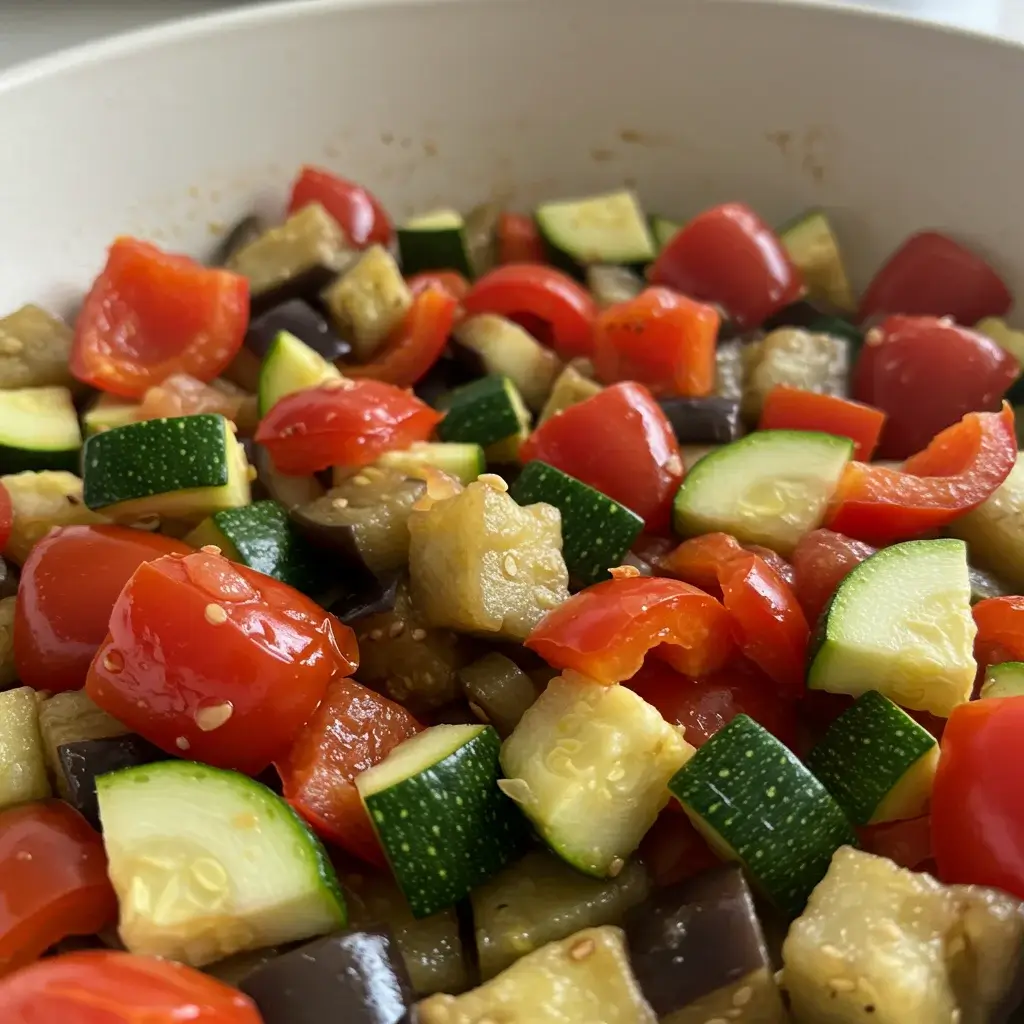

Ratatouille is a classic French Provençal stewed vegetable dish that has captured the hearts of food lovers around the world. Renowned for its rustic charm and vibrant flavors, ratatouille is as visually appealing as it is delicious. In this article, we will explore how to make a vegan version of this beloved dish using fresh, wholesome ingredients. Whether you’re a seasoned vegan or simply looking to incorporate more plant-based meals into your diet, this vegan ratatouille recipe is sure to become a favorite in your culinary repertoire.
Ingredients
Creating a delectable vegan ratatouille requires fresh, high-quality ingredients. Here’s what you’ll need:
- 1 eggplant, diced
- 1 zucchini, sliced
- 1 bell pepper, chopped
- 1 onion, chopped
- 2 cloves garlic, minced
- 2 cups diced tomatoes (canned or fresh)
- 2 tbsp olive oil
- 1 tsp dried basil
- 1 tsp dried oregano
- Salt and pepper to taste
- Fresh basil for garnish (optional)
Each ingredient plays a crucial role in creating the rich, aromatic flavors that ratatouille is known for. From the earthy taste of eggplant to the sweet tang of bell peppers, this dish is a celebration of vegetables.
Instructions
Making vegan ratatouille is a straightforward process, perfect for both novice and experienced cooks. Follow these steps to create a dish that is sure to impress:
- Heat the Olive Oil: In a large pan, heat olive oil over medium heat.
- Sauté Onions and Garlic: Add the chopped onion and minced garlic to the pan. Sauté until soft and fragrant, about 3-4 minutes.
- Add Vegetables: Incorporate the diced eggplant, chopped bell pepper, and sliced zucchini into the pan. Cook for 5-7 minutes, stirring occasionally, until the vegetables begin to soften.
- Stir in Tomatoes and Herbs: Add the diced tomatoes, dried basil, and dried oregano to the pan. Season with salt and pepper to taste.
- Simmer: Reduce the heat to low and let the mixture simmer for 20-25 minutes. Stir occasionally until the vegetables are tender and the flavors have melded together.
- Serve: Serve the ratatouille hot, garnished with fresh basil if desired.
The key to perfect ratatouille lies in the slow simmering process, allowing the flavors to deepen and develop fully. Patience is essential here, but the end result is well worth the wait!
Nutrition Facts
Understanding the nutritional benefits of this vegan ratatouille can enhance your appreciation of this dish. Here’s a breakdown of the nutrition facts per serving:
- Calories: 150
- Protein: 3g
- Carbohydrates: 20g
- Fat: 7g
- Fiber: 5g
This dish is not only low in calories but also packed with fiber, making it a satisfying and healthy choice. The presence of healthy fats from olive oil and the natural sweetness of the vegetables make it a balanced meal option.
How to Serve Vegan Ratatouille
Vegan ratatouille is not only a delightful dish brimming with rich flavors and vibrant colors, but it is also remarkably versatile, allowing you to tailor its presentation and pairing to suit your individual taste and dietary preferences. Here are several detailed ways to serve this delicious vegetable medley, transforming it into a satisfying meal or side dish.
As a Main Dish
Vegan ratatouille shines when served as a main course, offering a hearty and fulfilling option. Here are some suggestions for pairing it:
- With Crusty Bread: A warm, crusty baguette or a rustic sourdough loaf is perfect for scooping up the ratatouille. The bread’s texture complements the tender, sautéed vegetables, creating a satisfying contrast. You can also toast the bread lightly and rub it with garlic for an added flavor boost.
- Over Grains: Serving ratatouille over a bed of grains not only enhances its nutritional value but also adds a delightful chewiness. Options include:
- Quinoa: This protein-rich grain adds a nutty flavor and complements the dish beautifully.
- Couscous: Its light and fluffy texture absorbs the ratatouille’s juices, creating a harmonious blend of flavors.
- Rice: Both brown and white rice provide a neutral base that allows the vibrant flavors of the ratatouille to shine. For an extra twist, consider using wild rice or jasmine rice for unique flavor profiles.
- Pasta: Tossing ratatouille with your favorite pasta creates a comforting and filling meal. Whole grain or gluten-free pasta options can cater to various dietary needs while offering a deliciously saucy dish.
As a Side Dish
Vegan ratatouille can also serve as an exquisite side dish, complementing a range of main courses:
- With Grilled Proteins: Pairing ratatouille with grilled tofu or tempeh is an excellent way to create a protein-packed meal. The smoky flavors from the grill enhance the rustic nature of the ratatouille, while the protein source adds substance. Marinate the tofu or tempeh before grilling for even more flavor.
- Alongside Roasted Vegetables: Serve ratatouille with a medley of roasted seasonal vegetables, such as Brussels sprouts, carrots, or sweet potatoes. The caramelization from roasting enhances the natural sweetness of the vegetables, creating a satisfying contrast to the stewed flavors of the ratatouille.
- With Polenta or Grits: For a comforting and hearty side, serve ratatouille alongside creamy polenta or grits. The smooth, buttery texture pairs beautifully with the chunky vegetable mixture, making for a deliciously cohesive plate.
As a Topping
Vegan ratatouille is an excellent topping that can elevate various dishes:
- Baked Potatoes: Top baked sweet or regular potatoes with a generous scoop of ratatouille for a nutritious and colorful meal. The creamy texture of the potato complements the chunky, flavorful ratatouille, making it a satisfying option for lunch or dinner.
- Savory Crepes: Use ratatouille as a filling for savory crepes, adding a touch of gourmet flair to your meal. Simply spread the ratatouille on a warm crepe and fold it over or roll it up for a delightful handheld dish. You can also add a sprinkle of fresh herbs or a dollop of vegan sour cream for an extra layer of flavor.
- Pizzas: Spread ratatouille over pizza dough as a flavorful sauce alternative. Top with your favorite vegan cheese or additional vegetables for a unique twist on traditional pizza.
Enjoy Cold
Vegan ratatouille’s flavors deepen and meld when allowed to cool, making it a delightful option for cold dishes:
- As a Salad: Serve chilled ratatouille as a salad on a bed of mixed greens or alongside a grain salad. The refreshing taste of the vegetables, combined with a light vinaigrette, creates a vibrant and healthy dish perfect for summer picnics or barbecues.
- Sandwich Filling: Use ratatouille as a filling for sandwiches or wraps. Spread a layer of hummus or vegan spread on your bread or wrap, add a generous portion of ratatouille, and top with fresh greens for a satisfying lunch option. This combination is not only delicious but also packed with nutrients.
- In Grain Bowls: Incorporate cold ratatouille into grain bowls over a base of farro, barley, or brown rice, adding fresh herbs, avocado, and a drizzle of tahini sauce to create a nourishing meal that’s both filling and refreshing.
By exploring these various serving suggestions, you can fully appreciate the versatility of vegan ratatouille. Whether enjoyed hot or cold, as a main course or a side dish, this dish adapts beautifully to any occasion, making it a staple in plant-based cuisine.
The possibilities are endless, allowing you to enjoy ratatouille in different forms and flavors.
Additional Tips for an Elevated Ratatouille Experience
To truly elevate your ratatouille experience, consider these comprehensive tips and tricks that will enhance the flavors, presentation, and overall enjoyment of this classic dish:
1. Choose Fresh Ingredients
When preparing ratatouille, the quality of your ingredients can significantly impact the final dish. Opt for fresh, organic vegetables whenever possible. Not only do they offer superior flavor, but they also come with enhanced nutritional benefits. Look for vibrant, seasonal produce that is at its peak ripeness. Ingredients like ripe tomatoes, zucchini, bell peppers, and eggplants should be firm and unblemished. Visiting local farmers’ markets can provide access to fresher options and unique varieties, such as heirloom tomatoes or specialty squash, which can add depth and character to your ratatouille.
2. Experiment with Herbs
While traditional ratatouille typically features classic herbs like basil and parsley, there is ample room for creativity. Consider experimenting with additional herbs such as thyme, rosemary, or oregano to introduce new flavor profiles. Thyme has a subtle earthiness that complements the vegetables beautifully, while rosemary adds a fragrant, woody note that can enhance the dish’s overall aroma. Fresh herbs should be added toward the end of cooking to preserve their vibrant flavors, while dried herbs can be introduced earlier to allow their essence to meld with the other ingredients. Don’t hesitate to try out unconventional herbs like tarragon or even a hint of mint for a refreshing twist.
3. Use Quality Olive Oil
The choice of olive oil can significantly affect the taste of your ratatouille. Opt for high-quality extra virgin olive oil, which not only enhances the flavor but also provides health benefits thanks to its antioxidants and healthy fats. A well-crafted olive oil can add a fruity, peppery dimension to the dish, making each bite more luscious and satisfying. Consider using a robust oil for drizzling over the finished dish or for sautéing your vegetables, allowing its rich flavor to infuse into the ratatouille as it cooks. Additionally, finishing the dish with a splash of excellent oil before serving can elevate the overall presentation and taste.
4. Prepare in Advance
One of the joys of ratatouille is that it often tastes better the next day, as the flavors have a chance to meld and deepen overnight. If time allows, consider preparing your ratatouille a day in advance. Store it in an airtight container in the refrigerator after it has cooled. When you’re ready to serve, gently reheat it on the stovetop or in the oven until warmed through. This not only saves you time on the day of serving but also allows you to experience the dish’s full flavor potential. Additionally, this make-ahead approach can help you impress guests with a dish that tastes as though it has been simmering for hours.
5. Texture Variation
The texture of your ratatouille can greatly influence the overall dining experience. For those who prefer a chunkier texture, cut the vegetables into larger, more rustic pieces. This approach allows each ingredient to maintain its character and offers a heartier mouthfeel. On the other hand, if you desire a smoother, more cohesive dish, finely dice the vegetables to create a more uniform consistency. You might also consider a hybrid approach—using a mix of sizes for added interest. For example, larger pieces of zucchini paired with finely chopped onions and tomatoes can create a visually appealing contrast while enhancing the overall texture.
6. Enhance with Accompaniments
To complement your ratatouille, consider serving it with a variety of accompaniments that can elevate the dish even further. A dollop of creamy goat cheese or a sprinkle of feta can add a delightful tanginess that balances the dish’s natural sweetness. Additionally, serving ratatouille over a bed of grains such as quinoa, couscous, or polenta can create a heartier meal, while also adding a nutty flavor and texture contrast. For a Mediterranean flair, consider pairing it with crusty bread or serving it alongside a fresh arugula salad drizzled with lemon vinaigrette.
7. Presentation Matters
Don’t underestimate the power of presentation. A thoughtfully plated ratatouille can turn this simple dish into a gourmet experience. Use a wide, shallow bowl to showcase the vibrant colors of the vegetables, and consider layering them artfully or arranging them in a spiral for a striking visual effect. Garnish with fresh herbs, a drizzle of olive oil, or even a sprinkle of toasted pine nuts for an added touch of elegance. A beautiful presentation not only enhances the dining experience but also makes the dish more inviting and appetizing.
By incorporating these additional tips into your ratatouille preparation, you can create a dish that is not only flavorful but also visually stunning and deeply satisfying. Enjoy the process of experimentation and find the combinations that resonate best with your palate!
These tips can help you customize your ratatouille to suit your personal preferences while enhancing its natural flavors.
FAQs
Q: Can I freeze ratatouille?
A: Yes, ratatouille freezes well. Allow it to cool completely before transferring it to an airtight container. It can be stored in the freezer for up to three months. Thaw in the refrigerator before reheating.
Q: Can I add other vegetables to ratatouille?
A: Absolutely! Feel free to add other vegetables like mushrooms, carrots, or potatoes for added texture and flavor.
Q: Is ratatouille gluten-free?
A: Yes, this vegan ratatouille recipe is naturally gluten-free. Just be mindful of any additional ingredients or accompaniments that may contain gluten.
Q: How can I make ratatouille spicier?
A: For a kick of heat, add a pinch of red pepper flakes or a diced chili pepper to the dish while cooking.
Q: Can I use fresh herbs instead of dried?
A: Yes, fresh herbs can be used instead of dried. Use three times the amount of fresh herbs as dried for the best flavor.
Conclusion
Vegan ratatouille is a timeless dish that embodies the essence of simple, wholesome cooking. With its vibrant colors and rich flavors, it’s a feast for both the eyes and the palate. This recipe is not only easy to prepare but also offers plenty of room for creativity and personalization. Whether served as a main dish or a side, ratatouille is a delightful way to enjoy the bounty of fresh vegetables. So, gather your ingredients, embrace the art of slow cooking, and savor the delightful flavors of vegan ratatouille. Bon appétit!
Print
Vegan Ratatouille Recipe
Ingredients
- 1 eggplant, diced
- 1 zucchini, sliced
- 1 bell pepper, chopped
- 1 onion, chopped
- 2 cloves garlic, minced
- 2 cups diced tomatoes (canned or fresh)
- 2 tbsp olive oil
- 1 tsp dried basil
- 1 tsp dried oregano
- Salt and pepper to taste
- Fresh basil for garnish (optional)
Instructions
- Heat the Olive Oil: In a large pan, heat olive oil over medium heat.
- Sauté Onions and Garlic: Add the chopped onion and minced garlic to the pan. Sauté until soft and fragrant, about 3-4 minutes.
- Add Vegetables: Incorporate the diced eggplant, chopped bell pepper, and sliced zucchini into the pan. Cook for 5-7 minutes, stirring occasionally, until the vegetables begin to soften.
- Stir in Tomatoes and Herbs: Add the diced tomatoes, dried basil, and dried oregano to the pan. Season with salt and pepper to taste.
- Simmer: Reduce the heat to low and let the mixture simmer for 20-25 minutes. Stir occasionally until the vegetables are tender and the flavors have melded together.
- Serve: Serve the ratatouille hot, garnished with fresh basil if desired.
Nutrition
- Serving Size: one normal portion
- Calories: 150
- Fat: 7g
- Carbohydrates: 20g
- Fiber: 5g
- Protein: 3g