
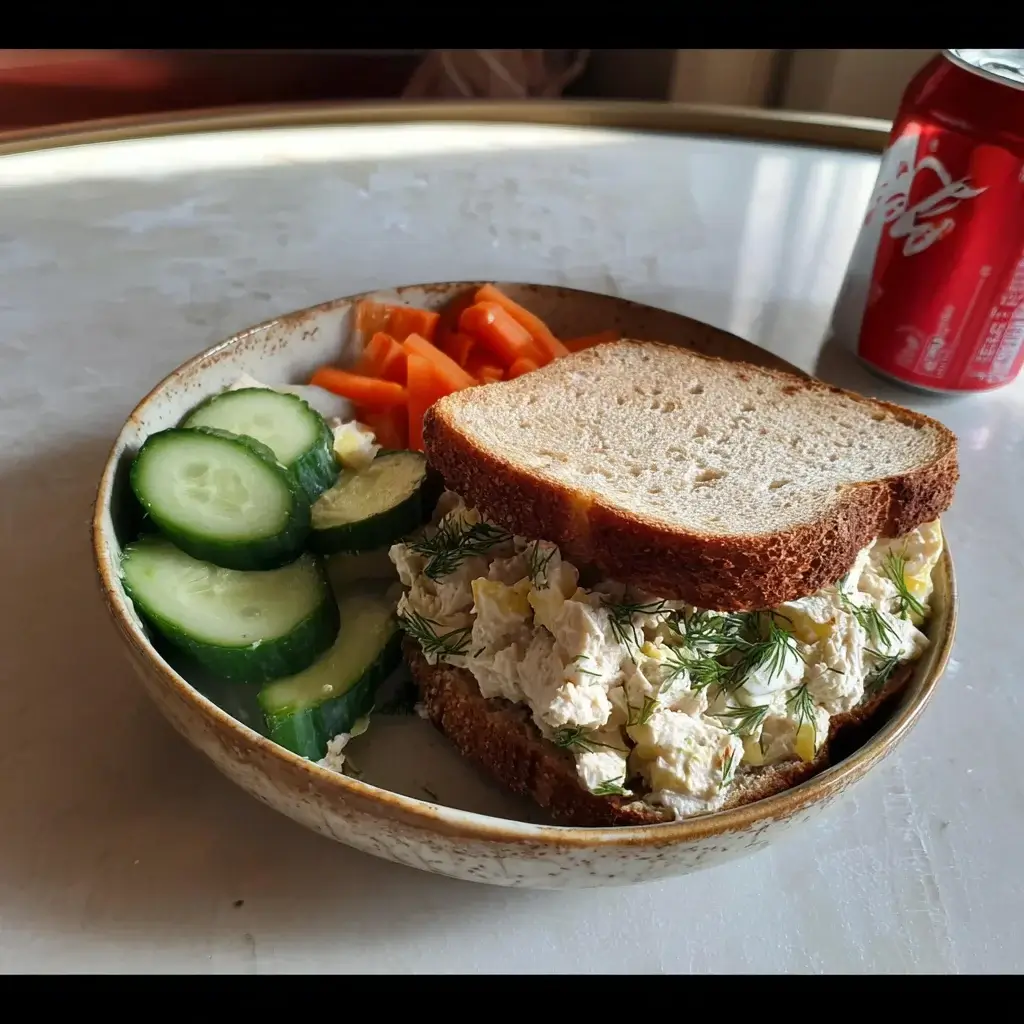
For the longest time, the tuna salad sandwich was, in my mind, a purely functional food. It was the quick, no-fuss lunch my mom would pack for school, a simple mix of canned tuna and a hefty scoop of mayonnaise on soft white bread. It was fine, but it was never something I craved. That all changed one afternoon at a little seaside deli, where I ordered their “signature” tuna sandwich on a whim. The difference was staggering. It wasn’t the heavy, one-note sandwich of my childhood; this was vibrant, fresh, and complex. The secret, I discovered upon inspection, was a generous confetti of finely chopped fresh dill. That simple herb transformed everything. It cut through the richness of the mayonnaise with its bright, slightly anise-like flavor, elevated the savory tuna, and made the whole thing taste alive. I went home that day a convert. My own kitchen experiments began immediately, and this recipe is the culmination of that quest for the perfect tuna salad. It has become a staple in our home, a go-to for satisfying lunches, light dinners, and even picnic baskets. It’s the recipe that proved to me that even the most humble classics can become gourmet with just a little bit of love and a handful of fresh herbs.
The Ultimate Tuna Salad Sandwich with Dill: A Modern Classic
Welcome to a comprehensive guide to what will soon become your favorite tuna salad recipe. We are leaving bland, heavy, and boring tuna salad in the past and embracing a version that is bursting with fresh flavor, delightful texture, and surprising elegance. The star of the show is fresh dill, an herb that has a magical affinity for fish, lending a light, herbaceous, and almost citrusy note that elevates this sandwich from a simple lunch to a culinary delight.
This isn’t just a recipe; it’s a deep dive into the art and science of the perfect tuna salad. We’ll explore the great debate of oil-packed versus water-packed tuna, the crucial role of each ingredient in creating a balanced flavor profile, and the techniques that ensure a perfect texture every time. Whether you’re a seasoned home cook or just looking to upgrade your lunch game, this guide will provide you with all the tools and tips you need to master the ultimate Tuna Salad Sandwich with Dill.
The Building Blocks: Your Complete Ingredient List
The secret to an exceptional tuna salad lies not in a long list of fancy ingredients, but in using a few high-quality components and understanding the role each one plays. Precision and quality are key.
- High-Quality Canned Tuna: 2 cans (5 ounces or 142g each), drained very well
- Mayonnaise: ½ cup (115g) – use a good quality, full-fat mayonnaise for the best flavor and texture
- Celery: 1 large stalk, finely diced (about ½ cup)
- Red Onion: ¼ of a medium onion, finely minced (about ¼ cup)
- Fresh Dill: 3 tablespoons, finely chopped
- Fresh Lemon Juice: 1 tablespoon
- Dijon Mustard: 2 teaspoons
- Freshly Ground Black Pepper: ½ teaspoon
- Fine Sea Salt: ¼ teaspoon, plus more to taste
- Your Favorite Bread: 8 slices (sourdough, rye, and whole wheat are excellent choices)
- Lettuce and Tomato: Optional, for serving
A Deeper Dive into the Core Components
- The Tuna – Oil-Packed vs. Water-Packed: This is the most significant choice you’ll make.
- Oil-Packed Tuna: Generally considered the superior choice for flavor and texture. The tuna is poached and then preserved in olive oil, which keeps the fish incredibly moist, tender, and richly flavored. It creates a more luxurious salad. Just be sure to drain it well.
- Water-Packed Tuna: A lighter, more budget-friendly option with fewer calories. The flavor is milder, which allows the other ingredients to shine more. The texture can be drier, so it’s absolutely crucial to drain it thoroughly to avoid a watery salad. For this recipe, either will work, but for the most decadent result, choose oil-packed.
- The Mayonnaise: This is the binder that brings everything together. A high-quality, full-fat mayonnaise like Duke’s or Hellmann’s (or Japanese Kewpie mayo for an extra tangy, rich flavor) will provide the best creamy texture and flavor foundation.
- The Crunch Factor (Celery and Red Onion): Do not skip these. The crisp, fresh crunch of finely diced celery and the sharp, slightly spicy bite of red onion are essential for providing textural contrast to the soft tuna and creamy mayo.
- The Star (Fresh Dill): This is what makes the recipe special. Fresh dill has a unique flavor that is grassy, bright, and slightly reminiscent of anise and lemon. It cuts through the richness and adds an incredible layer of fresh complexity. Dried dill can be used in a pinch (use 1 tablespoon), but the flavor of fresh dill is vastly superior here.
- The Acidity (Lemon Juice and Dijon): Acidity is crucial for balance. The fresh lemon juice brightens all the flavors and prevents the salad from tasting heavy. The Dijon mustard adds a deeper, tangy complexity and a touch of spice that complements the tuna perfectly.
The Method: Step-by-Step Instructions for Perfection
Follow these steps carefully to achieve a tuna salad with the perfect balance of creamy and crunchy, rich and fresh.
Step 1: The All-Important Drain
This is the most critical step for avoiding a soggy sandwich. Open your cans of tuna and drain out all the liquid. For the best results, empty the tuna into a fine-mesh sieve set over a bowl. Use the back of a spoon or a spatula to press down firmly on the tuna, squeezing out as much excess liquid (water or oil) as possible. You should be left with very dry, flaky tuna.
Step 2: Flake the Tuna
Transfer the thoroughly drained tuna to a medium-sized mixing bowl. Use a fork to break up the tuna and flake it apart until it reaches your desired consistency. For a finer-textured salad, flake it thoroughly; for a chunkier salad, leave some larger pieces.
Step 3: Prepare Your Aromatics
Finely dice the celery stalk and finely mince the red onion. The key here is a small, uniform dice. This ensures you get a little bit of crunch and flavor in every bite without being overwhelmed by a large chunk of raw onion or celery. Add the prepared celery and onion to the bowl with the tuna.
Step 4: Add the Flavor Boosters
Add the finely chopped fresh dill, fresh lemon juice, and Dijon mustard to the bowl.
Step 5: Create the Dressing
Add the mayonnaise, black pepper, and salt to the bowl.
Step 6: Gently Fold and Combine
Using a spatula or a spoon, gently fold all the ingredients together until they are just combined. Be careful not to overmix. Overmixing can break down the tuna too much, resulting in a pasty texture. Your goal is a light, cohesive mixture where all the components are evenly distributed but still distinct.
Step 7: Taste and Chill (Optional but Recommended)
Give the tuna salad a taste and adjust the seasoning if necessary. It may need another pinch of salt, a squeeze of lemon, or an extra crack of pepper. For the absolute best flavor, cover the bowl and let the tuna salad chill in the refrigerator for at least 30 minutes. This allows all the flavors to meld and deepen.
Step 8: Assemble Your Masterpiece
When you’re ready to serve, gather your bread. You can use it fresh or lightly toasted. Divide the tuna salad mixture evenly among four slices of bread. Top with crisp lettuce leaves and slices of fresh tomato, if desired. Place the remaining four slices of bread on top, slice the sandwiches in half, and serve immediately.
Nutritional Profile: A Healthy and Hearty Meal
This tuna salad is a powerhouse of nutrition, offering a great balance of protein, healthy fats, and micronutrients. The nutritional information is an estimate and can vary based on the type of tuna and bread used.
- Servings: This recipe makes enough for 4 hearty sandwiches.
- Serving Size: Approximately ¾ cup of tuna salad.
- Calories Per Serving (Tuna Salad only): Approximately 250-300 kcal.
This meal is packed with high-quality protein from the tuna, which is essential for muscle maintenance and keeping you feeling full and satisfied. Tuna is also one of the best dietary sources of omega-3 fatty acids, which are crucial for brain health and reducing inflammation.
Time is on Your Side: Preparation Time
One of the best things about this recipe is how quickly it comes together, making it perfect for a weeknight dinner or a last-minute lunch.
- Active Preparation Time: 15 minutes.
- Optional Chilling Time: 30 minutes to 1 hour.
Beyond the Bread: Creative Ways to Serve Your Tuna Salad
While a classic sandwich is hard to beat, this versatile dill-infused tuna salad can be served in many other delicious ways. Here are some of our favorites:
- The Perfect Tuna Melt:
- Spoon the tuna salad onto a slice of sturdy bread (sourdough or rye are fantastic).
- Top with a slice of your favorite cheese—sharp cheddar, provolone, or Swiss work beautifully.
- Grill in a buttered skillet until the bread is golden brown and the cheese is gloriously melted.
- Light and Fresh Lettuce Wraps:
- For a low-carb, gluten-free option, serve generous scoops of the tuna salad in large, crisp lettuce leaves like butter lettuce, romaine, or iceberg.
- Stuffed Avocados or Tomatoes:
- Cut a ripe avocado in half and remove the pit, or hollow out a large, ripe tomato.
- Fill the cavity with the tuna salad for a beautiful, healthy, and satisfying lunch.
- The Gourmet Cracker Platter:
- Serve the tuna salad in a bowl as a dip, surrounded by an assortment of high-quality crackers, celery sticks, and cucumber slices for a fantastic appetizer or light snack.
- The “Deconstructed Sandwich” Salad:
- Place a large scoop of the tuna salad on a bed of fresh mixed greens.
- Add cherry tomatoes, sliced cucumbers, and a few toasted croutons for a delicious and filling salad.
Pro Tips: 5 Secrets to Elevate Your Tuna Salad
Take your tuna salad from great to unforgettable with these five expert tips.
- The Double Drain Technique: For the absolute driest tuna, after draining the can, spread the tuna out on a plate lined with a few paper towels. Place another paper towel on top and press gently to absorb any remaining moisture before flaking. This single step is the ultimate defense against watery tuna salad.
- Let it Marry: The optional 30-minute chilling time is highly recommended for a reason. This rest period allows the flavors to meld and mature. The sharpness of the onion mellows, the dill infuses the mayonnaise, and the entire salad becomes more cohesive and flavorful.
- A Hand-Chopped Herb is a Happy Herb: While it’s tempting to use a food processor for the herbs and vegetables, resist the urge. Finely chopping the dill, celery, and onion by hand gives you much better control over the texture, preventing the ingredients from becoming bruised and watery.
- Toast Your Bread Wisely: If you’re making a classic sandwich, toasting the bread is not just about flavor; it’s structural. A lightly toasted slice of bread creates a barrier that helps prevent the filling from making the bread soggy, especially if you’re not eating it immediately.
- Start with Less Mayo, Then Add More: It’s easy to add more mayonnaise, but you can’t take it away. Start with a little less than the recipe calls for (about ⅓ cup), mix everything together, and then add more until you reach your desired level of creaminess. This gives you complete control over the final texture.
Your Questions Answered: Tuna Salad FAQ
Here are the answers to some of the most frequently asked questions about making the perfect tuna salad.
1. Can I make this tuna salad ahead of time? How long will it last?
Absolutely! This is a great recipe for meal prep. You can make the tuna salad and store it in an airtight container in the refrigerator for up to 3 days. The flavors will actually get even better on the second day. For best results, assemble the sandwiches just before you plan to eat them to prevent the bread from getting soggy.
2. My tuna salad seems a bit watery. What did I do wrong?
A watery tuna salad is almost always caused by not draining the tuna well enough. Any excess water or oil will leach out and break down the mayonnaise, creating a liquid pool at the bottom of your bowl. Be sure to use the “press and drain” method described in the instructions to get your tuna as dry as possible before you start.
3. Can I substitute the mayonnaise with something else?
Yes, you can. For a lighter version with a tangy flavor, you can substitute part or all of the mayonnaise with full-fat Greek yogurt. For a dairy-free, creamy alternative, you can use mashed avocado. Note that if you use avocado, the salad is best eaten the same day, as the avocado will start to brown over time.
4. What other herbs or ingredients can I add?
This recipe is a fantastic base for customization. Here are a few ideas:
- For a briny kick: Add a tablespoon of chopped capers or dill pickles.
- For more freshness: Add other soft herbs like fresh parsley or chives.
- For extra protein and texture: Add one or two chopped hard-boiled eggs.
- For a touch of sweetness: Add a tablespoon of sweet pickle relish.
5. Is there a big difference between albacore and chunk light tuna?
Yes, there is. Albacore (or white) tuna has a firmer, steak-like texture and a milder flavor. Chunk light tuna (usually skipjack or yellowfin) is softer, flakier, and has a stronger, more pronounced “fishy” flavor. Albacore is a great choice if you prefer a chunkier salad, while chunk light works well for a smoother, more combined texture. Albacore also tends to have a higher mercury content than skipjack, which may be a consideration for some.
Tuna Salad Sandwich with Dill recipe
Ingredients
-
High-Quality Canned Tuna: 2 cans (5 ounces or 142g each), drained very well
-
Mayonnaise: ½ cup (115g) – use a good quality, full-fat mayonnaise for the best flavor and texture
-
Celery: 1 large stalk, finely diced (about ½ cup)
-
Red Onion: ¼ of a medium onion, finely minced (about ¼ cup)
-
Fresh Dill: 3 tablespoons, finely chopped
-
Fresh Lemon Juice: 1 tablespoon
-
Dijon Mustard: 2 teaspoons
-
Freshly Ground Black Pepper: ½ teaspoon
-
Fine Sea Salt: ¼ teaspoon, plus more to taste
-
Your Favorite Bread: 8 slices (sourdough, rye, and whole wheat are excellent choices)
-
Lettuce and Tomato: Optional, for serving
Instructions
Step 1: The All-Important Drain
This is the most critical step for avoiding a soggy sandwich. Open your cans of tuna and drain out all the liquid. For the best results, empty the tuna into a fine-mesh sieve set over a bowl. Use the back of a spoon or a spatula to press down firmly on the tuna, squeezing out as much excess liquid (water or oil) as possible. You should be left with very dry, flaky tuna.
Step 2: Flake the Tuna
Transfer the thoroughly drained tuna to a medium-sized mixing bowl. Use a fork to break up the tuna and flake it apart until it reaches your desired consistency. For a finer-textured salad, flake it thoroughly; for a chunkier salad, leave some larger pieces.
Step 3: Prepare Your Aromatics
Finely dice the celery stalk and finely mince the red onion. The key here is a small, uniform dice. This ensures you get a little bit of crunch and flavor in every bite without being overwhelmed by a large chunk of raw onion or celery. Add the prepared celery and onion to the bowl with the tuna.
Step 4: Add the Flavor Boosters
Add the finely chopped fresh dill, fresh lemon juice, and Dijon mustard to the bowl.
Step 5: Create the Dressing
Add the mayonnaise, black pepper, and salt to the bowl.
Step 6: Gently Fold and Combine
Using a spatula or a spoon, gently fold all the ingredients together until they are just combined. Be careful not to overmix. Overmixing can break down the tuna too much, resulting in a pasty texture. Your goal is a light, cohesive mixture where all the components are evenly distributed but still distinct.
Step 7: Taste and Chill (Optional but Recommended)
Give the tuna salad a taste and adjust the seasoning if necessary. It may need another pinch of salt, a squeeze of lemon, or an extra crack of pepper. For the absolute best flavor, cover the bowl and let the tuna salad chill in the refrigerator for at least 30 minutes. This allows all the flavors to meld and deepen.
Step 8: Assemble Your Masterpiece
When you’re ready to serve, gather your bread. You can use it fresh or lightly toasted. Divide the tuna salad mixture evenly among four slices of bread. Top with crisp lettuce leaves and slices of fresh tomato, if desired. Place the remaining four slices of bread on top, slice the sandwiches in half, and serve immediately.
Nutrition
- Serving Size: one normal portion
- Calories: 250-300