
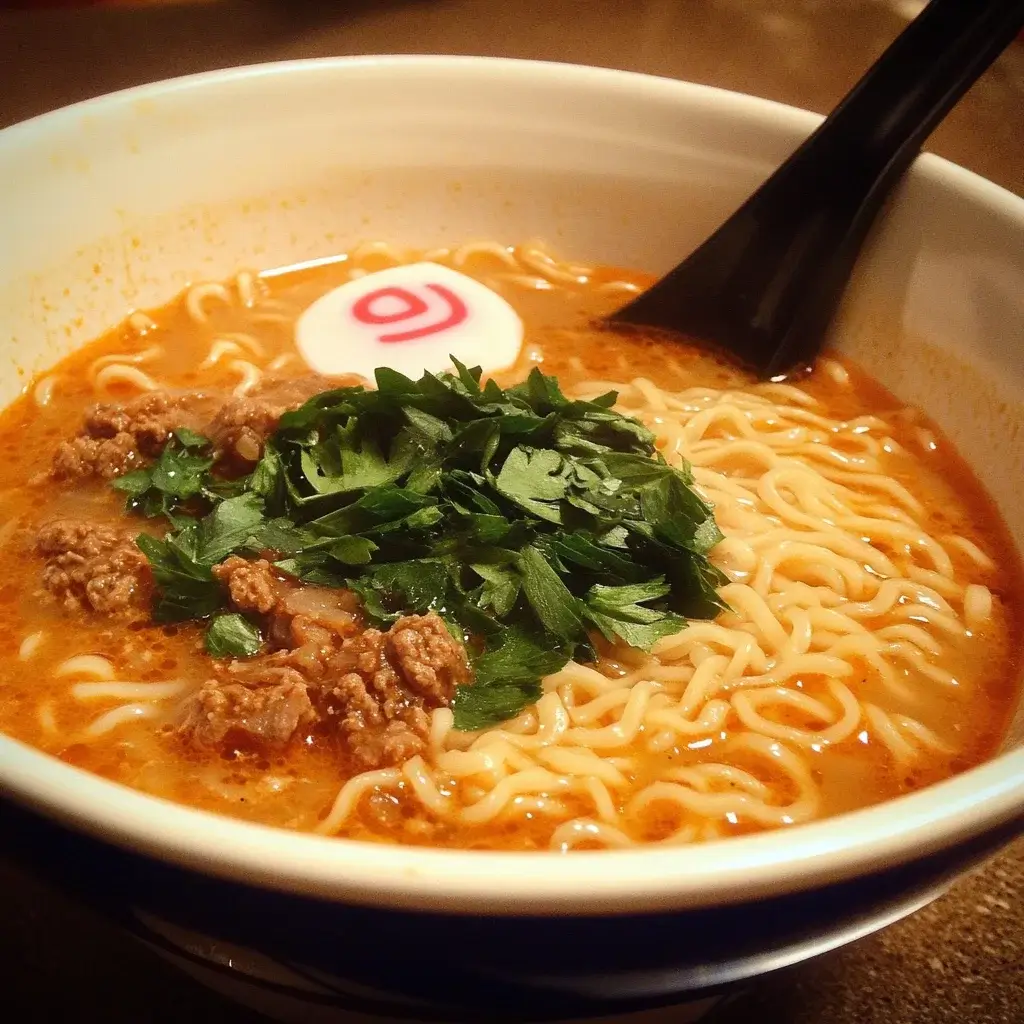

The first time I crafted this, it was a cold, dreary evening, and I was craving something deeply comforting yet exhilaratingly spicy. I had a pack of instant ramen, some leftover steak, and a fridge full of “bits and bobs.” What emerged from that experimental session was nothing short of spectacular. The rich, umami-laden broth, infused with fiery chili and aromatic ginger and garlic, was the perfect canvas for the tender, marinated beef and the springy noodles. But the real magic happened with the toppings – the jammy egg, the crisp scallions, the crunchy nori – each element adding its own layer of texture and taste. My family, initially skeptical about “fancy ramen,” were instant converts. Now, it’s a requested favorite, a go-to for when we want something that feels indulgent and exciting without requiring a trip to a restaurant. It’s a testament to how a few thoughtful additions can elevate a humble packet of noodles into a gourmet masterpiece.
Why This Tricked-Out Spicy Beef Ramen Will Rock Your World
Before we dive into the nitty-gritty, let’s talk about why this isn’t just another ramen recipe. This is ramen elevated, ramen reimagined, ramen that will make your taste buds sing a fiery, umami-rich opera.
- Flavor Explosion: We’re not just talking about the seasoning packet here. We’re building layers of flavor from scratch – a deeply aromatic broth, savory marinated beef, and a spicy kick that you can customize to your heart’s content.
- Restaurant-Quality at Home: Craving that authentic ramen shop experience? This recipe delivers, allowing you to create a bowl that rivals your favorite takeout spot, all from the comfort of your kitchen.
- Completely Customizable: This recipe is a fantastic blueprint. Love extra spice? Add more gochujang or a dash of chili oil. Vegetarian? Swap the beef for crispy tofu and use vegetable broth. The possibilities for “tricking it out” are endless.
- Surprisingly Achievable: While “tricked-out” might sound intimidating, the steps are straightforward. With a bit of prep, you can assemble a truly impressive meal that looks and tastes like it took hours.
- The Ultimate Comfort Food with a Kick: There’s something inherently comforting about a warm bowl of noodle soup. Add tender beef and a satisfying spicy punch, and you have a dish that soothes the soul while exciting the palate.
- Visually Stunning: Let’s be honest, we eat with our eyes first. A well-assembled bowl of this ramen, with its vibrant toppings, is a feast for the eyes, making it perfect for impressing guests or just treating yourself.
- Uses Simple Staples (Mostly): While some ingredients like gochujang or mirin might require a trip to a well-stocked grocery store or Asian market, many components are pantry or fridge staples, especially if you enjoy Asian-inspired cooking.
- Learning Opportunity: This recipe introduces techniques like marinating beef for tenderness and flavor, building a complex broth, and properly cooking ramen eggs, skills that will serve you well in many other culinary adventures.
Get ready to transform a simple noodle packet into an unforgettable culinary creation. This Tricked-Out Spicy Beef Ramen is more than just soup; it’s an adventure in a bowl.
Gather Your Arsenal: Ingredients for Tricked-Out Spicy Beef Ramen
This recipe aims for deep flavor and satisfying textures. We’ll break down the ingredients into components: the beef and its marinade, the broth, the noodles, and of course, the “tricked-out” toppings. (Yields 2 large, satisfying servings)
For the Spicy Marinated Beef:
- Beef: 8 oz (approx. 225g) sirloin, flank steak, or ribeye, thinly sliced against the grain
- Soy Sauce: 2 tablespoons (low sodium recommended)
- Mirin: 1 tablespoon
- Sesame Oil: 1 teaspoon
- Garlic: 1 clove, minced
- Ginger: ½ teaspoon, freshly grated
- Black Pepper: ¼ teaspoon
For the Aromatic & Spicy Broth:
- Beef Broth: 4 cups (high-quality store-bought or homemade)
- Water: 1 cup (or more, to adjust consistency/saltiness)
- Ginger: 1-inch piece, thinly sliced
- Garlic: 3-4 cloves, smashed
- Scallions (White and Light Green Parts): 2-3, roughly chopped (save dark green tops for garnish)
- Dried Shiitake Mushrooms (Optional but Recommended): 2-3, for umami depth
- Soy Sauce: 2-3 tablespoons (adjust to taste, depends on broth saltiness)
- Gochujang (Korean Chili Paste): 1-2 tablespoons (adjust for desired spice level)
- Miso Paste (White or Red): 1 tablespoon (optional, for extra umami and creaminess)
- Sesame Oil: 1 teaspoon
- Rice Vinegar: 1 teaspoon (for a touch of brightness)
- Sugar: ½ teaspoon (to balance flavors)
- Cooking Oil: 1 tablespoon (e.g., vegetable, canola, or avocado oil)
For the Noodles:
- Fresh or Dried Ramen Noodles: 2 servings (approx. 100-120g dried per person, or one block of fresh per person) – Do NOT use the seasoning packets from instant ramen for the broth, only the noodles if that’s what you have.
Essential “Tricked-Out” Toppings (Choose your favorites!):
- Jammy Ramen Eggs (Ajitsuke Tamago): 2 (see instructions or make ahead)
- Scallions (Dark Green Tops): Thinly sliced
- Nori Sheets: Cut into strips or small squares
- Toasted Sesame Seeds: White or black
- Chili Oil (La-Yu or homemade): For an extra kick and glossy finish
- Bean Sprouts: Fresh and crunchy
- Sweet Corn Kernels: Fresh, frozen (thawed), or canned (drained)
- Blanched Greens: Such as bok choy, spinach, or yu choy
- Pickled Ginger (Gari) or Pickled Radish (Danmuji): For a tangy contrast
- Narutomaki (Japanese Fish Cake): Sliced, for a traditional touch
- Fresh Chilies: Thinly sliced (e.g., bird’s eye or Fresno) for extra heat
- Crispy Fried Shallots or Garlic: For texture and aroma
Equipment:
- Medium bowl (for marinating)
- Large pot or Dutch oven (for broth)
- Separate saucepan (for noodles)
- Small saucepan (for eggs, if making fresh)
- Skillet (for searing beef)
- Fine-mesh sieve (optional, for straining broth)
- Sharp knife and cutting board
Having all your ingredients prepped (“mise en place”) will make the cooking process smooth and enjoyable.
Crafting Your Masterpiece: Step-by-Step Instructions
Let’s build this epic ramen, one delicious layer at a time!
1. Marinate the Beef (At least 30 minutes, up to 4 hours):
* In a medium bowl, combine the thinly sliced beef with soy sauce, mirin, sesame oil, minced garlic, grated ginger, and black pepper.
* Mix well, ensuring all beef slices are coated. Cover and refrigerate for at least 30 minutes.
2. Prepare the Jammy Ramen Eggs (If not made ahead):
* Bring a small saucepan of water to a rolling boil.
* Gently lower 2 large eggs (straight from the fridge) into the boiling water.
* Cook for exactly 6 minutes and 30 seconds for a perfectly jammy yolk (or 7 minutes for a slightly firmer jammy yolk).
* Immediately transfer the eggs to an ice bath to stop the cooking process. Let them cool completely (about 5-10 minutes).
* Carefully peel the eggs. You can store them in a simple soy sauce/mirin marinade if desired, or just use them plain. Slice in half just before serving.
3. Build the Aromatic Broth Base:
* Heat 1 tablespoon of cooking oil in a large pot or Dutch oven over medium heat.
* Add the sliced ginger, smashed garlic cloves, and the white/light green parts of the scallions. Sauté for 2-3 minutes until fragrant, being careful not to burn the garlic.
* If using dried shiitake mushrooms, add them now and stir for another minute.
4. Sear the Beef (Optional, can cook in broth later):
* You can either sear the beef separately for better texture or cook it directly in the simmering broth.
* For searing: Heat a separate skillet over medium-high heat with a tiny bit of oil. Add the marinated beef in a single layer (work in batches if necessary to avoid overcrowding). Sear for 1-2 minutes per side until nicely browned but still slightly pink inside. Remove from skillet and set aside. Deglaze the skillet with a splash of the beef broth and add those flavorful bits to your main broth pot.
* For cooking in broth: Skip this step and add the raw marinated beef to the simmering broth later (see step 6).
5. Simmer the Broth:
* To the pot with the aromatics, add the 4 cups of beef broth and 1 cup of water.
* Stir in the soy sauce, gochujang (start with 1 tablespoon and add more later if desired), miso paste (if using – whisk with a little warm broth in a small bowl first to prevent clumps), sesame oil, rice vinegar, and sugar.
* Bring the broth to a gentle simmer. Reduce the heat to low, cover, and let it simmer for at least 20-30 minutes to allow the flavors to meld. The longer it simmers (gently), the more depth it will develop.
6. Cook Noodles & Finish Broth:
* While the broth simmers, cook your ramen noodles according to package directions in a separate pot of boiling water. Drain well. Never cook noodles directly in your main ramen broth, as the starch will make the broth cloudy and gummy.
* Taste the broth. Adjust seasonings as needed – more soy sauce for saltiness/umami, more gochujang for spice, a tiny bit more sugar to balance. If it’s too concentrated, add a little more water.
* If you didn’t sear the beef separately: Add the thinly sliced marinated beef to the simmering broth now and cook for just 1-2 minutes until it’s no longer pink. Be careful not to overcook.
* If you prefer a very clear broth, you can strain it through a fine-mesh sieve at this point, discarding the solids (ginger, garlic, etc.). This is optional.
7. Assemble Your Tricked-Out Ramen Bowls:
* Divide the cooked noodles between two large ramen bowls.
* Arrange the cooked beef slices over the noodles (if seared separately) or ensure they are distributed if cooked in the broth.
* Carefully ladle the hot, flavorful broth over the noodles and beef.
* Now, the fun part – “trick it out” with your chosen toppings! Strategically place:
* Half a jammy egg (or two halves!) per bowl.
* A sprinkle of thinly sliced dark green scallion tops.
* A few strips of nori.
* A pinch of toasted sesame seeds.
* A drizzle of chili oil.
* A handful of bean sprouts and/or corn.
* Blanched greens, pickled ginger, etc.
* Serve immediately and slurp away!
Nutrition Facts (Approximate)
Please note that these are estimates and can vary significantly based on the specific cut of beef, brand of ingredients, amount of oil used, and the quantity and type of toppings selected. This estimation is for one serving (half of the recipe) with a moderate selection of toppings like egg, scallions, and nori, but without heavy additions like lots of chili oil or multiple fish cakes.
- Servings: 2 large bowls
- Calories per serving: Approximately 650-850 calories
Approximate Breakdown per Serving:
- Fat: 30-45g (will vary greatly with beef cut and chili oil)
- Saturated Fat: 8-15g
- Cholesterol: 250-350mg (mainly from egg and beef)
- Sodium: 1800-2500mg+ (ramen is inherently high in sodium; using low-sodium soy sauce and broth helps, but gochujang and miso also contribute)
- Carbohydrates: 55-70g (primarily from noodles)
- Fiber: 4-7g (from vegetables, gochujang)
- Sugar: 8-12g (from mirin, sugar, some sauces)
- Protein: 35-50g (from beef and egg)
Key Considerations for Nutrition:
- Sodium: This is typically high in ramen. To reduce, use low-sodium soy sauce, unsalted beef broth, and be mindful of salty toppings.
- Fat: The cut of beef (e.g., ribeye vs. sirloin) and additions like chili oil will significantly impact fat content.
- Customization: Adding more vegetables will increase fiber and micronutrients. Using lean protein or plant-based protein will alter the profile.
For a more precise count, use a nutrition calculator and input your exact ingredients and quantities. Enjoy this as an indulgent treat!
Time Investment: Preparation and Cooking
Creating this “Tricked-Out” ramen involves a few stages, but much of it is hands-off simmering or marinating.
- Active Preparation Time (Chopping, Mixing, Searing): 25-35 minutes
- This includes slicing beef, mincing garlic/ginger, chopping scallions, mixing marinade, and searing the beef (if choosing that method).
- Prepping toppings like slicing scallions, cutting nori.
- Marinating Time (Beef): Minimum 30 minutes (passive), up to 4 hours.
- Longer marination leads to more tender and flavorful beef.
- Egg Cooking & Cooling (If making fresh):
- Cooking: 6-7 minutes
- Cooling in ice bath: 5-10 minutes
- Peeling: 2-3 minutes
- Broth Simmering Time: Minimum 20-30 minutes (passive)
- Longer, gentle simmering (up to 1 hour) can develop deeper flavors.
- Noodle Cooking Time: 3-5 minutes (depending on type)
- Final Assembly: 5 minutes
Total Estimated Time:
- With 30-min Marination: Approximately 1 hour 15 minutes to 1 hour 30 minutes (some steps overlap).
- If Eggs & Toppings are Prepped Ahead & using quick marinade: Could be done in under 1 hour.
Breakdown for Efficiency:
- Start marinating the beef.
- While beef marinates, prepare eggs (if making) and prep all broth aromatics and other toppings.
- Start the broth.
- While broth simmers, cook noodles just before serving.
- Sear beef (if doing separately) during the last 10-15 minutes of broth simmering.
- Assemble.
This dish is well-suited for a weekend project or a more leisurely weeknight dinner when you have a bit more time to enjoy the process.
How to Serve Your Glorious Ramen Creation
Serving ramen is an art form in itself. The goal is to create a visually appealing bowl where each element shines, inviting the eater to dive in. Here’s how to present your Tricked-Out Spicy Beef Ramen for maximum impact:
- Choose the Right Bowl:
- Use large, deep ramen bowls if you have them. These provide ample space for the broth, noodles, and all the toppings without overcrowding. A wide soup bowl can also work.
- Noodle Foundation:
- Place a generous portion of freshly cooked and drained noodles at the bottom of each bowl. Try to fluff them slightly so they don’t clump.
- Broth Bath:
- Carefully ladle the hot, aromatic broth over the noodles. Ensure there’s enough broth to generously cover the noodles but leave room for toppings.
- Strategic Topping Placement: This is where you “trick it out”!
- Beef: Arrange the slices of spicy marinated beef attractively over one section of the noodles. If cooked in the broth, ensure some pieces are visible.
- Jammy Egg: Place one or two perfectly halved jammy eggs, yolk-side up, in a prominent position. The vibrant orange-yellow yolk is a visual highlight.
- Greens: If using blanched greens like bok choy or spinach, nestle them to one side.
- Scallions: Sprinkle a generous amount of thinly sliced dark green scallion tops over the entire bowl or concentrate them in one area.
- Nori: Tuck a few strips or squares of nori upright into the side of the bowl, or lay them partially over the noodles.
- Bean Sprouts & Corn: Create little mounds of fresh bean sprouts and/or sweet corn.
- Chili Oil: Drizzle your desired amount of chili oil over the top, letting it pool enticingly in spots.
- Sesame Seeds: Finish with a sprinkle of toasted sesame seeds for a final touch of texture and nutty flavor.
- Other Toppings: Artfully arrange any other chosen toppings like narutomaki slices, pickled ginger, or fresh chilies.
- Serve Immediately:
- Ramen is best enjoyed piping hot, as soon as it’s assembled. The noodles can become soggy if left sitting in the broth for too long.
- Accompaniments (Optional):
- Provide extra chili oil, gochujang, or shichimi togarashi (Japanese seven-spice blend) on the side for those who like an extra kick.
- A small dish of pickled ginger (gari) or kimchi can be a refreshing counterpoint.
- Don’t forget the chopsticks and a ramen spoon (renge)!
The idea is to create a balanced and enticing bowl. Think about contrasting colors, textures, and flavors when arranging your toppings. Most importantly, have fun with it!
Pro Tips for Ramen Perfection: Level Up Your Bowl
Want to take your Tricked-Out Spicy Beef Ramen from great to absolutely divine? Here are five additional tips:
- Invest in Quality Broth & Noodles:
- Broth: The soul of ramen is its broth. If not making homemade beef stock, opt for the best quality store-bought beef broth you can find (low-sodium is often a good base, allowing you to control seasoning). Bone broth can add extra richness.
- Noodles: Fresh ramen noodles (often found in the refrigerated section of Asian markets or larger supermarkets) will offer superior texture and chewiness compared to most dried instant varieties. If using dried, look for brands specifically made for ramen. Cook them al dente, as they’ll continue to soften slightly in the hot broth.
- Don’t Crowd the Pan When Searing Beef:
- If you choose to sear your beef separately (recommended for best flavor and texture), make sure your pan is hot and don’t overcrowd it. Searing in batches ensures each piece gets good contact with the hot surface, developing a delicious Maillard reaction crust. Overcrowding will steam the beef instead of searing it, resulting in a grey, less flavorful outcome.
- The Magic of Miso & Gochujang:
- Miso: When adding miso paste to the broth, always dissolve it in a little warm broth in a separate small bowl before adding it to the main pot. This prevents clumps and ensures it disperses evenly. Adding miso towards the end of cooking helps preserve its delicate flavors and probiotic benefits.
- Gochujang: This Korean chili paste provides spice, umami, and a touch of sweetness. Start with a smaller amount and add more to taste. Different brands have varying spice levels. It can be quite potent, so it’s easier to add more than to take it away!
- Master the Jammy Egg (Ajitsuke Tamago):
- The soft, custardy yolk of a ramen egg is iconic. Key tips: use eggs straight from the fridge, boil for precisely 6.5-7 minutes, and immediately transfer to an ice bath to halt cooking. For an authentic Ajitsuke Tamago, marinate the peeled, soft-boiled eggs in a mixture of soy sauce, mirin, and a little sugar for at least a few hours (or overnight) in the fridge. This infuses them with flavor and a beautiful brown color.
- Balance is Everything: Taste and Adjust:
- Before ladling your broth, taste it critically. Does it need more saltiness (soy sauce)? More umami (a touch more miso or a dash of fish sauce – use sparingly)? More spice (gochujang, chili oil)? A bit of acidity to brighten (a tiny splash more rice vinegar)? A hint of sweetness to round it out (a pinch more sugar or mirin)? Balancing these core flavor profiles (salty, sweet, sour, spicy, umami) is what elevates good ramen to great ramen.
Applying these tips will undoubtedly enhance the depth, texture, and overall deliciousness of your homemade ramen experience.
Frequently Asked Questions (FAQ) About Tricked-Out Ramen
Here are some common questions that might pop up as you prepare your epic ramen bowl:
- Q: Can I make this recipe with chicken or pork instead of beef?
- A: Absolutely!
- Chicken: Thinly sliced chicken breast or thigh would work wonderfully. Marinate it the same way as the beef. Ensure it’s cooked through, either by searing or simmering in the broth.
- Pork: Thinly sliced pork loin or pork belly are classic ramen choices. Pork belly would require a different cooking method (braising or roasting) for tenderness, but thinly sliced loin can be marinated and seared/simmered like the beef. Ground pork, browned and seasoned, is also a great option.
- Vegetarian/Vegan: See the next question!
- A: Absolutely!
- Q: How can I make a vegetarian or vegan version of this ramen?
- A: Easily!
- Protein: Substitute the beef with firm or extra-firm tofu (pressed and pan-fried or baked until crispy), seared mushrooms (shiitake, king oyster, or cremini are great), or edamame.
- Broth: Use a robust vegetable broth as your base. Amp up the umami with extra dried shiitake mushrooms, a piece of kombu (kelp) simmered in the broth (remove before boiling hard), and a good quality vegetarian miso paste. Ensure your gochujang brand is vegan (most are).
- Eggs: Omit the egg or use a vegan egg alternative if desired.
- Other Toppings: Most other toppings are naturally vegetarian/vegan.
- A: Easily!
- Q: What’s the best way to control the spice level?
- A: The primary source of spice here is gochujang. Start with a smaller amount (e.g., 1 tablespoon for the whole recipe) and taste the broth. You can always add more gochujang directly to the simmering broth or even to individual bowls. Serving chili oil on the side is another excellent way for individuals to customize their heat level. If you’re sensitive to spice, you can reduce or omit the gochujang and rely on other aromatics for flavor.
- Q: Can I prepare parts of this recipe ahead of time?
- A: Yes, several components can be made in advance, making assembly quicker:
- Beef: Marinate the beef up to 4 hours ahead. You can even sear it, let it cool, and store it in the fridge. Reheat gently before serving or add cold to hot broth.
- Ramen Eggs (Ajitsuke Tamago): These are better made ahead! They can be marinated for 1-3 days in the fridge.
- Broth: The broth can be made a day or two in advance and stored in the fridge. Reheat thoroughly before serving. Flavors often meld and improve overnight.
- Toppings: Chop scallions, prepare other vegetable toppings, and store them in airtight containers in the fridge.
- Do NOT cook noodles ahead of time. Cook them fresh just before assembly for the best texture.
- A: Yes, several components can be made in advance, making assembly quicker:
- Q: I don’t have mirin/gochujang/miso. Are there substitutes?
- A: While these ingredients contribute unique flavors, here are some potential workarounds:
- Mirin: You can substitute with a dry white wine or rice vinegar mixed with a little sugar (e.g., 1 tbsp rice vinegar + ½ tsp sugar for 1 tbsp mirin).
- Gochujang: This is a unique fermented chili paste. A mix of Sriracha or another chili garlic sauce with a tiny bit of miso paste (for umami) and a pinch of sugar could offer a different kind of spicy/savory note, but it won’t be the same. If you only want heat, chili flakes or a preferred hot sauce can be used, but you’ll miss the depth of gochujang.
- Miso Paste: This adds a salty, umami depth. You could increase the soy sauce slightly, or add a dash of nutritional yeast or a very small amount of Vegemite/Marmite (use sparingly!) for an umami boost, though the flavor profile will differ.
- It’s highly recommended to source these key ingredients for the most authentic and intended flavor profile, especially gochujang for a “spicy” ramen. They are widely available in Asian markets and larger supermarkets.
- A: While these ingredients contribute unique flavors, here are some potential workarounds:
This Tricked-Out Spicy Beef Ramen Noodle Soup is more than just a recipe; it’s a template for culinary adventure. The combination of savory beef, fiery broth, springy noodles, and an array of delightful toppings creates a symphony of flavors and textures that will leave you utterly satisfied. Don’t be afraid to experiment with different proteins, vegetables, and spice levels to make it uniquely your own. Enjoy the process of building your perfect bowl, and prepare for some serious slurping!
Print
Tricked-Out Spicy Beef Ramen Noodle Soup recipe
Ingredients
-
- Beef: 8 oz (approx. 225g) sirloin, flank steak, or ribeye, thinly sliced against the grain
-
- Soy Sauce: 2 tablespoons (low sodium recommended)
-
- Mirin: 1 tablespoon
-
- Sesame Oil: 1 teaspoon
-
- Garlic: 1 clove, minced
-
- Ginger: ½ teaspoon, freshly grated
-
- Black Pepper: ¼ teaspoon
For the Aromatic & Spicy Broth:
-
- Beef Broth: 4 cups (high-quality store-bought or homemade)
-
- Water: 1 cup (or more, to adjust consistency/saltiness)
-
- Ginger: 1-inch piece, thinly sliced
-
- Garlic: 3-4 cloves, smashed
-
- Scallions (White and Light Green Parts): 2-3, roughly chopped (save dark green tops for garnish)
-
- Dried Shiitake Mushrooms (Optional but Recommended): 2-3, for umami depth
-
- Soy Sauce: 2-3 tablespoons (adjust to taste, depends on broth saltiness)
-
- Gochujang (Korean Chili Paste): 1-2 tablespoons (adjust for desired spice level)
-
- Miso Paste (White or Red): 1 tablespoon (optional, for extra umami and creaminess)
-
- Sesame Oil: 1 teaspoon
-
- Rice Vinegar: 1 teaspoon (for a touch of brightness)
-
- Sugar: ½ teaspoon (to balance flavors)
-
- Cooking Oil: 1 tablespoon (e.g., vegetable, canola, or avocado oil)
For the Noodles:
-
- Fresh or Dried Ramen Noodles: 2 servings (approx. 100-120g dried per person, or one block of fresh per person) – Do NOT use the seasoning packets from instant ramen for the broth, only the noodles if that’s what you have.
Instructions
1. Marinate the Beef (At least 30 minutes, up to 4 hours):
* In a medium bowl, combine the thinly sliced beef with soy sauce, mirin, sesame oil, minced garlic, grated ginger, and black pepper.
* Mix well, ensuring all beef slices are coated. Cover and refrigerate for at least 30 minutes.
2. Prepare the Jammy Ramen Eggs (If not made ahead):
* Bring a small saucepan of water to a rolling boil.
* Gently lower 2 large eggs (straight from the fridge) into the boiling water.
* Cook for exactly 6 minutes and 30 seconds for a perfectly jammy yolk (or 7 minutes for a slightly firmer jammy yolk).
* Immediately transfer the eggs to an ice bath to stop the cooking process. Let them cool completely (about 5-10 minutes).
* Carefully peel the eggs. You can store them in a simple soy sauce/mirin marinade if desired, or just use them plain. Slice in half just before serving.
3. Build the Aromatic Broth Base:
* Heat 1 tablespoon of cooking oil in a large pot or Dutch oven over medium heat.
* Add the sliced ginger, smashed garlic cloves, and the white/light green parts of the scallions. Sauté for 2-3 minutes until fragrant, being careful not to burn the garlic.
* If using dried shiitake mushrooms, add them now and stir for another minute.
4. Sear the Beef (Optional, can cook in broth later):
* You can either sear the beef separately for better texture or cook it directly in the simmering broth.
* For searing: Heat a separate skillet over medium-high heat with a tiny bit of oil. Add the marinated beef in a single layer (work in batches if necessary to avoid overcrowding). Sear for 1-2 minutes per side until nicely browned but still slightly pink inside. Remove from skillet and set aside. Deglaze the skillet with a splash of the beef broth and add those flavorful bits to your main broth pot.
* For cooking in broth: Skip this step and add the raw marinated beef to the simmering broth later (see step 6).
5. Simmer the Broth:
* To the pot with the aromatics, add the 4 cups of beef broth and 1 cup of water.
* Stir in the soy sauce, gochujang (start with 1 tablespoon and add more later if desired), miso paste (if using – whisk with a little warm broth in a small bowl first to prevent clumps), sesame oil, rice vinegar, and sugar.
* Bring the broth to a gentle simmer. Reduce the heat to low, cover, and let it simmer for at least 20-30 minutes to allow the flavors to meld. The longer it simmers (gently), the more depth it will develop.
6. Cook Noodles & Finish Broth:
* While the broth simmers, cook your ramen noodles according to package directions in a separate pot of boiling water. Drain well. Never cook noodles directly in your main ramen broth, as the starch will make the broth cloudy and gummy.
* Taste the broth. Adjust seasonings as needed – more soy sauce for saltiness/umami, more gochujang for spice, a tiny bit more sugar to balance. If it’s too concentrated, add a little more water.
* If you didn’t sear the beef separately: Add the thinly sliced marinated beef to the simmering broth now and cook for just 1-2 minutes until it’s no longer pink. Be careful not to overcook.
* If you prefer a very clear broth, you can strain it through a fine-mesh sieve at this point, discarding the solids (ginger, garlic, etc.). This is optional.
7. Assemble Your Tricked-Out Ramen Bowls:
* Divide the cooked noodles between two large ramen bowls.
* Arrange the cooked beef slices over the noodles (if seared separately) or ensure they are distributed if cooked in the broth.
* Carefully ladle the hot, flavorful broth over the noodles and beef.
* Now, the fun part – “trick it out” with your chosen toppings! Strategically place:
* Half a jammy egg (or two halves!) per bowl.
* A sprinkle of thinly sliced dark green scallion tops.
* A few strips of nori.
* A pinch of toasted sesame seeds.
* A drizzle of chili oil.
* A handful of bean sprouts and/or corn.
* Blanched greens, pickled ginger, etc.
* Serve immediately and slurp away!
Nutrition
- Serving Size: one normal portion
- Calories: 650-850