
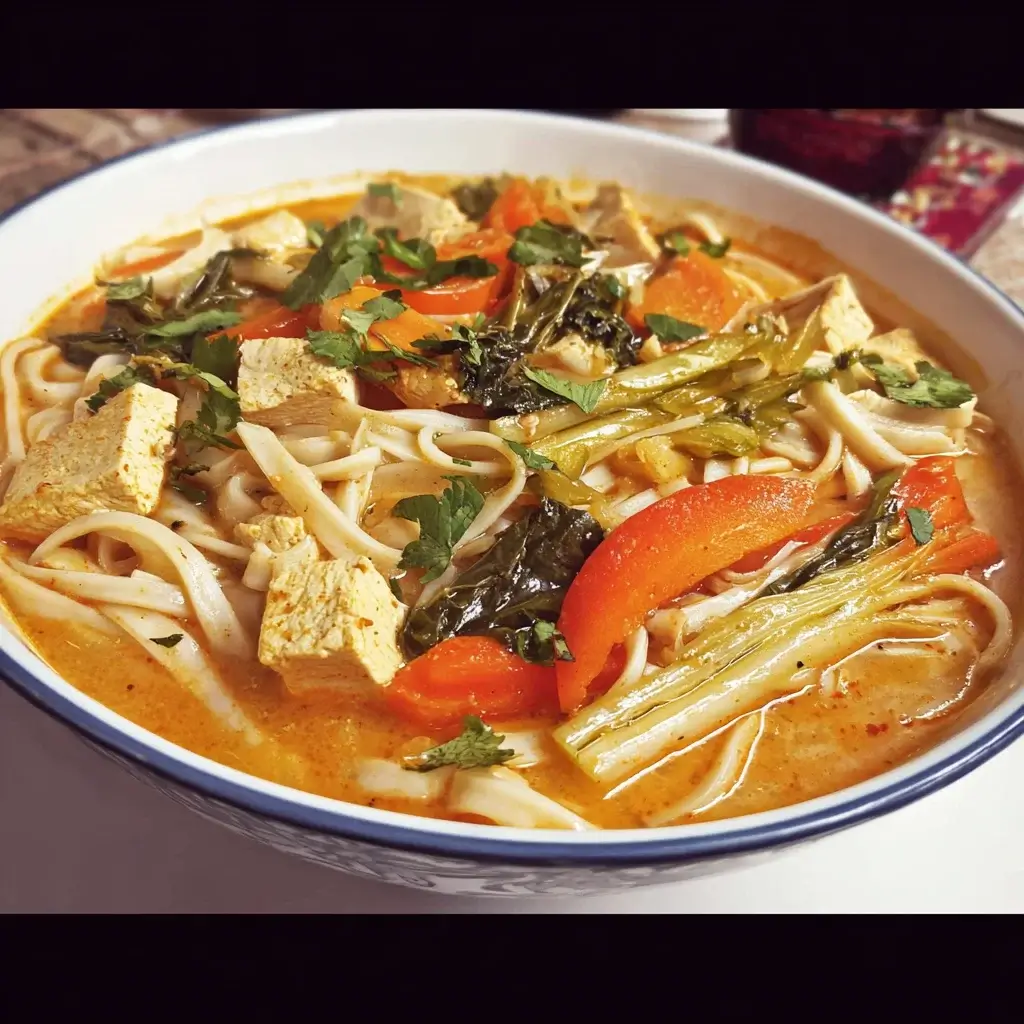

Of all the dishes that have graced my family’s dinner table, few have received the unanimous, resounding approval that this Thai Red Curry Noodle Soup does. The first time I made it, the air in our home transformed. It started with the sharp, fragrant punch of garlic and ginger hitting the hot oil, followed by the complex, aromatic bloom of red curry paste. By the time the creamy coconut milk was simmering, my kids were already peeking into the kitchen, asking what smelled so incredible. When we finally sat down to eat, there was a moment of silence, followed by a chorus of satisfied slurps and sighs. It’s that perfect balance of creamy, spicy, sweet, and savory, a comforting warmth that feels both exotic and deeply familiar. This soup has become our go-to for chilly evenings, for busy weeknights when we need something quick but impressive, and for when we’re simply craving a bowl of pure, unadulterated comfort. It’s a recipe that doesn’t just feed you; it hugs you from the inside out.
Why This Thai Red Curry Noodle Soup Recipe is a Keeper
Before we dive into the nuts and bolts of the recipe, let’s talk about why this specific version will become a staple in your culinary repertoire. In a world of endless recipes, this one stands out for a few key reasons:
- Incredible Depth of Flavor: We don’t just dump ingredients into a pot. This recipe emphasizes the technique of “blooming” the curry paste, a simple step that coaxes out an incredible depth of flavor from the spices, transforming your soup from good to restaurant-quality.
- Perfectly Balanced Broth: The secret to amazing Thai food is the balance of five key flavors: spicy, sweet, salty, sour, and savory (umami). This recipe guides you to achieve that perfect harmony using red curry paste, coconut milk, lime juice, fish sauce, and a touch of sweetness.
- Customizable to Your Core: This recipe is a fantastic template. Whether you’re a meat-lover, a seafood aficionado, or a dedicated vegetarian, you can easily adapt it. We’ll cover all the variations, allowing you to use whatever protein or vegetables you have on hand.
- Surprisingly Quick and Easy: While it tastes like it simmered for hours, this entire dish can come together in about 30-40 minutes, making it a perfect solution for a hectic weeknight when you’re craving something special without the time commitment.
- One-Pot Wonder (Mostly): The soup itself is a one-pot meal, which means less cleanup. By cooking the noodles separately, you ensure a perfect texture for both the soup and the noodles, a small extra step that pays huge dividends in the final result.
The Anatomy of a Perfect Curry Soup: Key Ingredients Explained
Understanding your ingredients is the first step toward mastering any dish. Each component in this soup plays a vital role in creating the final symphony of flavors and textures.
- Red Curry Paste: This is the heart and soul of the soup. It’s a complex blend of red chilies, lemongrass, galangal (a cousin of ginger), kaffir lime leaves, garlic, shallots, and spices.
- Recommendation: For store-bought paste, brands like Maesri or Mae Ploy are renowned for their authentic flavor. They are typically found in the international aisle of your grocery store or at an Asian market. Don’t be shy with it; the flavor needs to stand up to the creamy coconut milk.
- Coconut Milk: This is what gives the soup its luxurious, creamy body and balances the spice of the curry paste.
- Crucial Tip: Always use full-fat, unsweetened coconut milk from a can for the best texture and flavor. The kind in a carton is too thin and won’t create the rich broth we’re looking for. Shake the can well before opening to combine the separated cream and water.
- Protein: We’re using boneless, skinless chicken breast in the main recipe, as it’s a crowd-pleaser and cooks quickly. However, chicken thighs, shrimp, or firm tofu are all fantastic substitutes.
- Aromatics: Fresh garlic, ginger, and shallots form the foundational flavor base. Finely mincing them allows their flavors to infuse the oil and, subsequently, the entire soup.
- Broth: Low-sodium chicken broth is used to extend the coconut milk, creating a perfectly slurpable soup consistency without diluting the flavor too much. For a vegetarian version, a high-quality vegetable broth is an excellent choice.
- Noodles: Dried rice vermicelli or thin rice noodles are the classic choice. They have a wonderful texture and absorb the flavors of the broth beautifully. Cook them separately to prevent them from becoming mushy and soaking up all your delicious broth.
- Vegetables: We’re using red bell pepper for sweetness and color, and bok choy for a tender-crisp green element. This is where you can get creative!
- The Balancing Act (Fish Sauce, Lime Juice, Brown Sugar): This trio is non-negotiable for authentic Thai flavor.
- Fish Sauce: Provides a deep, savory, umami saltiness. Don’t be put off by the smell from the bottle; it transforms during cooking.
- Lime Juice: Adds a bright, acidic kick at the end that cuts through the richness of the coconut milk and wakes up all the other flavors. Always use fresh.
- Brown Sugar: Just a teaspoon or two balances the saltiness and sourness, rounding out the flavor profile. Palm sugar is a more traditional option if you have it.
The Ultimate Thai Red Curry Noodle Soup Recipe
Here is the complete, step-by-step guide to creating this masterpiece in your own kitchen. Read through the instructions once before you begin to familiarize yourself with the process.
Ingredients
- For the Soup:
- 1 tbsp Coconut Oil or Vegetable Oil
- 1 medium Shallot, finely chopped (about 1/2 cup)
- 4 cloves Garlic, minced
- 1 inch Ginger, peeled and grated
- 3-4 tbsp Thai Red Curry Paste (use 3 for medium heat, 4 for spicy)
- 2 cans (13.5 oz / 400ml each) Full-Fat Coconut Milk, shaken well
- 4 cups Low-Sodium Chicken or Vegetable Broth
- 1.5 lbs Boneless, Skinless Chicken Breasts, thinly sliced into bite-sized pieces
- 1 tbsp Fish Sauce (or soy sauce for vegetarian)
- 1 tbsp Brown Sugar or Coconut Sugar
- 1 large Red Bell Pepper, thinly sliced
- 4-5 heads of Baby Bok Choy, ends trimmed and leaves separated
- Juice of 1-2 Limes (to taste)
- For Assembly:
- 8 oz Dried Rice Noodles (vermicelli or flat noodles)
- Fresh Cilantro, chopped
- Fresh Thai Basil or regular basil
- Lime Wedges
- Sliced Red Chilies or Jalapeños (optional, for extra heat)
- Crushed Peanuts or Cashews (optional, for crunch)
- Crispy Fried Shallots (optional, for texture and flavor)
Instructions
- Prepare the Noodles: Cook the rice noodles according to the package directions. This usually involves soaking them in hot water for a few minutes. Once tender, drain them thoroughly, rinse with cold water to stop the cooking process, and set aside. Tossing them with a tiny bit of sesame oil can prevent them from sticking.
- Sauté the Aromatics: In a large pot or Dutch oven, heat the coconut oil over medium heat. Add the chopped shallot and cook for 2-3 minutes until softened and translucent. Add the minced garlic and grated ginger and cook for another minute until fragrant, stirring constantly to prevent burning.
- Bloom the Curry Paste: This is the most important step for flavor! Add the red curry paste to the pot with the aromatics. Stir and cook for 1-2 minutes, breaking it up with your spoon. The paste will darken slightly and become incredibly fragrant. This process toasts the spices and deepens their flavor.
- Build the Broth: Pour in one can of coconut milk. Stir and scrape the bottom of the pot to incorporate the curry paste and aromatics fully, creating a smooth, rich base. Let it come to a gentle simmer.
- Add Liquids and Seasonings: Pour in the remaining can of coconut milk and the chicken (or vegetable) broth. Stir to combine. Add the fish sauce and brown sugar. Bring the soup to a gentle simmer over medium heat. Do not let it come to a rolling boil, as this can cause the coconut milk to separate or “split.”
- Cook the Chicken: Add the thinly sliced chicken to the simmering broth. The broth should be hot enough to cook the chicken gently. Let it simmer for 5-7 minutes, or until the chicken is cooked through and no longer pink. If using shrimp, you’ll only need 2-3 minutes. If using tofu, you can add it now as well.
- Wilt the Vegetables: Add the sliced red bell pepper and the bok choy leaves to the pot. Stir them into the hot broth. They will wilt and become tender-crisp in just 2-3 minutes. You want them to retain a bit of their texture.
- The Final Touch: Turn off the heat. Squeeze in the juice of one full lime. Stir and taste the broth. Now is the time to adjust. Does it need more saltiness? Add a splash more fish sauce. More brightness? More lime juice. A little more sweetness? A pinch more sugar.
- Assemble and Serve: To serve, place a nest of the cooked rice noodles in the bottom of each bowl. Ladle the hot curry soup, chicken, and vegetables generously over the noodles. Garnish lavishly with fresh cilantro, Thai basil, a squeeze from a fresh lime wedge, and any other desired toppings like sliced chilies or crushed peanuts. Serve immediately.
Nutrition Facts
- Servings: 4-6 generous servings
- Calories per serving: Approximately 550-650 kcal (This is an estimate and can vary based on the specific brands of coconut milk and curry paste used, as well as the exact amount of protein and toppings.)
Preparation Time
- Prep Time: 15 minutes (chopping vegetables, slicing chicken, etc.)
- Cook Time: 25 minutes
- Total Time: 40 minutes
How to Serve: Creating the Perfect Bowl
Serving this soup is an experience in itself. The best way to do it is to set up a “topping bar” so everyone can customize their own bowl. This adds a fun, interactive element to the meal.
- The Foundation: Start with a generous portion of cooked rice noodles at the bottom of a deep, wide bowl.
- The Heart: Ladle the creamy, fragrant broth over the noodles, ensuring each bowl gets a good amount of chicken and vegetables.
- The Freshness (Herbs):
- Fresh Cilantro: Its bright, citrusy flavor is essential.
- Thai Basil: Has a unique anise or licorice-like flavor that is classic in Thai cuisine. Regular basil works in a pinch.
- Fresh Mint: Adds a surprising and delightful cool contrast.
- The Acidity (Sour):
- Lime Wedges: A final squeeze of fresh lime juice right before eating is non-negotiable. It brightens everything up and cuts through the richness.
- The Crunch (Texture):
- Crushed Peanuts or Cashews: Add a wonderful textural contrast and nutty flavor.
- Bean Sprouts: Add a fresh, watery crunch.
- Crispy Fried Shallots: These are a game-changer, adding an intensely savory, crispy element. You can buy them pre-made at most Asian markets.
- The Heat (Spicy):
- Sliced Red Chilies: For those who like an extra kick.
- Sriracha or Sambal Oelek: A drizzle on top adds another layer of heat.
- Chili Oil: A spoonful of infused chili oil adds richness and spice.
5 Pro Tips for a Restaurant-Quality Soup
- Don’t Boil the Coconut Milk: After adding the coconut milk, maintain a gentle, steady simmer. A hard, rolling boil can cause the fats to separate from the liquid, resulting in a grainy or oily texture. Patience and gentle heat are key to a silky-smooth broth.
- Taste and Adjust Relentlessly: The final step of tasting and adjusting the seasoning is arguably the most important. The amounts of fish sauce, lime juice, and sugar are a guide. Your curry paste might be saltier, or your limes might be less juicy. Taste the broth and ask yourself what it needs. Trust your palate to achieve that perfect balance.
- Cook Noodles Separately (It’s Worth It!): It might seem easier to cook the noodles directly in the soup, but this is a common mistake. They will absorb too much of your precious broth, leaving the soup thick and the noodles mushy. Cooking them separately ensures a perfect broth consistency and noodle texture every time.
- Slice Chicken Thinly and Against the Grain: For the most tender chicken, slice it very thinly (about 1/4 inch). This allows it to cook quickly and evenly in the hot broth, preventing it from becoming tough or rubbery.
- Don’t Skimp on the Garnishes: The fresh herbs, lime, and other toppings aren’t just for decoration. They are integral components of the dish, adding layers of fresh flavor, texture, and aroma that complete the sensory experience. A bowl of this soup without cilantro and lime is simply not the same.
Frequently Asked Questions (FAQ)
1. Can I make this soup ahead of time?
Yes, absolutely! The soup base (broth, chicken, and vegetables) can be made up to 3 days in advance and stored in an airtight container in the refrigerator. In fact, the flavors often meld and become even better the next day. Cook the noodles fresh just before you’re ready to serve and reheat the soup gently on the stove.
2. How do I store and reheat leftovers?
Store the soup and the noodles in separate airtight containers in the refrigerator. If you store them together, the noodles will become very soft and absorb all the liquid. To reheat, gently warm the soup on the stovetop over medium-low heat until hot. Place your leftover (or freshly cooked) noodles in a bowl and pour the hot soup over them. Add fresh garnishes to revive the flavors.
3. What can I use instead of fish sauce to make it vegetarian or vegan?
To make this recipe vegetarian or vegan, you have a couple of great options. You can substitute the fish sauce with an equal amount of soy sauce, tamari (for a gluten-free option), or a high-quality vegan fish sauce. Also, be sure to use vegetable broth instead of chicken broth and a plant-based protein like pan-fried firm tofu or chickpeas.
4. My soup is too thin/thick. How can I fix it?
This is an easy fix! If your soup seems too thin, you can let it simmer gently (uncovered) for an extra 5-10 minutes to allow some of the liquid to evaporate and concentrate the flavors. If it’s too thick, simply stir in a bit more broth or even a splash of hot water until it reaches your desired consistency.
5. Can I freeze this Thai curry soup?
Yes, the soup base freezes beautifully. Let the soup cool completely, then transfer it to a freezer-safe container or freezer bags, leaving a little room for expansion. It can be frozen for up to 3 months. Do not freeze it with the noodles. When you’re ready to eat, thaw the soup overnight in the refrigerator and reheat it gently on the stove. Cook a fresh batch of noodles and assemble as usual.

Thai Red Curry Noodle Soup recipe
Ingredients
-
For the Soup:
-
1 tbsp Coconut Oil or Vegetable Oil
-
1 medium Shallot, finely chopped (about 1/2 cup)
-
4 cloves Garlic, minced
-
1 inch Ginger, peeled and grated
-
3-4 tbsp Thai Red Curry Paste (use 3 for medium heat, 4 for spicy)
-
2 cans (13.5 oz / 400ml each) Full-Fat Coconut Milk, shaken well
-
4 cups Low-Sodium Chicken or Vegetable Broth
-
1.5 lbs Boneless, Skinless Chicken Breasts, thinly sliced into bite-sized pieces
-
1 tbsp Fish Sauce (or soy sauce for vegetarian)
-
1 tbsp Brown Sugar or Coconut Sugar
-
1 large Red Bell Pepper, thinly sliced
-
4-5 heads of Baby Bok Choy, ends trimmed and leaves separated
-
Juice of 1-2 Limes (to taste)
-
-
For Assembly:
-
8 oz Dried Rice Noodles (vermicelli or flat noodles)
-
Fresh Cilantro, chopped
-
Fresh Thai Basil or regular basil
-
Lime Wedges
-
Sliced Red Chilies or Jalapeños (optional, for extra heat)
-
Crushed Peanuts or Cashews (optional, for crunch)
-
Crispy Fried Shallots (optional, for texture and flavor)
-
Instructions
-
Prepare the Noodles: Cook the rice noodles according to the package directions. This usually involves soaking them in hot water for a few minutes. Once tender, drain them thoroughly, rinse with cold water to stop the cooking process, and set aside. Tossing them with a tiny bit of sesame oil can prevent them from sticking.
-
Sauté the Aromatics: In a large pot or Dutch oven, heat the coconut oil over medium heat. Add the chopped shallot and cook for 2-3 minutes until softened and translucent. Add the minced garlic and grated ginger and cook for another minute until fragrant, stirring constantly to prevent burning.
-
Bloom the Curry Paste: This is the most important step for flavor! Add the red curry paste to the pot with the aromatics. Stir and cook for 1-2 minutes, breaking it up with your spoon. The paste will darken slightly and become incredibly fragrant. This process toasts the spices and deepens their flavor.
-
Build the Broth: Pour in one can of coconut milk. Stir and scrape the bottom of the pot to incorporate the curry paste and aromatics fully, creating a smooth, rich base. Let it come to a gentle simmer.
-
Add Liquids and Seasonings: Pour in the remaining can of coconut milk and the chicken (or vegetable) broth. Stir to combine. Add the fish sauce and brown sugar. Bring the soup to a gentle simmer over medium heat. Do not let it come to a rolling boil, as this can cause the coconut milk to separate or “split.”
-
Cook the Chicken: Add the thinly sliced chicken to the simmering broth. The broth should be hot enough to cook the chicken gently. Let it simmer for 5-7 minutes, or until the chicken is cooked through and no longer pink. If using shrimp, you’ll only need 2-3 minutes. If using tofu, you can add it now as well.
-
Wilt the Vegetables: Add the sliced red bell pepper and the bok choy leaves to the pot. Stir them into the hot broth. They will wilt and become tender-crisp in just 2-3 minutes. You want them to retain a bit of their texture.
-
The Final Touch: Turn off the heat. Squeeze in the juice of one full lime. Stir and taste the broth. Now is the time to adjust. Does it need more saltiness? Add a splash more fish sauce. More brightness? More lime juice. A little more sweetness? A pinch more sugar.
-
Assemble and Serve: To serve, place a nest of the cooked rice noodles in the bottom of each bowl. Ladle the hot curry soup, chicken, and vegetables generously over the noodles. Garnish lavishly with fresh cilantro, Thai basil, a squeeze from a fresh lime wedge, and any other desired toppings like sliced chilies or crushed peanuts. Serve immediately.
Nutrition
- Serving Size: one normal portion
- Calories: 550-650 kcal