
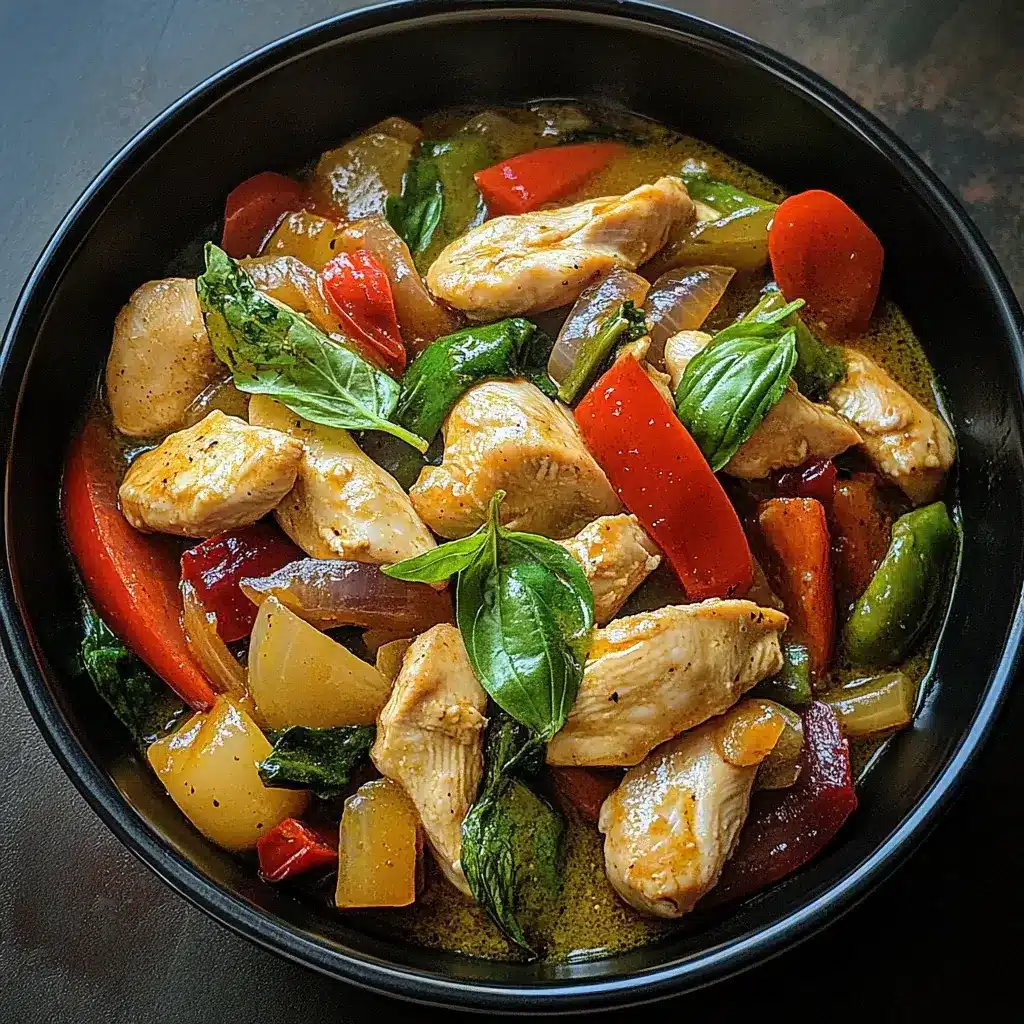

There’s an irresistible allure to the flavors of Thai green curry – that complex blend of spicy, sweet, savory, and aromatic notes that dance on your palate. While a traditional simmering curry is wonderful, this Thai Green Curry Chicken Stir Fry takes all those beloved elements and transforms them into a quick, vibrant dish that’s become a weeknight savior in my home. The first time I made this, I was aiming to capture the essence of green curry but in a faster, stir-fry format. The result was incredible! The tender chicken, crisp-tender vegetables, all coated in a fragrant, slightly creamy green curry sauce infused with coconut milk and packed with Thai aromatics – it was an instant hit. My family, who adores Thai food, couldn’t get enough. The aroma alone, as the green curry paste bloomed in the wok with garlic and ginger, was enough to make everyone’s mouths water. It’s a dish that feels both exotic and comforting, delivering a punch of authentic Thai flavor without a long simmer time. It’s perfect for when you’re craving those bold, bright tastes but are short on time.
Complete with the ingredients amount
This Thai Green Curry Chicken Stir Fry is packed with authentic flavors. Using good quality green curry paste and fresh ingredients is key.
For the Chicken & Marinade:
- Boneless, Skinless Chicken Breasts or Thighs: 1.5 pounds, cut into 1-inch bite-sized pieces
- Fish Sauce: 1 tablespoon
- Cornstarch: 1 tablespoon
- Lime Juice: 1 teaspoon, fresh
- White Pepper: 1/4 teaspoon (optional, or use black pepper)
For the Stir-Fry Sauce & Aromatics:
- Thai Green Curry Paste: 2-4 tablespoons (adjust to your spice preference and the brand’s heat level)
- Coconut Milk: 1 can (13.5 – 14 ounces), full-fat recommended for creaminess (shake well before opening)
- Chicken Broth or Water: 1/4 cup (if needed to thin sauce)
- Fish Sauce: 1-2 teaspoons (or to taste, as curry pastes vary in saltiness)
- Brown Sugar or Palm Sugar: 1-2 teaspoons (or to taste, to balance flavors)
- Lime Juice: 1 tablespoon, fresh (or to taste, for brightness at the end)
- Kaffir Lime Leaves: 3-4 leaves, torn or bruised (optional, but highly recommended for authentic flavor)
For the Stir-Fry Vegetables & Oil:
- Cooking Oil: 2 tablespoons (high smoke point, e.g., coconut, avocado, canola oil), divided
- Garlic: 3-4 cloves, minced (about 1 tablespoon)
- Ginger: 1-inch piece, freshly grated or minced (about 1 tablespoon)
- Red Bell Pepper: 1 large, cored, seeded, and sliced into strips or 1-inch pieces
- Green Beans: 1 cup, trimmed and cut into 1-2 inch pieces (or use snap peas/snow peas)
- Bamboo Shoots: 1/2 cup, sliced or julienned, canned, drained and rinsed (optional)
- Onion: 1 small, sliced or cut into wedges (optional)
For Finishing & Garnish:
- Fresh Thai Basil Leaves: 1/2 cup, packed (or sweet Italian basil)
- Fresh Cilantro: 1/4 cup, chopped, for garnish
- Red Chili: 1 small, thinly sliced, for garnish (optional, for extra heat and color)
- Extra Lime Wedges: For serving
Instructions
Follow these step-by-step instructions to create an aromatic and delicious Thai Green Curry Chicken Stir Fry. Having all your ingredients prepped (mise en place) is essential for a smooth stir-frying process.
- Marinate the Chicken:
- In a medium bowl, combine the cut chicken pieces with 1 tablespoon fish sauce, 1 tablespoon cornstarch, 1 teaspoon lime juice, and white pepper (if using).
- Mix well to ensure the chicken is evenly coated.
- Set aside to marinate at room temperature for at least 15-20 minutes while you prepare the other ingredients. This step helps to tenderize the chicken and allows it to absorb flavor.
- Prepare Aromatics, Vegetables, and Sauce Components:
- Mince the garlic and grate/mince the ginger.
- Slice the bell pepper and onion (if using). Trim and cut the green beans. Drain and rinse bamboo shoots (if using).
- Wash and prepare the Thai basil and cilantro. Slice the red chili for garnish if using.
- Shake the can of coconut milk well. Open it and set aside. Have the green curry paste, additional fish sauce, sugar, and lime juice ready. If using kaffir lime leaves, tear or bruise them to release their aroma.
- Cook the Chicken:
- Heat 1 tablespoon of cooking oil in a large, heavy-bottomed skillet, wok, or Dutch oven over medium-high to high heat until the oil is shimmering.
- Add the marinated chicken to the hot wok in a single layer, avoiding overcrowding (cook in batches if necessary for proper searing).
- Let the chicken cook undisturbed for 2-3 minutes to get a good sear on one side. Then, stir and continue to cook for another 3-5 minutes, or until the chicken is golden brown and cooked through (internal temperature of 165°F / 74°C).
- Remove the cooked chicken from the wok and set aside on a clean plate.
- Sauté Aromatics and Bloom Curry Paste:
- Add the remaining 1 tablespoon of cooking oil to the same wok, if needed. Heat over medium heat.
- Add the minced garlic and grated ginger. Stir-fry for about 30 seconds until fragrant.
- Add the Thai green curry paste to the wok. Stir-fry for 1-2 minutes, breaking it up with your spoon and stirring constantly, until it becomes very fragrant. This step, known as “blooming” the curry paste, is crucial for developing its deep flavor.
- Build the Curry Sauce:
- Pour about 1/2 cup of the thick cream from the top of the coconut milk can into the wok with the curry paste. Stir well and cook for 1-2 minutes, allowing the oil from the coconut cream to separate slightly and the sauce to thicken.
- Add the remaining coconut milk, chicken broth/water (if using to thin), additional fish sauce, brown/palm sugar, and kaffir lime leaves (if using). Stir well to combine.
- Bring the sauce to a gentle simmer and cook for 3-5 minutes, allowing it to thicken slightly and the flavors to meld.
- Cook Vegetables in Sauce:
- Add the sliced bell pepper, green beans, bamboo shoots (if using), and onion (if using) to the simmering green curry sauce.
- Stir to coat and cook for 4-6 minutes, or until the vegetables are crisp-tender (softened but still with a slight bite). Avoid overcooking them; they should retain their color and crunch.
- Combine and Finish:
- Return the cooked chicken to the wok with the vegetables and curry sauce. Stir everything together to ensure the chicken is well-coated and heated through, about 1-2 minutes.
- Taste the sauce. Adjust seasonings if necessary – you might want more fish sauce for saltiness/umami, more sugar for sweetness, or more lime juice for brightness. If it’s too thick, add a little more broth or water.
- Stir in the fresh lime juice (the remaining 1 tablespoon).
- Add Fresh Basil and Serve:
- Remove the wok from the heat.
- Stir in the fresh Thai basil leaves until they just begin to wilt and release their fragrance.
- Serve the Thai Green Curry Chicken Stir Fry immediately over steamed jasmine rice.
- Garnish with fresh chopped cilantro, sliced red chili (if desired), and serve with extra lime wedges on the side.
Nutrition Facts (Servings and calories per serving)
Please note these nutritional values are approximate and can vary based on the specific brands of ingredients (especially curry paste and coconut milk), exact portion sizes, and whether chicken breast or thigh is used. This calculation is for the stir-fry itself, based on 4 generous servings, and does not include rice.
- Servings: 4 hearty servings
- Calories per serving (approximate): 480-600 calories (stir-fry only)
Approximate Breakdown (per serving, stir-fry only):
- Protein: 38-48g (Primarily from chicken)
- Fat: 25-35g (Mainly from coconut milk, cooking oil, and chicken if using thighs)
- Saturated Fat: 15-22g (Primarily from coconut milk)
- Carbohydrates: 15-25g (From vegetables, sugar, and curry paste)
- Fiber: 3-5g (From vegetables)
- Sugar: 5-10g (From added sugar and naturally in some ingredients)
For a more accurate nutritional analysis, use an online recipe calculator with your specific ingredients and quantities. This dish is rich in flavor and, due to the full-fat coconut milk, can be higher in saturated fats, though these are plant-based.
Preparation time
This Thai Green Curry Chicken Stir Fry comes together relatively quickly, especially once the mise en place (ingredient preparation) is complete.
- Prep Time (Mise en Place): 20-25 minutes
- This includes:
- Cutting chicken and marinating: 5 minutes + 15-20 minutes marinating time (can overlap with other prep)
- Chopping vegetables (peppers, green beans, onion etc.): 7-10 minutes
- Mincing garlic, grating ginger: 3-5 minutes
- Preparing basil, cilantro, lime: 3-5 minutes
- Measuring sauce ingredients: 2-3 minutes
- This includes:
- Cook Time: 20-25 minutes
- Cooking chicken: 6-8 minutes
- Sautéing aromatics and blooming curry paste: 3-5 minutes
- Building sauce and cooking vegetables: 8-10 minutes
- Combining and finishing: 2-3 minutes
- Total Time (excluding dedicated marinating time if done separately): Approximately 40-50 minutes from starting prep to serving.
This makes it a very achievable and impressive meal for a weeknight.
How to Serve
Serving this Thai Green Curry Chicken Stir Fry thoughtfully enhances the overall experience. Here are some ideal ways:
- Over Steamed Jasmine Rice:
- This is the classic and most authentic pairing. The fragrant, slightly sticky jasmine rice is perfect for soaking up the rich and aromatic green curry sauce.
- Mound the rice in a bowl or on a plate and generously spoon the stir-fry over and around it.
- With Rice Noodles:
- Thin or medium rice noodles (vermicelli or pad thai style) are another excellent option, especially for those preferring noodles or wanting a gluten-free alternative to wheat noodles. Toss the cooked noodles directly with the stir-fry or serve the stir-fry over a bed of noodles.
- Garnishes are Essential for Thai Cuisine:
- Fresh Thai Basil Leaves: A few extra leaves scattered on top add a fresh burst of aroma and flavor.
- Fresh Cilantro: Generously chopped cilantro brings brightness and a complementary herbal note.
- Sliced Red Chili: Thinly sliced fresh red chilies (like bird’s eye or Fresno) add a pop of color and an extra kick of heat for those who like it spicy.
- Lime Wedges: Always serve with lime wedges on the side. A fresh squeeze of lime juice right before eating brightens all the flavors significantly.
- Crispy Fried Shallots (Optional): A sprinkle of crispy fried shallots can add a delightful crunchy texture and savory flavor.
- Family Style:
- Serve the stir-fry in a large communal bowl with a separate bowl of rice, allowing everyone to serve themselves.
- Beverage Pairings:
- Thai Iced Tea: The sweet, creamy nature of Thai iced tea is a classic pairing that complements the spice.
- Light Lager Beer: A crisp, light lager (like Singha or Chang, if available) cuts through the richness and spice.
- Off-Dry Riesling or Gewürztraminer: These white wines have a touch of sweetness and aromatics that pair well with the complexity of Thai green curry.
Ensure the dish is served hot to enjoy the melding of flavors and the aroma of the fresh herbs.
Additional tips (5 tips)
To elevate your Thai Green Curry Chicken Stir Fry from good to truly exceptional, consider these five important tips:
- Choose a Quality Green Curry Paste (and Bloom it Properly):
- Brand Matters: Not all green curry pastes are created equal. Some are spicier, saltier, or more aromatic than others. Popular Thai brands like Mae Ploy, Maesri, or Aroy-D are generally excellent choices. Experiment to find your favorite.
- “Bloom” the Paste: This is a critical step. Sautéing the curry paste in a bit of oil (or the thick coconut cream) for 1-2 minutes before adding the bulk of the liquid ingredients awakens its aromatic compounds and deepens its flavor significantly. Don’t skip this! The paste should become very fragrant.
- Use Full-Fat Coconut Milk (and the Cream):
- Richness and Creaminess: For the most authentic and richest flavor and texture, use full-fat canned coconut milk. Light coconut milk will result in a thinner, less flavorful sauce.
- Don’t Shake (Initially, for some techniques): Traditionally, for Thai curries, the can of coconut milk is not shaken vigorously. The thick cream that rises to the top is often scooped out first and used to “crack” or fry the curry paste (see blooming tip above), allowing the oils to separate and intensify flavors. Then the remaining thinner coconut milk is added. If your can is already homogenized, don’t worry, it will still be delicious.
- Balance the Flavors – Sweet, Salty, Sour, Spicy:
- Thai cooking is all about achieving a harmonious balance of these core flavors.
- Sweet: Brown sugar or palm sugar (which has a more complex, caramel-like flavor) balances the spice and saltiness.
- Salty: Fish sauce is the primary salting agent and adds crucial umami. Curry pastes also contain salt.
- Sour: Fresh lime juice, added at the end, provides brightness and cuts through the richness.
- Spicy: This comes mainly from the green curry paste itself.
- Taste and Adjust: Always taste your sauce before serving and adjust these elements as needed. You might need a little more sugar, fish sauce, or lime juice to achieve your perfect balance.
- Incorporate Authentic Thai Aromatics:
- Kaffir Lime Leaves: These are highly aromatic leaves (usually sold fresh or frozen in Asian markets) that impart a unique citrusy, floral fragrance distinct from regular lime. If you can find them, tear or bruise them before adding to the sauce to release their oils. Remove before serving if desired, though they are often left in.
- Thai Basil: This basil variety has a distinct anise/licorice flavor that is characteristic of many Thai dishes. It’s different from sweet Italian basil, but Italian basil can be used as a substitute if Thai basil isn’t available. Add it at the very end to preserve its freshness.
- Don’t Overcook Vegetables or Chicken:
- Crisp-Tender Vegetables: Vegetables in a stir-fry or Thai curry should retain some crunch and their vibrant color. Add them to the sauce and cook just until they are tender but still have a bite.
- Tender Chicken: Marinating the chicken with cornstarch helps keep it tender. Searing it properly and ensuring it’s just cooked through before adding it back to the sauce prevents it from becoming tough and dry.
- Stir-Fry Technique: Remember that a stir-fry happens quickly over relatively high heat. Have all ingredients prepped and ready to go before you start cooking.
FAQ section (5 Q/A)
Here are some common questions and answers for making Thai Green Curry Chicken Stir Fry:
Q1: How spicy is Thai green curry, and can I make this dish milder?
A1: Thai green curry is generally considered one of the spicier Thai curries, primarily due to the fresh green chilies used in the paste. However, you can control the heat:
* Curry Paste Amount: The most direct way is to use less green curry paste. Start with 2 tablespoons (or even 1 if you’re very sensitive) and you can always add a bit more if you want more flavor/heat.
* Choose a Milder Brand: Some brands of curry paste are inherently milder than others. You may need to experiment.
* Add More Coconut Milk: Increasing the proportion of coconut milk can help to dilute the spiciness and make the dish creamier.
* Increase Sugar Slightly: A little extra sugar can help balance and somewhat temper the perception of heat.
* Remove Seeds from Garnish Chilies: If using fresh chilies for garnish, remove the seeds and membranes, as that’s where much of the heat resides.
It’s easier to add more spice than to take it away, so err on the side of caution if you prefer a milder dish.
Q2: What are good vegetable substitutions or additions for this stir-fry?
A2: This recipe is very adaptable to other vegetables. Good options include:
* Broccoli Florets: Cut into small, bite-sized pieces.
* Zucchini or Summer Squash: Sliced or cut into half-moons.
* Mushrooms: Sliced cremini, shiitake, or oyster mushrooms.
* Asparagus: Cut into 1-2 inch pieces.
* Baby Corn: Canned or fresh.
* Carrots: Thinly sliced or julienned.
* Snow Peas or Sugar Snap Peas: These can be used instead of or in addition to green beans.
Adjust cooking times based on the hardiness of the vegetables. Harder vegetables like carrots or broccoli might need a minute or two longer in the sauce.
Q3: Can I use a different protein, like shrimp, beef, or tofu?
A3: Yes, absolutely!
* Shrimp: Marinate shrimp for about 10-15 minutes and add them towards the end of cooking the vegetables in the sauce, as they cook very quickly (2-4 minutes until pink and opaque).
* Beef: Use a tender cut like flank steak or sirloin, sliced thinly against the grain. Marinate and cook similarly to the chicken.
* Pork: Thinly sliced pork tenderloin would also work well.
* Tofu (Vegetarian/Vegan): Use extra-firm tofu, pressed to remove excess water, and cut into cubes. You can pan-fry or bake the tofu separately first for better texture, then add it to the stir-fry. For a vegan version, ensure your green curry paste is vegan (some contain shrimp paste) and use a vegan fish sauce alternative (like soy sauce with a bit of seaweed) or simply more soy sauce/salt.
* Fish: Firm white fish fillets (like cod or halibut), cut into chunks, can be used but should be added very gently at the end to prevent breaking apart.
Q4: Where can I find ingredients like Thai green curry paste, fish sauce, and kaffir lime leaves?
A4:
* Asian Markets: These are your best bet for the most authentic and widest variety of Thai ingredients, often at better prices.
* International Aisles of Larger Supermarkets: Many larger grocery stores now carry common Asian ingredients like green curry paste, coconut milk, and fish sauce in their international food section. Kaffir lime leaves might be harder to find here but are sometimes available fresh or frozen.
* Online Retailers: Numerous online specialty food stores sell these ingredients if you can’t find them locally.
When buying curry paste, check the ingredient list if you have dietary restrictions (e.g., some contain shrimp paste).
Q5: Can I make this dish ahead of time or freeze leftovers?
A5:
* Make Ahead (Partial): You can marinate the chicken and chop all the vegetables a day in advance. Store them separately in airtight containers in the refrigerator. This makes assembly very quick.
* Leftovers: Store cooled leftovers in an airtight container in the refrigerator for up to 3 days. Reheat gently on the stovetop or in the microwave. The sauce may thicken upon refrigeration; you can add a splash of water or coconut milk when reheating if needed. The texture of the vegetables might soften slightly.
* Freezing: While you can freeze it, coconut milk-based sauces can sometimes separate or become slightly grainy upon thawing and reheating. The texture of the vegetables will also likely be softer. If freezing, cool completely, transfer to freezer-safe containers, and freeze for up to 2 months. Thaw overnight in the refrigerator and reheat gently. Adding fresh basil and lime juice after reheating can help revive the flavors.
Thai Green Curry Chicken Stir Fry recipe
Ingredients
For the Chicken & Marinade:
- Boneless, Skinless Chicken Breasts or Thighs: 1.5 pounds, cut into 1-inch bite-sized pieces
- Fish Sauce: 1 tablespoon
- Cornstarch: 1 tablespoon
- Lime Juice: 1 teaspoon, fresh
- White Pepper: 1/4 teaspoon (optional, or use black pepper)
For the Stir-Fry Sauce & Aromatics:
- Thai Green Curry Paste: 2-4 tablespoons (adjust to your spice preference and the brand’s heat level)
- Coconut Milk: 1 can (13.5 – 14 ounces), full-fat recommended for creaminess (shake well before opening)
- Chicken Broth or Water: 1/4 cup (if needed to thin sauce)
- Fish Sauce: 1-2 teaspoons (or to taste, as curry pastes vary in saltiness)
- Brown Sugar or Palm Sugar: 1-2 teaspoons (or to taste, to balance flavors)
- Lime Juice: 1 tablespoon, fresh (or to taste, for brightness at the end)
- Kaffir Lime Leaves: 3-4 leaves, torn or bruised (optional, but highly recommended for authentic flavor)
For the Stir-Fry Vegetables & Oil:
- Cooking Oil: 2 tablespoons (high smoke point, e.g., coconut, avocado, canola oil), divided
- Garlic: 3-4 cloves, minced (about 1 tablespoon)
- Ginger: 1-inch piece, freshly grated or minced (about 1 tablespoon)
- Red Bell Pepper: 1 large, cored, seeded, and sliced into strips or 1-inch pieces
- Green Beans: 1 cup, trimmed and cut into 1-2 inch pieces (or use snap peas/snow peas)
- Bamboo Shoots: 1/2 cup, sliced or julienned, canned, drained and rinsed (optional)
- Onion: 1 small, sliced or cut into wedges (optional)
For Finishing & Garnish:
- Fresh Thai Basil Leaves: 1/2 cup, packed (or sweet Italian basil)
- Fresh Cilantro: 1/4 cup, chopped, for garnish
- Red Chili: 1 small, thinly sliced, for garnish (optional, for extra heat and color)
- Extra Lime Wedges: For serving
Instructions
- Marinate the Chicken:
- In a medium bowl, combine the cut chicken pieces with 1 tablespoon fish sauce, 1 tablespoon cornstarch, 1 teaspoon lime juice, and white pepper (if using).
- Mix well to ensure the chicken is evenly coated.
- Set aside to marinate at room temperature for at least 15-20 minutes while you prepare the other ingredients. This step helps to tenderize the chicken and allows it to absorb flavor.
- Prepare Aromatics, Vegetables, and Sauce Components:
- Mince the garlic and grate/mince the ginger.
- Slice the bell pepper and onion (if using). Trim and cut the green beans. Drain and rinse bamboo shoots (if using).
- Wash and prepare the Thai basil and cilantro. Slice the red chili for garnish if using.
- Shake the can of coconut milk well. Open it and set aside. Have the green curry paste, additional fish sauce, sugar, and lime juice ready. If using kaffir lime leaves, tear or bruise them to release their aroma.
- Cook the Chicken:
- Heat 1 tablespoon of cooking oil in a large, heavy-bottomed skillet, wok, or Dutch oven over medium-high to high heat until the oil is shimmering.
- Add the marinated chicken to the hot wok in a single layer, avoiding overcrowding (cook in batches if necessary for proper searing).
- Let the chicken cook undisturbed for 2-3 minutes to get a good sear on one side. Then, stir and continue to cook for another 3-5 minutes, or until the chicken is golden brown and cooked through (internal temperature of 165°F / 74°C).
- Remove the cooked chicken from the wok and set aside on a clean plate.
- Sauté Aromatics and Bloom Curry Paste:
- Add the remaining 1 tablespoon of cooking oil to the same wok, if needed. Heat over medium heat.
- Add the minced garlic and grated ginger. Stir-fry for about 30 seconds until fragrant.
- Add the Thai green curry paste to the wok. Stir-fry for 1-2 minutes, breaking it up with your spoon and stirring constantly, until it becomes very fragrant. This step, known as “blooming” the curry paste, is crucial for developing its deep flavor.
- Build the Curry Sauce:
- Pour about 1/2 cup of the thick cream from the top of the coconut milk can into the wok with the curry paste. Stir well and cook for 1-2 minutes, allowing the oil from the coconut cream to separate slightly and the sauce to thicken.
- Add the remaining coconut milk, chicken broth/water (if using to thin), additional fish sauce, brown/palm sugar, and kaffir lime leaves (if using). Stir well to combine.
- Bring the sauce to a gentle simmer and cook for 3-5 minutes, allowing it to thicken slightly and the flavors to meld.
- Cook Vegetables in Sauce:
- Add the sliced bell pepper, green beans, bamboo shoots (if using), and onion (if using) to the simmering green curry sauce.
- Stir to coat and cook for 4-6 minutes, or until the vegetables are crisp-tender (softened but still with a slight bite). Avoid overcooking them; they should retain their color and crunch.
- Combine and Finish:
- Return the cooked chicken to the wok with the vegetables and curry sauce. Stir everything together to ensure the chicken is well-coated and heated through, about 1-2 minutes.
- Taste the sauce. Adjust seasonings if necessary – you might want more fish sauce for saltiness/umami, more sugar for sweetness, or more lime juice for brightness. If it’s too thick, add a little more broth or water.
- Stir in the fresh lime juice (the remaining 1 tablespoon).
- Add Fresh Basil and Serve:
- Remove the wok from the heat.
- Stir in the fresh Thai basil leaves until they just begin to wilt and release their fragrance.
- Serve the Thai Green Curry Chicken Stir Fry immediately over steamed jasmine rice.
- Garnish with fresh chopped cilantro, sliced red chili (if desired), and serve with extra lime wedges on the side.
Nutrition
- Serving Size: one normal portion
- Calories: 480-600
- Sugar: 5-10g
- Fat: 25-35g
- Saturated Fat: 15-22g
- Carbohydrates: 15-25g
- Fiber: 3-5g
- Protein: 38-48g