
Having grown up in Texas, the aroma of grilling carne asada is practically woven into my childhood memories. From backyard barbecues to bustling taquerias, the smoky, citrusy scent of sizzling beef was a constant, delicious presence. But it wasn’t just the smell; it was the taste – that perfect balance of tender, flavorful beef with a hint of char, ready to be piled onto warm tortillas or enjoyed as a hearty plate. Over the years, I’ve experimented with countless carne asada recipes, seeking to replicate that authentic, mouthwatering experience. Some were good, some were… less so. But through trial and error, and countless conversations with seasoned grill masters across the Lone Star State, I’ve honed a recipe that truly captures the essence of Texas-style carne asada. This isn’t just throwing some beef on the grill; it’s about understanding the cut, mastering the marinade, and respecting the flame. When I finally nailed this recipe, the reaction was immediate and enthusiastic. My family declared it “the best carne asada ever,” and even my notoriously picky father-in-law went back for seconds (and thirds!). It’s become our go-to for summer cookouts, casual weeknight dinners, and any occasion that calls for bold, Texan flavor. Now, I’m excited to share this recipe with you, so you can bring the authentic taste of Texas carne asada to your own table and experience the joy of truly flavorful, perfectly grilled beef.
Ingredients for Texas-Style Carne Asada
Creating authentic Texas-style carne asada hinges on selecting the right ingredients, each playing a crucial role in building the signature flavor profile. From the cut of beef to the vibrant marinade, every component contributes to the tenderness, juiciness, and unmistakable Texan zest. Here’s a detailed breakdown of what you’ll need, along with notes on ingredient choices and potential variations:
- 2 pounds Flank Steak or Skirt Steak: The foundation of our carne asada, the cut of beef is paramount.
- Flank Steak: This is the more commonly used cut for Texas-style carne asada. It’s a lean, flavorful cut from the cow’s belly. Flank steak has a distinct grain running lengthwise, which is crucial to slice against after grilling for maximum tenderness. It’s known for its robust beefy flavor and ability to absorb marinades well.
- Skirt Steak (Inside or Outside): Skirt steak is another excellent choice, and arguably even more flavorful than flank steak. It comes from the diaphragm muscle of the cow. There are two types: inside skirt steak (thinner and more tender) and outside skirt steak (thicker and even more intensely flavored). Both are fantastic for carne asada, but outside skirt steak is often considered the premium option. Skirt steak has a looser, more open grain than flank steak and cooks very quickly.
- Choosing Between Flank and Skirt: Flank steak is generally easier to find and slightly more forgiving to cook. Skirt steak, especially outside skirt steak, offers a more intense beef flavor and can be incredibly tender when cooked properly. Both are excellent choices; your decision might depend on availability and personal preference.
- Look for Marbling: Regardless of the cut, look for steaks with good marbling (flecks of fat within the muscle). Marbling contributes to juiciness and flavor during grilling.
- Marinade Base – Citrus & Onion: The marinade is the soul of carne asada, tenderizing the beef and infusing it with vibrant Texan flavors.
- ½ cup Fresh Orange Juice: Orange juice provides sweetness, acidity, and a bright citrus note that’s characteristic of Texas-style carne asada. Freshly squeezed orange juice is always superior in flavor to bottled versions.
- ½ cup Fresh Lime Juice: Lime juice adds essential acidity, tanginess, and a complementary citrus flavor that balances the sweetness of the orange juice and tenderizes the beef. Again, fresh lime juice is highly recommended.
- ½ cup White Onion, roughly chopped: White onion contributes aromatic depth and a subtle pungent flavor to the marinade. Roughly chopping it allows the flavors to infuse effectively without overpowering the marinade. Yellow onion can be substituted if white onion is unavailable.
- Aromatic Vegetables & Garlic: Adding layers of flavor and complexity to the marinade.
- 2-3 Jalapeño Peppers, seeded and roughly chopped (adjust to taste): Jalapeños provide a signature Texan heat and a slightly fruity, grassy flavor. Seeding them reduces some of the heat, allowing you to control the spiciness. Adjust the number of jalapeños based on your spice preference. Serrano peppers can be substituted for a slightly different heat profile. For milder flavor, remove the membranes as well as the seeds.
- 4-5 cloves Garlic, minced: Garlic is essential for savory depth and pungent aroma. Freshly minced garlic is far superior to pre-minced jarred garlic.
- Herbs & Spices – Texan Flavor Profile: These spices define the Texan twist on carne asada.
- ¼ cup Fresh Cilantro, roughly chopped: Cilantro adds a fresh, herbaceous, and slightly citrusy note that’s quintessential in Tex-Mex cuisine. Fresh cilantro is crucial; dried cilantro is not a suitable substitute.
- 2 tablespoons Olive Oil: Olive oil helps to emulsify the marinade, contributes to moisture retention in the beef, and aids in grilling by preventing sticking and promoting browning. Extra virgin olive oil is preferred for its flavor.
- 1 tablespoon Ground Cumin: Cumin provides a warm, earthy, and slightly smoky flavor that is fundamental in Texan and Southwestern cooking.
- 1 tablespoon Chili Powder (Texas-style, not just pure chili): Texas-style chili powder is a blend of spices, not just ground chilies. It typically includes chili peppers, cumin, oregano, garlic powder, and sometimes paprika. It adds depth, warmth, and a slightly smoky, complex chili flavor. Ensure you are using a chili powder blend, not just pure ground chili.
- 1 teaspoon Dried Oregano (Mexican Oregano preferred): Mexican oregano has a more robust, citrusy, and slightly peppery flavor compared to Mediterranean oregano, making it a better choice for authentic Tex-Mex flavor. If Mexican oregano is unavailable, Mediterranean oregano is an acceptable substitute.
- 1 teaspoon Salt (or to taste): Salt is essential for seasoning the beef and enhancing all the other flavors in the marinade. Adjust the amount of salt to your preference. Kosher salt or sea salt are good choices.
- ½ teaspoon Black Pepper, freshly ground: Freshly ground black pepper adds a pungent, aromatic spice and enhances the overall flavor profile.
- Optional – Worcestershire Sauce (for umami depth):
- 1-2 tablespoons Worcestershire Sauce: While not strictly traditional in all Texas carne asada recipes, a touch of Worcestershire sauce can add a savory umami depth and complexity to the marinade. Ensure your Worcestershire sauce is gluten-free if needed.
By gathering these ingredients, you’re setting the stage for creating truly authentic and flavorful Texas-style carne asada. The freshness and quality of your ingredients, especially the citrus juices, herbs, and spices, will significantly impact the final taste of your dish. Feel free to adjust the jalapeño quantity to control the heat level, and consider experimenting with different chili powders to find your preferred Texan spice blend.
Instructions: Crafting Authentic Texas-Style Carne Asada
Creating authentic Texas-style carne asada is a process that combines careful preparation with precise grilling technique. Follow these step-by-step instructions to transform your ingredients into tender, flavorful, and perfectly charred carne asada:
Step 1: Prepare the Marinade
- Combine Marinade Ingredients: In a blender or food processor, combine the orange juice, lime juice, chopped white onion, seeded and roughly chopped jalapeños, minced garlic, chopped cilantro, olive oil, ground cumin, chili powder, dried oregano, salt, black pepper, and optional Worcestershire sauce (if using).
- Blender or Food Processor for Emulsification: Using a blender or food processor is ideal for creating a smooth, emulsified marinade, ensuring all the flavors are well combined and the vegetables are finely processed to release their aromas.
- Blend Until Smooth: Blend all the marinade ingredients until completely smooth. The marinade should be vibrant green from the cilantro and jalapeños and have a fragrant, aromatic scent.
- Taste and Adjust Seasoning: Taste the marinade and adjust seasoning as needed. You might want to add a little more salt, lime juice for extra tanginess, or jalapeño for more heat. Remember that the marinade will season the beef, so it should be flavorful and slightly bolder than you might typically season a finished dish.
Step 2: Marinate the Beef
- Prepare the Beef: Place the flank steak or skirt steak in a large resealable plastic bag or a shallow dish. If using flank steak, you can score it lightly in a diamond pattern on both sides (making shallow cuts without cutting all the way through) to help the marinade penetrate and further tenderize the beef. Scoring is less necessary for skirt steak due to its more open grain.
- Pour Marinade Over Beef: Pour the prepared marinade over the steak, ensuring it’s evenly coated on all sides. If using a plastic bag, seal it tightly and massage the marinade into the beef. If using a dish, turn the steak to coat both sides.
- Marinate in Refrigerator: Marinate the steak in the refrigerator for at least 4 hours, and ideally for 6-8 hours, or even overnight for maximum flavor infusion and tenderization. Do not marinate for longer than 12 hours, especially with citrus-based marinades, as excessive marinating can cause the meat to become mushy.
- Optimal Marinating Time: 6-8 hours strikes a good balance between flavor penetration and tenderization without compromising the texture of the beef.
- Turn Occasionally (if in dish): If marinating in a dish, turn the steak occasionally to ensure even marinating.
Step 3: Prepare the Grill
- Preheat Grill: Preheat your grill to high heat. For charcoal grills, this means having hot coals with a light ash coating. For gas grills, preheat on high for at least 10-15 minutes with the lid closed.
- Clean Grill Grates: Ensure the grill grates are clean and lightly oiled to prevent sticking. You can oil the grates by dipping a paper towel in oil (vegetable or canola oil works well) and using tongs to rub it over the hot grates.
Step 4: Grill the Carne Asada
- Remove Beef from Marinade: Remove the steak from the marinade and let any excess marinade drip off. Discard the used marinade; do not reuse it.
- Grill Steak Over High Heat: Place the marinated steak on the hot grill grates.
- Sear for Crust: Sear the steak for 2-3 minutes per side over high heat to develop a flavorful, slightly charred crust. This initial searing is crucial for locking in juices and creating that signature grilled flavor.
- Reduce Heat and Continue Grilling (if needed for desired doneness): For flank steak, which is thicker, you might need to reduce the heat to medium-high after searing and continue grilling for another 2-5 minutes per side, depending on your desired level of doneness. Skirt steak, being thinner, often cooks through during the initial searing over high heat and may not require reduced heat grilling.
- Grilling Time for Doneness:
- Medium-Rare: Aim for an internal temperature of 130-135°F (54-57°C).
- Medium: Aim for an internal temperature of 135-145°F (57-63°C).
- Medium-Well: Aim for an internal temperature of 145-155°F (63-68°C).
- Use a Meat Thermometer: The most accurate way to determine doneness is to use a meat thermometer inserted into the thickest part of the steak.
- Grilling Time for Doneness:
- Avoid Overcooking: Carne asada is best served medium-rare to medium for optimal tenderness and juiciness. Overcooking will make it tough and dry. Skirt steak, in particular, cooks very quickly and is best served medium-rare to medium.
- Rest the Steak: Once the steak reaches your desired doneness, remove it from the grill and place it on a cutting board. Tent loosely with foil and let it rest for 5-10 minutes.
- Resting is Crucial: Resting allows the juices to redistribute throughout the steak, resulting in a more tender and flavorful final product. Do not skip this step.
Step 5: Slice and Serve
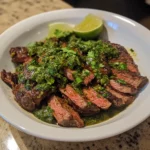
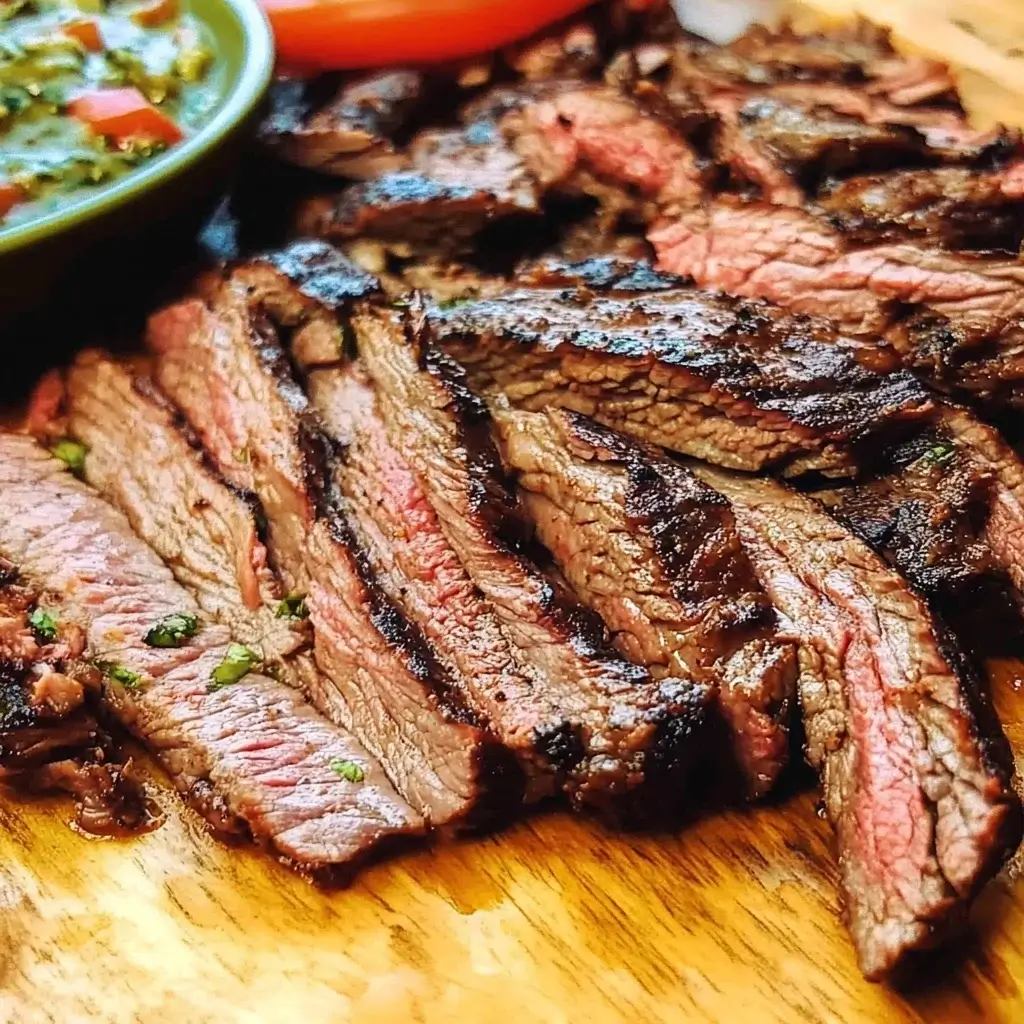
- Slice Against the Grain: This is the most important step for tender carne asada, especially for flank steak. Identify the direction of the muscle fibers (the grain) running lengthwise in the steak. Slice the steak thinly across the grain, perpendicular to the direction of the fibers. Slicing against the grain shortens the muscle fibers, making the steak significantly more tender and easier to chew. For skirt steak, while less critical, it’s still beneficial to slice against its grain, which is often more diagonal.
- Serve Immediately: Serve your Texas-style carne asada immediately while it’s still warm and juicy.
By following these detailed instructions, you’ll be able to craft authentic and incredibly delicious Texas-style carne asada that’s tender, flavorful, and perfectly grilled. The key elements are a vibrant marinade, high heat searing, careful grilling to desired doneness, proper resting, and, crucially, slicing against the grain. Enjoy the taste of Texas!
Nutrition Facts for Texas-Style Carne Asada
Understanding the nutritional profile of Texas-Style Carne Asada allows you to appreciate its composition and make informed dietary choices. Please note that these are approximate values and can vary based on specific ingredient quantities, beef cut fat content, and portion sizes.
Serving Size: Approximately 4 ounces (113 grams) of cooked carne asada (this is a common serving size for protein in a meal).
Servings per Recipe: This recipe, using 2 pounds of raw steak, typically yields approximately 8 servings (depending on trimming and cooking shrinkage).
Approximate Nutritional Values per Serving (4 ounces cooked carne asada, estimated using flank steak and typical marinade ingredients):
- Calories: Approximately 250-350 calories
- Calorie count can vary depending on the leanness of the beef cut and the amount of marinade absorbed. Skirt steak, which can be slightly fattier than flank steak, might have a slightly higher calorie count.
- Protein: 30-40 grams
- Beef, especially lean cuts like flank and skirt steak, is an excellent source of high-quality protein, essential for muscle building, repair, and overall bodily functions.
- Fat: 10-20 grams
- Fat content depends on the cut of beef and its marbling. Flank steak is leaner, while skirt steak can have more intramuscular fat. The marinade itself contributes a small amount of fat from the olive oil.
- Saturated Fat: 4-8 grams
- Saturated fat content is primarily from the beef. Choosing leaner cuts and trimming visible fat can help reduce saturated fat.
- Cholesterol: 80-120 mg
- Cholesterol is naturally present in beef.
- Sodium: 300-500 mg
- Sodium content comes from the added salt in the marinade and naturally occurring sodium in beef and other ingredients. Adjusting salt added in the marinade can help control sodium levels.
- Carbohydrates: 5-10 grams
- Carbohydrate content is relatively low and comes primarily from the citrus juices, onion, and jalapeños in the marinade.
- Fiber: 1-2 grams
- Fiber is mainly from the vegetables (onion, jalapeños, cilantro) in the marinade.
- Sugar: 3-7 grams
- Sugar content is naturally occurring in the citrus juices. There is no added sugar in a traditional Texas-style carne asada marinade.
- Vitamins and Minerals (Significant amounts):
- Iron: Beef is an excellent source of heme iron, which is highly bioavailable and essential for red blood cell production and oxygen transport.
- Vitamin B12: Beef is a rich source of Vitamin B12, crucial for nerve function, DNA synthesis, and red blood cell formation.
- Zinc: Beef provides zinc, important for immune function, wound healing, and cell growth.
- Selenium: Beef contains selenium, an antioxidant that plays a role in thyroid function and immune health.
- Niacin (Vitamin B3): Beef is a good source of niacin, important for energy metabolism and nervous system function.
- Vitamin B6: Beef provides Vitamin B6, essential for protein metabolism and immune function.
- Potassium: Beef contributes potassium, important for blood pressure regulation and muscle function.
Health Considerations and Notes:
- Excellent Source of Protein: Texas-style carne asada is a protein-rich dish, making it beneficial for muscle maintenance, satiety, and overall health.
- Rich in Essential Nutrients: Beef provides a range of essential vitamins and minerals, contributing to overall nutritional well-being.
- Moderate in Fat: While it contains fat, choosing leaner cuts like flank steak and trimming visible fat can help manage fat content.
- Sodium Content: Be mindful of sodium content, especially if you are watching your sodium intake. You can reduce sodium by using less salt in the marinade and being mindful of sodium levels in any accompaniments.
- Preparation Method: Grilling is a relatively healthy cooking method as it minimizes added fats.
- Balance with Vegetables and Whole Grains: To create a balanced meal, serve carne asada with plenty of vegetables (like grilled peppers and onions, salads, or vegetable skewers) and whole grains (like brown rice or whole wheat tortillas).
Important Disclaimer:
These nutritional values are estimates only. For precise nutritional information, use a nutrition calculator app or website and input the exact brands, cuts of beef, and quantities of ingredients you use. Consider consulting with a registered dietitian or nutritionist for personalized dietary advice.
Texas-style carne asada, when made with lean beef and enjoyed in moderation as part of a balanced diet, can be a flavorful and nutritious component of a healthy eating plan.
Preparation Time for Texas-Style Carne Asada
Preparing Texas-Style Carne Asada involves several stages, from marinade preparation to grilling and resting. Here’s a breakdown of the time involved:
Total Preparation Time: Approximately 4 hours and 30 minutes to 9 hours (including marinating time).
Breakdown of Time:
- Active Prep Time (Hands-on time): 25-30 minutes
- Marinade Preparation: 15-20 minutes (Chopping vegetables, measuring spices, blending marinade)
- Beef Preparation & Marinating Start: 10 minutes (Preparing steak, placing in marinade, refrigerating)
- Marinating Time: Minimum 4 hours, ideally 6-8 hours, up to 12 hours maximum.
- Passive Time: This is mostly hands-off time while the beef marinates in the refrigerator.
- Grilling Time: 10-15 minutes
- Grill Preheat: 10-15 minutes (Preheating grill to high heat)
- Cooking: 2-8 minutes per side, depending on cut and desired doneness.
- Resting Time: 5-10 minutes
- Resting: After grilling, steak needs to rest before slicing.
Time-Saving Tips:
- Prepare Marinade Ahead: The marinade can be made up to 2-3 days in advance and stored in the refrigerator. This allows you to streamline the preparation process on grilling day.
- Marinate Overnight: Marinating the beef overnight (up to 12 hours) is convenient and maximizes flavor. Start the marinating process the evening before you plan to grill.
- Use a Food Processor or Blender: Using a food processor or blender significantly speeds up the marinade preparation process, especially for chopping vegetables and emulsifying the marinade.
- Pre-Minced Garlic (Use Sparingly): While freshly minced garlic is preferred, using pre-minced jarred garlic can save a few minutes of prep time if you’re in a rush. However, fresh garlic provides a superior flavor.
- Efficient Grilling: Ensure your grill is preheated to high heat before placing the steak on it. This will help sear the steak quickly and reduce overall grilling time.
Overall:
While the total preparation time includes a substantial marinating period, the active hands-on time for Texas-Style Carne Asada is relatively short, making it manageable for both weeknight dinners and weekend gatherings. The marinating time is mostly passive, allowing you to prepare other parts of your meal or relax while the flavors develop. Planning ahead and utilizing time-saving tips can further streamline the process, making this delicious Texan dish accessible even on busy schedules.
How to Serve Texas-Style Carne Asada
Texas-Style Carne Asada is incredibly versatile and can be served in a multitude of delicious ways, from classic tacos to hearty plates. Here are some popular and flavorful serving suggestions:
Classic Tex-Mex Style:
- Carne Asada Tacos: The quintessential way to enjoy carne asada.
- Warm Tortillas: Serve sliced carne asada in warm corn or flour tortillas. Corn tortillas are more traditional for authentic tacos.
- Toppings Bar: Set up a toppings bar with:
- Chopped White Onion: Diced white onion adds a sharp, fresh bite.
- Fresh Cilantro: Chopped cilantro provides a fresh, herbaceous note.
- Lime Wedges: Essential for squeezing over the tacos for brightness and acidity.
- Salsa: Offer a variety of salsas, from mild pico de gallo to spicy salsa verde or roja.
- Guacamole or Avocado: Creamy guacamole or sliced avocado adds richness and coolness.
- Pickled Onions or Jalapeños: For extra tang and heat.
- Carne Asada Burritos: Load up warm flour tortillas with carne asada and your favorite burrito fillings.
- Burrito Fillings: Include:
- Mexican Rice: Fluffy Mexican rice as a base.
- Refried Beans: Creamy refried beans (pinto or black).
- Cheese: Shredded Monterey Jack, cheddar, or queso fresco.
- Salsa and Toppings: Same toppings as for tacos.
- Sour Cream or Crema: For added richness and tang.
- Burrito Fillings: Include:
- Carne Asada Quesadillas: Melt cheese and carne asada between flour tortillas for a cheesy and satisfying quesadilla.
- Quesadilla Fillings: Keep it simple with:
- Cheese: Monterey Jack or Oaxaca cheese are excellent melting cheeses.
- Carne Asada: Sliced carne asada.
- Optional: Sautéed onions and peppers.
- Serving: Serve with salsa, guacamole, and sour cream for dipping.
- Quesadilla Fillings: Keep it simple with:
Hearty Plates & Bowls:
- Carne Asada Plates: Serve carne asada as a main course on a plate with sides.
- Sides:
- Mexican Rice: A classic side for carne asada plates.
- Refried Beans: Another essential side for a Tex-Mex plate.
- Grilled Vegetables: Grilled bell peppers, onions, or zucchini.
- Salad: A fresh green salad or a Mexican-style salad.
- Tortillas: Warm tortillas on the side for scooping or making mini tacos.
- Sides:
- Carne Asada Bowls: Create flavorful bowls with carne asada as the protein base.
- Bowl Bases:
- Mexican Rice or Quinoa: Grain base for the bowl.
- Black Beans or Pinto Beans: Legume base for protein and fiber.
- Lettuce or Greens: Shredded lettuce or mixed greens for freshness.
- Bowl Toppings:
- Salsa: Pico de gallo, corn salsa, black bean salsa.
- Guacamole or Avocado: Creamy avocado or guacamole.
- Sour Cream or Crema: Tangy dairy component.
- Corn: Grilled or roasted corn kernels.
- Cheese: Crumbled queso fresco or cotija cheese.
- Bowl Bases:
Other Creative Serving Ideas:
- Carne Asada Nachos: Load tortilla chips with carne asada, cheese, beans, and nacho toppings.
- Carne Asada Fries: Top crispy fries with carne asada, cheese sauce, guacamole, and pico de gallo for a loaded and indulgent dish.
- Carne Asada Salad: Slice carne asada over a fresh salad with mixed greens, avocado, tomatoes, corn, black beans, and a cilantro-lime dressing.
- Carne Asada Breakfast Burritos: Use leftover carne asada in breakfast burritos with scrambled eggs, potatoes, and cheese.
Serving Accompaniments:
- Salsas: A variety of fresh salsas is essential.
- Pico de Gallo: Fresh tomato, onion, cilantro, jalapeño salsa.
- Salsa Verde: Tomatillo-based green salsa.
- Salsa Roja: Roasted tomato-based red salsa.
- Corn Salsa: Sweet corn, bell pepper, onion, cilantro salsa.
- Black Bean Salsa: Black beans, corn, red onion, cilantro salsa.
- Guacamole & Avocado: Creamy avocado preparations are a must.
- Lime Wedges: Always serve with plenty of lime wedges for squeezing.
- Pickled Vegetables: Pickled onions, jalapeños, or carrots for tang and spice.
- Hot Sauce: Offer a selection of your favorite hot sauces for those who like extra heat.
By exploring these diverse serving suggestions and offering a range of accompaniments, you can create a truly satisfying and customizable Texas-Style Carne Asada experience for any meal or gathering. The key is to let the flavorful, tender beef shine while providing delicious and complementary options for everyone to enjoy.
Additional Tips for Perfect Texas-Style Carne Asada
To consistently achieve perfect Texas-Style Carne Asada, consider these additional tips and techniques that will elevate your grilling game:
1. Don’t Over-Marinate:
- Citrus Acidity: While marinating is crucial for flavor and tenderization, be mindful of marinating time, especially with citrus-based marinades like this one. The acidity in citrus juices can break down the meat proteins if marinated for too long, resulting in a mushy texture.
- Optimal Time: Aim for a marinating time of 6-8 hours, and generally no longer than 12 hours. Over-marinating beyond 12 hours can negatively affect the texture of the beef, making it less desirable.
- Balance: A shorter marinating time (minimum 4 hours) will still impart good flavor, but longer (6-8 hours) will yield more tender and flavorful results without compromising texture.
2. Pat the Steak Dry Before Grilling:
- Better Sear: Before placing the marinated steak on the hot grill, pat it dry with paper towels. Removing excess moisture from the surface of the steak is crucial for achieving a good sear and a flavorful crust.
- Maillard Reaction: Dry steak surfaces promote the Maillard reaction, the chemical reaction between amino acids and reducing sugars that creates complex flavors and browning when meat is cooked at high heat. Excess marinade on the surface will steam the steak rather than sear it.
- Flavor Concentration: Patting dry doesn’t remove the marinade flavor that has already penetrated the meat; it simply allows the surface to brown and caramelize more effectively.
3. Achieve High Heat for Searing:
- High Heat is Key: Texas-Style Carne Asada is best cooked over high heat for a quick sear and flavorful char. High heat helps to lock in juices and create a delicious crust on the outside while keeping the inside tender and juicy.
- Preheat Grill Properly: Ensure your grill is fully preheated to high heat before placing the steak on the grates. For charcoal grills, wait until the coals are glowing red with a light ash coating. For gas grills, preheat on high with the lid closed for at least 10-15 minutes.
- Hear the Sizzle: When you place the steak on the hot grates, you should hear a loud sizzle. This indicates that the heat is high enough for proper searing.
4. Use a Meat Thermometer for Perfect Doneness:
- Accuracy and Consistency: Relying solely on visual cues can lead to overcooked or undercooked steak. Using a meat thermometer is the most accurate way to determine the internal temperature and ensure your carne asada is cooked to your desired level of doneness.
- Insert Thermometer Correctly: Insert the meat thermometer into the thickest part of the steak, avoiding bone or fat, to get an accurate reading.
- Remove at Target Temperature: Remove the steak from the grill when it reaches a few degrees below your target temperature, as the internal temperature will continue to rise slightly during resting (carryover cooking).
5. Slice Immediately Before Serving:
- Maintain Juiciness: Slice the rested carne asada immediately before serving. Slicing too far in advance can cause the steak to dry out slightly as juices are released.
- Warm and Fresh: Slicing just before serving ensures that the carne asada is served warm, juicy, and at its peak flavor and texture.
- Presentation: Freshly sliced carne asada also looks more appealing and appetizing when served right away.
By incorporating these additional tips—avoiding over-marinating, patting the steak dry, achieving high heat, using a meat thermometer, and slicing just before serving—you can consistently create perfect Texas-Style Carne Asada that is tender, flavorful, and grilled to perfection every time. These refined techniques will elevate your carne asada from good to truly outstanding.
Frequently Asked Questions (FAQ) about Texas-Style Carne Asada
Here are some frequently asked questions to address common queries and provide further guidance on making Texas-Style Carne Asada:
Q1: Can I use a different cut of beef for carne asada?
A: While flank steak and skirt steak are traditional and highly recommended for Texas-Style Carne Asada, you can use other cuts with some adjustments:
- Sirloin Steak: Sirloin steak is leaner and less flavorful than flank or skirt steak, but it can be used. Marinate it for a longer period (8-12 hours) to tenderize it and enhance flavor. Be careful not to overcook sirloin, as it can become dry.
- Flat Iron Steak: Flat iron steak is a relatively tender and flavorful cut that grills well. It’s a good alternative if flank or skirt steak are unavailable. Marinate it similarly to flank steak.
- Hanger Steak: Hanger steak is another flavorful and tender option, sometimes called butcher’s steak. It’s similar to skirt steak in texture and flavor. Grill it quickly over high heat like skirt steak.
- Avoid Tougher Cuts: Avoid tougher cuts like chuck steak or round steak, as they require longer, slower cooking methods to become tender and are not ideal for quick grilling as carne asada.
For the most authentic and best-tasting Texas-Style Carne Asada, flank steak or skirt steak remain the top choices.
Q2: Can I make carne asada indoors if I don’t have a grill?
A: Yes, you can make carne asada indoors using alternative cooking methods:
- Cast Iron Skillet or Grill Pan: A cast iron skillet or grill pan heated to high heat on the stovetop can mimic the searing effect of a grill. Heat the pan until smoking hot, then cook the marinated steak as you would on a grill, searing each side for a flavorful crust. Ensure good ventilation as it can get smoky.
- Broiler: You can broil carne asada in the oven. Place the marinated steak on a broiler pan and broil under high heat, flipping halfway through, until cooked to your desired doneness. Watch carefully to prevent burning. Broiling provides high heat from above, similar to grilling.
- Avoid Boiling or Stewing: Methods like boiling or stewing are not suitable for carne asada, as they will not achieve the desired sear and charred flavor.
While grilling over an open flame is the most traditional and flavor-enhancing method, using a cast iron skillet or broiler are good indoor alternatives for achieving delicious carne asada.
Q3: How spicy is this carne asada recipe? Can I make it milder or spicier?
A: As written, this recipe has a moderate level of spice from the jalapeños. You can easily adjust the spiciness to your preference:
- Milder:
- Reduce or Omit Jalapeños: Use only 1 jalapeño or omit them entirely for a milder flavor.
- Remove Seeds and Membranes: Remove the seeds and membranes from the jalapeños, as most of the heat is concentrated there.
- Substitute Mild Peppers: Substitute milder peppers like poblano peppers (roasted and peeled) or bell peppers for jalapeños for flavor without heat.
- Spicier:
- Increase Jalapeños: Add more jalapeños (3-4 or more) for increased heat.
- Use Serrano Peppers: Substitute serrano peppers for jalapeños; serranos are significantly spicier.
- Add Hot Sauce or Chili Flakes: Add a dash of your favorite hot sauce to the marinade or a pinch of red chili flakes for extra heat.
- Include Pepper Seeds: Keep some or all of the jalapeño seeds and membranes in the marinade for maximum spiciness.
Adjusting the amount and type of chili peppers is the easiest way to control the heat level of your Texas-Style Carne Asada.
Q4: Can I make the marinade without cilantro? I don’t like cilantro.
A: Yes, if you dislike cilantro, you can omit it from the marinade, but it will slightly alter the flavor profile:
- Omit Cilantro: Simply leave out the cilantro from the marinade ingredients. The marinade will still be flavorful with the citrus, onions, garlic, and spices.
- Substitute Parsley (Less Traditional): If you want to replace the herbaceous note, you can use flat-leaf parsley as a very mild substitute, although it won’t replicate the distinct flavor of cilantro.
- Focus on Other Flavors: When omitting cilantro, ensure the other flavors in the marinade—citrus, spices, garlic—are well-balanced to create a delicious carne asada, even without the cilantro’s contribution.
While cilantro is a traditional component of Texas-Style Carne Asada, it’s perfectly acceptable to omit it if you have a strong aversion to its flavor.
Q5: What are some good side dishes to serve with carne asada besides tacos?
A: Texas-Style Carne Asada is incredibly versatile and pairs well with a variety of side dishes beyond tacos:
- Mexican Rice & Beans: Classic and essential Tex-Mex sides. Mexican rice and refried beans (pinto or black beans) are always a great accompaniment.
- Grilled Vegetables: Grilled bell peppers, onions, zucchini, corn on the cob, or asparagus. Grilling vegetables alongside the carne asada is easy and delicious.
- Salads: Fresh and light salads to balance the richness of the beef.
- Mexican Salad: Mixed greens, tomatoes, avocado, corn, black beans, cilantro-lime dressing.
- Coleslaw: Creamy or vinegar-based coleslaw.
- Potatoes: Roasted potatoes, grilled potatoes, or potato salad.
- Cornbread or Biscuits: Southern-style cornbread or biscuits for a heartier meal.
- Elote (Mexican Street Corn): Grilled corn on the cob slathered with mayonnaise, cotija cheese, chili powder, and lime juice.
- Guacamole and Chips: Serve with a generous bowl of guacamole and tortilla chips as a starter or side.
Choose a selection of sides that complement the rich and flavorful carne asada to create a well-rounded and satisfying meal.
These FAQs are designed to address common questions and concerns, helping you confidently prepare and enjoy delicious Texas-Style Carne Asada tailored to your preferences and needs.
Print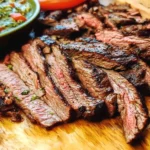
Texas-Style Carne Asada recipe
Ingredients
- 2 pounds Flank Steak or Skirt Steak: The foundation of our carne asada, the cut of beef is paramount.
- Flank Steak: This is the more commonly used cut for Texas-style carne asada. It’s a lean, flavorful cut from the cow’s belly. Flank steak has a distinct grain running lengthwise, which is crucial to slice against after grilling for maximum tenderness. It’s known for its robust beefy flavor and ability to absorb marinades well.
- Skirt Steak (Inside or Outside): Skirt steak is another excellent choice, and arguably even more flavorful than flank steak. It comes from the diaphragm muscle of the cow. There are two types: inside skirt steak (thinner and more tender) and outside skirt steak (thicker and even more intensely flavored). Both are fantastic for carne asada, but outside skirt steak is often considered the premium option. Skirt steak has a looser, more open grain than flank steak and cooks very quickly.
- Choosing Between Flank and Skirt: Flank steak is generally easier to find and slightly more forgiving to cook. Skirt steak, especially outside skirt steak, offers a more intense beef flavor and can be incredibly tender when cooked properly. Both are excellent choices; your decision might depend on availability and personal preference.
- Look for Marbling: Regardless of the cut, look for steaks with good marbling (flecks of fat within the muscle). Marbling contributes to juiciness and flavor during grilling.
- Marinade Base – Citrus & Onion: The marinade is the soul of carne asada, tenderizing the beef and infusing it with vibrant Texan flavors.
- ½ cup Fresh Orange Juice: Orange juice provides sweetness, acidity, and a bright citrus note that’s characteristic of Texas-style carne asada. Freshly squeezed orange juice is always superior in flavor to bottled versions.
- ½ cup Fresh Lime Juice: Lime juice adds essential acidity, tanginess, and a complementary citrus flavor that balances the sweetness of the orange juice and tenderizes the beef. Again, fresh lime juice is highly recommended.
- ½ cup White Onion, roughly chopped: White onion contributes aromatic depth and a subtle pungent flavor to the marinade. Roughly chopping it allows the flavors to infuse effectively without overpowering the marinade. Yellow onion can be substituted if white onion is unavailable.
- Aromatic Vegetables & Garlic: Adding layers of flavor and complexity to the marinade.
- 2–3 Jalapeño Peppers, seeded and roughly chopped (adjust to taste): Jalapeños provide a signature Texan heat and a slightly fruity, grassy flavor. Seeding them reduces some of the heat, allowing you to control the spiciness. Adjust the number of jalapeños based on your spice preference. Serrano peppers can be substituted for a slightly different heat profile. For milder flavor, remove the membranes as well as the seeds.
- 4–5 cloves Garlic, minced: Garlic is essential for savory depth and pungent aroma. Freshly minced garlic is far superior to pre-minced jarred garlic.
- Herbs & Spices – Texan Flavor Profile: These spices define the Texan twist on carne asada.
- ¼ cup Fresh Cilantro, roughly chopped: Cilantro adds a fresh, herbaceous, and slightly citrusy note that’s quintessential in Tex-Mex cuisine. Fresh cilantro is crucial; dried cilantro is not a suitable substitute.
- 2 tablespoons Olive Oil: Olive oil helps to emulsify the marinade, contributes to moisture retention in the beef, and aids in grilling by preventing sticking and promoting browning. Extra virgin olive oil is preferred for its flavor.
- 1 tablespoon Ground Cumin: Cumin provides a warm, earthy, and slightly smoky flavor that is fundamental in Texan and Southwestern cooking.
- 1 tablespoon Chili Powder (Texas-style, not just pure chili): Texas-style chili powder is a blend of spices, not just ground chilies. It typically includes chili peppers, cumin, oregano, garlic powder, and sometimes paprika. It adds depth, warmth, and a slightly smoky, complex chili flavor. Ensure you are using a chili powder blend, not just pure ground chili.
- 1 teaspoon Dried Oregano (Mexican Oregano preferred): Mexican oregano has a more robust, citrusy, and slightly peppery flavor compared to Mediterranean oregano, making it a better choice for authentic Tex-Mex flavor. If Mexican oregano is unavailable, Mediterranean oregano is an acceptable substitute.
- 1 teaspoon Salt (or to taste): Salt is essential for seasoning the beef and enhancing all the other flavors in the marinade. Adjust the amount of salt to your preference. Kosher salt or sea salt are good choices.
- ½ teaspoon Black Pepper, freshly ground: Freshly ground black pepper adds a pungent, aromatic spice and enhances the overall flavor profile.
- Optional – Worcestershire Sauce (for umami depth):
- 1–2 tablespoons Worcestershire Sauce: While not strictly traditional in all Texas carne asada recipes, a touch of Worcestershire sauce can add a savory umami depth and complexity to the marinade. Ensure your Worcestershire sauce is gluten-free if needed.
Instructions
Step 1: Prepare the Marinade
- Combine Marinade Ingredients: In a blender or food processor, combine the orange juice, lime juice, chopped white onion, seeded and roughly chopped jalapeños, minced garlic, chopped cilantro, olive oil, ground cumin, chili powder, dried oregano, salt, black pepper, and optional Worcestershire sauce (if using).
- Blender or Food Processor for Emulsification: Using a blender or food processor is ideal for creating a smooth, emulsified marinade, ensuring all the flavors are well combined and the vegetables are finely processed to release their aromas.
- Blend Until Smooth: Blend all the marinade ingredients until completely smooth. The marinade should be vibrant green from the cilantro and jalapeños and have a fragrant, aromatic scent.
- Taste and Adjust Seasoning: Taste the marinade and adjust seasoning as needed. You might want to add a little more salt, lime juice for extra tanginess, or jalapeño for more heat. Remember that the marinade will season the beef, so it should be flavorful and slightly bolder than you might typically season a finished dish.
Step 2: Marinate the Beef
- Prepare the Beef: Place the flank steak or skirt steak in a large resealable plastic bag or a shallow dish. If using flank steak, you can score it lightly in a diamond pattern on both sides (making shallow cuts without cutting all the way through) to help the marinade penetrate and further tenderize the beef. Scoring is less necessary for skirt steak due to its more open grain.
- Pour Marinade Over Beef: Pour the prepared marinade over the steak, ensuring it’s evenly coated on all sides. If using a plastic bag, seal it tightly and massage the marinade into the beef. If using a dish, turn the steak to coat both sides.
- Marinate in Refrigerator: Marinate the steak in the refrigerator for at least 4 hours, and ideally for 6-8 hours, or even overnight for maximum flavor infusion and tenderization. Do not marinate for longer than 12 hours, especially with citrus-based marinades, as excessive marinating can cause the meat to become mushy.
- Optimal Marinating Time: 6-8 hours strikes a good balance between flavor penetration and tenderization without compromising the texture of the beef.
- Turn Occasionally (if in dish): If marinating in a dish, turn the steak occasionally to ensure even marinating.
Step 3: Prepare the Grill
- Preheat Grill: Preheat your grill to high heat. For charcoal grills, this means having hot coals with a light ash coating. For gas grills, preheat on high for at least 10-15 minutes with the lid closed.
- Clean Grill Grates: Ensure the grill grates are clean and lightly oiled to prevent sticking. You can oil the grates by dipping a paper towel in oil (vegetable or canola oil works well) and using tongs to rub it over the hot grates.
Step 4: Grill the Carne Asada
- Remove Beef from Marinade: Remove the steak from the marinade and let any excess marinade drip off. Discard the used marinade; do not reuse it.
- Grill Steak Over High Heat: Place the marinated steak on the hot grill grates.
- Sear for Crust: Sear the steak for 2-3 minutes per side over high heat to develop a flavorful, slightly charred crust. This initial searing is crucial for locking in juices and creating that signature grilled flavor.
- Reduce Heat and Continue Grilling (if needed for desired doneness): For flank steak, which is thicker, you might need to reduce the heat to medium-high after searing and continue grilling for another 2-5 minutes per side, depending on your desired level of doneness. Skirt steak, being thinner, often cooks through during the initial searing over high heat and may not require reduced heat grilling.
- Grilling Time for Doneness:
- Medium-Rare: Aim for an internal temperature of 130-135°F (54-57°C).
- Medium: Aim for an internal temperature of 135-145°F (57-63°C).
- Medium-Well: Aim for an internal temperature of 145-155°F (63-68°C).
- Use a Meat Thermometer: The most accurate way to determine doneness is to use a meat thermometer inserted into the thickest part of the steak.
- Grilling Time for Doneness:
- Avoid Overcooking: Carne asada is best served medium-rare to medium for optimal tenderness and juiciness. Overcooking will make it tough and dry. Skirt steak, in particular, cooks very quickly and is best served medium-rare to medium.
- Rest the Steak: Once the steak reaches your desired doneness, remove it from the grill and place it on a cutting board. Tent loosely with foil and let it rest for 5-10 minutes.
- Resting is Crucial: Resting allows the juices to redistribute throughout the steak, resulting in a more tender and flavorful final product. Do not skip this step.
Step 5: Slice and Serve
- Slice Against the Grain: This is the most important step for tender carne asada, especially for flank steak. Identify the direction of the muscle fibers (the grain) running lengthwise in the steak. Slice the steak thinly across the grain, perpendicular to the direction of the fibers. Slicing against the grain shortens the muscle fibers, making the steak significantly more tender and easier to chew. For skirt steak, while less critical, it’s still beneficial to slice against its grain, which is often more diagonal.
- Serve Immediately: Serve your Texas-style carne asada immediately while it’s still warm and juicy.
Nutrition
- Serving Size: one normal portion
- Calories: 250-350 calories
- Sugar: 3-7 grams
- Sodium: 300-500 mg
- Fat: 10-20 grams
- Saturated Fat: 4-8 grams
- Carbohydrates: 5-10 grams
- Fiber: 1-2 grams
- Protein: 30-40 grams
- Cholesterol: 80-120 mg