
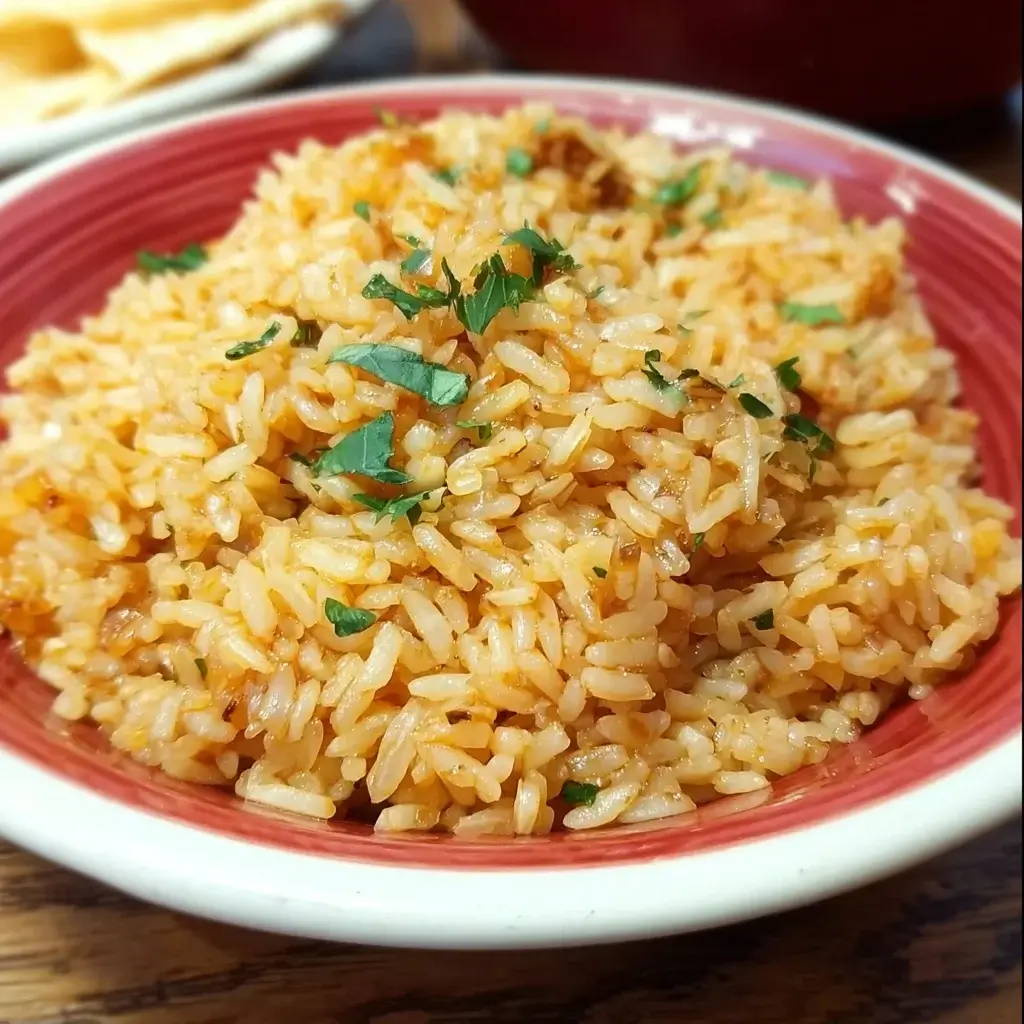

There are certain restaurant side dishes that are so iconic, they practically steal the show from the main course. For my family, the Seasoned Rice from Texas Roadhouse is one of those legendary dishes. We’d go for the steaks and the fall-off-the-bone ribs, but we’d all be secretly anticipating that little bowl of perfectly fluffy, savory, buttery rice. It was more than just rice; it was a flavor-packed pilaf with a subtle smoky heat and a richness that complemented everything on the plate. For years, I was on a mission to replicate that exact flavor at home. I tried countless combinations of spices and cooking methods, but something was always missing. Then, one evening, after tinkering with the spice blend and perfecting the cooking technique, I finally cracked the code. The aroma that filled my kitchen was unmistakable—it was the smell of Texas Roadhouse. When I served it to my family alongside some grilled chicken, the reaction was immediate. My husband’s eyes widened after the first bite. “You did it,” he said. “This is it.” The kids, who usually need encouragement to finish their sides, cleaned their plates and asked for more. This copycat Texas Roadhouse Seasoned Rice recipe has since become one of the most requested side dishes in our home. It transforms a simple weeknight dinner into something special and brings that beloved steakhouse experience right to our own dinner table.
Why This Copycat Recipe Is Even Better Than the Original
Before we dive into the method, let’s talk about why this specific recipe will become a staple in your kitchen. It’s more than just a simple imitation; it’s a perfected version of a classic, designed for the home cook to achieve flawless results every single time.
- Unlocking the Pilaf Method: The true secret to the texture of Texas Roadhouse rice isn’t just the ingredients, it’s the cooking process. This recipe utilizes the classic pilaf method, where the aromatics and rice grains are toasted in fat before any liquid is added. This simple step is a complete game-changer. It coats each grain of rice, keeping them separate and fluffy, while also adding a deep, nutty, and toasted flavor that you can’t achieve by simply boiling rice in water.
- A Perfect Symphony of Spices: The iconic flavor of the original comes from a carefully balanced blend of savory, smoky, and slightly spicy notes. This recipe nails that signature taste profile. We use a combination of smoked paprika for color and smokiness, garlic and onion powders for a deep savory base, a touch of cayenne for a gentle background heat, and other secret ingredients like soy sauce and Worcestershire to provide an incredible depth of umami. It’s a complex flavor that tastes like it took hours to develop.
- Incredible Versatility: While it’s the perfect partner for steak or chicken, this seasoned rice is one of the most versatile side dishes you can make. It can be a base for a hearty rice bowl, a filling for burritos or stuffed peppers, or a standalone star on a vegetarian plate. It’s so flavorful that it elevates any meal it accompanies, making it a true workhorse in your recipe arsenal.
- Foolproof and Forgiving: Many people are intimidated by cooking rice on the stovetop, fearing a sticky, gummy, or burnt result. This recipe is designed to be foolproof. The specific liquid-to-rice ratio, the simmering time, and the crucial resting period are all laid out to guarantee perfectly cooked, fluffy rice every time. Even if you’re a novice cook, you can approach this recipe with confidence.
Ingredients for Authentic Texas Roadhouse Seasoned Rice
Gathering the right combination of ingredients is the first step toward replicating that signature steakhouse flavor. Each component plays a crucial role in building the layers of taste and texture.
- 2 tablespoons unsalted butter: This is the foundation of our pilaf, used for sautéing the aromatics and toasting the rice.
- 1/2 cup yellow onion, finely diced: Provides a sweet and savory aromatic base.
- 1/2 cup bell pepper, finely diced (a mix of red and green is great for color): Adds a subtle sweetness and classic pilaf flavor.
- 1 1/2 cups long-grain white rice: The type of rice is crucial. Long-grain varieties like Jasmine or a standard American long-grain rice contain less starch and cook up into separate, fluffy grains, which is essential for this recipe.
- 3 cups low-sodium chicken broth: Using broth instead of water is non-negotiable for flavor. It infuses every grain of rice with a rich, savory taste.
- 1 tablespoon soy sauce: This is one of the secret ingredients that provides a deep umami flavor and a beautiful golden color.
- 1 teaspoon Worcestershire sauce: Adds another layer of complex, savory, and slightly tangy flavor.
- 1 teaspoon smoked paprika: Lends that signature reddish-brown hue and a subtle, smoky taste.
- 1/2 teaspoon garlic powder: For a savory, aromatic kick that is distributed evenly throughout the rice.
- 1/2 teaspoon onion powder: Complements the fresh onion and builds a deeper savory base.
- 1/4 teaspoon cayenne pepper: Provides a gentle background warmth without being overly spicy. You can adjust this to your preference.
- 1/2 teaspoon black pepper, freshly ground: For a touch of classic spice.
- 1 teaspoon salt (or to taste): Start with a smaller amount and adjust at the end, as the broth and soy sauce are already salty.
- 1/4 cup chopped fresh parsley or chives, for garnish (optional): Adds a pop of fresh color and a clean, herbaceous finish.
Step-by-Step Instructions for Perfect Seasoned Rice
Follow these detailed steps carefully to achieve a pot of seasoned rice that is fluffy, flavorful, and tastes just like it came from the Texas Roadhouse kitchen.
Step 1: Sauté the Aromatics
- In a medium-sized saucepan or a Dutch oven with a tight-fitting lid, melt the butter over medium heat.
- Once the butter is melted and foaming, add the finely diced yellow onion and bell pepper.
- Sauté the vegetables for 4-5 minutes, stirring occasionally, until they have softened and the onion is translucent. Don’t let them brown too much.
Step 2: Toast the Rice and Spices (The Most Important Step!)
- Add the uncooked long-grain white rice to the saucepan with the softened vegetables.
- Stir the rice constantly for about 2-3 minutes. You want to coat each grain in the butter and toast it slightly. The grains will start to look translucent around the edges and you’ll smell a nutty, fragrant aroma. This step is crucial for developing flavor and ensuring fluffy, separate grains.
- Sprinkle in the smoked paprika, garlic powder, onion powder, cayenne pepper, and black pepper. Continue to stir and cook for another minute until the spices are fragrant. This “blooms” the spices, waking up their essential oils and deepening their flavor.
Step 3: Deglaze and Add Liquids
- Pour the chicken broth, soy sauce, and Worcestershire sauce into the saucepan. Use a wooden spoon to scrape up any browned bits that may have stuck to the bottom of the pan—this is where a ton of flavor is.
- Stir everything together and add the salt.
Step 4: Simmer to Perfection
- Increase the heat to high and bring the liquid to a rolling boil.
- Once it’s boiling, immediately reduce the heat to the lowest possible setting on your stove.
- Cover the saucepan with its tight-fitting lid. Let the rice simmer, undisturbed, for 18-20 minutes. Do not lift the lid to peek! Lifting the lid releases the steam, which is essential for cooking the rice evenly.
Step 5: Rest and Fluff
- After 18-20 minutes, remove the saucepan from the heat entirely. Keep the lid on.
- Let the rice sit, off the heat, for another 10 minutes. This resting period allows the residual steam to finish cooking the rice and helps the grains absorb any remaining moisture, preventing a mushy texture.
- After the resting period, remove the lid. You will see small steam vents on the surface of the rice. Use a fork to gently fluff the rice, separating the grains.
- Stir in the optional fresh parsley or chives just before serving. Taste and adjust seasoning if necessary.
Nutrition Facts
Please note that these nutritional values are an estimate and can vary based on the specific ingredients you use, such as the brand of broth or soy sauce.
- Servings: 6
- Calories per serving: Approximately 350 kcal
This dish is primarily a source of carbohydrates for energy, but it delivers a huge amount of flavor for a relatively simple side dish.
Preparation Time
This steakhouse-quality side dish comes together surprisingly quickly, making it perfect for a weeknight.
- Prep Time: 10 minutes (dicing the vegetables)
- Cook Time: 25 minutes (sautéing, simmering)
- Resting Time: 10 minutes
- Total Time: 45 minutes
How to Serve Texas Roadhouse Seasoned Rice
This versatile rice is the perfect accompaniment to a wide variety of main courses. Here are some delicious ideas for serving:
- The Classic Steakhouse Experience:
- Serve it alongside a perfectly grilled New York strip steak or a juicy ribeye.
- It’s the ideal partner for fall-off-the-bone BBQ ribs or pulled pork.
- Pair it with other Texas Roadhouse copycat favorites like their famous yeast rolls with cinnamon honey butter.
- Perfect Poultry Pairings:
- Serve with simple grilled chicken breasts or roasted chicken thighs.
- It’s fantastic with BBQ chicken or saucy chicken kabobs.
- Use it as a bed for smothered chicken topped with mushrooms, onions, and melted cheese.
- With Seafood and Pork:
- This rice is a wonderful side for grilled shrimp skewers or blackened salmon.
- It complements thick-cut grilled pork chops beautifully.
- As the Base for a Hearty Bowl:
- Use this seasoned rice as the foundation for a delicious and filling “burrito bowl.” Top it with black beans, corn salsa, shredded lettuce, avocado, cheese, and a dollop of sour cream.
- Top a bowl of the rice with leftover pulled pork or shredded chicken for a quick and easy lunch.
Additional Tips for Recipe Success
Here are five expert tips to ensure your copycat rice is absolutely perfect every time.
- Rinse Your Rice First: For the absolute fluffiest results, place your uncooked rice in a fine-mesh sieve and rinse it under cold running water for about a minute, or until the water runs clear. This removes the excess surface starch that can cause the grains to stick together and become gummy. Be sure to drain it well before adding it to the pot.
- Don’t Be Shy with the Toasting Step: The toasting of the rice and spices is where the magic happens. Don’t rush this part. Make sure you can smell the nutty aroma from the rice and the fragrance from the blooming spices before you add the liquid. This single step builds a layer of flavor that you can’t get any other way.
- Ensure Your Lid is Tight-Fitting: The entire cooking process relies on trapped steam. If your saucepan’s lid is loose or wobbly, steam will escape, and your rice-to-liquid ratio will be off, potentially resulting in undercooked or unevenly cooked rice. If your lid isn’t tight, you can place a clean kitchen towel or a layer of aluminum foil between the pot and the lid to create a better seal.
- Resist the Urge to Stir: Once you put the lid on and turn the heat down, your work is done. Do not stir the rice while it’s simmering. Stirring can break up the grains and release starch, leading to a sticky, risotto-like consistency instead of the fluffy pilaf we’re aiming for.
- Use a Fork to Fluff: When it’s time to fluff the rice after its resting period, always use a fork, not a spoon. A spoon can mash and break the delicate grains. A fork gently separates them, preserving their texture and ensuring a light, fluffy result.
Frequently Asked Questions (FAQ)
Here are answers to some of the most common questions about making this Texas Roadhouse Seasoned Rice recipe.
1. Can I make this rice vegetarian or vegan?
Yes, absolutely! To make this recipe vegetarian, simply substitute the chicken broth with a high-quality vegetable broth. To make it vegan, use vegetable broth and swap the butter for a vegan butter substitute or olive oil. Also, ensure your Worcestershire sauce is a vegan brand, as traditional versions contain anchovies.
2. What can I use if I don’t have long-grain white rice?
While long-grain white rice like Jasmine or Basmati provides the best texture, you can use other types of rice, but you may need to adjust the liquid ratio and cooking time. Brown rice, for example, will require more liquid (about a 1:2.5 rice-to-liquid ratio) and a much longer simmering time (around 40-45 minutes). Avoid short-grain rice like Arborio, as it is designed to be creamy and sticky.
3. How do I store and reheat leftovers?
Store any leftover rice in an airtight container in the refrigerator for up to 4 days. To reheat, place the rice in a microwave-safe bowl, sprinkle a tablespoon of water over the top (this creates steam and prevents it from drying out), cover, and microwave for 1-2 minutes, or until heated through. You can also reheat it in a saucepan over low heat with a splash of broth or water.
4. Can I freeze this seasoned rice?
Yes, this rice freezes beautifully. Let it cool completely after cooking, then transfer it to freezer-safe zip-top bags or airtight containers. Press out as much air as possible. It can be frozen for up to 3 months. To serve, thaw it overnight in the refrigerator and reheat using the methods described above.
5. My rice turned out mushy/sticky. What did I do wrong?
Mushy or sticky rice is usually caused by one of a few things:
- Too much liquid: Ensure you are using a precise 1:2 ratio of rice to liquid (1.5 cups of rice to 3 cups of broth).
- Not rinsing the rice: Excess surface starch is a primary cause of sticky rice.
- Peeking while it cooked: Lifting the lid releases essential steam, disrupting the cooking process.
- Stirring during simmering: This breaks down the starches and creates a gummy texture.
- Skipping the rest period: The final 10-minute rest off the heat is crucial for the rice to absorb the last bits of moisture evenly.
Texas Roadhouse Seasoned Rice recipe
Ingredients
- 2 tablespoons unsalted butter: This is the foundation of our pilaf, used for sautéing the aromatics and toasting the rice.
- 1/2 cup yellow onion, finely diced: Provides a sweet and savory aromatic base.
- 1/2 cup bell pepper, finely diced (a mix of red and green is great for color): Adds a subtle sweetness and classic pilaf flavor.
- 1 1/2 cups long-grain white rice: The type of rice is crucial. Long-grain varieties like Jasmine or a standard American long-grain rice contain less starch and cook up into separate, fluffy grains, which is essential for this recipe.
- 3 cups low-sodium chicken broth: Using broth instead of water is non-negotiable for flavor. It infuses every grain of rice with a rich, savory taste.
- 1 tablespoon soy sauce: This is one of the secret ingredients that provides a deep umami flavor and a beautiful golden color.
- 1 teaspoon Worcestershire sauce: Adds another layer of complex, savory, and slightly tangy flavor.
- 1 teaspoon smoked paprika: Lends that signature reddish-brown hue and a subtle, smoky taste.
- 1/2 teaspoon garlic powder: For a savory, aromatic kick that is distributed evenly throughout the rice.
- 1/2 teaspoon onion powder: Complements the fresh onion and builds a deeper savory base.
- 1/4 teaspoon cayenne pepper: Provides a gentle background warmth without being overly spicy. You can adjust this to your preference.
- 1/2 teaspoon black pepper, freshly ground: For a touch of classic spice.
- 1 teaspoon salt (or to taste): Start with a smaller amount and adjust at the end, as the broth and soy sauce are already salty.
- 1/4 cup chopped fresh parsley or chives, for garnish (optional): Adds a pop of fresh color and a clean, herbaceous finish.
Instructions
Step 1: Sauté the Aromatics
- In a medium-sized saucepan or a Dutch oven with a tight-fitting lid, melt the butter over medium heat.
- Once the butter is melted and foaming, add the finely diced yellow onion and bell pepper.
- Sauté the vegetables for 4-5 minutes, stirring occasionally, until they have softened and the onion is translucent. Don’t let them brown too much.
Step 2: Toast the Rice and Spices (The Most Important Step!)
- Add the uncooked long-grain white rice to the saucepan with the softened vegetables.
- Stir the rice constantly for about 2-3 minutes. You want to coat each grain in the butter and toast it slightly. The grains will start to look translucent around the edges and you’ll smell a nutty, fragrant aroma. This step is crucial for developing flavor and ensuring fluffy, separate grains.
- Sprinkle in the smoked paprika, garlic powder, onion powder, cayenne pepper, and black pepper. Continue to stir and cook for another minute until the spices are fragrant. This “blooms” the spices, waking up their essential oils and deepening their flavor.
Step 3: Deglaze and Add Liquids
- Pour the chicken broth, soy sauce, and Worcestershire sauce into the saucepan. Use a wooden spoon to scrape up any browned bits that may have stuck to the bottom of the pan—this is where a ton of flavor is.
- Stir everything together and add the salt.
Step 4: Simmer to Perfection
- Increase the heat to high and bring the liquid to a rolling boil.
- Once it’s boiling, immediately reduce the heat to the lowest possible setting on your stove.
- Cover the saucepan with its tight-fitting lid. Let the rice simmer, undisturbed, for 18-20 minutes. Do not lift the lid to peek! Lifting the lid releases the steam, which is essential for cooking the rice evenly.
Step 5: Rest and Fluff
- After 18-20 minutes, remove the saucepan from the heat entirely. Keep the lid on.
- Let the rice sit, off the heat, for another 10 minutes. This resting period allows the residual steam to finish cooking the rice and helps the grains absorb any remaining moisture, preventing a mushy texture.
- After the resting period, remove the lid. You will see small steam vents on the surface of the rice. Use a fork to gently fluff the rice, separating the grains.
- Stir in the optional fresh parsley or chives just before serving. Taste and adjust seasoning if necessary.
Nutrition
- Serving Size: one normal portion
- Calories: 350